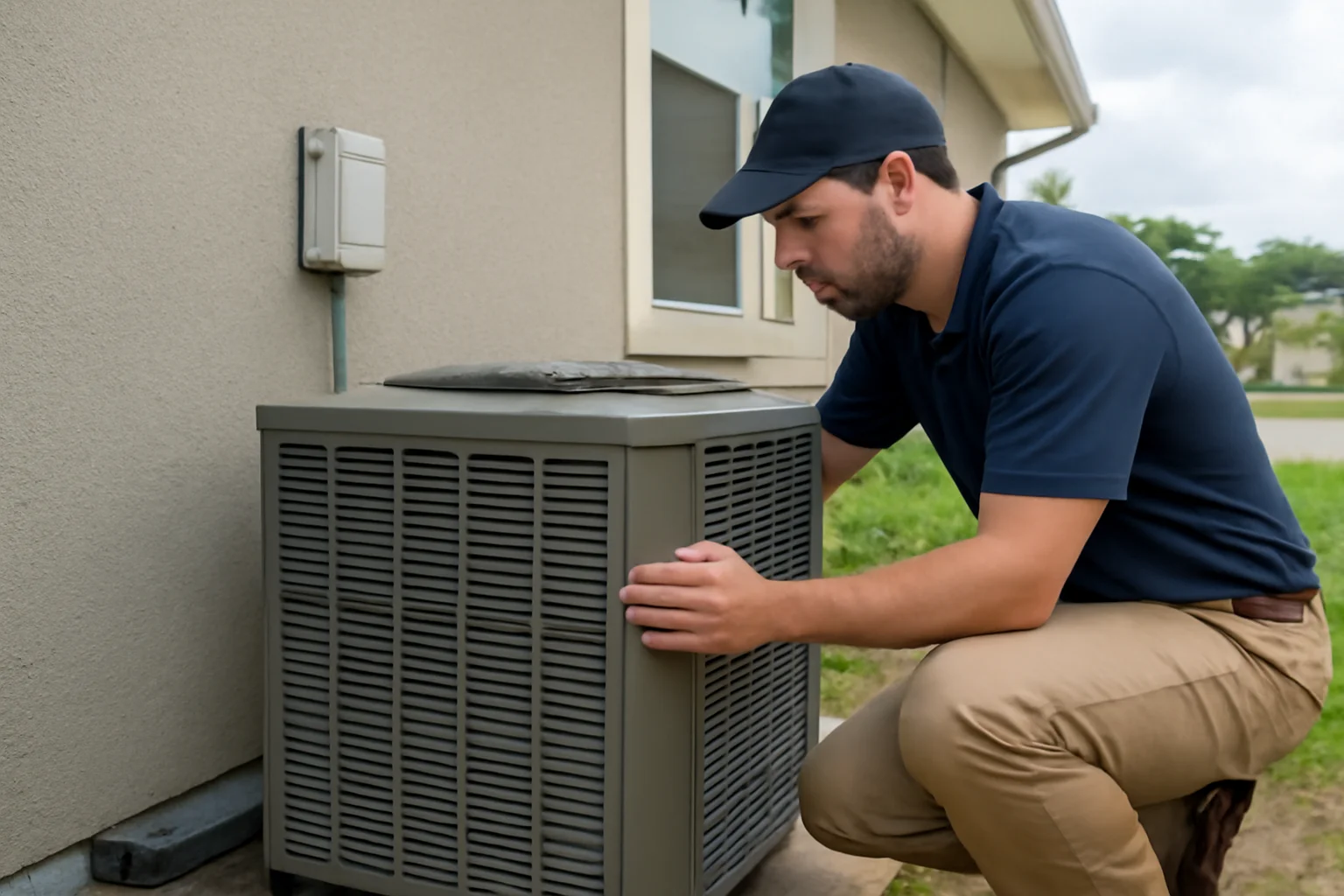
Blue Mountain Beach is beautiful, but the local weather is hard on HVAC systems. Hot, humid air pushes cooling systems to run longer, salt air can accelerate corrosion, and clogged ductwork can quietly reduce airflow. For property managers, small comfort complaints can become expensive downtime if the underlying HVAC issues are missed.
This guide covers HVAC warning signs connected to property management HVAC services in Blue Mountain Beach, FL. You will also find practical prevention steps for cooling, airflow, humidity control, condensate drainage, refrigerant system concerns, thermostats, and indoor air quality. If you manage rentals or multi-unit properties, these are the patterns that often show up before a breakdown and before tenants start calling for emergency cooling.
Why coastal Florida HVAC problems escalate fast for rentals
In Walton County, the combination of Florida heat, humidity, and coastal exposure changes how HVAC systems behave. An air conditioner or heat pump may cool adequately at first, then struggle during peak afternoons. Meanwhile, air leakage, duct losses, and dirty filters can make the system work harder than it should.
Property managers often deal with multiple units across different buildings. That makes consistency important. When one system starts to underperform, it can be easy to treat symptoms only, like “the tenant says it is not cold enough.” A better approach is to connect comfort complaints to common HVAC failure pathways, such as airflow restrictions, thermostat misreads, condensate drainage issues, and refrigerant system performance problems.
If you are searching for property management HVAC services in Blue Mountain Beach, FL, a reliable local HVAC company should help you document issues, schedule maintenance before seasonal spikes, and respond quickly when emergency cooling concerns arise.
Cooling complaints that point to airflow problems
One of the most frequent warning signs in coastal rentals is “it runs but it does not cool.” That message often signals airflow restrictions rather than a simple thermostat issue. When airflow drops, the system can lose cooling capacity and may cycle more often.
Common warning signs
Strong airflow at some vents but weak airflow at others
Hot spots in rooms, especially bedrooms or upper floors
Inconsistent temperatures between mornings and afternoons
Long run times with little temperature drop
Likely causes property managers should look for
Dirty air filters or filters installed incorrectly
Blocked or poorly sealed ductwork connections
Supply registers stuck closed or obstructed by furniture
Blower or motor performance issues that reduce air movement
Airflow problems are also closely tied to energy use. When the system cannot move conditioned air efficiently, the HVAC equipment has to run longer to reach the thermostat setpoint. Over time, that can increase wear on components and raise operating costs.
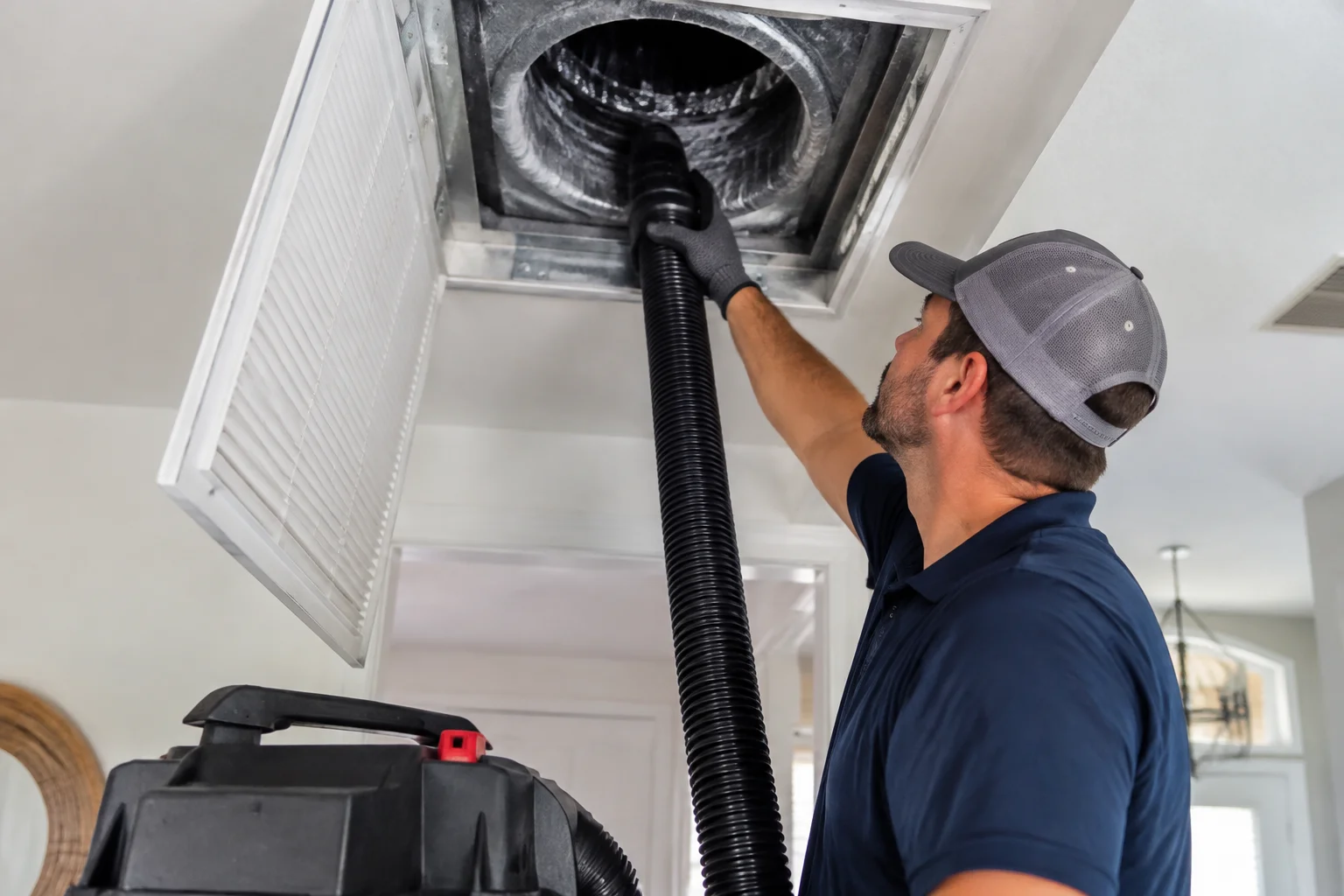
If you suspect airflow issues, an duct inspection near me style evaluation can help confirm whether ductwork is contributing to uneven cooling. For property portfolios, it is often more cost-effective to identify duct-related limits early rather than waiting for repeated tenant complaints.
Humidity control warning signs that lead to indoor air quality issues
Humidity is not just a comfort issue in Blue Mountain Beach. It impacts indoor air quality, occupant comfort, and the way cooling systems perform. An air conditioner and heat pump are designed to remove moisture when airflow and refrigerant system performance are within normal ranges.
Warning signs tenants and managers notice
Air feels clammy even when the thermostat says the temperature is set correctly
Condensation on windows or walls
Musty odors that seem to return after the system runs
Visible moisture near supply vents or in closets
Common causes
Restricted airflow that prevents proper moisture removal
Cooling cycle short-cycling due to improper operation or comfort settings
Problems with condensate drainage that prevent water from draining away
Insulation gaps or air leaks that bring in humid outdoor air
When humidity is not controlled, tenants may experience allergy-type symptoms, and the property can become more vulnerable to mold growth. That is why indoor air quality planning should be part of property management HVAC services, not an afterthought.
If you are prioritizing air quality, consider Indoor Air Quality Testing for units that show recurring humidity complaints or musty odors. For additional planning, you can also review Smart HVAC Planning for Rosemary Beach Homes for ideas that translate well across the coast.
Condensate drainage problems that can trigger water damage
In Florida humidity, condensate drainage is a big deal. During cooling, air conditioning equipment removes moisture and that water must drain properly. If condensate cannot drain, the system can back up, overflow, or stop operating correctly.
Warning signs
Water pooling near the indoor unit or in the drain pan area
Slower draining after the system runs
Gurgling sounds from the condensate line
Repeated shutdowns tied to moisture or safety controls
For property managers, condensate drainage issues can become urgent quickly because water damage is not limited to the HVAC closet. If the drain line is clogged or the drain pan is not draining, it can contribute to ceiling staining, drywall issues, and indoor air quality problems.
A qualified HVAC technician can evaluate condensate drainage and confirm that the system is clearing water correctly. This is one area where a quick on-site inspection matters more than remote troubleshooting.
Thermostat and control issues that cause comfort complaints
Thermostats are the interface between tenants and the HVAC system. A thermostat that reads incorrectly, is programmed incorrectly, or is not communicating properly can create a cycle of complaints and unnecessary run time.
Warning signs
Temperature swings that make rooms feel unstable
Tenant reports that the unit “never reaches the set temperature”
System turns on and off too frequently
Display errors or non-responsive controls
What to check first
Whether the thermostat is installed away from heat sources, direct sun, or drafts
Whether schedules and modes match tenant expectations
Whether the system is being overridden by incorrect settings
If a thermostat needs professional attention, property managers can consider heat pump services or AC service planning depending on the system type. If you need thermostat installation, searching for thermostat installation near me should lead you to a licensed HVAC contractor that can verify compatibility and correct operation on site.
Important: avoid assuming the thermostat is the only culprit. Temperature complaints can also be tied to airflow, humidity, ductwork, or refrigerant system performance. A professional evaluation helps sort out what is truly driving the comfort issue.
Refrigerant system warning signs and why they require an on-site evaluation
Refrigerant systems are central to cooling and heat pump operation, but they are also sensitive to airflow and system conditions. Low refrigerant or refrigerant-related issues can reduce cooling performance and increase runtime. However, refrigerant is not something that should be diagnosed or adjusted without proper testing.
Warning signs that may relate to refrigerant system performance
Cooling performance drops noticeably during peak humidity
Evaporator coil icing or frost buildup
Frequent cycling or unusual system behavior
Tenant reports that the unit runs longer but the space never cools
If you suspect refrigerant-related performance issues, the right step is to schedule HVAC repair with a local, licensed HVAC contractor. A technician should evaluate airflow, coil condition, condensate drainage, and system operation before making any refrigerant-related conclusions. Avoid DIY refrigerant work. It can be unsafe and can also hide the true cause, such as duct restrictions or a failing component.
Ductwork warning signs that create repeated “AC repair near me” calls
In many Florida homes, ductwork is the difference between a system that performs and one that struggles. Even a well-maintained air conditioner can underperform if ductwork is leaking, poorly insulated, or blocked.
Warning signs
Rooms far from the air handler are consistently warmer
Dust buildup around vents
Airflow that feels inconsistent when the blower speed changes
Visible wear or disconnected duct sections
If you are managing multiple units, repeated complaints about uneven cooling often point to ductwork. In that case, an duct inspection near me approach can help identify where airflow is being lost. For property owners thinking ahead, A Homeowner’s Guide to Property Management HVAC Services in Santa Rosa Beach can also help you build a maintenance routine that reduces surprise breakdowns.
For larger properties or multi-zone setups, some facilities rely on systems like VRF multi-zone equipment. If your portfolio includes those configurations, consider reviewing VRF Multi-Zone Systems to understand how warnings can differ from single-zone units.
Salt air, corrosion, and outdoor unit warning signs
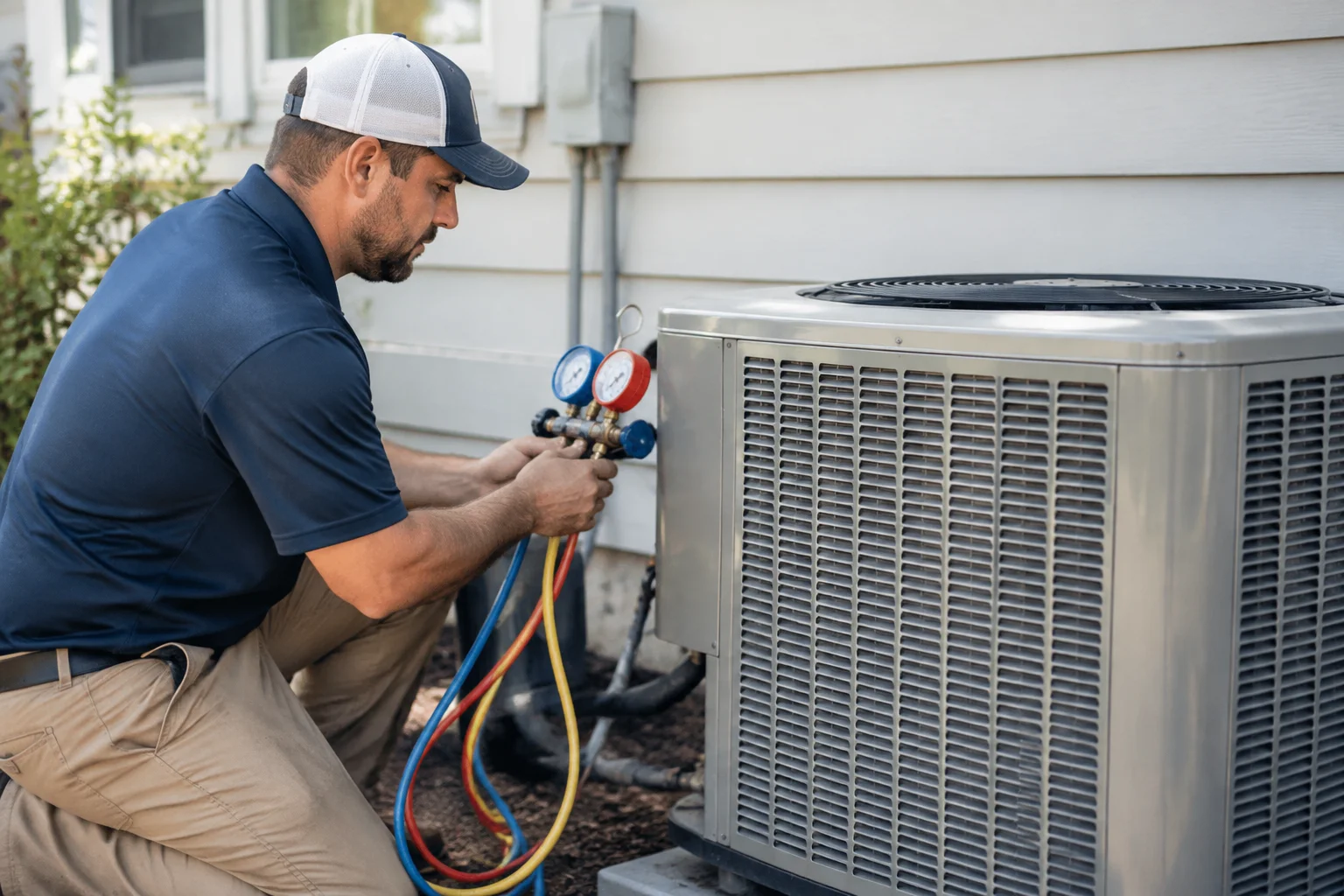
Coastal exposure can increase the rate at which outdoor components experience corrosion. While routine maintenance helps, salt air can still affect performance and lifespan.
What to watch for
Outdoor unit surfaces that appear heavily corroded
Visible debris buildup around the condenser
Signs of damaged fan blades or bent fins
Rattling or grinding sounds during operation
These issues can reduce heat transfer and lead to comfort problems that show up during the hottest periods. Property managers should treat outdoor unit inspections as part of preventive HVAC maintenance, especially in coastal areas.
Emergency cooling concerns: when property managers should treat it as urgent
Florida heat can become dangerous quickly, especially for vulnerable tenants. Emergency cooling concerns should be treated as urgent even when the cause is not immediately clear.
Escalate quickly if you see
The system stops cooling entirely
Visible smoke or burning smells near HVAC components
Water overflow or repeated condensate backups
Electrical-like symptoms such as repeated tripping or unusual system cycling
When homeowners search for emergency AC repair near me, they usually need help fast. For property management, a plan matters. Keep a clear process for tenant communication, document symptoms, and schedule inspection as soon as the system fails. The goal is to reduce downtime and protect indoor comfort and humidity control.
For larger commercial portfolios, the same urgency applies. If your properties include shared systems or commercial spaces, explore Commercial HVAC Repair to align your response process with the system type.
Preventive HVAC maintenance that helps avoid mid-summer breakdowns
Preventive maintenance is how property managers protect investments. It can also reduce tenant calls by keeping cooling, airflow, and humidity control stable. When maintenance is consistent, you are more likely to catch issues like restricted airflow, condensate drainage problems, and failing controls before they become emergencies.
Maintenance items that matter in coastal Florida
Air filter checks and correct installation
Inspection of ductwork for disconnections, leaks, and airflow restrictions
Verification of condensate drainage and drain pan condition
Thermostat calibration or functional verification
Coil and airflow evaluation as part of air conditioning service
Outdoor unit inspection for corrosion, debris, and proper operation
In a humid climate, small issues can compound. A slightly restricted airflow path can cause higher humidity inside, which can lead to complaints that seem unrelated. Preventive HVAC maintenance helps keep the system operating as intended and supports indoor air quality.
If you are comparing options for “HVAC service near me” or “HVAC company near me,” ask how they handle property portfolios. Look for a process that includes documentation, scheduling discipline, and HVAC repair and replacement planning when systems reach the end of their useful life.
Planning for HVAC replacement without guessing
Property managers sometimes ask about HVAC replacement near me because a system is old, noisy, or repeatedly underperforming. Replacement can be the right choice, but it should not be based on guesses or a single symptom.
Decisions should come from an on-site evaluation that considers system performance, comfort history, ductwork condition, humidity control, airflow, and the overall refrigerant system behavior. If a unit is struggling due to airflow or duct issues, replacing the equipment may not solve the root cause. A licensed HVAC contractor can help separate equipment limitations from installation and ductwork constraints.
If your property uses heat pumps, you may also need heat pump services for troubleshooting and maintenance planning. For multi-unit portfolios, system type matters, and a technician should explain what is driving performance and comfort.
Building a property management HVAC playbook for Blue Mountain Beach
Comfort complaints are data. When a tenant calls about cooling, humidity, or airflow, property managers can use a consistent intake process to reduce repeat calls and improve outcomes.
A simple intake checklist
What symptoms are reported: not cooling, clammy air, uneven rooms, unusual noises, or water concerns
When the symptom started and whether it happens during peak afternoon heat
Thermostat settings and whether the tenant reports changes
Any visible condensation, water pooling, or musty odors
Filter condition and whether it has been replaced recently
Then route the request to the right service category. For example, if humidity complaints are persistent, prioritize indoor air quality and moisture control. If cooling is uneven, prioritize duct inspection and airflow evaluation. If the system fails entirely, coordinate emergency cooling response and on-site troubleshooting.
If you manage multiple properties across Walton County, you can also coordinate your HVAC planning with broader guidance like A Practical Look at Property Management HVAC Services for Local Property Owners in Sandestin, FL.
Choosing A Superior Mechanical for rental and multi-unit HVAC support
A Superior Mechanical provides dependable property management HVAC services in Blue Mountain Beach, FL for rentals, multi-unit properties, and commercial portfolios. Coastal conditions make HVAC reliability more than a convenience. It is part of protecting the property, maintaining indoor air quality, and preventing emergency cooling concerns during Florida heat and humidity.
If you also want local context for the area you serve, visit Blue Mountain Beach and Walton County service pages to see how support is structured for homeowners and property managers across the region.
For property teams, the goal is simple: catch warning signs early, keep airflow and humidity under control, and reduce downtime. When you treat HVAC issues as part of property management rather than a last-minute repair, tenants stay comfortable and systems last longer.
Find Property Management HVAC Services in Blue Mountain Beach, FL
If you need Property Management HVAC Services in Blue Mountain Beach, FL, visit our local service page or contact A Superior Mechanical today.
Map of Blue Mountain Beach, FL
Frequently Asked Questions
Why does my rental AC run a long time but still not cool well in Blue Mountain Beach?
Long run times with weak cooling often point to airflow restrictions like dirty filters, ductwork issues, or blower problems. Humidity and coastal conditions can make the problem show up faster. A local technician should inspect airflow, ductwork, and system operation on site.
What humidity issues are most common in coastal Florida rentals?
Clammy air, condensation on windows, and musty odors are common when moisture removal is reduced. This can happen when airflow is restricted, cooling cycles do not run correctly, or condensate drainage does not work properly. Indoor air quality testing can help confirm the bigger picture.
Can a clogged condensate drain cause HVAC problems beyond water on the floor?
Yes. When condensate drainage is restricted, water can back up into the drain pan and create indoor moisture problems. That can contribute to poor humidity control and indoor air quality issues. It also increases the risk of water damage if not addressed.
Are refrigerant issues something property managers should try to diagnose themselves?
No. Refrigerant-related problems require proper testing and safe handling. A professional should evaluate airflow, coil conditions, condensate drainage, and system performance before drawing conclusions about refrigerant. Avoid DIY refrigerant work.
What HVAC warning signs should be treated as urgent for emergency cooling concerns?
If the system stops cooling entirely, water overflows or repeatedly backs up, or there are burning smells or unusual emergency-like behavior, treat it as urgent. In Florida heat, delays can quickly affect comfort and safety, so schedule on-site service promptly.
Related Articles
- A Homeowner’s Guide to Property Management HVAC Services in Santa Rosa Beach
- A Practical Look at Property Management HVAC Services for Local Property Owners in Sandestin, FL
- Blue Mountain Beach Homes and the Hidden Value of a Duct Inspection
- Smart HVAC Planning for Rosemary Beach Homes: Comfort, Airflow, and Coastal Protection
Photo Gallery