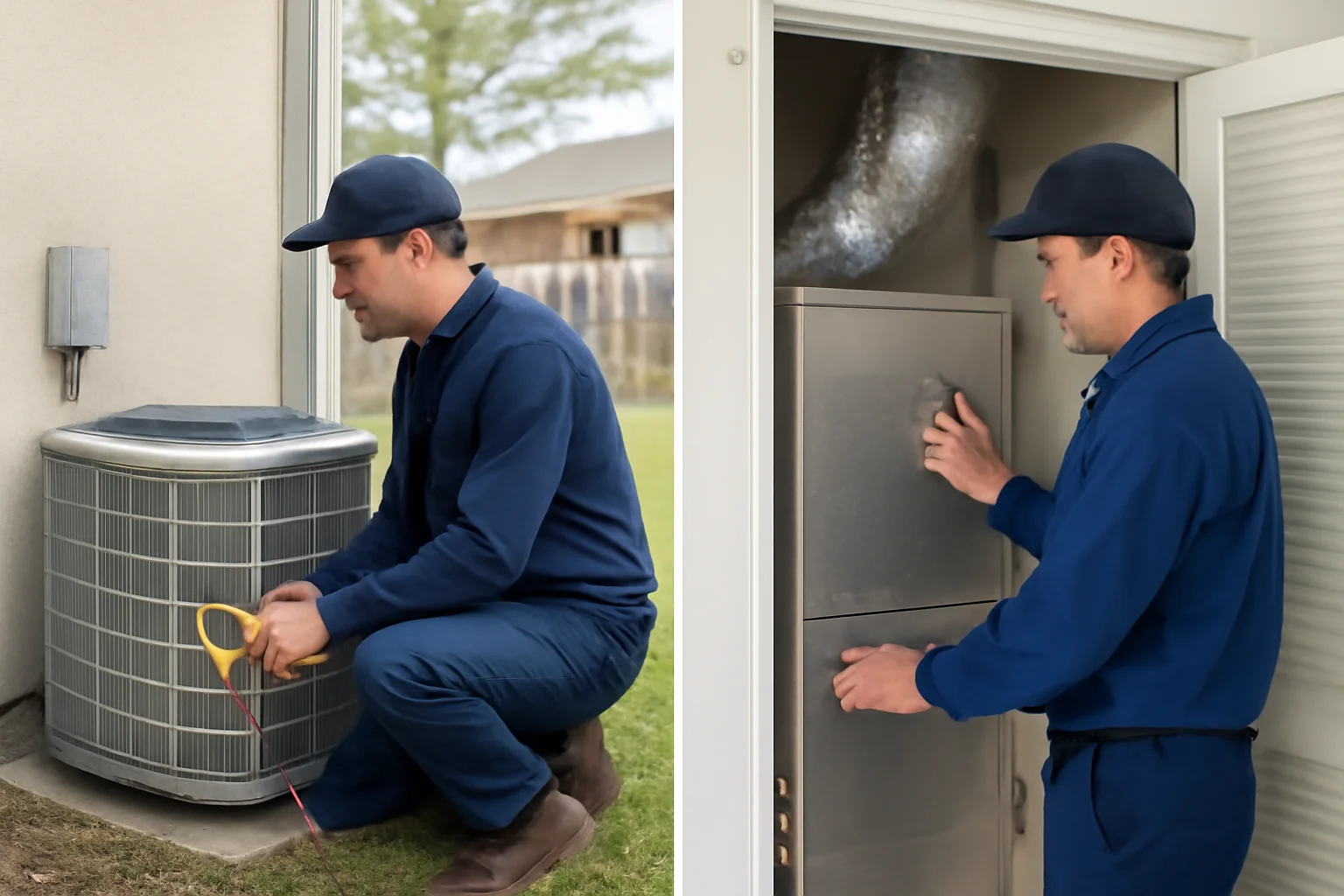
When you manage rental homes, condos, or multi-unit properties in Crestview, FL, HVAC problems rarely stay small for long. Florida heat, humidity, and the effects of salt air can stress air conditioning and heat pump systems, especially when airflow is restricted or maintenance falls behind. The result is often the same: a unit that runs longer than it should, indoor air quality that slips, and emergency cooling concerns that disrupt tenants and schedules.
This guide covers HVAC warning signs that commonly lead to emergency calls, why they happen in Crestview properties, and how property management HVAC services can improve airflow and reliability before a failure. If you are searching for property management HVAC services in Crestview, FL, this is a practical place to start.
Why Crestview HVAC emergencies often start with airflow problems
In Crestview, cooling demand is predictable, but HVAC performance is not. Many breakdowns trace back to airflow and system balance issues. Airflow affects how efficiently a refrigerant system absorbs heat and removes it from indoor air. When airflow is weak, the system can run longer, cycle more often, and wear components faster.
Common property management contributors include dirty or obstructed ductwork, clogged air filters, blocked returns, closed dampers, mismatched supply and return registers, and indoor coils that do not transfer heat as well as they should. Even when a system still “blows cold,” it may be doing so inefficiently, which increases energy use and raises the odds of a mid-summer failure.
For homeowners and property managers, this is why a strong preventive approach matters. If you want to keep tenants comfortable and reduce emergency AC repair calls, connect warning signs to airflow first, then verify system health with a professional HVAC inspection.
Warning signs that often precede an HVAC breakdown
Some HVAC warning signs are obvious. Others are subtle, but predictable. Here are the most common indicators that a Crestview property HVAC system needs attention from a licensed HVAC contractor.
1) Rooms feel unevenly cooled, especially during peak afternoon heat
Uneven cooling is frequently an airflow issue. A bedroom that stays warm while the living area feels cool can point to ductwork restrictions, supply imbalances, or return airflow problems. In multi-unit buildings, it can also relate to ductwork layout differences between units or shared equipment.
When airflow is restricted, the system may compensate by running longer and cycling more frequently. Over time, that can increase wear and lead to refrigerant system stress.
2) The system runs constantly but still struggles to reach the thermostat setpoint
Constant runtime is not the same as “working hard.” If the system cannot maintain temperature, it may be dealing with airflow restrictions, dirty indoor components, or issues affecting refrigerant system performance. Avoid assuming it is “just Florida weather.” In Crestview, the climate is demanding, but a properly maintained system should still cool reliably.
If you notice constant runtime, check for obvious filter problems and blocked vents. Then schedule a professional evaluation rather than waiting for a complete failure. This is especially important for properties where tenants may be vulnerable to heat and humidity.
3) Humidity stays high or indoor air feels stale
Florida humidity can be relentless. When humidity control is weak, tenants may complain about condensation, musty odors, or “clammy” air. Weak dehumidification can be tied to airflow, coil cleanliness, refrigerant system performance, or condensate drainage problems.
For managed properties, high humidity can also impact indoor air quality. Dust and allergens can circulate more easily, and moisture can contribute to odors and microbial growth. Addressing the root cause helps comfort and supports healthier indoor air.
4) Condensate drainage problems, water pooling, or repeated drain pan issues
Air conditioning systems remove moisture. If condensate drainage is restricted, the system may shut down to protect itself, overflow, or develop leaks. In some cases, you may see water around an air handler, on a closet floor, or near a furnace area.
Condensate drainage issues can be seasonal. In humid months, they become more frequent, and a small restriction can turn into a full emergency. A professional technician can inspect drainage paths and verify the system is managing moisture correctly.
5) Airflow sounds change, such as rattling, whistling, or weak blower performance
New noises are not “normal.” Rattling can indicate airflow turbulence, loose components, or debris. Whistling can suggest duct leaks or restricted airflow. Weak blower performance may point to a failing fan motor, a dirty blower, or ductwork restrictions.
Noise changes are often an early clue. If you ignore them, the system can continue operating under strain until a component fails.
6) Thermostat behavior seems inconsistent
Thermostat issues can mimic HVAC mechanical problems. A thermostat that cycles too frequently, fails to hold temperature, or shows incorrect readings can cause comfort complaints and unnecessary wear. In rental properties, tenants may also adjust settings in ways that mask the underlying issue.
Thermostat installation and calibration should be handled by a professional. If you are looking for HVAC service near me that includes thermostat installation, make sure the contractor checks for compatibility with the system and verifies proper operation during the visit.
Local Crestview conditions that make HVAC problems more likely
Even well-maintained systems can struggle when the environment is harsh. Crestview’s climate and housing style influence HVAC wear and service frequency.
Heat and humidity that stress cooling cycles
During the hottest stretches, AC and heat pump systems run longer and pull more moisture from indoor air. If airflow is slightly restricted or coils are not clean, the system can lose cooling efficiency. That increases energy use and raises the odds of component failures.
Salt air exposure near the Gulf
Okaloosa County properties can be affected by salt air, especially those closer to coastal areas. Salt and airborne contaminants can contribute to corrosion on outdoor components and dirty coil surfaces over time. This can reduce heat transfer and contribute to reliability issues.
Routine coil cleaning, inspection of outdoor sections, and attention to drainage can be important for long-term performance.
Older ductwork and common retrofit challenges
Many Crestview homes were built with ductwork designs that may not perfectly match current loads or insulation levels. Over time, ducts can develop leaks, sag, or accumulate debris. When that happens, airflow suffers.
If you manage properties with older duct systems, it helps to understand why inspections get complicated. See Why Duct Inspections Get Complicated in Crestview Homes for a deeper look at what technicians consider during an airflow assessment.
How property management HVAC services reduce emergencies
Property managers and landlords have a different challenge than homeowners. You are coordinating comfort across multiple units, scheduling repairs around tenant availability, and keeping equipment reliable with consistent documentation. A strong property management HVAC approach is designed to prevent issues from escalating.
Scheduled inspections that focus on airflow and system balance
Preventive HVAC maintenance should not be limited to “filter changes.” A thorough visit can include checking air handler performance, verifying airflow paths, inspecting ductwork conditions, and reviewing thermostat operation. That combination helps catch issues that lead to emergency cooling concerns.
For example, a system that is short cycling or struggling to dehumidify may look like a thermostat problem, but the cause can be airflow, coil cleanliness, or refrigerant system behavior. An inspection connects the dots.
Filter and airflow management that tenants can actually follow
In rentals, tenants may forget filters or use the wrong type. Property management HVAC services often establish a clear process for filter access and replacement. That helps protect indoor air quality and supports consistent airflow.
Improving airflow reliability also supports energy efficiency. When the system can move air properly, it does not have to run as long to achieve comfort targets.
Moisture and condensate drainage checks before the hottest months
Condensate drainage problems can be hard to notice until water appears or a system shuts down. A preventive plan includes inspecting drain lines, verifying proper drainage, and checking for conditions that can lead to overflow or clogs.
Moisture control is also part of indoor air quality. When humidity is managed, tenants are more comfortable and the risk of musty odors can drop.
Clear maintenance records that reduce repeat issues
When multiple tenants experience similar comfort problems, the same underlying issue may be repeating. Documentation helps technicians identify patterns. It also helps property managers track which units need more frequent attention due to ductwork layout, filter access, or system age.
If you are building a maintenance schedule, you can also use seasonal habits to support reliability. For an AC-focused checklist, read Keeping Crestview Cool Starts With Better AC Maintenance Habits.
AC tune ups, heat pump service, and ductwork inspections that actually matter
A “tune up” should address the system’s ability to move air and manage heat. In Crestview properties, tune ups and inspections should also consider humidity control and condensate drainage.
AC repair and heat pump repair priorities
When homeowners search for AC repair near me or heat pump repair near me, they often focus on whether the system is blowing cold. For property management, the goal is reliability. If a system is cooling poorly, cycling oddly, or struggling with humidity, the evaluation should include airflow checks and indoor coil and drainage inspection.
Do not attempt to diagnose refrigerant system problems from symptoms alone. Refrigerant diagnostics require in-person assessment and proper tools. A licensed HVAC contractor should verify system behavior before recommending any refrigerant-related actions.
Ductwork inspections for comfort and energy use
Ductwork can quietly undermine system performance. Leaks, poor insulation, and airflow restrictions can cause temperature swings and longer runtime. For managed properties, ductwork issues can also make tenant complaints more frequent.
When ductwork inspections are complicated, it is often because access is limited, system layouts vary, or ductwork is partially concealed. A technician can still evaluate airflow, check for visible issues, and recommend practical next steps.
Indoor air quality improvements that support tenants
Indoor air quality is a major concern in humid climates. Dust, allergens, and moisture all interact with airflow. If your property has persistent odors or frequent filter changes, consider indoor air quality solutions as part of HVAC maintenance planning.
Improving airflow and humidity control can help reduce the conditions that make indoor air feel heavy. If you are exploring options, ask your technician how your current ductwork, filtration approach, and system setup affect indoor air quality.
When HVAC warning signs mean you should call for emergency cooling help
Some issues cannot wait until the next scheduled visit. Emergency AC repair concerns are most urgent when tenants face unsafe heat exposure or when the system stops functioning during peak cooling hours.
If the system is not cooling, is blowing warm air, has shut down repeatedly, or there is evidence of active water overflow from condensate drainage, the situation may require prompt attention. In Crestview, where heat and humidity can escalate quickly, it is wise to have a plan for emergency HVAC services.
Even in emergency situations, a professional diagnosis is essential. Avoid guessing whether the cause is refrigerant, electrical, or mechanical without an on-site evaluation.
Proactive steps property managers can standardize across units
You can reduce HVAC emergencies by standardizing a few practical actions across properties. These steps support airflow, moisture control, and consistent operation.
Create a tenant-friendly airflow checklist
Ask tenants to keep supply and return vents unobstructed, report unusual noises, and avoid repeatedly changing thermostat settings. Provide a simple reminder about filter access if your units use tenant-replaceable filters.
Schedule seasonal maintenance that matches Crestview’s cooling demand
Plan maintenance ahead of the hottest stretches. That timing helps catch problems before the system is forced to run at maximum demand for weeks.
If you are comparing options for HVAC maintenance near me, look for a contractor who can explain what will be checked and how it connects to comfort, airflow, and indoor air quality.
Consider system upgrades when reliability keeps slipping
Some properties may eventually need HVAC replacement due to age, repeated repair frequency, or persistent comfort problems. If you are exploring HVAC replacement near me, start with a professional assessment of system performance, ductwork condition, and airflow capability.
Replacement decisions should be based on in-person evaluation. A contractor should consider how the system matches the property’s cooling load, airflow design, and humidity needs.
Choosing the right HVAC partner for Crestview property management
Not every HVAC company approaches property management the same way. The best local teams are familiar with Crestview’s climate demands and can coordinate inspections, repairs, and documentation across multiple units.
If you are looking for a reliable HVAC company near me for residential HVAC service near me needs, prioritize technicians who focus on airflow, indoor comfort, and humidity management. That includes AC service, heat pump service, ductwork inspection, indoor air quality support, and preventive HVAC maintenance.
You can learn more about a property management-focused service approach by reviewing A Superior Mechanical’s property management HVAC services in Crestview, FL. For more local context, visit the Crestview service area page.
Additional system types property managers may consider
Some properties use different system designs than a standard single split system. If you manage larger buildings or have unique energy goals, ask your technician about the right fit for your property.
VRF multi-zone systems
For some multi-unit or commercial-style layouts, VRF multi-zone systems can offer different zoning strategies. If this is relevant to your properties, review VRF Multi-Zone Systems to understand how zoning and airflow considerations can affect comfort and reliability.
Ductless mini-splits
Ductless mini-splits can be a solution when ductwork is limited or when zoning flexibility is important. For properties where ductwork inspections are challenging, explore Ductless Mini-Splits and ask how indoor air quality and humidity control are addressed in that system type.
Geothermal energy
Some property owners explore geothermal energy for long-term operating considerations. If you are researching long-range system options, see Geothermal Energy and discuss how it would integrate with your building’s comfort needs.
Smart thermostat and control upgrades that support comfort
Thermostats and controls can make a measurable difference in how consistently tenants feel comfortable. A thermostat installation should be matched to the system type and configured correctly.
If you are searching for thermostat installation near me, choose a contractor who can verify system operation after installation. Proper setup reduces unnecessary cycling, supports stable temperature control, and can help prevent comfort complaints that lead to repeat emergency cooling concerns.
Bottom line for property managers: watch the patterns, not just the failures
HVAC breakdowns often begin as patterns: uneven cooling, rising humidity, condensate drainage issues, recurring thermostat complaints, or airflow that just feels weaker than it used to. In Crestview, those patterns can escalate quickly during peak heat and humidity.
Property management HVAC services are most effective when they connect warning signs to airflow, indoor comfort, and moisture control, then back it up with preventive HVAC maintenance and clear service documentation. That approach helps protect tenants, supports indoor air quality, and reduces the likelihood of emergency AC repair calls.
If you want to improve reliability across your properties, start with an inspection plan and a maintenance schedule that matches Crestview’s cooling demand. A Superior Mechanical is built to support managed properties across Okaloosa County with dependable HVAC service and troubleshooting that addresses the real causes behind comfort problems.
Service area links: Crestview, Okaloosa County.
Find Property Management HVAC Services in Crestview, FL
If you need Property Management HVAC Services in Crestview, FL, visit our local service page or contact A Superior Mechanical today.
Map of Crestview, FL
Frequently Asked Questions
What are the most common HVAC warning signs in Crestview rental properties?
Uneven cooling, constant runtime, humidity that feels high, musty odors, and condensate drainage concerns like water at the air handler are common warning signs. These issues often point to airflow restrictions, coil cleanliness problems, or drainage problems that can escalate during Florida heat.
Can poor airflow cause both comfort issues and higher energy use?
Yes. When airflow is restricted through ductwork, filters, or supply and return pathways, the system typically runs longer to reach the thermostat setpoint. That can increase energy use and wear components faster.
Should I try to diagnose refrigerant problems myself based on symptoms?
No. Refrigerant system diagnosis requires an in-person professional evaluation with proper tools and procedures. Symptoms can overlap with airflow and moisture issues, so the safest approach is to schedule HVAC repair near me with a licensed HVAC contractor.
How does condensate drainage affect emergency cooling concerns?
Restricted condensate drainage can lead to overflow, shutdowns, or leaks. In humid months, small drainage problems can become serious quickly. A preventive inspection helps verify condensate drainage is clear and operating correctly.
What should property managers standardize to reduce repeat HVAC calls?
Standardize filter access, keep vents unobstructed, track recurring comfort complaints by unit, and schedule seasonal preventive HVAC maintenance that includes airflow checks, indoor component inspection, and condensate drainage verification.
Related Articles
Photo Gallery