Camp Creek, FL homes deal with heat that builds fast, humidity that sticks around, and salt air that can add stress to HVAC components over time. When your air feels “off,” it is easy to blame the thermostat, the filter, or just the season. But many HVAC warning signs are actually indoor air quality clues, showing up long before you notice a major breakdown.
At A Superior Mechanical’s indoor air quality testing for Camp Creek, we connect what homeowners feel and see inside the home with what is happening in the HVAC system. That approach supports smarter HVAC maintenance, more reliable air conditioning service, and fewer emergency cooling concerns when the weather turns.
Why indoor air quality warning signs often start in the HVAC
Your HVAC system does more than cool or heat. It moves air through ductwork, across filters, and past components that affect humidity control and airflow. When airflow is restricted, humidity is not managed correctly, or ventilation is out of balance, indoor air quality can suffer even if the system still runs.
In Camp Creek’s warm, humid climate, comfort and air quality are tightly linked. If the system cannot remove moisture effectively, you may notice musty odors, damp materials, or condensation near registers. If the ductwork is leaking or poorly balanced, some rooms can feel stale while others feel too cold. If filtration is mismatched to the home’s needs, allergens and fine particulates can build up.
That is why HVAC warning signs and indoor air quality testing belong together. Testing helps confirm whether the cause is airflow, humidity, ventilation, filtration, or another indoor source that is interacting with the HVAC system.
Five HVAC warning signs that often point to indoor air quality issues
1) Humidity swings or “clammy” indoor air even when cooling feels normal
One of the most common homeowner complaints in Camp Creek is air that feels damp. A system can still blow cool air while failing to keep humidity in check. High indoor humidity can contribute to mold growth potential, increase dust and allergen buildup, and make the home feel warmer than the thermostat setting suggests.
Humidity problems can be related to airflow restriction, refrigerant system performance, thermostat settings and control behavior, or condensate drainage issues. Condensate drainage matters because even small problems can lead to moisture accumulation around the air handler or in nearby areas.
If you are seeing condensation where it should not be, recurring wet spots around the indoor unit, or persistent musty smells, indoor air quality testing can help verify the moisture and comfort drivers behind the symptoms.
2) Musty odors or “stale air” that improves only temporarily
Odors are not always a sign that the system is broken. They can be caused by dampness, dust trapped in ductwork, or microbial growth in areas where moisture collects. In humid Florida conditions, moisture management is a major factor.
Some homeowners try more frequent filter changes or run the fan longer. Those steps can help, but they do not always address the root cause. Indoor air quality testing can reveal whether the air is carrying higher levels of contaminants that correlate with moisture, ventilation imbalance, or inadequate filtration.
3) Rooms that feel uneven: cold pockets, warm corners, and “dead” zones
Uneven temperatures are often an airflow and ductwork issue. But they also affect indoor air quality because air distribution influences how contaminants and humidity move through the home.
For example, if supply airflow is weak in certain rooms, those spaces can become “stale” and feel more humid. If return airflow is blocked, the system may pull air inconsistently and change pressure in the home, which can impact how indoor pollutants accumulate.
Homeowners searching for duct inspection near me often find that balancing and ductwork condition are part of the comfort and air quality story. Pairing duct inspection with indoor air quality testing can clarify whether the main issue is distribution, filtration, or another indoor source.
4) Allergy flare-ups, irritation, or lingering odors after the AC runs
If allergy symptoms increase during hot months, it does not automatically mean you need a new HVAC system. It can mean the filter setup is not capturing what is in your indoor air, or the system is circulating contaminants more effectively than it is removing them.
Indoor air quality testing can help identify whether particulate levels, ventilation performance, or other airborne factors align with what you are experiencing. That information supports better HVAC air filtration decisions, especially when you are trying to reduce triggers without over-restricting airflow.
If you are looking for HVAC air filtration near me services, consider asking how filtration recommendations connect to your home’s tested conditions, not just generic product choices.
5) Higher energy use with no clear comfort improvement
When energy use rises, homeowners often assume the system is “working harder.” In many cases, that is true. But higher energy use can also be a sign that the HVAC system is not operating efficiently due to airflow restriction, poor duct performance, thermostat behavior, or other issues that also affect indoor air quality.
For Camp Creek homes, the goal is not just lower bills. It is stable comfort, controlled humidity, and reliable airflow. Energy use and indoor air quality can move together when the system is running longer to achieve temperature but not managing moisture or distribution properly.
What indoor air quality testing typically evaluates in Camp Creek homes
Indoor air quality testing is not one single test. It is a structured evaluation that connects measurements to HVAC operation and home conditions. While the exact approach can vary by home, testing commonly focuses on:
- Humidity and moisture-related conditions that impact comfort and mold risk.
- Airborne contaminants that may include allergens, dust-related particles, and other indoor irritants.
- Ventilation performance, including how outdoor air and indoor air exchange is functioning.
- How the HVAC system distributes and filters air, including the role of ductwork and airflow.
- Potential sources of indoor pollutants that interact with HVAC circulation, like cleaning products, cooking byproducts, or humidity from daily activities.
The key benefit is that testing can help separate “the system is failing” from “the system is operating, but the indoor air conditions are being driven by humidity, airflow, or filtration gaps.” That clarity supports preventive HVAC maintenance and more targeted AC repair decisions.
Common Camp Creek HVAC pathways that affect indoor air quality
Airflow problems in ductwork and returns
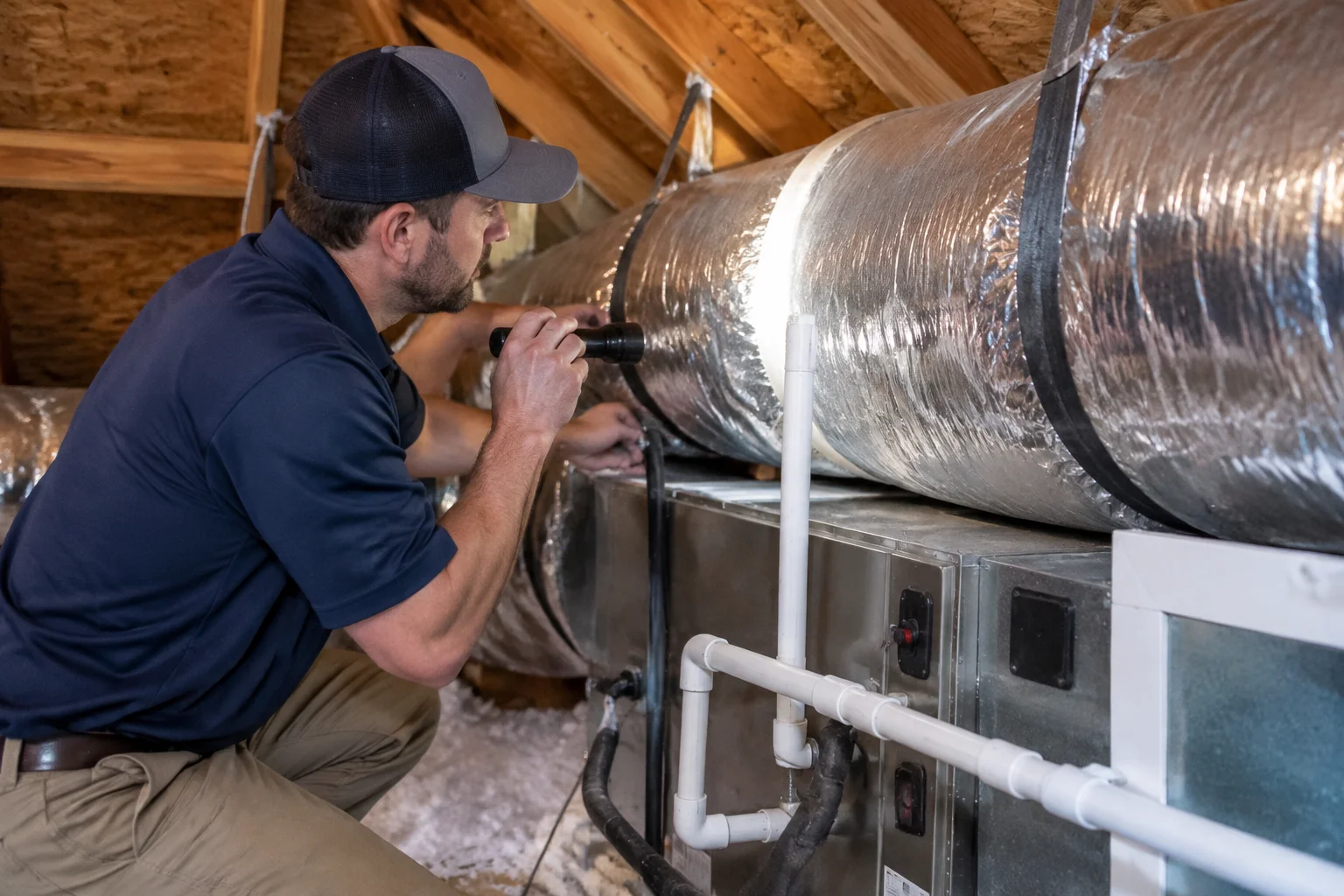
Ductwork can lose effectiveness due to leaks, poor insulation, loose connections, or damage over time. In humid Florida weather, that can also increase the risk of moisture issues near ducts and registers. When airflow is uneven, some rooms get more conditioned air while others lag behind, which affects both comfort and indoor air quality.
If you are noticing persistent hot or cold spots, consider pairing indoor air quality testing with an air conditioning inspection that includes airflow checks. Homeowners searching for duct repair near me often benefit from diagnosing airflow first, then addressing filtration and humidity control.
Condensate drainage and moisture management
During cooling, condensate drainage helps remove collected moisture from the system. If drainage is partially blocked or the system cannot drain consistently, moisture can remain in the equipment area. That can contribute to musty odors and increased humidity.
Because moisture issues can be subtle at first, they are easy to overlook. Testing can help confirm whether indoor conditions match the moisture-related symptoms you are noticing.
Thermostat settings and control behavior
Thermostats influence how the system cycles and how the fan runs. In homes with humidity sensitivity, fan settings and cycle timing can affect how much moisture is removed. A thermostat that is set for temperature comfort but not tuned for humidity comfort can lead to higher indoor humidity.
Indoor air quality testing can help you understand whether comfort issues are tied to humidity control. It also supports smarter decisions about thermostat operation during AC repair or HVAC maintenance visits.
Refrigerant system performance and cooling capacity
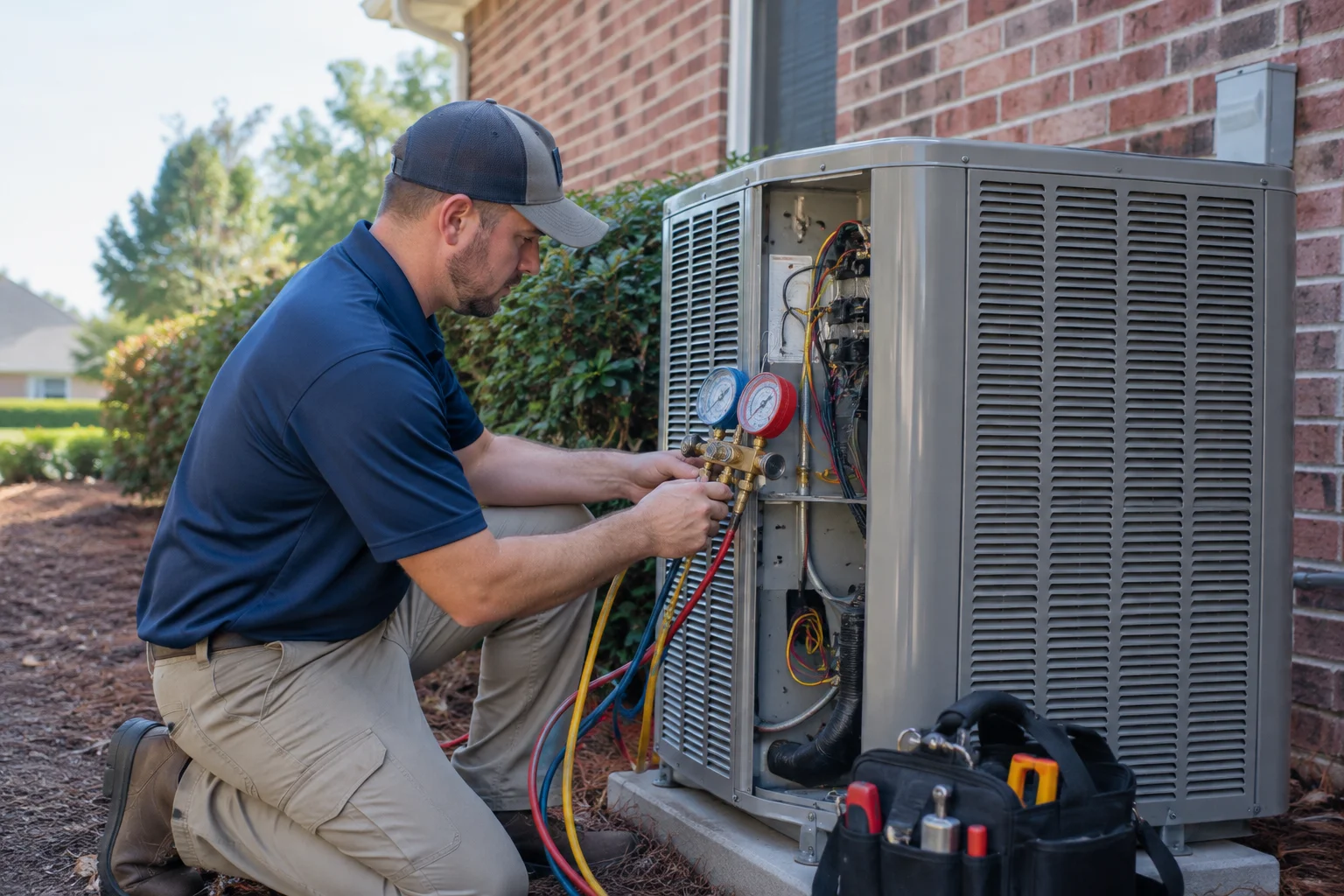
Camp Creek air conditioning systems rely on refrigerant systems to provide cooling and proper coil performance. If cooling capacity is not consistent, the system may not dehumidify effectively. However, refrigerant-related issues require an in-person professional evaluation. Homeowners should not attempt to diagnose refrigerant performance themselves.
When indoor air quality testing results point to humidity or cooling capacity problems, a licensed HVAC contractor can assess the system safely and appropriately.
Salt air, humidity, and component wear
Walton County’s coastal influence can expose HVAC systems to salt air and moisture. Over time, that can contribute to corrosion and reduced performance in certain components. Even when the system still runs, reduced performance can change airflow, humidity control, and filtration effectiveness.
That is another reason preventive HVAC maintenance matters. It helps catch issues before they show up as indoor air quality problems you feel every day.
How this affects AC repair, heat pump service, and system replacement decisions
Indoor air quality testing can influence the direction of HVAC repair work without jumping straight to replacement. If testing suggests that humidity control and airflow are the main drivers, the right solution may be targeted maintenance, ductwork improvements, or filtration and ventilation adjustments.
For homes with heat pumps, the story can be similar. Heat pump operation in Florida can shift with changing seasons, and comfort complaints can show up as humidity and airflow issues rather than a simple heating or cooling failure. A professional evaluation helps confirm whether the problem is control, airflow, or system performance.
System replacement is a major step, and it should be based on a full assessment of the equipment condition, ductwork, airflow, indoor conditions, and homeowner goals. Testing supports better decision-making, but it does not replace the need for an on-site inspection by a licensed HVAC contractor.
Smarter preventive HVAC maintenance for better air quality in Camp Creek
If you want cleaner indoor air and fewer comfort surprises, treat maintenance like a plan, not a reaction. Here are practical steps that align with indoor air quality testing findings:
- Schedule routine AC tune up near me visits before peak humidity and heat. Maintenance can help confirm airflow paths, check condensate drainage, and support consistent performance.
- Use the right filtration strategy based on your tested conditions. Efficient filtration can help reduce airborne particles, but it must work with your system’s airflow.
- Check ductwork condition and airflow distribution. If your home has uneven rooms, duct inspection near me can uncover balance issues that also affect air quality.
- Review thermostat operation. If your home feels clammy or stale, thermostat settings and fan behavior may need adjustment as part of the maintenance plan.
- Address moisture pathways early. Musty odors and humidity complaints should not be ignored, especially in Florida’s warm, damp stretches.
For homeowners who prefer a structured approach, explore A Practical Guide to Air Conditioning Maintenance in Camp Creek, FL to build a seasonal checklist that supports comfort and air quality.
Where air scrubbers and filtration upgrades can fit
Many homeowners ask about air scrubber installation near me or other air cleaning add-ons. These can sometimes complement filtration and HVAC air circulation, especially when indoor air quality testing shows specific airborne concerns.
Still, air cleaning devices are not a substitute for fixing moisture control, airflow problems, or ventilation imbalance. If the HVAC system is not distributing air properly or humidity is not controlled, an air cleaning device may not solve the core comfort issues.
Ask your HVAC professional how an air filtration or air scrubber plan ties back to your indoor air quality testing results, including how it will be installed without creating airflow restrictions.
When indoor air quality concerns become emergency cooling issues
Indoor air quality issues can sometimes escalate into emergency cooling concerns. If the HVAC system is struggling to cool and dehumidify, humidity can rise quickly during Florida heat. That can increase the risk of unpleasant odors, dampness, and discomfort.
Camp Creek homeowners should treat these situations seriously:
- The system runs but cannot keep the home at a comfortable temperature.
- There is visible moisture around the indoor unit or frequent water collection.
- Airflow is weak from multiple vents and the home feels increasingly humid.
- Unusual smells intensify when the AC runs.
In those moments, look for emergency AC repair near me options from a local HVAC service provider that can evaluate both comfort and indoor conditions. While indoor air quality testing is helpful, urgent cooling performance issues still require immediate on-site attention.
Planning ahead for cleaner air in Camp Creek homes
Many indoor air quality problems are easier to prevent than to fix after they have settled into the home. When you are planning an upgrade, it is worth thinking about how your HVAC system will handle humidity, airflow, and filtration needs in Walton County’s climate.
If you are building or upgrading, consider starting with the comfort and air quality goals you want, not just the equipment size. This is especially important in homes with uneven rooms or humidity hotspots. Helpful reads include:
- Smart HVAC Planning for Cleaner Indoor Air in Camp Creek
- Smart HVAC Planning for Camp Creek Homes: Comfort, Humidity, and Better AC Installations
- Camp Creek Homes and the Case for Ductless Mini-Splits That Handle Heat, Humidity, and Uneven Rooms
For homeowners in new builds, pairing system design with proper indoor air quality planning can reduce future headaches. You can also explore New Construction Air Conditioning for how HVAC choices affect comfort and air quality from day one.
Choosing a local HVAC partner who connects testing to maintenance
Indoor air quality testing is most useful when it connects to practical HVAC maintenance and repair decisions. That means a technician who understands Camp Creek’s humidity patterns, typical ductwork realities, and how thermostat control and airflow affect what you breathe.
If you are searching for HVAC maintenance near me or HVAC repair near me, look for a licensed HVAC contractor approach that treats indoor air quality as part of the system performance picture. When you hire a local team, you also get a better understanding of how homes in the area are built, how they respond to summer humidity, and what issues tend to show up first.
To learn more about testing and how it ties into comfort improvements, visit Indoor Air Quality Testing for Camp Creek. You can also browse Camp Creek HVAC services and see relevant options across the county at Walton County HVAC services.
If your home needs air conditioning service, ductwork attention, or an air quality focused inspection, start with an honest diagnosis. A Superior Mechanical can help you connect the dots between HVAC warning signs and indoor air quality so your system supports healthier air and more dependable cooling.
Air Conditioning Services | Duct Cleaning
Find Indoor Air Quality Testing in Camp Creek, FL
If you need Indoor Air Quality Testing in Camp Creek, FL, visit our local service page or contact A Superior Mechanical today.
Map of Camp Creek, FL
Frequently Asked Questions
How does indoor air quality testing help with HVAC warning signs?
Testing measures indoor conditions like humidity and airborne contaminants, then connects those results to how your HVAC system is operating. That helps identify whether the primary driver is airflow, filtration performance, ventilation balance, or moisture-related issues.
Can high humidity in Camp Creek be caused by normal air conditioning operation?
Sometimes it can be related to thermostat settings, airflow restriction, ductwork performance, or condensate drainage. In other cases, it can relate to cooling and dehumidification performance. Indoor air quality testing helps confirm what is happening so repairs are targeted.
Should I replace my HVAC system if indoor air quality is poor?
Not automatically. Poor indoor air quality often ties back to airflow, filtration, humidity control, ventilation, or ductwork issues that can be addressed without replacement. A professional on-site evaluation is necessary before any refrigerant-related or replacement decisions.
What should I ask during an HVAC air filtration or air scrubber consultation?
Ask how the recommendation connects to your indoor air quality testing results, how it will affect airflow, and how it fits with your existing ductwork and thermostat operation. The goal is cleaner air without creating airflow restriction.
When is indoor air quality related HVAC trouble an emergency cooling problem?
If the system cannot cool the home, if moisture is pooling near the indoor unit, or if musty odors and humidity rapidly worsen while the AC runs, treat it as urgent. Contact a local HVAC contractor for emergency cooling evaluation.
Related Articles
- Smart HVAC Planning for Cleaner Indoor Air in Camp Creek
- Smart HVAC Planning for Camp Creek Homes: Comfort, Humidity, and Better AC Installations
- A Practical Guide to Air Conditioning Maintenance in Camp Creek, FL
- Camp Creek Homes and the Case for Ductless Mini-Splits That Handle Heat, Humidity, and Uneven Rooms
Photo Gallery