Parker, FL is beautiful, but it is also demanding on HVAC systems. Between summer heat, frequent humidity, and coastal salt air, indoor comfort can swing quickly. You might feel it as warm rooms, stale air, allergy symptoms, or condensation around vents. Many homeowners try to solve these issues with thermostat adjustments or another AC repair, but the root cause is often related to indoor air quality and airflow balance. That is where professional indoor air quality testing comes in.
If you are looking for indoor air quality testing in Parker, FL, this guide covers what local homes typically overlook and how testing helps connect air quality, humidity control, ductwork performance, and HVAC system operation.
Why indoor air quality testing matters more in Parker than you might think
Air quality is not just about what you can smell. It also includes how air moves through your home, how moisture behaves, and whether your HVAC system is delivering the right air to the right places. In Parker, the climate can make those factors harder to manage.
Florida heat and humidity increase the likelihood of:
- High indoor humidity that can feed mold growth and create a musty odor
- Condensation on or near ducts and refrigerant system components when airflow is off or condensate drainage is not working correctly
- Stale air in rooms that do not get consistent supply air from the HVAC system
- More airborne particles and irritants that can aggravate allergies and asthma
- Airflow resistance from ductwork issues, including leaks, poor sealing, or debris buildup
Indoor air quality testing helps homeowners understand what is happening inside the home, not just what is happening at the thermostat. For many families, it is the missing step between “my AC runs” and “my home feels comfortable.”
To understand the local context, it also helps to review how Parker homes are built and how HVAC systems are used across the area. You can explore the broader service coverage on our Parker, FL service area page.
The airflow and comfort problems homeowners often blame on the wrong thing
Homeowners in Parker often notice comfort issues and assume the solution is always a bigger cooling system or a simple refrigerant-related fix. Sometimes the comfort problem is real system wear, but often it is airflow and indoor air quality linked to ductwork, humidity control, and ventilation.
Warm rooms and “cold spots” that keep coming back
If some rooms stay warmer while others cool quickly, the issue may not be the AC’s ability to cool. It can be the distribution of air. Testing can help identify whether the home has pressure imbalances, blocked airflow paths, or ductwork problems that prevent conditioned air from reaching the right areas.
Musty smells, allergy flare-ups, and visible moisture
In a humid Florida environment, moisture can accumulate in places homeowners do not check regularly. Testing can help uncover contributors such as mold growth risk, elevated humidity levels, and ventilation gaps that allow indoor contaminants to build up. If you also notice damp drywall, condensation near registers, or a smell that returns after the system runs, that is a strong clue that the indoor air quality issue is tied to HVAC operation and airflow.
Air that feels “stuffy” even when the system is on
Stale air can happen when ventilation is inadequate, air filtration is insufficient, or return air pathways are restricted. Sometimes the HVAC system is operating, but the home is not exchanging air effectively or the air cleaning capacity is not aligned with your household needs.
What indoor air quality testing can reveal for HVAC comfort
Professional indoor air quality services are designed to look at the conditions that affect comfort and health. The goal is not to guess. It is to measure and interpret what is happening in your home so the HVAC approach fits the problem.
Indoor air quality testing may help identify issues such as:
- Humidity imbalance that makes cooling feel ineffective and can increase mold risk
- Ventilation deficiencies that allow indoor pollutants to concentrate
- Airborne irritants that can worsen allergy and asthma symptoms
- Potential mold-related concerns based on measured indoor conditions
- VOCs and other indoor pollutants that can come from building materials, cleaning products, and household activities
- Airflow and pressure behavior that affects comfort and contaminant transport
Testing results also help connect the dots to HVAC components like ductwork, condensate drainage, and filtration. When the data points to airflow resistance or moisture management problems, the solution is often a targeted HVAC adjustment rather than repeated thermostat changes.
Humidity control is not optional in Parker’s summer
Many homeowners focus on temperature, but in Parker, humidity plays a major role in how cooling feels. When indoor humidity stays high, you may feel sticky, experience uneven comfort, and notice the home never feels “fully cooled” even during cool-down cycles.
HVAC systems dehumidify as part of cooling. If airflow is restricted, condensate drainage is not operating properly, or the system is not running in the way it needs to, dehumidification can suffer. That can lead to:
- Higher indoor humidity levels
- Condensation risks around ducts and air handling components
- More likely mold growth in hidden areas
- Greater energy use because the system may cycle more often trying to hit temperature targets
Whole home moisture management may involve filtration, airflow balancing, ductwork sealing, and sometimes dedicated dehumidification. If you are exploring options, you can read about whole home dehumidifiers and how they can fit into comfort goals.
Ductwork and airflow issues are a common indoor air quality blind spot
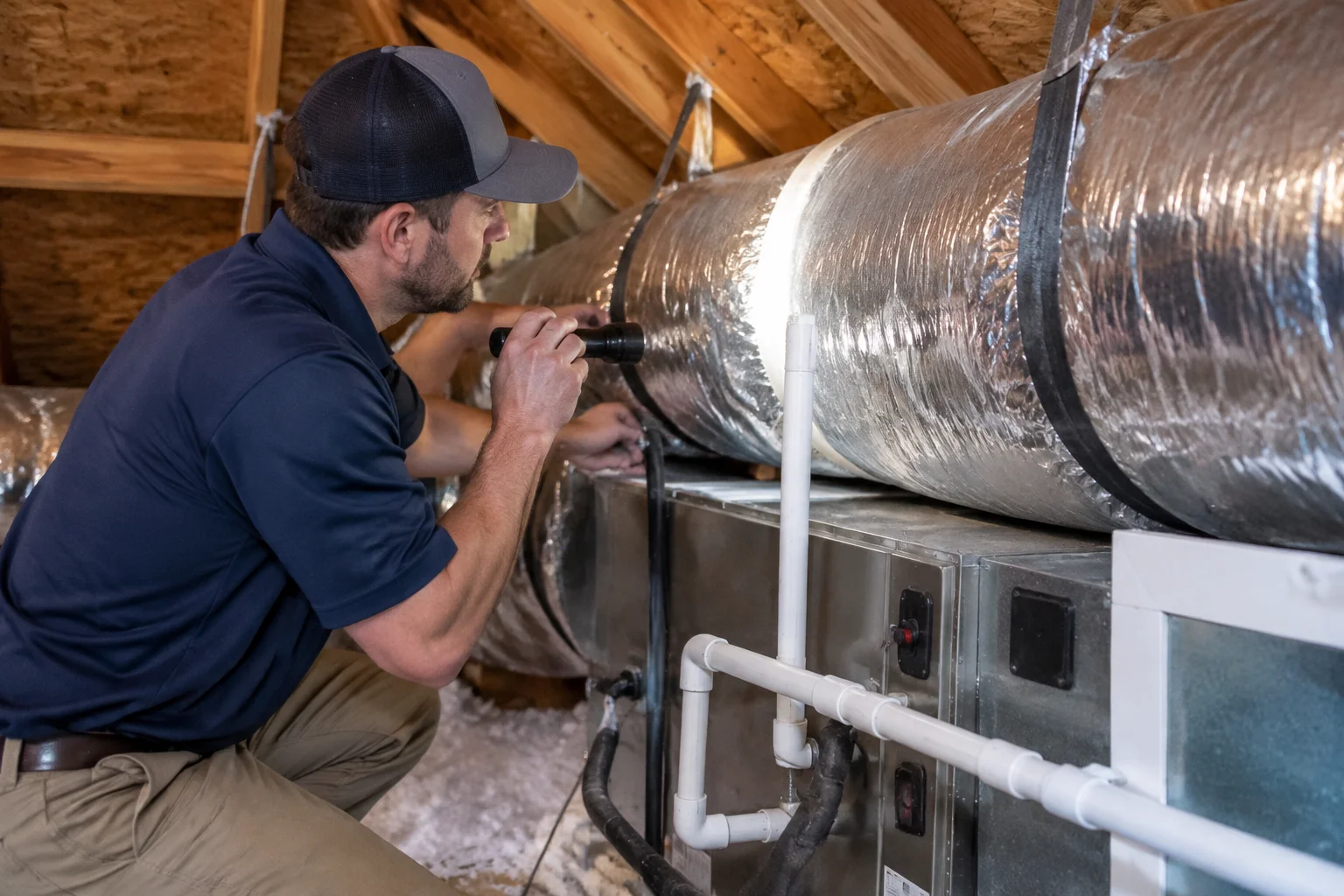
Ductwork is the bridge between your HVAC system and your living spaces. If ducts are leaky, poorly sealed, or blocked, your home can end up with uneven supply air, reduced filtration effectiveness, and comfort problems that no thermostat can solve.
In Parker’s humid climate, ductwork issues can also contribute to moisture concerns. When air does not move correctly, condensation can form in places it should not, and that can affect indoor air quality over time.
Homeowners often overlook ducts because the problem does not always show up immediately. Over time, duct leaks can pull in unconditioned air, and airflow resistance can strain system operation.
If you suspect ductwork is part of the issue, consider pairing indoor air quality testing with duct-focused solutions. For example, you may want to explore duct cleaning when appropriate, or evaluate whether duct repair is needed as part of airflow restoration. If your search is bringing up “duct repair near me,” it is worth choosing an HVAC company that can connect duct performance to comfort and indoor air quality.
You can also review this related article on how air sealing work can help the system handle Parker humidity more effectively: Planning Duct Sealing and Aeroseal Work Before Parker Heat and Humidity Push Your HVAC Harder.
Salt air and coastal exposure: a factor many homeowners forget
Parker is in Bay County, and coastal conditions can influence how HVAC systems age. Salt air can accelerate corrosion on outdoor components and contribute to maintenance needs. When outdoor equipment degrades, airflow and cooling performance can change, which can indirectly affect indoor comfort and indoor air quality.
That is another reason indoor air quality testing should not be treated as a standalone “air test.” It works best as part of an HVAC comfort plan that considers how the system is operating and how air is moving through the home.
How thermostats and controls influence indoor air quality
Thermostats control temperature, but they also influence runtime, fan operation, and how often air is circulated. Some homeowners use schedule settings that reduce fan runtime, only to find that rooms feel stale or humidity stays higher than expected.
Smart thermostats can help, but they are not a substitute for diagnosing airflow and humidity issues. If you are thinking about upgrading controls, look into smart thermostats and heating control systems as part of an overall HVAC comfort strategy.
During indoor air quality testing, comfort goals and system behavior can be reviewed so the thermostat settings align better with indoor conditions. This can reduce the frustration of “the AC is on, so why does it still feel humid?”
Common causes that trigger indoor air quality concerns
Indoor air quality problems usually have causes. Some are visible, and others are hidden. In Parker homes, these are frequent contributors:
- Restricted airflow from duct issues, dirty filters, or blocked returns
- Humidity management gaps that allow moisture to linger
- Condensate drainage problems that can lead to damp areas near air handling components
- Ventilation imbalance that traps pollutants indoors
- Air filtration mismatch for household needs
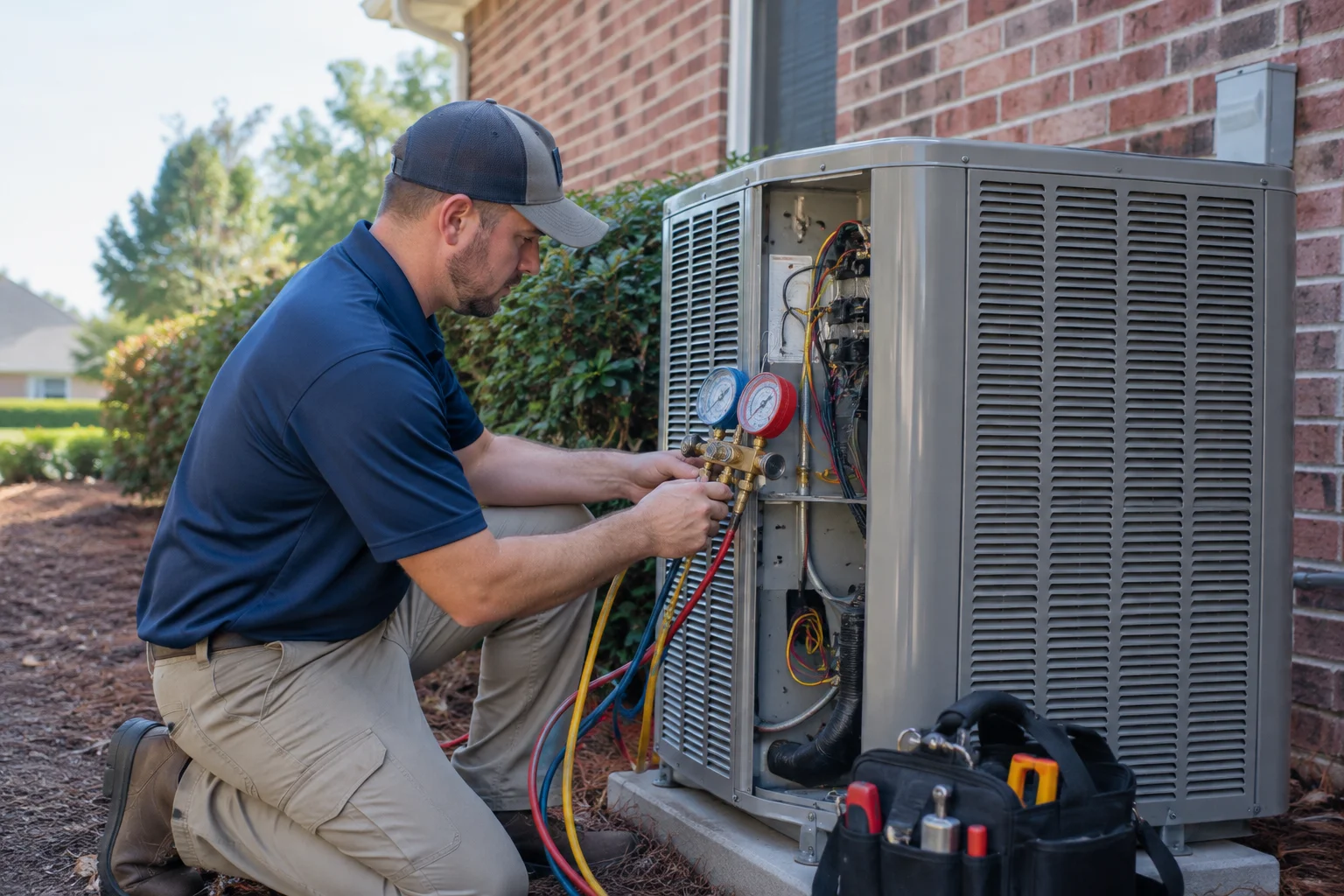
- Refrigerant system performance issues that can affect how cooling runs and how dehumidification behaves
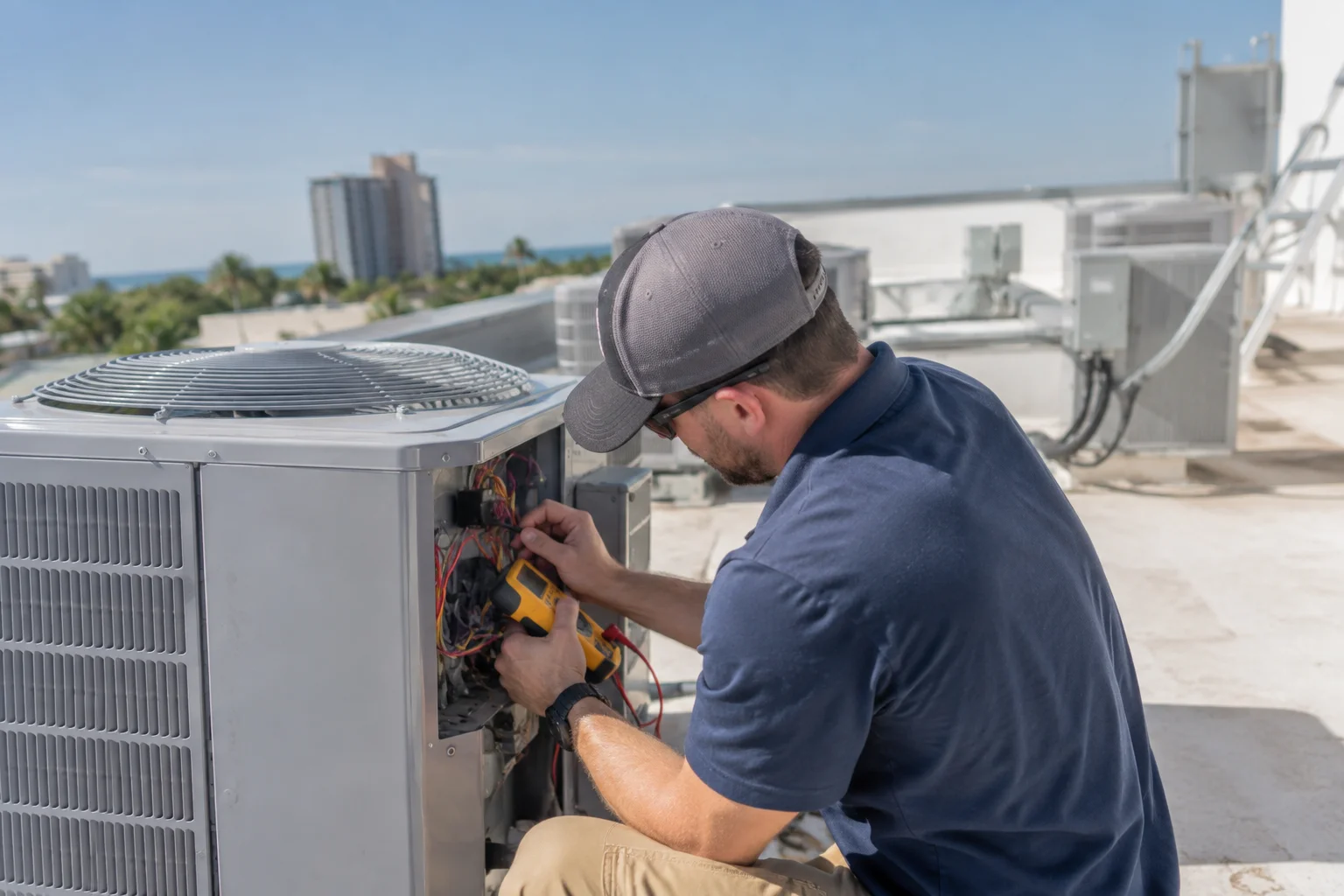
It is important to avoid jumping straight from a symptom to a specific diagnosis. Refrigerant system issues and other HVAC problems require an in-person evaluation. Indoor air quality testing can guide what to check next, but it does not replace professional HVAC troubleshooting.
What to do with testing results: practical next steps
Once indoor air quality testing is complete, the best path depends on what the measurements show. Many homeowners assume the only options are ductwork replacement or buying add-on devices. In reality, solutions are often more targeted.
Common next steps can include:
- Airflow corrections such as addressing duct leakage or balancing supply and return pathways
- Humidity control improvements that support better comfort during Florida’s high moisture season
- Filtration upgrades that align with your indoor air quality goals
- Ventilation adjustments when the home is not exchanging air as needed
- System performance checks to ensure the AC or heat pump is operating in a way that supports comfort
Some homeowners also ask about options like air scrubber installation. If you are searching for “air scrubber installation near me,” it helps to start with testing so the recommendation matches your specific indoor conditions and HVAC airflow pattern.
When indoor air quality testing is especially worth it
Indoor air quality testing can be a smart move if you are dealing with any of the following:
- Allergy symptoms that spike at home, especially during the hottest months
- Rooms that do not cool evenly or feel noticeably different from others
- Persistent musty odors or signs of moisture in hidden areas
- Visible condensation near vents or concerns about condensate drainage
- Frequent AC repair calls that do not fully restore comfort
- Planning a system replacement or major HVAC upgrade and want a baseline for indoor conditions
If your home is already in the “AC repair near me” cycle, testing can help you move beyond repeated fixes and toward a more complete comfort plan.
How preventive HVAC maintenance ties into indoor air quality
Indoor air quality is not something you solve once. It is affected by how your HVAC system is maintained. Filters load up, airflow changes over time, and condensate drainage can become restricted. Preventive HVAC maintenance helps reduce these issues before they show up as comfort problems.
When an HVAC maintenance near me search is used strategically, it can help homeowners avoid mid-summer breakdowns and reduce the chance that indoor air quality degrades quietly. A tune-up and inspection can also support better energy use by keeping airflow and system operation consistent.
If you want to reduce the odds of comfort problems during peak heat, review Keeping Parker Homes Cooler, Longer: Smart Ways to Manage Air Conditioning Service in Bay County.
Air conditioning service and indoor air quality: they go together
Many homeowners think indoor air quality is separate from air conditioning inspection. In practice, they overlap. Air conditioning inspection can identify performance issues that affect humidity control and airflow behavior, while indoor air quality testing measures the indoor conditions that those performance issues influence.
When you combine both, you get a clearer picture of why your home feels the way it does. That can also help guide decisions if you are considering ductwork improvements, filtration changes, or other HVAC comfort upgrades.
For households that need additional support beyond residential needs, it can also help to understand how comfort goals change in other building types. If you are managing a business or shared space, you can read Keeping Commercial HVAC Problems Small in Parker, FL for a parallel look at air quality and system performance.
Residential vs. system replacement: testing helps you plan, not guess
System replacement is a big decision, and it should not be based on indoor air quality concerns alone. Testing can support planning by establishing what problems exist today and what improvements you should aim for in the future. It also helps you avoid replacing equipment when the comfort issue is primarily airflow distribution, humidity control, or ductwork performance.
At the same time, it is not appropriate for anyone to claim that a refrigerant diagnosis, electrical diagnosis, or equipment replacement is the right move without an in-person professional evaluation. A Superior Mechanical can review your home’s indoor conditions and HVAC system behavior together so recommendations are grounded in what is actually happening in Parker.
Emergency cooling concerns: don’t ignore comfort and safety
Florida heat can become dangerous quickly. If your AC stops working during a hot snap, the priority is emergency cooling and restoring comfort safely. Indoor air quality testing is not an emergency service, but it can help reduce the likelihood of recurring comfort problems by addressing moisture and airflow contributors before they become major issues.
If you are facing cooling failure or rapid comfort decline, contact a qualified HVAC company for AC repair near me so your system can be evaluated right away. Testing can follow once the system is running properly and you can safely assess indoor conditions.
Find Indoor Air Quality Testing in Parker, FL
If you need Indoor Air Quality Testing in Parker, FL, visit our local service page or contact A Superior Mechanical today.
Map of Parker, FL
Frequently Asked Questions
How does indoor air quality testing help with HVAC airflow and comfort?
Testing measures indoor conditions that affect how air feels and behaves, including humidity and indicators related to pollutants. When results are paired with HVAC inspection, it can point to airflow restrictions, ventilation gaps, or moisture issues that impact comfort.
Can humidity problems make my AC feel like it is not cooling enough?
Yes. In Parker’s humid climate, high indoor humidity can make a home feel sticky and warmer even when the thermostat is calling for cooling. Addressing airflow and humidity control often improves comfort more than temperature changes alone.
Will indoor air quality testing replace HVAC maintenance or AC tune ups?
No. Testing evaluates indoor conditions, while preventive HVAC maintenance keeps filters, airflow, and system operation in better shape over time. Together, they help reduce comfort problems and indoor air quality drift.
What should I do if testing suggests a moisture or mold concern?
Moisture-related findings should be followed by an in-person HVAC and home assessment focused on airflow, condensate drainage, and ventilation. A professional can help identify the source and recommend appropriate corrective steps.
Is an air scrubber or UV system the right solution for every home?
Not necessarily. Devices like air scrubbers can help in some situations, but the best approach depends on your home’s airflow, humidity levels, and the specific indoor air quality concerns identified during testing and HVAC evaluation.
Related Articles
- Protecting Parker Homes Starts With Better Indoor Air Quality Testing
- Planning Duct Sealing and Aeroseal Work Before Parker Heat and Humidity Push Your HVAC Harder
- Keeping Parker Homes Cooler, Longer: Smart Ways to Manage Air Conditioning Service in Bay County
- Keeping Commercial HVAC Problems Small in Parker, FL
Photo Gallery