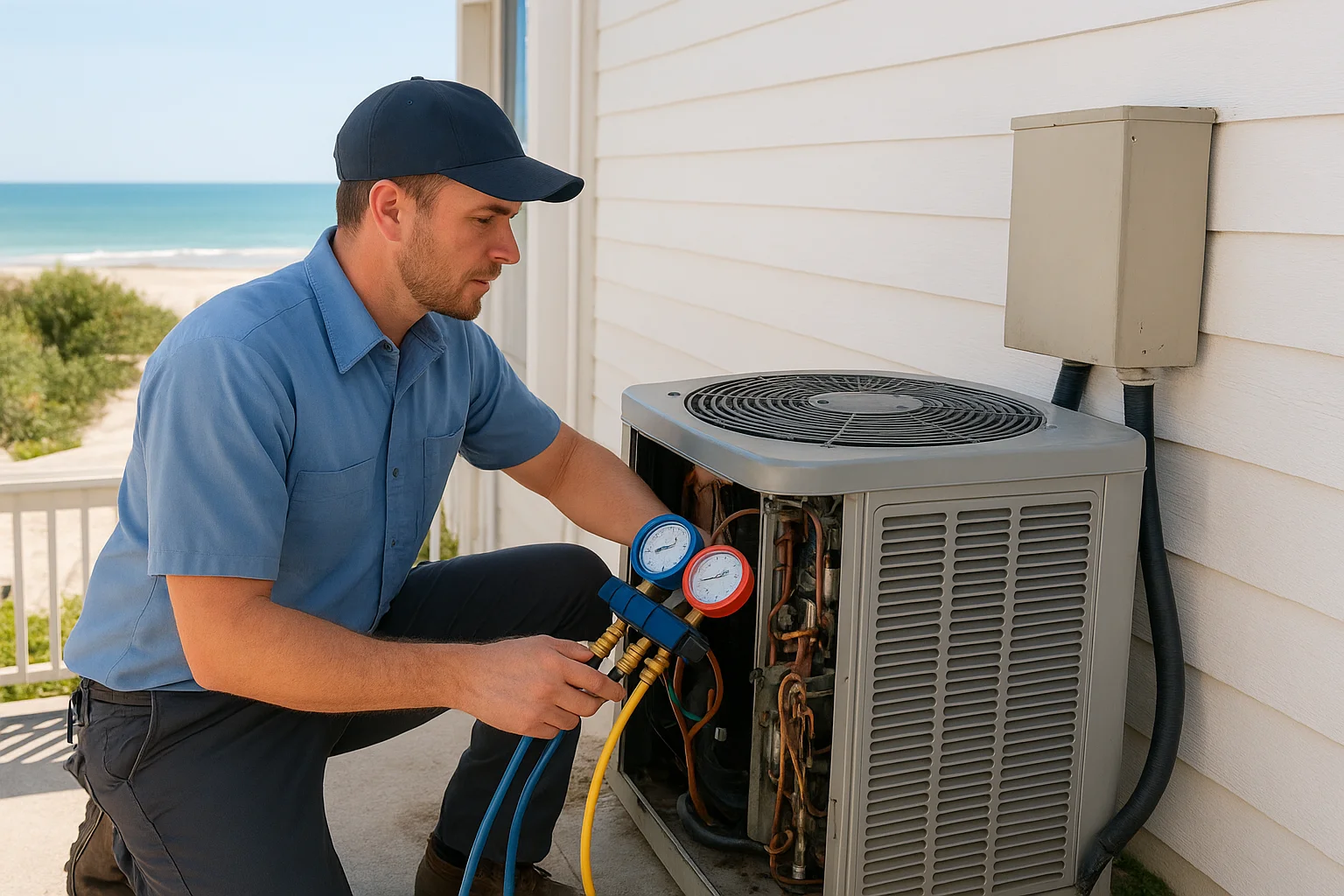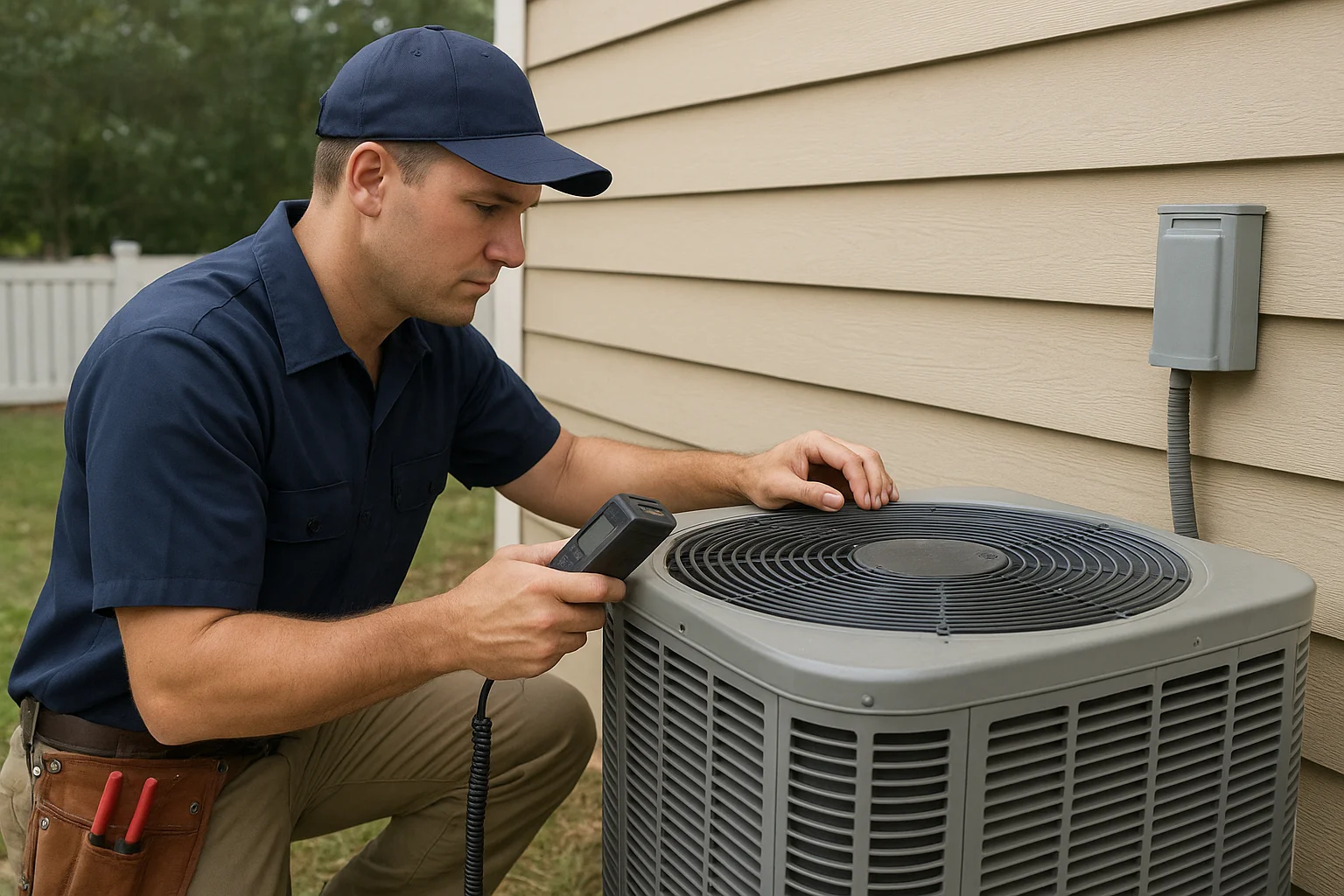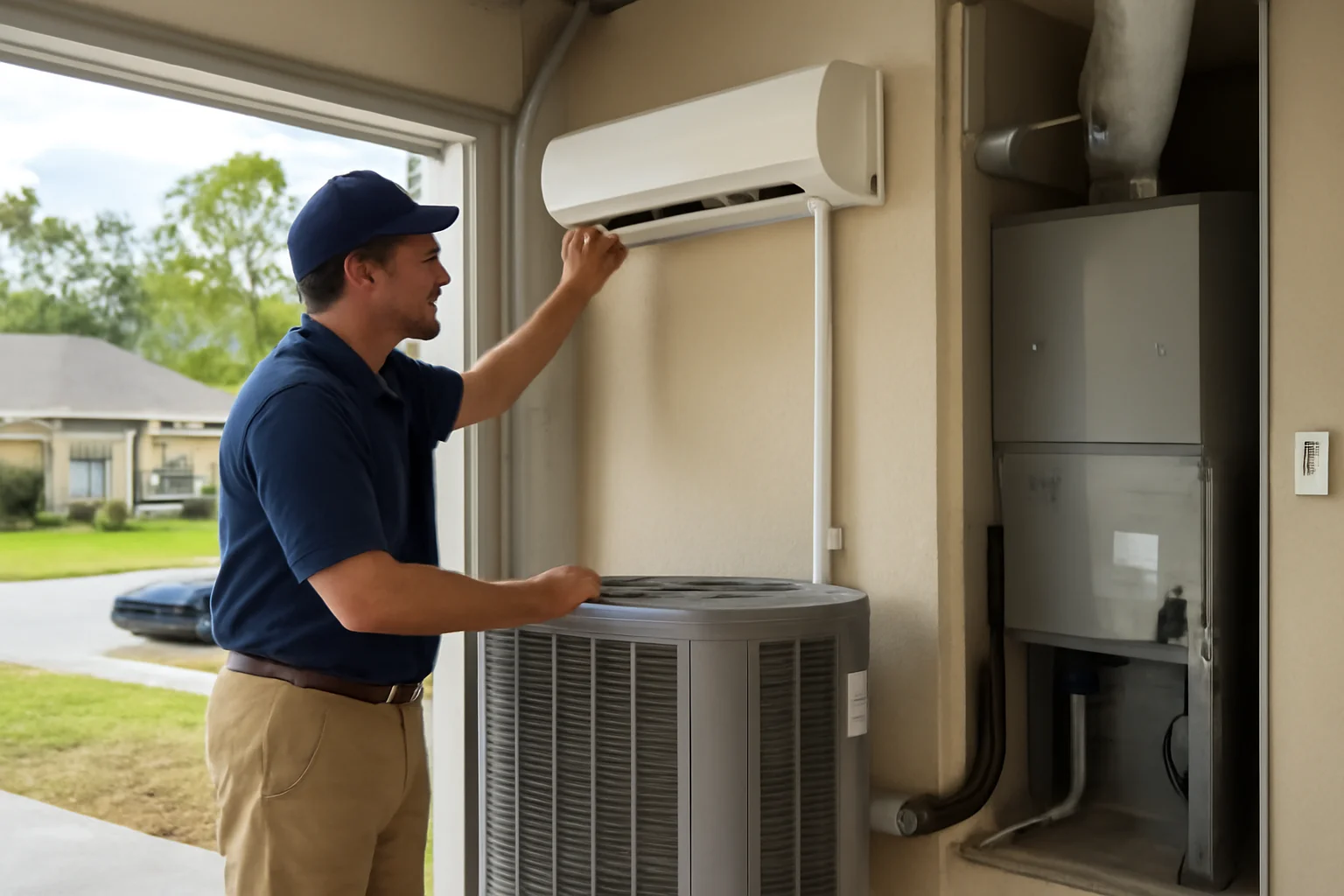
Bluewater Bay, FL is beautiful, but it is also demanding on HVAC systems. Between Florida heat, high humidity, and salt air from the coast, ductless mini-splits work hard to keep homes comfortable room by room. When airflow drops or condensate drainage gets restricted, the system can struggle and problems can escalate fast. The goal is simple: reduce the chance you will need emergency HVAC services in Bluewater Bay by staying ahead of the common issues that affect ductless mini-splits.
Why ductless mini-splits can turn into emergency cooling problems in Bluewater Bay
Ductless mini-splits move cool air through a combination of indoor air handlers, refrigerant systems, and outdoor units. In a typical ducted system, you rely on ducts to distribute air. With mini-splits, each indoor unit is responsible for its own airflow and comfort.
That makes mini-splits great for uneven rooms and zoned comfort, but it also means small problems show up quickly. In Bluewater Bay’s summer, a unit that is slightly underperforming can still run, but it may not remove enough humidity. When humidity stays high, you can feel warmer and the air can feel heavier. If airflow is restricted or condensate drainage is blocked, the system can trip safety controls. When that happens during peak heat, many homeowners end up searching for emergency AC repair near me.
Start with airflow: the fastest path to better comfort
Airflow problems are one of the most common reasons ductless mini-splits feel “not cold enough” or cycle on and off more frequently. Before you assume a refrigerant issue, check the basics that directly affect airflow and indoor air quality.
Keep filters clean and in place
Most ductless indoor units have removable filters. When filters get clogged with dust, pollen, and household debris, airflow drops. That can lead to:
• Weaker cooling at the indoor head
• Higher indoor humidity because the unit cannot move air effectively
• More wear from longer run times
Make it a habit to check filters during the hottest months, and replace or clean them according to the manufacturer’s guidance. If you are using the system in a rental or a home with pets, filter checks may need to be more frequent.
Don’t block the indoor air handler
Air should enter and exit the unit freely. Avoid placing furniture, curtains, or storage in a way that restricts the air path. In homes with coastal exposure, homeowners sometimes store outdoor gear near the indoor units or keep temporary items close to wall-mounted heads. Even partial blockage can reduce airflow and comfort.
Use the thermostat settings that match how you live
Thermostats and remote controls influence fan speed, temperature setpoints, and run patterns. For example, running with a very low setpoint in the hottest part of the day can create rapid cycling if the system cannot maintain stable airflow. Instead, aim for consistent comfort settings and allow the system to run long enough to remove humidity. If you are unsure how your thermostat modes work, ask a local HVAC professional to walk you through the settings for your specific ductless mini-split setup.
If you are interested in improving comfort and air quality further, consider pairing your mini-splits with air filtration and purifiers designed for your home’s needs.
Humidity management is not optional in Florida
In Bluewater Bay, the goal is not just “cold air.” You want dry, comfortable air. Ductless mini-splits remove humidity when they can maintain proper airflow across the indoor coil and operate as intended. When humidity rises, you may notice:
• Sticky feeling indoors even at reasonable temperatures
• Condensation near the indoor unit
• Musty odors that linger after cooling
These symptoms can point to airflow restrictions, dirty coils, or condensate drainage problems.
Watch for condensate drainage issues
Ductless systems collect condensate as they cool. That condensate drains through a line or drain connection. If condensate drainage is restricted, the unit may:
• Leak water or create moisture around the air handler
• Trigger protective shutdown behavior
• Develop odor issues due to moisture buildup
In coastal Florida, you may also see debris buildup from outdoor pollen and airborne particles. If you notice water where it should not be, address it promptly. Do not ignore it and hope it “goes away.”
Check for excess moisture after storms or heavy rain
After storms, outdoor conditions change quickly. The outdoor unit can pull in more debris, and drainage lines can be affected by yard runoff or blockages. If your mini-split’s performance changes right after a rain event, have a technician inspect the system. This is especially important for homes and rentals near the coast where salt air can increase corrosion risk.
Refrigerant systems: why the problem might not be what you think
Homeowners often assume that weak cooling means “low refrigerant.” Refrigerant systems are complex, and the correct diagnosis requires an in-person evaluation with the right tools and safety procedures. A technician will check airflow, coil conditions, electrical operation, and system behavior before making any conclusions.
What you can do at home is track symptoms and eliminate airflow and comfort setting issues first. If the system still struggles, professional inspection helps prevent repeated cycling that can worsen performance and increase energy use.
If you are searching for mini split repair near me because cooling feels weak or inconsistent, ask whether the technician will evaluate airflow, coil cleanliness, condensate drainage, and controls, not just refrigerant pressure.
Outdoor unit care in salt air and humid coastal weather
The outdoor condenser unit has to reject heat. In Bluewater Bay, salt air and humidity can contribute to corrosion and buildup on the outdoor coil and surrounding components. Outdoor airflow also matters. When the outdoor unit cannot move air freely, the system can run longer and struggle to maintain indoor comfort.
Keep clearance around the outdoor unit
Plants, landscaping, grills, and storage can reduce airflow around the outdoor unit. Over time, growth and debris can create a persistent restriction. Maintain appropriate clearance and keep leaves and yard debris away from intake and outlet areas.
Schedule coil and component inspections before peak season
Even if your mini-split “seems fine,” coastal conditions can be hard on fin surfaces. A professional air conditioning inspection near me can identify early signs of performance decline, including coil fouling or corrosion that you cannot easily see from the ground.
Electrical and safety protections: what homeowners should recognize
Ductless mini-splits include safety controls that protect the system when conditions are outside normal operating ranges. When a unit shuts down repeatedly, it is a sign that something is preventing normal operation, such as airflow restriction, condensate drainage problems, or an issue with system operation.
It is tempting to reset the unit and keep going, but repeated shutdowns during hot weather can lead to more serious failures. If you see recurring error codes, repeated blinking lights, or repeated short cycling, schedule service. This is one of the most effective ways to avoid an emergency cooling situation.
Preventive HVAC maintenance that actually prevents emergencies
Preventive maintenance is where you avoid the “late afternoon” surprise when the house is warm and the system will not respond. A good ductless mini-split maintenance visit focuses on performance and comfort, not just a quick look.
What a thorough ductless tune-up should include
While exact steps vary by system and manufacturer, a quality residential HVAC service near me visit typically focuses on:
• Cleaning and verifying proper operation of indoor components that affect airflow and indoor air quality
• Inspecting condensate drainage and checking for signs of moisture issues
• Inspecting outdoor airflow paths and cleaning or addressing buildup when appropriate
• Checking thermostat operation and system controls as they relate to comfort and humidity removal
• Reviewing how the system is performing based on your feedback about comfort and energy use
For homeowners who want to reduce emergency calls, it helps to ask your technician about a seasonal plan for Bluewater Bay’s heat and humidity cycle. If your home is a rental, ask how often filters and indoor units should be checked based on occupancy and cleaning routines.
Energy use is often the early warning
When airflow is restricted or coils are dirty, the system may run longer to reach the same comfort level. You might notice higher cooling energy use before you notice a complete breakdown. Monitoring utility trends and paying attention to changes in run time can help you catch problems early, before the system trips protective shutdown.
Ductwork and air distribution still matter, even with ductless
Ductless mini-splits reduce ductwork, but many homes still have return pathways, shared spaces, and air exchange between rooms. If your home has rooms that feel stuffy, overly humid, or unevenly cooled, the issue may involve how air circulates through the house, not only the mini-split itself.
When homeowners see ductless performance complaints, it can be helpful to pair mini-split service with a duct inspection near me for any existing ducted components, returns, or related airflow paths. If ductwork is leaking or poorly designed, it can affect whole-home comfort and indoor air quality.
If you suspect duct-related problems, read Why Ductwork Problems Hit Bluewater Bay Homes Harder Than You Think to understand how airflow issues compound during humid weather.
Common mini-split issues in Bluewater Bay and how to respond
Below are practical, homeowner-friendly indicators that can help you respond before a breakdown becomes an emergency cooling call.
Weak cooling or uneven comfort
Possible causes include dirty filters, blocked airflow, coil buildup, incorrect thermostat settings, or outdoor airflow restrictions. Start with filter checks and confirm vents and airflow paths are not blocked. If the issue persists, schedule ductless mini-splits service in Bluewater Bay for an in-person inspection.
Musty odors or visible moisture
Moisture near the indoor unit can point to condensate drainage problems or persistent humidity. Odors can develop when moisture or dirt accumulates on coils. Do not cover the unit or try to “dry it out” with fans alone. Have the system inspected so the source is addressed.
Frequent cycling, short run times, or repeated shutdowns
When the system cannot maintain stable operation, it may cycle or stop to protect components. This is a strong reason to schedule professional evaluation rather than repeatedly resetting.
Increased noise during operation
Some sounds are normal, but sudden changes can signal airflow restriction, debris, or component wear. In humid coastal environments, debris buildup can change how air moves through the system. Have it checked, especially if the noise appears alongside comfort issues.
How to make ductless mini-splits last longer in a coastal Florida environment
Ductless mini-splits are designed for long service life when they receive proper care. In Bluewater Bay, a few habits make a difference.
Use consistent thermostat schedules
Setpoints that swing dramatically throughout the day can increase cycling and stress the system. Use schedules that match your occupancy and comfort needs. If you have a vacation rental, consider whether guests will use the remote controls in a way that creates extreme setpoints. Clear instructions for guests can help reduce unnecessary strain.
Keep indoor units clean and accessible
Make sure filters can be removed and reinstalled properly. If you cannot safely reach the unit or you are unsure about filter handling, a technician can show you the correct approach during a maintenance visit.
Plan for seasonal service, not just repairs
People often search for “AC tune up near me” when summer is already in full swing. A better plan is to schedule maintenance before the hottest stretches. That reduces the chance that minor airflow or drainage issues turn into emergency cooling concerns.
When to call A Superior Mechanical for ductless mini-split help
If you are dealing with persistent humidity, reduced airflow, condensate drainage concerns, repeated shutdowns, or error codes, it is time for a professional evaluation. A Superior Mechanical provides ductless mini-split installation, repair, replacement, and maintenance across Bluewater Bay and Okaloosa County.
For homeowners who want to compare options for new systems, it can also help to review A Practical Guide to Air Conditioning Installation for Bluewater Bay Homes. And if your home has uneven rooms or challenges with heat and humidity, Camp Creek Homes and the Case for Ductless Mini-Splits That Handle Heat, Humidity, and Uneven Rooms offers insight into why zoning and airflow design matter.
If you have a commercial property in the area, you can also explore Commercial HVAC Services to keep comfort steady for employees and customers.
And if the situation is already urgent, you can review Emergency HVAC Services to understand how emergency cooling support works in the Bluewater Bay area.
Quick checklist to reduce emergency calls this summer
- Check indoor unit filters and clean them as needed.
- Confirm the air handler has clear airflow paths and is not blocked.
- Monitor humidity comfort, odors, and any signs of moisture.
- After heavy rain or storms, watch for changes in drainage and cooling performance.
- Keep landscaping from crowding the outdoor unit and remove yard debris around it.
- Schedule preventive maintenance before peak heat to reduce mid-summer breakdown risk.
- If you see repeated shutdowns or error codes, stop resetting and book an inspection.
Find Ductless Mini-Splits in Bluewater Bay, FL
If you need Ductless Mini-Splits in Bluewater Bay, FL, visit our local service page or contact A Superior Mechanical today.
Map of Bluewater Bay, FL
Frequently Asked Questions
How can I tell if my ductless mini-split has an airflow problem?
If the indoor head feels weak, the system runs longer than usual, or certain rooms stay humid, airflow is often the culprit. Start with filter checks and confirm the unit is not blocked. If comfort does not improve, schedule a professional inspection.
Why does my mini-split feel cold but the room still feels humid?
In Bluewater Bay’s humidity, the system must maintain proper airflow over the indoor coil to remove moisture effectively. Dirty filters, coil buildup, or airflow restrictions can reduce dehumidification even when the temperature drops.
What should I do if I notice water around the indoor unit?
Water near the indoor air handler can indicate condensate drainage problems. Keep the area dry and contact a technician to inspect the condensate line and indoor unit operation. Do not ignore it, especially during hot weather.
Can I fix a ductless mini-split refrigerant issue myself?
Refrigerant systems require safe, in-person diagnosis. If cooling is weak or the system is behaving abnormally, schedule service so a technician can evaluate airflow, coil conditions, drainage, and system operation before any refrigerant-related conclusions are made.
How often should ductless mini-splits be maintained in Florida heat and humidity?
Many homeowners benefit from seasonal preventive HVAC maintenance, with extra attention during the hottest months. A Superior Mechanical can recommend a schedule based on how your home is used, the number of indoor heads, and local conditions in Bluewater Bay.
Related Articles
- Why Bluewater Bay Homes Rely on Fast Emergency HVAC Service
- Why Ductwork Problems Hit Bluewater Bay Homes Harder Than You Think
- A Practical Guide to Air Conditioning Installation for Bluewater Bay Homes
- Camp Creek Homes and the Case for Ductless Mini-Splits That Handle Heat, Humidity, and Uneven Rooms
Photo Gallery