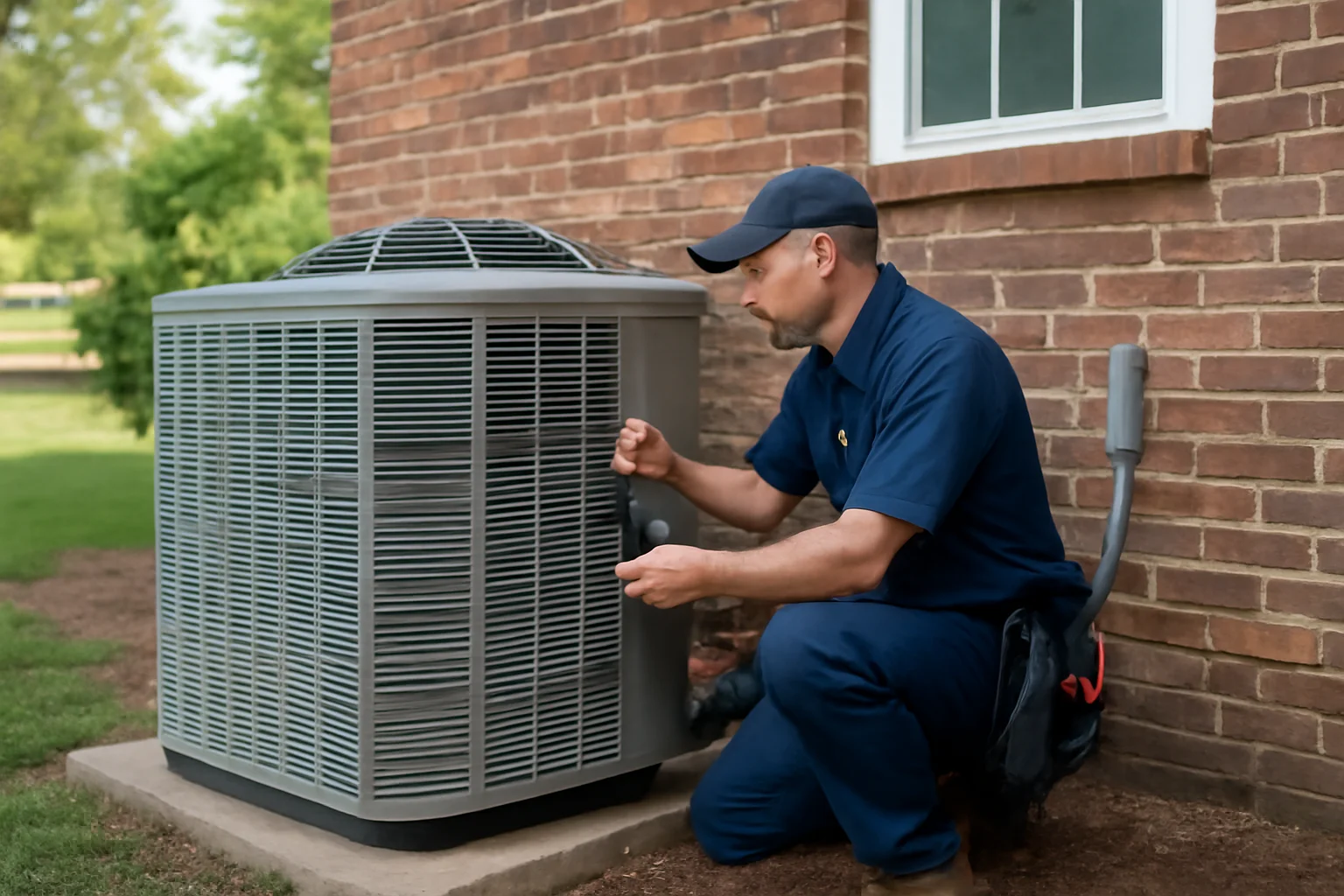
Camp Creek, FL businesses work hard to stay comfortable through Florida heat, humidity, and salt air. When a commercial HVAC system fails, it is not just an inconvenience. Comfort, productivity, and customer experience can take an immediate hit. The good news is that many common commercial HVAC repair problems can be prevented with smart maintenance habits, careful attention to airflow and ductwork, and timely professional service.
If you manage a property and you are trying to avoid repeat commercial HVAC repair in Camp Creek, FL, this guide focuses on the issues that most often lead to emergency cooling concerns. It also explains what homeowners can do to reduce risk and when to call a local HVAC contractor like A Superior Mechanical.
Why Camp Creek HVAC emergencies happen more often in Florida
Commercial HVAC systems in Walton County operate in conditions that can be tougher on equipment than many other areas. In Camp Creek, expect:
- High humidity, which increases coil load and can worsen condensation and condensate drainage issues.
- Intense summer heat, which raises compressor and airflow demands.
- Salt air exposure, especially for properties closer to coastal areas, which can accelerate corrosion on metal components.
- Airflow strain from dirty filters, blocked return paths, or ductwork that is not designed for current occupancy.
When these factors combine with delayed maintenance, small problems can grow quickly into a shutdown, a refrigerant system issue, or a situation where cooling cannot keep up. That is when emergency cooling becomes a real business risk.
Start with the basics: airflow, filtration, and thermostat settings
Many commercial HVAC problems begin with airflow and control settings. Even when the refrigerant system is functioning, poor airflow can cause coils to freeze, reduce heat transfer, and drive up energy use.
Check filters on a schedule you can actually maintain
Filters protect coils and help keep airflow steady. In humid Florida conditions, filters can load up faster. If filters are too restrictive or neglected, the system may run longer, struggle to dehumidify, and increase wear on fans and motors.
For commercial properties, the right filter choice depends on the equipment and airflow design. A Superior Mechanical can advise on a practical maintenance plan based on your system and indoor air quality goals.
Confirm thermostats are set up correctly for commercial use
Thermostats that are misconfigured can cause comfort complaints and unnecessary cycling. Common issues include:
- Schedules that do not match occupancy
- Setpoints that are too aggressive for the system
- Zones that are not calling for heating or cooling when they should
Even if your system is receiving power, incorrect thermostat operation can mask a real equipment problem or lead to short cycling, which increases stress on components.
Look for signs of restricted airflow
Before a breakdown, many systems show early warning signs. Watch for:
- Supply vents blowing warm air
- Weak airflow from registers
- Uneven temperatures across the building
- Higher humidity indoors, even when cooling is running
These symptoms can point to dirty ductwork, blocked returns, malfunctioning dampers, or issues with the air handler and fan operation. A careful duct inspection and airflow evaluation are often the fastest way to narrow down what is really happening.
Humidity control and condensate drainage: the silent emergency triggers
In Camp Creek’s humid climate, moisture management is not optional. When coils do not drain properly, water can build up, leading to water damage risks and comfort problems. It can also contribute to corrosion over time.
Know what condensate drainage problems look like
Condensate drainage issues often show up as:
- Water around the indoor unit or in the mechanical area
- Musty odors that suggest moisture buildup
- Frequent shutdowns related to safety controls
- Reduced dehumidification, with indoor humidity staying high
Condensate drainage problems can be caused by clogged drain lines, improper slope, dirty drain pans, or issues related to airflow and coil performance. Because moisture can affect multiple parts of the system, professional evaluation is the safest route.
Indoor air quality depends on moisture control
When humidity is not managed, indoor air quality can suffer. Higher moisture levels can support microbial growth and worsen comfort for occupants with allergies or respiratory sensitivity. If you are searching for indoor air quality services near me or planning improvements for your tenants or staff, start with how the HVAC system handles humidity and filtration.
You may also find helpful ideas in Smart HVAC Planning for Cleaner Indoor Air in Camp Creek.
Refrigerant systems: protect performance by addressing issues early
Commercial cooling relies on the refrigerant system to move heat. When refrigerant-related problems develop, comfort suffers and the system can run inefficiently. It can also increase the risk of compressor damage if the system is forced to operate under strain.
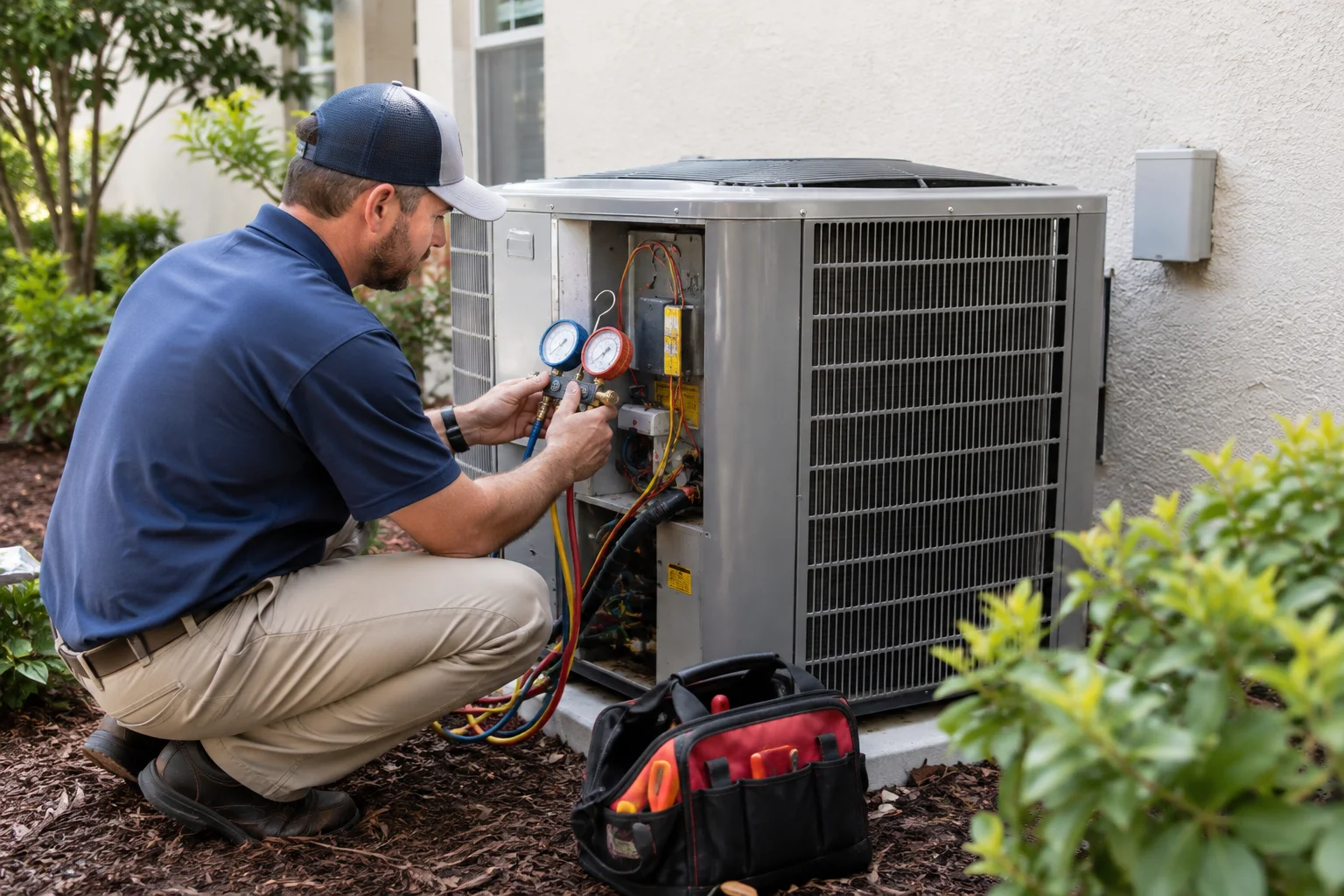
Homeowners and property managers should avoid guessing at refrigerant causes. You should not attempt DIY refrigerant troubleshooting. Refrigerant problems require an in-person professional evaluation to confirm what is actually happening and to ensure the system is handled safely and correctly.
Common refrigerant system symptoms that lead to repair calls
- Cooling performance drops noticeably
- Evaporator or condenser coil issues show up as icing or poor heat transfer
- Long run times with limited comfort improvement
- Higher energy use as the system works harder
These symptoms overlap with airflow and humidity issues, which is why professional diagnosis matters. For example, a restricted airflow problem can mimic cooling complaints that people assume are “a refrigerant problem.”
Ductwork and airflow balance: where many “mystery” comfort problems start
Even a well-maintained unit can struggle if the ductwork does not support the building’s needs. In commercial spaces, changes in layout, renovations, or shifting occupancy can make older airflow designs less effective.
What ductwork problems look like in a commercial building
- Hot or cold spots that persist
- Rooms that never reach setpoint
- Dust buildup near supply vents
- Residents or staff reporting inconsistent comfort
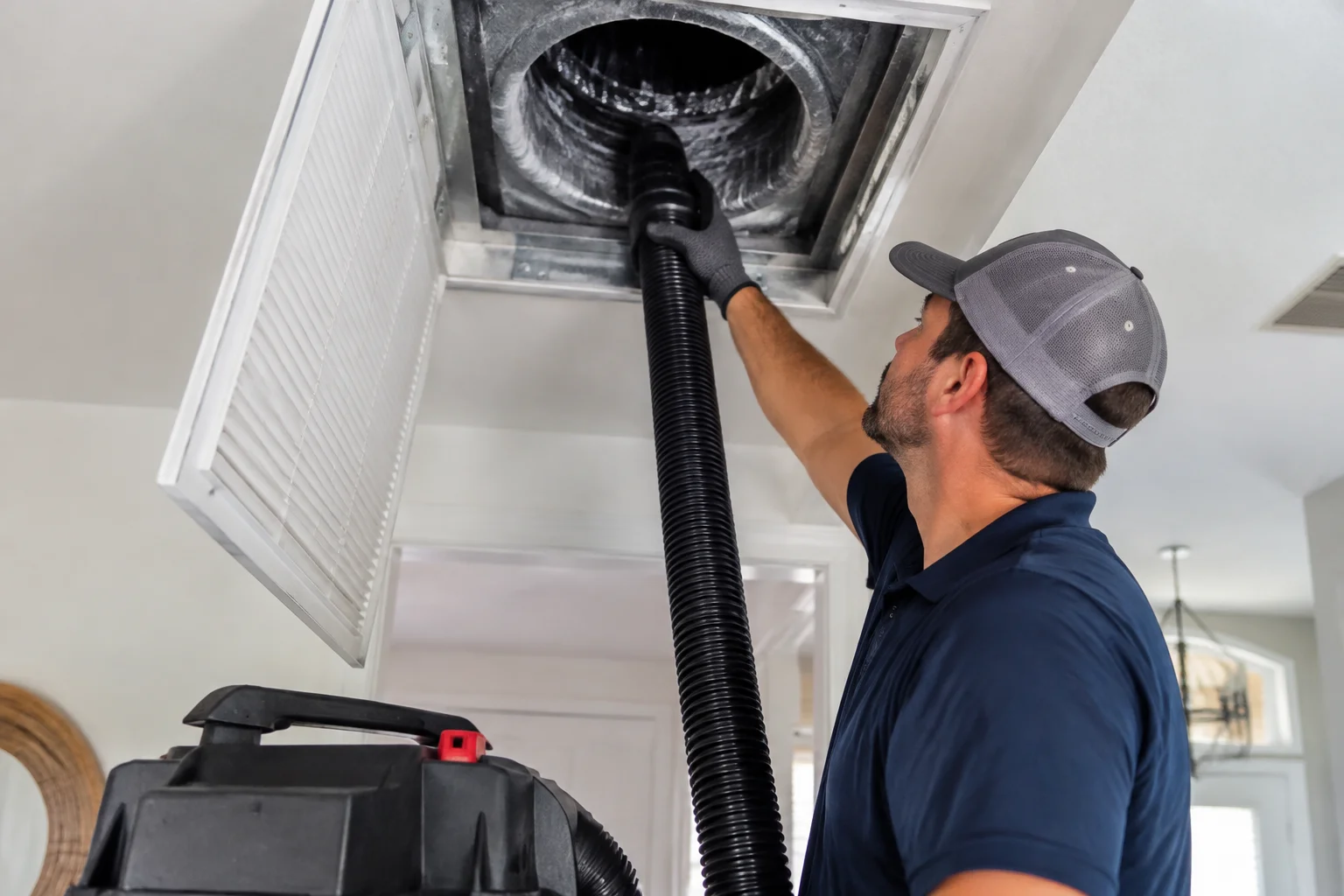
If you suspect ductwork issues, consider professional support for a duct inspection. For some properties, duct cleaning may also be appropriate, but it should be evaluated based on the system condition and airflow measurements. If you are searching for duct cleaning near me, focus on contractors who can connect ductwork findings to actual airflow performance.
Airflow affects energy use and equipment life
Restricted airflow increases system runtime and can raise operating costs. It also increases stress on fans and motors. In humid climates, poor airflow can reduce the system’s ability to remove moisture, which leads to comfort complaints and more frequent calls.
Coils, fans, and outdoor units: maintenance that prevents corrosion and breakdowns
Coils and outdoor components take a beating in Florida. Salt air, airborne debris, and frequent humidity cycles can accelerate corrosion and reduce heat transfer.
Keep coils clean and airflow paths clear
Dirty coils reduce cooling capacity and can contribute to poor dehumidification. Outdoor units can also accumulate debris that blocks airflow across condenser coils.
Cleaning is not just about appearance. It is about maintaining proper heat transfer and preventing early wear on components. A Superior Mechanical can include coil and component checks as part of a preventive HVAC maintenance approach for commercial systems.
Watch fan and motor performance
When fans do not perform as expected, airflow drops and the system may trip safety protections. Signs include unusual noises, inconsistent airflow, or recurring issues that seem to happen only during certain times of day or seasons.
Plan preventive HVAC maintenance like a risk management tool
Preventive maintenance is often the difference between a scheduled repair and an emergency cooling situation. For commercial properties, the goal is not just to keep the system running. It is to reduce the chances of sudden failures during peak demand periods.
What a practical maintenance plan includes
A good commercial HVAC maintenance plan typically addresses:
- Air filter condition and airflow verification
- Thermostat and control sequence review
- Coil inspection and cleaning as needed
- Condensate drainage inspection and moisture management checks
- Fan operation and safe, reliable performance checks
- General system inspection for wear, corrosion, and early failure indicators
Because every building is different, you should have a technician review your specific equipment and operating conditions. If you are comparing options for an HVAC contractor near me, look for a commercial focus and a maintenance approach that connects comfort complaints to system performance.
Schedule maintenance before Florida’s busiest weeks
In Camp Creek, cooling demand ramps up quickly. Waiting until a problem happens often means repairs compete with peak season scheduling pressures. Preventive HVAC maintenance done ahead of time can reduce the chance that your system fails when temperatures and humidity are at their highest.
If you manage property upgrades, you can also pair maintenance planning with installation and replacement decisions. For example, if your building is considering improvements, review Air Conditioning Installation and New Construction Air Conditioning for guidance on how equipment choice and design affect long-term performance.
Recognize early warning signs of commercial AC repair needs
Emergency cooling concerns usually start with smaller issues. Here are patterns homeowners and property managers can track to catch problems sooner.
Comfort and performance red flags
- Cooling takes longer to reach setpoint
- Humidity stays high even during normal cooling hours
- System cycles on and off more frequently than before
- One area of the building is uncomfortable while others seem fine
Operational and safety red flags
- Water leaks or dampness near indoor units
- Burning smells or unusual odors near the equipment
- Repeated trips of safety controls
- Visible ice on coils or abnormal frost patterns
Energy use and cost indicators
When energy use rises without a clear reason, it can signal airflow restrictions, coil fouling, or inefficient operation. In a humid climate, systems may also run longer to manage moisture. If you notice a steady increase, it is worth scheduling an air conditioning inspection near me or a full commercial HVAC evaluation.
Why professional local HVAC service matters in Camp Creek
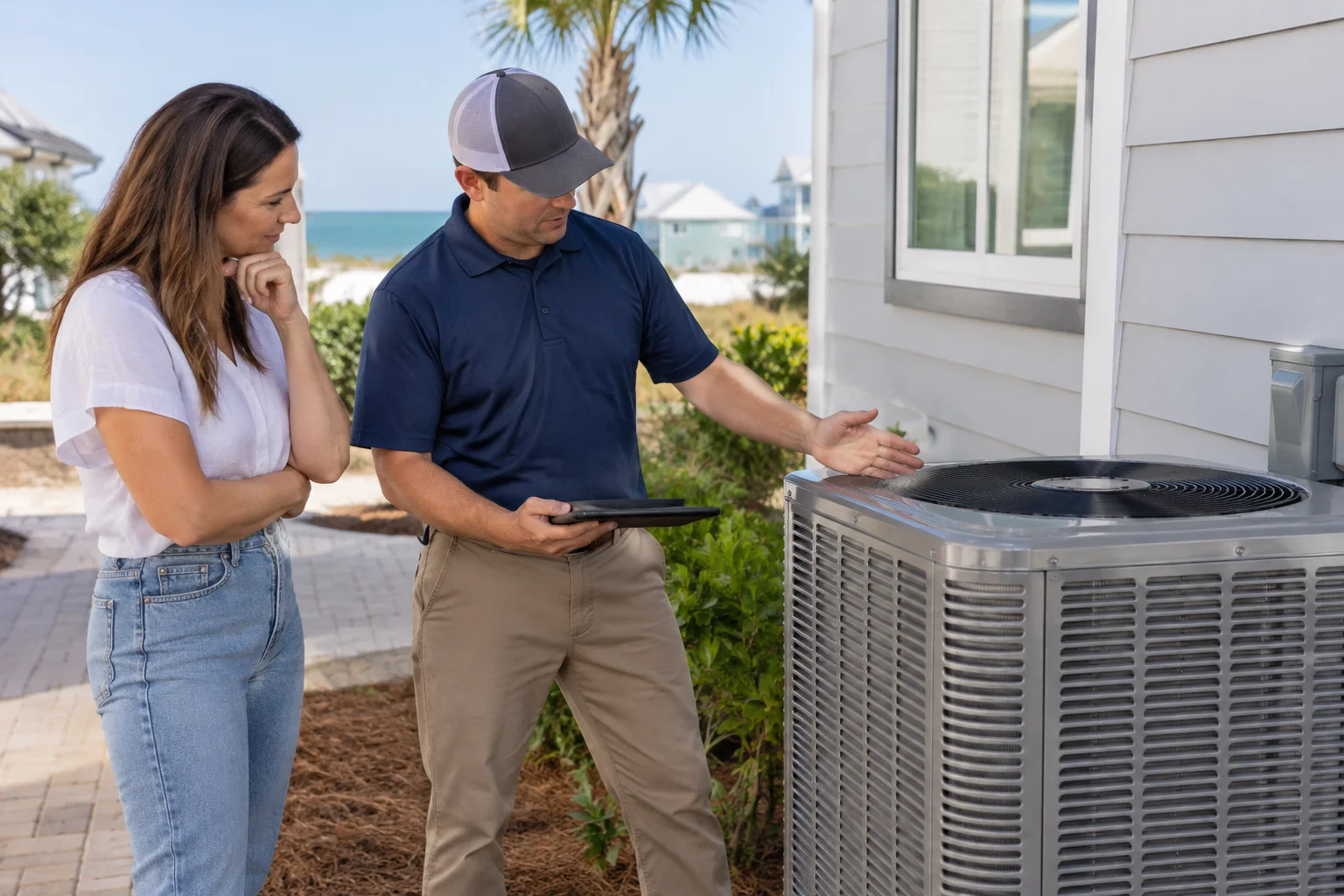
Commercial HVAC systems are complex. Homeowners can spot symptoms, but professional service connects those symptoms to the correct cause. Local experience also matters because equipment is installed and maintained in real conditions, including humidity levels, airflow challenges, and corrosion risks.
When you work with a local HVAC contractor like A Superior Mechanical, you get support that focuses on the whole system. That includes airflow, ductwork performance, condensate drainage, thermostat operation, and refrigerant system behavior. It also helps you plan next steps if repairs are needed, or if a system replacement is the better path after an in-person assessment.
If you want to understand why small repairs matter to comfort and operations, read Why Commercial HVAC Repair Matters to Home Comfort in Miramar Beach.
How to reduce repeat breakdowns after a repair
After a commercial AC repair, it is tempting to assume the problem is fully resolved. Often, the real work is preventing recurrence.
Ask what contributed to the failure
A professional should be able to explain what likely caused the issue and what changes can reduce the chance of a repeat. That may include:
- Improving airflow by addressing filters, returns, or ductwork restrictions
- Fixing condensate drainage or correcting conditions that promote moisture buildup
- Adjusting thermostat control sequences
- Addressing coil cleanliness and airflow paths
If your business experiences recurring symptoms, a full system review can help identify the pattern. Avoid assumptions. For refrigerant systems, condensate drainage, and control behavior, an in-person evaluation is the right starting point.
Consider air filtration and air cleaning strategies
Filtration supports both comfort and indoor air quality. If your building has high dust loads, frequent occupancy changes, or specific indoor air quality concerns, consider options for improving filtration and air cleaning.
Explore Air Filtration and Purifiers Air Scrubbers to see how these upgrades can fit into a broader HVAC maintenance plan.
When to call for commercial HVAC repair in Camp Creek
If your system is not keeping up with Florida heat and humidity, or if you see early warning signs, do not wait for a full shutdown. Call for an evaluation when:
- Cooling performance drops or humidity control worsens
- Airflow seems weak or uneven across the building
- Condensate drainage issues appear, including water around the unit
- You notice unusual noises, odors, or repeated safety shutdowns
- Energy use climbs noticeably without a clear explanation
For businesses looking for a commercial air conditioning contractor near me, the right choice is one that can inspect the full system and recommend practical next steps. You can also review the service details at this Camp Creek commercial HVAC repair page and learn more about coverage across Camp Creek and Walton County.
Related planning ideas for Camp Creek homeowners and property managers
Commercial comfort is connected to how the whole HVAC system is planned and maintained. If you are working on improvements for indoor air quality, humidity control, or overall comfort, these reads can help:
- Smart HVAC Planning for Cleaner Indoor Air in Camp Creek
- Smart HVAC Planning for Camp Creek Homes: Comfort, Humidity, and Better AC Installations
- Commercial HVAC Repair in Fort Walton Beach: What Property Owners Should Pay Attention To Before Small Problems Grow
If you are considering financing for repairs or upgrades, you can review HVAC Financing to help plan projects around your budget.
For properties using ductless systems, preventive care still matters. If you are searching for ductless mini split installation near me or planning maintenance around ductless equipment, ask about how the indoor units and outdoor components are protected from humidity and airflow issues.
Keeping commercial HVAC emergencies low in Camp Creek is about staying ahead of airflow problems, humidity and condensate drainage risks, and equipment wear caused by Florida heat and salt air. With a consistent maintenance routine and professional checkups, you can protect comfort and reduce the chance of an unexpected cooling failure during peak demand.
Find Commercial HVAC Repair in Camp Creek, FL
If you need Commercial HVAC Repair in Camp Creek, FL, visit our local service page or contact A Superior Mechanical today.
Map of Camp Creek, FL
Frequently Asked Questions
What are the most common causes of commercial AC breakdowns in Camp Creek, FL?
In Camp Creek’s heat and humidity, breakdowns often start with restricted airflow from dirty filters or ductwork issues, coil fouling, condensate drainage problems, and control or thermostat settings that do not match occupancy. Refrigerant system problems can also occur, but they require an in-person evaluation to confirm the cause.
Can high indoor humidity mean my system needs commercial HVAC repair?
Yes. High humidity can point to cooling performance issues, inadequate airflow, dirty coils, or condensate drainage problems. Because humidity problems can overlap with multiple system components, a technician should inspect the equipment and airflow to identify the real cause.
How often should a commercial HVAC system receive preventive maintenance?
Most commercial properties benefit from routine preventive HVAC maintenance scheduled before peak cooling demand. The best frequency depends on system type, occupancy, filter loading, and operating hours. A Superior Mechanical can help set a plan based on your equipment and comfort needs.
What should I look for around the indoor unit that signals condensate drainage trouble?
Look for water pooling, dampness near the unit, musty odors, reduced dehumidification, or repeated shutdowns related to safety controls. These are strong indicators that the condensate drainage path needs professional inspection.
Is it safe for me to try to diagnose a refrigerant issue without a technician?
No. Refrigerant system issues require safe, in-person evaluation. DIY attempts can be unsafe and can miss the true cause, especially when airflow or coil conditions are involved.
Related Articles
- Smart HVAC Planning for Cleaner Indoor Air in Camp Creek
- Smart HVAC Planning for Camp Creek Homes: Comfort, Humidity, and Better AC Installations
- Why Commercial HVAC Repair Matters to Home Comfort in Miramar Beach
- Commercial HVAC Repair in Fort Walton Beach: What Property Owners Should Pay Attention To Before Small Problems Grow
Photo Gallery