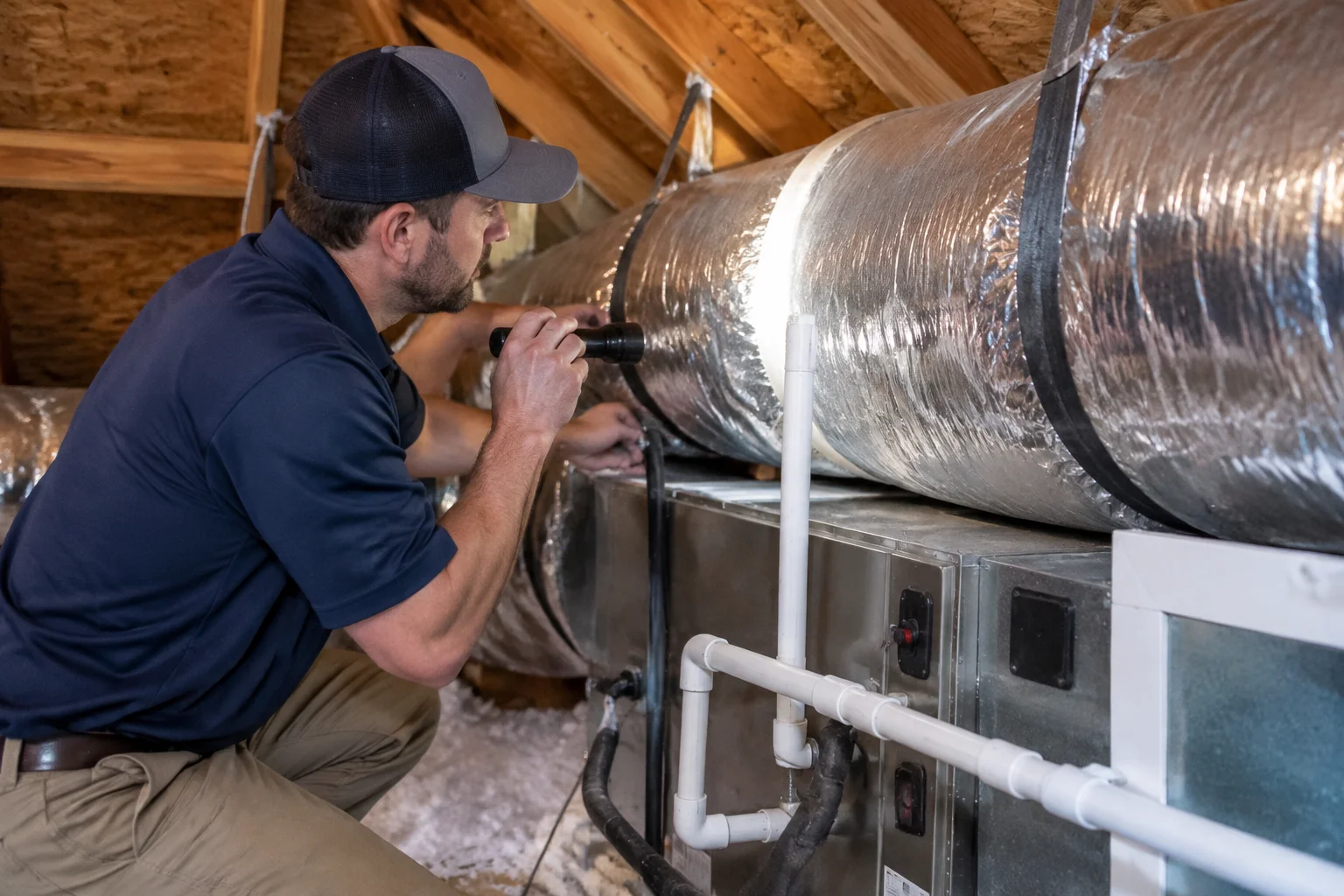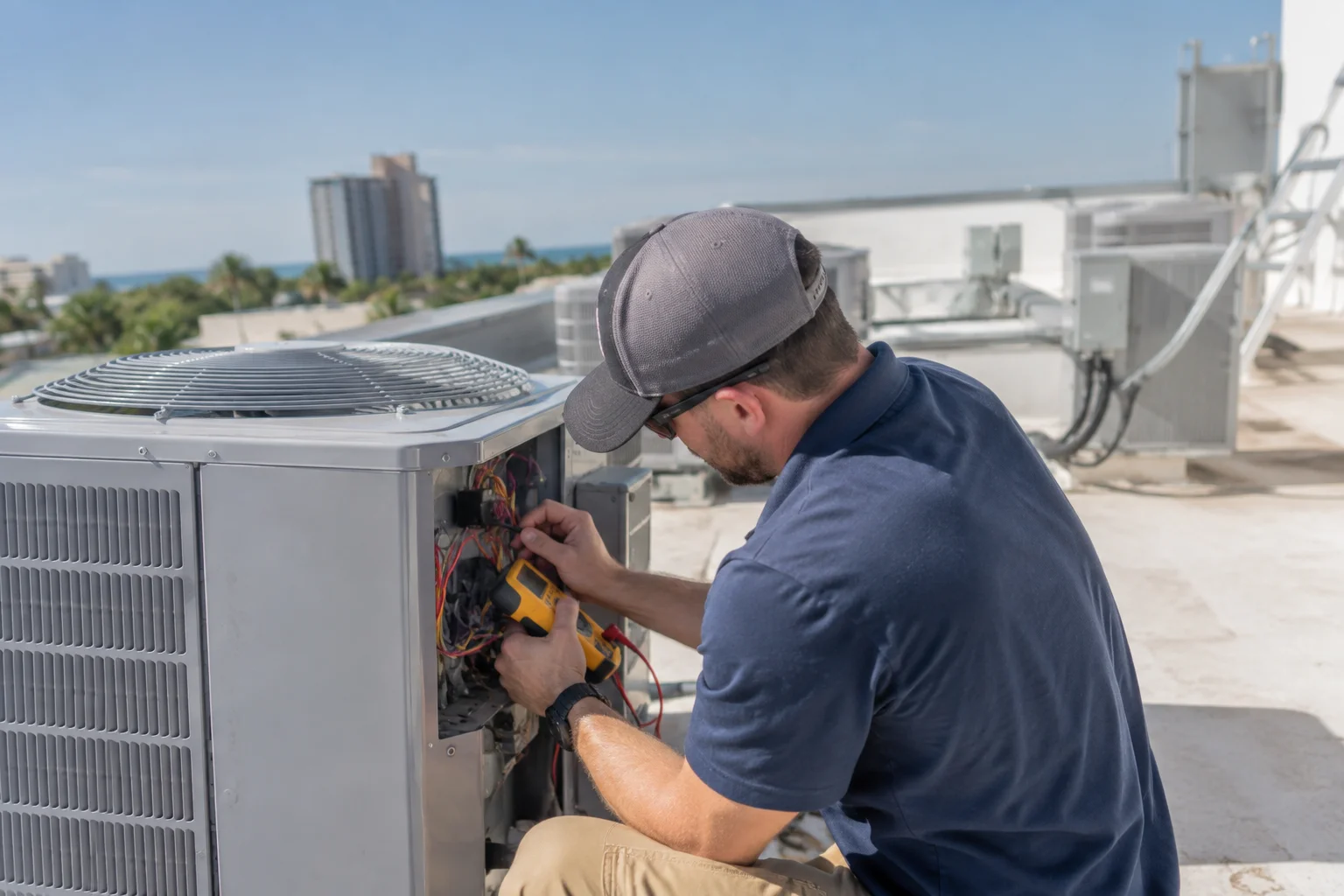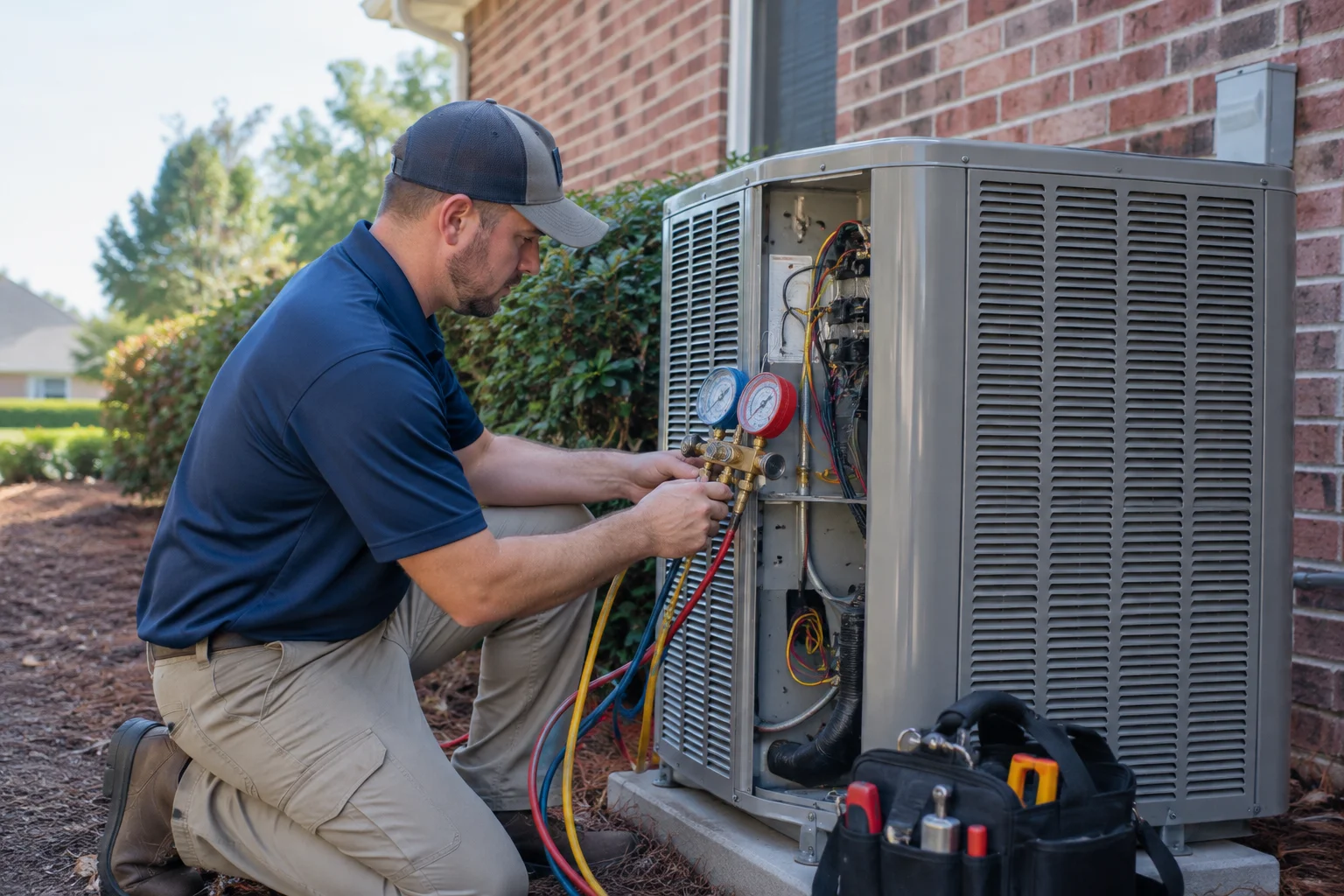
DeFuniak Springs summers can feel relentless, and Florida humidity does not take breaks. When your air conditioner, heat pump, or airflow system struggles, the cause is not always the outdoor unit. Ductwork often plays a bigger role than homeowners expect. A thorough duct inspection in DeFuniak Springs can uncover hidden leaks, blocked sections, moisture concerns, and airflow problems that quietly drive up energy use and strain your refrigerant system.
This guide focuses on prevention. You will learn how to spot early warning signs, what commonly goes wrong with ducts in Walton County homes, and how to prepare so an air conditioning inspection near me or duct inspection near me appointment produces clear, useful results.
Why duct inspection matters more in DeFuniak Springs than you think
Homes in DeFuniak Springs, especially older housing stock, were often built with duct layouts that do not always match modern comfort expectations. Add in Florida heat, high humidity, and the way air pressure changes when doors close and HVAC equipment cycles. Those factors can turn small duct issues into comfort problems.
During duct inspection, a professional looks for patterns that affect:
- Airflow: Uneven airflow can make some rooms feel too warm while others get too much cooling.
- Energy use: When airflow is restricted, the system may work longer to reach thermostat targets.
- Indoor air quality: Leaks and moisture can contribute to dust movement, musty odors, and potential contamination risks.
- System strain: Poor airflow can affect how your refrigerant system performs, including how heat is removed and how the system cycles.
Even if your thermostat seems to be working, duct problems can prevent conditioned air from getting where it needs to go.
Common duct issues that show up during inspections in Walton County
Homeowners often associate duct inspection with “air duct service,” but duct inspection is really about identifying the root cause of airflow and air quality complaints. In DeFuniak Springs, these issues come up frequently:
1) Leaks at joints, seams, and transitions
Small gaps can pull in unconditioned air from attics, crawl spaces, or wall cavities. In humid weather, that can increase moisture levels near the ducts. Leaks also reduce effective airflow, which can lead to longer run times and uneven cooling.
2) Blockages and crushed sections
Ducts can be partially blocked by construction debris, poorly planned renovations, or accumulated dust. In some homes, duct sections get compressed in tight crawl spaces or around framing. Blocked airflow can show up as weak supply air, hot rooms, or frequent cycling.
3) Poor duct sizing and layout changes over time
Some duct systems were designed for older equipment or different airflow needs. When homeowners add rooms, finish basements, or replace an air conditioning system without matching duct airflow, the duct system may struggle to deliver the right volume of air.
4) Moisture and condensate drainage concerns
Florida humidity can be tough on indoor systems. If condensate drainage is not managed correctly, moisture can contribute to duct contamination risks and unpleasant odors. Duct inspection can help identify where moisture is coming from and whether airflow patterns are making the problem worse.
5) System imbalance that makes the thermostat “lie”
Many homeowners trust the thermostat because it shows the set temperature. But if return airflow is restricted or supply airflow is uneven, the thermostat may not reflect what is actually happening in living spaces. That can lead to comfort complaints that feel mysterious until ductwork is evaluated.
Signs your ductwork may cause inspection problems or discomfort
These are the kinds of symptoms that often lead homeowners to search for air conditioner service near me or duct repair near me. They can also point to duct issues that will matter during duct inspection:
- Rooms that never feel comfortable, especially bedrooms over garages, additions, or rooms far from vents
- Strong temperature swings when the system cycles
- Weak airflow from vents even when the system seems to run normally
- Dust buildup around vents or noticeable dust movement when the system turns on
- Musty smells or increased humidity indoors during hot, damp weeks
- Higher energy use without a clear explanation
- Frequent short-cycling or the system running longer than expected
If you are noticing emergency cooling concerns, such as the home not cooling down during peak heat, do not assume the thermostat is the only issue. Airflow problems can turn a manageable problem into a bigger one quickly. Consider Emergency HVAC Services if your system cannot keep up during extreme conditions.
How homeowners can prepare for duct inspection (and prevent “false alarms”)
Preparation helps your HVAC contractor near me or your duct inspection professional focus on the real problem. It also reduces the chance that temporary conditions skew results.
Clear access to vents, returns, and access panels
Before an inspection, make sure supply registers and return grilles are accessible and not blocked by furniture, rugs, or storage. If your home has attic or crawl space access panels, ensure the technician can safely reach them. If access is difficult, mention it ahead of time so the inspection plan can be adjusted.
Document comfort issues by room
Write down which rooms are too hot or too cold, when it happens, and whether it correlates with certain thermostat settings. If you use zoning, note which zone is affected. This helps the inspection focus on airflow distribution, not just overall operation.
Check thermostat behavior and airflow settings
Confirm the thermostat is set to the correct mode and fan setting. If the fan is set to “on” instead of “auto,” it can change airflow patterns and humidity feel. If you have a programmable thermostat, note the schedule settings you are using. For homeowners searching for thermostat installation near me, the key point is that thermostat settings must match how the HVAC system is intended to run.
Gather recent maintenance notes
If you have records of filter changes, indoor air quality services near me, duct cleaning, or prior repairs, bring them up. Duct inspection is more productive when the technician understands what has already been attempted. If you have duct cleaning history, you can also reference your goals, like reducing dust or addressing odors.
Avoid making major DIY changes right before inspection
Do not seal vents, add aftermarket dampers, or modify return pathways before inspection unless a professional advises it. Some homeowner fixes can unintentionally worsen airflow balance or hide the evidence an inspector needs to find the real issue.
Preventative habits that reduce duct inspection problems
You cannot prevent every duct issue in DeFuniak Springs, but you can reduce the odds of recurring problems and make future inspections more straightforward.
Replace filters on schedule and use the right type
A clogged filter can reduce airflow and create pressure changes that affect duct performance. Follow the filter schedule recommended for your system and avoid oversized restrictions. If you are unsure what is appropriate, ask your HVAC contractor during maintenance.
Keep registers and returns unobstructed
Furniture placement, curtains, and storage can block airflow and distort pressure. When airflow is blocked, duct inspection may reveal symptoms that look like leaks or blockages. Simple changes can help your ducts perform as designed.
Address humidity early
High humidity can increase the risk of moisture-related duct issues. If you notice condensation around windows, persistent musty smells, or indoor humidity that stays elevated, it is worth discussing with a local HVAC professional. In Florida, moisture management is part of duct health and overall indoor air quality.
Watch for changes after HVAC repairs
If you recently had AC repair near me or heat pump repair, pay attention to comfort changes afterward. Sometimes a repair improves performance but reveals an existing duct airflow limitation that was previously masked. Duct inspection can help confirm that the duct system is delivering air properly after the system has been serviced.
Schedule preventive HVAC maintenance before peak season
Preventive maintenance helps keep airflow, condensate drainage, and thermostat operation aligned. It also reduces the chance of emergency cooling concerns during the hottest weeks. If you want to connect the dots between duct performance and routine service, review how maintenance supports long-term comfort in your area.
For homeowners thinking ahead about budgeting, you can also read A Homeowner’s Guide to HVAC Financing for Smarter Maintenance in DeFuniak Springs, FL.
Why duct inspection should include indoor air quality thinking
Duct inspection is not only about comfort. In DeFuniak Springs, indoor air quality can be affected by the way air moves through the home. When ducts leak, pull in attic air, or carry moisture, the air you breathe can be impacted.
Homeowners who care about indoor air quality often ask about duct cleaning. Duct inspection is a good first step because it helps determine whether the issue is leakage, airflow imbalance, moisture, or contamination pathways. If you are considering cleaning, it helps to understand what is causing the problem in the first place.
You may find this helpful: How DeFuniak Springs Homeowners Can Reduce Duct Cleaning Problems and Keep HVAC Systems Running Better.
How salt air and coastal conditions can affect duct performance
DeFuniak Springs is not directly on the coast, but Walton County homes can still experience coastal influences and humid air patterns. Salt air and moisture exposure can affect building materials and can contribute to corrosion concerns in HVAC components over time. While ductwork itself is usually not the only piece impacted, moisture and airflow changes can still create conditions where ducts collect debris or develop issues at seams and joints.
That is why an inspection should be thorough and should consider the broader system. If the HVAC system is struggling to maintain stable conditions, duct inspection can help explain why.
What to ask during an air conditioning inspection or duct inspection
When you schedule duct inspection, you want actionable answers, not vague statements. Here are questions that help homeowners get clarity:
- Which rooms show the biggest airflow imbalance, and why?
- Where are the most likely leak points or restricted sections in my ductwork?
- Is moisture or condensate drainage impacting duct areas?
- How does my thermostat setting and fan operation affect comfort across the home?
- What duct repair options are realistic for my home layout?
- Are duct issues contributing to higher energy use or system strain?
If you are also dealing with a refrigerant-related comfort complaint, remember that a professional must evaluate refrigerant systems in person. Duct inspection can explain airflow and distribution issues, but it does not replace a proper assessment of the refrigerant system and equipment performance.
Preventing duct inspection issues when you are planning system replacement
Many homeowners search for HVAC replacement near me when comfort problems persist. If ductwork has leaks, blockages, or moisture concerns, replacing the equipment alone may not solve the root issue. The new system can still struggle with airflow distribution and humidity control.
Before major replacement decisions, it is smart to pair system evaluation with duct inspection. That is especially important if you have uneven cooling, poor airflow, or increased energy use. If you are considering replacement, you can explore options like Air Conditioning Replacement and ask how duct performance will be addressed as part of the overall plan.
When to call A Superior Mechanical for duct inspection
Call a local professional for duct inspection when symptoms persist, when comfort issues are room-specific, or when you suspect moisture or airflow problems. It is also a good idea to schedule inspection as part of preventive HVAC maintenance, especially before peak summer conditions in DeFuniak Springs.
A Superior Mechanical provides professional duct inspection in DeFuniak Springs, FL to uncover hidden airflow problems, energy loss, and indoor air quality concerns in homes and businesses across Walton County. Learn more on our service area page: duct inspection for DeFuniak Springs. If you want broader service options across the area, visit the DeFuniak Springs page or Walton County services.
If you are trying to keep small HVAC issues from becoming disruptive during hot weather, this guide can help: Keeping Small HVAC Problems from Turning into Big Business Disruptions in DeFuniak Springs.
How duct inspection supports better HVAC maintenance habits
Duct problems often create a cycle. Restricted airflow can make equipment run longer, which can increase wear. Moisture issues can create indoor air quality complaints that lead to repeated cleaning attempts. When ducts are leaking or blocked, thermostat readings can mislead homeowners about comfort.
Preventive maintenance works best when duct performance is part of the conversation. A professional duct inspection can help you understand what is driving comfort complaints, how airflow is distributed, and where moisture concerns may be hiding. That is the foundation for smarter repairs, more reliable air conditioning service, and better heat pump service outcomes.
For homeowners who also want to understand how maintenance planning affects the bigger picture, it can help to see how HVAC service priorities differ between home and business. If that is relevant, read Why Commercial HVAC Maintenance Matters More in DeFuniak Springs Than Most Businesses Realize.
Practical checklist for homeowners before duct inspection
- Mark the rooms that feel too hot or too cold and note when it happens.
- Confirm thermostat settings, including mode and fan operation.
- Replace or verify filter condition before the appointment.
- Ensure vents and returns are not blocked.
- Provide access to attic or crawl space areas if applicable.
- Share any recent HVAC repairs, refrigerant system service, or moisture-related concerns.
- Ask the technician to explain findings in terms of airflow, indoor air quality, and energy use.
Taking these steps helps your duct inspection deliver clearer answers and supports the kind of preventive HVAC maintenance that keeps homes comfortable through Florida heat and humidity.
Find Duct Inspection in DeFuniak Springs, FL
If you need Duct Inspection in DeFuniak Springs, FL, visit our local service page or contact A Superior Mechanical today.
Map of DeFuniak Springs, FL
Frequently Asked Questions
How do I know duct inspection is the right place to start for uneven cooling?
If some rooms are consistently warmer or cooler, airflow imbalance is often involved. Duct inspection can identify leaks, blockages, or distribution problems that can make the thermostat seem accurate while living spaces do not feel right.
Can humidity in DeFuniak Springs cause duct problems?
Yes. Florida humidity can increase moisture in attic and wall spaces, and it can worsen any duct leaks or condensate drainage issues. A professional inspection can help locate moisture pathways and airflow conditions that contribute to indoor air quality concerns.
Should I seal ducts or add tape before inspection?
It is usually better to avoid DIY sealing right before an inspection. Temporary fixes can hide the evidence a technician needs to find the actual leak points, restrictions, or moisture-related areas.
If my AC repair was recently done, why would I still need duct inspection?
Repairs can restore equipment performance, but they do not automatically correct ductwork problems. If airflow is still uneven or comfort issues continue, duct inspection can help confirm whether the duct system is delivering air effectively.
Related Articles
- A Homeowner’s Guide to HVAC Financing for Smarter Maintenance in DeFuniak Springs, FL
- Why Commercial HVAC Maintenance Matters More in DeFuniak Springs Than Most Businesses Realize
- How DeFuniak Springs Homeowners Can Reduce Duct Cleaning Problems and Keep HVAC Systems Running Better
- Keeping Small HVAC Problems from Turning into Big Business Disruptions in DeFuniak Springs
Photo Gallery