EV ownership is growing across DeFuniak Springs, and so is the need for charging setups that can handle Florida weather, older wiring, and rising household power demand. A charger that is installed correctly does more than fill a battery overnight. It protects the home’s electrical system, reduces nuisance breaker trips, and helps keep the installation safe during storm season and year round humidity.
For homeowners in Walton County, the biggest problems usually start before the charger is ever mounted. The panel may be too small, the circuit may not be dedicated, or the grounding may not meet current code. In some homes, especially older properties and remodels, the electrical system was never designed for the added load of an EV charger. That is why local planning matters as much as the charger itself.
Why EV charger planning matters in DeFuniak Springs
DeFuniak Springs homes see a mix of older service equipment, newer additions, and updated kitchens, garages, and workshops that all pull power in different ways. In a climate with heat, humidity, thunderstorms, and the occasional power interruption, electrical systems need a little extra attention. A charger that seems simple on paper can expose weak spots in panels, breakers, outlets, and wiring.
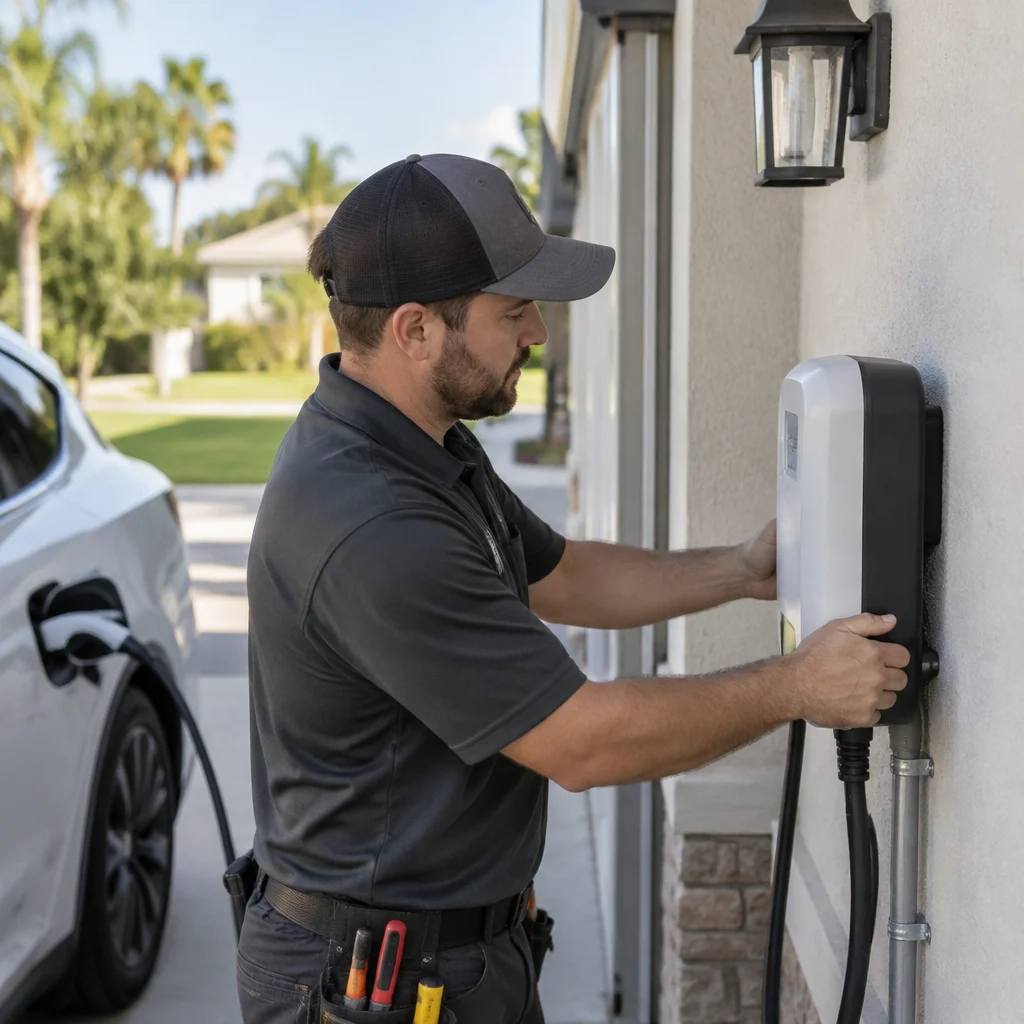
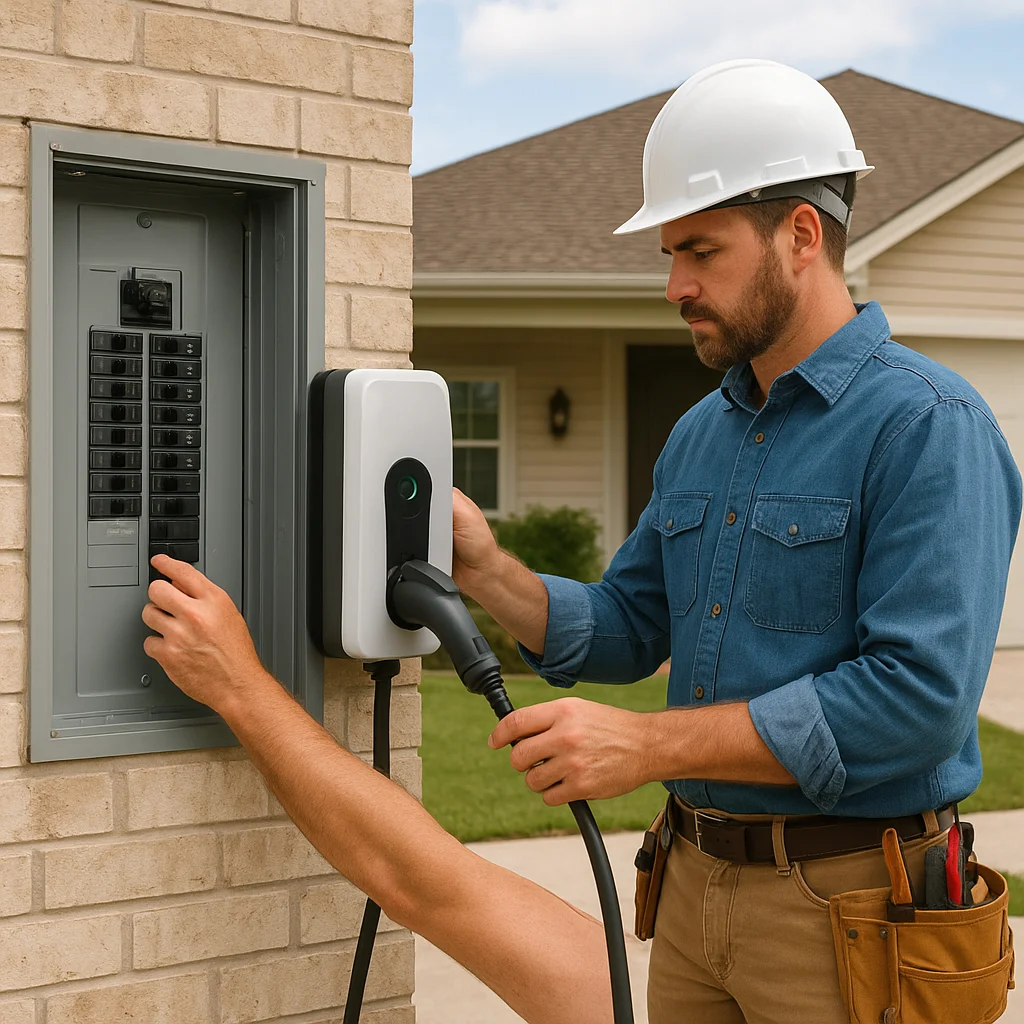
When A Superior Mechanical handles EV charger installation in DeFuniak Springs, FL, the goal is to make the whole system work together. That includes confirming the panel capacity, checking the condition of the feeder, verifying grounding and bonding, and making sure the charger gets the dedicated circuit it needs. The result is safer charging and fewer surprises later.
Start with the panel, not the charger
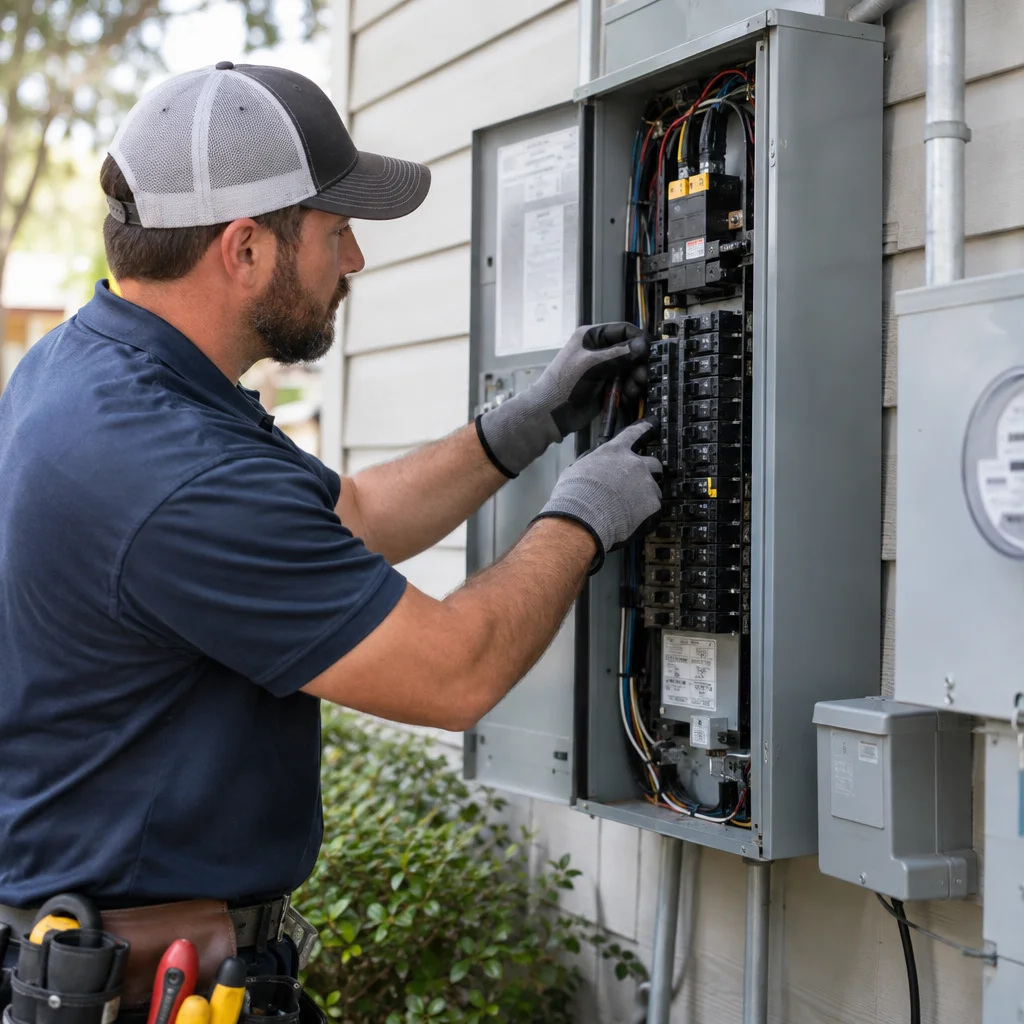
Many charging issues trace back to the electrical panel. If the panel is already crowded, outdated, or showing heat damage, the charger can push it past a safe limit. Homeowners searching for electrical repair or electrical inspections and code updates often discover that the panel needs attention before any EV equipment is added.
Common warning signs include breakers that feel warm, frequent tripping, buzzing from the panel, scorch marks, or lights dimming when large appliances start. In some homes, a electrical code inspection near me search is the right first step because the issue is less about the charger and more about whether the home is ready for additional load.
Homes that already need a breaker panel repair near me style fix may also need a electrical panel upgrade near me evaluation. In some cases, a 200 amp panel upgrade near me search points to the real solution, especially if the home has central air, electric cooking, a workshop, or another high demand appliance setup.
Dedicated circuits keep charging cleaner and safer
An EV charger should not share space with random loads or overloaded branch circuits. It needs a dedicated circuit sized for the charger and the home’s service capacity. That is one reason professional installation is so important. A properly sized circuit lowers the chance of overheated wiring, nuisance trips, and damage to the charger itself.
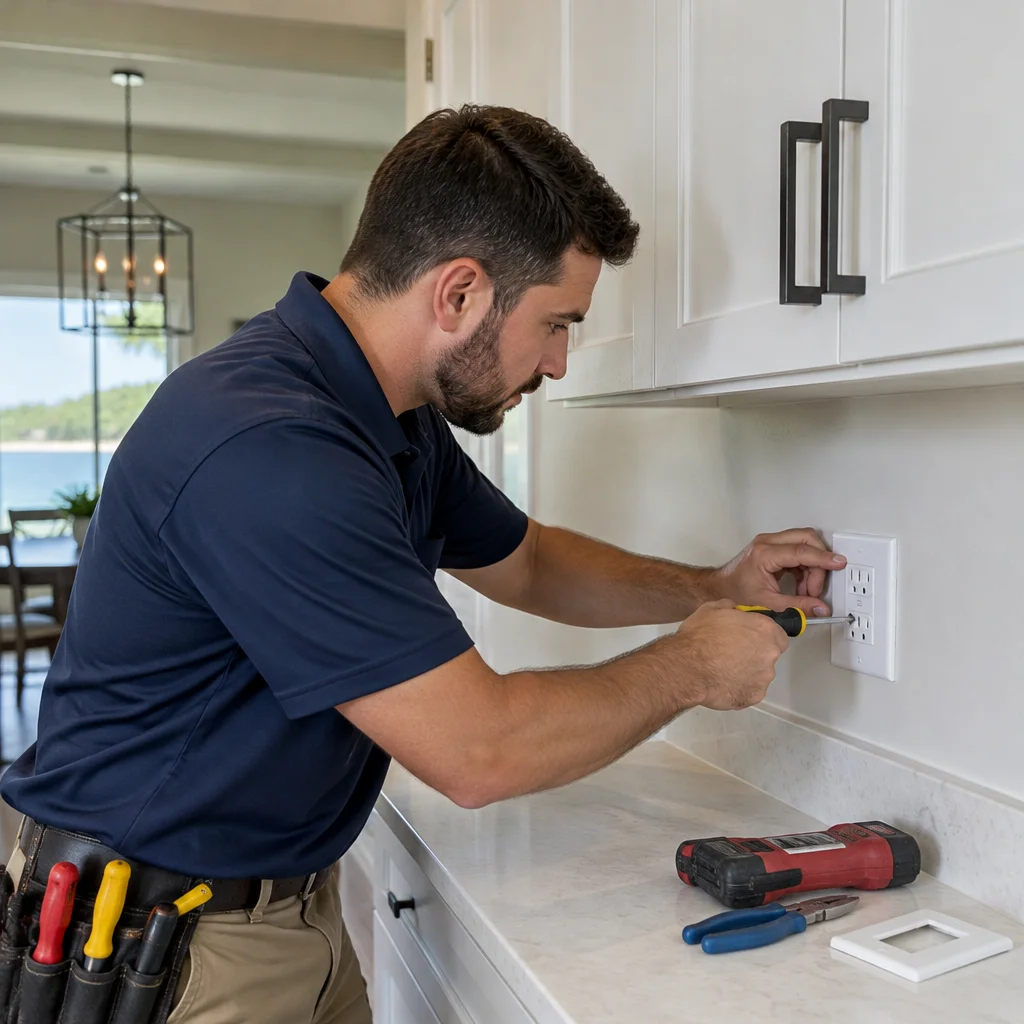
Some homeowners assume a nearby outlet is enough, but that shortcut can create more problems than it solves. If an outlet repair near me search is happening because a garage receptacle is warm, loose, or unreliable, the home may need more than a receptacle swap. The wiring, breaker, or load arrangement may need to be corrected before EV charging is added.
For homes with garages, workshops, or detached structures, the circuit path matters too. Long wire runs, undersized conductors, or old splices can reduce performance and increase risk. This is especially important in older DeFuniak Springs homes where wiring may have been updated in stages rather than all at once.
Grounding, GFCI protection, and code compliance are not optional
Florida moisture and storm activity make grounding and GFCI protection important in garages, exterior walls, and utility spaces. EV chargers need a clean electrical path and safe fault protection. If the grounding system is weak or a circuit lacks the right protection, the charger may not operate correctly and the home may be more vulnerable during electrical faults.
GFCI requirements can also matter depending on the charger location and installation method. That is why homeowners looking for electrical code inspection near me often find that code compliance is not just paperwork. It is part of protecting people, vehicles, and the home’s electrical system.
If the home has older outlets, loose switches, or aging garage wiring, those issues should be corrected before the charger goes in. A charger installation can reveal weak points in the rest of the system, which is why local homeowners often pair the project with electrical repairs or a broader maintenance check.
Storm season and surge protection deserve attention
DeFuniak Springs homeowners know that summer storms can bring lightning, voltage spikes, and utility interruptions. EV chargers are electronic devices, and like other sensitive equipment they benefit from whole home surge protection. If the home already has computers, smart appliances, or a garage full of electronics, surge protection becomes even more valuable.
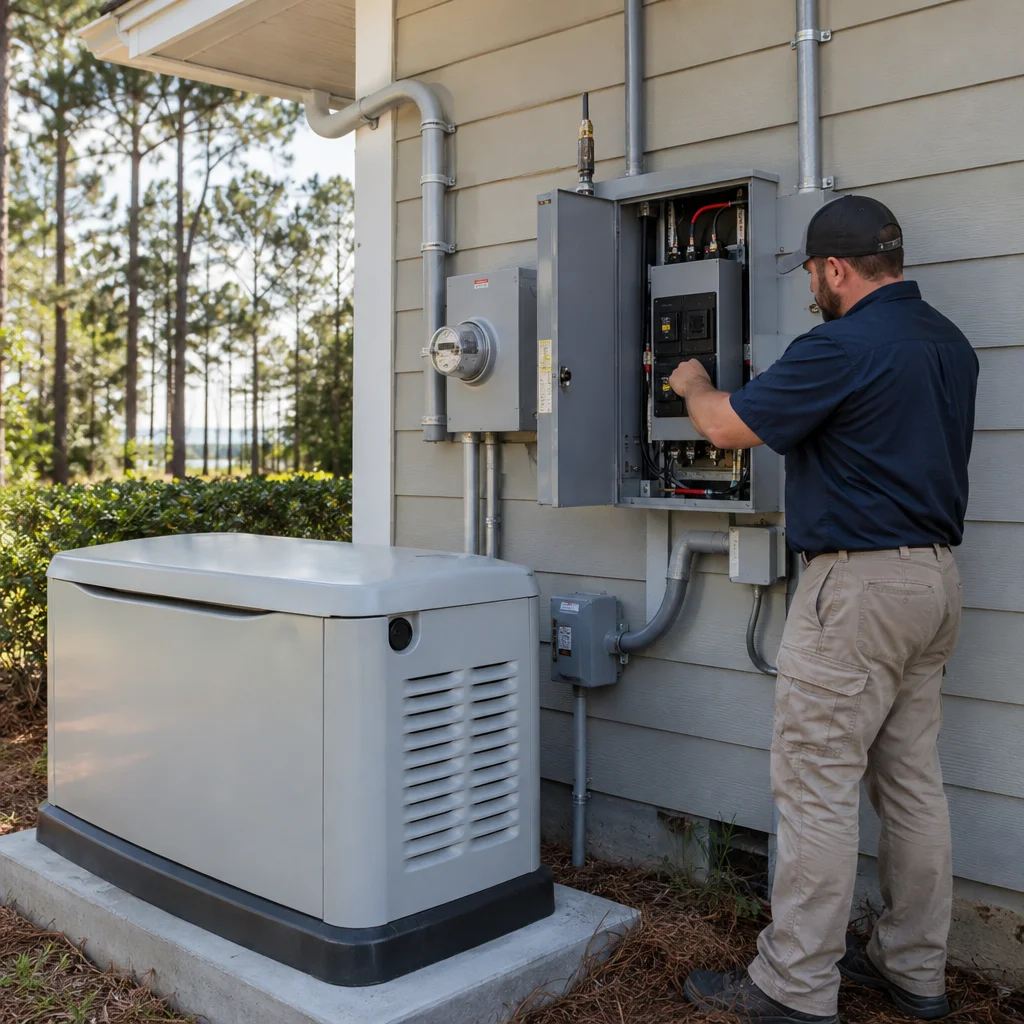
In homes with frequent outages, a generator may also be part of the long term electrical plan. While a generator will not charge every EV in every outage scenario, it can keep essential circuits available and help protect the home from extended downtime. Homeowners considering whole home backup solutions or generator transfer switch installation near me style support should talk through how the charger fits into the backup strategy.
Surge protection also helps preserve lighting, outlets, and other electrical equipment. That matters in homes where lighting installation and exterior electrical work have already been upgraded to improve safety and curb appeal.
Older homes, remodels, and additions need extra review
DeFuniak Springs has a wide range of housing stock, from older homes with limited panel space to newer builds and additions with a mix of old and new circuits. That mix can create hidden issues. A garage may have been finished later, a kitchen may have been remodeled, or a detached structure may have been added without fully modernizing the service.
In those cases, an EV charger can expose problems that were easy to ignore before. Flickering lights, overloaded outlets, or a breaker that trips when a microwave and charger run at the same time are all signs the system needs a closer look. Homeowners searching for flickering lights repair near me or local electrician near me often need a broader assessment than the symptom alone suggests.
For older wiring, better electrical maintenance can make future replacement easier and less disruptive. That is especially true when a homeowner is already planning upgrades like recessed lighting, ceiling fan wiring, or kitchen lighting installation near me style improvements.
How to avoid common EV charger installation problems
1. Have the load calculation done first
A proper load calculation shows whether the home can handle the charger without overtaxing the panel. This is one of the most important steps for anyone searching for residential electrician near me help for a charging project. It also helps decide whether the home needs a service upgrade before installation.
2. Match the charger to the home’s wiring and service
Not every charger works well on every property. Wire size, breaker size, distance from the panel, and mounting location all affect performance. If the garage is detached or the panel is far from the charging point, the wiring plan becomes even more important.
3. Check outlets and nearby circuits
Some homes need outlet repair, switch repair, or circuit correction before the charger is installed. If a garage outlet shares a circuit with the charger area, that may create nuisance trips or overheating. A dedicated circuit is usually the safer route.
4. Protect the system from weather and surges
Florida storms can affect even well built systems. Surge protection, proper grounding, and weather appropriate equipment help the installation last longer. If the home has exterior receptacles or garage openings exposed to moisture, GFCI protection should be reviewed carefully.
5. Keep the installation code compliant
Local code compliance is not just about passing an inspection. It helps ensure the charger is installed in a way that supports safety, insurance requirements, and future serviceability. Homeowners who want a charger that is reliable for years should choose an electrician who understands the local rules and the conditions in Walton County.
Related electrical work that often comes up during charger projects
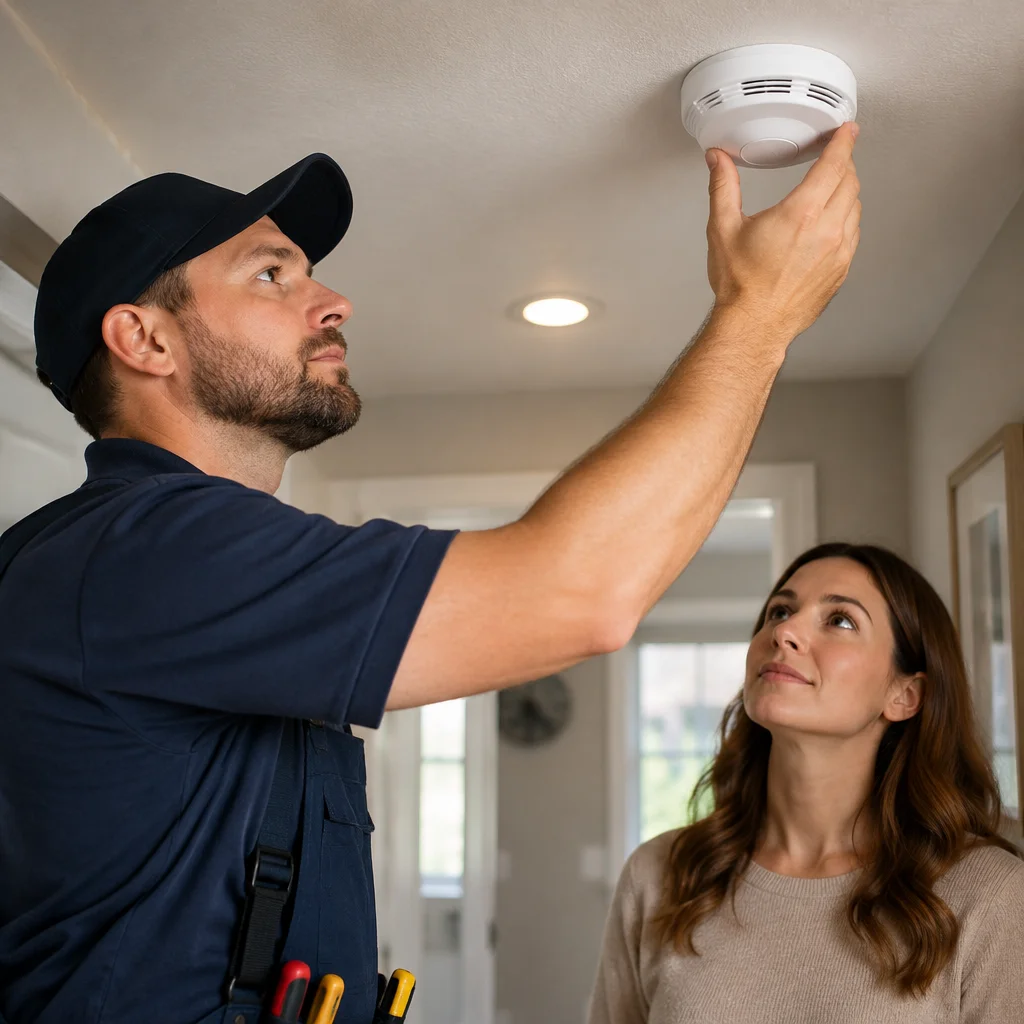
EV charger installation often leads to a few other improvements. A homeowner may need lighting installation near me help for the driveway, outlet repair near me service for a garage receptacle, or electrical inspections and code updates after discovering older wiring. Some properties also benefit from smoke detector installation, ceiling fan wiring, or a whole home generator installation near me consultation while the system is already being reviewed.
For homeowners comparing options, it helps to work with a local electrician in DeFuniak Springs who knows how the area’s homes are built and how storm season affects electrical systems. That local knowledge can save time, reduce surprises, and make the installation safer from the start.
When a charger problem is really a bigger electrical issue
If the charger trips the breaker, charges slowly, or causes lights to dim, the issue may not be the charger itself. It may be a sign of weak wiring, a failing breaker, an undersized panel, or poor connections somewhere in the system. Those are the kinds of issues that can also show up as warm outlets, buzzing switches, or intermittent power in other rooms.
That is why homeowners searching for electrical repair near me after a failed charger install should treat the warning seriously. A charger is a high demand device, and it can reveal problems that were already developing behind the walls. In those cases, the safest move is to stop using the circuit and have the system checked before more damage occurs.
For homes in DeFuniak Springs and across Walton County, good EV charging starts with a healthy electrical system. Panels, breakers, grounding, surge protection, and code compliance all matter just as much as the charger hardware. A thoughtful installation protects the home today and helps prepare it for the electrical needs that come next.
Homeowners who want a charger installed safely, or who suspect their current setup is overloading the system, can start with the service area page for Walton County electrical service and then look at the specific needs of the home, the panel, and the circuits involved.
Find EV Charger Installation in DeFuniak Springs, FL
If you need EV Charger Installation in DeFuniak Springs, FL, visit our local service page or contact A Superior Mechanical today.
Map of DeFuniak Springs, FL
Frequently Asked Questions
Do I need a panel upgrade for EV charger installation?
Not always, but many homes do need one. The answer depends on the panel size, available breaker spaces, existing loads, and the charger amperage. A load calculation and panel inspection will show whether the home can support the charger safely.
Can an EV charger share a circuit with other garage outlets?
It is usually better to give the charger a dedicated circuit. Sharing a circuit with outlets, lighting, or other equipment can lead to nuisance trips, overheating, and reduced charging performance.
Why does my breaker trip when the charger runs?
Breaker trips can point to an undersized circuit, loose connections, a weak breaker, or a panel that is already carrying too much load. If this happens, the system should be inspected before the charger is used again.
Is surge protection worth adding with an EV charger?
Yes. Surge protection helps shield the charger and other electronics from lightning and utility spikes, which is especially useful during Florida storm season.
Related Articles
- How Electrical Financing Helps DeFuniak Springs Homeowners Protect Panels, Wiring, and Outlets
- Safer Power in DeFuniak Springs Starts With the Right Electrical Repairs
- Better Electrical Maintenance Makes Electrical Replacement Easier for DeFuniak Springs Homes
- Staying Ahead of Plumbing Problems in DeFuniak Springs Homes
Photo Gallery