Fort Walton Beach homeowners know the weather does not ease up. Summer brings intense heat, frequent humidity, and salt air that can affect how HVAC systems perform. A VRF multi-zone HVAC system is designed to help you manage comfort room by room, with refrigerant-based heating and cooling and controls that respond to changing conditions.
This guide explains how VRF multi-zone HVAC systems work in real homes, what to watch for as humidity builds, and how preventive HVAC maintenance helps you reduce emergency cooling concerns. If you are searching for VRF multi-zone HVAC systems in Fort Walton Beach, FL, these details will help you ask better questions and spot issues earlier.
Why Fort Walton Beach humidity is harder on HVAC than homeowners expect
In Fort Walton Beach and across Okaloosa County, the air can feel heavy even when temperatures are not extreme. That humidity matters because comfort is not only about temperature. When indoor humidity stays too high, you can feel warmer than the thermostat suggests, and you may notice musty odors, condensation on windows, or dampness around supply vents.
Humidity control depends on airflow, cooling performance, and condensate drainage. If any part of the system underperforms, moisture can linger indoors. In a VRF multi-zone setup, multiple indoor units work together, so maintaining consistent airflow and proper condensate drainage is especially important.
How VRF multi-zone HVAC systems manage heat and humidity
VRF, or variable refrigerant flow, systems move refrigerant through a network of indoor units and outdoor components. Instead of sending chilled air through ducts alone, VRF uses refrigerant systems to provide heating and cooling to different zones based on demand. Many homes in Fort Walton Beach use zoning to address common comfort issues, such as:
- Rooms above garages that run hotter
- Bedrooms that feel stuffy while hallways feel cooler
- Home offices that need steady comfort for work
- Open floor plans where airflow is uneven
Because VRF can adjust output to match what each zone needs, homeowners often experience more consistent comfort than with systems that cycle on and off as frequently. That said, humidity control still depends on proper airflow and moisture removal through the condensate drainage path.
Airflow and coil performance still matter
VRF indoor units still have heat exchange surfaces that must get the right airflow. If filters are dirty, return pathways are blocked, or ductwork is not delivering air as intended, the system can struggle to remove moisture effectively. Homeowners may then notice:
- Air feels cool but not “dry”
- Condensation near vents
- Uneven temperatures between zones
- Higher energy use during humid spells
Condensate drainage needs attention
When cooling operates, indoor units remove moisture and drain condensate. In Florida’s humidity, condensate production can be significant. If drainage is restricted or the condensate line is improperly routed, water can back up, creating wet spots and odors. A professional HVAC inspection can evaluate condensate drainage and confirm that the system is carrying moisture away safely.
Local factors in Fort Walton Beach that affect VRF performance
VRF systems are engineered for efficiency and zoning flexibility, but local conditions influence day-to-day performance. Fort Walton Beach is known for coastal weather and salt air, and that can add strain to exterior components and airflow around outdoor equipment.
Salt air and outdoor unit maintenance
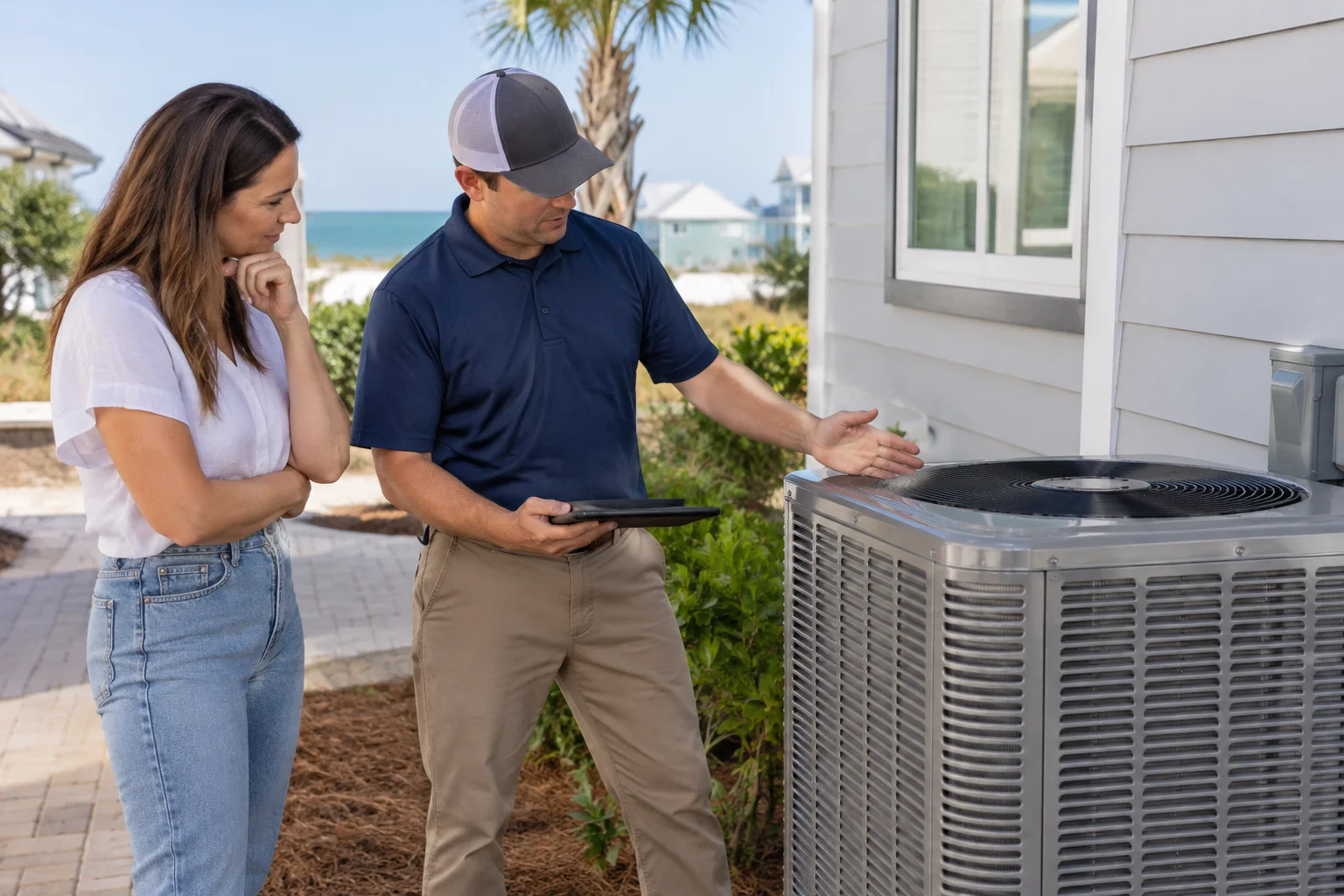
Salt exposure can contribute to corrosion risk. Exterior components also need clear airflow to exchange heat properly. If landscaping, shrubs, or debris restrict airflow, performance can drop and humidity management can suffer indirectly because the system cannot maintain stable operation.
As part of preventive HVAC maintenance, a technician should check exterior airflow pathways, inspect for debris buildup, and evaluate how the system handles heat rejection during peak summer conditions.
Heat load swings in coastal Florida
Fort Walton Beach days can shift quickly, especially around storms or seasonal transitions. VRF zoning controls can respond to changing demand, but homeowners still need to support the system with clean filters, unobstructed vents, and thermostat settings that match real comfort needs.
Thermostats and zoning controls: how to use them for better comfort
VRF multi-zone systems typically rely on thermostats and control logic to determine how much heating or cooling each zone needs. To keep humidity under control, it helps to avoid “chasing” comfort with constant setting changes.
Here are practical ways homeowners can use thermostats and zoning controls more effectively:
- Set realistic temperature targets for each occupied zone. Large differences between zones can create comfort complaints and uneven humidity feel.
- Use consistent schedules so the system does not repeatedly ramp up and down with every schedule change.
- Keep doors and major airflow paths open when zones are meant to share pressure and airflow.
- Confirm sensor placement if a zone never feels right. A sensor in direct sun or near drafts can lead to incorrect comfort response.
If you are considering HVAC service near me for a VRF system, ask whether your control setup supports humidity comfort, not just temperature. An air conditioning inspection near me should include verification of airflow conditions, filter status, and how the system is responding to thermostat inputs.
Signs your VRF multi-zone system is not managing humidity well
Homeowners often notice humidity problems before they notice equipment failure. If you see the following, it may indicate airflow restrictions, drainage issues, or comfort settings that need adjustment.
Comfort symptoms homeowners can feel
- Air feels cool but the home still feels damp
- Musty smells appear in certain rooms or near returns
- Windows fog up more than usual during cooling season
- Rooms swing between too warm and too cold
Operational clues you can observe
- Condensation around indoor units or near drain lines
- Uneven airflow from vents, especially from one zone
- Inconsistent performance after filter changes or seasonal transitions
- Higher energy use during peak humidity weeks
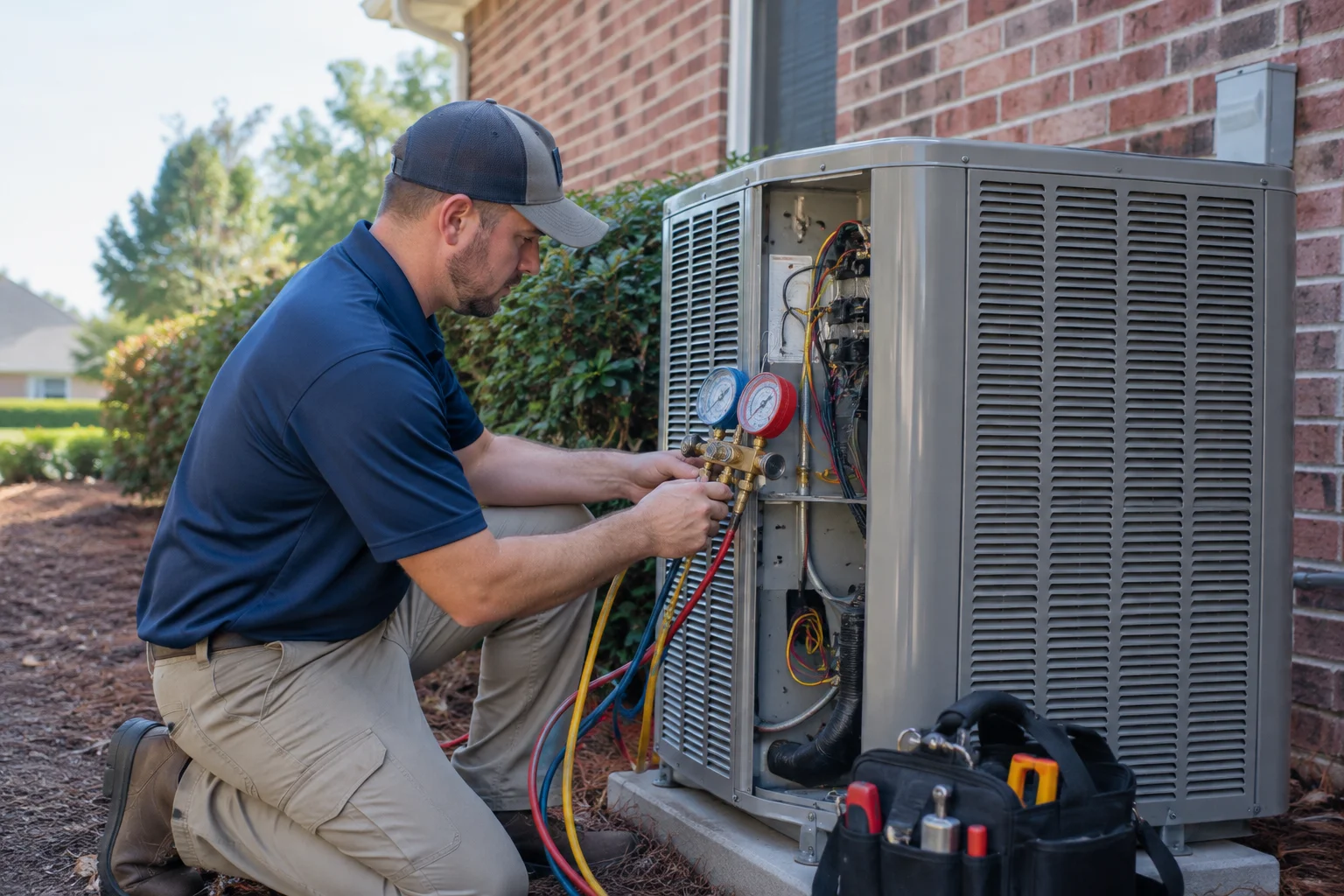
These symptoms do not automatically mean a refrigerant issue. VRF systems involve refrigerant systems and controls, but diagnosing refrigerant performance requires careful, in-person evaluation by a qualified HVAC technician. If you suspect a cooling problem, request HVAC repair near me and plan for an on-site assessment rather than guessing.
Preventive HVAC maintenance that supports humidity control
Preventive maintenance is where homeowners can make a real difference. In a VRF multi-zone system, small issues like restricted airflow can affect multiple zones, and humidity can amplify comfort problems.
Replace or clean filters and check returns
Filters are a first-line factor for indoor air quality and airflow. Dirty filters reduce airflow and can strain the system. In homes with allergies or higher indoor dust, filter schedules may need adjustment. During HVAC maintenance near me visits, technicians can help verify the correct filter type and confirm that returns are not blocked by furniture or rugs.
Inspect ductwork and airflow distribution
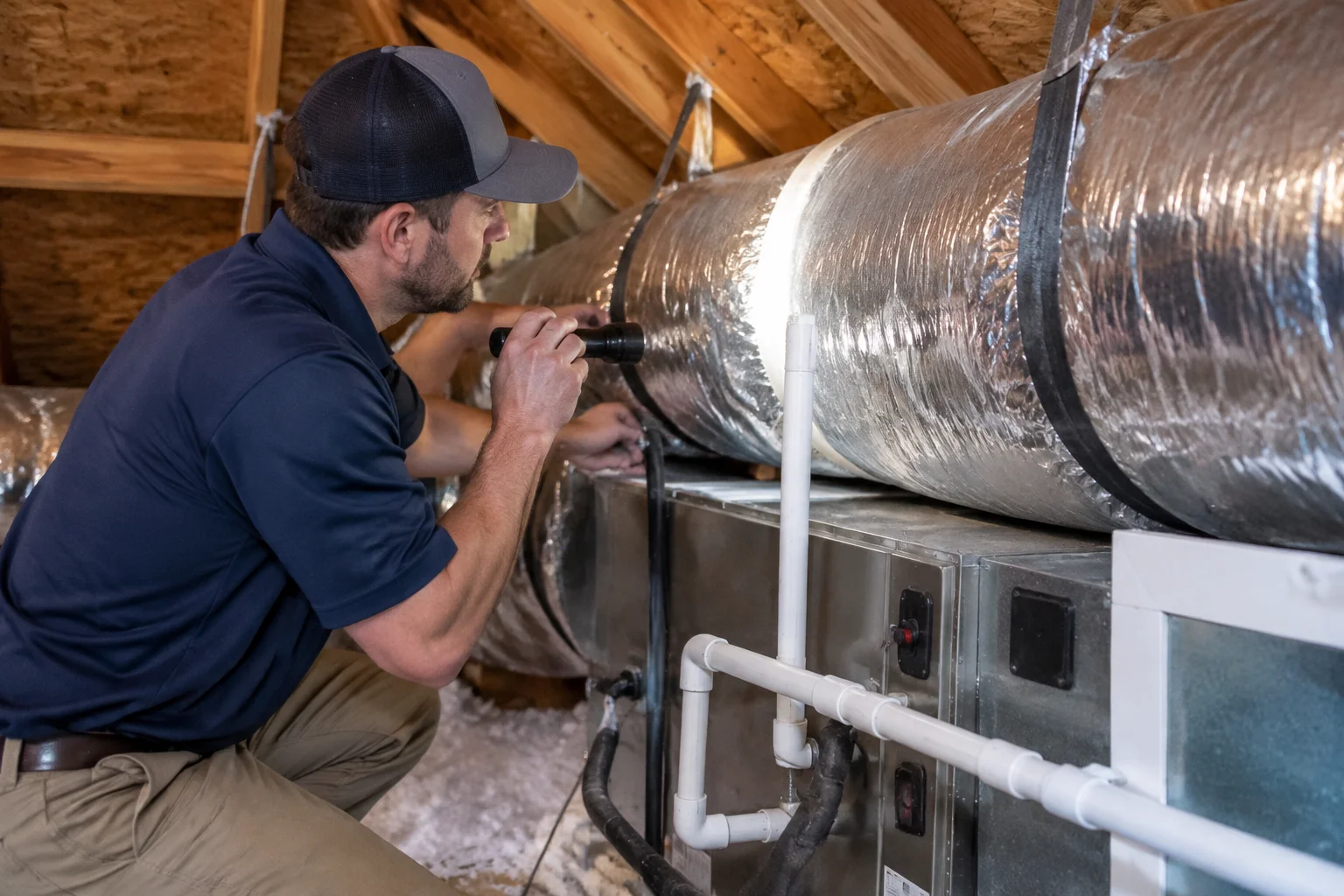
Even with zoning, ductwork still influences comfort. Leaky or poorly balanced ductwork can create hot or cold rooms and uneven humidity feel. If you have noticed uneven airflow, consider ductwork evaluation and sealing options. For many homes, Duct Sealing & Aeroseal Services can help improve airflow distribution when duct leakage is part of the problem.
Review indoor air quality needs
Humidity and indoor air quality are closely linked. When moisture is not controlled, it can worsen comfort and contribute to odors and airborne irritants. If you are managing asthma triggers, allergies, or general stale air, pair your VRF comfort goals with indoor air quality planning. Explore Indoor Air Quality Services to discuss options that fit your system and home layout.
Check condensate drainage and drain pans
During routine service, a technician should inspect condensate drainage paths and ensure water is moving away correctly. In humid Florida weather, condensate drainage problems can become urgent quickly, especially if a zone is underperforming.
Evaluate outdoor components and airflow around them
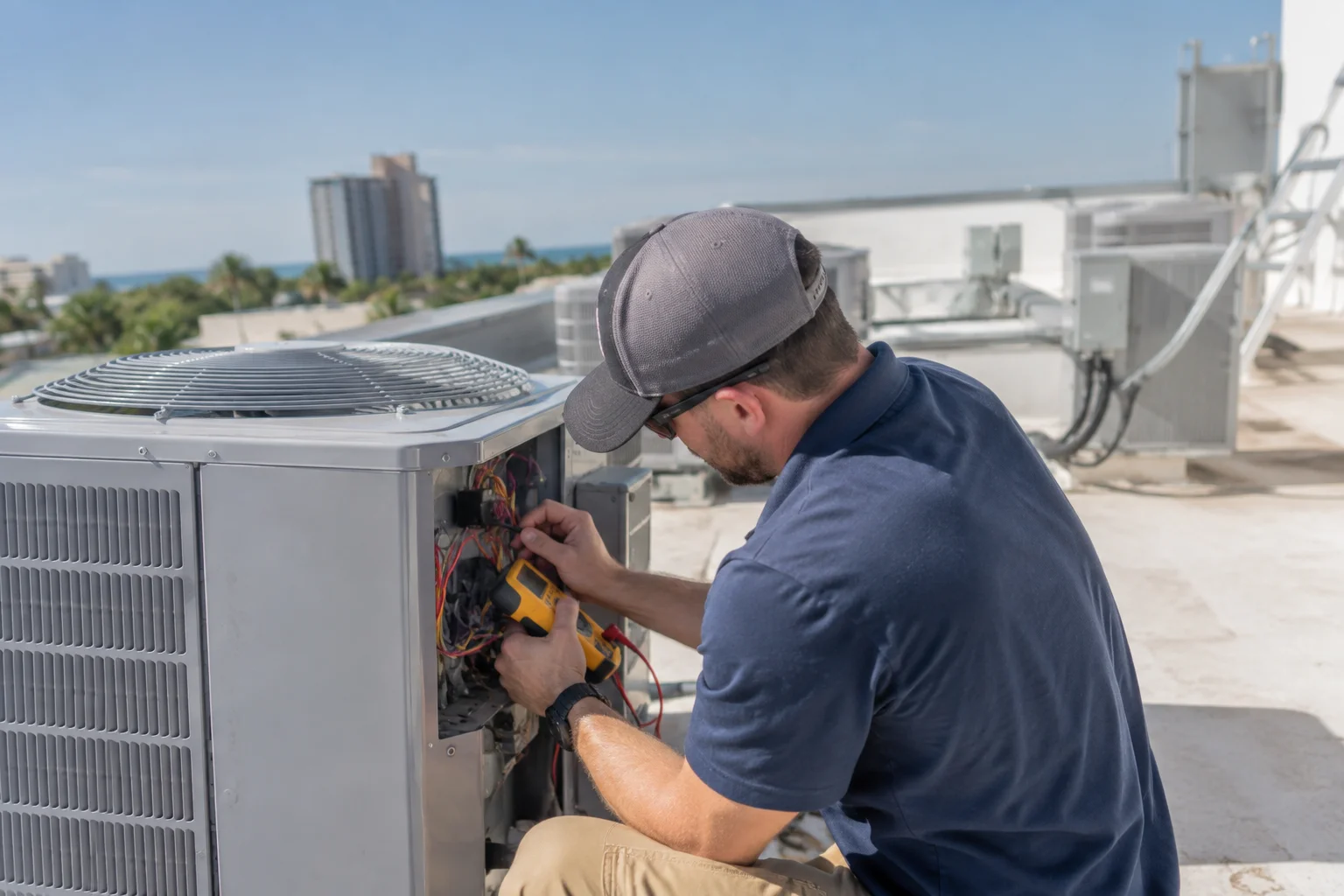
Outdoor heat rejection is critical in coastal heat. A maintenance visit should include checks of exterior airflow clearance and general system condition. Salt air can contribute to buildup, so keeping the area around outdoor components clear helps the system reject heat efficiently.
Common VRF multi-zone HVAC issues in coastal Florida homes
VRF systems are sophisticated, but the problems homeowners face in Fort Walton Beach often come back to airflow, drainage, controls, and system balance.
Uneven cooling between zones
One zone may feel too warm while others feel fine. Causes can include airflow restrictions, blocked returns, ductwork issues, or a control setting that does not match how the room is used. Because VRF is a refrigerant-based system with multiple indoor units, a technician should evaluate the zone in context rather than assuming one universal fix.
Humidity that lingers even when the thermostat is set correctly
When humidity stays high, homeowners may keep lowering the thermostat, which can increase energy use without fully solving the moisture problem. A professional HVAC service visit should check airflow, filtration, condensate drainage, and the way indoor units are operating within the VRF network.
Reduced airflow or noisy operation
Dirty filters, restricted vents, or failing components can reduce airflow. Noise can also indicate airflow issues or other system problems. If you hear unusual sounds or notice airflow drop-offs, schedule Commercial HVAC Repair if the system serves a commercial portion of your property, or request the appropriate HVAC repair service for your home system.
Energy use and comfort: why proper VRF setup pays off
Homeowners often want a VRF system because it can deliver flexible zoning and responsive comfort. Still, energy use can rise when airflow is restricted, filters are neglected, or duct leakage forces the system to work harder to achieve the same comfort.
VRF control logic can reduce waste when zones are correctly configured. That is why maintenance matters. If you are comparing options like new AC installation near me or evaluating whether a system replacement is necessary, talk to a local technician about how your home’s airflow, ductwork, and humidity needs align with VRF design.
If your home has existing comfort problems that have been blamed on “the thermostat,” it can be worth reviewing duct sealing, indoor air quality strategy, and system balance. Related reading can help you connect these dots: What Fort Walton Beach Homes Can Learn From Commercial HVAC Maintenance and Fort Walton Beach Homeowners and the HVAC Problems That Can’t Wait.
When to call A Superior Mechanical for VRF multi-zone HVAC help
VRF systems involve refrigerant systems and multiple indoor units, so it is best to rely on professional HVAC service when comfort issues persist or when you suspect a system-level problem.
Call a local HVAC contractor like A Superior Mechanical if you notice:
- Humidity remains high despite normal thermostat settings
- One or more zones blow weak air or feel inconsistent
- Condensate appears where it should not
- Airflow feels uneven after seasonal changes
- You are preparing for summer and want an air conditioning inspection near me for preventive HVAC maintenance
Also, if you are dealing with an older system and considering HVAC replacement near me, a professional evaluation is important. A technician should assess ductwork, indoor unit placement, and how the system will handle Fort Walton Beach heat and humidity. Do not rely on estimates alone, and do not attempt refrigerant diagnosis or electrical troubleshooting without an in-person assessment.
How to prepare your home for peak summer and emergency cooling concerns
Florida summer can create emergency cooling concerns, especially when humidity is high and temperatures climb. You can reduce the odds of a mid-summer breakdown with a plan that includes both system checks and home readiness.
- Schedule preventive maintenance before the hottest weeks so filters, airflow paths, and condensate drainage can be verified.
- Check vents and returns for obstructions. Furniture, curtains, and storage can block airflow.
- Verify thermostat schedules match how you actually use each zone.
- Keep exterior clearance around outdoor units so airflow is not restricted during coastal storms and windy days.
- Document comfort issues by zone so your technician can focus on the problem areas first.
If you are in Okaloosa County and want a local partner who understands how coastal humidity affects HVAC comfort, start with the Fort Walton Beach service area information on this city page and the specific VRF multi-zone service details on this VRF multi-zone HVAC systems page. For broader county coverage, you can also review Okaloosa County HVAC service areas.
Questions homeowners can ask during a VRF multi-zone HVAC service visit
Good questions help you get a useful HVAC service visit, whether you are scheduling HVAC maintenance near me or troubleshooting AC repair near me concerns. Consider asking:
- Which zones show the most humidity discomfort, and what airflow or drainage factors could be contributing?
- Are filters and returns set up to support indoor air quality and consistent airflow?
- Does my ductwork support the zoning strategy, or would duct sealing improve distribution?
- Are condensate drains flowing correctly for each indoor unit?
- How should I use the thermostats to maintain comfort without pushing energy use higher?
These answers should come from an on-site evaluation. If you suspect refrigerant performance, the technician should confirm what is happening using proper diagnostics rather than guessing. That approach supports safer, more accurate troubleshooting and helps you protect comfort during the hottest months in Fort Walton Beach.
If you want to understand how local conditions and maintenance habits can affect repairs over time, you may also find value in How Fort Walton Beach Weather and Daily Wear Shape Commercial HVAC Repairs Over Time and Commercial HVAC Repair in Fort Walton Beach: What Property Owners Should Pay Attention To Before Small Problems Grow.
VRF multi-zone HVAC systems can be a strong match for managing heat and humidity, but the comfort results depend on airflow, condensate drainage, ductwork performance, and thermostat control. A Superior Mechanical helps homeowners and property managers in Fort Walton Beach and across Okaloosa County keep comfort steady, indoors air quality supported, and emergency cooling concerns minimized through practical, local preventive HVAC maintenance.
Find VRF Multi-Zone HVAC Systems in Fort Walton Beach, FL
If you need VRF Multi-Zone HVAC Systems in Fort Walton Beach, FL, visit our local service page or contact A Superior Mechanical today.
Map of Fort Walton Beach, FL
Frequently Asked Questions
Can a VRF multi-zone system control humidity better than a standard split system?
VRF systems can help maintain more consistent comfort by conditioning multiple zones based on demand. Humidity control still depends on airflow, filtration, and proper condensate drainage from each indoor unit. If humidity feels high, an in-person inspection is needed to check the real cause rather than assuming it is only a thermostat setting.
What are common humidity-related problems homeowners notice with VRF zones?
Homeowners often report uneven comfort, musty odors, condensation around windows, or air that feels cool but not dry. These symptoms can come from restricted airflow, dirty filters, blocked returns, ductwork imbalance, or issues with condensate drainage. A technician can evaluate each zone in context during service.
How often should VRF multi-zone HVAC systems receive preventive maintenance in Fort Walton Beach?
Most homeowners benefit from seasonal preventive HVAC maintenance before peak cooling season and after seasonal transitions. Exact timing depends on usage, indoor air quality needs, and how your home’s zones are set up. A Superior Mechanical can recommend a schedule after reviewing your system and comfort history.
Should I try to diagnose refrigerant or electrical problems myself if a zone is not cooling?
No. VRF systems involve refrigerant systems and complex controls. Refrigerant diagnosis and electrical troubleshooting should be handled by a qualified technician with proper tools and safety procedures. If a zone is underperforming, schedule HVAC repair near me service for an on-site evaluation.
Will ductwork issues affect how well VRF manages humidity?
Yes. Even with zoning, ductwork and airflow distribution influence how effectively indoor units deliver air. Leaky ducts, poor balancing, or blocked airflow can lead to uneven temperatures and a humidity feel that does not match the thermostat. Duct sealing and airflow checks can be part of a broader comfort plan.
Related Articles
- What Fort Walton Beach Homes Can Learn From Commercial HVAC Maintenance
- Commercial HVAC Repair in Fort Walton Beach: What Property Owners Should Pay Attention To Before Small Problems Grow
- Fort Walton Beach Homeowners and the HVAC Problems That Can’t Wait
- How Fort Walton Beach Weather and Daily Wear Shape Commercial HVAC Repairs Over Time
Photo Gallery