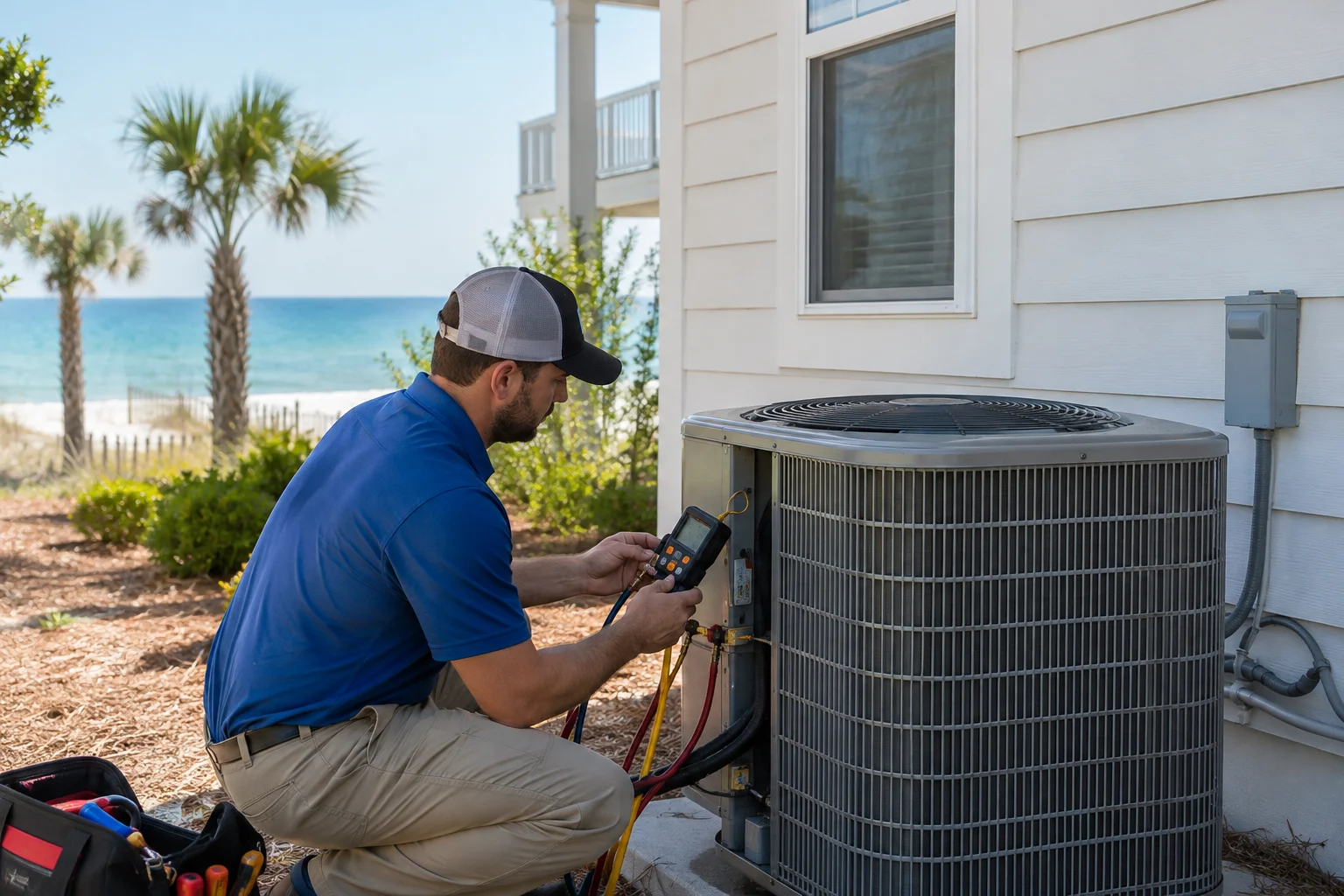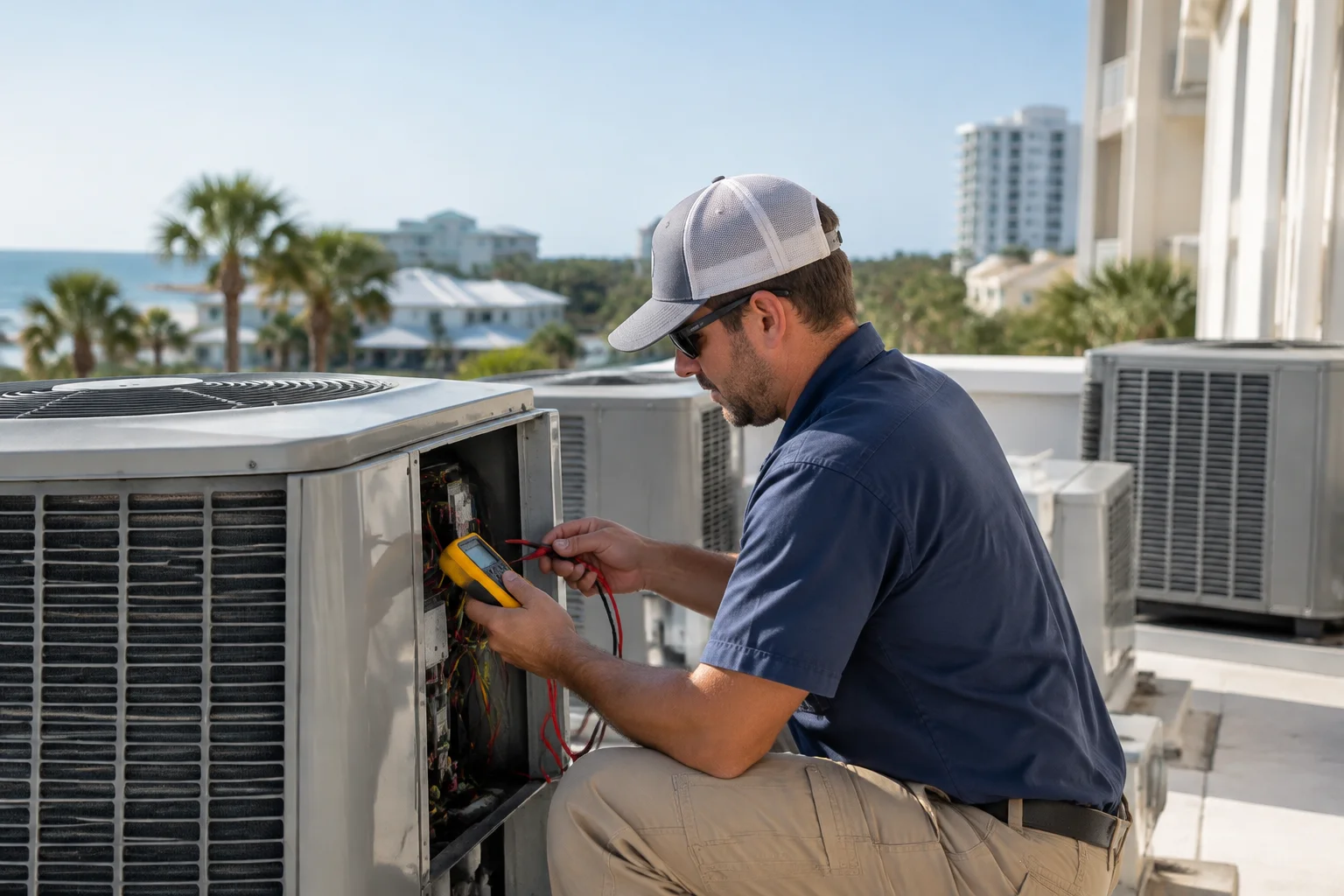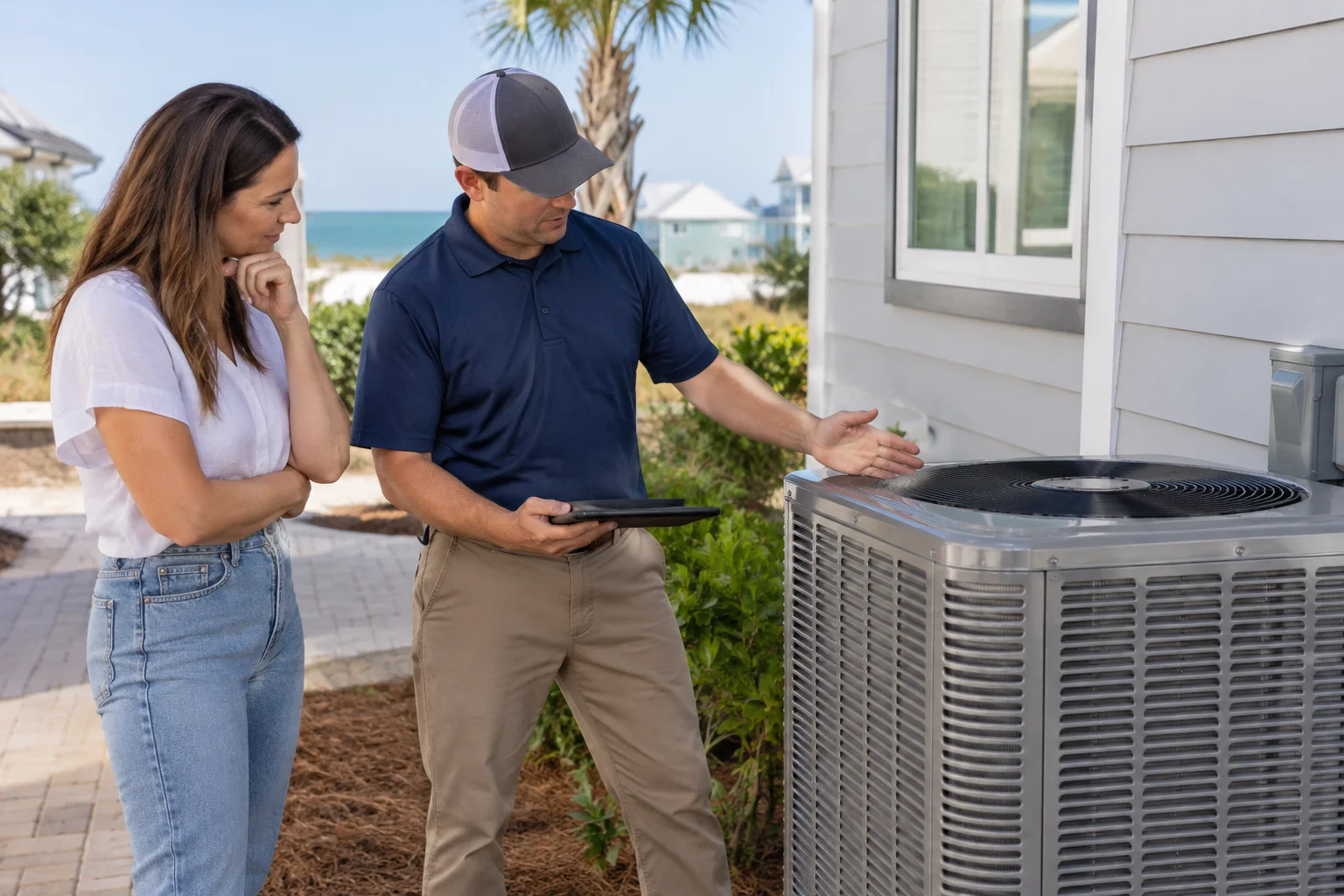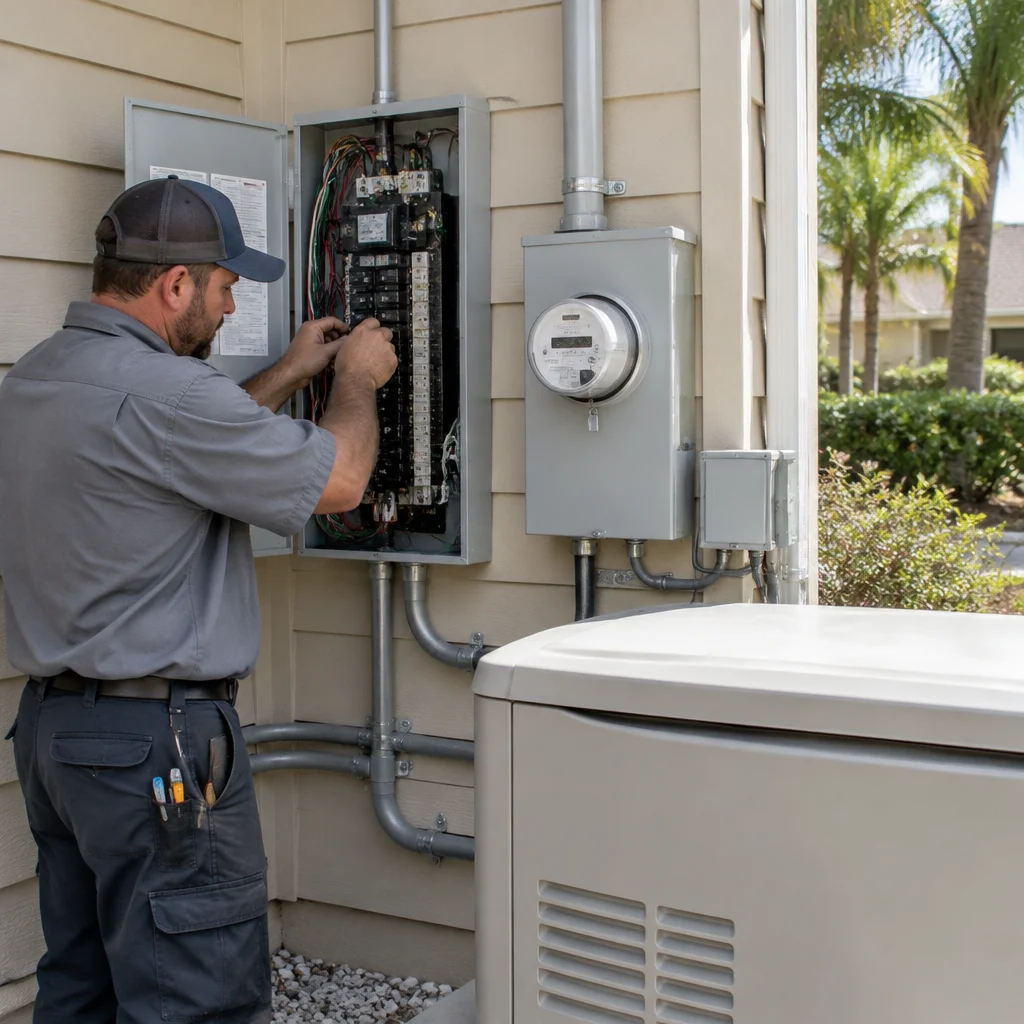
Seagrove Beach homes and vacation rentals face a unique mix of heat, humidity, and salt air. Those conditions do not just affect comfort and airflow. They can also wear down heating control systems, from thermostats and zoning controls to sensors that help your HVAC run the right way. When controls act up, homeowners often experience uneven temperatures, short cycling, higher energy use, and in some cases emergency cooling concerns when the system cannot respond correctly.
This guide is built for local homeowners and property managers who want to prevent heating control problems before they turn into an HVAC repair call. If you are searching for heating control systems in Seagrove Beach, FL, or you are trying to understand what to look for during heating services, these steps can help you stay ahead.
Why Seagrove Beach conditions stress heating control systems
Heating control systems coordinate how your heating and cooling equipment responds to indoor needs. Most systems use a thermostat, plus control boards and sensors that influence airflow, staging, and sometimes zoning. In Seagrove Beach, the environment can accelerate wear and create conditions that confuse sensors or reduce signal quality.
Humidity and temperature swings
Florida humidity can affect components inside air handlers and near control areas. Condensation risk increases when indoor and outdoor temperatures shift quickly, especially in homes that are not consistently conditioned. Even if the HVAC is running, moisture and temperature swings can contribute to sticky relays, sensor drift, and intermittent communication between thermostat and equipment.
Salt air exposure
Coastal air can be corrosive. Over time, it may impact metal contacts and surfaces in control compartments, blower areas, and wiring connections. Salt air does not usually “instantly break” a thermostat, but it can speed up the slow degradation that leads to control errors and unreliable operation.
Airflow issues change how controls behave
Heating controls rely on airflow and pressure conditions to perform correctly. If filters are clogged, ductwork is leaking, or vents are blocked, the system may struggle to reach setpoints. That can trigger repeated calls for heating or cooling, short cycling, and nuisance error codes. Homeowners often blame the thermostat, but the root cause can be airflow and ductwork.
Common heating control problems homeowners notice
Not every control issue is obvious. Here are patterns that often show up in Seagrove Beach homes and rentals.
Temperature swings and “I set it, but it does not respond”
If the thermostat shows the correct setting yet rooms feel too hot or too cool, the problem may involve sensor location, calibration drift, zoning dampers, duct leakage, or airflow restrictions. In a multi-room layout, zoning systems can also contribute if dampers or control wiring are not responding normally.
Short cycling during heating or heat pump operation
Short cycling can happen when the system cannot maintain stable conditions long enough to satisfy the thermostat. Airflow problems, refrigerant system performance concerns, or condensate drainage restrictions can all affect how often the system turns on and off. Controls may be functioning, but the HVAC cannot execute the plan.
Fan running at odd times or failing to run when it should
Some control errors show up as unexpected fan behavior. This can affect humidity control and indoor air quality, particularly in Florida where damp indoor spaces can make comfort harder to maintain. A thermostat fan setting is one piece, but blower operation is also influenced by control boards and airflow conditions.
Remote app delays or “offline” thermostat messages
Smart thermostats can lose connectivity due to network issues, power interruptions, or control wiring problems. If you are using remote access to manage vacation rentals, connectivity problems can create emergency cooling concerns when occupancy changes quickly and you need fast, reliable HVAC response.
Preventive habits that reduce control problems
Homeowners can prevent a surprising number of heating control headaches with simple, consistent routines. These steps support both comfort and reliability.
Keep thermostat placement consistent and protected
Thermostats should be installed away from direct sun, drafts, and heat sources like lamps, televisions, or kitchen appliances. In coastal Florida, sun exposure can be intense even when mornings feel mild. If you have a thermostat near a doorway with frequent drafts, or near a window that gets strong afternoon light, it may misread the temperature and make the HVAC chase the wrong target.
Change filters on schedule and check airflow paths
Clogged filters raise resistance and reduce airflow. That can cause the system to run longer, cycle more often, and struggle to maintain setpoints. Set a reminder for filter changes based on your household and filter type, and verify that return vents and supply registers are not blocked by furniture, curtains, or beach-season clutter.
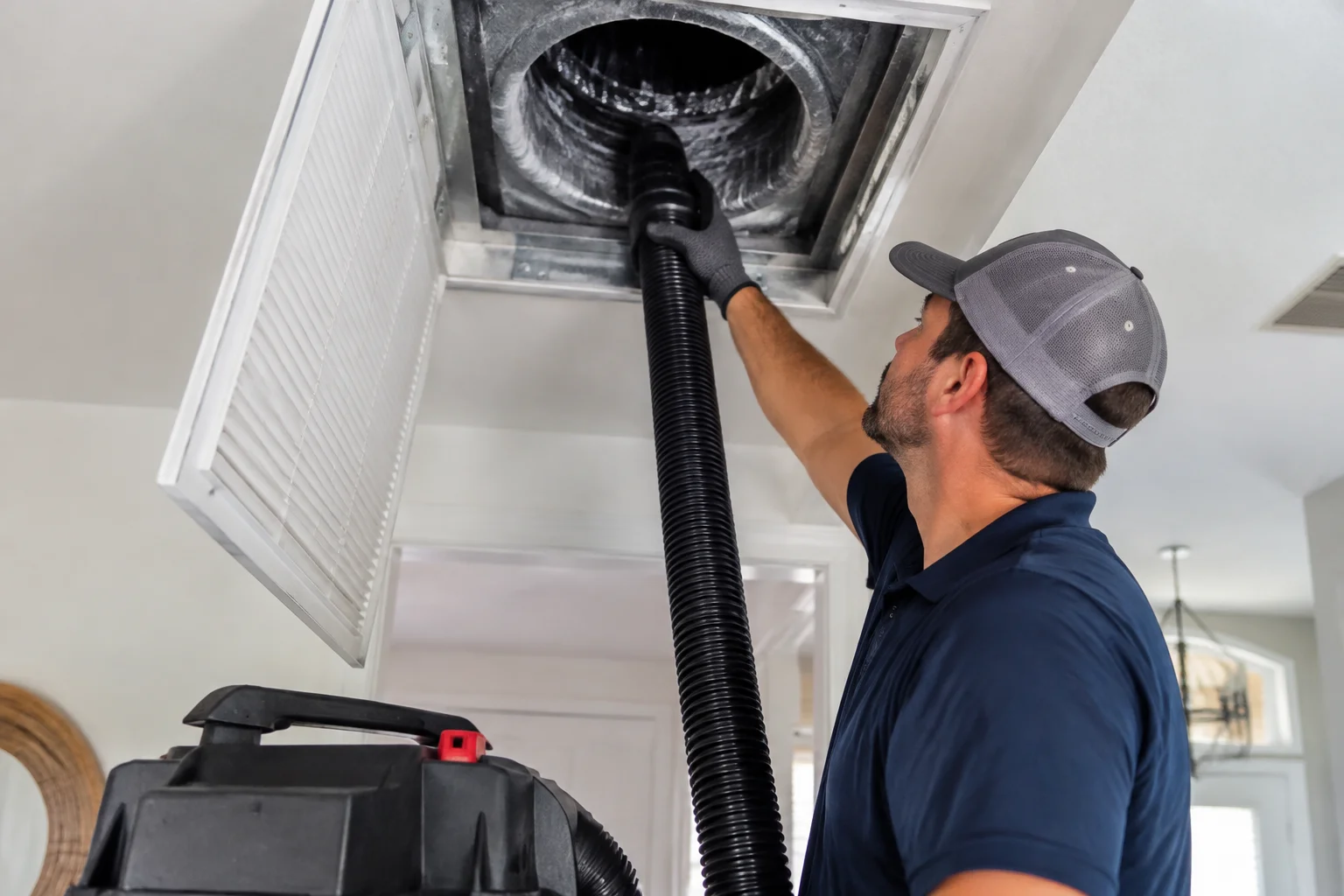
If you are dealing with recurring airflow problems, consider duct sealing and Aeroseal services to improve distribution and reduce wasted energy.
Use sensible schedules for vacation rentals and second homes
Seagrove Beach properties often sit empty between stays. When the HVAC is allowed to drift too far, you ask the system to recover quickly when guests arrive. That increases runtime and control demand. Use schedules that prevent extreme temperature swings while still saving energy. Smart thermostats can help, but the goal is stable operation that reduces stress on controls and the HVAC system.
Review zoning settings if your system has dampers
If your home uses zoning, be careful about leaving some zones closed while others demand heating. Dampers need airflow balance to perform properly. If a zone is consistently closed, the system may behave differently than expected and could increase wear on equipment. A local HVAC technician can help you confirm that dampers and controls are responding as designed.
Watch humidity and indoor air quality indicators
Florida humidity can be a comfort and health issue. Even if the thermostat controls temperature, indoor air quality depends on proper airflow, filtration, and consistent condensate drainage. When humidity rises, comfort drops and the system may run differently than expected. If you notice musty odors, excessive condensation, or persistent fogging on windows, address the HVAC airflow and drainage factors, not just temperature settings.
Maintenance steps that protect thermostat and HVAC control performance
Preventive HVAC maintenance is where heating control reliability is often won or lost. A professional inspection does not just check the thermostat. It verifies the whole system that the controls manage.
Inspect the HVAC control area for moisture and corrosion
During service, technicians can look for signs of moisture exposure near control compartments and check for corrosion at connections. This matters in coastal areas where salt air can speed up deterioration. If controls are exposed to condensation, addressing the moisture source can prevent intermittent behavior.
Verify condensate drainage and moisture removal
Condensate drainage issues can lead to water around equipment and can affect control components. In humid Florida conditions, condensate drain lines and drain pan behavior should be checked as part of HVAC maintenance. If drainage is restricted, the system may protect itself or behave inconsistently, and you may see humidity problems along with comfort complaints.
Check airflow and duct performance
Airflow affects heating and cooling execution, which in turn affects how controls perform. A technician can assess filter condition, blower operation, and air distribution. If ductwork has leaks or poor airflow balance, the thermostat can be “right” and the home can still feel wrong.
Confirm refrigerant system operation when comfort problems persist
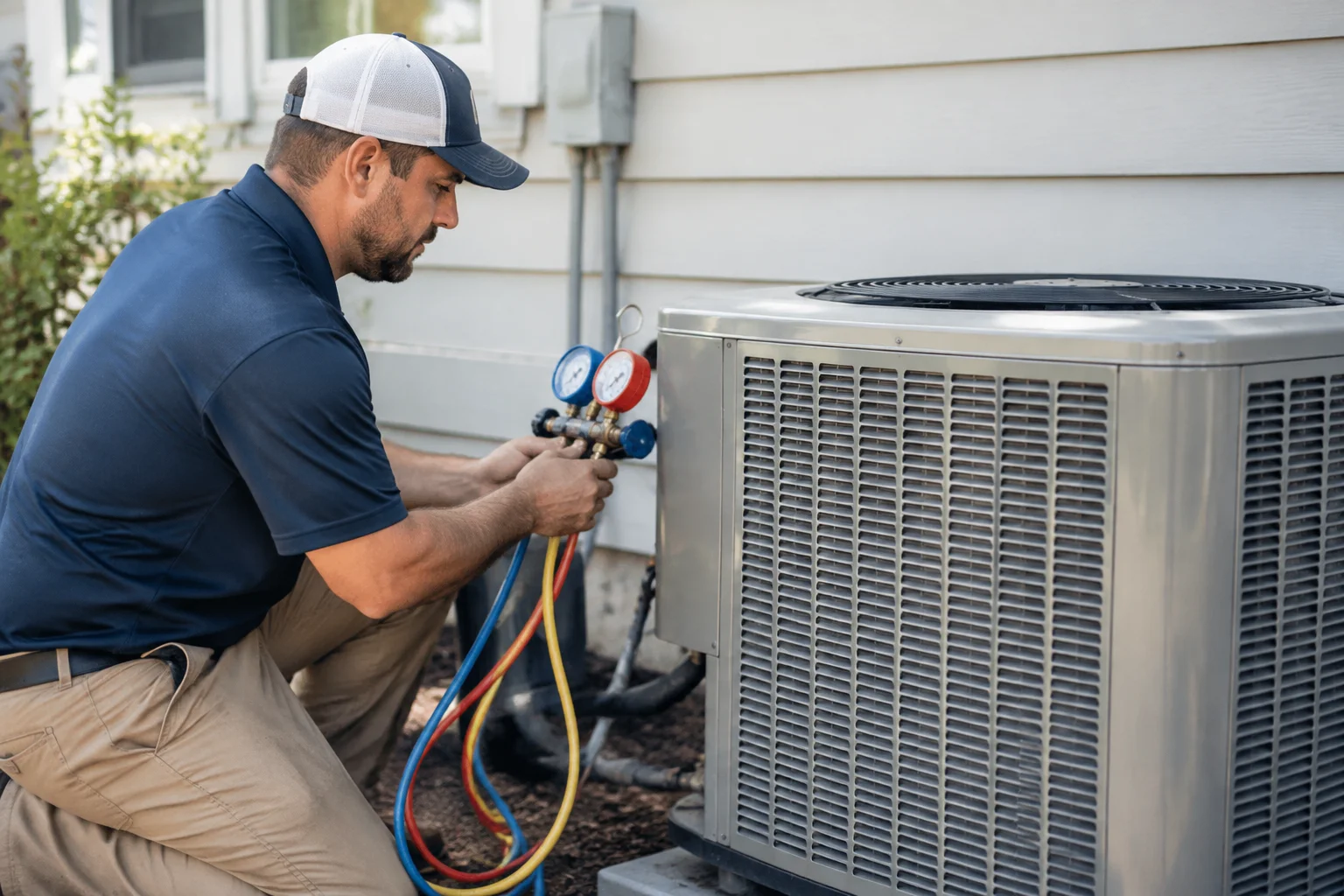
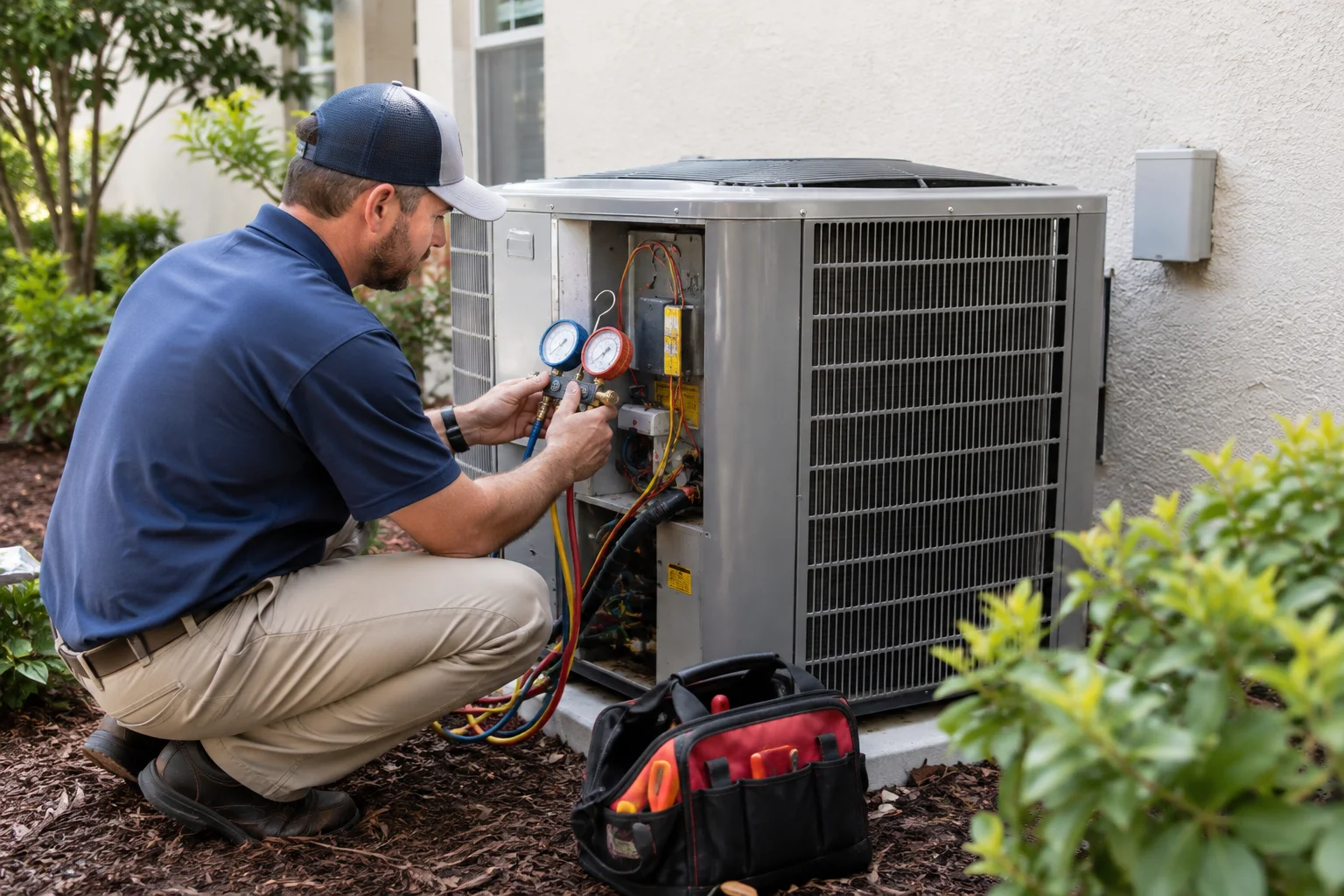
Heating control systems coordinate with refrigerant-based heating and cooling performance, especially with heat pumps and air conditioners. If the system cannot maintain proper temperatures or cycles too frequently, refrigerant system performance concerns may be involved. A technician must evaluate refrigerant system conditions in person before making any conclusions about refrigerant diagnosis or repairs. Homeowners should avoid guessing, because control symptoms can overlap with equipment performance issues.
Test thermostat and sensor response
For systems with multiple sensors or zoning, verifying that sensors read correctly and controls respond as expected is critical. Technicians can also check wiring integrity and confirm that the thermostat is communicating with the HVAC control board properly.
Smart thermostat and zoning upgrades: what to consider for Seagrove Beach
Many homeowners want remote access and better comfort control, especially for rentals. Upgrading heating control systems can help, but the upgrade should match the home’s HVAC design.
Choose controls that align with your HVAC setup
Not every thermostat or zoning configuration works the same across different systems. A proper installation matters, including correct wiring, sensor placement, and programming that matches your equipment. If you are considering heating control systems that fit Seagrove Beach homes and rentals, it is worth reviewing the layout, ductwork realities, and how the property is actually used.
Account for humidity and recovery needs
Smart scheduling should reflect Florida humidity patterns and the way your home recovers from setback temperatures. If the system is asked to “catch up” too aggressively, it may run longer than intended and create more opportunities for control and airflow stress.
Plan for reliability, not just features
Remote access is valuable, but reliability is the priority. Ask an HVAC professional to explain how your controls handle power interruptions, communication issues, and sensor failures. You want a system that behaves predictably when weather, occupancy, and indoor conditions change.
Energy use and comfort: how control issues can quietly cost you
When heating control systems do not operate as intended, energy use often rises even if you cannot “feel” the problem right away. Here are ways control-related issues can increase costs in Seagrove Beach homes.
Repeated calls for heating or cooling
If the thermostat never fully satisfies due to sensor error or airflow restrictions, the system keeps responding. That increases runtime and can contribute to premature wear on components.
Short cycling that stresses the system
Short cycling reduces efficiency and increases wear. The thermostat may appear to be the culprit, but the cause can be airflow, condensate drainage, or refrigerant system performance concerns. A professional evaluation is important so you do not replace controls when the underlying issue is elsewhere.
Uneven airflow that forces higher setpoints
Leaky ductwork, blocked returns, or poor register distribution can make parts of the home uncomfortable. Homeowners then raise heating setpoints or reduce setbacks, which increases energy use. Addressing ductwork and airflow can improve comfort and reduce the workload placed on heating control systems.
When to call a professional HVAC contractor in Seagrove Beach
Some thermostat behavior is normal. But certain patterns should trigger a professional visit, especially for homes with heat pumps, zoning, or smart thermostats.
Call for HVAC service if you see persistent control errors
If your thermostat displays error codes, repeatedly disconnects, or the system cycles unusually often, it is time for an in-person inspection. Homeowners should not attempt to diagnose refrigerant systems, electrical issues, or internal control board failures without proper tools and training.
Call if comfort problems match airflow or humidity symptoms
If you notice uneven temperatures, musty odors, persistent condensation, or signs of poor indoor air quality, the fix may involve ductwork, condensate drainage, filtration, and airflow. Professional maintenance can identify what the controls are trying to do and what the HVAC is actually able to do.
Call if you are worried about emergency cooling concerns
In peak summer conditions, control reliability matters. If your system is not responding properly when you need cooling quickly, treat it as urgent. That is especially true for vacation rentals where you may need to adjust temperatures between guest stays.
Call before a full system replacement becomes the only option
When heating control systems fail to coordinate with HVAC performance, the situation can escalate. Timely air conditioning repair and air conditioning systems support can prevent bigger issues later. If you are searching for HVAC maintenance near me or HVAC repair near me because your system is acting up, choose a licensed HVAC contractor who can evaluate controls, airflow, and equipment performance together.
How to choose the right local HVAC service for heating controls
Homeowners in Walton County do not just need someone who can swap parts. You want a team that understands how heating control systems interact with heat pumps, airflow, and indoor air quality.
Look for experience with smart thermostats, zoning, and control coordination
Ask whether the contractor regularly services heating control systems, including thermostat setups, sensor issues, and zoning behavior. You can also ask how they approach the problem when a thermostat seems to be the cause but airflow or refrigerant system performance concerns may be involved.
Prefer a maintenance-first approach
Reliable HVAC maintenance near me should include airflow checks, moisture and condensate drainage inspection, and verification of how controls perform under real conditions. Maintenance helps reduce the chance of mid-season surprises.
Choose a local provider who understands coastal Florida realities
A Superior Mechanical serves Seagrove Beach and the surrounding Walton County area. When you work with a local HVAC service team, they are more likely to account for the realities of humidity, salt air, and how coastal homes are built and used. You can start with Seagrove Beach HVAC service and then explore Walton County HVAC coverage to see how support is structured across the region.
If your goal is fewer control-related interruptions, it also helps to read how installation and reliability work together. These local posts can give you more context: Building Better HVAC Reliability for Seagrove Beach Businesses Starts With the Installation and A Practical Plan for Cleaner Air and More Reliable HVAC in Seagrove Beach.
Quick homeowner checklist for better heating control reliability
Use this short checklist between professional visits.
- Keep the thermostat away from direct sun and drafts.
- Replace air filters on schedule and keep return vents clear.
- Confirm vents are not blocked by furniture, curtains, or storage.
- For zoned systems, avoid leaving multiple zones closed while one zone demands heating.
- Watch for humidity and indoor air quality issues like musty odors or visible condensation.
- Log recurring symptoms such as short cycling, fan behavior changes, or remote app disconnects.
- If symptoms persist, schedule an HVAC service visit rather than guessing at the cause.
For homeowners searching for residential HVAC service near me or HVAC service near me, the best results usually come from a team that can evaluate heating control systems alongside airflow, condensate drainage, and overall equipment performance. That is the difference between chasing symptoms and preventing them.
If you are ready to upgrade or troubleshoot heating control systems for a Seagrove Beach home, rental, or business, you can explore services at heating control systems in Seagrove Beach, FL.
And if your comfort issues involve temperature control across the home or business space, it can help to compare how heating and cooling systems are supported. For more context, see How Better Commercial HVAC Repair Helps Seagrove Beach Homes Stay Protected and consider whether your ductwork and airflow need attention as well.
For heat pump homes, you may also want to explore how service supports performance over time. If you are searching for heat pump repair near me or heat pump installation near me, remember that controls are part of the system. Proper setup, airflow, and moisture management all affect how the heating control system behaves.
When you keep controls, airflow, and humidity management working together, your HVAC system is more likely to deliver consistent comfort through Seagrove Beach weather, from humid stretches to cooler evenings.
Find Heating Control Systems in Seagrove Beach, FL
If you need Heating Control Systems in Seagrove Beach, FL, visit our local service page or contact A Superior Mechanical today.
Map of Seagrove Beach, FL
Frequently Asked Questions
How can humidity in Seagrove Beach cause heating control problems?
Humidity can increase condensation risk around HVAC equipment and control compartments. That moisture exposure can lead to intermittent sensor behavior, communication issues, and inconsistent system response. Regular HVAC maintenance that checks condensate drainage and moisture conditions helps prevent these control-related symptoms.
My smart thermostat shows the right temperature, but rooms feel uneven. What should I check first?
Start by checking airflow: filter condition, blocked returns, and whether supply vents are unobstructed. Uneven temperatures can also come from ductwork leaks or zoning damper behavior. A technician can verify how the heating control system is coordinating with airflow and equipment performance.
Can ductwork issues make my thermostat seem faulty?
Yes. If ductwork is leaking or airflow is restricted, the HVAC may not reach or maintain the thermostat setpoint. That can look like a thermostat problem even when the control is working correctly. Duct sealing and airflow-focused service can improve comfort and reduce unnecessary cycling.
When is it appropriate to call for emergency AC repair near me in Seagrove Beach?
Call urgently if your system will not respond when cooling is needed, if you see persistent control errors, or if the system cycles unusually and cannot maintain temperature during hot, humid conditions. For vacation rentals, emergency cooling concerns can also mean you should not wait when guest comfort is at risk.
Should I try to diagnose refrigerant or internal HVAC control issues myself?
No. Refrigerant diagnosis and internal control repairs require in-person inspection and proper equipment. If comfort problems persist, schedule an HVAC service visit so a licensed technician can evaluate refrigerant system performance, airflow, and thermostat communication together.
Related Articles
- Heating Control Systems That Fit Seagrove Beach Homes and Rentals
- Building Better HVAC Reliability for Seagrove Beach Businesses Starts With the Installation
- A Practical Plan for Cleaner Air and More Reliable HVAC in Seagrove Beach
- How Better Commercial HVAC Repair Helps Seagrove Beach Homes Stay Protected
Photo Gallery