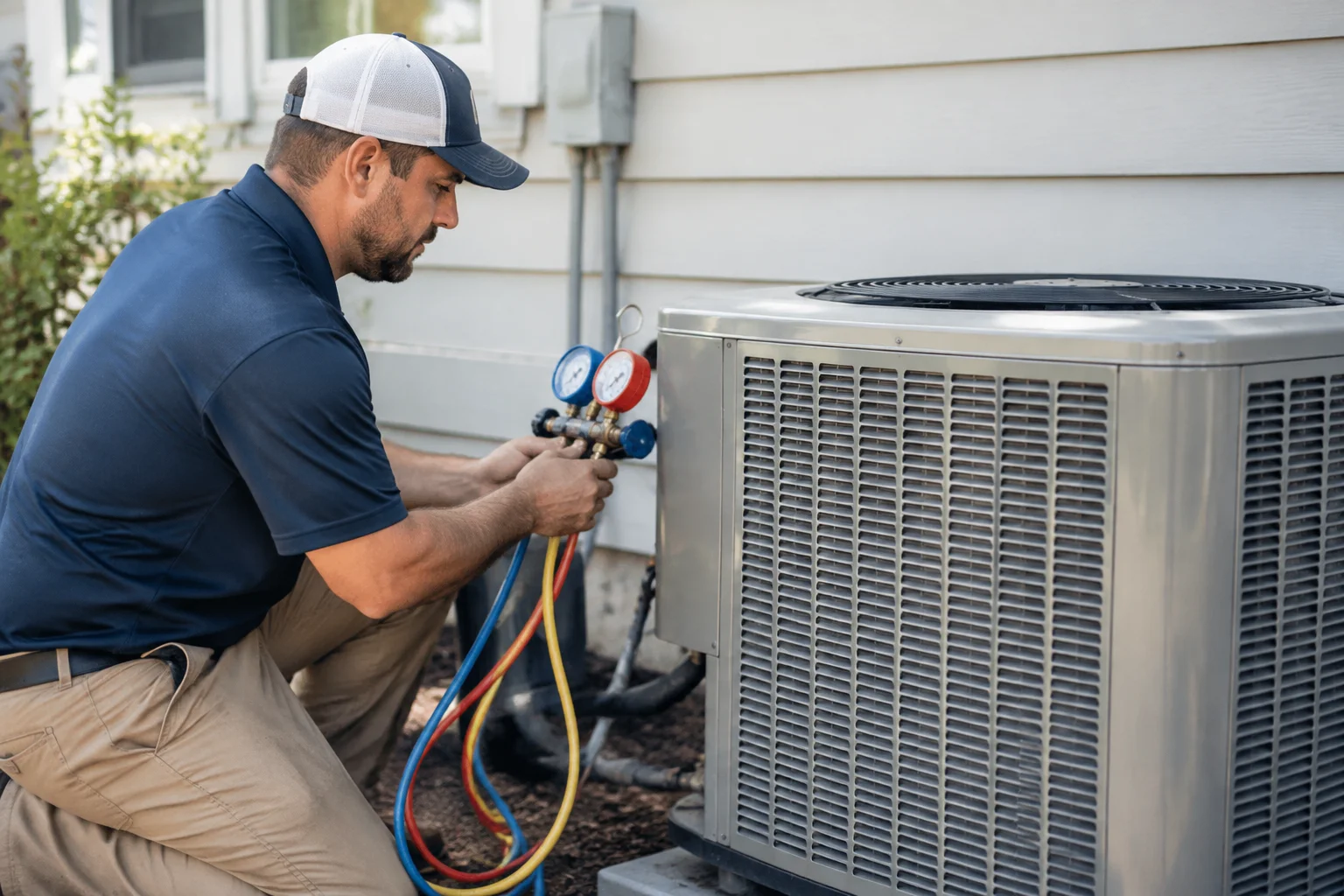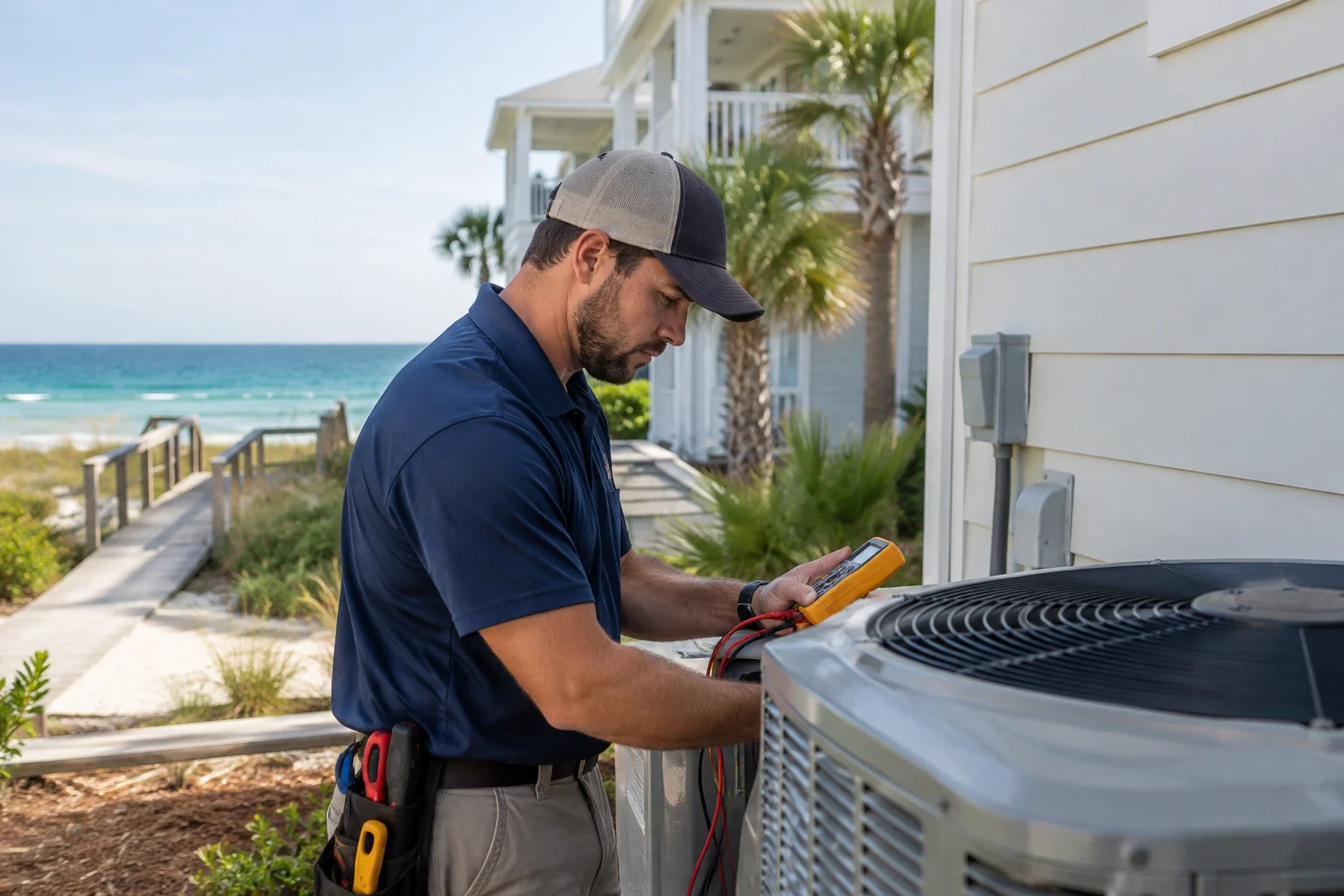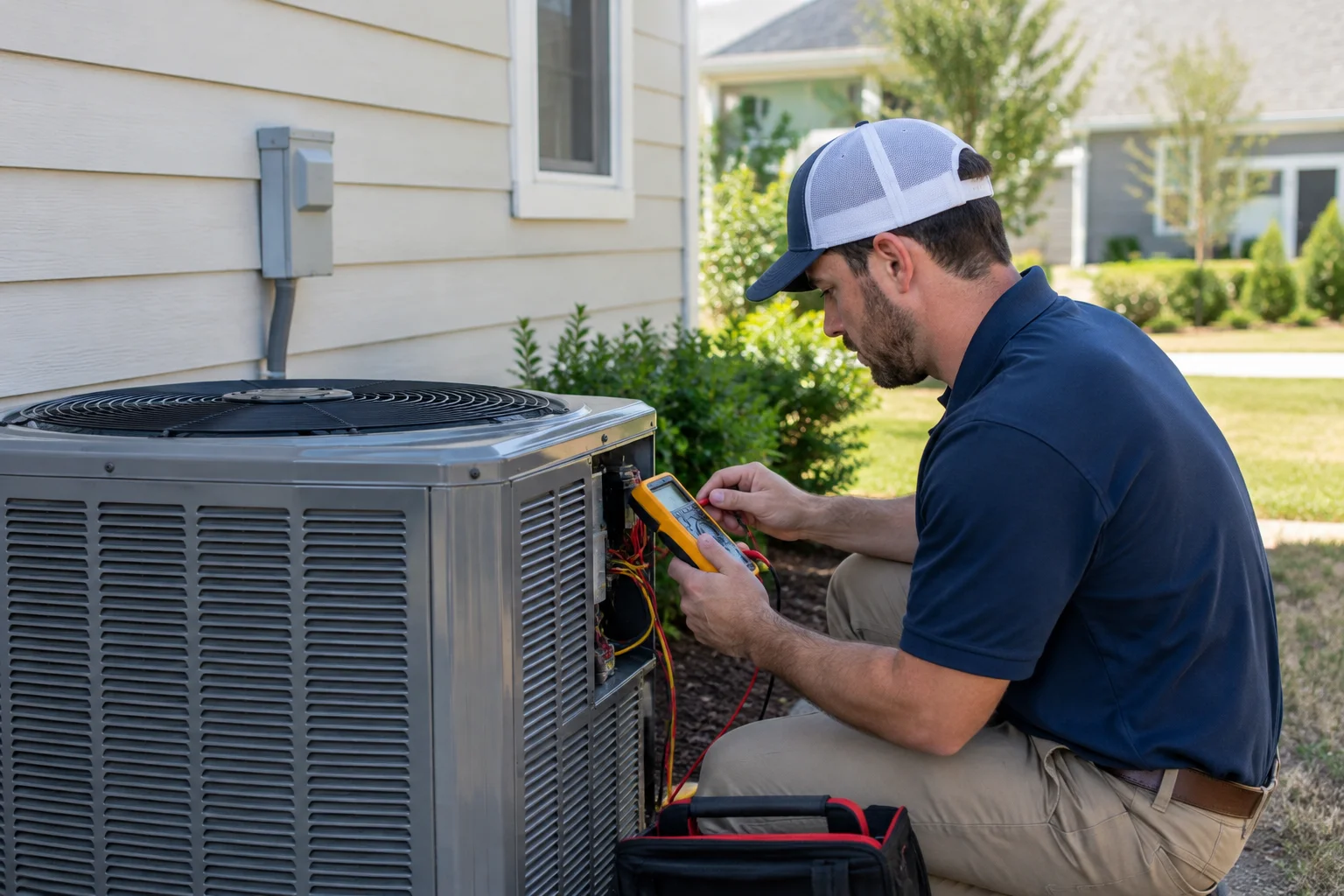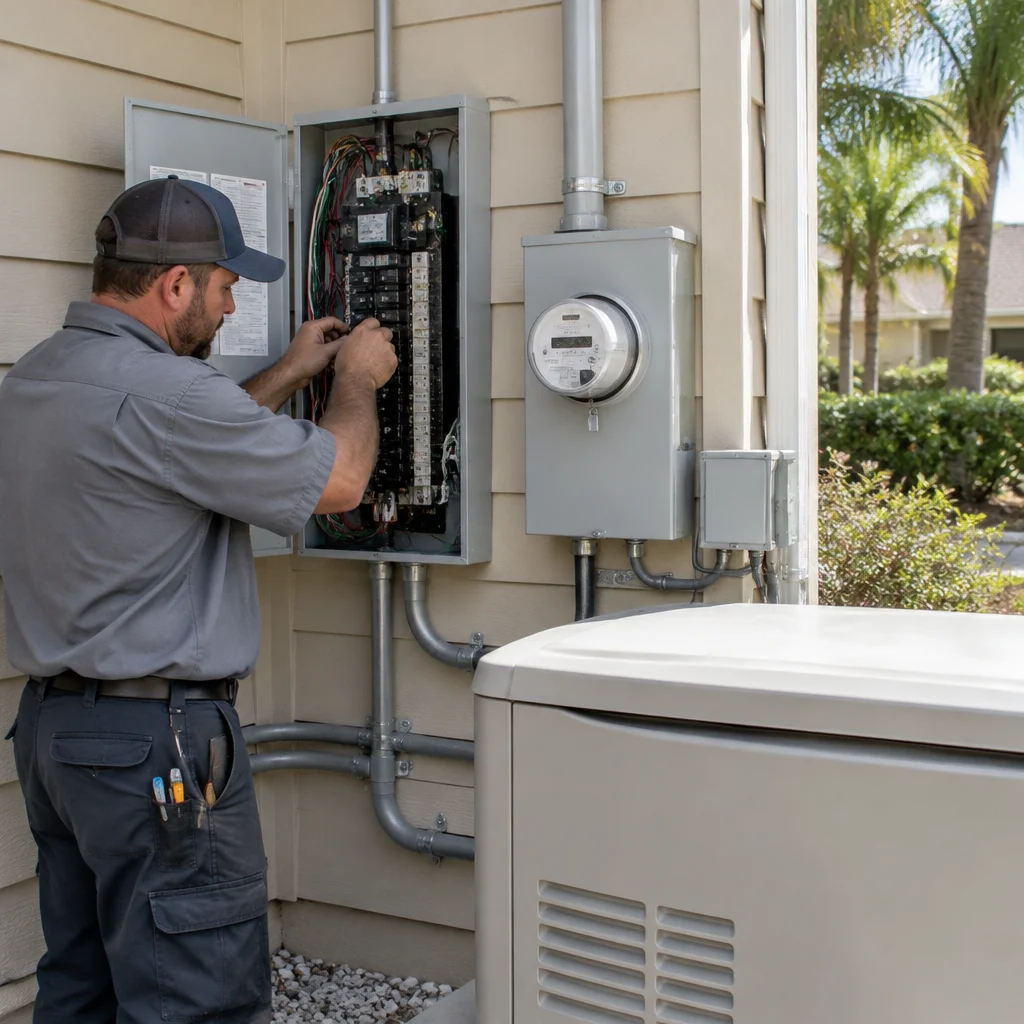
Heating control systems do a lot of quiet work behind the scenes. In Panama City Beach, where homes deal with humid air, salt exposure, and long stretches of mild weather interrupted by sudden cold snaps, those controls need to respond quickly and accurately. A thermostat that is a little off, a zoning damper that sticks, or a heat pump control that does not communicate properly can leave a home less comfortable and less efficient than it should be.
For homeowners looking to reduce the risk of heating control problems, the goal is not just to keep the heat on. It is to keep the whole system working the way it should, with steady temperatures, fewer breakdowns, and better energy use. That is where heating control systems in Panama City Beach, FL become especially important. Local service from Panama City Beach and throughout Bay County can make a noticeable difference because technicians understand the climate, the housing stock, and the kinds of issues that show up most often here.
Why heating controls matter even in a warm coastal climate
Panama City Beach is known for warm weather, but that does not mean heating systems sit idle all year. Winter temperatures can dip enough to make a home uncomfortable, especially in drafty rooms, older properties, or houses near the water where wind exposure makes indoor spaces feel cooler. Many local homes rely on heat pumps, smart thermostats, or multi zone systems that need precise controls to switch modes correctly and keep temperatures balanced.
When controls are unreliable, a system may run longer than necessary, short cycle, or fail to call for heat at the right time. That can lead to uneven comfort, higher utility bills, and unnecessary wear on components. In a coastal area like Bay County, where humidity and corrosion can already stress HVAC equipment, control problems can turn into bigger repair needs if they are ignored.
Common causes of heating control problems in Panama City Beach
Humidity and corrosion
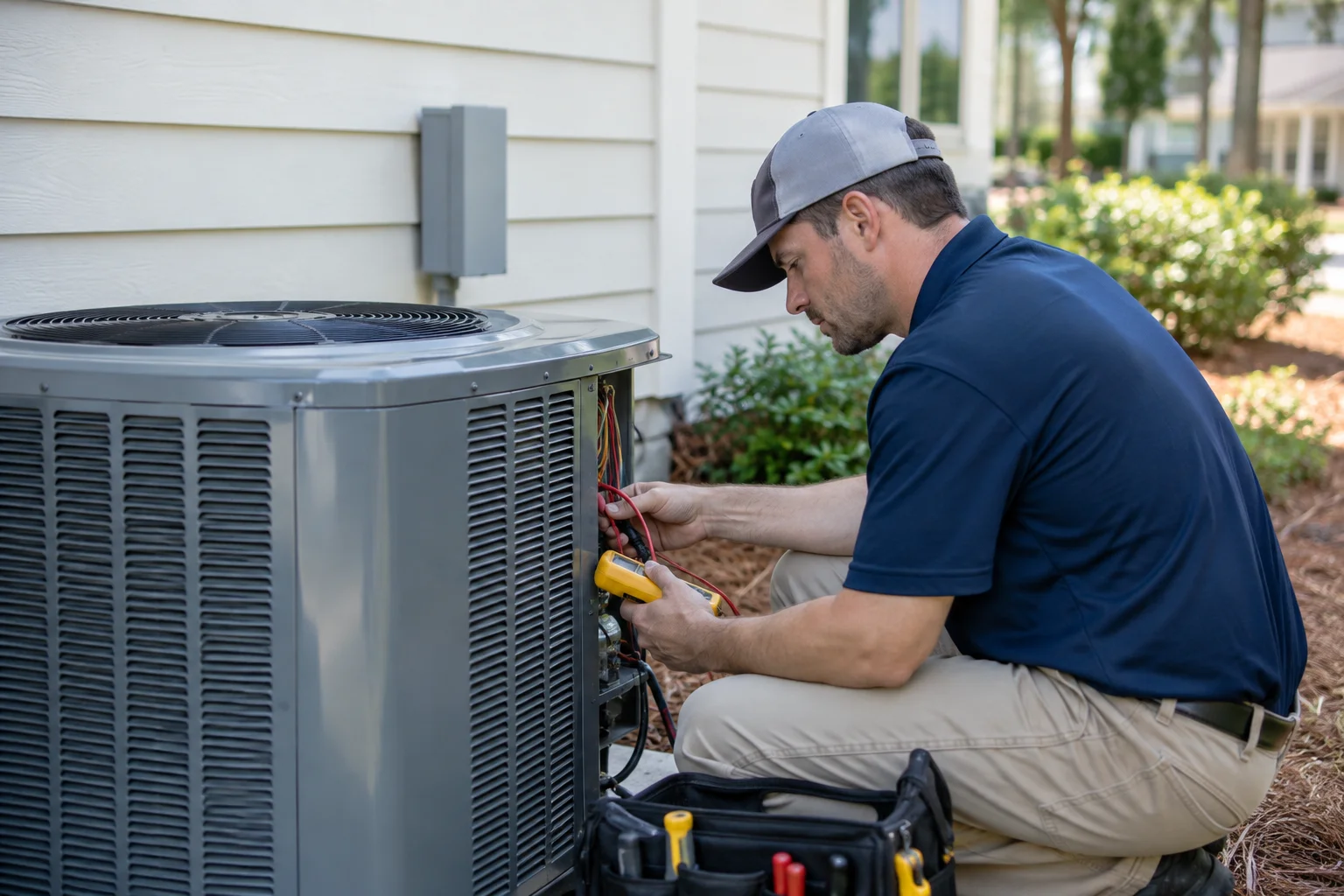
Moisture is a constant factor near the coast. High humidity can affect wiring, sensors, thermostat components, and control boards over time. Salt in the air can also speed up corrosion on outdoor units and exposed connections. Even when a system looks fine from the outside, small electrical issues can make controls behave unpredictably.
Thermostat placement and settings
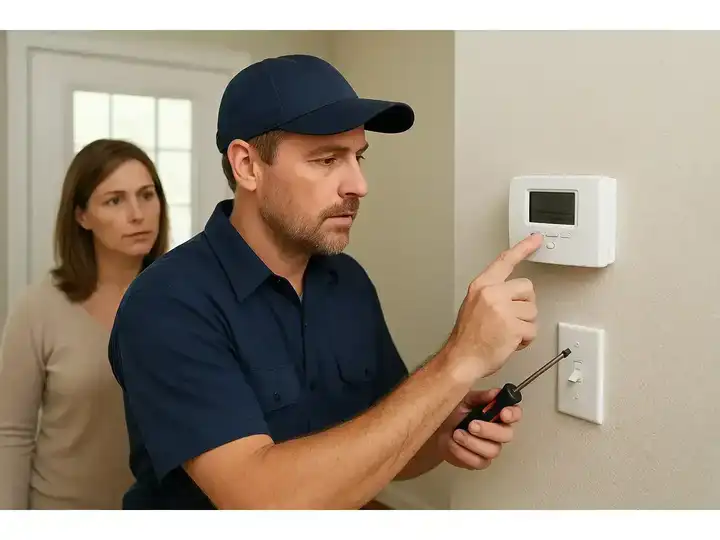
Thermostats placed near windows, supply vents, lamps, or kitchens can read temperatures incorrectly. That is especially important in homes with open floor plans or additions where temperatures vary from room to room. Incorrect settings, weak batteries, or outdated programming can also make the system respond in ways that feel random to the homeowner.
Dirty components and airflow issues
A heating control system depends on more than the thermostat. Airflow problems, clogged filters, and dirty ductwork can interfere with how the system senses temperature and how quickly warm air reaches the rooms that need it. If the airflow is restricted, the controls may keep calling for heat longer than they should.
For homes with dusty ducts or uneven air delivery, duct cleaning may help improve system performance and reduce strain on heating controls. In some properties, especially older homes or homes that have had plumbing or electrical work done over the years, related repairs such as pipe replacement or device upgrades can also support better overall reliability when the HVAC system and home systems are working together.
Outdated or mismatched equipment
Some homes in Panama City Beach still use older thermostats or control setups that do not communicate well with modern heat pumps or zoning systems. If a control is not matched properly to the equipment, the system may behave erratically. That can show up as delayed heating, frequent adjustments, or rooms that never seem to reach the set temperature.
How homeowners can lower the risk of heating control issues
Check thermostat accuracy regularly
One of the simplest ways to prevent trouble is to compare the thermostat reading with a reliable room thermometer. If the numbers are far apart, the thermostat may need recalibration, relocation, or replacement. This is especially useful in Panama City Beach homes where sunlight, humidity, and airflow patterns can distort readings.
Keep batteries and programming up to date
If your thermostat uses batteries, replace them before they fail. For programmable and smart thermostats, review schedules at the start of cooler weather and after power outages. A thermostat that loses settings can waste energy or make the home uncomfortable at the worst possible time.
Watch for short cycling and uneven heating
Short cycling means the system turns on and off too often without completing a full heating cycle. Uneven heating means some rooms feel warm while others stay cool. Both can point to control issues, airflow problems, or sensor trouble. If these patterns keep happening, the system should be inspected before the problem spreads to other components.
Keep vents, filters, and indoor units clean
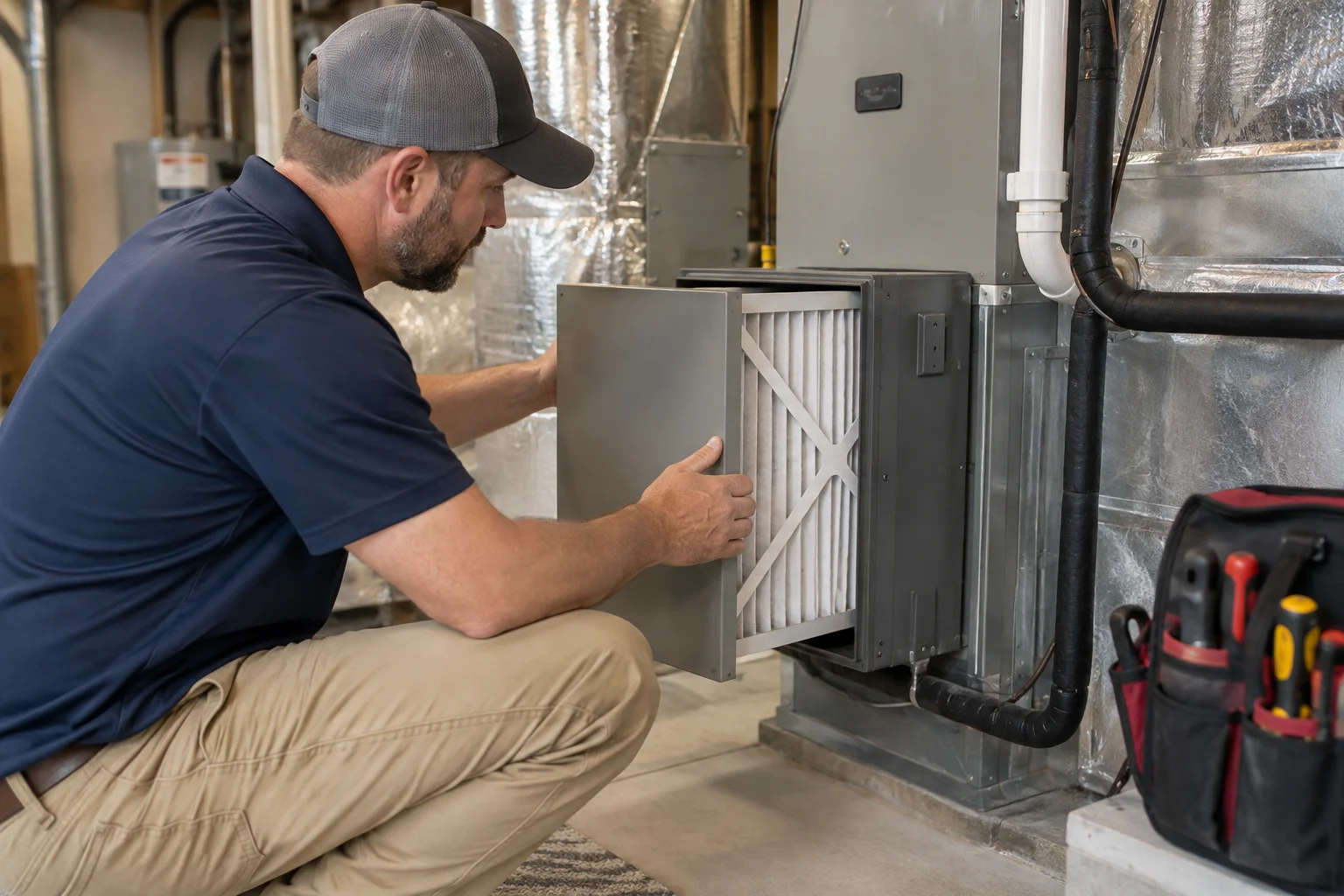
Heating controls work better when the rest of the system is clean and unobstructed. Replace filters on schedule, keep supply and return vents open, and make sure furniture is not blocking airflow. In coastal homes, small amounts of dust and humidity can build up quickly, so routine maintenance matters more than many homeowners realize.
Schedule seasonal HVAC service
Even in a mild climate, a seasonal tune up helps catch control issues before they become expensive repairs. A technician can test thermostat response, inspect wiring, check sensors, verify heat pump operation, and make sure zoning components are communicating correctly. Local service is valuable here because technicians who work in Panama City Beach and Bay County know how weather, salt air, and home construction styles affect system performance.
Why local service makes a difference
Heating control systems are not one size fits all. A beachfront condo, a newer subdivision home, and a long established house inland can each have different heating needs. Local technicians understand how those differences affect thermostat placement, zoning design, and system programming. They also know which parts tend to fail first in coastal conditions and how to spot corrosion before it spreads.
A Superior Mechanical provides smart heating and HVAC control solutions for homes and businesses in Panama City Beach. That local experience matters when a system needs more than a simple reset. It matters when a homeowner wants a smart thermostat installed correctly, a heat pump control checked for compatibility, or a zoning issue diagnosed before it becomes a comfort complaint in multiple rooms.
Homeowners who are also comparing broader HVAC reliability topics may find these related articles helpful: Smart Thermostats in Panama City Beach: Small Problems That Can Turn Into Bigger HVAC Headaches, A Panama City Beach Homeowner’s Guide to Commercial HVAC Maintenance and Better System Reliability, What Panama City Beach Property Owners Should Know Before a Commercial HVAC Installation, and Why Commercial HVAC Maintenance Matters More in Panama City Beach, FL.
Signs a control problem may be getting worse
Heating control issues often start small. A delay in startup, a thermostat that seems to overshoot the set temperature, or a system that runs longer than usual can all seem minor at first. Over time, those symptoms can point to a failing sensor, loose wiring, communication trouble between components, or a control board that is starting to fail.
Other warning signs include frequent manual adjustments, rooms that never feel consistent, strange clicking from the thermostat or air handler, and heating that only works after resetting the system. In Panama City Beach homes, these issues can become more noticeable during damp, windy cold spells when the system has to work harder than usual.
Practical maintenance habits that help prevent repairs
Homeowners do not need to be HVAC technicians to protect their heating controls. A few simple habits go a long way. Keep the thermostat clean and free of dust. Avoid hanging pictures or placing furniture near it if that blocks airflow. Replace filters on time. Pay attention to whether the system behaves differently after storms or power interruptions, which are common concerns in coastal Florida. If the home has smart controls, check for software updates and make sure Wi Fi connections stay stable.
It is also smart to keep an eye on how the whole house feels, not just the room where the thermostat is located. If one bedroom is always colder, or if the living room heats up too fast while other areas stay cool, the issue may be with zoning or sensor placement rather than the furnace or heat pump itself.
When professional help is the right move
Some heating control issues are simple, but others need a trained eye. A professional should inspect the system if the thermostat stops responding, the heat pump does not switch modes correctly, the home has repeated temperature swings, or the controls seem to fight the system instead of guiding it. That is especially true if there is visible corrosion, damaged wiring, or repeated breaker trips.
Professional service is also important when upgrading to a new thermostat or adding zoning. A device that looks compatible on paper may still need calibration, wiring changes, or equipment settings adjusted to work properly in a specific home. This is where local knowledge helps. Homes in Panama City Beach often face a mix of humidity, salt exposure, and intermittent heating demand, so the setup has to be practical, not just modern.
For homeowners who want more dependable heating performance, the best results usually come from a combination of proper installation, routine maintenance, and timely repairs. That approach keeps the system responsive, reduces wear, and helps protect comfort throughout the cooler months in Bay County.
If your home is already showing inconsistent heating, frequent thermostat issues, or control problems that keep coming back, a local inspection can help identify the source before it becomes a larger repair. A well maintained heating control system is one of the easiest ways to keep a Panama City Beach home comfortable without wasting energy or putting extra strain on the HVAC equipment.
Find Heating Control Systems in Panama City Beach, FL
If you need Heating Control Systems in Panama City Beach, FL, visit our local service page or contact A Superior Mechanical today.
Map of Panama City Beach, FL
Frequently Asked Questions
Why do heating control systems fail more often in coastal areas like Panama City Beach?
Humidity, salt air, and corrosion can affect wiring, sensors, thermostats, and control boards over time. Those conditions make regular maintenance more important in Panama City Beach than in drier inland areas.
Can a smart thermostat help reduce heating problems?
Yes, if it is installed and programmed correctly. Smart thermostats can improve scheduling, zoning, and energy use, but they still need proper setup and periodic checks to avoid communication or calibration problems.
How often should heating controls be inspected?
Once a year is a good rule for most homes, usually before the cooler season. Homes near the coast or homes with older HVAC equipment may benefit from more frequent checks.
Related Articles
- A Panama City Beach Homeowner’s Guide to Commercial HVAC Maintenance and Better System Reliability
- What Panama City Beach Property Owners Should Know Before a Commercial HVAC Installation
- Smart Thermostats in Panama City Beach: Small Problems That Can Turn Into Bigger HVAC Headaches
- Why Commercial HVAC Maintenance Matters More in Panama City Beach, FL
Photo Gallery