Seaside homeowners know how quickly coastal weather can change a normal day into an outage. Between summer storms, tropical systems, salt air, and older electrical systems in some homes, dependable backup power is more than a convenience. It helps keep lights on, refrigerators running, internet online, and critical circuits protected when the grid goes down.
That is where whole home backup solutions in Seaside, FL make a real difference. With the right setup, your home can keep essential power flowing safely through an outage without relying on extension cords, portable generators, or risky temporary wiring. For many property owners, it is also a smart way to protect vacation rentals, remodels, additions, and homes with higher electrical demand.
Why backup power matters in Seaside
Seaside sits in a coastal environment where storms, humidity, and salt exposure can wear on electrical parts faster than inland conditions. Outages can happen after heavy rain, lightning, wind, or utility repairs. Even short interruptions can reset appliances, trip breakers, and leave sensitive electronics exposed to surges when power returns.
Homeowners in Walton County also tend to use more electrical equipment than they did years ago. Modern kitchens, home offices, ceiling fans, recessed lighting, EV chargers, and smart devices all add load to the panel. If your home already feels close to capacity, an outage is not the time to discover weak circuits, loose connections, or a panel that needs attention. That is why many residents start with a local Seaside electrical service team that understands both the climate and the wiring challenges common in the area.
What whole home backup solutions actually include
Whole home backup is not just one product. It is a system built around how your home uses electricity and which loads need to stay on during an outage. In many Seaside homes, the setup may include a standby generator, battery backup, a transfer switch, surge protection, and panel work to separate essential circuits from nonessential ones.
Standby generators
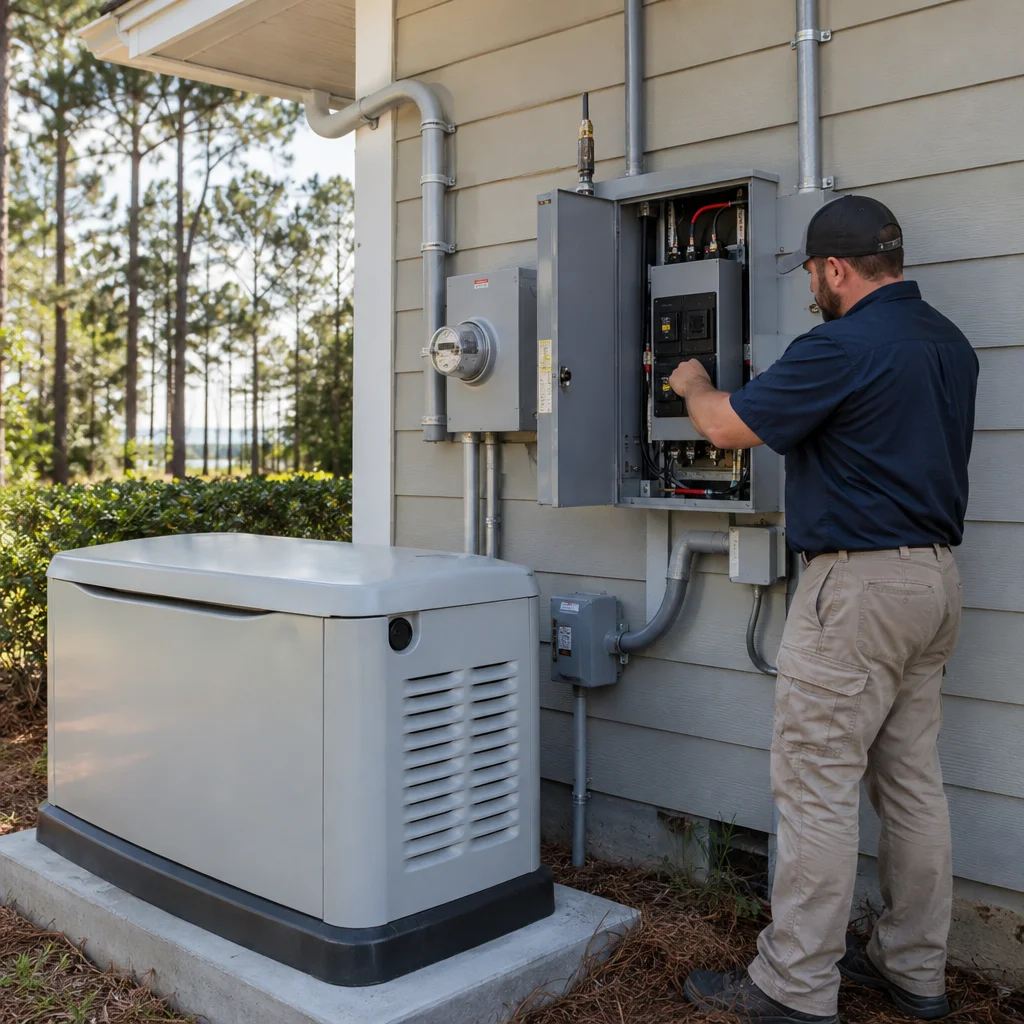
A standby generator is permanently installed and connected to your electrical system. When utility power fails, the generator starts automatically and sends power through a transfer switch. This gives you a far cleaner and safer solution than dragging out a portable unit in bad weather. It also reduces the need for fuel handling during a storm.
Transfer switches
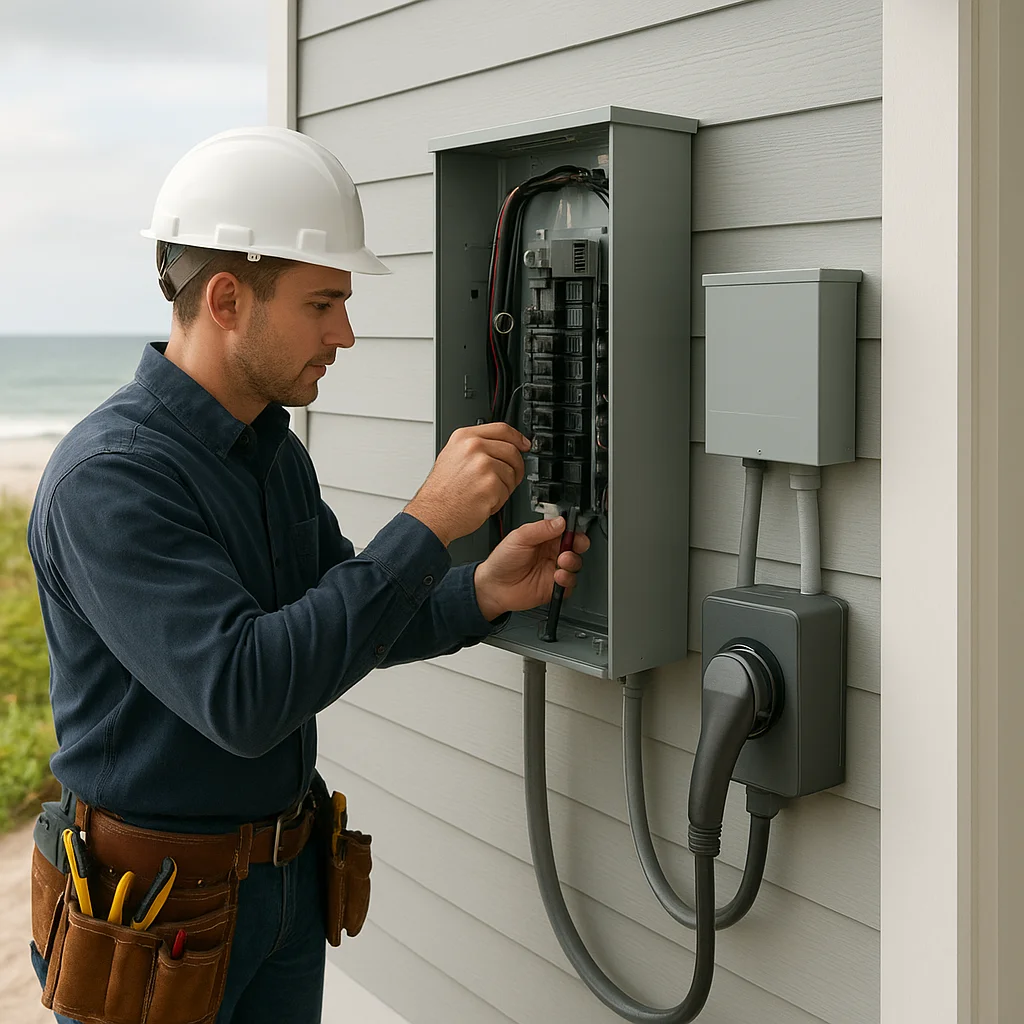
A transfer switch isolates your home from the utility line before backup power takes over. This is a critical safety component. Without it, generator power can backfeed into the grid, creating a serious hazard for utility workers and damaging equipment. If you have been searching for generator transfer switch installation near me, that is usually a sign you need a licensed electrician, not a temporary fix.
Battery backup and surge protection
Battery systems can keep important loads running quietly and efficiently, especially for shorter outages or for homes that want to limit generator runtime. Pairing backup power with surge protection helps protect electronics, appliances, and smart systems when power flickers or returns after an outage. In coastal homes, that extra layer of protection matters because lightning and utility fluctuations can be hard on sensitive devices.
Electrical issues backup power can reveal
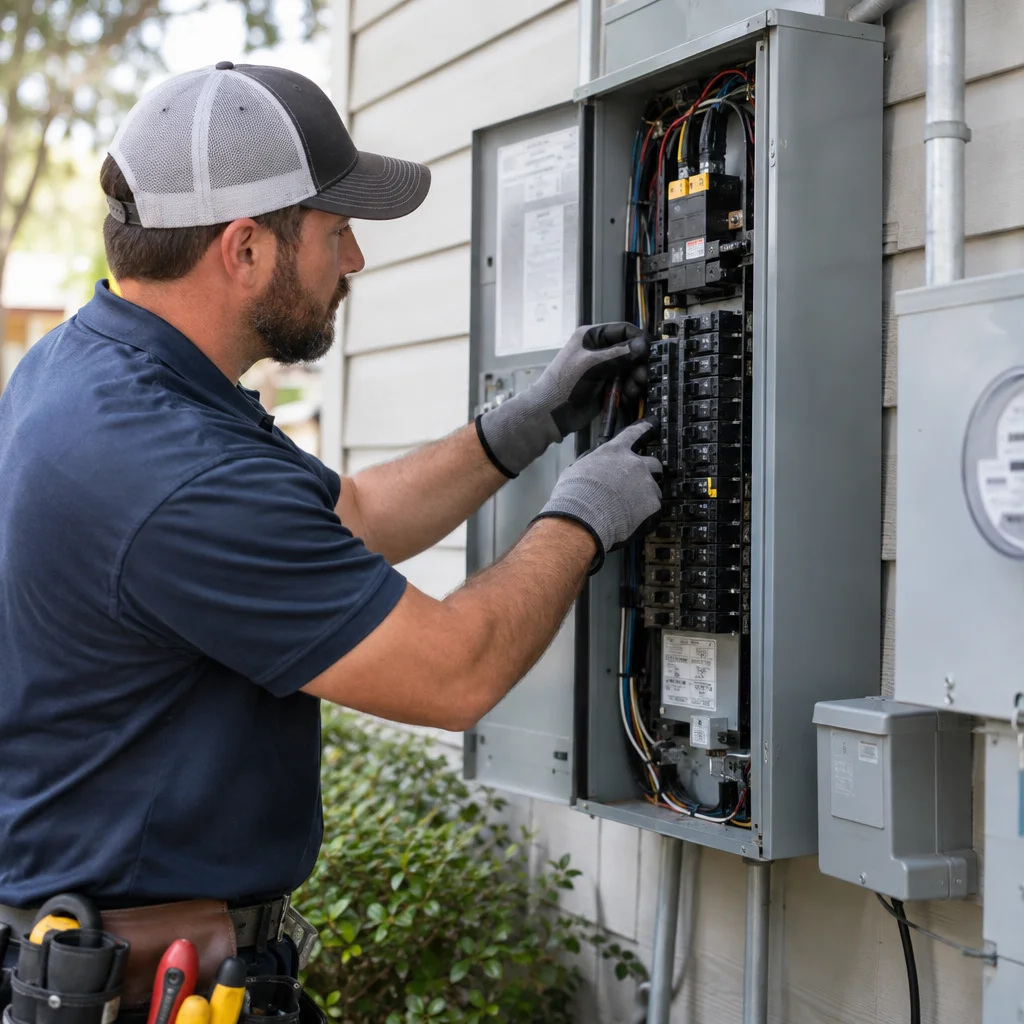
Backup systems do more than keep the lights on. They also expose weaknesses in the home’s electrical setup. A panel that is already overloaded may not be able to support a generator tie in without upgrades. Loose breaker connections, aging outlets, or undersized wiring can cause nuisance trips when backup power kicks in.
Homeowners may notice dimming lights, breakers that trip during normal use, warm outlets, or a burning smell near the panel. Those are not problems to ignore. If you have ever searched for breaker panel repair near me or electrical panel upgrade near me, backup planning is a good time to address the underlying issue. A backup system should support a safe electrical foundation, not cover up a failing one.
In some older Seaside homes, outdated wiring or prior remodel work can also create hidden concerns. If a homeowner is already considering home rewiring near me or even knob and tube wiring replacement near me, an electrical inspection before backup installation is the right move.
How local homes affect backup planning
Seaside has a mix of older cottages, updated vacation homes, and newer construction. Each one needs a different backup strategy. A smaller older home may only need a few dedicated circuits for lighting, refrigeration, and communication. A newer home with high-efficiency appliances, multiple HVAC zones, or an EV charger may need a larger panel strategy and more careful load balancing.
Remodels and additions also change the equation. A new kitchen, finished garage, or guest suite can increase demand enough to require dedicated circuit installation near me planning before a generator or battery system is added. If your home has recently been expanded, backup power should be designed around the updated load, not the original floor plan.
Common circuits homeowners usually protect
Most whole home backup plans prioritize refrigeration, lighting, internet, charging devices, fans, garage access, and a few key receptacles. Some homeowners also include outlets for medical equipment, security systems, sump or lift equipment where applicable, and home office circuits. The goal is to keep the house safe and functional, not to power every load at once without a plan.
That is also why professional load calculations matter. A licensed electrician can determine which appliances and circuits should stay on and which should stay off during backup operation. This prevents overloaded systems, unnecessary breaker trips, and generator strain.
Why code compliance and grounding matter
Any backup power installation should meet current electrical code requirements. That includes proper grounding, correct transfer equipment, safe conductor sizing, and the right protection for GFCI and AFCI sensitive areas where needed. In coastal homes, corrosion resistance and secure terminations are also important because salt air can accelerate wear on outdoor components.
Good grounding and bonding help reduce shock risk and protect equipment during storms and switching events. If your home already needs electrical troubleshooting near me support for tripping breakers, dead outlets, or flickering lights, a backup installation should not move forward until those issues are checked. A backup system is only as reliable as the wiring behind it.
Signs your electrical system should be checked before backup installation
Some homeowners start researching backup power after a storm, but the smarter time is before the next outage. If you notice frequent breaker trips, outlets that stop working, switches that feel loose, lights that flicker, or ceiling fans that hum or wobble, those symptoms can point to larger wiring or panel issues.
Other warning signs include warm faceplates, buzzing at the panel, corrosion on outdoor equipment, or a generator connection that was added without a proper transfer switch. If you ever catch a burning smell electrical repair near me search in your browser history, that is the kind of problem that deserves immediate attention from a licensed electrician. Backup power should never be installed around active hazards.
For homes with upgraded kitchens, outdoor living areas, or new lighting plans, it can also help to review related work like Smart Electrical Planning for Lighting Fixtures in Seaside, FL and Electrical safety clues Seaside homeowners notice during device upgrades. Those projects often reveal whether a panel, circuit layout, or outlet plan needs attention before backup power is added.
Backup power and the rest of the home electrical system
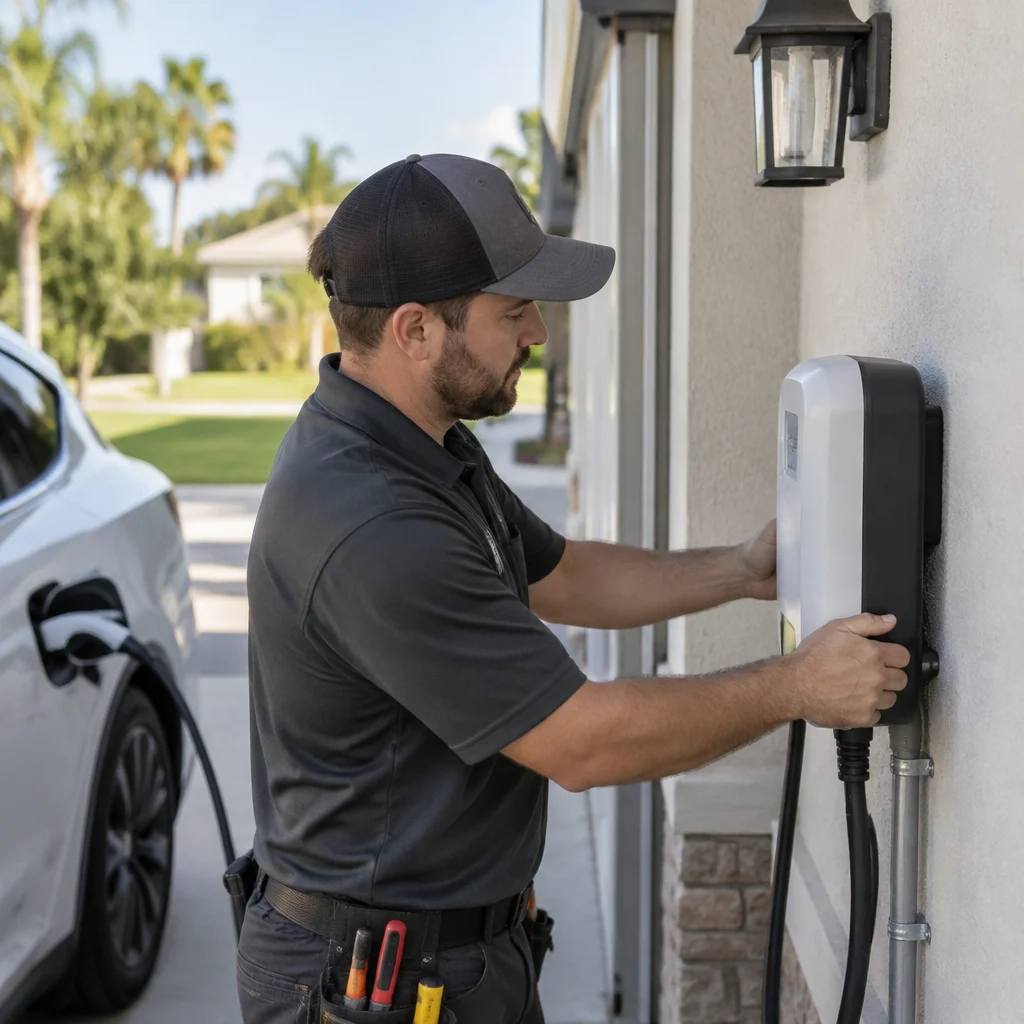
Whole home backup works best when the rest of the electrical system is in good shape. That includes properly sized breakers, secure outlets, modern GFCI protection in wet locations, and lighting that does not overload shared circuits. If you are planning a generator, it may also be the right time to add EV Charger Installation, especially if your home already needs a dedicated load strategy.
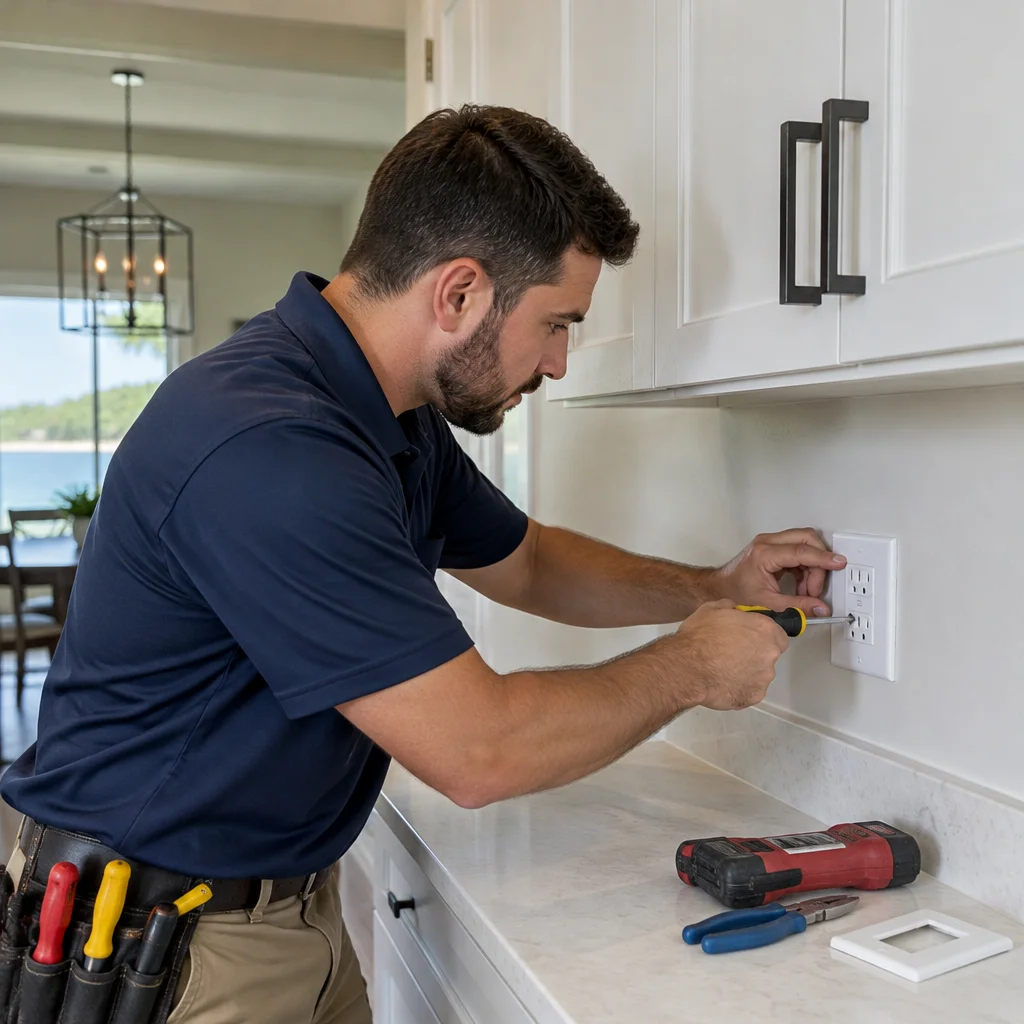
Some homeowners also choose to improve indoor and outdoor lighting while the panel is being evaluated. Services like recessed lighting installation near me, security lighting installation near me, or ceiling fan installation near me are easier to coordinate when the electrical system is already being reviewed. The same is true for dimmer switch installation near me, light switch installation near me, and outlet installation near me requests that come up during a remodel.
Maintenance that helps backup systems stay ready
Once a backup system is installed, it still needs routine attention. Batteries should be checked, generator components inspected, transfer switches tested, and panels kept free of corrosion or moisture intrusion. In Seaside, outdoor electrical parts can take a beating from humidity and salt exposure, so regular service matters.
Homeowners should also keep an eye on load changes. Adding a hot tub, new appliance, workshop equipment, or an EV charger can push a backup system beyond its original design. If power demand has changed, the backup plan should change with it. A periodic electrical inspection helps confirm that circuits, breakers, and grounding are still in good condition.
For property owners with rentals, maintenance is even more important. Guests may not report flickering lights, weak outlets, or tripping breakers right away. A local electrician can help reduce emergency calls by checking the system before peak season. If you manage a rental or second home, coordinating with a trusted team in Walton County can save time and avoid surprise outages.
When a local electrician should be involved
Backup power installation should always be handled by a licensed electrician who understands panel capacity, transfer equipment, grounding, and code compliance. That is especially true if your home has older wiring, a crowded panel, corrosion issues, or signs of past repairs that were not done cleanly. A homeowner searching for electrical repair near me often needs more than a quick fix when backup power is part of the plan.
It also helps to involve a local professional when you are dealing with a remodel, an addition, or a service upgrade. A backup system should be coordinated with the main panel, dedicated circuits, and any needed replacements so the whole home works safely together. If the project also includes outlet repairs, lighting updates, or a panel upgrade, those should be addressed before the generator or battery system is commissioned.
For homeowners comparing options, A Superior Mechanical provides local electrical support designed around Seaside conditions, from storm readiness to everyday reliability. Whether you are looking for a residential electrician near me or planning a more complex backup setup, the right service partner can help you protect the home you already depend on.
Find Whole Home Backup Solutions in Seaside, FL
If you need Whole Home Backup Solutions in Seaside, FL, visit our local service page or contact A Superior Mechanical today.
Map of Seaside, FL
Frequently Asked Questions
What is the difference between a standby generator and battery backup?
A standby generator produces power during an outage and can run longer with fuel access, while battery backup stores electricity and runs quietly for shorter or targeted support. Many Seaside homes use one or both depending on load needs.
Do I need a transfer switch for whole home backup?
Yes. A transfer switch safely separates your home from the utility line before backup power is used. It prevents dangerous backfeed and helps the system operate in code-compliant fashion.
Can older Seaside homes handle whole home backup systems?
Many can, but older panels, wiring, and grounding often need inspection first. Homes with outdated circuits, corrosion, or prior remodel work may need panel upgrades, rewiring, or dedicated circuits before installation.
How often should a backup power system be inspected?
It is smart to have the system checked regularly, especially before storm season. Batteries, generator components, transfer switches, and the main panel should all be tested so the system is ready when needed.
Related Articles
Photo Gallery