Shalimar, FL is beautiful, but the weather is hard on HVAC systems. Warm Gulf breezes, high humidity, and salt air can push equipment to work longer and harder, especially VRF multi-zone systems that rely on stable airflow and clean condensate drainage. When something goes wrong, the result is often uncomfortable rooms, poor air circulation, or sudden cooling problems that feel like an emergency.
This guide focuses on everyday reliability for VRF multi-zone systems in Shalimar and nearby areas in Okaloosa County. You will see how small habits, routine checks, and professional preventive HVAC maintenance can help you avoid emergency AC repair calls and reduce the odds of a mid-summer breakdown.
Why VRF multi-zone systems feel different during Florida heat
VRF (Variable Refrigerant Flow) multi-zone systems are designed to deliver cooling or heating to multiple indoor units using shared refrigerant piping and outdoor equipment. Instead of every room depending on a single large duct run, each zone is controlled more directly through indoor unit operation and thermostat scheduling.
In Shalimar’s climate, that zoning strength can also expose weak points. Florida heat and humidity can increase latent load, meaning the system must remove moisture while maintaining comfort. If airflow is restricted, filters are dirty, ductwork is leaking, or condensate drainage is partially blocked, the system can struggle to control humidity. Over time, those issues can push components toward protective shutdowns or repeated cycling that homeowners notice as unreliable comfort.
Salt air can add another layer. Even when equipment is built for outdoor use, corrosion and fouling can accelerate wear on outdoor coils and fan components. That makes preventive HVAC maintenance more important than a simple “run it until it breaks” approach.
Common VRF reliability problems homeowners can spot early
Emergency HVAC calls often happen when a small problem stays small for too long. With VRF multi-zone systems, the earliest warning signs are usually comfort and airflow related, not just “the system is dead.” Watch for these patterns in your everyday use.
1) Uneven cooling between zones
If one room stays warmer while others feel okay, it may point to zone-specific airflow issues such as a dirty filter, a blocked return path, or ductwork problems. VRF systems manage comfort by controlling indoor unit operation, so a zone that cannot move air efficiently can appear to “not work” even when the system is running.
Homeowners often search for air conditioning repair near me after noticing this kind of inconsistency. The goal is to catch it before it turns into a full system stop or repeated service calls.
2) Weak airflow or “fan only” behavior
Sometimes the fan runs but the space does not cool the way it should. That can happen when airflow is restricted, when return paths are blocked by furniture, or when indoor coil cleanliness is reduced. In humid coastal areas, dust and moisture can combine and make airflow problems more likely.
Do not assume it is always a thermostat issue. VRF systems depend on correct refrigerant system operation and airflow together. If airflow is off, the system cannot manage temperature and humidity as designed.
3) Musty odors or visible moisture near indoor units
Condensate drainage matters in Florida. When drainage is slow or partially blocked, water can back up inside the unit drain pan or nearby areas. That can contribute to odors and moisture where you do not want it.
If you notice wet spots, dripping, or a persistent smell, it is a strong signal to schedule professional service. Condensate drainage problems can also lead to indoor air quality concerns, which become more noticeable during Florida humidity swings.
4) Thermostat schedules that do not match how you live
VRF systems often use multiple thermostats or zone controls. If schedules are set too aggressively, some zones can overshoot while others lag, especially when doors stay open, windows are frequently opened, or interior loads change quickly.
Start with the basics: verify setpoints, confirm the correct operating mode, and ensure the thermostat is not exposed to direct sunlight or drafts. If you are repeatedly changing settings just to keep comfort stable, it may be time for an HVAC maintenance visit to confirm system airflow and operation.
5) Higher humidity than expected
In Shalimar, humidity control is not optional. If your home feels clammy even when temperatures look “close,” the system may be struggling with airflow, coil cleanliness, or drainage. Humidity issues can also show up as condensation on windows or a spike in musty odors.
When humidity is not controlled, you may feel like you need constant cooling. That can increase energy use and wear on the system, increasing the odds of emergency AC repair later.
Simple homeowner checks that reduce the odds of emergency breakdowns
You do not need to be an HVAC technician to reduce risk. These checks are practical, fast, and focused on the areas VRF systems depend on most: airflow, humidity management, and clean operation.
Check and replace filters on indoor units and connected air handlers
Dirty filters restrict airflow, which can reduce cooling performance and increase humidity problems. Follow your system’s filter guidance and replace or clean as recommended. If you do not know what your VRF system requires, ask during your next professional visit.
Keep supply and return paths open
Furniture, curtains, and storage boxes can block airflow. In multi-zone layouts, one blocked area can create a “hot room” that triggers frustration and repeated thermostat adjustments.
Also check that returns are not covered by rugs or closed doors that should be open for proper circulation.
Verify condensate drainage is clear around indoor units
Look for signs of pooled water, slow drainage, or standing moisture near indoor units. If you see an issue, do not try to flush the system without guidance. VRF condensate drainage needs to be handled correctly to avoid damage and to protect indoor air quality.
Use thermostat schedules realistically for Florida living
For vacation rentals and homes with changing occupancy, set schedules that match actual use. Leaving zones at high demand all day can increase run time and strain on the system’s ability to manage humidity. Consider staged schedules that allow comfort to stabilize when people are home.
Watch for airflow changes after storms or heavy pollen periods
After high winds, storms, or heavy pollen, outdoor and indoor components can collect debris. Salt air and wind-driven debris can speed up buildup on outdoor coils. If you notice comfort changes soon after weather events, it is worth scheduling an HVAC maintenance appointment rather than waiting for a complete failure.
Preventive maintenance that matters most for VRF multi-zone systems
Preventive HVAC maintenance is how you avoid the “it stopped cooling” moment. VRF systems are a coordinated refrigerant system, so maintenance needs to address both comfort-side airflow and the refrigerant system’s ability to operate properly. A licensed HVAC contractor should evaluate the full setup in person.
Airflow and ductwork attention
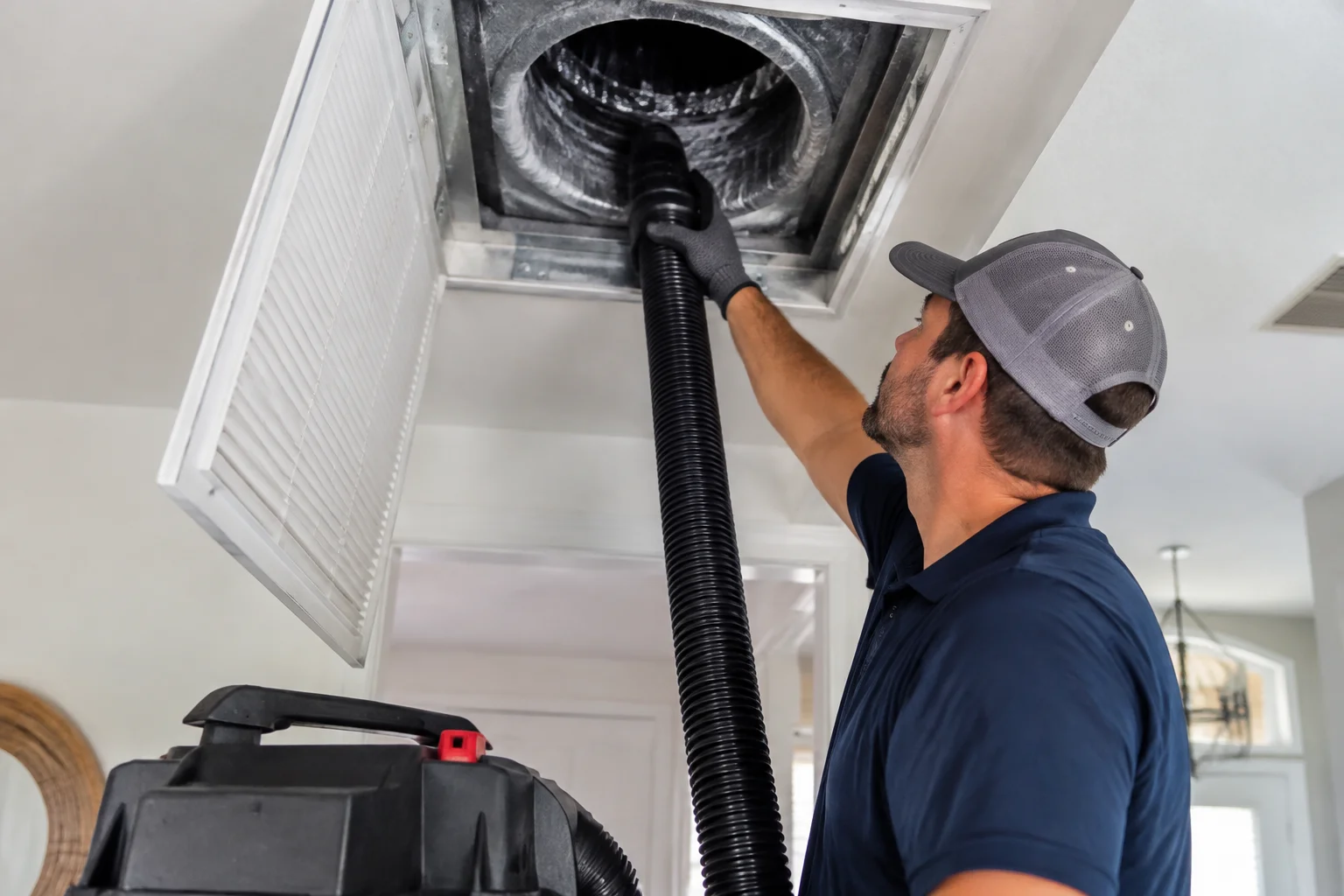
Even though VRF zoning is flexible, ductwork and air distribution still affect comfort. A technician may inspect ductwork for leaks, check that air returns are unobstructed, and verify that indoor units can deliver airflow consistently.
If you are dealing with poor distribution, homeowners often look for duct repair near me or residential HVAC service near me. The key is to address the distribution problem early so the system does not compensate by running longer and harder.
Indoor air quality checks
Florida humidity can make indoor air quality issues more likely. Dust buildup, moisture, and dirty components can impact how air feels and how clean it stays. Professional indoor air quality testing can help confirm whether the system is controlling airflow and moisture effectively. If you have ongoing odor or allergy concerns, consider Indoor Air Quality Testing in Shalimar.
Condensate drainage inspection
Technicians can inspect condensate drainage pathways and confirm that drainage is operating as intended. This is a major reliability factor in humid climates because blocked or slow drainage can create comfort and air quality problems.
Outdoor unit care for salt air and coastal exposure
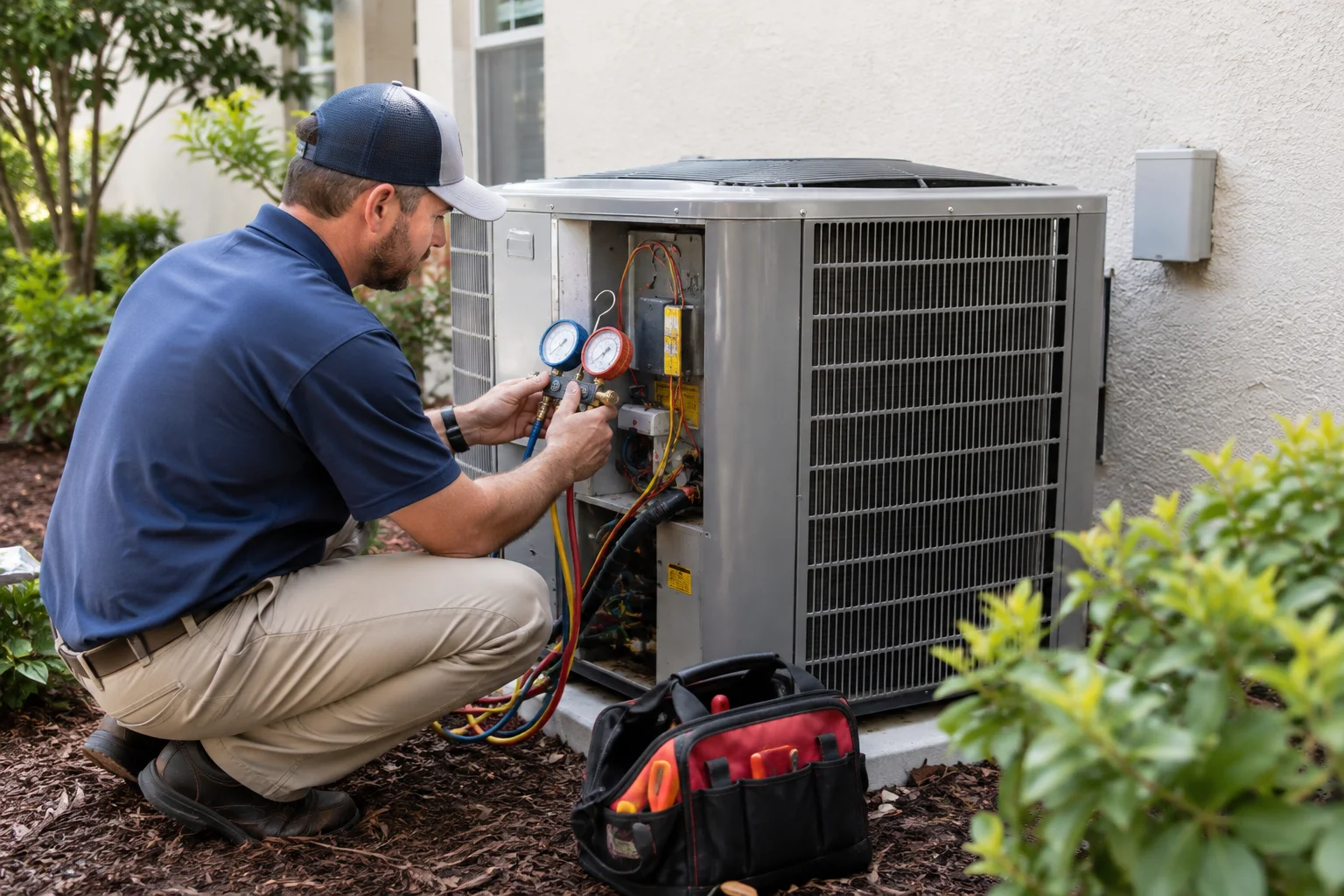
Outdoor equipment can face corrosion and coil fouling in coastal areas. Professional maintenance can include cleaning and inspection of outdoor components and verifying that fans and airflow paths are operating correctly.
Because VRF systems rely on outdoor equipment performance to serve multiple zones, outdoor neglect can eventually show up indoors as uneven cooling, humidity issues, or repeated cycling.
Thermostat and control verification
Thermostats and zone controls affect how the system responds to demand. A technician can confirm that settings, operation modes, and zone control behavior align with how your home is actually used. This is especially helpful for vacation rentals where occupancy patterns change.
Energy use and comfort: how small problems become expensive
When airflow is restricted or humidity control struggles, the system often compensates by running longer. That can increase energy use, add wear to fans and motors, and make refrigerant system operation less efficient.
In Shalimar, where cooling demand can be steady for months, small issues such as a clogged filter, a blocked return, or drainage problems can become a compounding cycle. Comfort gets worse, you adjust thermostats more frequently, and the system runs more hours. Eventually, a protective response may occur, leading to an emergency HVAC call.
By contrast, a consistent preventive HVAC maintenance rhythm helps keep airflow stable and moisture under control, which supports everyday reliability.
How to respond when VRF cooling feels “off”
It is normal to wonder whether you should troubleshoot at home. However, VRF systems involve refrigerant piping and coordinated operation between zones. Avoid attempts to diagnose refrigerant issues or perform refrigerant system adjustments yourself.
Try the safe, non-invasive steps first
Before calling, you can do a few safe checks:
- Confirm the thermostat is set to the correct mode and setpoint.
- Check whether other zones are cooling normally. Note which rooms are affected.
- Look for obvious airflow blockages, such as closed vents or obstructed returns.
- Check for standing water or unusual moisture near indoor units.
Know what not to do
Do not attempt refrigerant diagnosis, electrical diagnosis, or anything involving opening sealed components. VRF systems are not designed for homeowner refrigerant work, and a wrong action can create safety risks and additional damage.
If the system is not cooling properly, scheduling professional HVAC repair near me is the safer path, especially when humidity is involved.
When an “emergency” is really an early warning
Some homeowners wait too long because the system seems to be running. With VRF multi-zone systems, you might still feel partial cooling while the system is struggling. An emergency cooling concern can develop when one or more zones stop responding, when humidity rises rapidly, or when condensate drainage becomes problematic.
If you have a home with young children, older adults, or health needs that depend on stable indoor temperatures, do not wait. Even if the issue started small, the safest approach is to contact a licensed HVAC contractor for same-day guidance when comfort is at risk.
For homeowners searching for emergency AC repair near me, the best outcome comes from accurate, in-person assessment rather than guessing. A technician can review airflow, drainage, controls, and system behavior across zones.
Choosing a local HVAC contractor for VRF reliability in Shalimar
VRF multi-zone systems are more complex than single-zone setups. You want a licensed HVAC contractor who understands how refrigerant systems coordinate with airflow, thermostats, and indoor unit operation. Local experience matters because Shalimar’s humidity, coastal exposure, and seasonal load patterns affect how systems age.
Look for a company that can provide preventive HVAC maintenance and can evaluate VRF systems on-site. If you are comparing options, ask about how they handle airflow verification, condensate drainage inspection, and indoor air quality considerations. This is where quality service reduces emergency risk.
A Superior Mechanical provides professional VRF Multi-Zone Systems support in Shalimar, including service for homes, vacation rentals, and commercial properties across Okaloosa County. You can explore our dedicated service page at VRF Multi-Zone Systems in Shalimar, FL, and learn more about local service coverage on our Shalimar service area page.
Related comfort upgrades that can support VRF performance
Sometimes the best way to avoid emergency HVAC calls is to reduce the load on the system and improve air distribution.
Air conditioning replacement planning when VRF is no longer reliable
If your VRF system is repeatedly struggling to maintain comfort, it may be time to discuss replacement options. Replacement should be based on an in-person evaluation of equipment condition, airflow performance, ductwork condition, and system behavior across zones. For homeowners planning ahead, see Air Conditioning Replacement in Shalimar.
Financing for maintenance and upgrades
When repairs or replacement planning are needed, financing can make it easier to handle the work before a true emergency. If budgeting is a concern, review HVAC Financing.
Commercial VRF considerations
For offices, retail spaces, and multi-tenant properties, maintaining consistent comfort across zones matters for productivity and customer experience. If you manage commercial space in the area, consider Commercial HVAC Installation guidance as part of long-term planning.
How Shalimar homeowners can learn from other local VRF experiences
VRF systems are popular in modern coastal and mixed-use designs, but real-world issues often come down to airflow, moisture control, and maintenance habits. If you want practical perspective, these local reads can help you compare what to watch for in your own home:
- Keeping Shalimar Properties Comfortable Without Surprise HVAC Problems
- A Practical Look at VRF Multi-Zone Systems for Miramar Beach Homes
- Why VRF Multi-Zone Systems Deserve a Closer Look in Sandestin Homes
- How DeFuniak Springs weather can wear on VRF multi-zone systems over time
A maintenance plan that fits everyday life
Emergency HVAC calls are rarely caused by one single moment. They usually build from overlooked comfort signals: a slow-draining condensate line, a return path that gets blocked during furniture moves, filters that go too long, or a zone that cools unevenly because airflow is not consistent.
For Shalimar homeowners, the most reliable approach is a combination of routine checks and professional preventive HVAC maintenance that respects VRF multi-zone complexity. Keep an eye on airflow, humidity, condensate drainage, and thermostat behavior. When comfort starts to drift, schedule service early so the system can stay stable through Florida heat, humidity, and coastal exposure.
If you are preparing for the next hot stretch and want a clear plan for VRF reliability, start with the service page for VRF Multi-Zone Systems and browse additional local coverage on Okaloosa County HVAC services.
Find VRF Multi-Zone Systems in Shalimar, FL
If you need VRF Multi-Zone Systems in Shalimar, FL, visit our local service page or contact A Superior Mechanical today.
Map of Shalimar, FL
Frequently Asked Questions
What are the most common early warning signs of VRF multi-zone problems in Shalimar?
Uneven cooling between zones, weak airflow, rising indoor humidity, musty odors, or signs of moisture near indoor units are common early indicators. These issues often relate to airflow, condensate drainage, or control behavior, and they can escalate if ignored.
How often should VRF multi-zone systems receive preventive HVAC maintenance in Florida humidity?
Because Shalimar’s cooling season and humidity levels are demanding, many homeowners benefit from scheduling preventive maintenance before peak summer and keeping an ongoing routine that matches how the system is used. A qualified technician can recommend a schedule after reviewing your setup in person.
Can I troubleshoot refrigerant or electrical issues myself if a zone stops cooling?
No. VRF refrigerant systems and related components require in-person evaluation. Homeowners should avoid refrigerant diagnosis and electrical diagnosis. Safe steps include checking thermostat mode and setpoints, confirming other zones, and looking for blocked vents or obvious moisture.
Why does condensate drainage matter so much for indoor comfort and indoor air quality?
In humid climates, blocked or slow condensate drainage can cause moisture buildup, odors, and indoor air quality concerns. Professional inspection helps confirm drainage pathways are operating correctly and that humidity control is working as intended.
Does ductwork still affect VRF performance even though VRF uses zoning?
Yes. Ductwork and air distribution influence how well indoor units can move conditioned air through each zone. Leaks, poor returns, or blocked airflow can cause uneven comfort and increased energy use, which can lead to reliability issues over time.
Related Articles
Photo Gallery