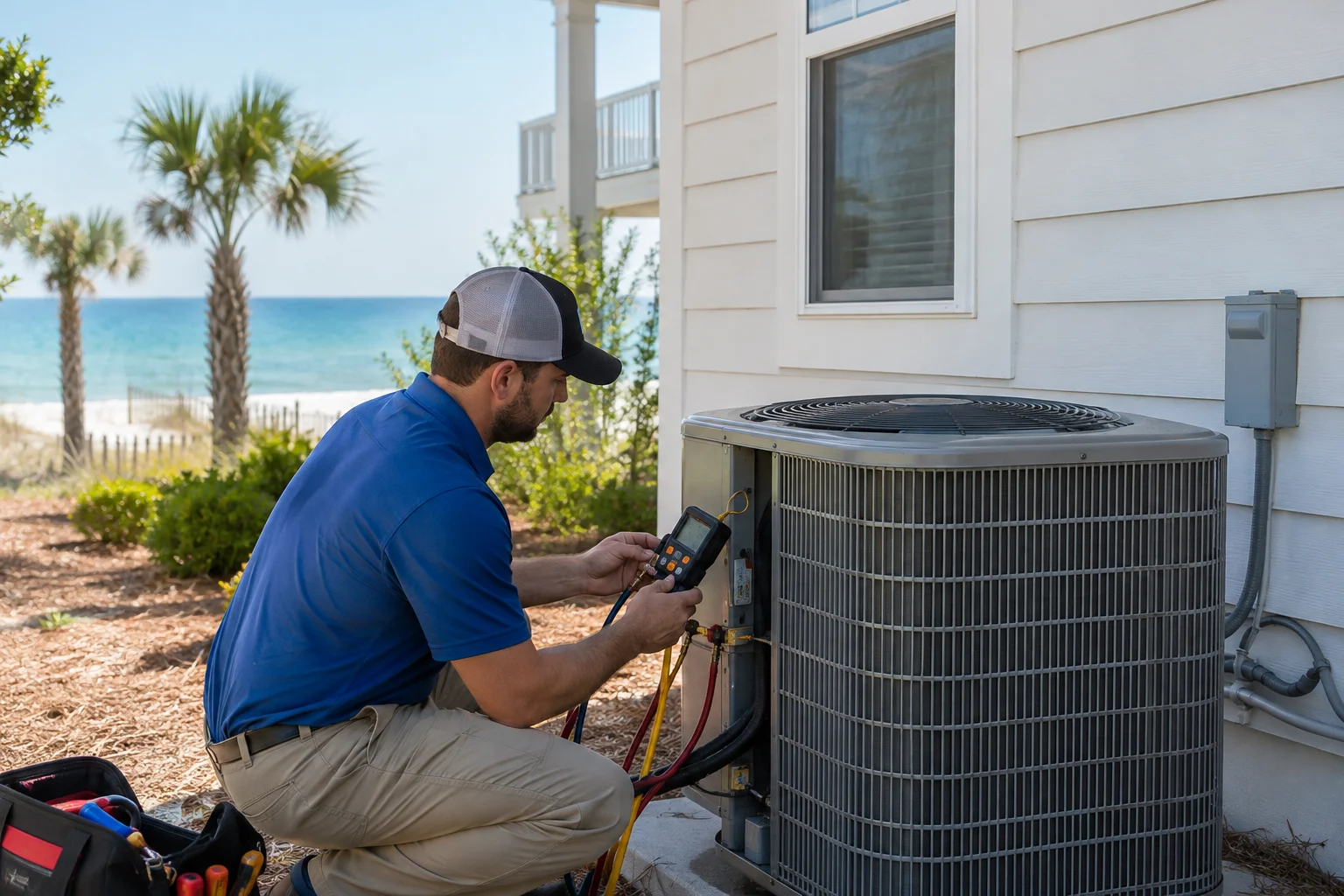
VRF multi-zone systems can be a great fit for Ocean City homes and mixed-use properties because they deliver comfort room by room, support efficient operation, and help manage indoor humidity when they are set up and maintained correctly. But Ocean City is not a gentle climate. Florida heat, high humidity, and salt air can push HVAC equipment hard, especially when airflow, filtration, condensate drainage, and thermostat settings are neglected.
This guide focuses on practical prevention steps local property owners can take, plus the inspections and services that help reduce emergency cooling concerns during the hottest stretches of the year. If you are searching for VRF multi-zone systems service in Ocean City, these are the areas our technicians pay close attention to.
Why VRF multi-zone systems behave differently in Ocean City
VRF, or variable refrigerant flow, is a refrigerant-based system designed to move heating or cooling capacity where it is needed. Instead of one central air handler serving the entire home, VRF uses refrigerant systems that supply multiple indoor units through piping. Each indoor unit may connect to its own thermostat controls, fan settings, and air distribution path.
That zoning flexibility is the advantage. It is also why prevention matters. When one part of the system has airflow restrictions, dirty filters, blocked returns, poor ductwork connections, or drainage issues, the rest of the system can be affected. In humid Florida conditions, small problems can also show up faster as comfort complaints, musty odors, or uneven cooling.
Ocean City also has salt air exposure. Even when units are protected, salt-laden moisture can contribute to corrosion over time. That is one reason homeowners often need more frequent HVAC attention than they might in inland climates.
Start with the basics homeowners can control: airflow and filtration
Airflow is the foundation of good VRF performance. Many VRF problems in homes begin as simple restrictions. When the indoor unit cannot move air effectively, it can struggle to remove heat and manage humidity. Over time, that can lead to poor comfort, higher energy use, and recurring calls for air conditioning repair near me.
Check and replace filters on a schedule you can actually keep
Dirty filters reduce airflow and increase strain on indoor fans. They can also worsen indoor air quality. For Ocean City, where humidity can be persistent, clean filtration helps reduce dust buildup that can contribute to odors and allergens.
If you are unsure how often to service filters, look at your system documentation or ask a local HVAC contractor to recommend a schedule based on your household and indoor air quality goals. If you are also exploring indoor air quality testing, filtration is often part of the conversation.
Keep supply and return paths open
It is easy to block air movement without realizing it. Common issues include furniture pushed against vents, closed dampers, blocked return grilles, or rugs covering floor registers. With multi-zone systems, each indoor unit has its own airflow path. A blocked register in one zone can create uneven cooling and comfort complaints, even when other areas feel fine.
Watch for slow airflow or weak air distribution
Homeowners often notice “it feels cooler sometimes” or “the bedroom never gets comfortable.” Those symptoms can be related to airflow problems, thermostat settings, or ductwork issues depending on your indoor unit type. If you suspect airflow imbalance, ask about duct inspection near me and a careful review of air distribution before troubleshooting becomes guesswork.
Humidity control is not optional in Florida
In Ocean City, humidity can be as much of a comfort problem as temperature. VRF systems are designed to manage cooling and heating capacity across zones, but they still rely on proper airflow and correct condensate drainage to remove moisture effectively.
Know what “good” comfort feels like
When a VRF multi-zone system is operating correctly, you should feel consistent comfort and less “clammy” air. When humidity control slips, you may notice:
- Rooms feel damp even when the thermostat is set correctly
- Condensation on nearby surfaces or around indoor units
- Musty odors that show up after cooling cycles
- Uneven comfort between zones, especially during humid afternoons
These are the kinds of comfort and indoor air quality concerns that homeowners sometimes try to solve by changing thermostat settings repeatedly. While adjustments can help, they do not fix a drainage or airflow restriction.
Condensate drainage matters for VRF too
Some VRF indoor units rely on condensate drainage to remove moisture created during cooling. If drainage lines are clogged, improperly routed, or collecting debris, moisture can back up and contribute to odors, water issues, and performance problems.
Homeowners can reduce risk by keeping the area around indoor units clear and watching for signs of moisture where it should not be. A professional inspection can confirm condensate drainage performance and check for blocked or misaligned drainage paths.
Thermostats and zoning settings can prevent unnecessary stress
VRF multi-zone systems may allow different temperatures across zones. That flexibility can reduce energy use when used thoughtfully, but it can also create conflicts if settings are inconsistent or schedules are unrealistic for how your home actually holds heat.
Set schedules that match how you live
One common source of comfort complaints is a schedule that cools aggressively during periods when the home is empty, then ramps up and down rapidly when occupants return. In humid weather, rapid cycling and frequent demand changes can increase wear and make it harder for the system to maintain steady humidity control.
Instead, use schedules that reflect occupancy and adjust gradually. If you have multiple thermostats or zone controls, ensure they are configured to avoid fighting conditions across the system.
Avoid “constant tweaking” during the first signs of trouble
When homeowners are dealing with air conditioning repair concerns, it is tempting to keep adjusting thermostat setpoints and modes. If a zone is underperforming, those changes can mask the real cause. A Superior Mechanical can evaluate the system in person so you are not guessing about refrigerant systems, airflow, or drainage from thermostat behavior alone.
Salt air and coastal corrosion: protect the parts you can’t see
Ocean City’s proximity to the coast means salt air exposure. Over time, corrosion can affect outdoor components and airflow pathways. While homeowners cannot fully prevent corrosion, they can reduce the risk of buildup and ensure the system receives appropriate cleaning and inspection.
Keep outdoor units accessible and clear
Do not block airflow around outdoor units. Avoid landscaping that grows into vents or covers service access. If you have seasonal debris such as leaves, remove it so the outdoor unit can breathe.
Ask about corrosion-aware maintenance
During air conditioning maintenance and VRF inspections, technicians can check exterior surfaces, airflow paths, and the condition of components that are vulnerable in coastal climates. The goal is to catch problems early, before they turn into comfort failures during the warmest weeks.
Energy use and performance: what to track between service visits
VRF systems can help manage energy use by matching capacity to demand across zones. But when filters are dirty, airflow is restricted, or drainage is failing, the system can work harder to achieve the same comfort results.
Homeowners can track a few indicators:
- Longer run times to reach set temperature
- Greater temperature swings between zones
- Noticeably higher utility bills during periods when occupancy did not change
- More frequent cycling or abrupt changes in comfort
These patterns are not proof of a specific refrigerant system issue. They are signals that the system needs a professional HVAC service evaluation, ideally as part of preventive HVAC maintenance.
Refrigerant systems and system balance: why “DIY troubleshooting” can backfire
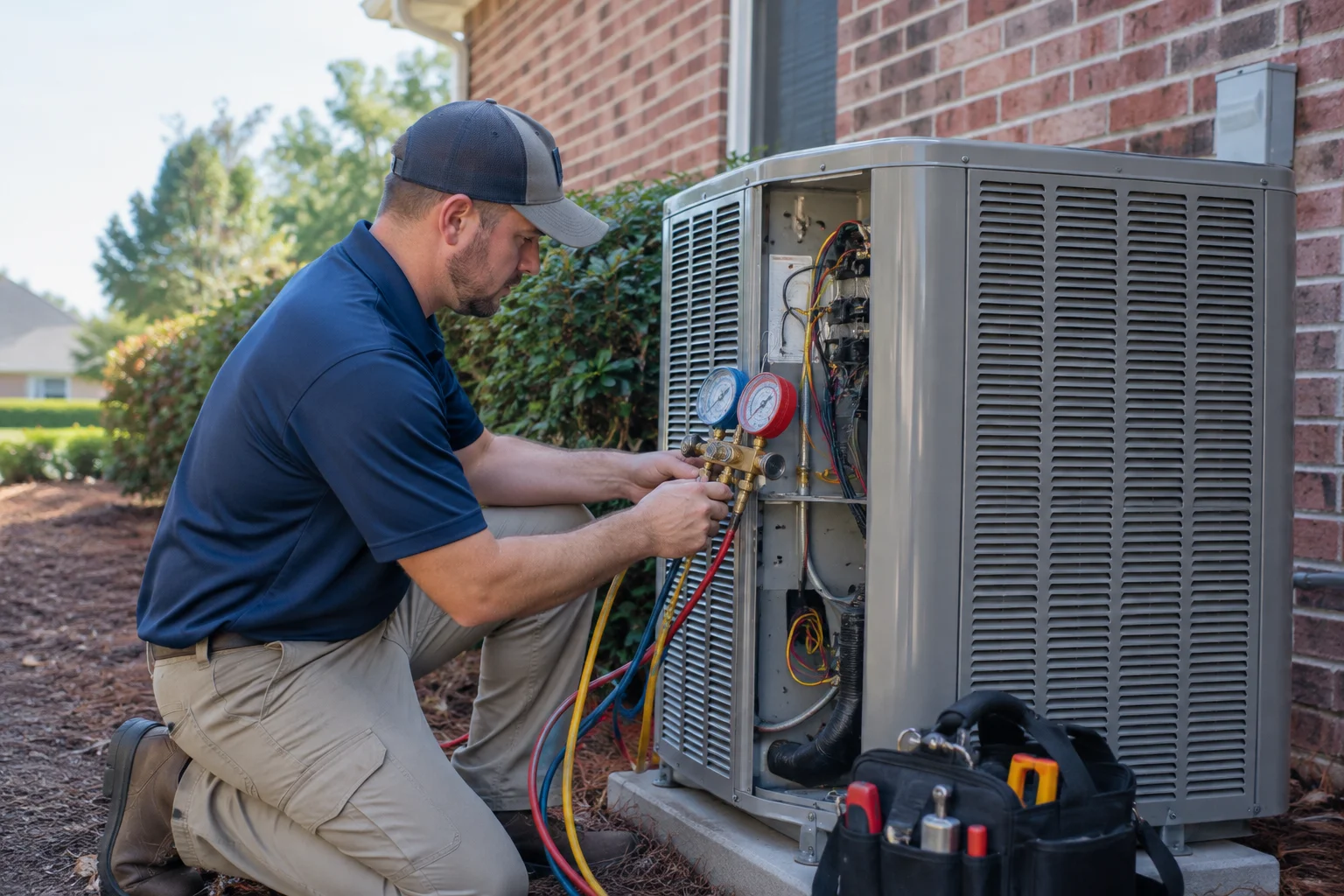
Because VRF is a refrigerant-based system, refrigerant systems are central to performance. Homeowners should not attempt refrigerant diagnosis or repairs. The correct refrigerant charge, system balance, and component operation require in-person evaluation and proper tools.
If you notice symptoms like repeated cooling failure in one zone, persistent error indications, or unusual sound patterns, stop chasing thermostat changes. Instead, schedule an AC tune up near me or VRF-focused service so a technician can assess the system safely.
Professional evaluation is especially important in coastal homes where corrosion and moisture exposure can complicate how components behave. A local HVAC company near me is helpful not just for availability, but for experience with Ocean City’s climate and common installation layouts in local housing.
Airflow and ductwork: the hidden link to whole-home comfort
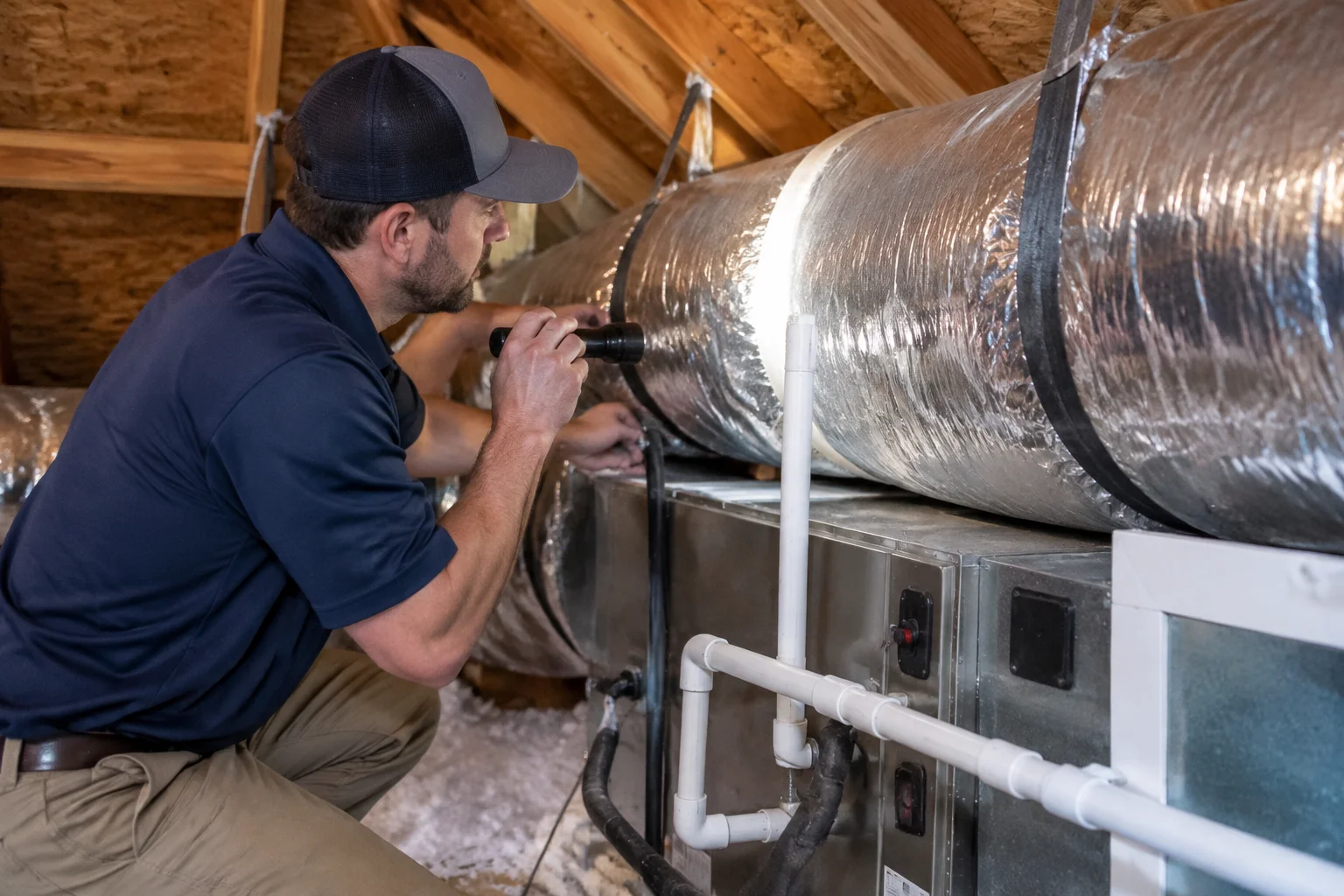
Not every VRF installation uses the same indoor unit style, but ductwork and air distribution still often play a role. Even well-designed systems can underperform if ductwork is leaky, poorly sized, or incorrectly connected.
Look for uneven cooling that follows airflow, not location
If one room is always warmer or cooler and the issue aligns with duct runs, ceiling returns, or supply registers, ductwork may be involved. Uneven airflow can also affect indoor air quality by moving dust and moisture differently across the home.
If you suspect ductwork issues, consider reading Why Duct Sealing Pays Off for Ocean City Homes and ask your technician about duct repair near me options that match your VRF setup.
Keep ductwork and air pathways clean
Dust buildup can restrict airflow and increase particulate load indoors. If you are dealing with recurring dust issues or odors, you might also explore duct cleaning. Cleaning is not always the first step for every comfort problem, but it can be part of a broader indoor air quality services strategy.
Preventive maintenance that fits VRF multi-zone systems
Preventive HVAC maintenance is where most homeowners get the best return. It is not about doing random tasks. It is about a structured inspection that targets the parts of VRF systems most likely to drift out of spec in Ocean City conditions.
What a good VRF inspection typically includes
While exact procedures vary by system design, a professional VRF multi-zone systems visit generally focuses on:
- Verifying indoor unit airflow performance and comfort outcomes by zone
- Checking filtration condition and air pathway cleanliness
- Inspecting condensate drainage where applicable
- Reviewing thermostat and control settings for consistent operation
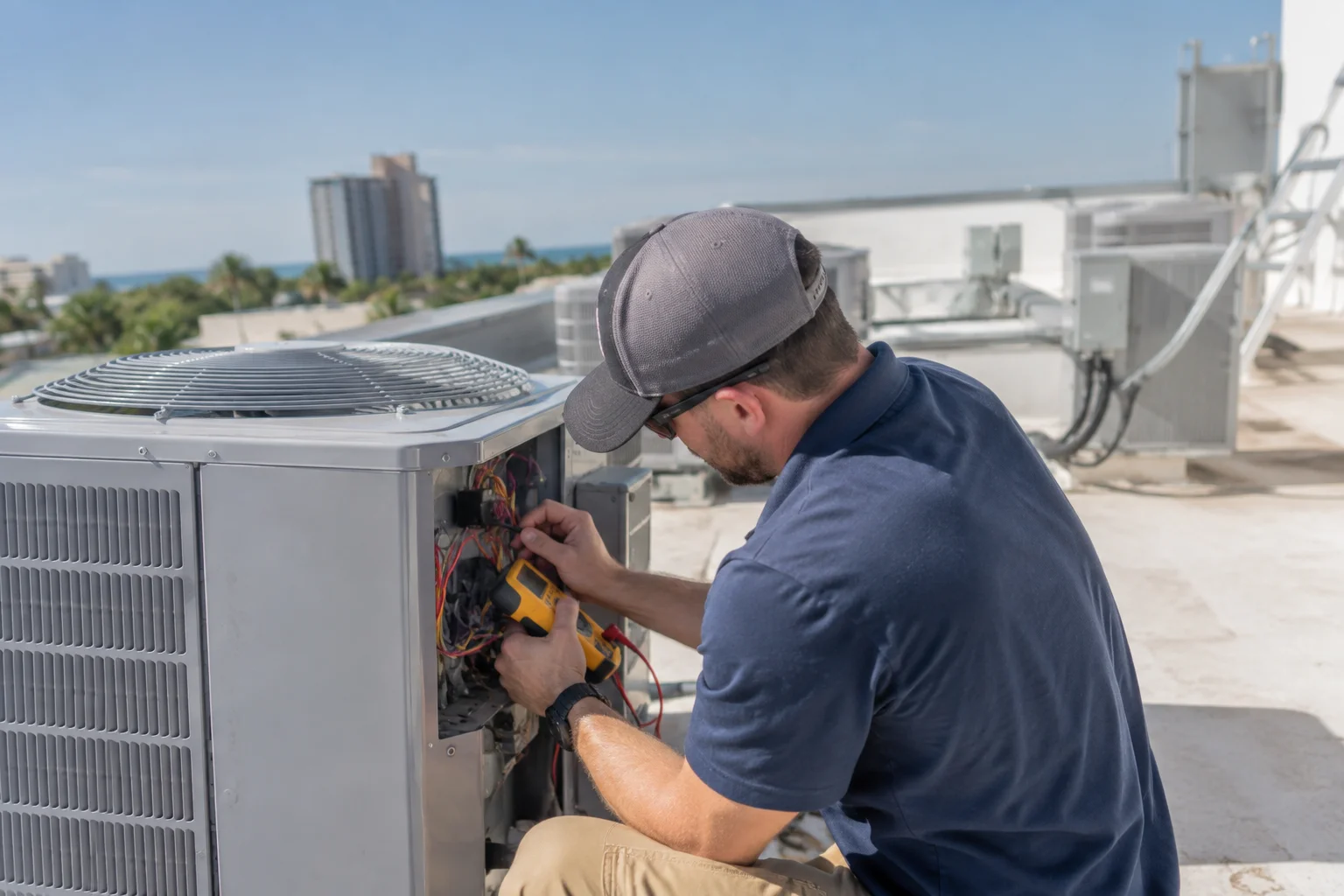
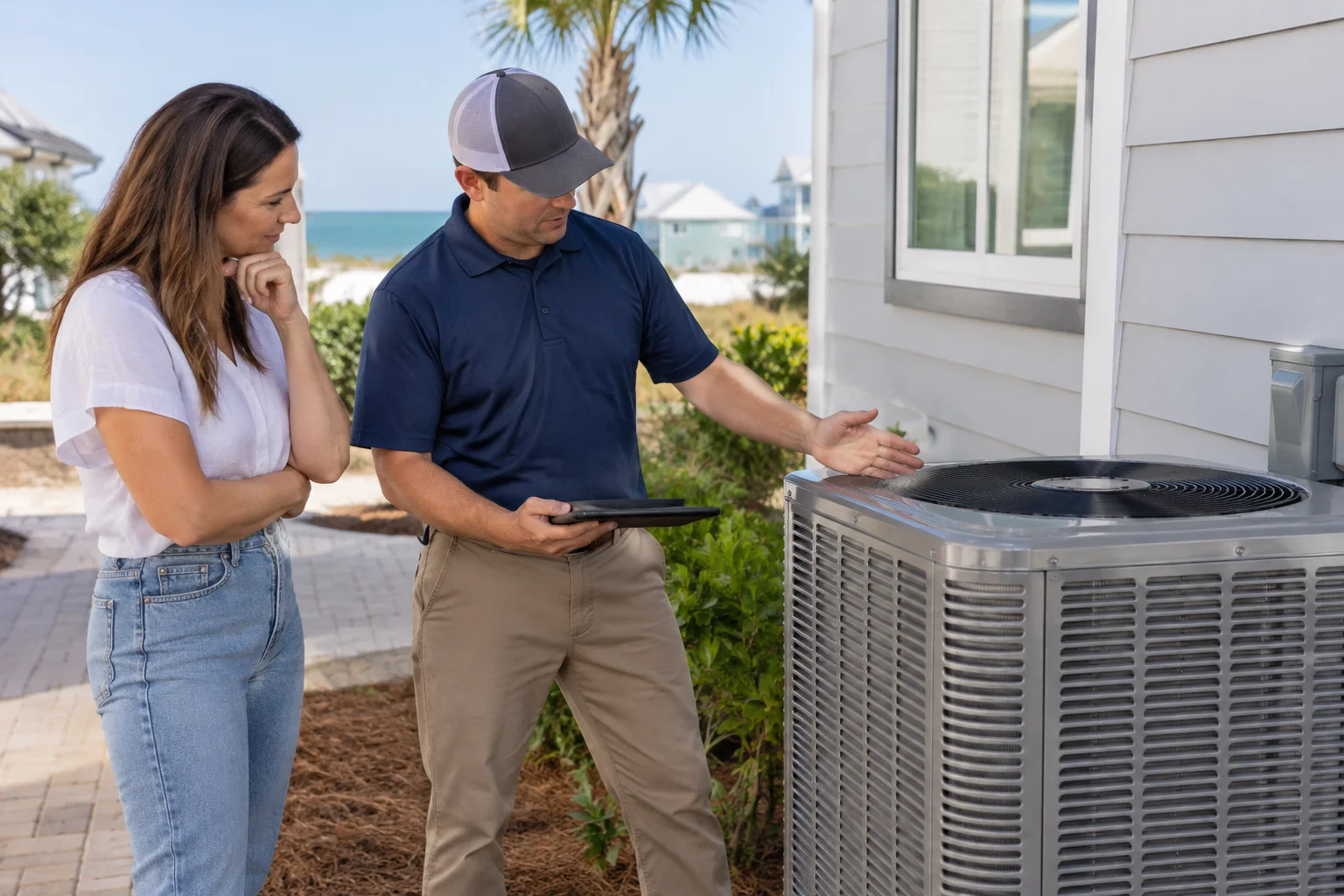
- Examining outdoor unit condition and airflow pathways in a coastal environment
- Looking for early warning signs that could lead to air conditioning repair needs
When homeowners search for HVAC contractor near me or air conditioning inspection near me, they are often looking for exactly this kind of methodical approach, not a one-size-fits-all checklist.
Don’t wait for a full breakdown during peak heat
Emergency cooling concerns are real in Florida. When cooling fails, it can quickly turn into a stressful situation, especially for homes with elderly family members, infants, or anyone sensitive to heat and humidity. Scheduling preventive service before the hottest periods helps reduce the odds of a mid-summer disruption.
Common Ocean City VRF issues and how prevention reduces them
Homeowners do not always know what is happening behind the walls and above ceilings. Still, certain patterns show up frequently in humid coastal areas.
Uneven temperatures between zones
Causes can include airflow restrictions, thermostat scheduling conflicts, blocked registers, or ductwork problems. Prevention includes keeping air pathways open, maintaining filters, and scheduling inspections that evaluate each zone rather than the system as a whole.
Humidity that feels “stuck” even when cooling runs
Humidity control problems often connect to airflow and condensate drainage. Dirty filters, blocked returns, and drainage restrictions can reduce moisture removal. Prevention includes regular maintenance and professional checks of drainage and indoor unit operation.
Odors that return after cooling cycles
Musty smells can be linked to moisture retention, dirty filters, or debris in air pathways. Prevention includes filtration discipline, keeping indoor unit areas clear, and professional inspection of drainage and air handling components.
Performance that gradually worsens over time
When comfort slowly declines, the system may be struggling with restrictions or component wear. Preventive HVAC maintenance helps catch these trends early, before they become urgent AC repair needs.
When to call A Superior Mechanical for VRF multi-zone service
If you are noticing any of the issues below, it is a good time to schedule professional service rather than relying on thermostat changes or temporary workarounds:
- A zone consistently fails to reach comfort targets despite normal thermostat settings
- Visible moisture, persistent odors, or signs of condensate drainage trouble
- Airflow feels weak, restricted, or different from how it used to feel
- Repeated error indications or unusual system behavior
- Comfort problems that track with seasonal humidity changes
For homeowners who also need help with related HVAC concerns, A Superior Mechanical can support broader comfort goals, including air conditioning replacement when a system can no longer meet needs. If your comfort issues are tied to ductwork or indoor air quality, we can also coordinate next steps with services like duct cleaning and indoor air quality testing.
To get help specifically for VRF installations in Ocean City, you can review VRF multi-zone systems service for Ocean City property owners and the broader service area coverage on our Ocean City page and Okaloosa County service area.
Simple habits that reduce the chance you need AC repair mid-summer
Preventive care does not have to be complicated. These habits help keep VRF multi-zone systems stable in Ocean City’s climate:
- Replace filters on schedule and keep return grilles unobstructed
- Use thermostat schedules that match occupancy and avoid aggressive, constant changes
- Pay attention to humidity and odors, not just temperature
- Keep indoor unit areas clear and watch for signs of condensate drainage issues
- Schedule professional inspections as part of routine maintenance, especially before peak heat
For homeowners who want a more detailed look at air comfort, humidity, and indoor air quality, this article pairs well: Keeping Ocean City Homes Comfortable Starts With the Air Inside. And if you are planning for system upgrades or balancing budgets, A Homeowner’s Guide to Better HVAC Financing in Ocean City, FL can help you plan ahead.
When you treat VRF multi-zone systems like a system of parts, not a single box, prevention becomes easier. Clean airflow, reliable humidity control, and professional inspections help keep your zones comfortable and reduce the odds of a stressful cooling failure during Florida heat.
Find VRF Multi-Zone Systems in Ocean City, FL
If you need VRF Multi-Zone Systems in Ocean City, FL, visit our local service page or contact A Superior Mechanical today.
Map of Ocean City, FL
Frequently Asked Questions
How often should Ocean City homeowners schedule VRF multi-zone maintenance?
Most homeowners benefit from routine preventive HVAC maintenance, especially in Florida humidity and salt air. A Superior Mechanical can recommend a schedule based on your number of zones, indoor unit types, and how the system is performing in your home.
Can dirty filters or blocked vents cause VRF zones to cool unevenly?
Yes. When airflow is restricted, indoor units may struggle to remove heat and manage humidity. That can lead to one zone feeling warmer or clammy while others feel fine.
What should I watch for with condensate drainage on VRF indoor units?
Look for musty odors, signs of moisture near indoor units, or any unexpected dampness. If you suspect drainage problems, schedule an in-person inspection rather than trying to troubleshoot from symptoms alone.
Are thermostat changes enough to fix VRF comfort problems?
Thermostat adjustments can help with scheduling and setpoints, but they cannot correct underlying issues like airflow restrictions, drainage problems, or refrigerant system performance. If a zone consistently underperforms, a professional VRF inspection is the safer next step.
What’s the safest way to handle repeated cooling issues in one zone?
Stop relying on repeated thermostat tweaks and call a local HVAC contractor for an in-person evaluation. VRF uses refrigerant systems, so refrigerant diagnosis or repairs should be handled by qualified technicians.
Related Articles
Photo Gallery