Families in DeFuniak Springs rely on steady water for cooking, showers, laundry, and watering routines around Walton County homes. When plumbing systems start acting up, the early clues are often small. A faint drip. A slow sink. A toilet that won’t fully stop running. Over time, those “minor” issues can turn into leaks, sewer line problems, or emergency plumbing concerns that disrupt daily life.
This guide connects common plumbing warning signs to the services your home may need, from drain cleaning and leak repair to pipe work, sewer line help, and water heater service. If you are searching for a plumber near me in DeFuniak Springs, FL, use these signs to explain what you are seeing and what to check before the first call.
Why DeFuniak Springs homes see plumbing issues more often
DeFuniak Springs sits in a humid, coastal-leaning climate with warm stretches, heavy rain events, and occasional cold snaps. That combination can stress pipes, fixtures, and drainage systems in different ways:
- Humidity and temperature swings can contribute to corrosion in older plumbing and create conditions for recurring leaks.
- Heavy rain can push more water through drains and sewer lines, exposing blockages or failing seals.
- Hard water is common across the region, and mineral buildup can affect water heaters, faucets, showerheads, and interior pipe surfaces.
- Vacation rental and seasonal use in Walton County can lead to “back-and-forth” water flow patterns that reveal weak joints, slow leaks, or drainage issues after periods of inactivity.
Local plumbing service matters because the right repair approach depends on how your home uses water, the age of your plumbing, and what is happening with your drains, pipes, sewer line, and water pressure.
Leak warning signs that often lead to water damage
Leaks rarely start as full bursts. They often begin as small, repeating signs that families notice before major damage. Watch for these patterns and consider the related plumbing services.
1) Water spots on ceilings or walls
If you see discoloration near a bathroom, laundry area, or kitchen, the source could be above the drywall or behind a wall. Even a slow leak can expand over time, especially in humid conditions.
Likely service: leak repair and pipe repair. A plumber may inspect supply lines, joints, and hidden connections, and check for pressure-related issues.
If you suspect an active leak, treat it as an emergency plumbing concern and avoid using the affected fixtures until a professional can confirm the source.
2) Damp floors near baseboards, cabinets, or water heater closets
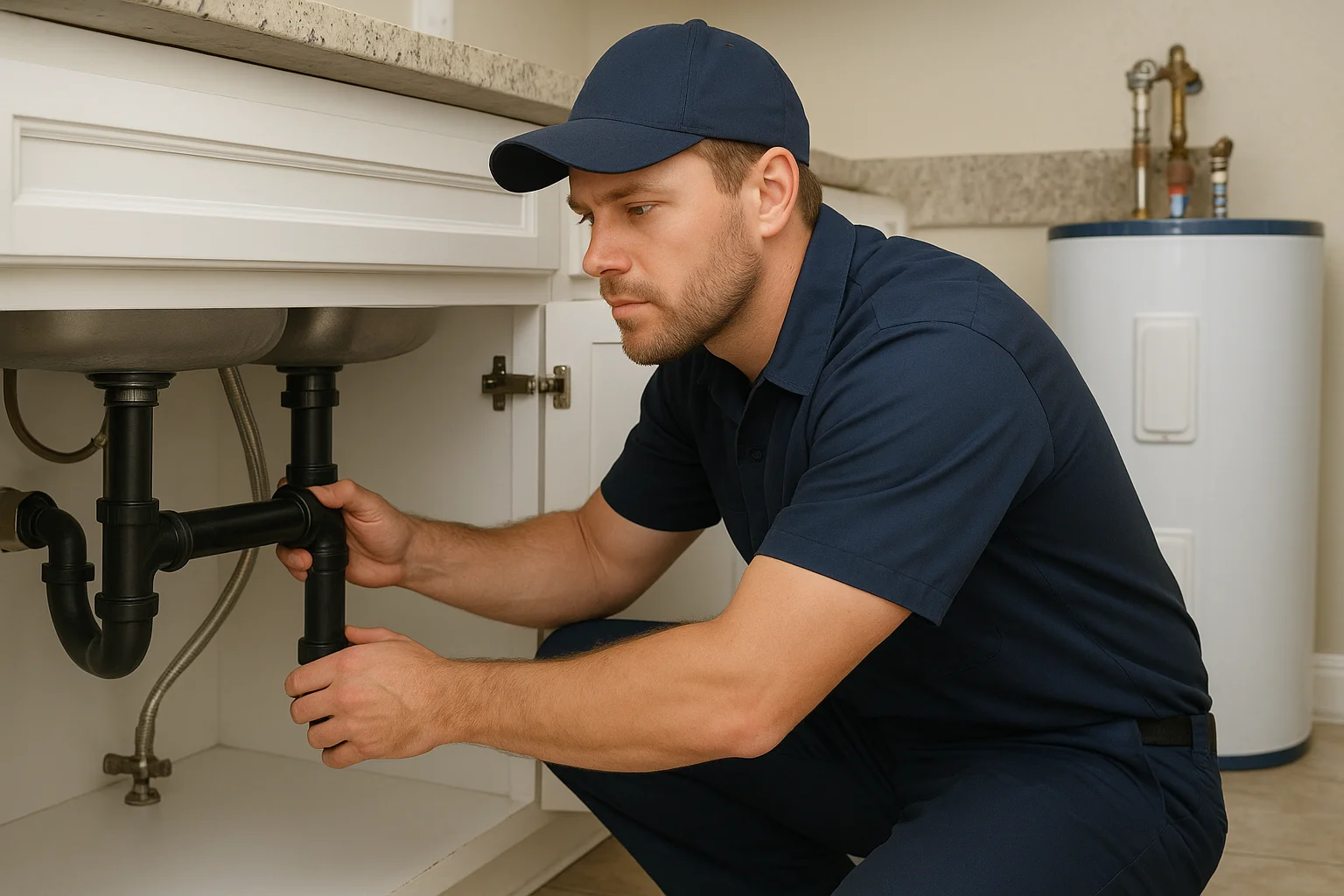
Moisture around sinks, under cabinet toe-kicks, or near a water heater can signal a failing connection, a supply line leak, or a drain line issue. In some homes, slab leak symptoms show up as persistent moisture, warm spots, or recurring water loss.
Likely service: slab leak evaluation, water heater service, and pipe repair. For slab leaks, specialized leak detection is usually required because the repair depends on where the water is traveling under the foundation.
3) The toilet runs, sweats, or “ghost flushes”
A running toilet can waste a surprising amount of water and raise your monthly bill. If you hear intermittent refilling or notice water continuing to trickle after the tank should be quiet, the cause could be a worn flapper, fill valve problems, or a pressure issue.
Likely service: toilet repair, including replacing worn internal parts and checking the fill cycle. If you are searching for “running toilet repair near me,” this is a classic scenario.
4) Water pressure drops when multiple fixtures run
Low or inconsistent water pressure can be caused by sediment buildup, a failing pressure regulator, or a partially blocked pipe. In some cases, it can also point to hidden leaks that reduce pressure in the supply lines.
Likely service: plumbing repair and pipe inspection. A plumber may test pressure, check shutoff valves, and evaluate where flow restrictions begin.
Drain warning signs that can turn into clogs or sewer problems
Drain issues often start with slow drainage, odor, or gurgling. If you ignore these clues, the blockage can grow, and water may back up into sinks, tubs, or even sewer lines.
1) Slow sinks and bathtubs that worsen week to week
Slow drains are a common family complaint. Hair, soap scum, food particles, grease, and mineral scale can build up over time. In homes with hard water, mineral deposits can make clogs form faster.
Likely service: drain cleaning. Depending on the situation, a plumber may use specialized tools or hydro jetting to clear buildup.
If you are looking at hydro jetting, it is often used for stubborn clogs and recurring drainage problems when buildup is deeper in the line.
2) Gurgling sounds from drains
When you drain a sink and hear gurgling, it can indicate trapped air and partial blockages. In some homes, it can also suggest venting issues that prevent proper airflow.
Likely service: drain cleaning and plumbing inspection. Clearing the blockage and checking venting are both important steps.
3) Bad odors that do not match the room
Persistent sewer-like smells around drains can point to a dry trap, a vent problem, or a blockage that is holding wastewater.
Likely service: drain cleaning, vent inspection, and sometimes sewer line help if the odor is coming from deeper lines.
4) Multiple drains backing up at the same time
If a toilet, tub, or sink backs up during the same event, the issue may be in a shared line or the main sewer line. This can become a health and sanitation concern quickly.
Likely service: sewer line repair and sewer line cleaning. For homeowners searching for “sewer line repair near me,” this symptom is a strong reason to call promptly.
If you ever see sewage backing up, treat it as an emergency plumbing concern and avoid flushing or running water until a professional can assess the situation.
Pipe and fixture warning signs that point to repair work
Even when water looks clear, pipe and fixture problems can be brewing. Pay attention to what changes over time.
1) Rust-colored water at faucets
Rusty water can come from pipe corrosion, sediment in supply lines, or issues with the water heater. If it is limited to one faucet, the cause may be localized. If it shows up at multiple fixtures, the source may be broader.
Likely service: pipe repair and water heater service, plus water quality checks when needed. If your household is dealing with hard water, mineral buildup can contribute to sediment-related issues.
2) Leaking faucets, showerheads, or handles that “won’t fully shut off”
A dripping faucet is not just annoying. It can waste water and lead to cabinet moisture, floor damage, or a failing valve.
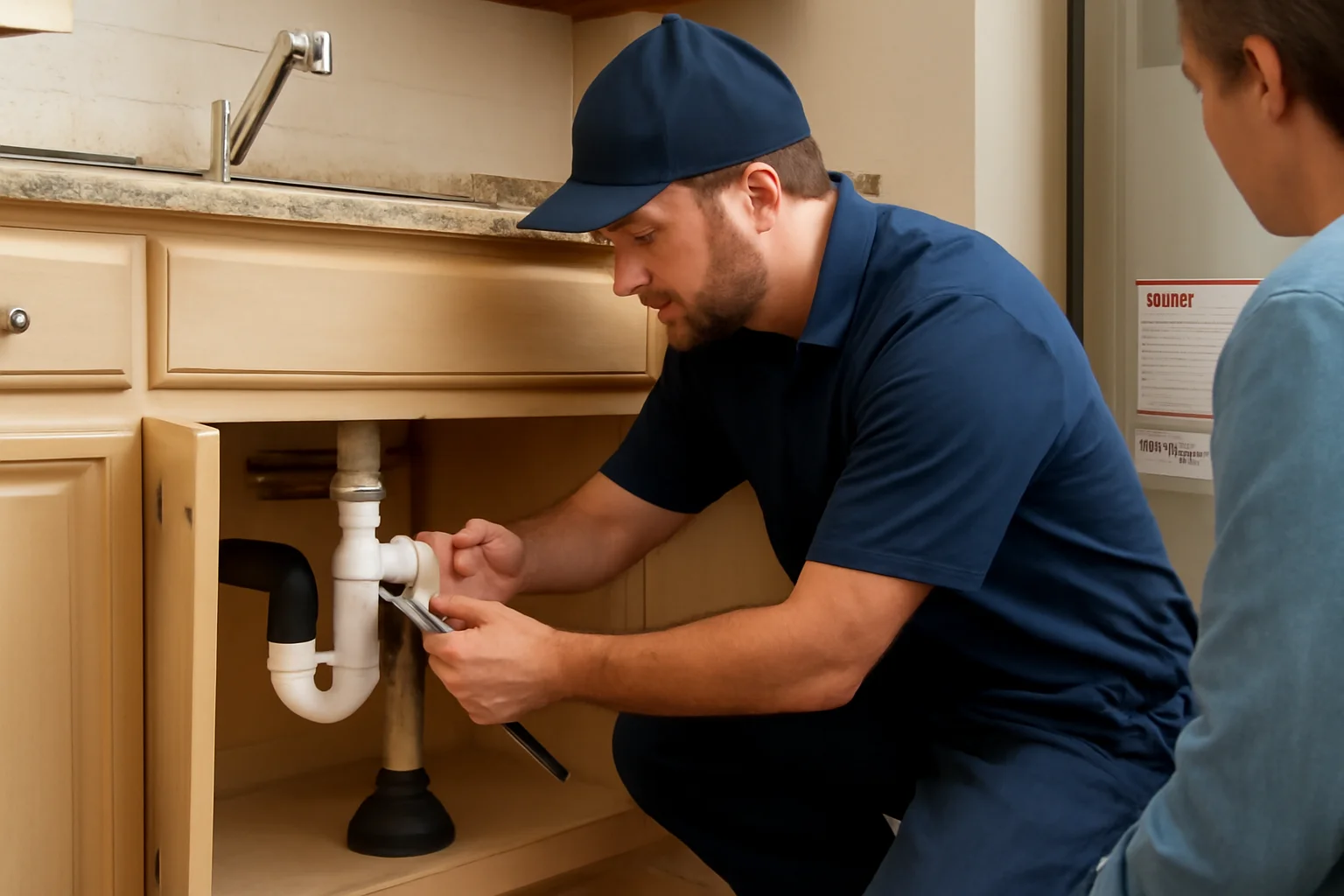
Likely service: faucet repair and fixture replacement if internal parts are worn.
If you are searching for “sink repair near me,” a leaky faucet and failing shutoff valves under the sink are common reasons homeowners need help.
3) Cracks or bulges on visible sections of pipe
Visible damage is a clear indicator. Even if the leak is small right now, it can worsen quickly when water pressure changes or when you run multiple fixtures.
Likely service: pipe repair and testing for related leaks. For cracked lines, a same-day plumber near me search can be appropriate because water damage can escalate fast.
Water heater warning signs families notice first
Hot water issues are often the first plumbing problem that disrupts a family routine. In DeFuniak Springs, where warm showers and quick hot water recovery matter year-round, water heater problems need attention early.
1) Not enough hot water or inconsistent temperature
If your showers are suddenly colder than normal, hot water is running out faster, or the temperature swings, the water heater may be struggling with capacity, heating performance, or sediment buildup.
Likely service: water heater repair and water heater service. Homeowners searching for “water heater repair near me” are usually dealing with this exact symptom.
2) Popping noises or rumbling in the tank
Sounds like popping or rumbling often point to sediment buildup. In hard water conditions, minerals settle in the tank and can reduce heating efficiency.
Likely service: water heater service, which may include flushing and repairs depending on the age and condition of the unit.
3) Rust around the water heater base or a wet floor
Moisture near the tank base can indicate tank failure or a leak in a connection. If you see pooling water, stop using the unit if it is safe to do so and contact a plumber right away.
Likely service: emergency water heater service, leak repair, or hot water heater replacement near me if the tank is failing.
4) Hot water runs out quickly after a vacation or seasonal closure
When a home sits unused, sediment can settle and a first run can reveal performance issues. A thorough check can prevent recurring problems.
Likely service: water heater maintenance and inspection. For families managing vacation rentals, scheduling routine service is often less disruptive than waiting for a failure.
When you should treat a plumbing problem as urgent
Some situations should not wait. If you are weighing “plumbing repair near me” versus holding off, use these emergency plumbing concerns as your guide.
- Active leaks that are spreading water on floors, ceilings, or near electrical outlets
- Water heater leaks or heavy moisture near the tank
- Sewer backups with sewage odor or standing wastewater
- Burst pipe symptoms such as sudden water flow, wet walls, or a rapid drop in water pressure, especially after temperature swings
- Signs of slab leaks such as persistent dampness, warm spots, or recurring water loss
If you suspect a burst pipe repair near me situation, shut off the main water supply if you can do so safely, protect belongings, and call a local plumbing team immediately.
How prevention helps families avoid repeat repairs
Prevention is not about doing more work. It is about catching small problems early, especially in homes that see high water use from laundry, showers, dishwashing, and outdoor routines.
Simple maintenance habits that make a difference
- Watch water use patterns: a sudden spike on your bill can indicate a hidden leak.
- Check under sinks and around water heaters: look for damp spots or mineral residue.
- Use strainers: hair catchers in tubs and sink strainers reduce buildup.
- Test toilets: if the tank refills often or the bowl water changes, address it quickly.
- Flush drains carefully: avoid pouring grease or large food scraps into garbage disposals.
If you want a practical approach, read A Smarter Way to Handle Plumbing Maintenance in DeFuniak Springs for a checklist style plan that fits local schedules.
Drain cleaning schedules for busy households
For families with frequent laundry loads, kids bathing, or heavy kitchen use, drains can accumulate buildup faster. Scheduling periodic cleaning can help prevent slow drains from becoming full clogs and can reduce the chance of sewer line backups.
For homes dealing with recurring blockage, consider hydro jetting as part of a longer-term plan rather than repeatedly clearing the surface.
Water heater maintenance to fight hard water effects
Hard water can accelerate sediment buildup, which affects heating efficiency and can shorten water heater life. Maintenance such as inspections and flushing can help keep hot water recovery steady.
Explore Water Heater Maintenance for service options that match your household and usage patterns.
If your home’s water quality is a concern, pairing plumbing care with cleaner water support can help. See Clean Water Services and related guidance in Cleaner Water Starts With Better Plumbing Care in DeFuniak Springs.
Choosing the right plumber for DeFuniak Springs families
When you search for local plumber near me, you are looking for more than someone who can turn off a leak. You want a team that can identify the cause, not just stop the symptom.
A dependable plumbing repair process usually includes:
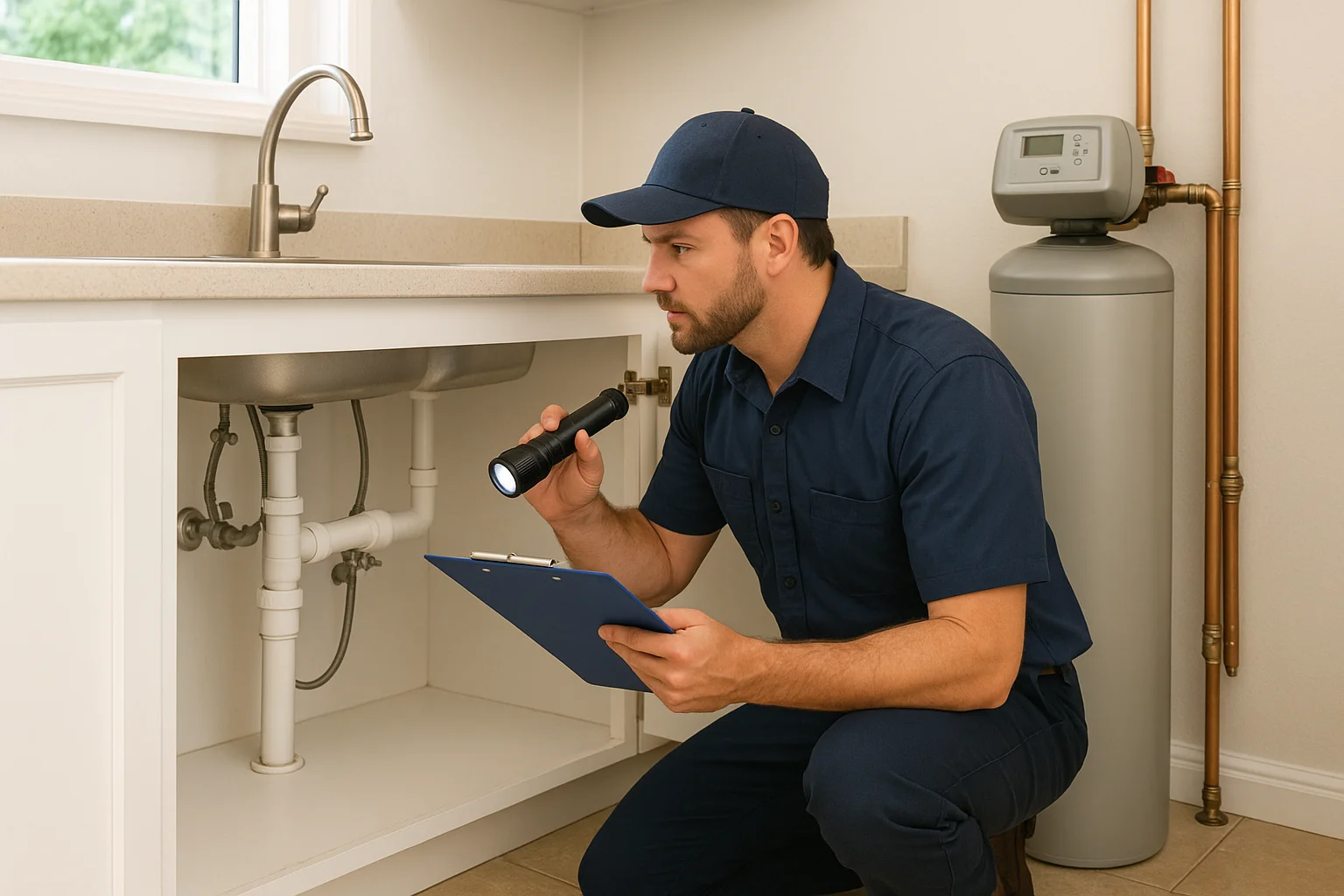
- Inspection and diagnostic checks to locate the source of leaks or blockages
- Clear explanations of what is happening in your drains, pipes, sewer lines, and fixtures
- Repair recommendations that match the condition of the system and your home’s needs
- Options for prevention so you do not repeat the same repair cycle
For families comparing service areas, it helps to understand the broader Walton County context too. Service coverage and local experience can vary by neighborhood and building style, so it is useful to review /service-areas/walton-county.
Where plumbing warning signs show up most in DeFuniak Springs homes
Different parts of the home highlight different plumbing problems. Here are common locations homeowners in DeFuniak Springs notice:
- Kitchens: dripping faucets, slow sink drains, grease buildup, and disposal-related clogs
- Bathrooms: running toilets, faucet leaks, tub drain backups, and venting issues
- Laundry areas: slow standpipe drainage, supply line leaks, and pressure fluctuations
- Water heater locations: leaks at the base, inconsistent hot water, and sediment sounds
- Outside drainage and sewer access points: odors, slow main drains, and signs of sewer line trouble
If you are dealing with repeated fixture problems, it can also help to plan upgrades thoughtfully. For guidance on replacements that fit local plumbing realities, see Making Smarter Choices About Plumbing Fixture Replacement in DeFuniak Springs, FL.
Connecting the dots: what a plumber may do next
Once you call, the next steps depend on what you observed. Here is how warning signs often translate into diagnosis and repair:
- Slow drains and gurgling: drain cleaning, inspection for blockages, and sometimes vent system checks
- Water stains and damp cabinets: leak repair, pipe repair, and verification of supply line connections
- Toilet running or weak flush: toilet repair and internal part replacement
- Rusty water or sediment smells: water heater service, pipe inspection, and potential water quality support
- Multiple fixtures backing up: sewer line help including cleaning and repair planning
- Hot water inconsistency: water heater repair near you and maintenance recommendations to reduce recurrence
If you want to schedule service, start with the dedicated plumbing services page for DeFuniak Springs: Plumbing Services in DeFuniak Springs, FL. It is the quickest way to match your symptoms to the right plumbing repair options.
Find Plumbing Services in DeFuniak Springs, FL
If you need Plumbing Services in DeFuniak Springs, FL, visit our local service page or contact A Superior Mechanical today.
Map of DeFuniak Springs, FL
Frequently Asked Questions
How can I tell if a leak is coming from a pipe versus a fixture in my DeFuniak Springs home?
Start by checking where moisture first appears. Leaks from supply lines often show up around valves, under sinks, or near the water heater. Leaks from fixtures usually stay close to the faucet base, shower valve, or toilet connections. A plumber can confirm the source by inspecting connections and testing water pressure and flow. If you notice spreading stains, shut off the water to the area if possible and call for leak repair.
What drain warning signs mean I should avoid DIY plunging and call a pro?
If multiple drains back up at once, you see sewage odors, or water rises instead of draining, the blockage may be deeper in the line or related to sewer piping. Those cases often require professional drain cleaning and sometimes sewer line help. In urgent situations, treat it as an emergency plumbing concern.
Why does my toilet keep running even after I replace the flapper?
If the toilet still runs after a flapper replacement, the issue may be the fill valve, float adjustment, water pressure, or a tank or bowl sealing problem. A local plumber can check the fill cycle and diagnose whether the running toilet repair needs internal part changes or a pressure-related fix.
Can hard water cause plumbing problems beyond scale in faucets?
Yes. Hard water can increase mineral buildup inside pipes, reduce water heater efficiency, and contribute to recurring clogs. It can also affect how quickly drains slow down and how often maintenance is needed. A plumber can recommend water heater service and drain cleaning strategies that fit your household’s water conditions.
When should I consider water heater replacement instead of repair?
If your water heater has frequent leaks, inconsistent hot water after repairs, heavy sediment sounds, or it is nearing the end of its service life, replacement may be the most reliable option. A plumber can evaluate the tank condition, check for leaks, and discuss whether water heater repair near you or hot water heater replacement near me makes the most sense for your home.
Related Articles
Photo Gallery