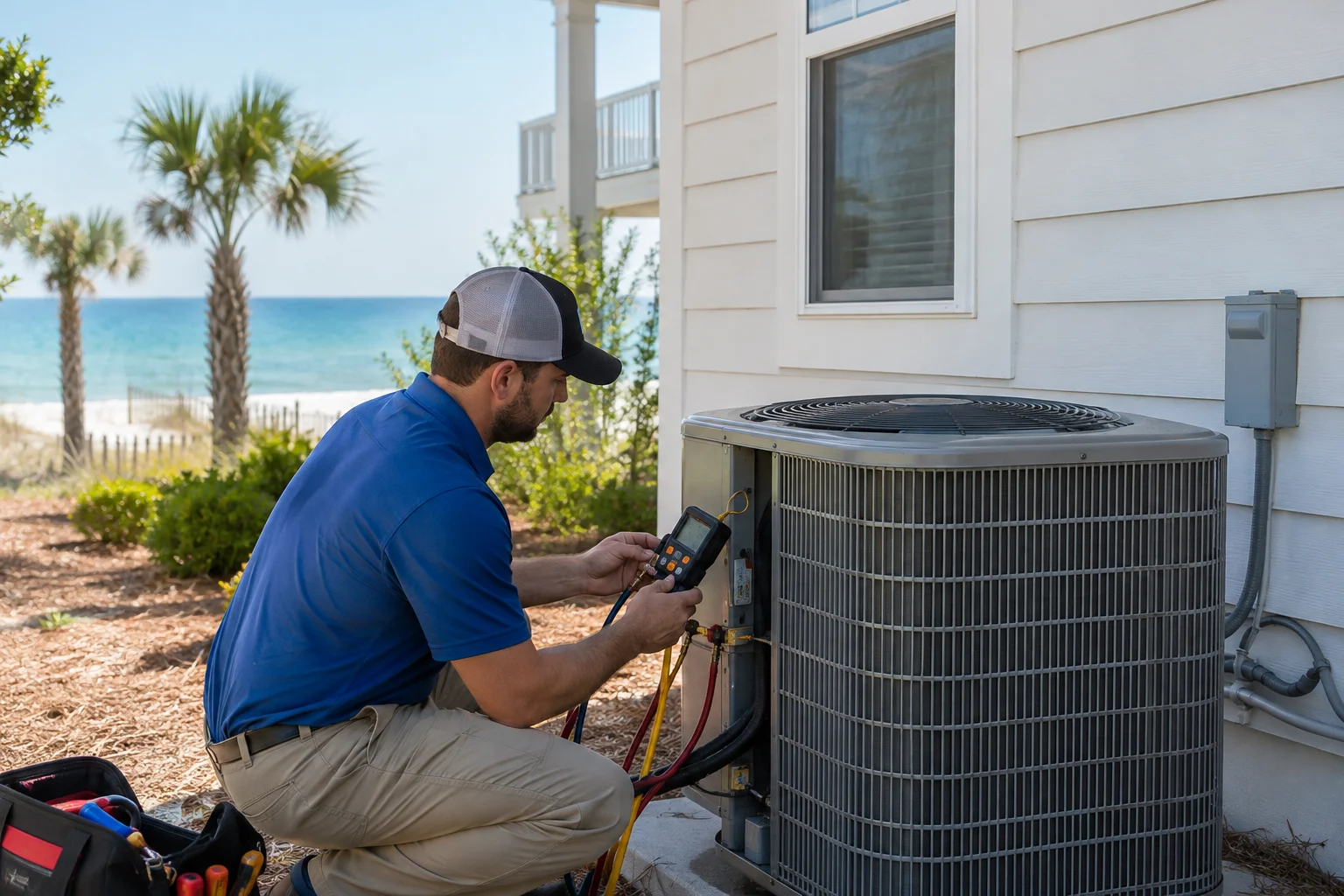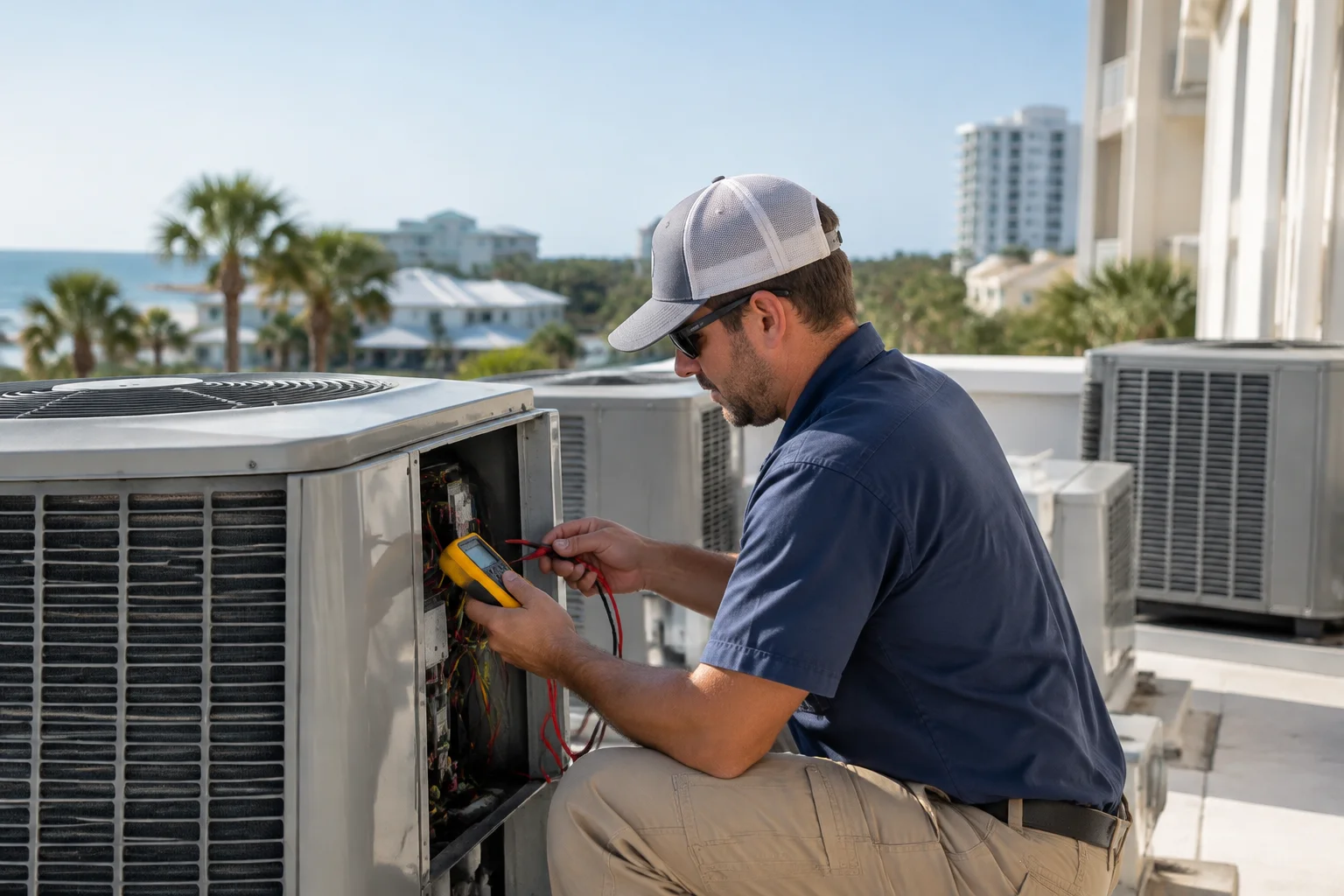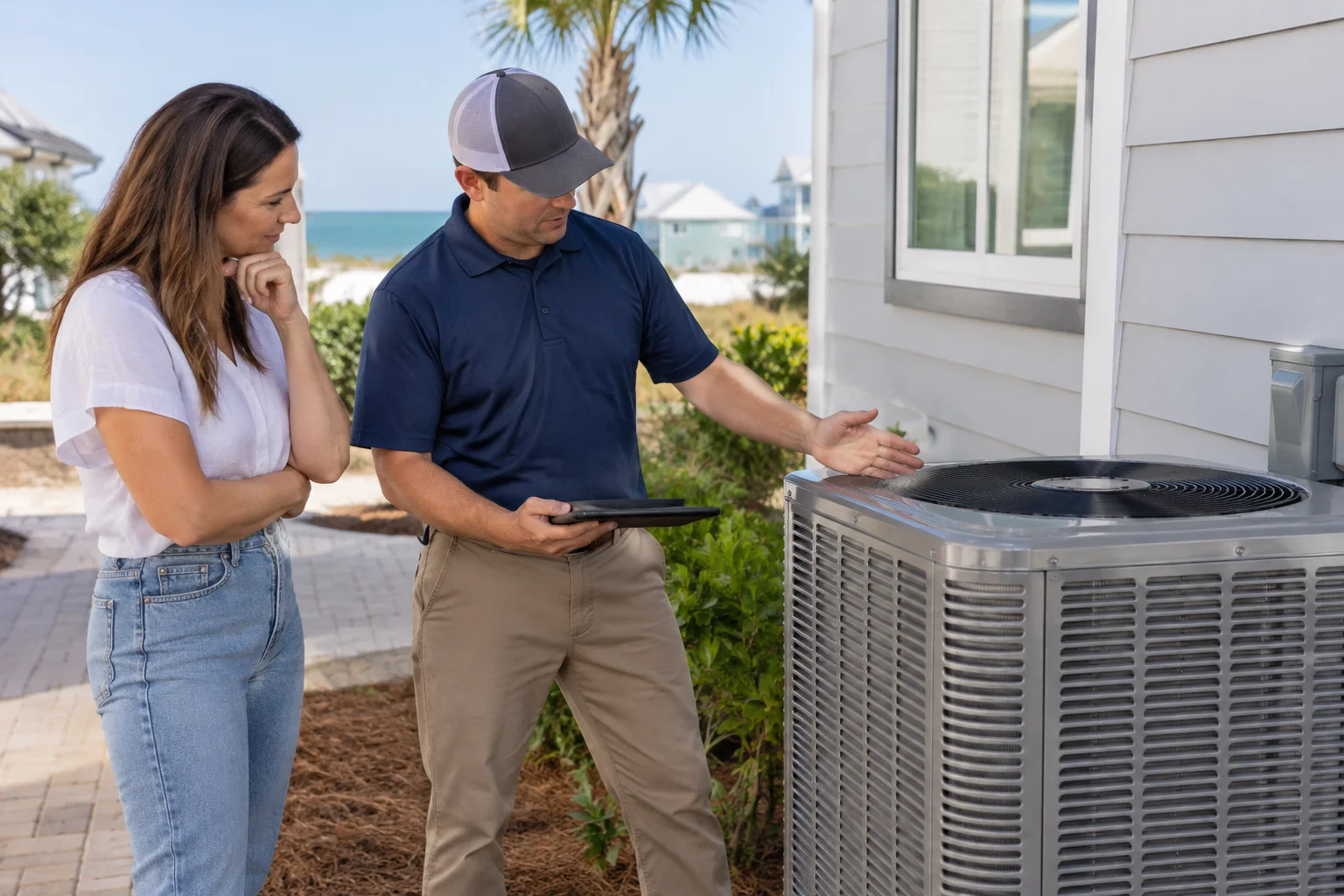
Lower Grand Lagoon, FL has a coastal feel, warm weather most of the year, and humidity that never really takes a break. Even when your home is running mainly on cooling, your heating system is still working behind the scenes. A well maintained heating setup helps keep indoor comfort stable, supports better airflow, and can reduce the chances of a costly breakdown when you need heat most.
This guide focuses on heating services in Lower Grand Lagoon, FL and the HVAC habits that support smarter maintenance. If you are searching for an HVAC company near me because your system is acting up, you will also find clear signs, likely causes, and the right next steps.
Why heating maintenance matters in a coastal Bay County climate
Even in Florida, heating season can arrive quickly. Short cooler snaps in the fall and winter are enough to reveal weaknesses in thermostats, airflow, ductwork, and refrigerant systems. In Lower Grand Lagoon specifically, salt air and coastal moisture can add stress to HVAC components over time.
Heating systems also interact with the same parts you rely on for comfort all year: indoor airflow paths, condensate drainage, filters, return air paths, and the thermostat controls. When those pieces are neglected, performance suffers and energy use can rise as your system compensates.
Humidity and airflow affect both comfort and system health
Florida humidity can show up as lingering dampness, uneven temperatures, or stale air. While humidity is often associated with air conditioning, it also impacts heating performance because airflow and heat exchange depend on clean components and properly balanced ductwork.
When airflow is restricted, your system may run longer, create temperature swings, and place extra strain on moving parts. Over time, that can lead to more frequent repairs and higher operating costs.
Start with the thermostat: small changes, big impact
Your thermostat is the control center for your comfort. If it is inaccurate, poorly placed, or malfunctioning, your system may cycle too often or run when it should not. That can increase energy use and wear on the system.
Thermostat issues homeowners often notice
Short cycling: The system turns on and off quickly.
Temperature mismatch: The thermostat reads one thing while rooms feel noticeably different.
Frequent “system on” behavior: Heating runs longer than expected even when the home feels comfortable.
Unresponsive controls: Delays in response or settings that do not hold.
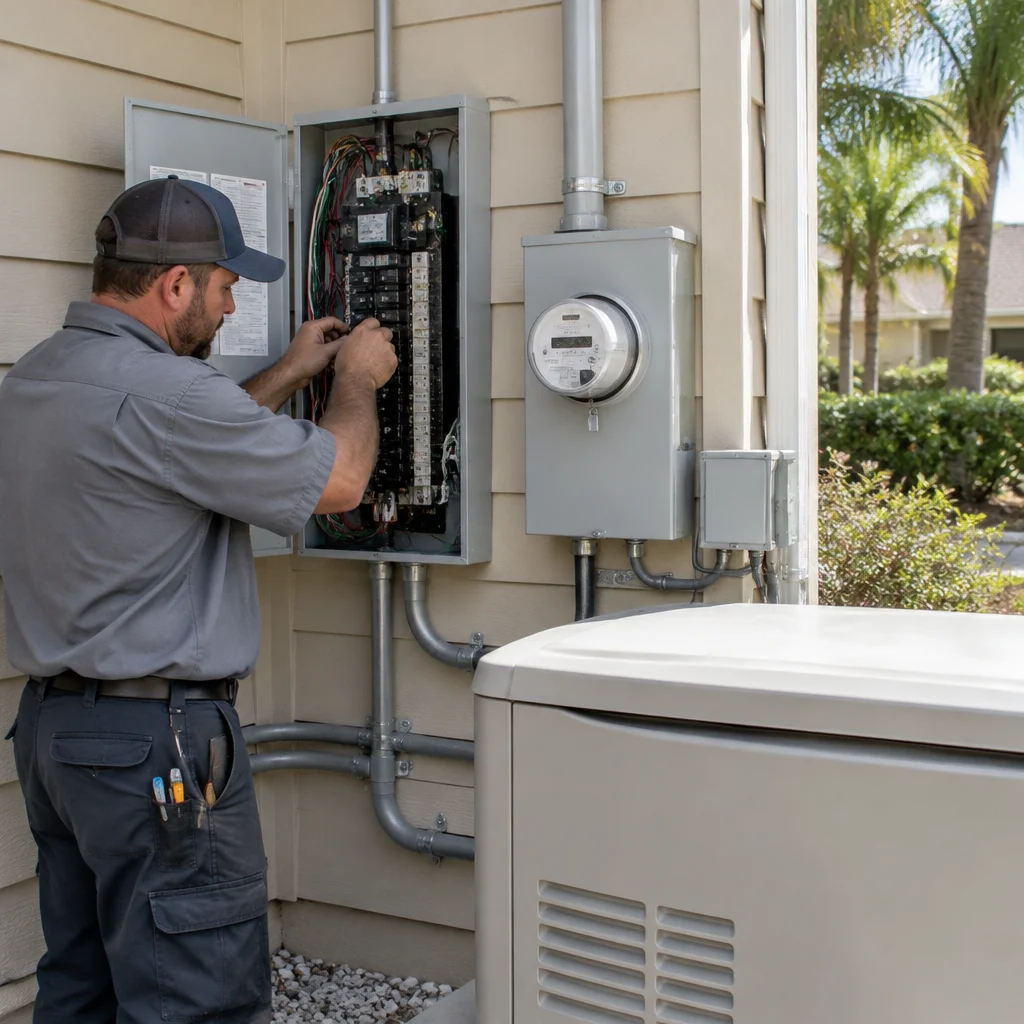
Before assuming a thermostat is the problem, confirm it is receiving stable power and is mounted away from direct sunlight, supply vents, and drafts. If the behavior continues, book an air conditioning inspection near me or HVAC repair near me style visit that includes heating system checks as well. A Superior Mechanical can help evaluate how your controls and heating operation are working together.
Airflow and ductwork: the most common “hidden” heating problem
Homeowners often focus on the thermostat or the outdoor unit, but heating comfort is frequently limited by airflow. In Lower Grand Lagoon homes, ductwork can be impacted by age, installation details, and seasonal airflow demands. Even small leaks or poor sealing can reduce airflow and cause uneven heating.
What to watch for
Cold spots near vents: Some rooms feel fine while others stay chilly.
Weak airflow: Vents blow air that feels lighter than usual.
Dust buildup: More dust around registers or on return grilles.
Noise during heating: Whistling or rattling tied to airflow restrictions.
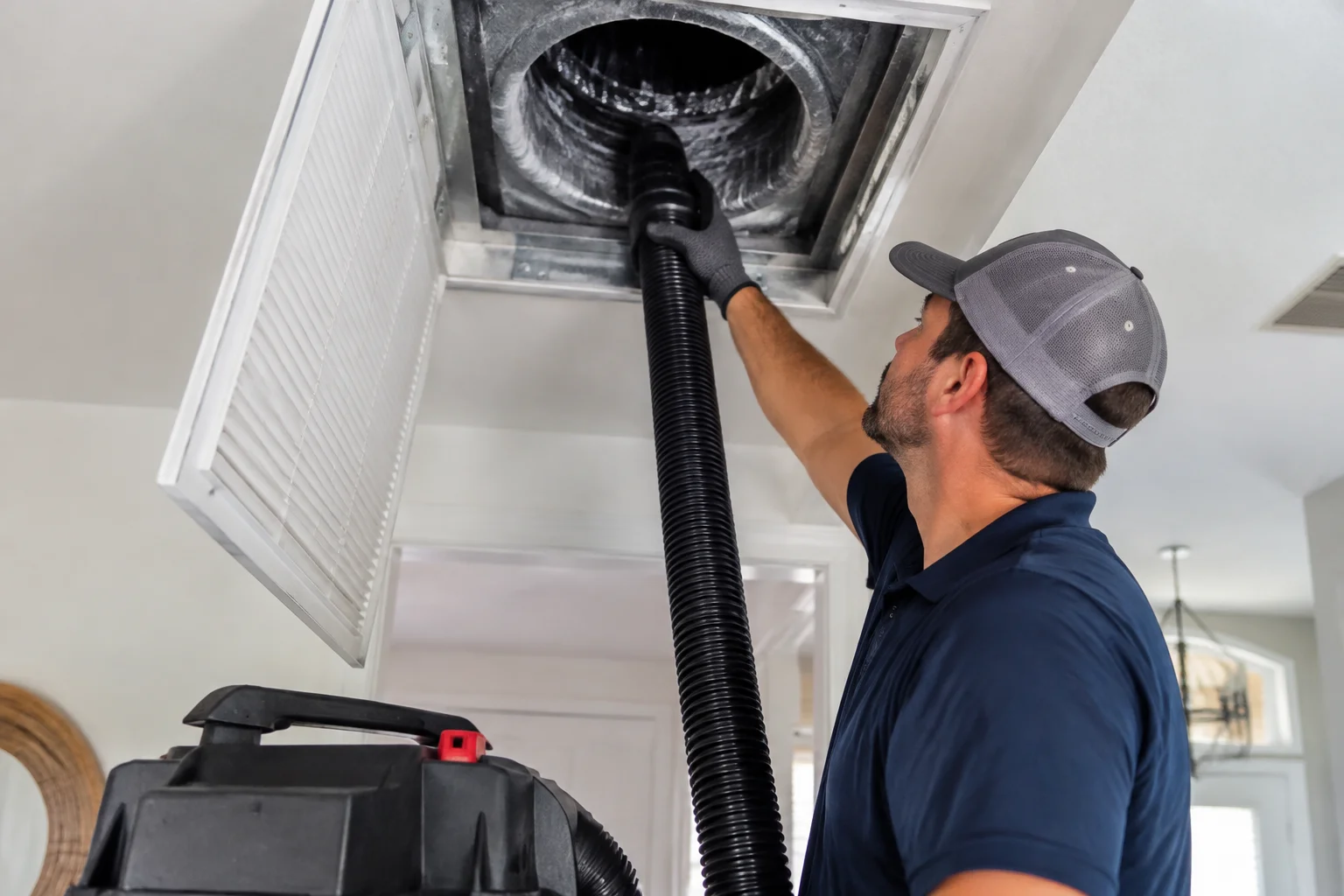
If you suspect duct issues, consider pairing heating service with ductwork evaluation. Many homeowners start with a search like duct repair near me when they notice persistent airflow problems. Duct sealing and airflow improvements can also support indoor air quality by reducing unfiltered air movement.
If duct sealing is on your mind, you may find it helpful to read How Lower Grand Lagoon Homes Stay Comfortable with Better Duct Sealing and Aeroseal.
Condensate drainage: a comfort issue that can become a reliability issue
Even though condensate drainage is often discussed with air conditioning, it is tied to overall HVAC operation. When moisture management is off, you can see symptoms like water around indoor equipment, musty odors, or recurring shutdown behaviors.
Condensate drainage signs
Water near the furnace or air handler: Puddles or dampness.
Gurgling sounds: Often linked to drainage restrictions.
Frequent “safety” shutoffs: Some systems protect themselves when drainage is blocked.
Musty indoor air: Sometimes linked to trapped moisture.
Condensate drainage problems can be caused by clogged lines, poor slope, or blocked drain pans. Because these issues can affect both cooling and heating performance, it is smart to include drainage checks in your preventive HVAC maintenance plan.
Refrigerant systems and heating performance: why “DIY guessing” is risky
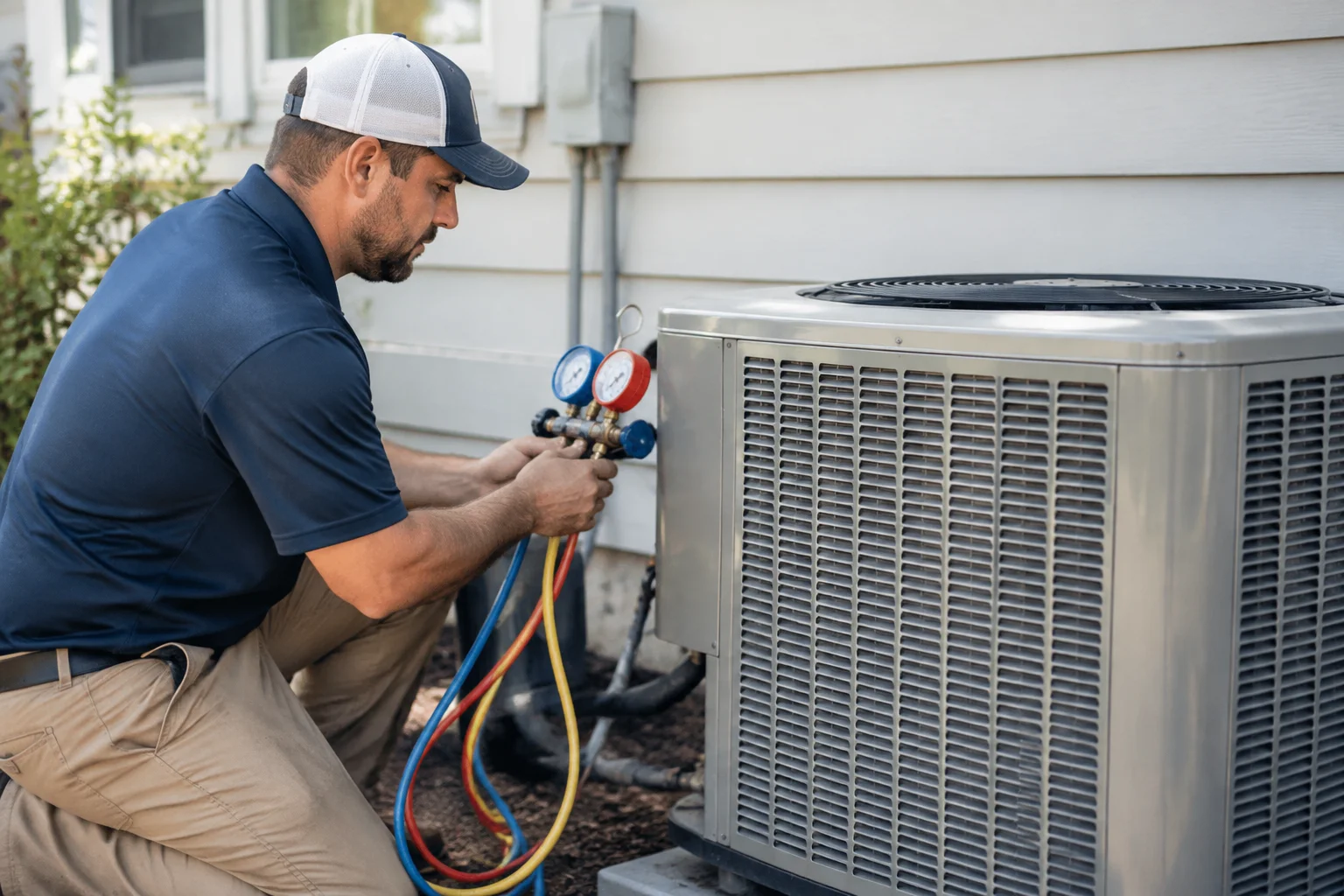
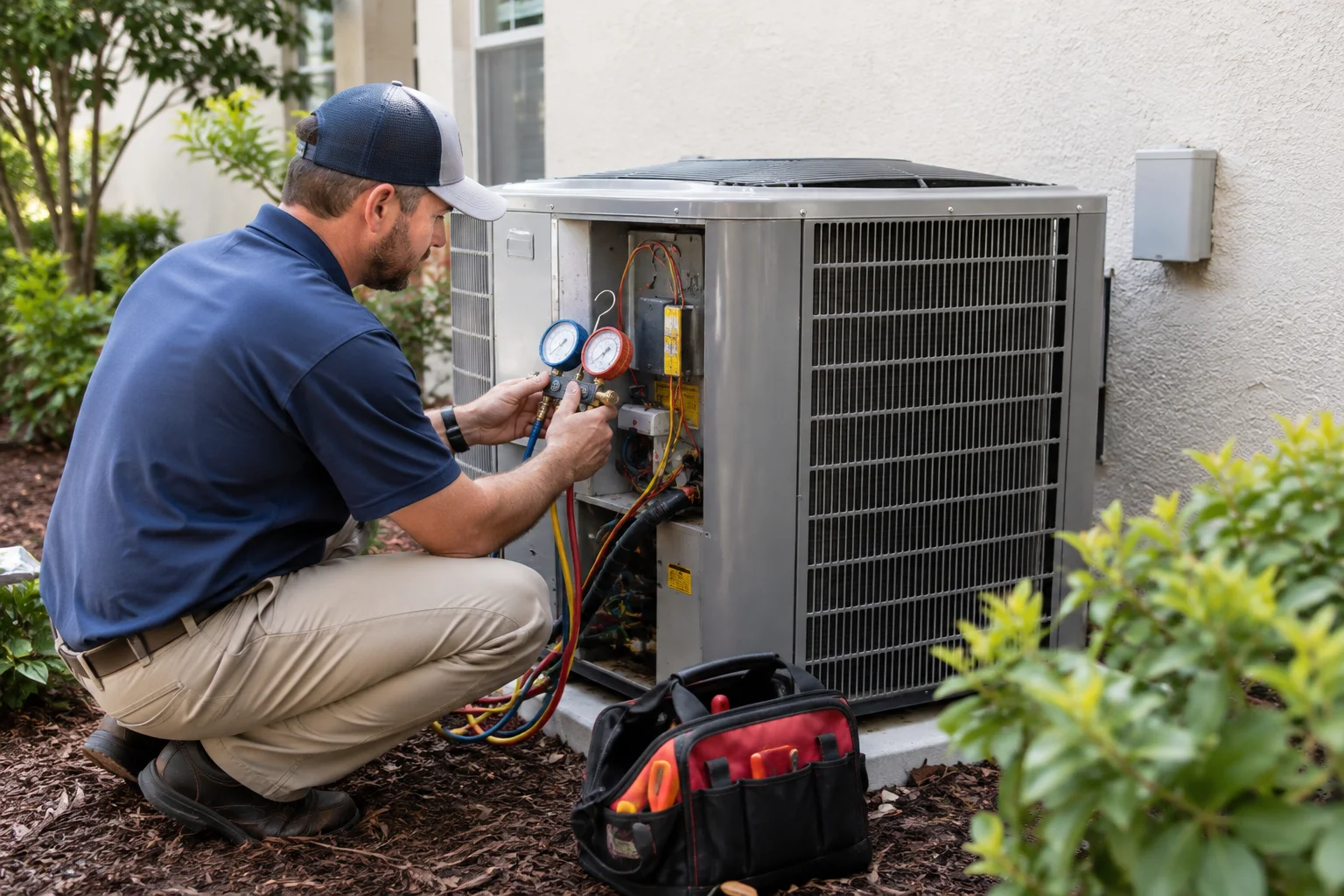
Many Florida homes use heat pumps or systems that rely on refrigerant systems for heating. Refrigerant performance affects heat output, cycling behavior, and overall efficiency. However, refrigerant problems are not always obvious to homeowners, and it is not appropriate to try diagnosing or refilling refrigerant without professional equipment and an in-person evaluation.
If your heating output feels weak, the system runs much longer than expected, or you notice unusual operation patterns, a professional evaluation is the right step. A technician can check system performance and determine whether the issue is related to refrigerant systems, airflow, control settings, or another component.
For homeowners searching for heat pump repair near me or heat pump installation near me, the key is to choose a contractor who troubleshoots the full system rather than focusing on a single part.
Indoor air quality: heating service is also comfort service
Heating season is often when people notice air quality issues because windows stay closed and air circulation patterns change. Indoor air quality is influenced by filtration, airflow, duct condition, and how air moves through the home.
Practical indoor air quality steps you can control
Change filters on schedule: Use the filter type your system supports and replace it before it becomes restrictive.
Check for blocked return paths: Furniture, rugs, and storage can restrict return airflow.
Keep vents clear: Avoid covering registers with décor or rugs.
Notice odors and dust: Musty smells or sudden dust increases can indicate airflow or moisture issues.
If you are looking for indoor air quality services near me, ask your HVAC provider how your heating airflow supports filtration and humidity control. Good heating service should consider the full comfort picture, not just whether heat turns on.
Preventive HVAC maintenance that actually helps homeowners
Preventive HVAC maintenance is where you can save money by avoiding avoidable breakdowns and reducing the likelihood of repeated repairs. The goal is to catch issues early: airflow restrictions, thermostat problems, condensate drainage concerns, and wear on components that show up gradually.
A practical maintenance checklist homeowners can discuss with their technician
Airflow assessment: Confirm supply and return airflow are functioning as expected.
Thermostat and control verification: Ensure the system responds correctly to settings.
Filter and intake checks: Confirm correct filter setup and airflow pathways.
Condensate drainage inspection: Check for clogs, proper drainage, and safe operation.
Coil and component cleaning as needed: Coastal humidity and dust can affect performance.
System performance evaluation: Review heating operation patterns and comfort results.
When you schedule an AC tune up near me or a heating-focused visit, make sure the technician addresses how the system performs under heating conditions too. In Florida, systems that handle both modes can benefit from the same thorough approach.
Common Lower Grand Lagoon heating issues and what they can mean
Homeowners in Bay County often run into predictable problems. Coastal air, humidity, and long seasons of heavy cooling can contribute to wear. Here are symptoms that typically lead to professional troubleshooting.
Uneven heating across rooms
Possible causes include ductwork limitations, airflow imbalance, blocked returns, or thermostat placement. A professional evaluation helps determine whether the issue is airflow, duct sealing, or control behavior.
Heating runs but does not feel strong
Weak heat can be caused by airflow restrictions, dirty components, or problems related to refrigerant systems in heat pump setups. Because refrigerant and system performance are not safe for guesswork, plan for an in-person assessment.
Short cycling or frequent on off behavior
Short cycling may relate to thermostat behavior, airflow constraints, or system protection features. The correct fix depends on what the system is sensing and how air is moving.
Strange noises during heating
Rattling, squealing, or banging can indicate airflow issues, loose components, or fan problems. Noise is a sign to investigate rather than ignore.
Bad smells or musty odors
Odors can come from dust on heating components, trapped moisture, or drainage problems. Indoor air quality and comfort both suffer when odors persist.
Emergency cooling concerns: why heating service planning still matters
Florida weather can swing quickly. Even if you are thinking about heating services, it helps to keep emergency comfort concerns in mind. When HVAC performance is unstable, the system may struggle during hot, humid stretches, especially if airflow is restricted or components are already worn.
If you ever experience a sudden loss of cooling comfort, do not wait for the next scheduled maintenance. A technician can evaluate the system and help prevent a bigger failure from developing.
If you also manage a rental property or commercial space, consider how quickly occupants need comfort restored. For additional context on how HVAC needs differ by building type, you can review Commercial HVAC Services.
System replacement planning: what to consider before you decide
Many homeowners start with repairs, but there comes a point where system replacement may be the smarter long-term move. Replacement decisions should be based on the system’s overall condition, performance history, and how well it matches your home’s airflow and comfort needs.
Because heat pumps, furnaces, and related components vary by home, it is not appropriate to assume replacement is needed based on a single symptom. A Superior Mechanical can evaluate system performance, comfort outcomes, and how your ductwork and indoor air quality needs are being met. That evaluation is the foundation for any recommendation.
If you are comparing options for heat pumps, you can also explore Heat Pump Services. For homes that need cooling support alongside heating, Air Conditioning Services can help you plan maintenance for both seasons.
How to choose a local contractor for Lower Grand Lagoon heating services
When you are searching for HVAC service near me or residential HVAC service near me, look for a contractor who takes a system view. Heating comfort depends on airflow, controls, condensate drainage, and how refrigerant systems perform in heat pump setups.
Good questions to ask during the first call or visit include:
Will you check airflow and ductwork impacts, not just the thermostat?
How do you evaluate condensate drainage and moisture-related concerns?
Do you focus on heating performance during a heating service visit?
How will you explain the cause and the recommended repair steps based on what you find in person?
For a Lower Grand Lagoon homeowner, working with a local team also matters because they understand coastal humidity, salt air exposure, and the kind of comfort complaints that show up in Bay County homes.
Link your maintenance plan to your actual home needs
Not every home needs the same approach. Vacation rentals often have different usage patterns than primary residences. Homes with older ductwork may need more attention to airflow and duct sealing. Homes with humidity complaints may benefit from a more coordinated look at indoor air quality and moisture management.
If you want a starting point, browse the service area overview on our Lower Grand Lagoon HVAC service page and the dedicated heating page at /service-areas/bay-county/lower-grand-lagoon/heating-services-lglbc. You can also check how duct sealing and airflow improvements support comfort in this related article.
If you are managing multiple systems, consider how cooling and heating service should work together. For households exploring room-by-room solutions, Ductless Mini-Split Services may be relevant to your comfort goals.
Regular attention to heating services is not just about getting heat on demand. It is about protecting airflow, managing humidity, supporting indoor air quality, and keeping energy use under control while your system handles Lower Grand Lagoon’s coastal climate.
Find Heating Services in Lower Grand Lagoon, FL
If you need Heating Services in Lower Grand Lagoon, FL, visit our local service page or contact A Superior Mechanical today.
Map of Lower Grand Lagoon, FL
Frequently Asked Questions
How can I tell if my heating problem is actually an airflow issue?
If some rooms stay cold, vents feel weak, or you notice dust buildup around registers, airflow and ductwork are common contributors. A professional heating inspection can check how air is moving through your system and whether duct sealing or airflow adjustments are needed.
What should I do if my system smells musty when running heat?
Musty odors can be linked to trapped moisture, drainage issues, or dust on components. Avoid running the system repeatedly and schedule an in-person evaluation so the technician can inspect condensate drainage, airflow paths, and indoor air quality factors.
Can I add refrigerant myself if my heat pump seems weak?
No. Refrigerant issues require safe, in-person diagnostics and appropriate tools. Low refrigerant can be caused by factors that need professional troubleshooting, and incorrect handling is risky for both the system and your home.
How often should I schedule preventive HVAC maintenance in Lower Grand Lagoon?
A seasonal plan that includes heating performance checks and airflow, filtration, and condensate drainage inspection is a practical approach. Your exact schedule depends on system type, usage patterns, and how your home responds to humidity and airflow.
When should I contact a local HVAC contractor instead of waiting?
Contact a professional if you have short cycling, persistent weak heat, unusual noises, recurring safety shutoffs, water around indoor equipment, or ongoing indoor air quality concerns. Catching issues early helps prevent bigger failures and repeated repairs.
Related Articles
- A Local Homeowner’s Guide to HVAC Financing in Lower Grand Lagoon, FL: Comfort, Airflow, Humidity, and Prevention
- How Lower Grand Lagoon Homes Stay Comfortable with Better Duct Sealing and Aeroseal
- Why Heating Services Matter More Than Most Parker Homeowners Realize
- Smart HVAC Planning for Rosemary Beach Homes: Comfort, Airflow, and Coastal Protection
Photo Gallery