Freeport, FL feels different from much of the country. Even when the sun goes down, the air can stay warm and heavy with humidity. In many homes, that combination creates a cycle of comfort complaints that do not always point to the obvious problem. Homeowners may notice uneven cooling, damp smells, sticky indoor air, or frequent calls for AC repair, even though the system is “running.”
Geothermal HVAC systems can be a strong match for Walton County conditions because they are designed around stable ground temperatures and efficient refrigerant operation. Still, the performance you get depends on details that many homeowners overlook, especially airflow, ductwork, condensate drainage, thermostat settings, and indoor air quality.
If you are considering geothermal HVAC or troubleshooting comfort issues with a heat pump system, this guide will help you understand what matters most in Freeport homes, what to watch for, and when to involve a local professional like A Superior Mechanical.
Why Freeport humidity changes how HVAC should be designed
Florida humidity is not just uncomfortable. It affects how your home’s HVAC system removes moisture from the air and how your ductwork and indoor surfaces behave when temperatures swing. In Freeport, salt air and coastal weather can also increase corrosion risk on outdoor components and can accelerate wear on parts that are exposed to moisture.
Traditional cooling approaches can struggle when the system short-cycles or when airflow is restricted. When that happens, the equipment may cool the air temperature but not remove enough moisture. The result is a home that feels clammy, with condensation risk and a higher chance of musty odors.
Geothermal HVAC systems are built to run efficiently, but they still need the right airflow, refrigerant system balance, and drainage management to handle humidity. That is where many homeowners miss key factors during installation, maintenance, or troubleshooting.
How geothermal HVAC manages comfort beyond “just cooling”
Geothermal systems use a ground-source heat pump. Instead of relying on outdoor air temperature, the system exchanges heat with the ground, which helps stabilize heating and cooling performance across seasons. In Freeport, that stability can support consistent comfort and reduce swings that contribute to uneven humidity control.
But humidity management is not automatic. Your indoor unit, refrigerant system operation, thermostat control strategy, and condensate drainage all work together. If any link is weak, you may see symptoms that look like “AC problems” even when the system is technically operating.
Refrigerant systems and moisture control
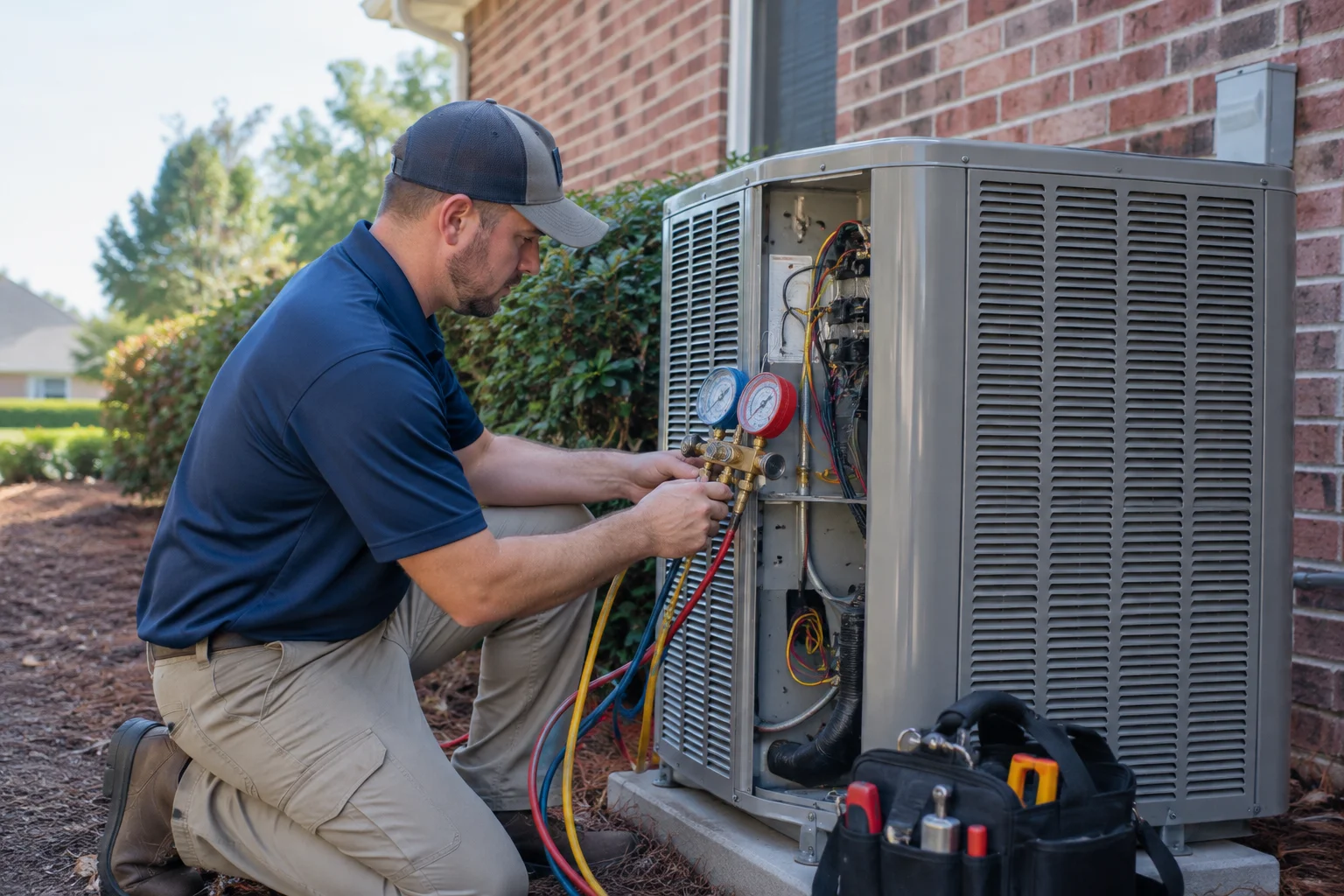
In a properly operating heat pump system, refrigerant conditions support both temperature control and dehumidification during cooling. If refrigerant-related issues exist, they may show up as reduced cooling capacity, cycling patterns that do not match the load, or poor humidity removal. A professional must evaluate the system in person before concluding anything about refrigerant.
Condensate drainage matters more in humid climates
During cooling, indoor coils can produce condensate. That condensate must drain correctly through the system’s condensate drainage path. If the drain line is partially blocked, the trap is not functioning, or the slope is wrong, water can back up. Homeowners may notice water on floors, damp drywall, or a musty smell that returns after the system runs.
Because Freeport homes often deal with sustained humidity, condensate drainage is a frequent overlooked factor in comfort complaints. It also ties into indoor air quality, since moisture can support microbial growth if it persists.
The most common geothermal HVAC issues Freeport homeowners overlook
Not all comfort problems come from the geothermal unit itself. Many are related to airflow, ductwork, controls, and maintenance habits. Below are issues that show up often in humid environments like Freeport.
Airflow problems that create “cool but clammy” conditions
When airflow is restricted, the system may not pull heat and moisture out of the air effectively. Filters that are too restrictive, supply or return vents blocked by furniture, dirty coils, or ductwork leaks can all reduce airflow. Even a small reduction can change humidity removal performance, especially during the hottest, muggiest stretches.
Homeowners sometimes interpret the symptom as “the AC is weak,” but the root cause may be airflow or duct leakage rather than the geothermal heat pump itself. That is why HVAC maintenance near me searches often lead to the right first step: checking airflow and system cleanliness.
Ductwork design and sealing gaps
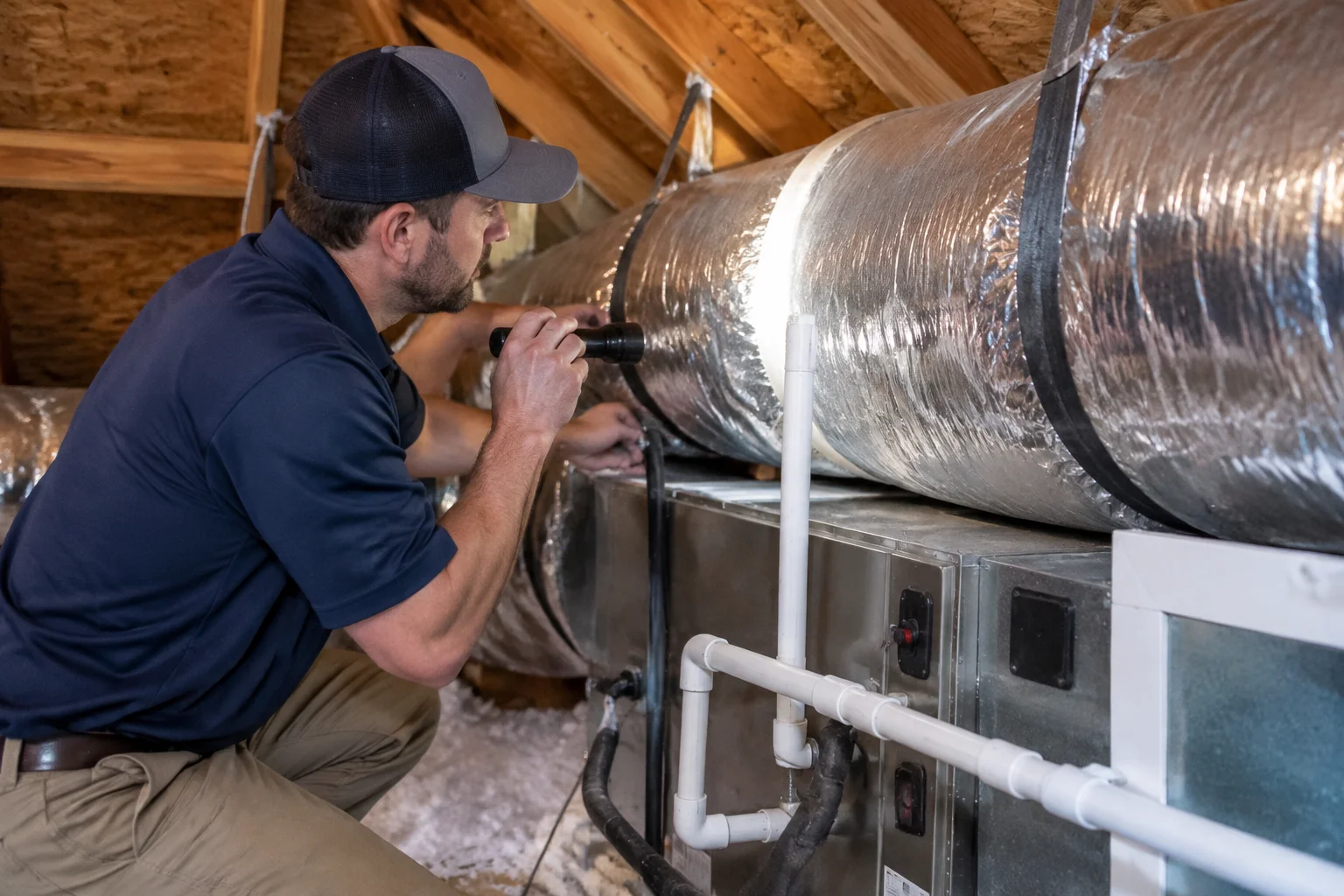
Ductwork is where comfort gets won or lost. In many homes, duct leaks pull in unconditioned air from attics, crawl spaces, or wall cavities. In Freeport’s humid climate, that can add moisture back into the supply air stream, undermining dehumidification.
If your home has rooms that stay warmer and more humid than others, duct balancing and duct sealing can be part of the solution. If you suspect ductwork issues, services like duct inspection and duct replacement may be relevant depending on the condition of the system.
Thermostat settings that fight the system
Thermostats are not just temperature controls. Many models also influence fan operation, staging behavior, and humidity-related comfort modes. In humid climates, running the fan continuously or setting expectations that the system will maintain one temperature without addressing moisture can lead to poor perceived comfort.
Homeowners sometimes replace a thermostat without checking whether the HVAC system supports the selected control strategy. Others inherit settings from prior owners. A local HVAC company can review thermostat behavior and how it matches the home’s comfort needs, without guessing.
Blocked or mismanaged condensate drainage
Even when the system cools, a slow drain can cause intermittent problems. You may notice condensation around the indoor unit, water stains near closets, or recurring musty odors. Sometimes the problem appears only during heavy humidity periods.
Because condensate drainage interacts with airflow and indoor air quality, it is worth addressing early. A professional can inspect the drainage path and verify that condensate is moving as intended.
Salt air and moisture exposure on components
Freeport’s coastal environment can increase corrosion risk. That can affect system reliability and airflow components over time. While geothermal systems are not the same as traditional outdoor-air-only AC setups, parts are still exposed to moisture and humidity. Preventive HVAC maintenance helps reduce the chance that corrosion-related wear becomes a comfort issue.
Signs your geothermal HVAC system is struggling in Freeport
Use these as prompts to investigate. Some problems require immediate attention, especially when a home needs emergency cooling.
Comfort symptoms that point to humidity and airflow issues
Air feels cool but the home still feels damp or sticky.
Rooms are uneven, with some areas noticeably more humid than others.
Musty odors show up after the system runs, especially during humid weather.
Condensation forms near vents, the indoor unit, or in areas with ductwork.
Operational patterns that suggest a system is not matching the load
Frequent short cycling, where the system turns on and off quickly.
Fan behavior that seems inconsistent with the comfort needs of the home.
Noticeable increases in energy use without a corresponding comfort improvement.
If you are searching for AC repair near me or HVAC repair near me because of comfort issues, these symptoms can help your technician focus on the correct causes, such as airflow, condensate drainage, duct leakage, and thermostat control behavior.
Preventive maintenance that protects humidity control and indoor air quality
Geothermal HVAC still benefits from a maintenance routine. Preventive HVAC maintenance helps keep airflow stable, coils clean, and drainage pathways functioning. It also supports more predictable performance across Florida’s long cooling season.
What to include in a seasonal geothermal HVAC maintenance visit
Inspection and cleaning of indoor components that affect airflow and heat transfer.
Verification of condensate drainage performance to reduce moisture buildup.
Assessment of filters and airflow restrictions, including advice on filter selection for indoor air quality goals.
Thermostat checks to confirm proper operation and comfort settings.
Review of ductwork condition and recommendations if airflow seems uneven.
Why indoor air quality services matter in humid coastal areas
Humidity control is part of indoor air quality. When moisture lingers, it can contribute to odors and irritants. Homeowners who notice allergy-like symptoms, persistent dampness, or recurring odors often benefit from indoor air quality services near me that evaluate the full system environment, not just temperature.
Depending on your home, that may include duct sealing checks, air filtration considerations, and moisture management. A professional assessment is the safest way to connect comfort symptoms to indoor air quality solutions.
Energy use and comfort: where geothermal homeowners get surprised
Because geothermal systems rely on stable heat exchange with the ground, many homeowners expect steady comfort. However, energy use still depends on how the system is installed and operated.
Common contributors to higher energy use include restricted airflow, duct leakage, thermostat settings that do not align with humidity control, and lack of maintenance that allows dirt to reduce heat transfer. If your system is running more than it used to, it is worth having an HVAC company review airflow, system operation, and ductwork condition.
In Freeport, where humidity can drive cooling demand for months, small issues can add up. That is why homeowners searching for HVAC maintenance near me often find that maintenance is not just about preventing breakdowns. It is also about protecting comfort consistency and efficient performance.
Installation and system replacement: the details that affect long-term results
Choosing a geothermal HVAC system is a bigger decision than replacing a window unit. Installation quality influences airflow, refrigerant system performance, condensate drainage reliability, and how the system interacts with ductwork and thermostats.
What to verify during geothermal HVAC system replacement conversations
How the indoor unit will be matched to your home’s airflow needs and humidity control requirements.
Whether ductwork is sized, sealed, and laid out to support stable comfort in each room.
How condensate drainage will be handled and protected in a humid climate.
What thermostat controls are appropriate for your comfort and indoor air quality goals.
How the refrigerant system will be evaluated and tuned based on an in-person assessment.
If you are considering new AC installation near me or HVAC replacement near me, treat the ductwork and humidity controls as part of the HVAC plan, not an afterthought. If your ducts are aging, leaky, or poorly designed, even a high-quality geothermal system can underperform.
For duct-related concerns, you can explore options like duct replacement, duct inspection, or duct repair services depending on what your home needs.
When geothermal HVAC problems become an emergency cooling concern
In Freeport, losing cooling during a hot, humid stretch can become a health and safety issue, especially for children, older adults, and anyone sensitive to heat. If your system fails and temperatures rise quickly, do not wait days for repairs.
For urgent comfort needs, use emergency HVAC services so your home can be cooled as quickly as possible. While geothermal systems are designed for efficient performance, emergencies still happen, and humidity can worsen the situation fast.
How to choose a local HVAC company for geothermal service in Walton County
Geothermal HVAC service is not just about turning the equipment on and off. It requires a comfort-focused approach that includes airflow, ductwork, condensate drainage, thermostat behavior, and indoor air quality. A local HVAC company that understands Freeport’s climate can help you avoid misdiagnoses based on temperature alone.
When you call, ask questions about how they evaluate humidity control and airflow, how they inspect condensate drainage, and how they document findings. A good service visit should feel like a practical assessment of your specific home, not a generic script.
You can learn more about geothermal HVAC systems in your area at this Freeport geothermal HVAC service page and about local service coverage at the Freeport page and the Walton County page.
Helpful next steps for homeowners planning service or upgrades
If you are dealing with comfort issues, start by observing patterns. Note when humidity seems worse, whether it follows certain rooms, and whether odors or condensation appear after the system runs. If you have utility bills that show rising energy use, bring that information to your appointment.
For homeowners who want to prevent problems before peak summer, schedule preventive maintenance early and ask the technician to check airflow and condensate drainage. If you are planning a larger upgrade, include ductwork evaluation and thermostat strategy in the conversation, even if your focus is “the heat pump.”
Also consider reading these related articles for broader HVAC context: Why Efficient Heating and Cooling Starts With Commercial HVAC Maintenance in Freeport, FL and The Details That Get Missed in Commercial HVAC Installation in Freeport, FL. For budgeting and planning, A Homeowner’s Guide to HVAC Financing and Why It Matters in Freeport, FL can help you map out options.
If your home uses ductwork that is older or showing uneven airflow, you may also want to explore Commercial HVAC Installation for insights into duct and airflow planning, even for residential decisions, and duct inspection if you suspect leaks or imbalance.
Frequently asked questions homeowners ask about geothermal HVAC in Freeport
Below are common questions homeowners have when heat and humidity control is the priority. Use these answers to guide what to discuss with a local professional, especially if you suspect airflow, condensate drainage, or refrigerant system performance issues.
Find Geothermal HVAC Systems in Freeport, FL
If you need Geothermal HVAC Systems in Freeport, FL, visit our local service page or contact A Superior Mechanical today.
Map of Freeport, FL
Frequently Asked Questions
Can geothermal HVAC help with humidity, or is it only for temperature control?
Geothermal systems can improve both temperature comfort and humidity control, but performance depends on airflow, indoor coil operation, condensate drainage, and thermostat settings. If airflow is restricted or drainage is slow, a home can feel cool yet still damp.
What are the most common geothermal HVAC problems in Freeport, FL homes?
Many comfort issues come from airflow and ductwork leaks, clogged or mismanaged condensate drainage, dirty indoor components that reduce heat transfer, and thermostat settings that do not match humidity needs. Salt air and moisture exposure can also contribute to wear over time.
Should I try to fix refrigerant problems myself if my system is not cooling well?
No. Refrigerant-related issues require an in-person professional evaluation. DIY work can be unsafe and can delay the correct diagnosis. A technician can assess system operation, airflow, and refrigerant system performance safely.
How do I know if my ductwork is contributing to poor humidity control?
If some rooms are consistently more humid or warmer, if you notice uneven airflow, or if humidity issues worsen even when the system runs, ductwork may be leaking or poorly balanced. A duct inspection can help identify whether duct condition is part of the problem.
When should I use emergency HVAC services in Freeport?
If your home loses cooling during a hot, humid period and indoor temperatures rise quickly, seek emergency HVAC services. Humidity and heat can affect health, especially for children and older adults.
Related Articles
- Why Efficient Heating and Cooling Starts With Commercial HVAC Maintenance in Freeport, FL
- The Details That Get Missed in Commercial HVAC Installation in Freeport, FL
- A Homeowner’s Guide to HVAC Financing and Why It Matters in Freeport, FL
- Staying Ahead of Commercial HVAC Problems in Freeport, FL: A Practical Guide for More Reliable Buildings
Photo Gallery