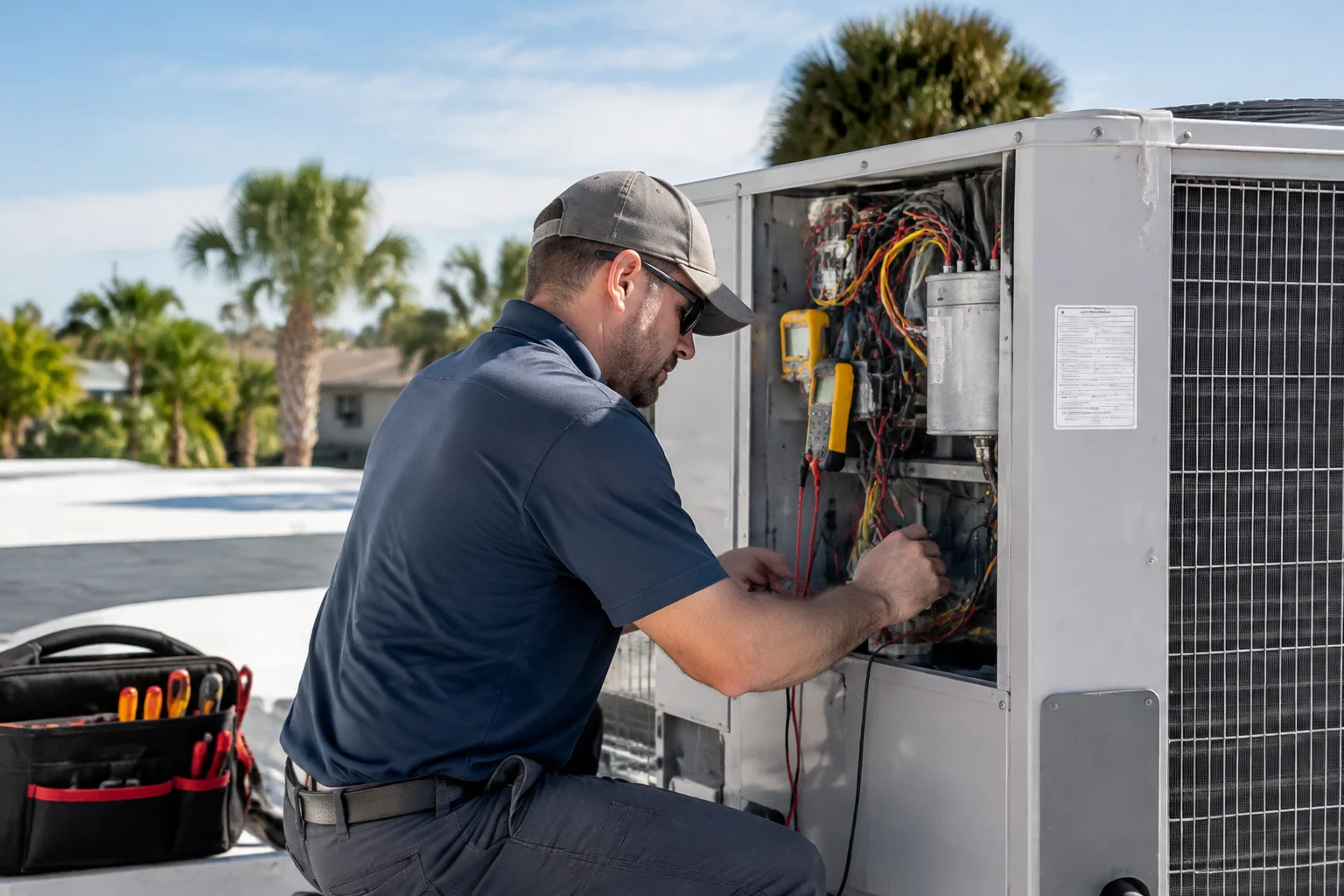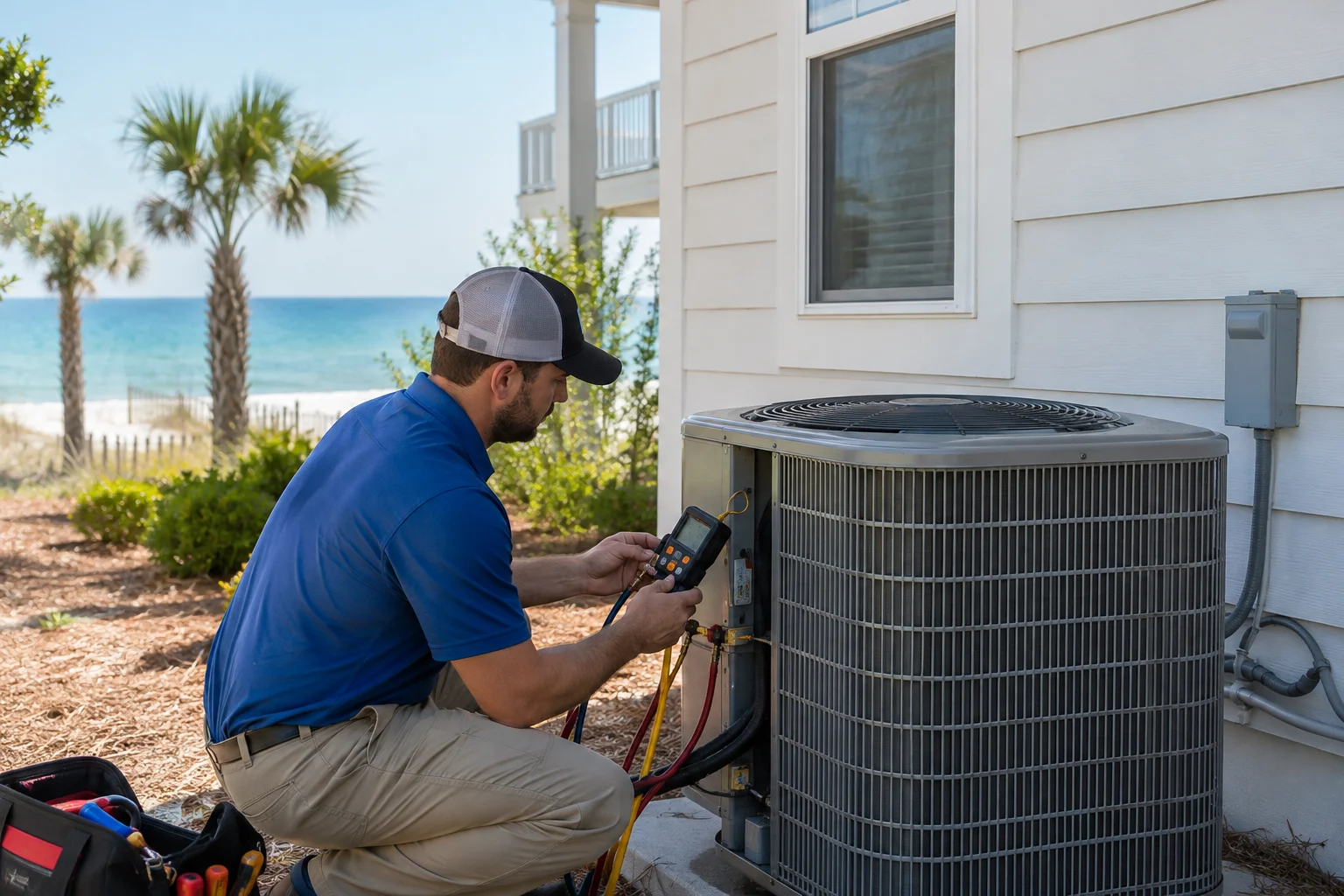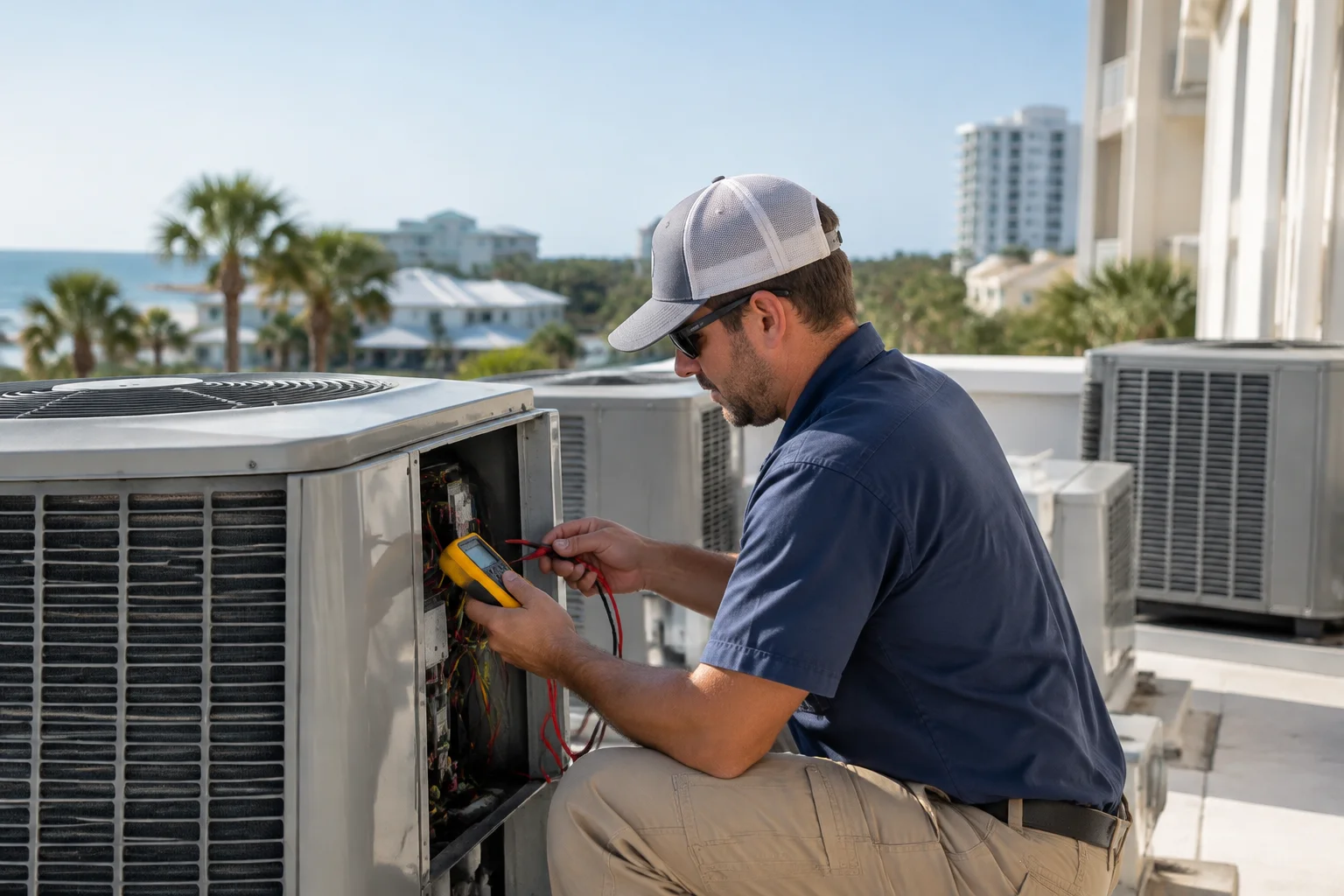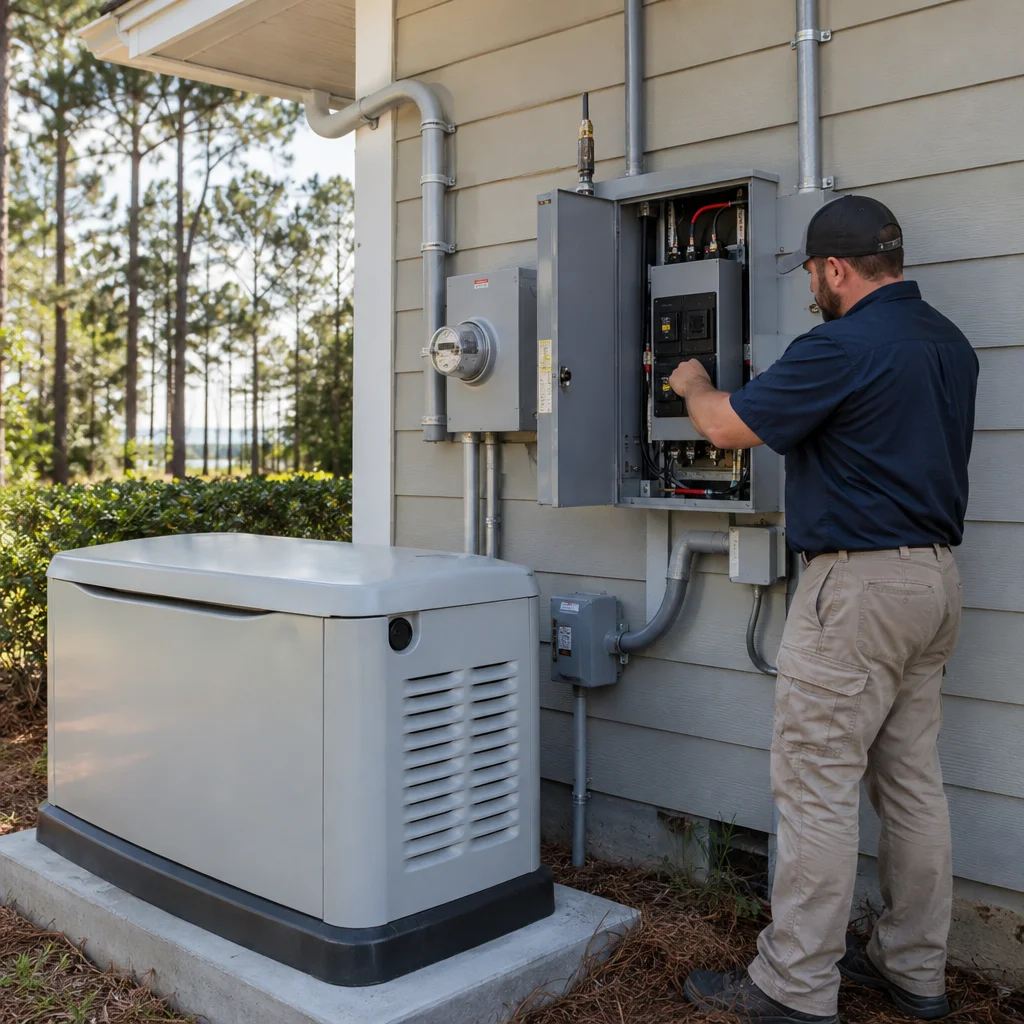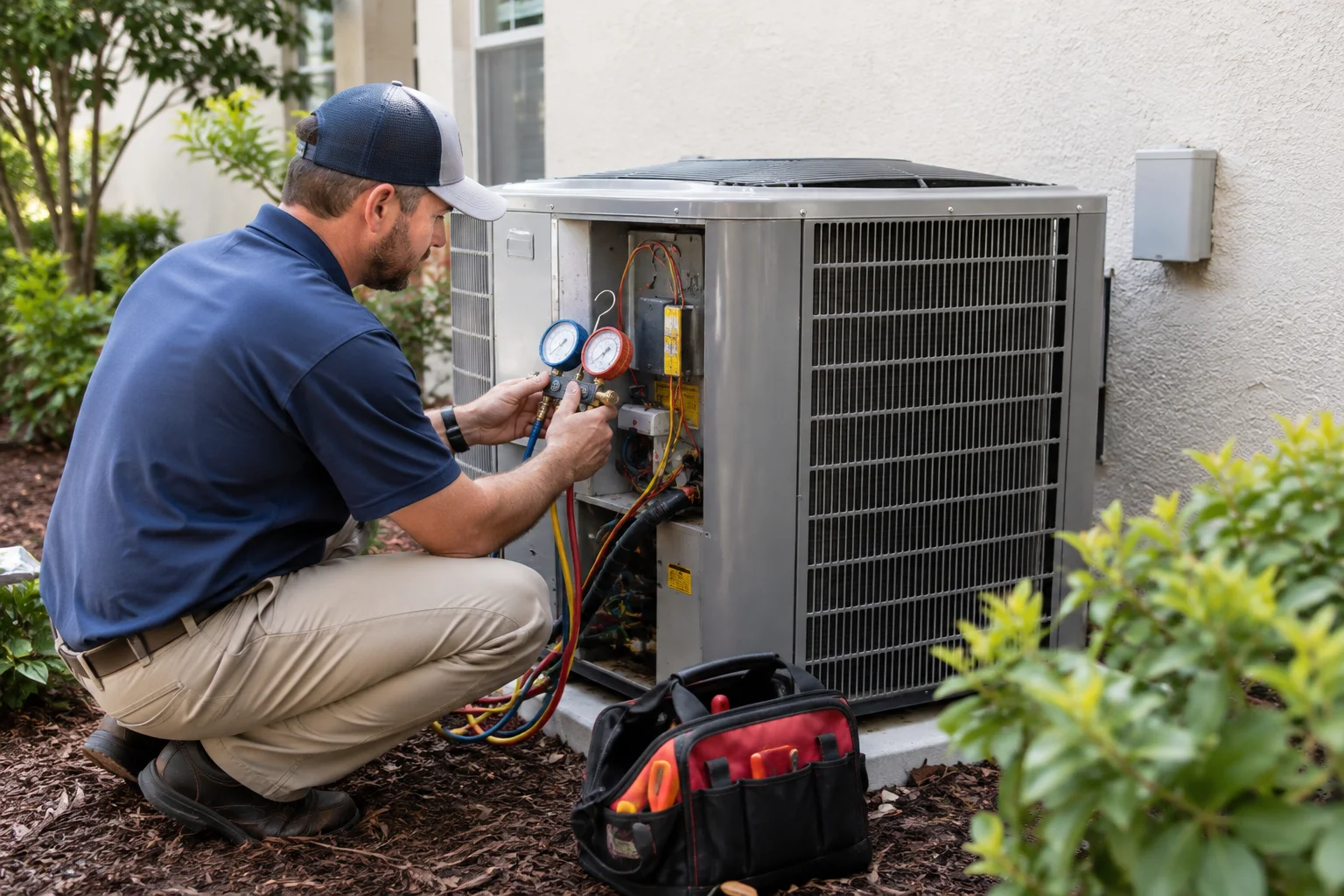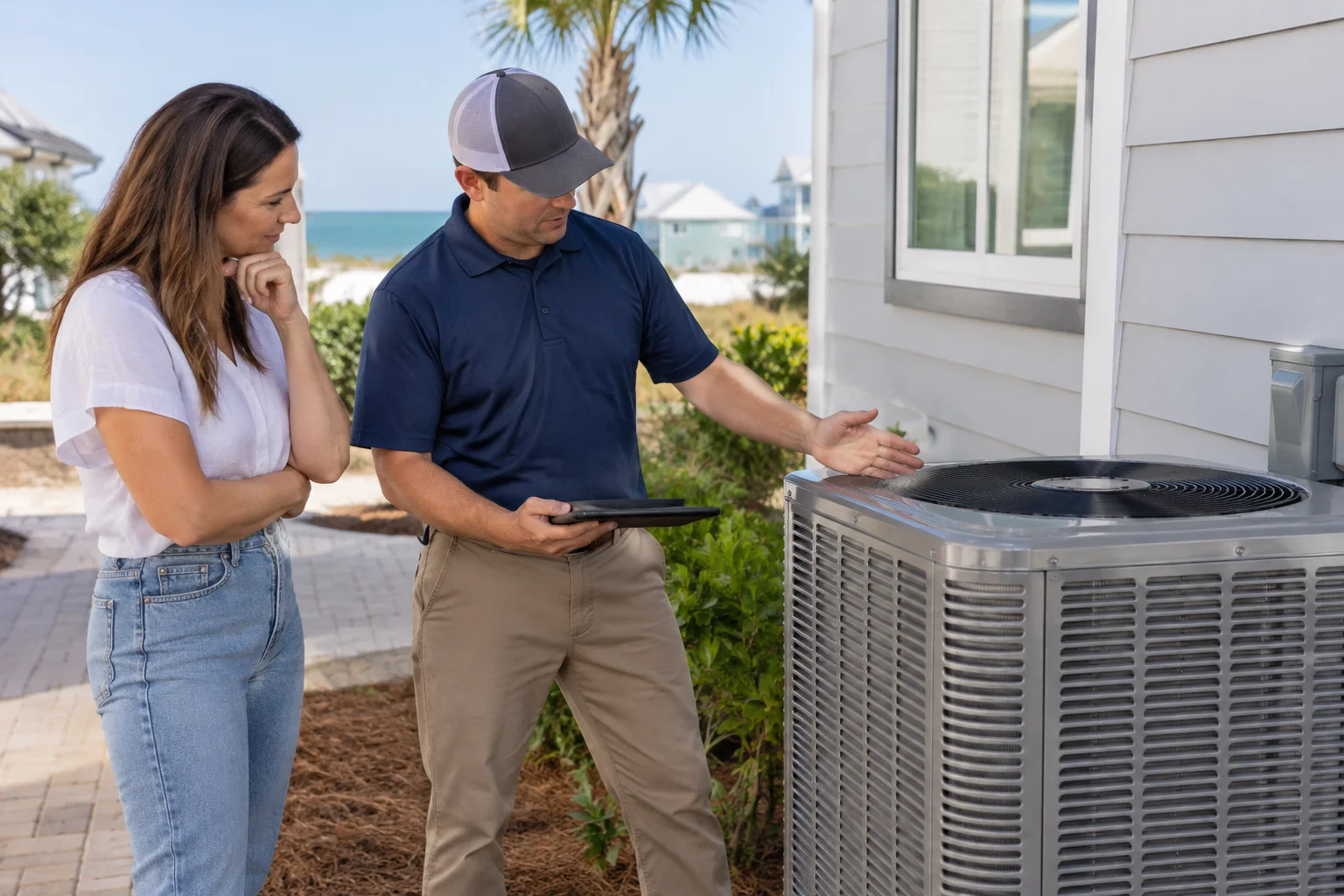
Laguna Beach, FL is beautiful, but the coastal heat and humidity do not take breaks. When your air conditioner is installed the right way, your home stays more comfortable, your system runs more efficiently, and you are less likely to face sudden cooling problems during the warmest stretches of the year.
This guide focuses on air conditioning installation in Laguna Beach, FL and the practical steps homeowners can take to keep their system performing well. It also covers common local HVAC issues, how ductwork and airflow affect comfort, what indoor air quality depends on, and why professional HVAC service matters for refrigerant systems, condensate drainage, and thermostat control.
Why Laguna Beach conditions make installation quality a big deal
In Bay County, the weather can swing between humid and hot, and the coastal environment adds extra strain. Salt air can increase corrosion risk on outdoor components. High humidity challenges comfort and air quality, especially in homes with older ductwork, leaky returns, or poor attic insulation. All of that means installation decisions influence how well the system handles real-world airflow, moisture removal, and energy use.
When you are planning air conditioning installation near Laguna Beach, FL, the goal is not just getting a unit working. The goal is a system that matches your home’s cooling needs, can move air effectively through your ductwork, and manages condensate drainage safely so humidity stays under control.
Start with the right system size and cooling design
One of the most common reasons homeowners struggle after an HVAC installation is mismatched system sizing or a design that does not reflect the home’s layout. A system that is too small may run constantly, never reaching steady comfort. A system that is too large can cool quickly but may not remove enough humidity, leaving rooms feeling clammy.
Professional air conditioning installation should consider:
- Home size and floor plan, including how rooms connect and where air tends to stagnate
- Insulation and air sealing, since heat gain can overwhelm the cooling system
- Window exposure, especially west-facing rooms that absorb afternoon heat
- Ductwork layout, because airflow determines comfort and humidity control
- Indoor humidity goals, since Florida humidity changes what “comfortable” feels like
If you are gathering an AC replacement estimate near me or comparing options for HVAC replacement near me, ask for a cooling design approach that accounts for your home, not just the square footage on a sales sheet.
Airflow and ductwork: the comfort system behind the comfort system
Even a well-chosen air conditioner can underperform if airflow is restricted. In Laguna Beach homes, duct issues often show up as uneven temperatures, hot rooms, or frequent cycling. Problems can include clogged duct runs, poorly sealed joints, undersized returns, or ductwork that has shifted over time.
Installation is a good time to evaluate ductwork because improvements can make the AC installation last longer and feel more consistent. If you notice:
- Rooms that never feel as cool as the thermostat setting
- Air that feels weak from vents
- Excess dust buildup or ongoing musty odors
- Moisture issues around vents or in closets
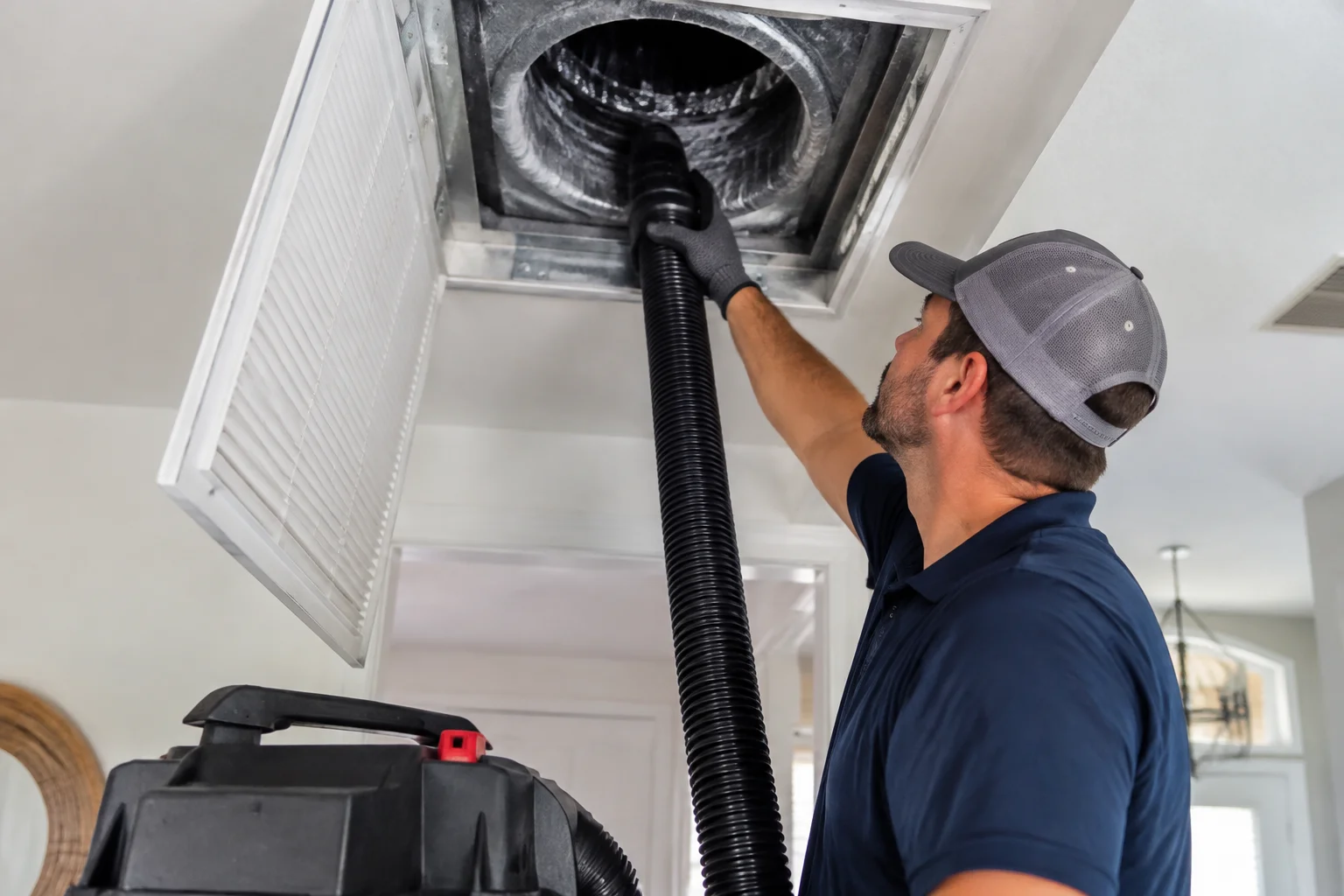
…it may be time to schedule a duct-focused service. Homeowners searching for duct repair near me or duct cleaning near me often benefit from starting with a duct inspection so the team can identify what is actually limiting airflow and indoor air quality.
For ductwork support in the area, you can review Duct Inspection and discuss what should be addressed before or during an AC replacement. If you manage multiple properties, consider Property Management HVAC Services for system checklists and maintenance planning.
Humidity control depends on the full refrigerant and drainage setup
Florida comfort is not only about temperature. It is about how well your system removes moisture. That is tied to refrigerant system performance and condensate drainage.
During installation, professionals should verify that refrigerant components are properly connected and that the system is set up to run as intended. They should also ensure condensate drainage is routed correctly so water does not back up, overflow, or drain into areas where it can cause moisture damage. Poor drainage can contribute to odors, wet spots, and indoor humidity that feels worse than the thermostat setting.
Homeowners should be cautious about assuming you can “fix” refrigerant or drainage problems without hands-on evaluation. If you suspect a cooling or moisture issue after installation, the right next step is professional HVAC troubleshooting. This is especially important because refrigerant systems require proper handling and accurate assessment.
Thermostats and controls: small settings, big comfort differences
A thermostat that is not matched to how your home cools can make the whole system feel unreliable. For example, if the thermostat location is affected by sun exposure, drafts, or airflow obstructions, it may read the wrong temperature. That can lead to short cycling, uneven comfort, or higher energy use.
When planning new AC installation, it helps to discuss:
- Thermostat placement away from direct sunlight and heat sources
- Operating modes for humidity control, not just temperature
- Fan behavior to support consistent airflow
- Compatibility with the system so your controls respond correctly
If you are also considering heat pump service or have a home that uses a heat pump seasonally, thermostat setup becomes even more important for consistent performance across changing conditions. Homeowners searching for heat pump repair near me may benefit from checking controls and airflow before focusing only on the outdoor unit.
Indoor air quality: installation choices that reduce dust and odors
Air conditioning service is also air quality service. When airflow is balanced and filtration is appropriate, your system can remove airborne particles more effectively and keep the air feeling fresher.
After installation, pay attention to:
- Filter fit and maintenance, since gaps or neglected filters can reduce performance
- Return air pathways, which affect how air circulates through the home
- Moisture control, since lingering humidity can worsen odors and promote biological growth
- Duct cleanliness and sealing, which can impact dust distribution
If you are trying to improve comfort and air quality together, you may also want to read Cleaner Air Starts in the Ducts: A Laguna Beach Homeowner’s Guide to Better HVAC Performance. It covers how airflow and duct condition connect to indoor air quality services near me searches and what homeowners can do between technician visits.
Energy use and system longevity: what “good installation” looks like over time
Homes in Bay County are built for coastal living, but that can mean older structures, additions, and ductwork that evolved over time. Energy use often rises when a system has to work harder than it should. That can happen when airflow is restricted, when ducts leak, or when humidity removal is not efficient.
After your air conditioning installation, a properly set up system should feel more stable. You should expect:
- More consistent temperatures across occupied rooms
- Less “chasing the thermostat” where the home never reaches comfort
- Better humidity feel, not just cooler air
- Fewer sudden performance drops during peak heat
To keep performance steady, preventive HVAC maintenance matters. Small issues can grow in humid Florida conditions, and coastal exposure can accelerate wear. Routine service helps catch problems before they become emergency cooling concerns.
Preventive maintenance that supports your installation
Many homeowners think preventive HVAC maintenance is only for older systems. In reality, maintenance protects new installations too. It helps ensure the refrigerant system, condensate drainage, airflow, and controls keep operating as designed.
Ask your technician about a maintenance plan that includes:
- Air filter checks and guidance for your home’s indoor air quality goals
- Inspection of airflow across supply and return paths
- Evaluation of condensate drainage to prevent moisture problems
- Assessment of thermostat performance and control behavior
- Refrigerant system checks that are appropriate for your equipment and installation design
If you want a deeper planning approach, explore Smart HVAC Planning for Air Conditioning Maintenance in Laguna Beach, FL. It is written for homeowners who want practical steps, not vague advice.
Common post-installation problems in coastal Florida
Even with a good installation, homeowners should know what issues look like in Laguna Beach. If you recognize these patterns, you can respond faster and reduce downtime.
Uneven cooling between rooms
This often points to ductwork airflow imbalance, return issues, or insulation differences. A professional can evaluate ductwork and air distribution rather than guessing.
Short cycling or frequent on-off behavior
Short cycling can be caused by airflow restrictions, thermostat settings or placement, control issues, or other factors that require hands-on assessment. Avoid making changes without understanding the root cause.
Humidity that feels unchanged
If your home feels as humid after installation as before, it may be related to system design, airflow, condensate drainage, or control operation. A technician can inspect the full cooling process, not only the thermostat.
Musty odors or signs of moisture
Coastal humidity plus drainage issues can create odors and moisture buildup. Condensate drainage routing and air circulation should be evaluated. If you see water where it should not be, treat it as an HVAC concern and schedule service promptly.
When to call for AC repair or air conditioning service
Even with preventive HVAC maintenance, you may need AC repair near me support. In Laguna Beach, the best time to schedule service is before the hottest days. Still, knowing what qualifies as urgent can prevent an uncomfortable situation.
Call for professional HVAC service if:
- Your system runs continuously and never reaches comfort
- There is a noticeable drop in airflow from vents
- Your home humidity feels high despite cooling
- You see water pooling around indoor equipment or unusual condensation
- There are repeated system interruptions that disrupt cooling
If the issue affects your comfort immediately, think about emergency cooling concerns. During peak heat, it helps to have a local service relationship so you are not searching for “HVAC service near me” while the house is warming up.
Installation for different property types in Laguna Beach
Not every home needs the same approach. In Laguna Beach, you may be dealing with vacation rentals, older housing stock, or commercial properties that require different scheduling and performance expectations.
If you own or manage commercial space, cooling demands and airflow requirements can differ. For guidance specific to commercial settings, review Commercial HVAC Installation in Laguna Beach, FL: The Issues Local Property Owners Should Not Overlook. And if you manage multiple units, Property Management HVAC Services can help with ongoing reliability.
For homeowners focused on keeping their property dependable through changing seasons and occupancy patterns, Keeping Laguna Beach Properties Reliable with Smarter HVAC Management offers a practical maintenance mindset.
Choosing professional local HVAC service for your installation
Air conditioning installation is not a one-size task. Your home’s ductwork, airflow paths, humidity needs, and the way your thermostat controls the system all influence comfort. Professional local HVAC service matters because the team can evaluate the whole installation context, verify condensate drainage, and ensure the refrigerant system is set up correctly based on the equipment and your home’s cooling design.
When you compare contractors for HVAC installation near me or new AC installation near me, look for a company that communicates clearly about airflow, ductwork, indoor air quality, and how preventive HVAC maintenance will protect your investment. If you also need related work, ask whether the service team supports duct inspection and duct repair, since ductwork performance often determines whether the installed system feels “right.”
Pairing AC installation with heating planning
Florida does not get the same cold as northern states, but homes still benefit from coordinated HVAC planning. If you are upgrading cooling now and want smoother comfort year-round, consider how your system will handle seasonal changes.
If you use or plan to use heating services, you can explore Heating Services and ask how your cooling and heating equipment can be managed together for reliable indoor comfort.
For broader Bay County coverage, you can also browse all Bay County HVAC service areas to understand the local support options.
How to keep your home running better after installation
After the installation is complete, the habits that support performance are straightforward. Focus on airflow, moisture control, and maintenance scheduling:
- Replace filters on schedule and choose a filter that fits your system and indoor air quality goals
- Watch for airflow problems and address weak vents sooner rather than later
- Keep an eye on humidity during peak heat, especially if rooms feel clammy
- Maintain outdoor unit access and keep areas around the equipment clear of debris
- Schedule preventive HVAC maintenance so small issues do not become emergency cooling concerns
These steps work best when paired with a professional installation and an ongoing local service plan. If you want to discuss an installation based on your home’s specific needs, you can request help through A Superior Mechanical’s air conditioning installation service area page for Laguna Beach.
Find Air Conditioning Installation in Laguna Beach, FL
If you need Air Conditioning Installation in Laguna Beach, FL, visit our local service page or contact A Superior Mechanical today.
Map of Laguna Beach, FL
Frequently Asked Questions
How do I know if I need new AC installation or just AC repair?
If your system struggles with airflow, humidity control, or uneven temperatures, it may be repairable. However, if the cooling performance problems persist after service or the equipment is nearing the end of its useful life, a professional evaluation may recommend HVAC replacement. A Superior Mechanical can review your specific situation in Laguna Beach.
Why does my home feel humid even after the air conditioner runs?
Humidity that does not improve can point to airflow issues, condensate drainage problems, thermostat control behavior, or a system design that is not matching your home’s cooling needs. In Florida’s coastal conditions, it is important to inspect the whole cooling process, not just the thermostat setting.
Should I get ductwork checked when installing a new air conditioner?
Yes. Ductwork and airflow often determine how well a new system performs. If supply air is restricted, return paths are weak, or ducts are leaking, comfort and indoor air quality can suffer. A duct inspection can help identify what to address before or during installation.
What maintenance helps protect my AC installation in Laguna Beach’s climate?
Preventive HVAC maintenance that includes filter checks, airflow evaluation, condensate drainage inspection, and appropriate refrigerant system assessment helps keep the system operating as designed. Scheduling service before peak heat also reduces the chance of emergency cooling concerns.
Can I troubleshoot refrigerant or drainage problems myself?
Refrigerant systems and condensate drainage involve safety and accuracy requirements. Avoid DIY diagnosis or adjustments. If you notice cooling performance drops, moisture issues, or unusual odors, schedule professional HVAC repair so a technician can evaluate the system in person.
Related Articles
- Smart HVAC Planning for Air Conditioning Maintenance in Laguna Beach, FL
- Commercial HVAC Installation in Laguna Beach, FL: The Issues Local Property Owners Should Not Overlook
- Keeping Laguna Beach Properties Reliable with Smarter HVAC Management
- Cleaner Air Starts in the Ducts: A Laguna Beach Homeowner’s Guide to Better HVAC Performance
Photo Gallery