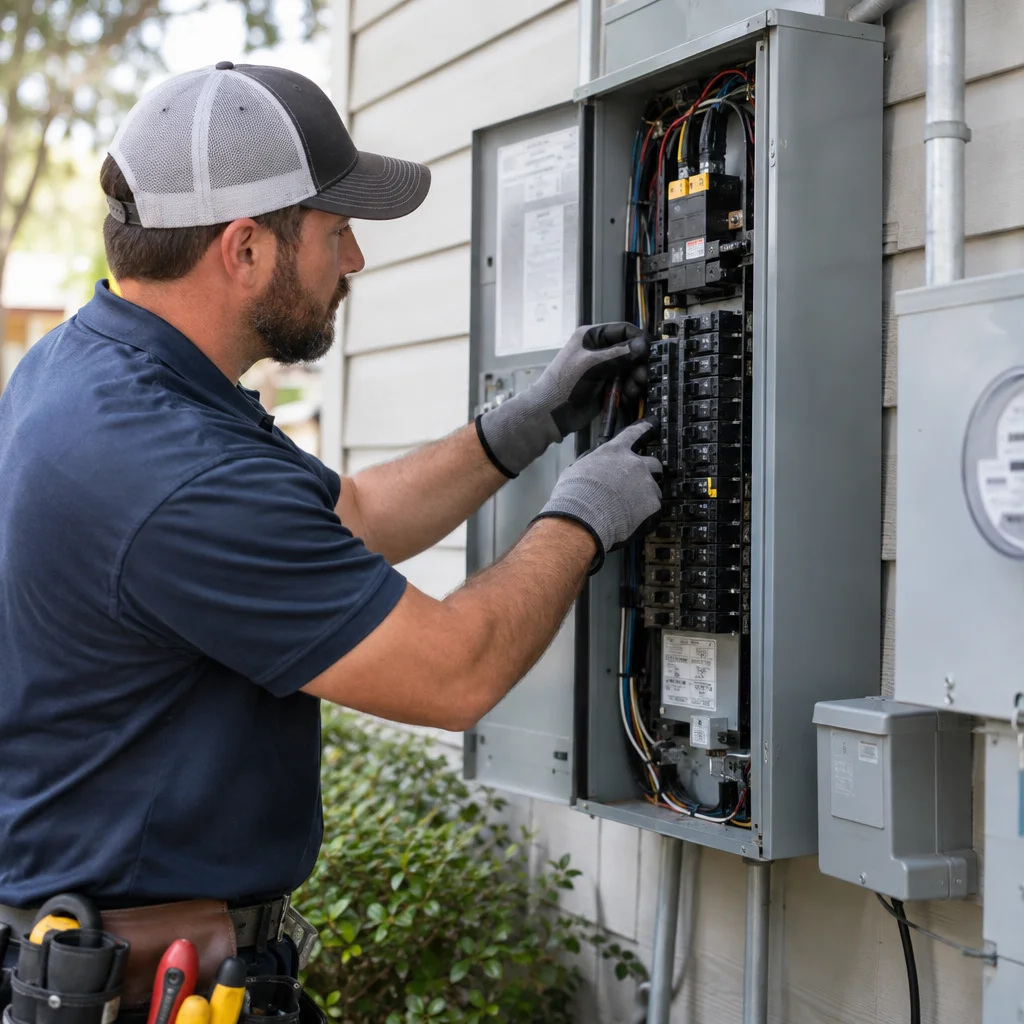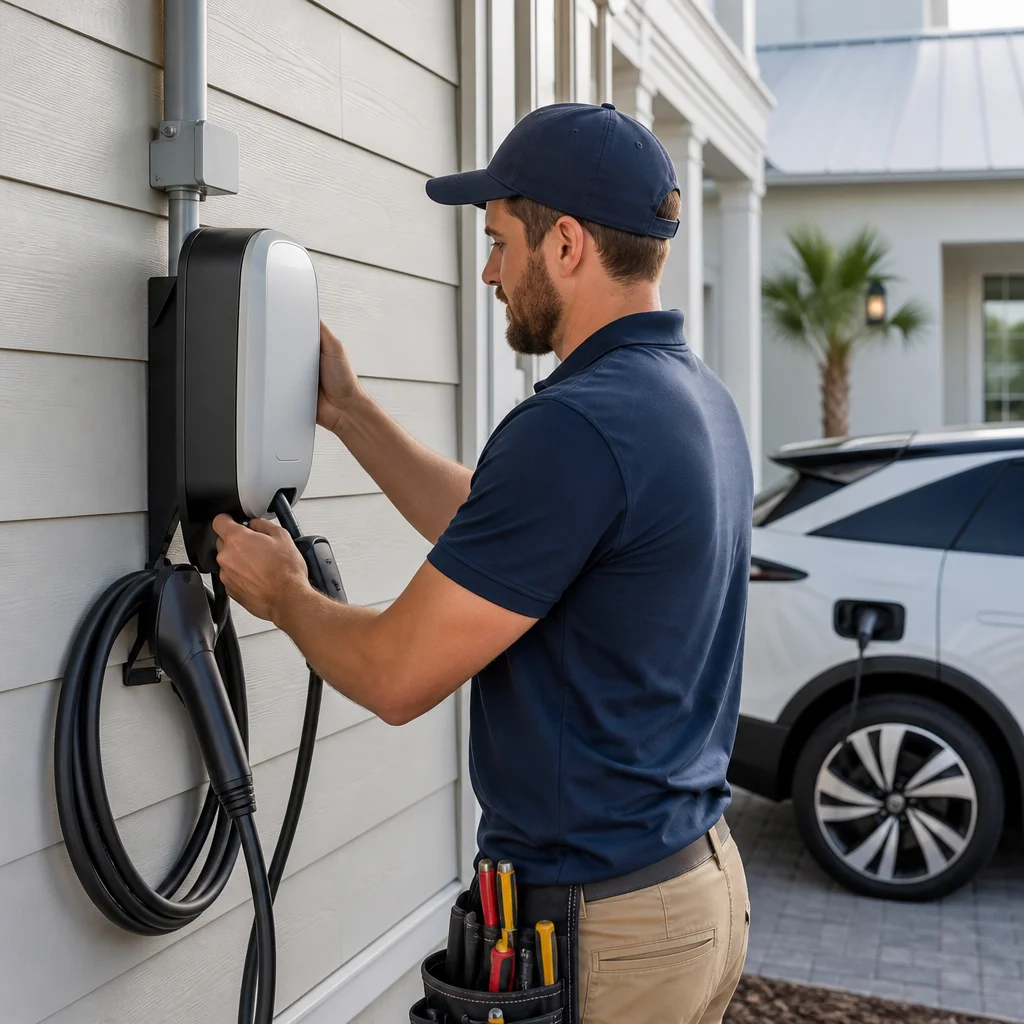
Installing an EV charger at an Inlet Beach home involves more than mounting equipment on a garage wall. The electrical panel must have enough capacity, the wiring must match the charger, and every connection needs protection from heat, moisture, corrosion, and voltage changes. Good planning also leaves room for future electrical demands.
A Superior Mechanical provides EV charger installation in Inlet Beach for primary homes, vacation properties, rentals, and local businesses. A careful electrical assessment helps determine what the property can support and which improvements should be completed before charging begins.
Start With the Charger and the Way You Drive
The right charging setup depends partly on the vehicle and partly on daily driving. A standard 120 volt outlet may provide enough overnight range for a driver with a short commute. Most households, however, choose a Level 2 charger because it uses a 240 volt circuit and restores driving range much faster.
Level 2 chargers come in several power ratings. A lower output model may draw 24 or 32 amps, while a higher output unit may draw 40 or 48 amps. Because vehicle charging is treated as a continuous electrical load, the circuit generally must be sized at 125 percent of the charger's maximum current. For example, a charger that continuously draws 48 amps commonly needs a 60 amp circuit.
Bigger is not automatically better. The vehicle may accept less power than the charger can deliver, and the home's electrical service may not have room for the highest setting. Before buying equipment based on an ev charger installation near me search, confirm the vehicle's charging limit, cable length, mounting location, connector type, and electrical requirements.
Panel Capacity Is More Important Than Open Breaker Space
An empty position in a breaker panel does not prove that the home can safely support another large load. An electrician must review the service rating and perform a load calculation that accounts for existing equipment. Air conditioning, electric water heating, ranges, dryers, pool equipment, generators, lighting, ceiling fans, and appliance circuits all contribute to the home's demand.
Many newer homes in Inlet Beach have 200 amp service, but even a newer panel can be heavily loaded. Large coastal homes may have multiple air conditioning systems, pool pumps, outdoor kitchens, elevators, or extensive outdoor lighting. Additions and remodels can also consume capacity that was available when the house was first built.
Older homes may have smaller service equipment, outdated fuse boxes, damaged bus connections, or panels that have already reached their practical limit. Breakers that feel hot, fail to reset, buzz, or trip repeatedly require evaluation. Homeowners searching for breaker panel repair near me should not assume that replacing a breaker alone will solve the problem. A loose connection, overloaded circuit, damaged panel component, or deteriorated conductor may be responsible.
If the service cannot support the proposed charger, possible solutions include selecting a lower charging rate, installing approved load management equipment, replacing obsolete electrical components, or upgrading the panel and service. A qualified electrical contractor should base that recommendation on calculations and physical inspection rather than guesswork. Learn more about broader local electrical support through the Inlet Beach service area.
Dedicated Wiring Protects the Charger and the Home
A Level 2 EV charger normally needs a dedicated circuit. The breaker, conductor size, insulation type, grounding path, disconnecting requirements, and termination ratings must all match the equipment and installation method. The wire route may pass through an attic, garage, crawl space, finished wall, or exterior conduit, so every property presents different challenges.
Long wire runs deserve particular attention. Voltage drop can reduce charging performance and create unnecessary heat when conductors are undersized. Attic temperatures, conduit fill, bundled wiring, and conductor material can affect allowable capacity. Existing dryer or range wiring should never be repurposed without confirming its size, condition, grounding, and compatibility with the charger.
Some chargers are hardwired, while others connect through a 240 volt receptacle. Hardwired installations reduce the number of connection points and are often preferred outdoors. Receptacle installations require a high quality outlet rated for the load, a compatible enclosure where necessary, and the protection required by the locally adopted electrical code. Frequent plugging and unplugging can loosen a receptacle over time.
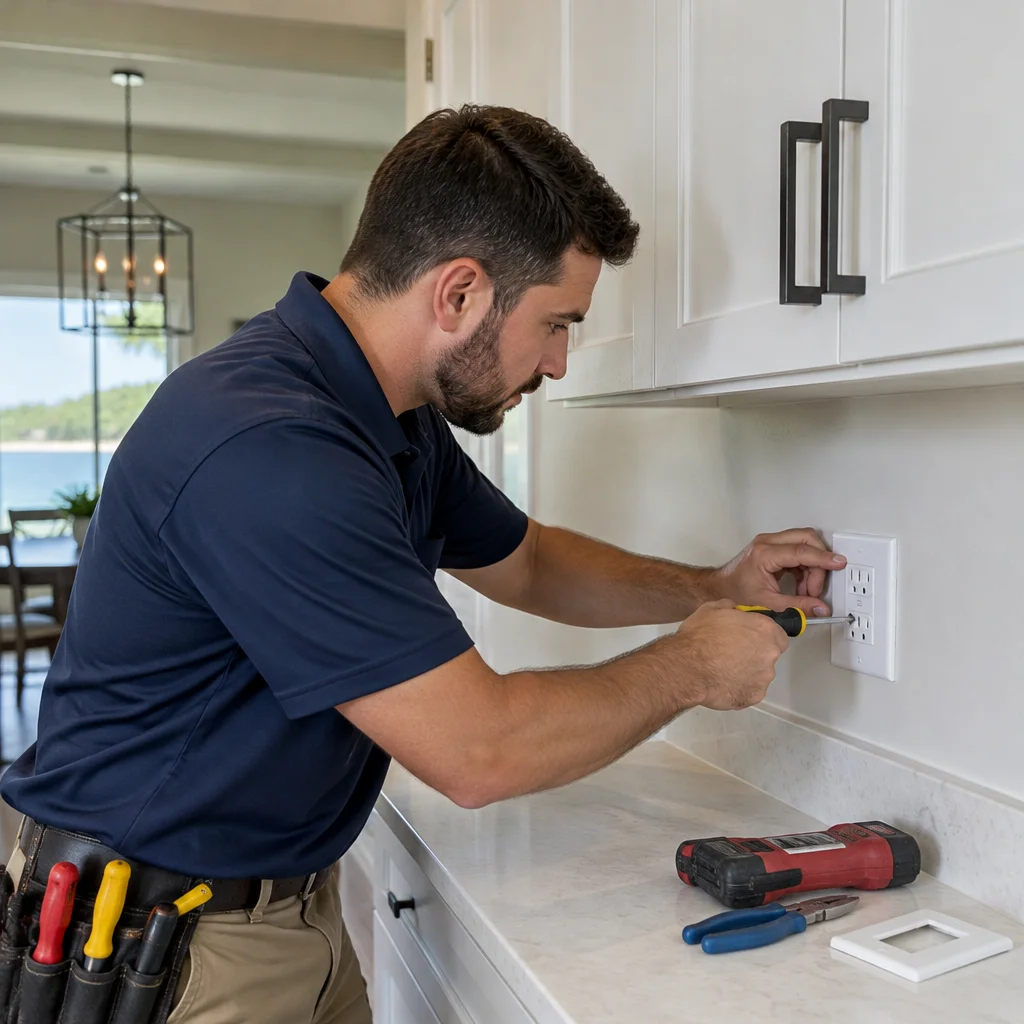
A standard household extension cord, travel adapter, or worn outlet is not a safe substitute for a properly installed charging circuit. If an outlet is discolored, cracked, loose, or warm, stop using it until an electrician checks it. An outlet repair may uncover old wiring, weak terminations, or grounding problems elsewhere on the circuit.
GFCI Protection, Grounding, and Code Compliance
EV charging equipment contains safety controls, but the surrounding circuit must still meet applicable electrical code and manufacturer instructions. Depending on the equipment, connection method, and adopted code edition, the installation may require GFCI protection at the breaker or receptacle. Incorrect combinations can cause nuisance tripping, which is why the charger instructions and local requirements must be reviewed together.
Grounding provides a low resistance fault path so protective devices can operate when a metal component becomes energized. An electrician should verify the equipment grounding conductor, panel bonding, service grounding system, and charger terminals. Ground rods alone do not replace the required equipment grounding conductor running with the circuit.
Permits and inspections are also an important part of code compliance. Requirements can vary according to the property and the authority overseeing the work in Walton County. A professional installer can identify the applicable permit process, install listed equipment, label the circuit, set the charger correctly, and prepare the work for inspection.
Coastal Weather Changes the Installation Plan
Inlet Beach homes face heat, humidity, salt carried through coastal air, heavy rain, and tropical storms. These conditions can accelerate corrosion at terminals, enclosures, receptacles, and outdoor disconnects. Outdoor charging equipment should be listed for the location and mounted where standing water, direct sprinkler spray, impact, and routine flooding are less likely to affect it.
The installation location should also protect the charging cable. A cable stretched across a walkway can become a trip hazard, while one left on the driveway may be damaged by tires, landscaping equipment, or sunlight. A wall holster or cable management system keeps the connector clean and reduces strain on the equipment.
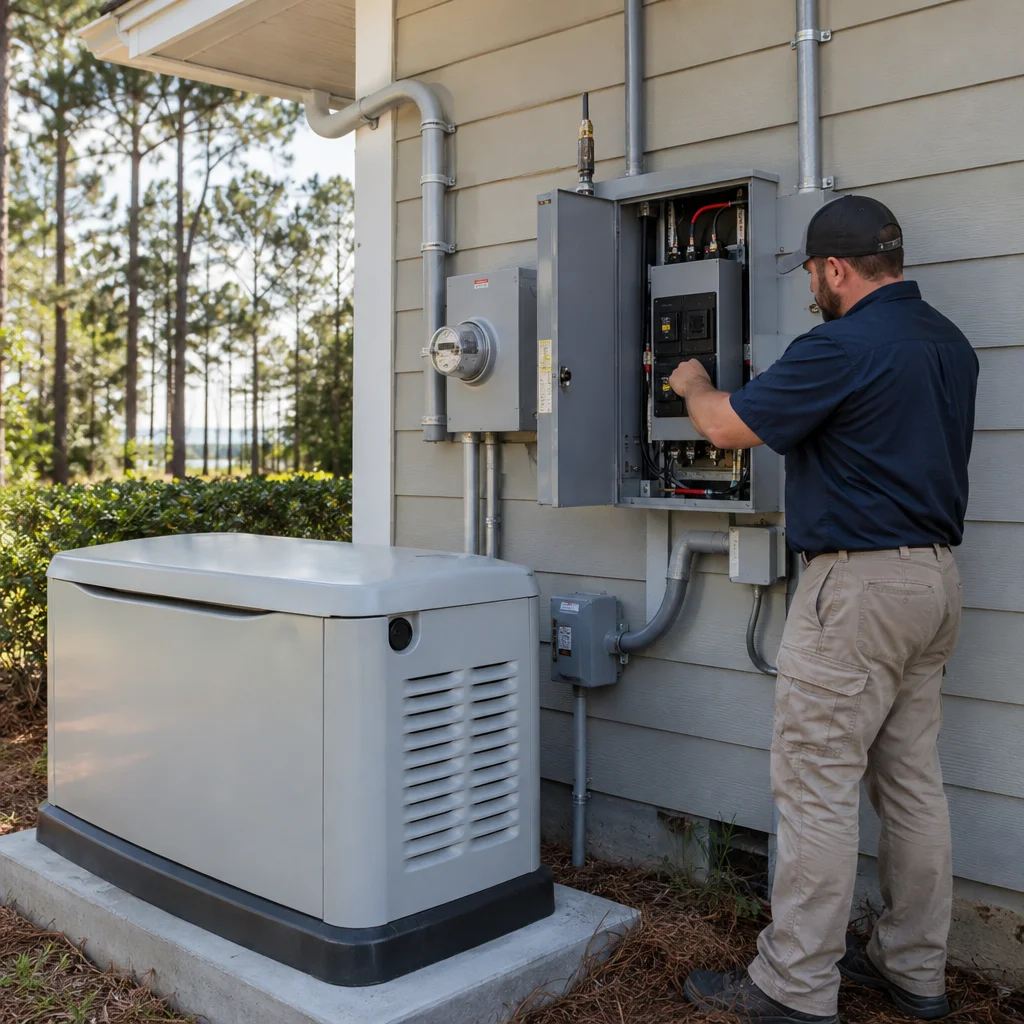
Storm related voltage spikes can damage a charger and other sensitive electronics. Whole home surge protection installed at the main panel adds a layer of defense, though no surge device can guarantee protection from every lightning event. Proper grounding and bonding remain essential. Homeowners who experience frequent outages may also consider whole home backup solutions or battery backup systems.
An EV charger should not be added casually to a generator backed circuit. Charging can consume a large portion of generator capacity, and transfer equipment must prevent dangerous backfeed. A load management plan can keep essential lighting, refrigeration, smoke detectors, and other critical circuits operating during an outage.
Plan Around Other Home Projects
Electrical demand often changes during a remodel or addition. New kitchen appliances, bathroom lighting, security lighting, ceiling fan wiring, water heaters, and outdoor living areas may require new circuits. Reviewing these projects together helps prevent a charger installation from using capacity that will soon be needed elsewhere.
If a renovation includes major plumbing equipment, read what Inlet Beach homeowners should know before a plumbing installation. A planned water heater replacement may also affect the electrical load if the new unit has different voltage or amperage requirements.
This broader view is especially useful for homeowners searching for appliance circuit installation near me or home safety inspection electrician near me. Coordinating the work can reduce repeated wall access, crowded panel changes, and avoidable permit delays. It also provides a chance to inspect aging switches, outlets, wiring, lighting, smoke alarms, and panel labels.
Life safety devices deserve attention during any electrical project. Smoke and carbon monoxide alarms should be placed, powered, and interconnected as required for the home. A Superior Mechanical offers smoke detector and carbon monoxide detector services when existing units are missing, expired, damaged, or affected by remodeling.
Electrical Warning Signs That Should Not Be Ignored
Charging places a steady load on the circuit for several hours, so weak connections may become noticeable during use. Stop charging and arrange electrical repair if you notice any of the following:
- A burning or melting odor near the charger, outlet, panel, or cable
- Discoloration, scorch marks, crackling, or buzzing
- A breaker that repeatedly trips during charging
- A plug, receptacle, breaker, or wall surface that becomes unusually hot
- Charging that starts and stops without a vehicle related explanation
- Visible corrosion, water intrusion, or damaged insulation
- Lights that dim significantly when charging starts
A tripping breaker should not be replaced with a larger breaker unless the conductors and equipment are designed for that rating. Doing so can allow the wiring to overheat before the breaker responds. Likewise, a loose outlet cannot be fixed safely by tightening random terminals without first disconnecting power and identifying heat damage.
Someone searching for burning smell electrical repair near me may be dealing with an emergency electrical concern. If it is safe, stop charging and turn off the affected circuit. Leave the area and call emergency services if there is smoke, active fire, arcing, or an immediate risk to people. For urgent help without visible fire, contact a qualified electrician and avoid restoring power until the system is checked.
How a Professional Installation Is Planned
A professional EV charger installation usually begins with a review of the vehicle, charger specifications, parking arrangement, and desired charging speed. The electrician then inspects the service equipment, panel, breakers, grounding, available capacity, and proposed wire route.
From there, the installer can recommend hardwired or receptacle connected equipment, calculate conductor and breaker sizes, identify surge or load management options, and explain whether an electrical panel upgrade is justified. The work may include a new dedicated circuit, conduit, weather rated fittings, labeling, equipment mounting, permit coordination, and final testing.
Older or damaged equipment may need electrical replacement before a charger can be added safely. Replacement is not automatically required simply because a panel is older, but corrosion, overheating, obsolete components, inadequate capacity, or prior improper work can make it the responsible choice.
For homeowners comparing an electrician near me, ask whether the estimate includes a load calculation, permit needs, charger setup, GFCI requirements, surge protection options, and inspection of the full circuit. A low quote may exclude panel work, trenching, drywall access, long conductor runs, or code corrections that become apparent later.
Simple Maintenance Helps Prevent Charging Problems
Once installed, keep the connector and cable clean, dry, and off the ground when not in use. Look periodically for cracked insulation, bent pins, corrosion, loose mounting hardware, or discoloration. Do not spray water into the connector or enclosure, and do not use household cleaners unless the manufacturer approves them.
After severe coastal storms, check outdoor equipment for impact damage or water entry before charging. Have an electrician inspect any equipment that was submerged or exposed to flooding. Electrical devices that look dry outside can retain contamination and corrosion internally.
It is also wise to include the charger during routine electrical inspections, especially after a remodel, panel change, repeated breaker trip, or change to a higher powered vehicle. Local service matters because electricians familiar with Walton County homes understand the mix of older construction, newer developments, vacation properties, coastal exposure, and storm related power concerns.
A Superior Mechanical can assess the panel, wiring route, charging equipment, and future electrical plans before work begins. Careful design gives the vehicle reliable charging while protecting the home's circuits, outlets, breakers, grounding system, and available power capacity.
Find EV Charger Installation in Inlet Beach, FL
If you need EV Charger Installation in Inlet Beach, FL, visit our local service page or contact A Superior Mechanical today.
Map of Inlet Beach, FL
Frequently Asked Questions
Does every Inlet Beach home need a panel upgrade for an EV charger?
No. The need for an upgrade depends on the service rating, calculated electrical load, panel condition, charger output, and future power plans. Some homes can support a dedicated charging circuit as they are, while others benefit from load management or a panel upgrade.
Is a hardwired EV charger better than a 240 volt outlet?
Hardwired chargers have fewer connection points and are often a strong choice for outdoor or permanent installations. A receptacle can provide flexibility, but it must be properly rated, installed, protected, and inspected for heat or looseness over time.
Can I charge an EV from a whole home generator during an outage?
Possibly, but only if the generator, transfer equipment, wiring, and load management plan are designed for the charging load. EV charging can use substantial generator capacity, so an electrician should confirm that essential household circuits will remain safely supported.
Related Articles
- What Shortens a Plumbing System’s Life in Inlet Beach and How Sewer Camera Inspection Helps Catch It Early
- How Plumbing Wear and Tear Changes the Way Water Softening Works in Inlet Beach
- What Inlet Beach Homeowners Should Know Before a Plumbing Installation
- Keeping a Water Heater Replacement from Turning Into a Bigger Plumbing Bill in Inlet Beach
Photo Gallery