In Lower Grand Lagoon, backup power is not just a convenience. Between coastal storms, salty air, summer heat, and the way older and newer homes in Bay County use electricity, a generator has to work with the rest of the electrical system, not against it. That means the panel, breakers, wiring, grounding, and dedicated circuits all need to be evaluated before installation day, and they need ongoing maintenance after the system is in place.
If you are starting to think about power generator installation and maintenance in Lower Grand Lagoon, FL, the smartest move is to plan around the whole electrical picture. A generator is only as reliable as the panel it feeds, the circuits it supports, and the quality of the installation behind it. For homeowners, rental properties, and small businesses in this part of the coast, that planning can make the difference between steady backup power and a frustrating outage.
Why generator planning matters more in a coastal town
Lower Grand Lagoon homes face a mix of electrical demands that can strain an underprepared system. Air conditioning, refrigerators, lighting, ceiling fans, Wi-Fi, security systems, and kitchen appliances all compete for power during an outage. Add in modern upgrades like EV charging, smart home equipment, and outdoor lighting, and the electrical load rises quickly. Coastal weather adds another layer, because storms and humidity can wear down components faster than homeowners expect.
That is why a generator project should start with an inspection of the panel and branch circuits. If the panel is already crowded, the breakers are aging, or the wiring shows signs of heat damage, a generator may expose problems that were easy to ignore before. Homeowners searching for an electrician in Lower Grand Lagoon often discover that the generator is only one part of a broader electrical update.
Start with the panel, not the generator
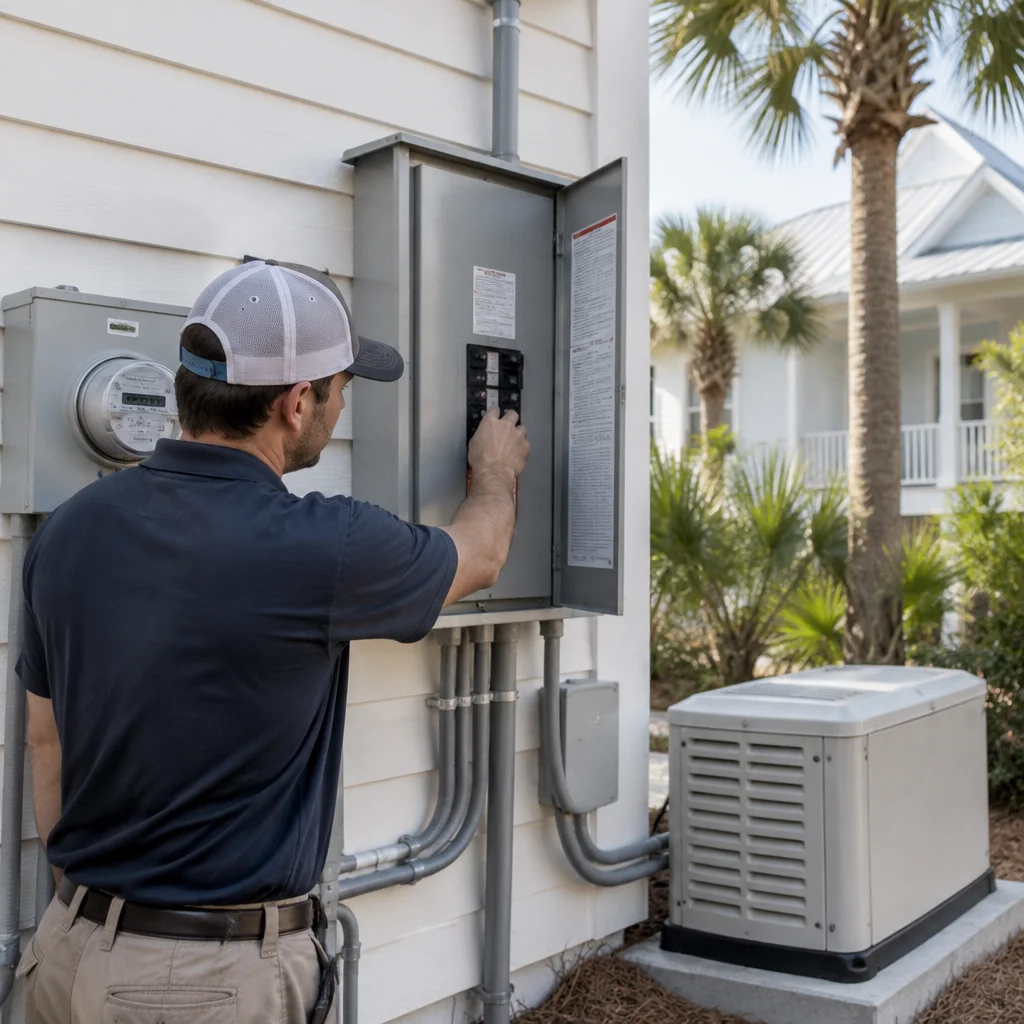
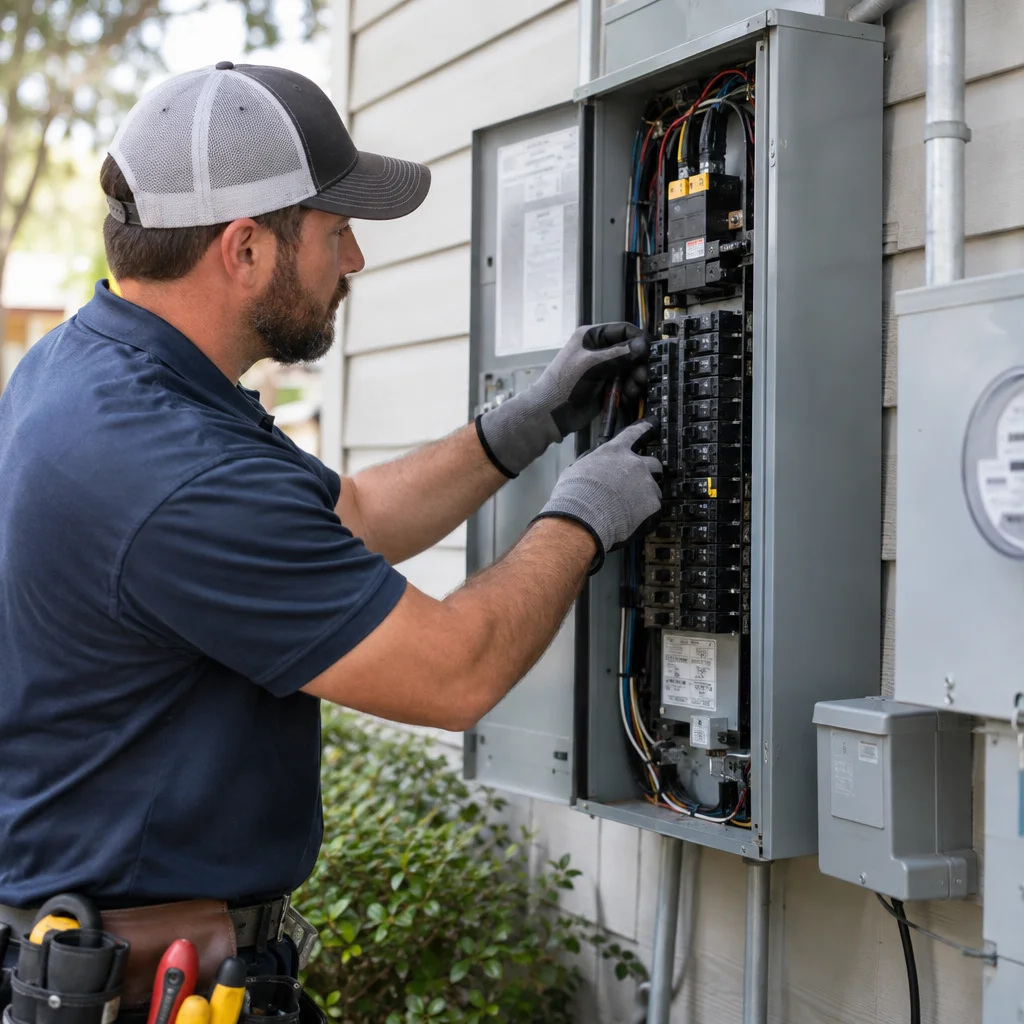
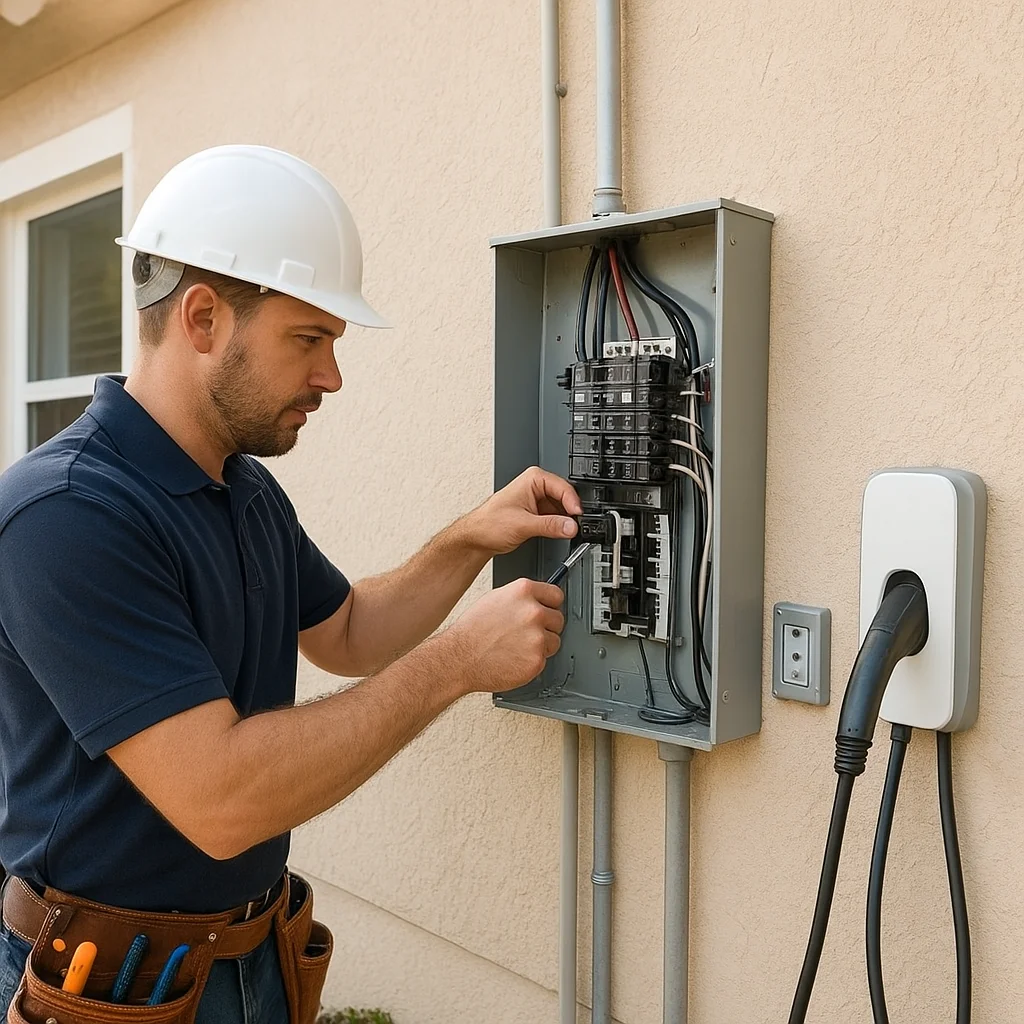
The electrical panel is the control center for the home. If it is undersized, outdated, or full of mixed equipment, it may not be ready for a standby generator or transfer equipment. In some homes, a panel upgrade is the right first step. In others, the existing panel can support the project after careful load calculations and code corrections.
Look for signs that the panel needs attention before generator installation:
Breakers that trip frequently, scorch marks, buzzing, warm panel covers, rust, corrosion, or a lack of space for new circuits all point to trouble. Homes with older service equipment may need an emergency electrician if the panel shows active overheating or repeated failure during storms. For many homeowners searching for local electrical service in Lower Grand Lagoon, panel work becomes the foundation for reliable backup power.
Older homes and older wiring need a closer look
Some Lower Grand Lagoon homes were built before today’s power demands. Older wiring, aluminum branch circuits, worn breakers, or outdated grounding can complicate generator compatibility. In these cases, a generator installation may require electrical wiring repair, panel replacement, or even selective rewiring to bring the system up to current standards. If a home still has legacy wiring, a licensed electrician should review whether any part of the system resembles knob and tube wiring replacement near me type concerns, even if the issue is simply age, wear, or improper modifications over time.
Circuits, load balancing, and what the generator should actually power
Not every circuit needs to be backed up. A good plan identifies the essentials first. That usually includes refrigeration, lighting, outlets for charging devices, a few receptacles in living spaces, garage equipment, and possibly a sump or well system if the property has one. In a coastal home, it can also include ceiling fans, smoke detectors, internet equipment, and a small number of kitchen circuits.
The goal is to balance comfort and safety without oversizing the system or overloading the panel. Dedicated circuits are often the cleanest way to support important loads. If the home has a pool, spa, or hot tub, those systems should be reviewed separately because they often need specialized protection and careful wiring. For more on that, homeowners can review Keeping Pool, Spa, and Hot Tub Wiring Safe in Lower Grand Lagoon Homes.
Load planning also helps homeowners avoid the common mistake of assuming the generator will handle everything. A properly sized system should support the circuits that matter most without constant tripping or voltage issues. That is especially important in homes with additions, remodels, or recent upgrades like kitchen changes, outdoor living spaces, or a new office setup.
Wiring and transfer equipment need to be built for the coast
Generator installation is not just about setting equipment outside. It involves the transfer switch or transfer panel, feeder wiring, grounding, bonding, and weather-resistant connections. In Lower Grand Lagoon, salt air and moisture can be hard on metal parts and exposed connections, so installation quality matters. Poor terminations, undersized conductors, or loose fittings can lead to nuisance shutdowns and long-term damage.
That is why homeowners should use a licensed electrician near me search result carefully and choose someone who understands local conditions, code compliance, and backup power systems. A generator may also be the right time to address other electrical concerns, such as outlet and switch reliability, especially if certain receptacles already show wear or intermittent power.
When an outlet repair near me search points to a bigger wiring issue, the real fix may be in the panel, feeder, or circuit layout rather than the outlet itself. The same is true for flickering lights, dead receptacles, or warm switches. Those symptoms can indicate loose connections, overloaded circuits, or damaged conductors that should be corrected before generator equipment is added.
Surge protection and grounding are part of the plan
Coastal storms can bring utility surges, lightning, and voltage swings that damage appliances and electronics. Generator systems should be paired with whole-home surge protection whenever possible. That helps protect refrigerators, televisions, computers, garage openers, smart thermostats, and even the generator controls themselves.
Grounding is just as important. A generator, transfer switch, and service panel should all be integrated into a grounding system that matches code and the home’s electrical layout. If grounding is weak or outdated, the installation may not perform as intended during an outage or storm event. This is one reason homeowners seeking electrical repair in Lower Grand Lagoon often find that a generator project uncovers other safety upgrades that should be done at the same time.
Maintenance keeps the generator ready when storms arrive
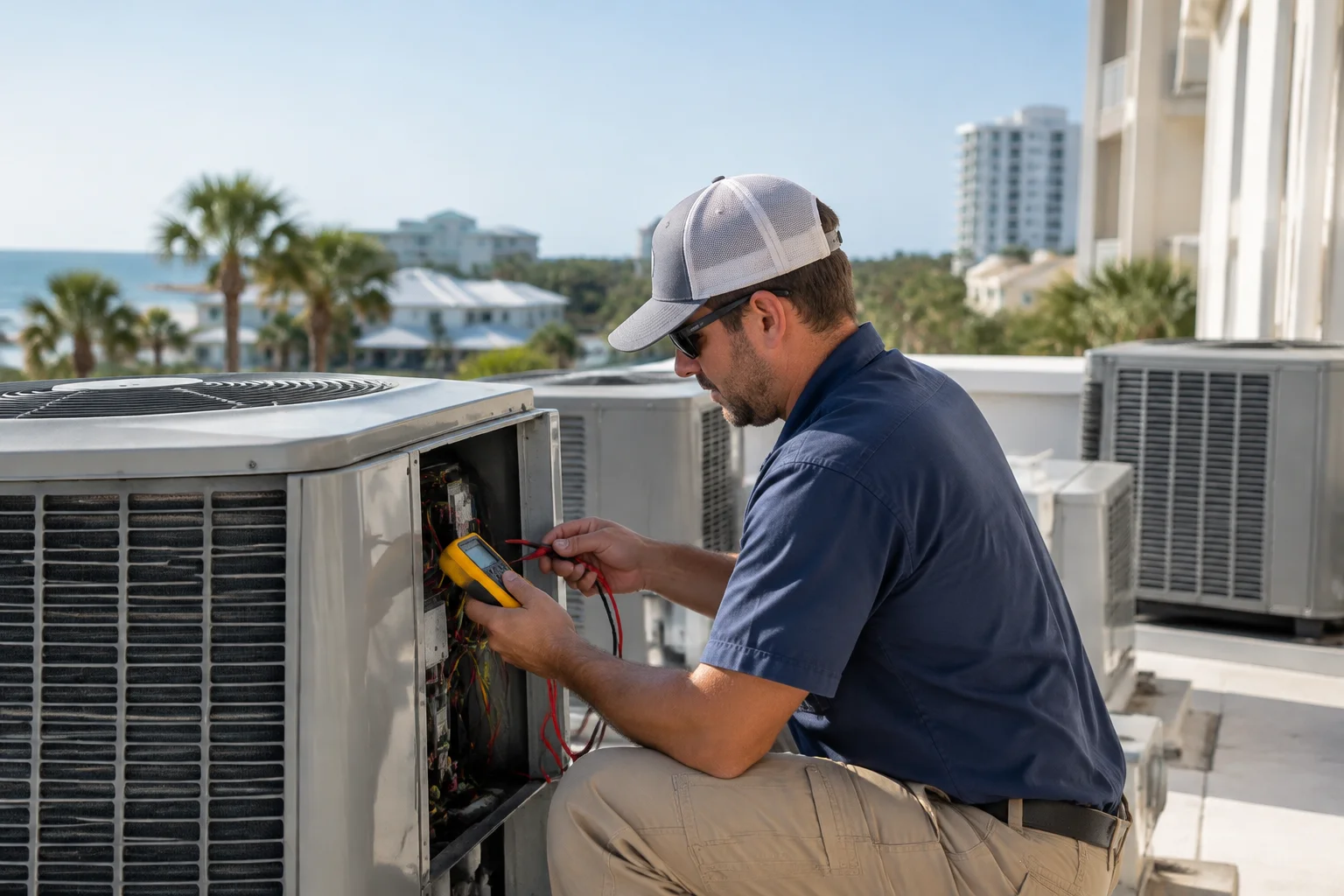
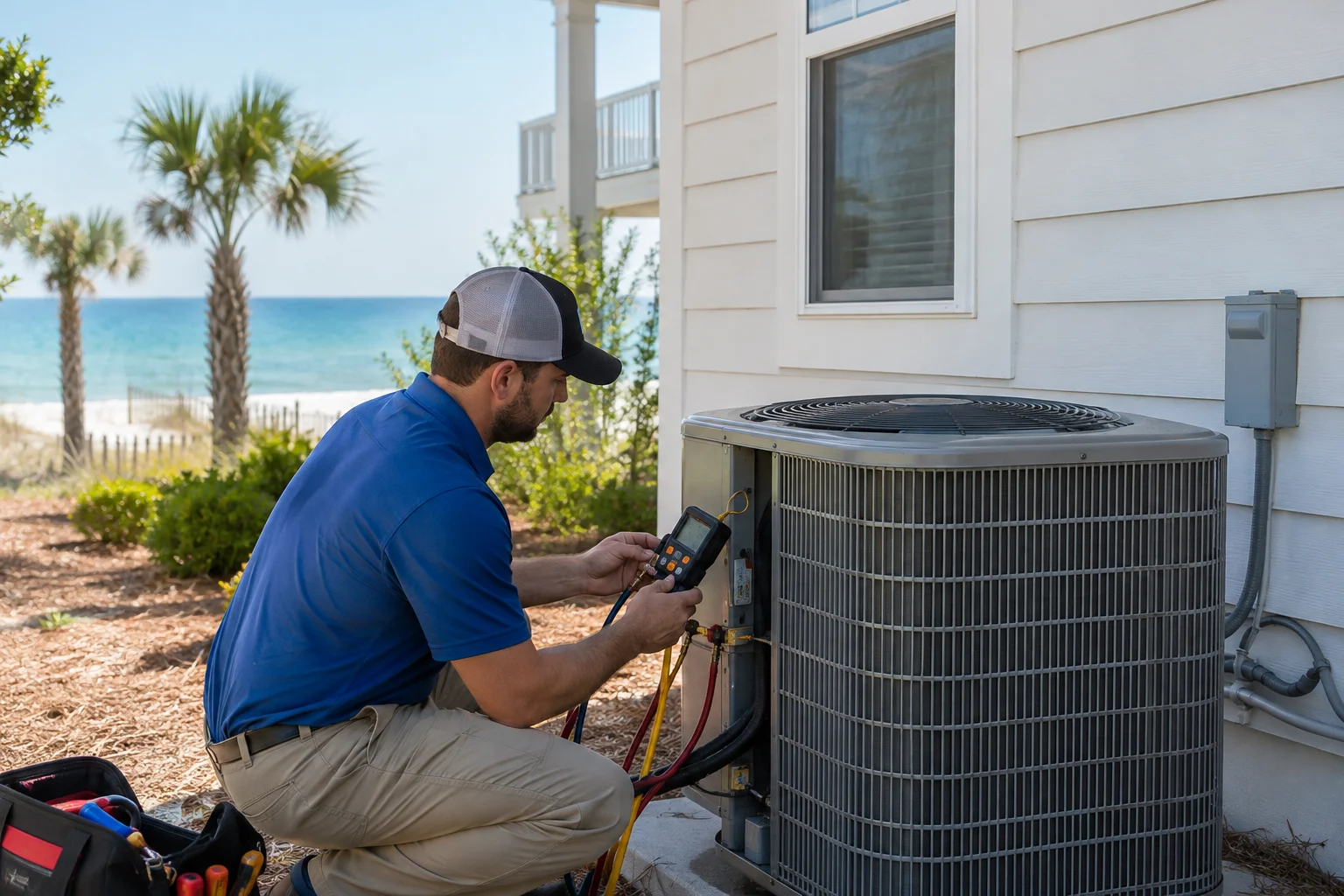
Generator maintenance is not optional in a place where outages can happen suddenly. A standby generator should be inspected regularly so the engine, battery, fuel system, transfer components, and electrical connections stay reliable. Heat, humidity, and salt exposure can shorten the life of parts if the system is left unchecked.
Routine maintenance usually includes exercising the generator, checking for alarms, inspecting battery condition, testing transfer operation, reviewing fluid levels if applicable, and confirming the unit starts and carries load properly. It is also a good time to check for corrosion at the enclosure, loose wiring, or damage from debris and moisture. Homeowners who already schedule electrical maintenance in Bay County can often combine generator service with panel and circuit checks for a more complete inspection.
After storms, do not assume everything is fine
Even if the generator starts, storm damage can still affect the electrical system. A lightning strike, tree impact, water intrusion, or utility surge may damage breakers, wiring, outlets, or lighting circuits without making the problem obvious right away. If the generator runs but certain rooms lose power, or if the panel smells hot, a professional inspection is a good idea. For urgent problems, emergency electrical services may be needed.
Generator planning for remodels, additions, and modern upgrades
Many homes in Lower Grand Lagoon are changing over time. Some owners are adding guest spaces, updating kitchens, replacing lighting, or installing ceiling fans and outdoor fixtures. Others are bringing in EV charging, smart controls, or data equipment that needs stable power. These projects all change the electrical load, which means the generator plan should be adjusted too.
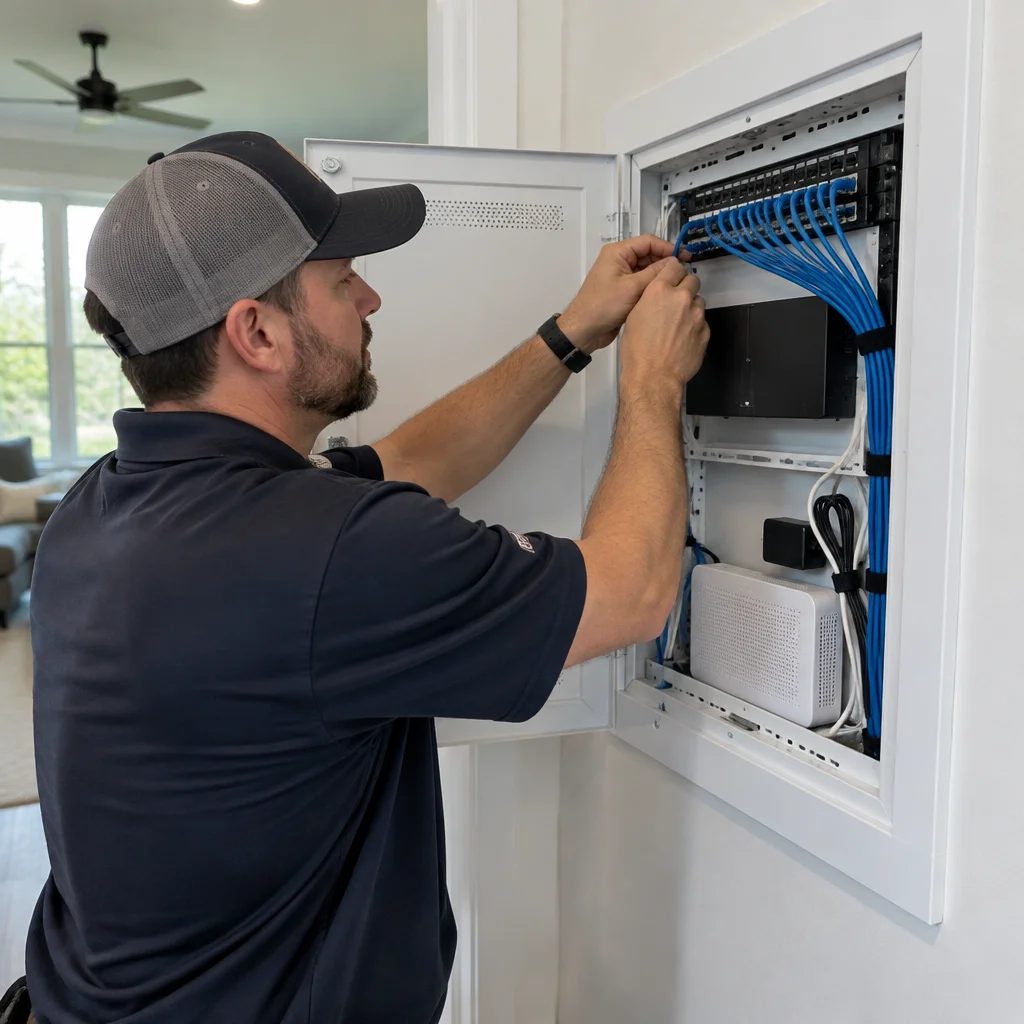
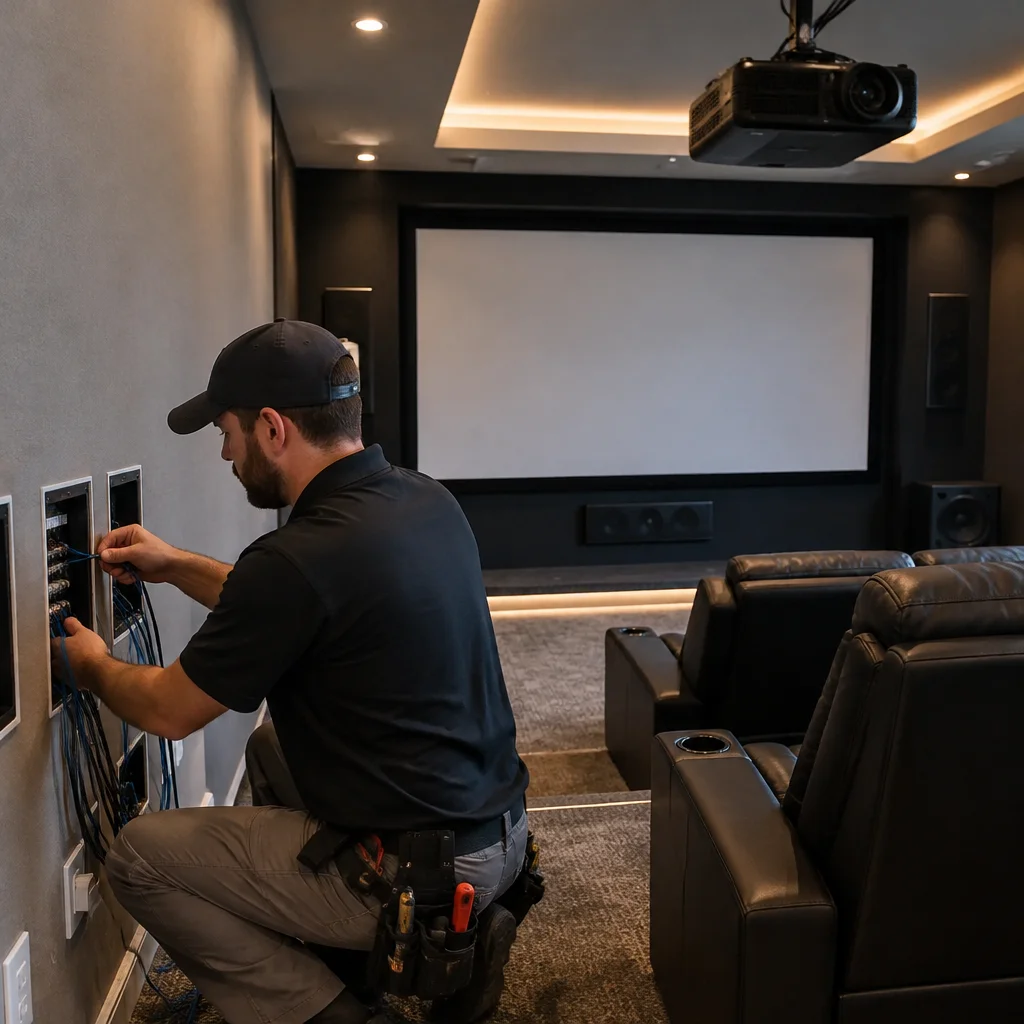
If you are considering specialty and smart electrical services, or you want to pair backup power with data and connectivity support, it can help to review data network cabling at the same time. A generator can keep the home running, but only if the circuits and systems behind it are organized well.
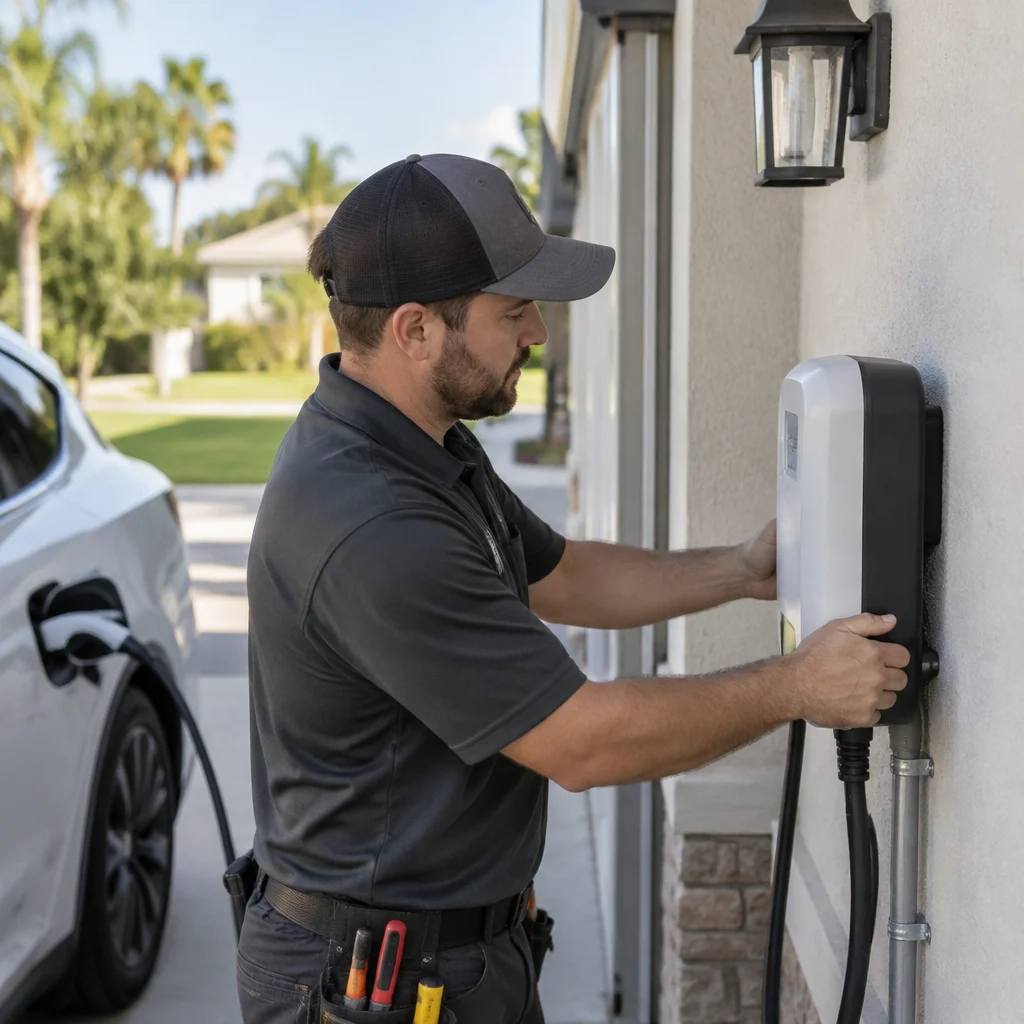
For homeowners searching for electrical panel upgrade near me or electrical panel replacement near me, a generator project is often the right moment to revisit the whole electrical layout. The same goes for tesla charger installation near me, outlet installation near me, ceiling fan wiring near me, or dimmer switch installation near me searches. If the home is already being updated, the electrical system should be ready to support those upgrades safely.
What homeowners can do before installation day
Before a generator is installed, gather a list of the circuits you want to protect. Think about refrigeration, internet, lights, outlets, garage door openers, fans, and any medical or security equipment that cannot be without power. Note any existing electrical problems too, such as tripping breakers, dead outlets, flickering fixtures, or warm switch plates.
It also helps to walk the property and identify outdoor conditions that may affect the system. In Lower Grand Lagoon, the installation location should account for flooding risk, wind exposure, salt spray, and access for maintenance. A generator should not be placed where storm debris, standing water, or poor airflow will create future problems.
Homeowners who want a broader electrical checkup can also ask about smoke detector installation near me, electrical wiring installation near me, code correction electrician near me, or landscape lighting installation near me if those projects are part of the same upgrade plan. Coordinating the work often saves time and helps the entire system work together.
Local service matters in Lower Grand Lagoon
Backup power projects are not one-size-fits-all. A coastal rental property, a family home near the water, and a newer house with smart appliances may all need different generator sizes and different electrical corrections. Local knowledge matters because Bay County weather, salt exposure, and housing styles all affect how the system should be designed and maintained.
That is why homeowners often prefer a local electrician near me who understands the area, the code requirements, and the electrical stress that comes with life on the coast. A Superior Mechanical provides generator installation and maintenance with that local context in mind, helping Lower Grand Lagoon property owners protect panels, wiring, circuits, and critical loads before the next outage arrives.
When the electrical system is planned carefully, the generator becomes more than emergency equipment. It becomes part of a safer, more resilient home that is ready for storms, everyday power use, and the demands of modern living in Lower Grand Lagoon.
Find Power Generator Installation and Maintenance in Lower Grand Lagoon, FL
If you need Power Generator Installation and Maintenance in Lower Grand Lagoon, FL, visit our local service page or contact A Superior Mechanical today.
Map of Lower Grand Lagoon, FL
Frequently Asked Questions
Do I need a panel upgrade before generator installation?
Not always, but many homes do. If the panel is full, outdated, corroded, or not rated for the backup load, a panel upgrade or code correction may be needed before the generator can be installed safely.
How often should a standby generator be serviced in Lower Grand Lagoon?
Most standby generators should be checked regularly, with more thorough maintenance at least once a year. Coastal humidity, salt air, and storm exposure can make routine service even more important.
Can a generator power my whole house?
Sometimes, but it depends on the size of the generator, the condition of the panel, and the home’s electrical demand. Many systems are set up to back up essential circuits instead of every load in the house.
What electrical problems should I fix before installing a generator?
Frequent breaker trips, flickering lights, warm outlets, damaged wiring, grounding issues, and an overloaded panel should all be addressed first. Those issues can affect generator performance and overall safety.
Related Articles
- Keeping Lower Grand Lagoon Homes Ready for the Next Electrical Upgrade
- Outdoor Landscape Lighting and the Electrical Clues Lower Grand Lagoon Homeowners Should Not Ignore
- Keeping Pool, Spa, and Hot Tub Wiring Safe in Lower Grand Lagoon Homes
- Keeping Outlets and Switches Reliable in Lower Grand Lagoon Homes
Photo Gallery