In Panama City Beach, backup power is not just a convenience. It is part of being ready for hurricane season, summer thunderstorms, and the occasional grid issue that can leave a home uncomfortable fast. For many local homeowners, power generator installation in Panama City Beach, FL is a practical upgrade that protects food, keeps air conditioning running, and helps avoid the cost of storm-related damage caused by a prolonged outage.
Coastal weather, salt air, humidity, and heavy rain all put extra strain on electrical equipment. Homes near the beach also tend to rely heavily on cooling systems, refrigeration, and electronics that do not handle interruptions well. That is why generator planning should be local, not generic. The right system, installed correctly and maintained on schedule, can make a major difference for homes across Panama City Beach and the wider Bay County area.
Why generator installation matters more in a coastal community
Panama City Beach homeowners know that outages can happen for several reasons. A strong storm can knock down lines. High winds can interrupt service. Salt exposure can wear on outdoor equipment over time. Even when the power comes back quickly, brief interruptions can still reset appliances, shut down HVAC systems, and cause avoidable stress.
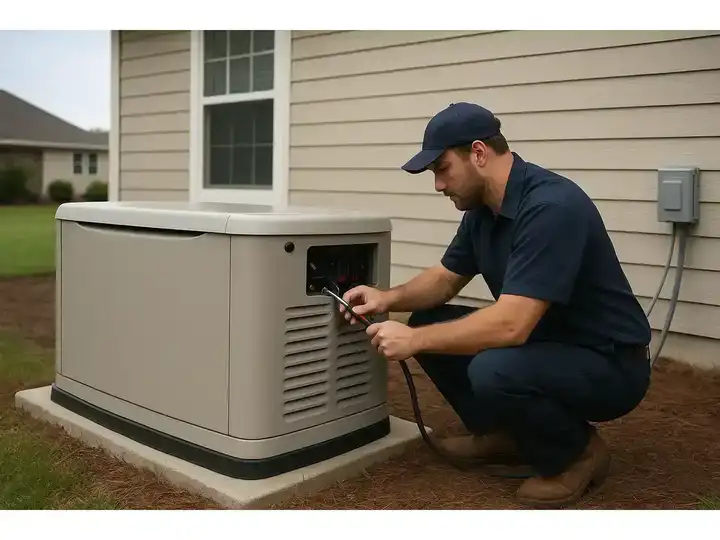
A standby generator gives your home a built-in backup source of power. When the utility feed drops, the system detects the outage and switches your home over automatically through a transfer switch. That means less scrambling with extension cords or portable units, and less chance of powering the wrong circuits the wrong way.
For families that work from home, care for children or older adults, or depend on medical equipment, reliable backup power is even more important. In a place like Panama City Beach, where weather can change quickly and humidity stays high for much of the year, a professionally installed generator helps keep the home safe and livable.
Choosing the right system for a Panama City Beach home
Not every generator fits every property. The right size depends on what you want to keep running during an outage. Some homeowners only need a few essential circuits, while others want whole-home coverage for cooling, lighting, refrigeration, internet, and major appliances.
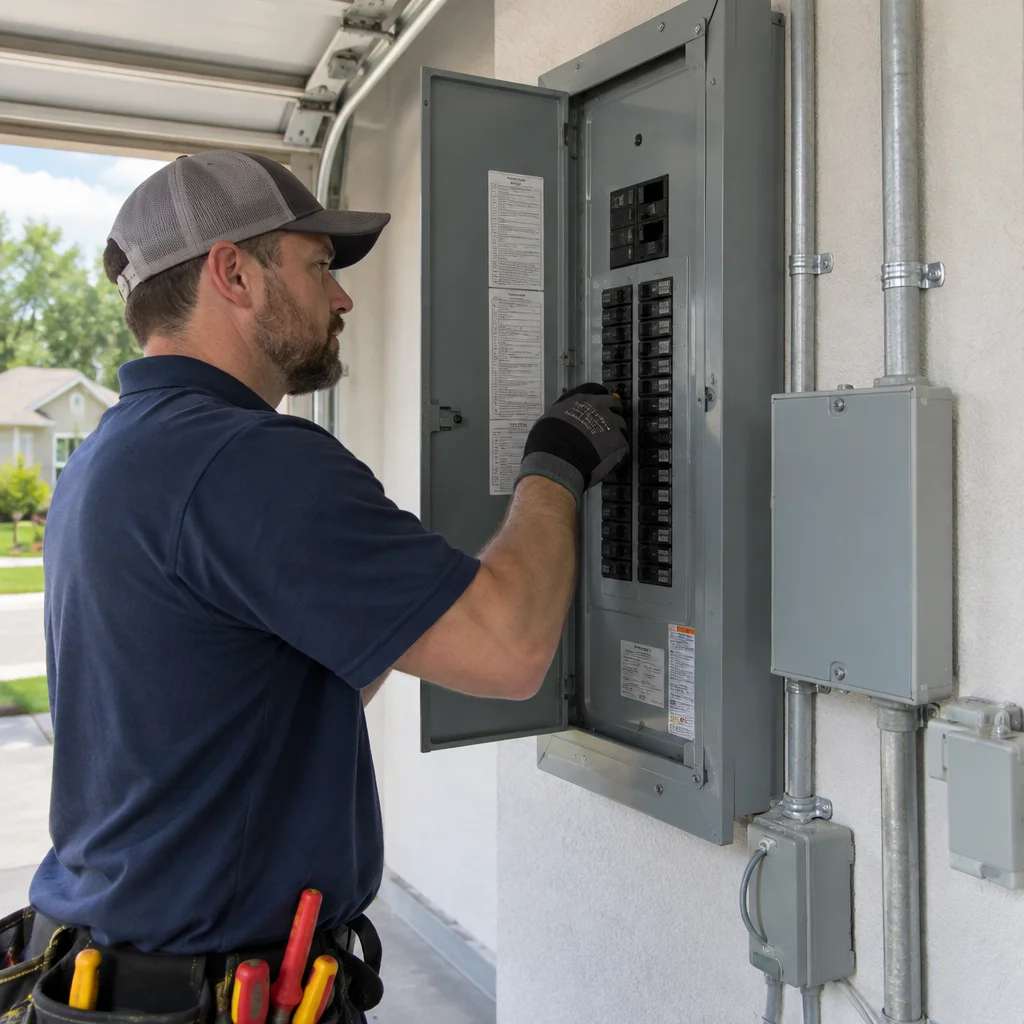
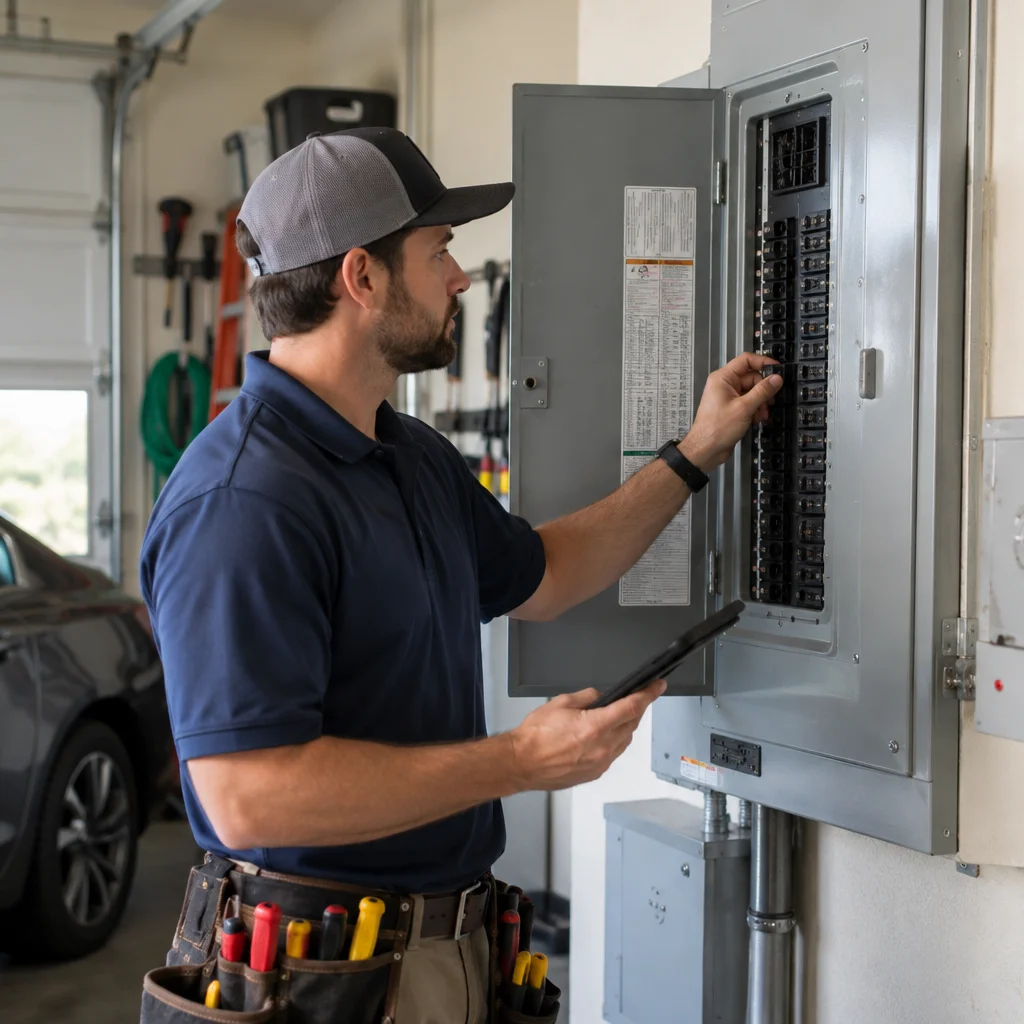
That is where professional planning matters. A licensed electrician can look at your panel, your fuel source, your home size, and your comfort goals before recommending a setup. In many cases, homeowners also choose to pair generator work with other electrical improvements, such as dedicated circuits for high-demand appliances or a broader electrical tune-up from a practical path to fewer electrical breakdowns in Panama City Beach homes.
Whole-home standby vs. partial backup
Whole-home standby generators are popular because they can support more of the house without constant manual management. Partial backup systems are often more affordable up front and can focus on essentials like the refrigerator, a few lights, and the HVAC system. The best choice depends on your budget, your home’s electrical load, and how much outage protection you want.
If your home has critical cooling needs, a generator that can support the HVAC system may be worth the added investment. In coastal Florida, losing air conditioning for long periods can make indoor conditions uncomfortable quickly, especially during peak summer heat.
Fuel source and placement matter
Generator installation is not only about the unit itself. Placement, ventilation, noise considerations, and fuel access all affect performance and compliance. Many homes use natural gas or propane, and each option has different installation needs. A local professional will also account for flood concerns, drainage, and the outdoor environment around your property.
Because Panama City Beach properties face salt air and storm exposure, outdoor equipment should be installed with corrosion resistance and service access in mind. A generator that is easy to inspect and maintain will usually save money over time.
Maintenance habits that can save money over time
Once a generator is installed, maintenance becomes the key to long-term value. A backup system that sits unused for months can still develop issues if it is not exercised and inspected. Regular service helps catch problems before hurricane season or before the first major outage of the year.
Keep up with routine inspections
Generator inspections should include the battery, oil level, fuel connections, transfer switch, and overall startup performance. Batteries are one of the most common failure points because they age even when the generator is not running often. A weak battery can mean the system does not start when you need it most.
It is also smart to check for corrosion, loose wiring, and signs of moisture intrusion. In a humid coastal climate, small issues can become larger repairs if they are ignored.
Test the system before storm season
Do not wait for a named storm to find out whether your generator is ready. A monthly or scheduled test run helps verify that the unit starts correctly and transfers power as designed. This is one of the simplest ways to avoid expensive emergency service calls during high demand periods.
For homeowners who already manage other household systems, such as tankless water heater services or plumbing fixture repair and installation, it can make sense to schedule generator checks alongside other home maintenance to stay ahead of seasonal problems.
Watch the fuel system and transfer switch
Fuel issues can stop a generator from doing its job. Propane systems need adequate fuel supply and secure connections. Natural gas systems require proper pressure and reliable service. The transfer switch also deserves attention because it is the component that moves your home from utility power to generator power.
If the transfer switch is not working correctly, the generator may run but fail to support the house. That can create a false sense of security. Professional service helps make sure the entire system works as one unit.
Common problems homeowners notice before a failure
Many generator problems start small. A homeowner may hear unusual noise during a test cycle, notice that the unit takes longer to start, or see warning lights on the control panel. These early signs should not be ignored.
Other warning signs include frequent shutdowns, low battery alerts, fuel smell, tripped breakers, or uneven power delivery to the home. If the generator is running but certain appliances still shut off, there may be an issue with load management, sizing, or wiring.
It is also worth paying attention after storms. Wind-driven rain, debris, and salt exposure can affect outdoor equipment even if there was no direct damage. If your generator has been exposed to flooding, standing water, or visible impact, it should be inspected before the next outage.
How local conditions in Bay County affect generator care
Bay County homes face a mix of weather and environmental conditions that influence electrical equipment. High humidity can accelerate wear on outdoor components. Salt air can corrode connectors and fasteners. Storm season can bring repeated outages, which means the generator may cycle more often than it would in inland areas.
That is why local service matters. A technician who works regularly in Panama City Beach understands how moisture, coastal air, and storm readiness affect generator performance. Local knowledge also helps when coordinating permits, utility requirements, and home electrical upgrades that support the installation.
If your home is older or has had past electrical issues, a generator project may also be a good time to review the panel, grounding, and circuit layout. Some properties benefit from other electrical improvements first, especially if the goal is to support a larger backup load or reduce future repair calls.
When generator installation should be paired with other upgrades
Sometimes a generator installation reveals other needs. An undersized electrical panel, aging wiring, or limited circuit capacity can make backup power less efficient than it should be. In those cases, the best solution may involve electrical upgrades along with the generator itself.
For example, a home that relies heavily on cooling may need better circuit planning to support the HVAC system. Homes with entertainment rooms or home offices may need better protection for electronics and AV equipment, similar to the concerns covered in keeping home theater and AV wiring reliable in Panama City Beach homes. If indoor air quality is a concern during outages, especially when doors and windows stay closed, homeowners may also want to look at cleaner air starts at home in Panama City Beach as part of a larger comfort plan.
Generator projects often go best when they are treated as part of the home’s overall electrical health, not as a one-time appliance swap.
Cost-saving habits before and after installation
Homeowners can save money by planning ahead instead of waiting for an emergency. Start with a load assessment so you do not overspend on a system that is larger than necessary. Ask about service access, maintenance intervals, and the best location for long-term reliability. A correct installation reduces the chance of future repairs and helps the generator run efficiently.
After installation, keep a simple maintenance record. Note test dates, service visits, battery replacements, and any warning messages. That record can help identify patterns before they become expensive problems. It also helps a technician diagnose issues faster if something changes.
If your generator is part of a larger backup strategy for a commercial property or a mixed-use building, the planning process may be different. In those cases, services like commercial HVAC services may also come into the conversation because cooling and power reliability often need to work together.
Why professional installation is worth it
Generator installation involves electrical work, fuel connections, code compliance, and system testing. A mistake in any one of those areas can create safety hazards or lead to poor performance during an outage. Professional installation helps ensure the generator starts properly, transfers power safely, and supports the circuits you actually want protected.
For homeowners in Panama City Beach, that peace of mind has real value. A properly installed system is more likely to hold up through storm season, and a well-maintained system is less likely to surprise you with a failure when the weather turns.
A Superior Mechanical provides power generator installation in Panama City Beach, FL with attention to local conditions, home layout, and long-term reliability. Whether you are protecting a beach home, a family residence inland in Bay County, or a property that needs dependable backup power year-round, the right installation and maintenance plan can make outages far less disruptive.
For homeowners comparing options, the best next step is usually a site evaluation and a conversation about what your home actually needs during an outage. That approach helps you avoid overspending, reduce repair risk, and keep your home ready for the next storm season.
Find Power Generator Installation in Panama City Beach, FL
If you need Power Generator Installation in Panama City Beach, FL, visit our local service page or contact A Superior Mechanical today.
Map of Panama City Beach, FL
Frequently Asked Questions
How long does a standby generator installation usually take in Panama City Beach?
Most installations take one to several days depending on the generator size, fuel source, electrical panel condition, and whether any upgrades are needed. Permitting and utility coordination can also affect timing.
How often should a home generator be serviced in coastal Florida?
At minimum, most standby generators should be inspected and tested regularly, with a more complete service visit before storm season. Coastal humidity and salt air make routine checks especially important in Panama City Beach.
Can a generator power my whole house during an outage?
Yes, if the system is sized correctly and installed to support your home’s electrical load. Some homeowners choose whole-home coverage, while others only back up essential circuits like HVAC, refrigeration, and lighting.
Why is local installation important for generator systems?
Local installers understand Panama City Beach weather, corrosion concerns, flood considerations, and Bay County permitting needs. That experience helps the system perform better and last longer.
Related Articles
Photo Gallery