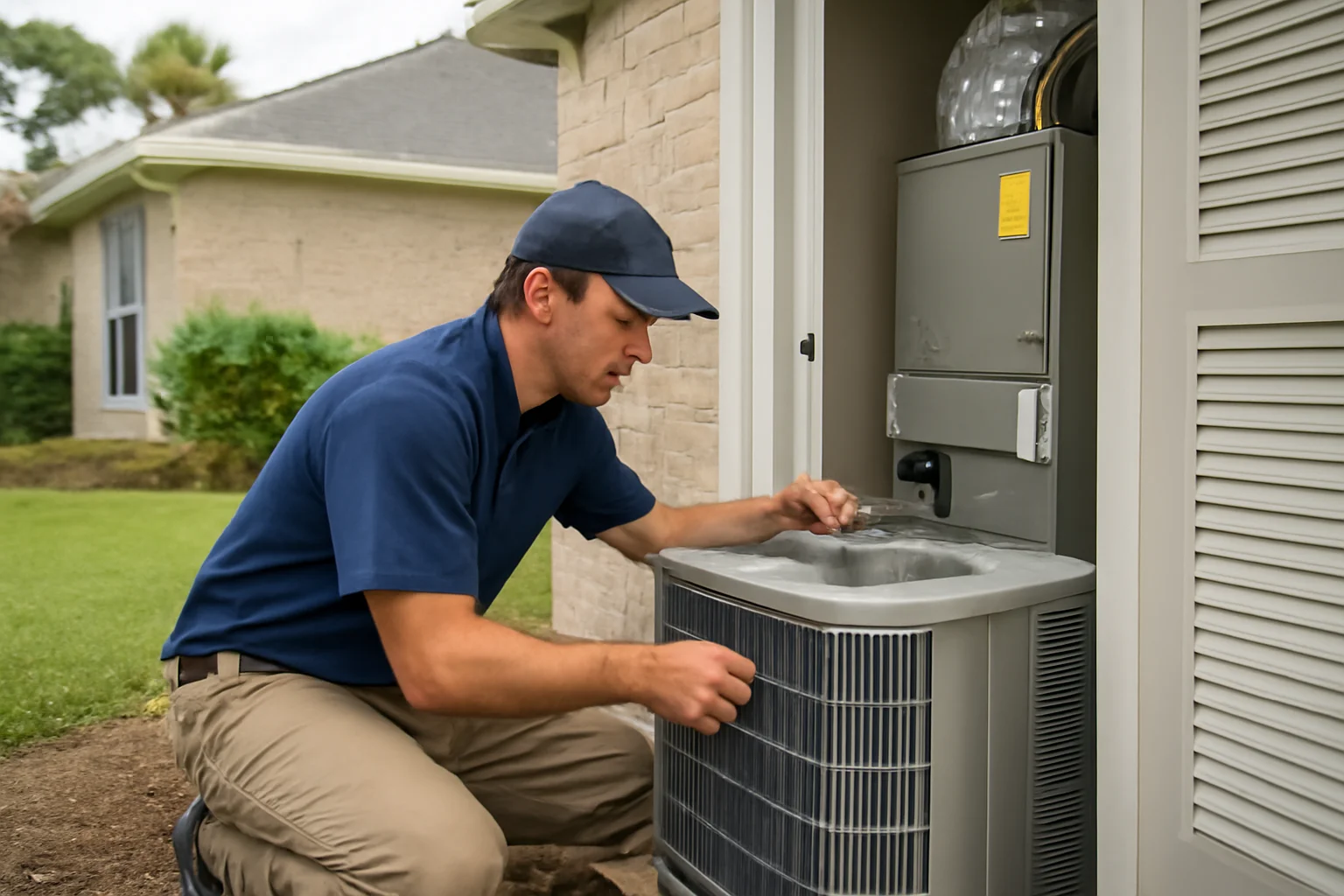
Florida weather does not negotiate. In Bluewater Bay, the combination of heat, humidity, and salt air can stress commercial HVAC systems quickly, especially when buildings have older ductwork, older controls, or mismatched equipment. The good news is that many “emergency HVAC” situations are preventable with a steady maintenance plan, better airflow management, and indoor air quality practices that keep systems operating within normal limits.
This guide is written for homeowners and property managers who support commercial spaces, shared buildings, and mixed-use properties in Bluewater Bay and across Okaloosa County. If you are searching for a “commercial air conditioning contractor near me” or “HVAC company near me” because your system feels unreliable, use these steps to reduce the odds of a mid-summer breakdown and the stress that comes with it.
Why emergency cooling happens more often in Bluewater Bay
Commercial HVAC emergencies are usually the result of small problems that build up over time. In Bluewater Bay, the environment accelerates that process. When outdoor temperatures stay high and humidity is elevated, cooling systems work harder to remove moisture. If airflow is restricted, filters are neglected, or condensate drainage is partially blocked, the system can overheat, freeze up, or trip safety protections.
Salt air can also affect performance and maintenance needs. Outdoor coils, condensers, and corrosion-prone components may degrade faster than they would inland. Older buildings may have ductwork that has shifted or accumulated debris over the years, which reduces airflow and increases energy use. Newer construction can still run into issues if design assumptions were not matched by installation quality, or if thermostats and controls are not configured correctly.
Whether your commercial HVAC system is older or newer, emergencies typically show up as:
- Warm air when the air conditioning should be cooling
- Frequent cycling or short run times
- Strange noises from indoor units or outdoor equipment
- Visible water around condensate drainage areas
- Comfort problems that seem “random” across different rooms or zones
Start with the basics: airflow and humidity control
In humid Florida conditions, comfort is about more than just temperature. Airflow and moisture removal are connected. When airflow is weak, the cooling coil cannot work efficiently, which can lead to higher humidity indoors and a system that feels like it is running constantly.
Filters, return paths, and ductwork performance
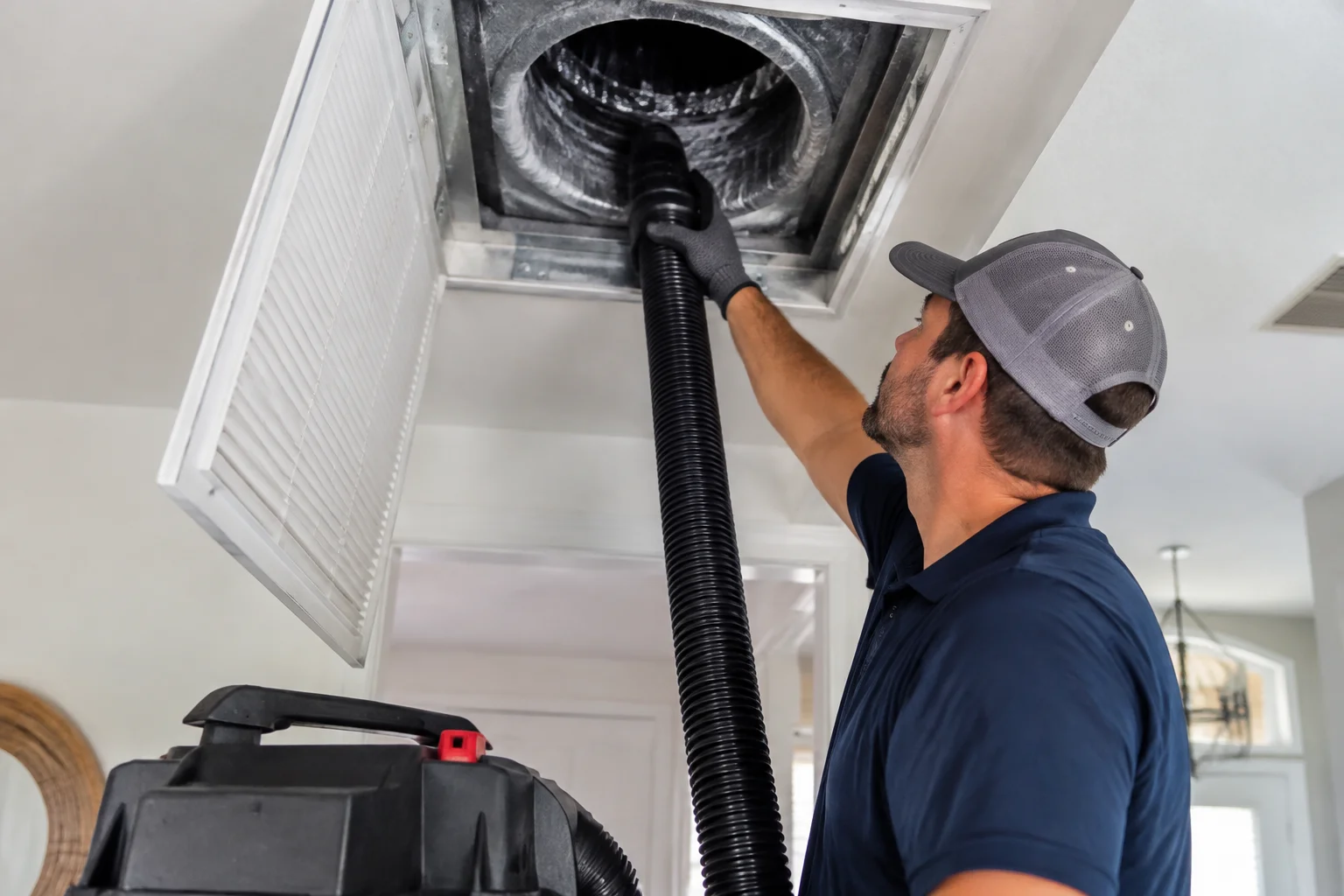
Restricted airflow is one of the most common precursors to emergency cooling calls. Filters that are too restrictive, incorrectly installed, or not replaced on schedule can reduce airflow. Return air paths can also be blocked by storage, furniture, or construction changes. In older buildings, ductwork may have leakage, poor connections, or sections that are crushed or partially disconnected.
If you notice rooms that are always warmer, cold spots near vents, or strong humidity that does not match the thermostat reading, ductwork and airflow are likely part of the story. For homeowners and property managers dealing with chronic comfort issues, it is smart to review why ductwork problems hit Bluewater Bay homes harder than you think.
For businesses, ductwork performance can also impact energy use. When air is not moving properly, the system may use more electricity to achieve less comfort, and that added stress can shorten component life.
Condensate drainage: the hidden emergency trigger
Air conditioning systems remove moisture as they cool. That moisture drains through condensate lines. When condensate drainage is restricted by buildup, debris, or misalignment, water can back up and cause safety shutdowns or leaks. Even if you do not see a major leak, partial drainage problems can force the system to operate less efficiently.
During preventive HVAC maintenance, professionals check condensate drainage, verify proper drainage routing, and confirm that drain pans and lines are functioning as intended. This is especially important in coastal areas where moisture and salt exposure can increase maintenance needs.
Older vs. newer buildings: the failure patterns are different
It helps to understand how building age changes the most likely causes of HVAC emergencies.
Older systems: ductwork, controls, and wear
Older commercial buildings in Bluewater Bay may have ductwork that has changed over time due to renovations, additions, or settling. Thermostats and control components may be outdated or wired in ways that do not match current operating needs. Refrigerant systems and coil conditions can also be affected by years of cycling and exposure.
Older systems can still run well when they are maintained properly, but they are more sensitive to airflow restrictions and control issues. That is why air conditioning inspection near me searches often lead to the same theme: comfort complaints are not always “just a thermostat problem,” and they can be tied to ductwork, filtration, and coil airflow.
Newer systems: installation details and control settings still matter
Newer construction is not immune to emergency situations. Even when equipment is modern, improper airflow design, undersized duct runs, or poorly set thermostats and control sequences can cause short cycling, humidity discomfort, and unnecessary energy use. If vents are blocked or return air paths were not maintained, performance can drift quickly.
For many property owners, the prevention approach is the same: confirm that airflow and controls are correct, verify condensate drainage, and keep indoor air quality stable through routine maintenance.
Use thermostats and controls to prevent “comfort drift”
Thermostats and building controls are the command center for commercial cooling. When they are inaccurate, poorly programmed, or not matched to occupancy patterns, systems may run too long, cycle too often, or fail to maintain humidity at comfortable levels.
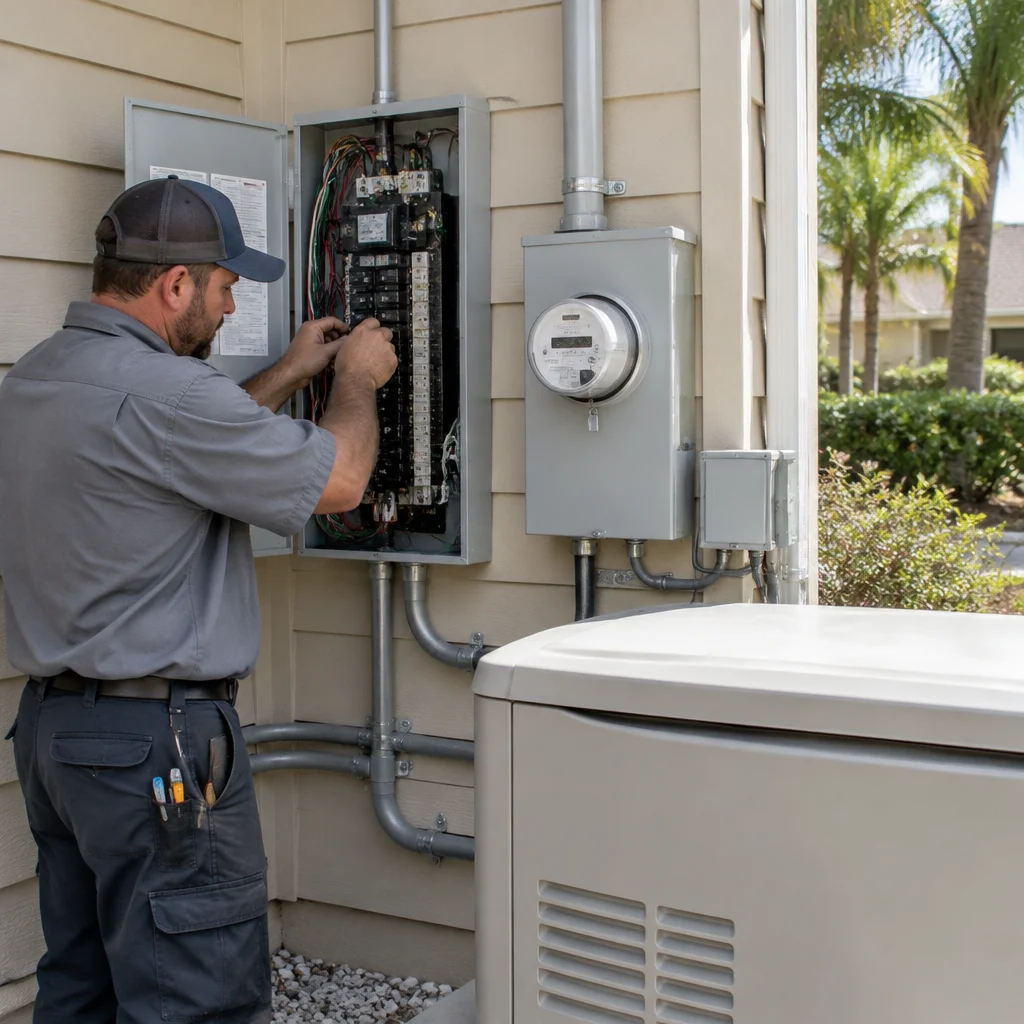
Thermostat installation and calibration
If you are considering heating control systems or upgrading thermostats, do it with the existing HVAC layout in mind. A thermostat installation near me search can be tempting when comfort issues show up, but a professional should verify sensor location, zoning logic, and control settings before assuming the thermostat is wrong.
Comfort issues that seem like thermostat errors can actually be airflow or ductwork problems. A local HVAC contractor should evaluate the system as a whole, not just replace a control component.
Zoning and airflow balancing
Many commercial systems use zoning to handle different occupancy needs. If dampers stick, zones are incorrectly balanced, or ductwork is not delivering the expected airflow, some areas can become too warm while other areas get overcooled. That imbalance increases humidity and can push the system into inefficient operation.
Airflow balancing and zone verification during scheduled service is one of the best ways to reduce emergency cooling concerns, especially during Florida’s hottest stretches.
Refrigerant systems: treat symptoms, not assumptions
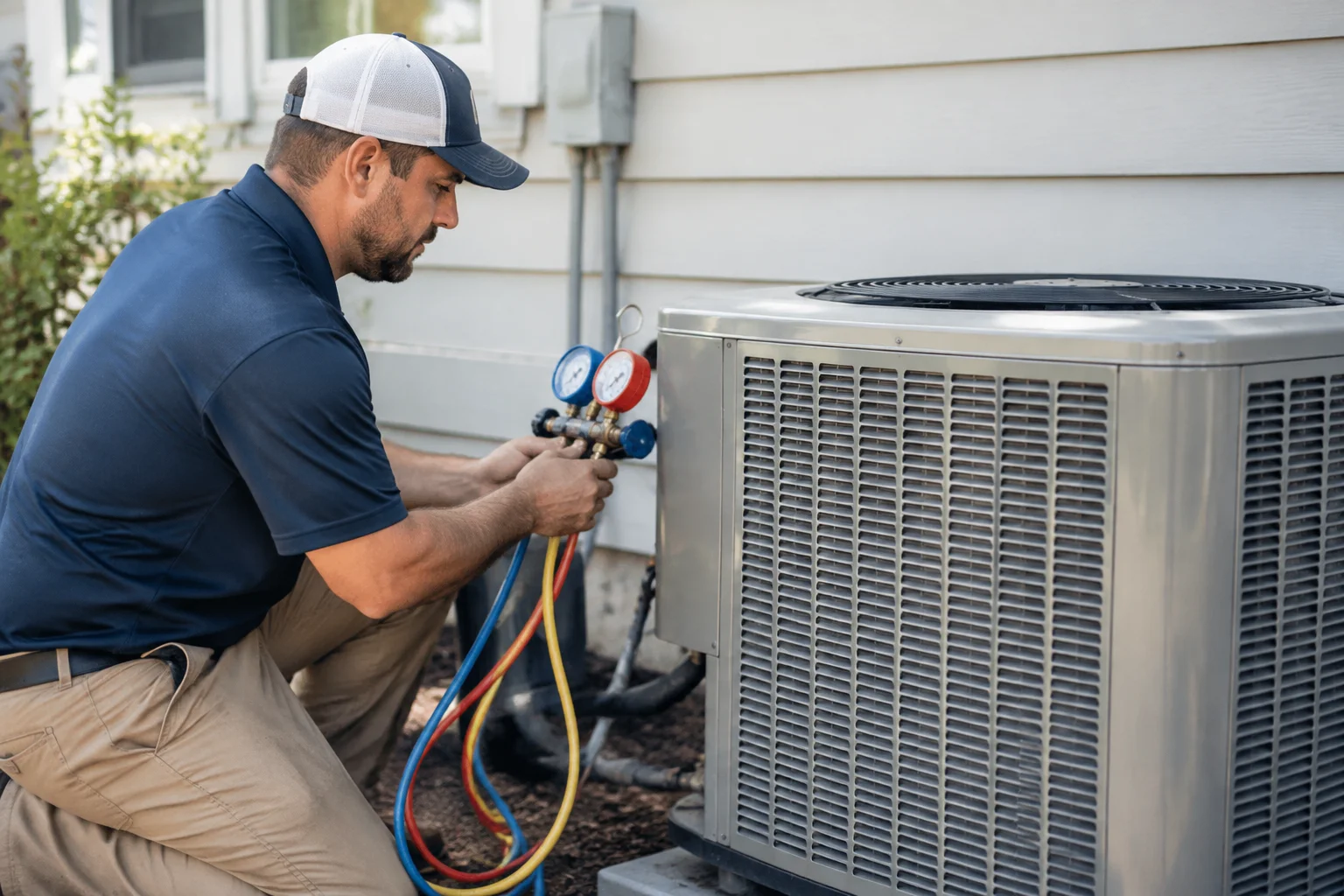
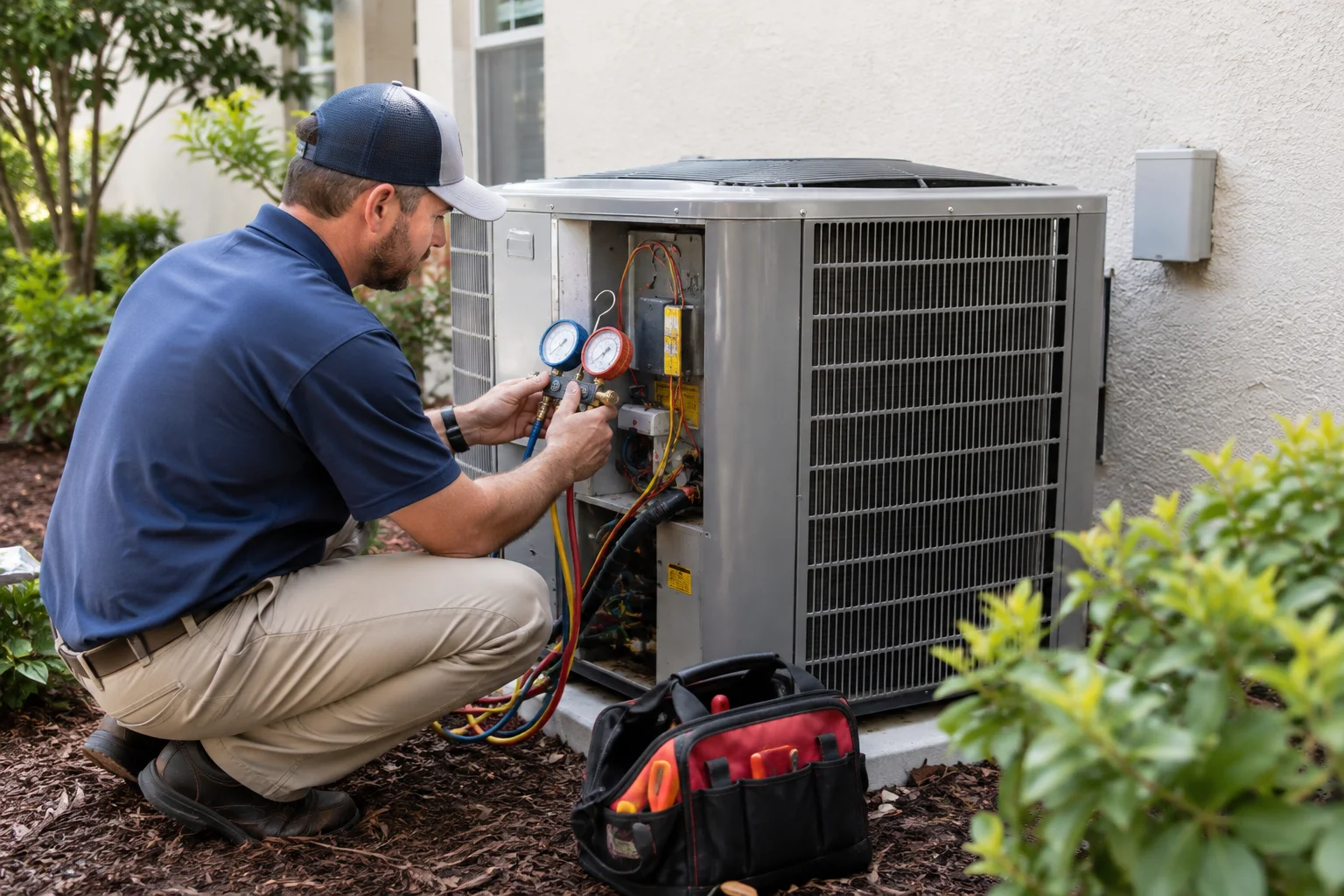
Refrigerant systems are essential to cooling performance, but they are also a common source of confusion during emergencies. Homeowners and property managers sometimes assume low cooling equals a refrigerant issue. While refrigerant problems can happen, refrigerant diagnosis should be handled by a qualified technician after an in-person evaluation.
What you can do to prevent emergencies is focus on the conditions that affect cooling performance: airflow, coil cleanliness, condensate drainage, and control operation. If your system is not cooling properly, a professional should evaluate refrigerant system behavior along with airflow and control inputs rather than guessing.
If you are searching for HVAC repair near me because your cooling feels weak, ask the technician to review airflow performance and comfort conditions as part of the assessment. This approach helps avoid misdiagnosis and reduces the chance of repeated failures.
Indoor air quality and humidity management reduce strain on the system
High humidity affects comfort and can also impact how hard the cooling system must work. Indoor air quality services near me often come up when occupants complain about stale air, allergies, or persistent dampness. In many cases, indoor air quality improvements align with HVAC prevention.
Keep filtration and ventilation aligned with the building
Filters, ventilation settings, and air circulation patterns influence how moisture is managed indoors. If filters are neglected, airflow drops and humidity removal becomes less effective. If ventilation is misconfigured, the building can feel stuffy and the system may run longer than needed.
Preventive maintenance should include verifying that filtration is appropriate for the system and the building use. A Superior Mechanical provides commercial HVAC services in Bluewater Bay that can address comfort, airflow, and indoor air quality needs. Learn more about commercial HVAC services for Bluewater Bay.
Watch for “comfort complaints” that are really system signals
Some of the most important early warning signs are not mechanical failures. They are comfort patterns:
- Humidity that makes the air feel warmer than the thermostat setting
- Odors that appear when the system starts cooling
- Inconsistent temperatures across zones
- Dryness followed by sudden dampness, depending on cycles
These patterns can point to airflow problems, coil performance issues, condensate drainage concerns, or control settings that are not keeping up with local Florida conditions.
Preventive maintenance that actually targets emergencies
Not all maintenance visits prevent emergencies in the same way. A good plan focuses on the parts of the system that fail under heat and humidity, especially in commercial applications.
What to schedule before peak summer
For Bluewater Bay businesses, it is smart to schedule preventive HVAC maintenance ahead of the hottest periods. During these visits, technicians should review cooling operation, airflow conditions, condensate drainage, thermostat and control behavior, and ductwork performance where applicable.
Even if you have newer equipment, a check of airflow and control sequences can prevent “it worked last year” failures. For duct-related concerns, consider service like duct cleaning when buildup is suspected, and request ductwork service guidance based on the condition of your system.
Document recurring issues
If you have ever called for air conditioning repair near me, you know that the technician will ask what changed. Keep a simple log for each unit or zone: when cooling starts, when it stops, any water observations, and any comfort complaints by location. This helps professionals identify patterns that lead to emergency failures.
Common warning signs that should be handled before they become emergencies
Emergency calls often happen when a system is already past its comfort and safety limits. Here are warning signs that should trigger scheduled service rather than waiting:
- Weak airflow from vents or one zone that never reaches temperature
- Short cycling, where equipment starts and stops frequently
- Humidity complaints that increase during the day, not just at night
- Water near drain lines or dampness around indoor units
- Unusual noises during cooling cycles
- Thermostat behavior that does not match actual comfort
- Rising energy use without a similar change in occupancy or operation
When these show up together in a commercial setting, it is often more efficient to address airflow, ductwork, condensate drainage, and control operation as a system, rather than treating isolated symptoms.
Air conditioning repair and replacement decisions should be based on evaluation
Homeowners and property managers sometimes wonder if a system should be replaced after a few breakdowns. Replacement might be appropriate in some cases, but it should be based on an in-person evaluation of system condition, airflow and comfort performance, and overall operation. Equipment age alone does not tell the full story.
If you are considering system replacement, it is also helpful to plan for installation quality. A practical installation guide for Bluewater Bay homes can be useful background: A Practical Guide to Air Conditioning Installation for Bluewater Bay Homes. While that article focuses on residential, the installation principles that affect airflow and performance carry over to commercial projects.
Financing can also be part of the planning conversation. If your budget affects how quickly you can address recurring issues, review HVAC financing options when appropriate.
How to reduce emergency risk during extreme weather
Bluewater Bay businesses deal with heat surges and humid afternoons. During these periods, prevention is about readiness and monitoring.
Set thermostat schedules that match occupancy
Overcooling empty spaces can raise energy use and still fail to control humidity if airflow is compromised. If you have multiple zones, verify that schedules align with how the building is used. For many commercial sites, correct thermostat programming and zoning logic reduces system strain.
Keep vents and returns clear
It sounds basic, but blocked returns and closed supply vents can create airflow problems quickly. Make sure staff knows not to block returns, and ensure any temporary storage does not restrict air movement.
Plan for the “first hour” response when cooling fails
If cooling stops unexpectedly, emergency cooling concerns can affect occupant comfort and product or equipment storage. Instead of waiting, contact a qualified commercial HVAC service provider to assess the system. A fast response matters, and so does a thorough evaluation that considers airflow, condensate drainage, and control operation.
If you want to understand why speed matters for local homeowners and businesses, read Why Bluewater Bay Homes Rely on Fast Emergency HVAC Service.
Choosing the right contractor for Bluewater Bay commercial HVAC needs
When you are comparing options for a commercial HVAC company, look for a contractor that treats comfort, airflow, and indoor air quality as connected goals. Salt air exposure, high humidity, and the realities of commercial ductwork make it important that a technician understands local building conditions across Okaloosa County.
A Superior Mechanical focuses on commercial HVAC services in Bluewater Bay, including repair, maintenance, installation, airflow balancing, and indoor air quality solutions. Start with commercial HVAC services in Bluewater Bay if you want a prevention-focused approach to AC repair, heat pump service, ductwork, and ongoing maintenance.
If your building has multiple locations or you are planning improvements beyond Bluewater Bay, it can also help to review how commercial HVAC services work in nearby markets. This resource covers common questions in the area: Commercial HVAC Services in Sandestin, FL: Answers to Common Questions.
Find Commercial HVAC Services in Bluewater Bay, FL
If you need Commercial HVAC Services in Bluewater Bay, FL, visit our local service page or contact A Superior Mechanical today.
Map of Bluewater Bay, FL
Frequently Asked Questions
What are the most common causes of emergency AC breakdowns in Bluewater Bay?
Most emergency cooling problems are tied to airflow restrictions, dirty or failing components, condensate drainage issues, and control or thermostat settings that do not match the building. In humid Florida weather, reduced airflow and moisture removal can escalate quickly.
How often should a commercial HVAC system be maintained to prevent emergency calls?
A preventive HVAC maintenance plan should be scheduled based on equipment type, building use, and how hard the system runs during Florida heat and humidity. A local commercial HVAC contractor can suggest a maintenance cadence after reviewing your specific setup.
Can ductwork problems cause both comfort issues and equipment failures?
Yes. When ductwork leaks or airflow is restricted, the cooling system can struggle to deliver comfort and humidity control. That added stress can lead to short cycling, higher energy use, and component wear. If you suspect duct issues, ask about duct inspection and airflow evaluation.
If my system is not cooling well, should I assume it is a refrigerant problem?
Not automatically. Refrigerant system issues can occur, but a proper refrigerant diagnosis requires an in-person evaluation. Cooling performance can also be affected by airflow, coil cleanliness, condensate drainage, and thermostat or control settings.
What should I check first if I see water near an indoor unit?
Water near an indoor unit can point to condensate drainage problems. It should be inspected promptly because partial blockages can lead to shutdowns or leaks. A technician should check drain pans, condensate lines, and overall drainage routing.
Related Articles
Photo Gallery