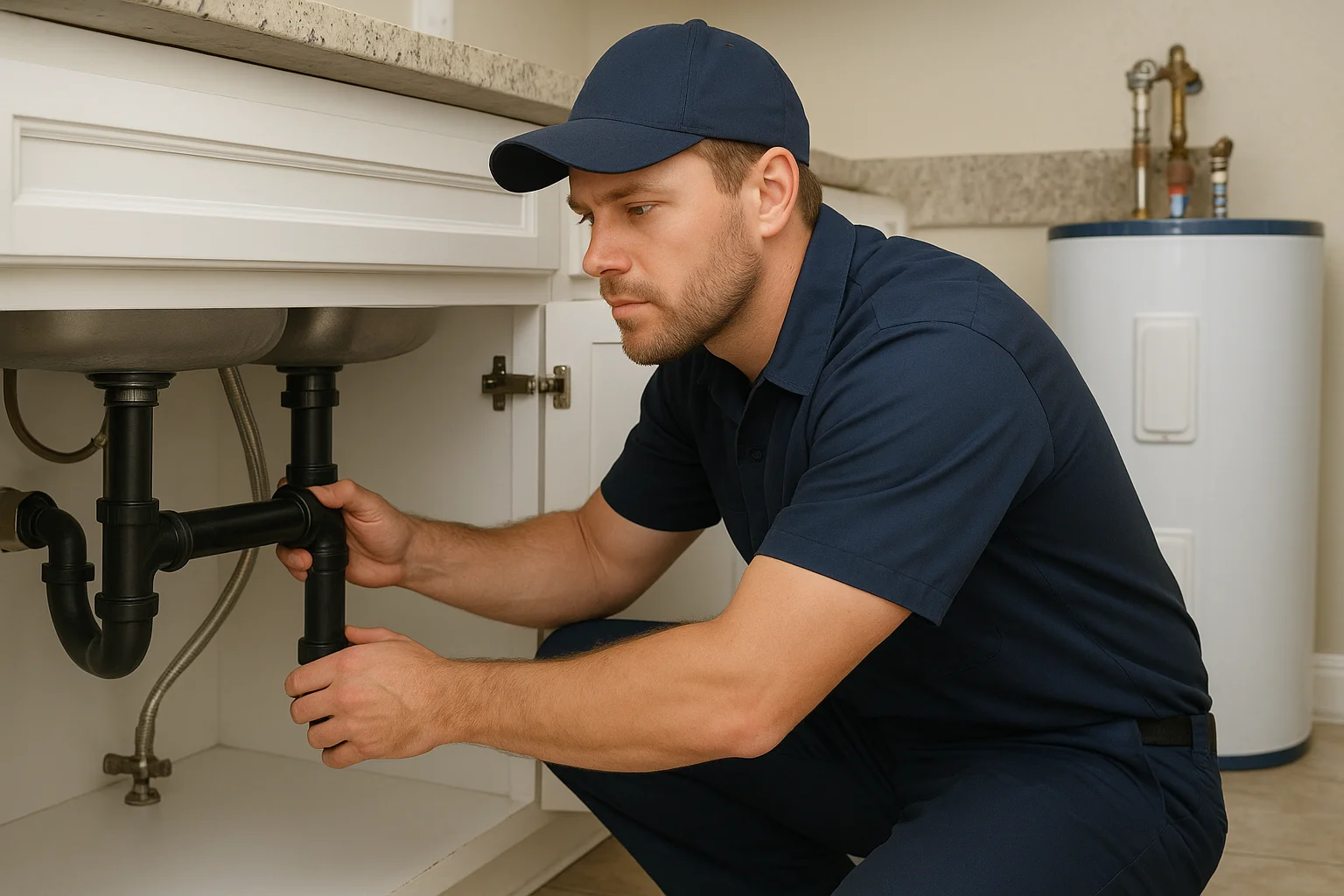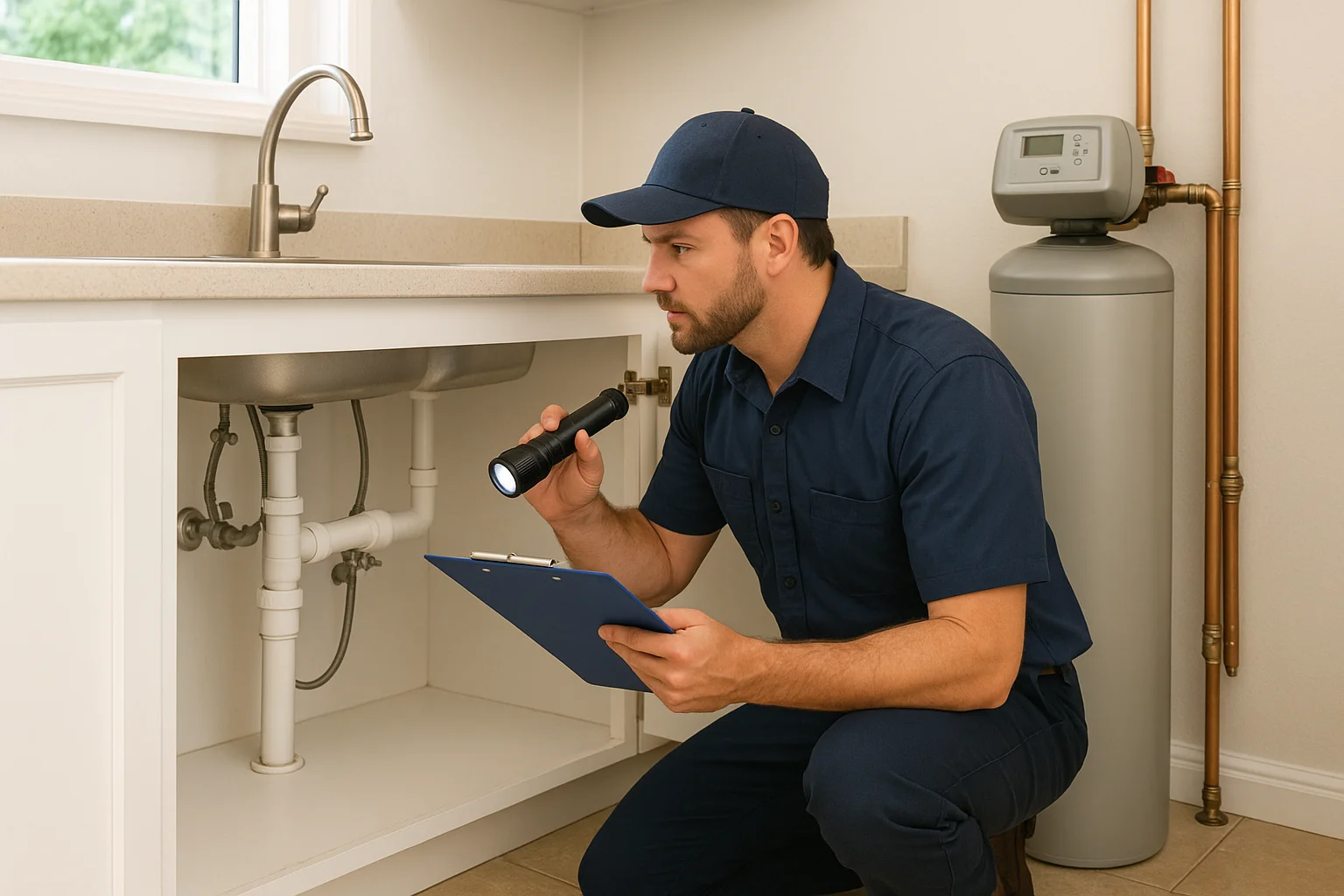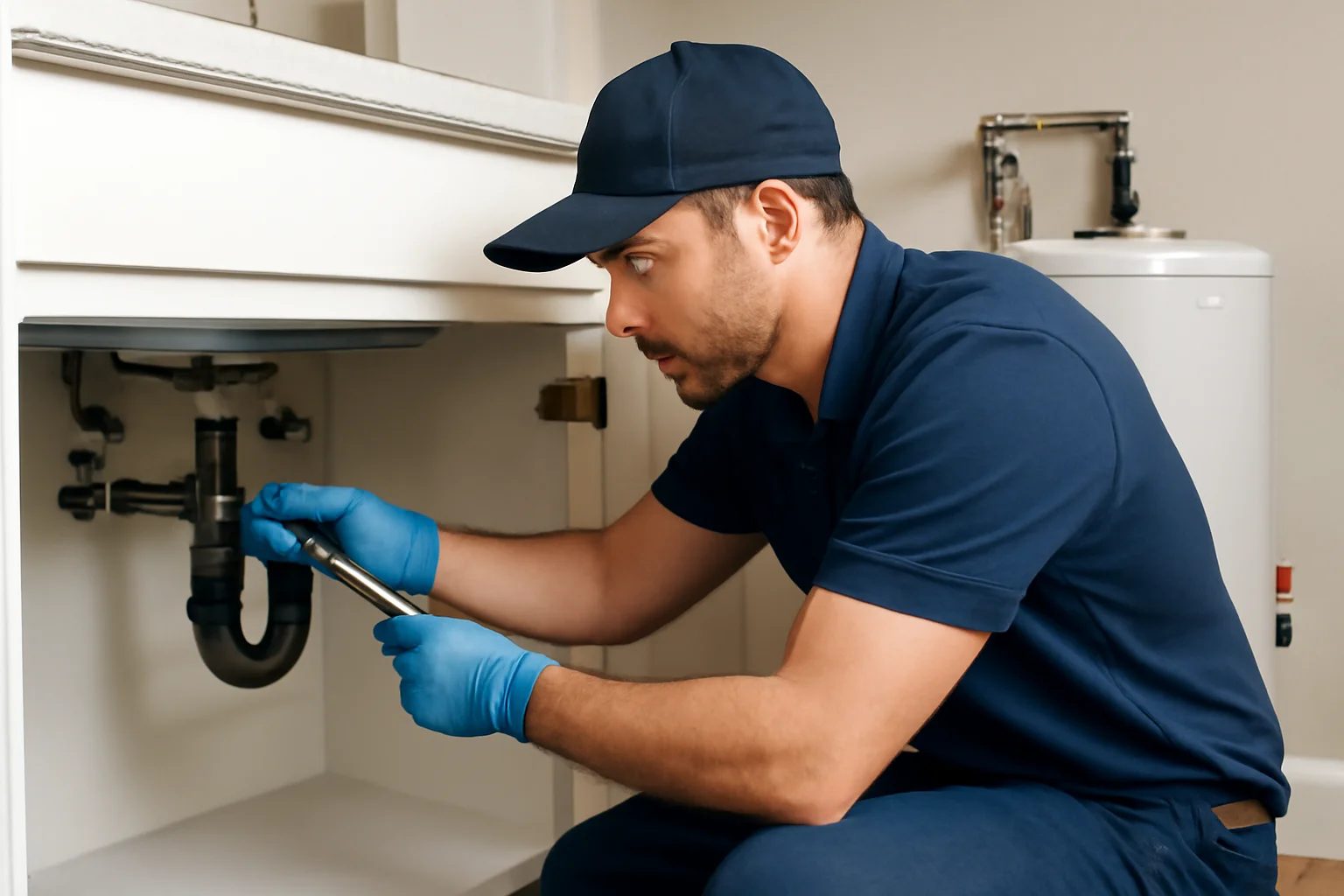
If you have ever dealt with a surprise leak, a sudden loss of hot water, or water pooling where it should not, you already know how quickly a plumbing problem can turn into an emergency. In Seaside, FL, the stakes can feel even higher because coastal weather, older plumbing in some neighborhoods, and frequent water use in beach-adjacent homes can stress water heaters and the pipes connected to them.
This guide focuses on water heater installation and the maintenance habits that help you avoid emergency plumbing calls. It is written for homeowners who want a smoother installation, fewer plumbing repairs, and less chance of water damage, especially when hard water, high demand, or aging sewer lines and drains are involved.
Start with the real reason emergencies happen: weak links around the water heater
Most emergency plumbing concerns tied to water heater installation do not start with the tank or unit itself. They start with what surrounds it: supply lines, pressure settings, drain connections, venting and combustion air requirements for tankless systems, and the condition of nearby drains and pipes.
In Seaside homes, you may see a mix of older copper, PEX, galvanized sections, and patchwork repairs from previous owners. Combine that with water pressure swings and the effects of hard water, and you get a system that can look fine until a new water heater changes flow rates, temperature settings, or discharge volumes.
When a plumber installs a new unit, they also need to confirm the supporting plumbing is ready. That is how you reduce the odds of an urgent call for leak repair, drain cleaning, or emergency plumber near me service later.
Pre-install checks that prevent the most common installation failures
A strong installation begins before the old water heater is removed. If you are scheduling water heater service, ask your installer to include these plumbing-focused checks.
1) Verify water pressure and expansion control
High water pressure can shorten the life of a water heater and strain valves and connections. Coastal homes that receive frequent pressure changes can see the same issue. If the pressure is too high, it can also increase the likelihood of leaks at fittings and valves.
Ask whether a pressure regulator and a properly sized expansion tank are in place. If your home has a closed system (common after certain plumbing updates), expansion control becomes essential. Without it, thermal expansion can force water out through the relief valve or create leaks at joints.
2) Inspect the discharge line for the relief valve
During installation, the pressure relief valve discharge line should be correctly installed and routed to a safe location. A misrouted line can dump water where it should not, creating the kind of pooling that triggers emergency plumbing concerns.
For homeowners, a simple question helps: where will the discharge water go if the relief valve activates? Your installer should confirm the line is secured, properly sized, and not blocked.
3) Confirm the drain pan and drain line are functioning
Many water heaters are installed above floors where a small leak becomes a big problem fast. A drain pan catches drips and minor failures, but only if the drain line is open and routed correctly.
If you are noticing dampness around the heater area, or if previous leaks have stained flooring, that is a sign to address the drainage path. This is also where homeowners sometimes need drain cleaning near me support, because a clogged drain line can turn a manageable drip into a flooding situation.
4) Check for signs of sediment and hard water buildup
Seaside water conditions can include hard water, which increases mineral deposits inside tanks and on valve seats. Sediment buildup can cause poor heating performance and premature failure. It can also interfere with proper operation during installation, especially if the old unit was leaking or struggling.
Before installing a replacement, your plumber should evaluate whether flushing is needed and whether valves and connections show signs of scale. If you are considering tankless water heater replacement near me searches, this step matters even more because tankless units can be sensitive to flow restrictions and mineral buildup.
Choose the right installation details for your home’s plumbing layout
Seaside homes vary widely. Some have easy access to supply lines and clean routing for venting and discharge. Others have heaters tucked in tight closets, behind finished walls, or near areas where slab foundations and older pipe runs add complexity.
Tank vs. tankless: installation choices affect plumbing stress
Tank water heaters generally store hot water and may run more steadily. Tankless systems heat on demand, which can increase flow demands and change how pressure behaves at fixtures. Either way, the plumbing must be sized and connected correctly.
If your household uses multiple showers, laundry, or dishwashing at the same time, flow demand increases. That can expose weak valves, undersized piping, or worn fixtures. These are the issues that often lead to “it worked for a day” problems and urgent plumbing repair near me calls.
Vent, combustion air, and condensation considerations
While this article focuses on plumbing, it is still important to note that tankless installations rely on correct venting and safe condensation management. If venting or air intake is wrong, the unit can malfunction in ways that look like plumbing issues. A licensed plumber near me should coordinate the install so the water side and the system side work together safely.
Water heater installation and leak prevention: what homeowners can watch for
Leaks are the fastest path to emergency plumbing. They also tend to multiply. A small drip can travel, saturate drywall, and damage nearby fixtures and floors. By the time you notice water, the source may be harder to find.
Look for early warning signs around the unit
Before you need emergency plumber near me help, keep an eye out for these red flags:
- Water pooling near the base of the heater or in the drain pan area
- Damp insulation, rust around fittings, or mineral streaks on pipe joints
- Frequent cycling of the temperature or pressure relief valve discharge
- Hot water that smells unusual or looks cloudy, which can indicate sediment disturbance
- Sudden changes in water pressure at showers, faucets, or toilets
If you see any of these, address them before a full installation. It is often easier and less costly than waiting for a failure after the new unit is in place.
Why hard water makes leaks and repairs more likely
Hard water can cause mineral buildup on valves and internal components. Over time, that buildup can lead to sticky shutoff valves, leaking joints, and relief valve discharge issues. When the old unit is replaced, plumbing disturbances can loosen scale or expose weak seals.
That is why it helps to schedule a home plumbing inspection near me style evaluation that includes the water heater connections, nearby shutoffs, and the condition of related pipes.
Drain, sewer, and nearby plumbing: the hidden contributors to emergencies
Many homeowners think “water heater installation” only affects hot water. In reality, the installation touches drains and sometimes even sewer lines, especially when discharge lines, condensate lines, or nearby fixtures share routing.
Relief valve discharge and drain line blockages
Even when the relief valve is functioning correctly, the discharge needs a clear path. If the discharge line connects to a drain that is partially blocked, water can back up. A backup can lead to water damage and a rapid escalation into emergency drain cleaning near me territory.
During installation, confirm the discharge line is properly routed and not connected in a way that can trap water.
Condensate and tankless systems
Tankless units can produce condensate depending on fuel type and operating conditions. That condensate must drain correctly. If your home has older drain lines or a history of slow drains, it is smart to address those issues before installation.
A kitchen sink drain repair near me or shower drain clog repair near me issue may look unrelated, but clogs can indicate a general trend. If multiple fixtures drain slowly, the issue may be a shared line or a sewer line problem that should be evaluated.
Toilets, fixtures, and water hammer: symptoms that point to plumbing problems
When water pressure changes or valves stick, you may hear banging, see toilet refill issues, or notice inconsistent performance at faucets. These symptoms can show up around the same time you install a new water heater because the plumbing system is operating differently.
Instead of treating symptoms one fixture at a time, a plumber can trace the cause. That can reduce repeat visits for faucet repair near me, toilet repair, or pipe repair near me type issues.
Seaside-specific realities that make local plumbing service valuable
Seaside is coastal, and the plumbing environment reflects that. Salt air can accelerate corrosion on exposed fittings. Hard water can increase scale. Homes near the water may also experience unique usage patterns, including heavy showers, outdoor rinsing, and frequent laundry during peak seasons.
Some neighborhoods in Walton County also include older plumbing runs. If your home has a crawl space, slab sections, or older pipe materials, the risk of hidden issues rises during replacement work.
This is where local service matters. A team familiar with Seaside homes understands which problems are most common, how water pressure tends to behave, and how to inspect for issues like slab leaks that may not be visible until the system is disturbed.
Prevent slab leak surprises by checking the foundation plumbing early
Slab leaks are not always obvious. You might notice unexplained moisture, damp flooring, or a persistent drop in water pressure. Sometimes the first time a homeowner truly notices a slab leak is during a major plumbing project, because new pressure conditions or valve changes reveal the problem.
If your water heater installation will involve changes to supply lines that run through slab areas, it is smart to ask about slab leak repair near me type concerns. A proper evaluation can prevent a situation where the new unit is blamed, when the real culprit is a hidden leak elsewhere.
How to prepare your home so installation day stays calm
Even the best plumber can be slowed down by avoidable complications. A little preparation reduces the chance of delays, incomplete connections, or rushed cleanup that can contribute to later leaks.
Make access easy and protect surrounding areas
- Clear the installation area and remove stored items near the heater
- Keep the path to shutoff valves and drain pan accessible
- Protect flooring if the area is prone to moisture damage
Confirm the unit size and fuel or power requirements
A mismatched unit can cause poor performance and pressure issues. Ask your installer to confirm the correct capacity for your household and water usage patterns. For larger families or high-demand seasons, undersizing can lead to constant reheating and pressure cycling.
If you are comparing tank and tankless options, also consider the plumbing implications of each system and how it fits your existing pipe sizes and fixture flow rates.
Maintenance habits that reduce emergency calls after installation
After installation, maintenance is what keeps the plumbing stable. Here are practical steps homeowners can follow between service visits.
Schedule periodic flushing for tank units
Flushing helps remove sediment that hard water leaves behind. Sediment can reduce efficiency, increase wear on components, and make valve operation less reliable. A consistent maintenance routine can prevent early failure and reduce the odds of unexpected leaks.
Have shutoffs and valves checked during routine plumbing service
Many leaks come from valves and fittings that should be tight but are worn or scaled. If you want fewer plumbing repair near me calls, ask for a check of:
- Cold and hot water shutoff valves
- Relief valve discharge line condition
- Connection points at the unit
- Nearby fixtures for pressure-related symptoms
Keep an eye on drain speed and fixture performance
If drains are slow, do not ignore it. Slow drainage can indicate partial clogs or early sewer line issues. When a clogged drain repair near me search turns into an urgent problem, it often means the clog worsened after other plumbing work increased flow.
For homeowners dealing with recurring clogs, it can help to review sewer inspection near me needs and address the root cause rather than repeatedly clearing surface blockages.
When emergency plumbing concerns are more likely during water heater replacement
Some situations increase the chance of an urgent call. If any of these apply, plan for a more thorough installation and inspection.
- The old unit has been leaking, even slightly
- You have noticed rust, mineral streaks, or dampness near fittings
- Your home has frequent water pressure fluctuations
- Multiple drains have been slow or backed up recently
- You suspect a slab leak or have unexplained moisture
In these cases, a careful approach can prevent the most common emergency plumbing outcomes: active leaks, blocked discharge, and water damage that spreads quickly through floors and walls.
Resources to help you plan smarter for Seaside homes
If you are weighing options for your current system or want to reduce surprises during replacement, these local-focused reads can help:
- Making a Smarter Choice for Water Heater Installation in Seaside Homes
- Practical Plumbing Advice for Seaside Homeowners Living Near the Coast
- Why preventive plumbing care makes water heater installation smoother in Cinco Bayou
- A Springfield Homeowner’s Guide to Smarter Water Heater Installation and Fewer Plumbing Surprises
Get the right plumbing support for your installation in Seaside
For dependable hot water and fewer emergency plumbing concerns, work with a team experienced in local water heater installation and the plumbing details that keep systems stable. A Superior Mechanical provides professional water heater installation in Seaside, FL, for homes, rentals, and businesses across Walton County.
Learn more about our service here: water heater installation in Seaside. You can also explore our broader local coverage on the Seaside service area page and Walton County service area.
If you suspect additional plumbing work is needed, these related services often pair well with water heater installation planning:
- Plumbing Replacement
- Clean Water Services
- Water Purification Services
- Clogged Pipes and Drain Services
Find Water Heater Installation in Seaside, FL
If you need Water Heater Installation in Seaside, FL, visit our local service page or contact A Superior Mechanical today.
Map of Seaside, FL
Frequently Asked Questions
What should I check before scheduling water heater installation in my Seaside home?
Ask for a plumbing check of water pressure, expansion control, relief valve discharge routing, drain pan and drain line condition, and the state of shutoff valves and connections. These are common sources of leaks and emergency plumbing calls after installation.
Can hard water cause problems after a new water heater is installed?
Yes. Hard water can increase sediment and mineral buildup that affects heating efficiency and valve operation. It can also contribute to leaks at fittings over time. A maintenance plan like periodic flushing and system checks helps reduce surprises.
Why would a water heater installation lead to drain or sewer issues?
Water heater discharge lines, condensate lines (for tankless), and nearby drain routing can connect to drains that are partially blocked. If a drain line backs up, it can cause water damage and make the situation feel like an emergency. Addressing drain performance before installation helps.
How do I know if I might have a slab leak related to the water heater area?
Look for unexplained moisture, damp flooring, recurring water pressure problems, or signs of corrosion near plumbing runs. If your home has slab plumbing, ask for evaluation before or during replacement so the installer can rule out slab leak repair needs.
When should I call an emergency plumber near me instead of waiting?
If you see active leaking, water pooling that is spreading, relief valve discharge that will not stop, or multiple fixtures and drains backing up, call promptly. Water damage can escalate quickly, especially in coastal homes where corrosion and humidity can worsen conditions.
Related Articles
- Making a Smarter Choice for Water Heater Installation in Seaside Homes
- Practical Plumbing Advice for Seaside Homeowners Living Near the Coast
- A Springfield Homeowner’s Guide to Smarter Water Heater Installation and Fewer Plumbing Surprises
- Why preventive plumbing care makes water heater installation smoother in Cinco Bayou
Photo Gallery