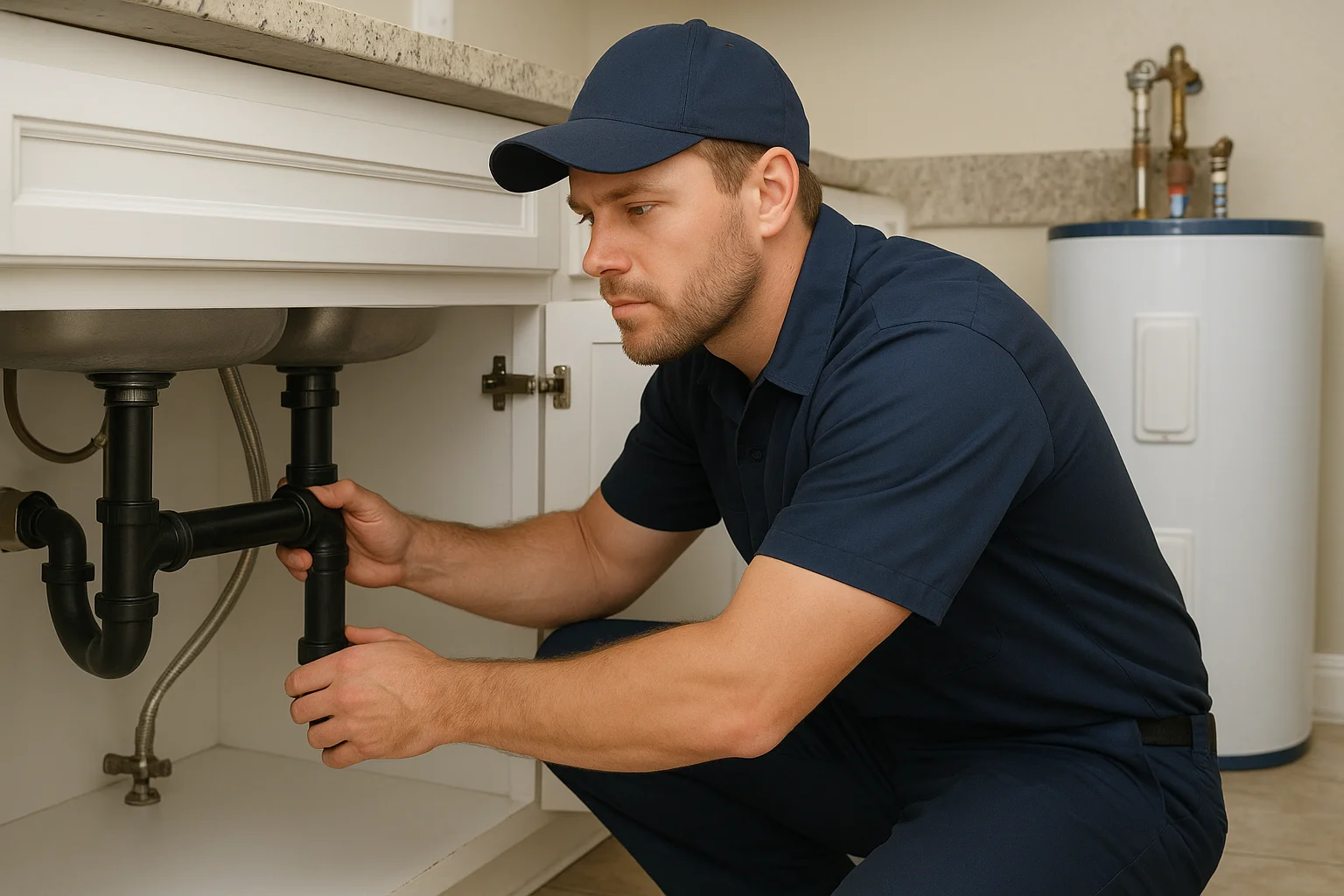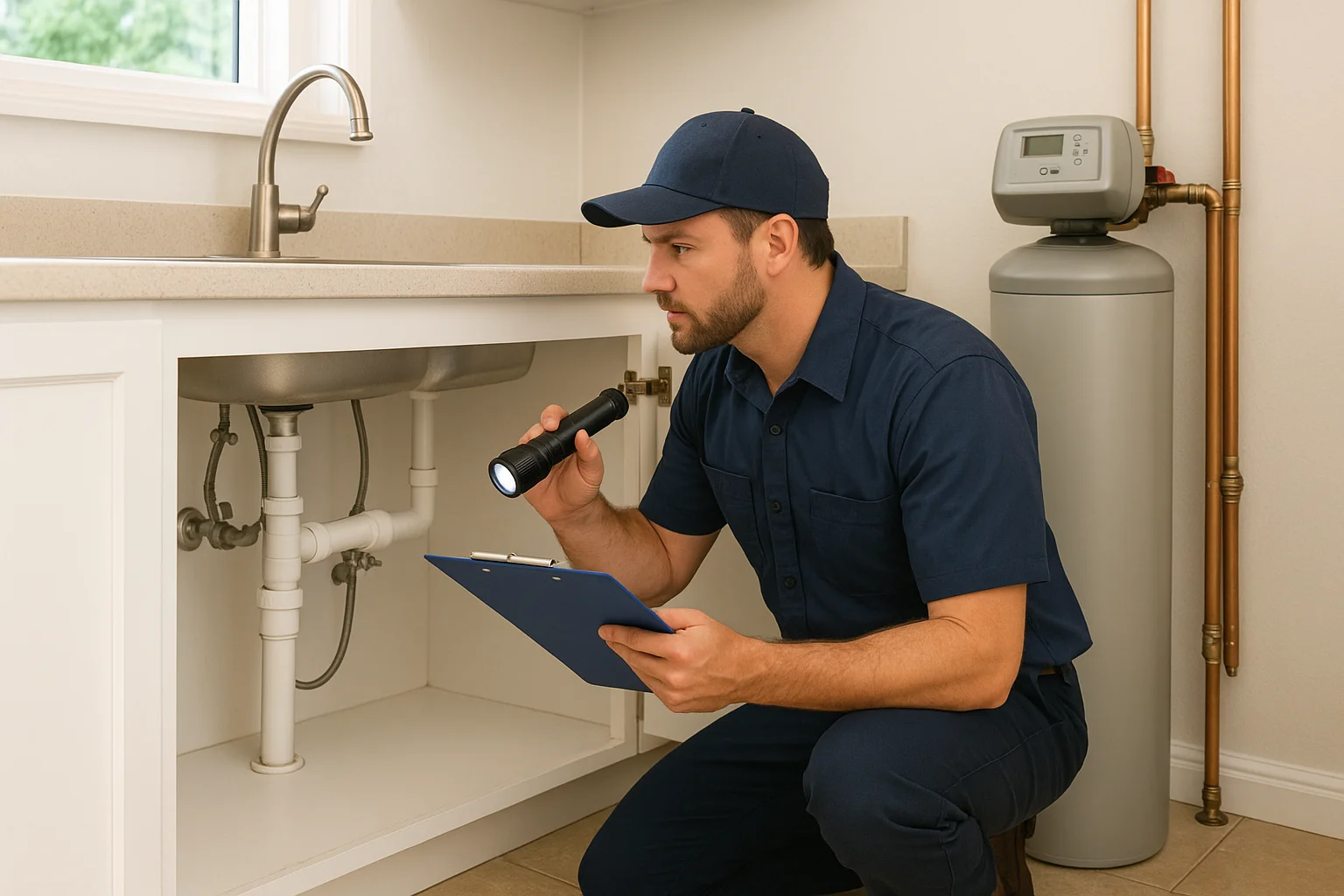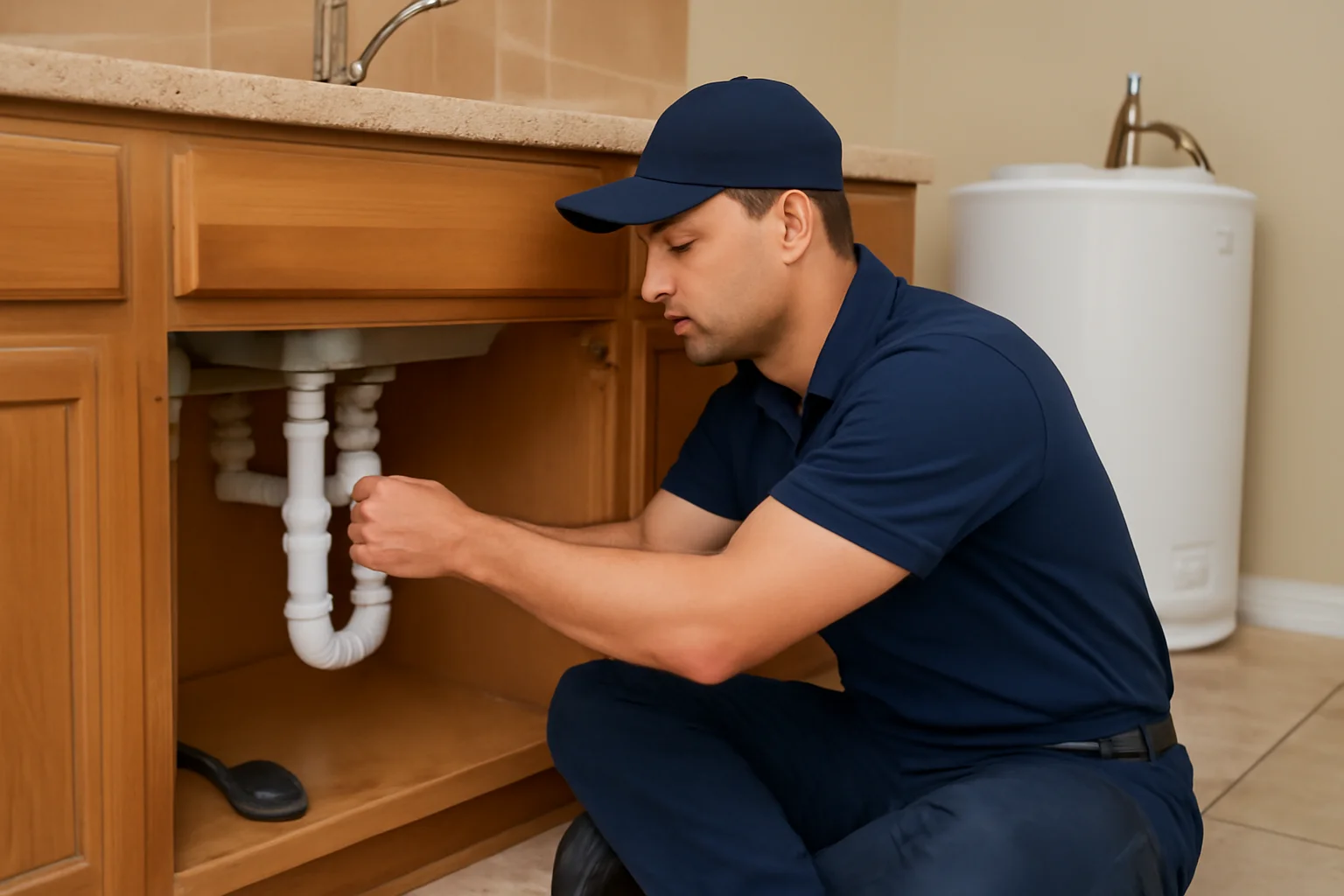
Homes in Callaway, FL rely on a steady supply of clean water for showers, laundry, irrigation, and everyday cooking. When the waterline feeding your house starts to fail, the problems often show up gradually at first: pressure drops, fixtures run slower, and you may notice damp spots or odd sounds behind walls. If the line is old, corroded, or affected by shifting soil, a repair may not hold for long. Waterline replacement can be the more reliable way to stop leaks and plan the work around your routine.
This guide walks you through how replacement is typically planned for Callaway homes, what to watch for, how the process is coordinated, and when it becomes an emergency plumbing concern. If you are searching for a waterline replacement service in Callaway, you can use this to understand the scope and questions to ask your local plumber.
What “waterline replacement” means for a Callaway home
Your home’s water system has multiple sections. The term “waterline” usually refers to the pipe that brings water from the meter or utility connection to your house, including the portion that runs underground and the segment that connects to your indoor plumbing.
In Callaway, many homes were built with plumbing materials that can eventually degrade, especially when exposed to moisture, soil chemistry, and years of water use. A replacement project typically addresses the damaged section or the full run, depending on how far the deterioration has spread.
For homeowners, the goal is not only to restore water flow and pressure, but also to prevent recurring leaks that can lead to:
- Water damage under floors and near foundations
- Mold and odors in crawl spaces or wall cavities
- Hidden moisture that weakens structural areas over time
- Higher water bills from continuous, slow leaks
- Pressure issues that affect showers, dishwashers, and laundry cycles
Why Callaway homes see waterline issues
Callaway sits in Bay County with a coastal plain climate. That combination can contribute to underground plumbing stress. Warm temperatures, seasonal rainfall, and fluctuating soil moisture can affect how buried pipes expand, contract, and corrode.
Common local conditions that play a role include:
- Soil movement and saturation: Wet soil can increase corrosion and push pipes out of alignment.
- Hard water: Mineral buildup can increase friction inside pipes and can worsen the effects of aging materials. If you are dealing with scale-related issues, it can be a clue that your plumbing system has been under strain.
- Long-term wear: Older supply lines can develop pinhole leaks, thin spots, and joint failures.
- Tree roots and shifting landscaping: Roots can intrude near utility runs, especially where yards have been modified over the years.
If you are already thinking about water quality and treatment, it can help to pair system maintenance with a replacement plan. You can read more about improving water quality and reducing plumbing stress here: A Callaway Homeowner’s Guide to Smarter Water Filtration and Fewer Plumbing Repairs and Cleaner Water Starts at the Source in Callaway.
Common signs your waterline may need replacement
Waterline problems do not always announce themselves with a dramatic burst. Many homeowners first notice symptoms that point to leaks, pressure loss, or deterioration.
1) Low water pressure at multiple fixtures
If you notice reduced flow at the kitchen sink, showers, and laundry at the same time, the issue may be upstream of your fixtures. A failing waterline can cause pressure drops, especially when water is used simultaneously.
2) Water that looks or smells “off”
Sometimes homeowners report cloudy water, discoloration, or unusual taste after a period of inactivity. While these symptoms can also relate to aerators, water heaters, or filtration, they can also show up when plumbing is aging or when the system has pressure changes.
3) Damp spots, recurring wet areas, or musty odors
Moisture near exterior walls, around foundation penetrations, or in areas that never used to be wet can signal a leak in the buried line or the section that enters your home. Because water can travel before it becomes visible, the source is not always where you first see the problem.
4) Frequent toilet running or unexplained water use
A toilet repair may be needed for a running flapper, but if you have already addressed a toilet issue and your water usage remains high, the leak could be elsewhere in the supply line. Checking for continuous flow and correlating it with your meter readings is a practical first step.
5) Sounds in the walls when water is not in use
Hissing, tapping, or intermittent noise can indicate a leak or pressure fluctuation. If you hear it when everything is off, it is worth investigating quickly.
6) Slab leak concerns
In homes with slab foundations, leaks can be especially difficult to detect early. You may notice warm spots on the floor, rising water bills, or persistent dampness. Slab leak repair can sometimes be addressed with targeted work, but replacement may be recommended if the pipe is broadly compromised.
Causes that often lead to replacement instead of repeated repairs
Plumbing repair can be the right choice for a small, accessible issue. Replacement becomes more likely when the underlying condition is widespread or likely to reoccur.
- Corrosion along a long run: If multiple sections are deteriorated, patchwork can fail.
- Joint failures: Leaks at connections can require repeated intervention if the surrounding pipe is compromised.
- Underground damage: Buried pipes can have damage you cannot see. Once excavation starts, it often makes sense to address the full affected segment.
- Material age and past repairs: If the line has been repaired before, the remaining portion may be close behind.
- Pressure and flow problems: If your water heater performance and fixture flow are suffering, the supply line may be limiting flow.
Callaway homeowners who are also dealing with water heater issues sometimes notice that repairs do not fully solve performance problems if the waterline is restricting flow. If you are comparing needs across your system, it can help to coordinate service with a plan that includes water heater service. For related support, you can explore Sewer and Drain Services for drainage concerns, and ask your plumber to review how your supply line interacts with your water heater.
How the replacement process is planned
A careful waterline replacement plan reduces surprises and helps protect landscaping, driveways, and the interior plumbing. While every job is different, a professional approach in Callaway usually includes these steps.
Step 1: Confirm the leak and narrow the location
A local plumber near you will typically start with a combination of homeowner input, inspection, and leak detection methods. That can include checking meter behavior, testing pressure, inspecting accessible sections, and using specialized tools to help pinpoint the problem area.
Because leaks can create misleading symptoms, confirmation matters. For example, a “water stain” near a wall might appear to be a plumbing fixture issue, but it can originate from the buried line.
Step 2: Evaluate the pipe material and condition
Older homes may have supply lines made from materials that are more vulnerable to corrosion or joint failure. The plumber will assess how extensive the damage is and determine whether replacement is limited to a segment or the full run.
Step 3: Plan excavation and protect the home
Underground work needs coordination. Your plumber should discuss where excavation will occur, how they will protect nearby structures, and how they will restore surfaces. In Callaway, yards may have irrigation lines, landscaping, and mature trees, so planning helps avoid unnecessary damage.
Step 4: Select replacement materials and ensure code-compliant installation
Replacement materials should be appropriate for the local conditions and installed to meet plumbing code requirements. Proper depth, fittings, and routing affect long-term performance. A professional waterline replacement also considers how the line connects to your indoor plumbing and where shutoffs are located.
Step 5: Pressure test, flush, and verify performance
After installation, the system should be pressure tested and flushed to help remove debris. Homeowners should then confirm that water pressure is restored at multiple fixtures and that your water heater is functioning normally.
Water pressure, fixtures, drains, and water heaters: what to check during planning
Waterline replacement is primarily a supply issue, but it impacts the rest of your plumbing system. Before and after the work, it helps to note how your plumbing performs.
Check fixture performance and pressure patterns
Compare flow at:
- Kitchen sink and bathroom faucets
- Showerheads
- Toilet refills
- Dishwasher and washing machine cycles
If pressure improves after replacement, the waterline was likely restricting flow. If pressure remains uneven, your plumber may also need to evaluate other plumbing repair needs such as faucet repair, clogged lines, or filter issues.
Watch how drains behave while you troubleshoot plumbing
Even though waterline replacement is not drain cleaning, homeowners often notice multiple issues at once. If you are searching for drain cleaning near me because of slow drain repair near me concerns, remember that clogged drains can mask or overlap with supply problems. For example, a low-flow shower is supply-related, while a slow tub drain is usually a different problem.
Still, water leaks can contribute to sink and toilet performance if moisture affects venting or if debris has been disturbed during repairs.
Coordinate with water heater service
If you are dealing with hot water heater repair near me or hot water heater replacement near me searches, a compromised waterline can affect how your heater delivers hot water. Tankless systems are especially sensitive to flow rate. If you are considering tankless water heater replacement near me, ask your plumber to verify that your supply line can provide the flow your system needs.
Water damage prevention: what homeowners can do before service
When a leak is suspected, prevention matters as much as the final repair. While a professional plumber should handle the replacement, homeowners can reduce damage in the meantime.
Act quickly if you see active leaking
If water is actively pooling, wetting drywall, or soaking flooring, treat it like an emergency plumbing concern. Shut off the water supply if you can do so safely and contact a local plumbing team right away. Waiting can turn a fixable leak into a much larger restoration project.
Protect floors and belongings
Move items away from wet areas, place towels or a catch tray if water is intermittent, and ventilate the space if it is safe to do so. If you suspect a slab leak, avoid ignoring the issue, because moisture can be hidden.
Document what you notice
Take photos of damp spots, note when the problem appears, and track any changes in water pressure. This helps a local plumber near me diagnose faster and plan the correct scope.
Cost planning and questions to ask before work begins
Waterline replacement costs vary based on how much pipe needs to be replaced, where the line runs, and how complex the access is. A clear plan from A Superior Mechanical helps you avoid surprises.
When you request an estimate, ask:
- Is this replacement for a section of the line or the full run?
- What type of pipe and fittings will be used, and why?
- How will excavation be handled and how will restoration work be completed?
- Will you pressure test and flush the system after installation?
- How will you verify that water pressure is restored at multiple fixtures?
- What shutoffs will be used during the work, and where are they located?
If you have recurring plumbing repair issues, it can help to ask whether other parts of your system should be inspected at the same time. For instance, if a leak is tied to a connection near a fixture, you might also need toilet repair and replacement work or faucet repair. If you have sewer line concerns, coordinate with sewer and drain service professionals rather than treating symptoms separately. You can also review Toilet Repair and Replacement for fixture-related follow-ups.
Preventing future waterline problems in Callaway
Even with a solid replacement, maintenance and smart habits extend pipe life. Here are practical steps for Callaway homeowners.
Keep an eye on water use and meter behavior
If your water bill jumps without a clear reason, run a simple check: watch your meter for a period when no fixtures are running. Continuous movement can indicate a leak.
Maintain shutoffs and know where they are
Know the location of your main shutoff and any accessible isolation valves. Quick shutoff access helps limit damage during emergency plumbing concerns.
Protect exterior penetrations and foundation areas
Maintain drainage around your home. If water is pooling near the foundation, it can increase the risk of moisture-related issues. Keep landscaping from directing constant water toward the pipe entry points.
Consider water treatment if hard water is affecting your system
Hard water can contribute to scaling and affect the long-term performance of fixtures and appliances. If you are already exploring filtration, pairing water treatment with plumbing maintenance can help reduce stress on your system. Learn more through Why Water Treatment Makes Water Softening Work Better in Callaway Homes and Water Filtration Services.
Schedule plumbing maintenance near you
Routine inspections can catch small issues before they become major leaks. Searching for plumbing maintenance near me is a good reminder that prevention is often less disruptive than emergency repairs.
When to call a plumber right away
Some situations should not wait for a scheduled appointment. Call a local plumber quickly if you notice:
- Water pooling near the foundation or inside wall cavities
- Sudden loss of water pressure
- Water heater performance dropping along with supply pressure
- Warm floors, damp carpets, or persistent musty odors
- Signs of slab leak or repeated leaks after patch repairs
- Any active leak that could cause damage to flooring, cabinets, or electrical outlets
If the problem feels urgent, you can use Emergency Plumbing Services to get help faster. For broader service coverage across the region, you can also reference Bay County plumbing services when comparing availability.
How waterline replacement ties into other plumbing repairs
Waterline replacement often reveals other plumbing needs in the same area. For example, if a connection near a fixture has been leaking, you may also need toilet repair near me style service for a running toilet or replacement for worn parts. If you have drain issues, you may need drain cleaning or main drain cleaning help, especially if a leak led to disturbed pipe sections.
It is also common for homeowners to discover that water pressure changes are affecting how drains and fixtures perform. A clogged drain can look like a supply issue, and supply problems can look like clogged drain behavior when water backs up.
A Superior Mechanical can help coordinate a practical plan so you are not paying for repeated visits that do not address the root cause. When you are comparing options, it helps to ask for a clear scope and how your plumbing system will be tested after installation.
If you are dealing with an aging line, suspected slab leak concerns, or recurring water leak repair near me calls that never fully solve the issue, waterline replacement may be the durable fix that protects your home. Use the service area page for details and to schedule a consultation: Waterline Replacement in Callaway, FL. For local context about service coverage, visit the Callaway service area page.
Find Waterline Replacement in Callaway, FL
If you need Waterline Replacement in Callaway, FL, visit our local service page or contact A Superior Mechanical today.
Map of Callaway, FL
Frequently Asked Questions
How do I know if my problem is the waterline or a fixture issue?
Low pressure at multiple fixtures, damp areas near foundation penetrations, and unexplained increases in water use often point to the supply line. A running toilet can also be a separate issue. A professional plumber can confirm the source by checking meter behavior, pressure, and accessible plumbing sections.
Will waterline replacement affect my water pressure and hot water?
It should improve pressure once the damaged pipe is replaced. Many homeowners also notice better hot water performance because the water heater receives the flow it needs. After installation, the system is typically pressure tested and flushed to verify performance.
Can a waterline leak cause slab leak damage or mold?
Yes. A leak can spread moisture under floors or near slab areas, sometimes creating persistent dampness and musty odors. Hidden moisture can lead to mold growth if it is not addressed promptly.
Is waterline replacement an emergency plumbing situation?
If you have active leaking, pooling water, warm floors, or signs of a slab leak, treat it as urgent. Shutting off water if you can safely do so and contacting an emergency plumbing team can help limit damage while replacement is planned.
What can I do before the plumber arrives?
Take photos of any wet areas, note when the problem happens, and check whether the meter is moving when no water is running. If water is actively leaking, shut off the main supply if accessible and safe, and keep the area ventilated while waiting for service.
Related Articles
Photo Gallery