WaterColor homes are built for comfort, bright kitchens, and outdoor living. That makes it easy to spot when the water is not quite right. A metallic or chlorinated taste during coffee, cloudy ice cubes, or soap that does not rinse clean can show up fast. Reverse osmosis (RO) systems can help deliver cleaner, better tasting drinking water, but the results depend heavily on timing. When your filter changes, when you run the system, and how your home’s water conditions interact with RO all matter.
If you are searching for reverse osmosis systems in WaterColor, FL, this guide explains what local homeowners need to know about RO timing, maintenance, and the everyday signs that your system is due for attention.
Why WaterColor water conditions make RO timing more important
WaterColor is in Walton County, Florida, where many homes deal with water that can be hard enough to leave scale and that may also contain sediment and taste or odor issues. Even if your main water supply looks clear, the “invisible” stuff matters. Over time, minerals and particulates can build up in plumbing, fixtures, and water using appliances.
Reverse osmosis helps by pushing water through a semi-permeable membrane that reduces contaminants and helps improve taste for drinking and cooking. But RO is not a set it and forget it. It relies on the health of upstream stages like pre-filters and carbon filtration, and those stages depend on the flow rate and water quality entering the system.
In practical terms, the timing of filter changes and system servicing affects:
- How well the RO membrane performs
- Whether you get consistent drinking water quality
- How quickly scale and sediment can interfere with performance
- How long your appliances last when you use RO treated water for cooking and drinking
For homeowners looking for water filtration and RO water softeners, timing is part of protecting both the RO system and the rest of the household plumbing system.
What “timing” actually means for reverse osmosis systems
When people talk about RO timing, they are usually referring to a few connected items. If one of them is off, the system can underperform even if it is technically still “working.”
1) Filter change schedules that match local water use
RO systems typically include pre-filters to protect the membrane and carbon filtration to address taste and chlorine taste in water. Those components load up with sediment and other particles. If they are not replaced on schedule, the RO membrane has to work harder and can produce water that tastes off.
WaterColor homes often have lifestyle-driven water patterns. A full-time household may use the system daily, while a vacation rental may see long periods of low use followed by bursts of heavy demand. Both patterns can affect filter loading and system performance.
2) Membrane and post-filter life
The RO membrane is the core of the system. It does not “wear out instantly,” but it can decline gradually. When the membrane ages, you may notice changes like:
- Metallic or unpleasant taste returning
- Cloudy ice cubes from inconsistent water quality
- Coffee and cooking water tasting flat or off
Timing matters because replacing the membrane too late can mean you waited until water quality dropped. Replacing it on the right schedule helps maintain consistent performance and protects related components.
3) How often the system runs and how it is flushed
In homes with intermittent use, RO systems can benefit from proper flushing routines so the stored water and the membrane output stay fresh. If a system sits unused for days or weeks, you may see a temporary taste change after startup. Many homeowners solve this by running a small amount of water and then checking taste, but that is not the same as professional maintenance.
4) Matching RO with whole home water treatment
RO improves drinking water, but it does not replace all water treatment needs. If your home has hard water, you may still see scale buildup around faucets, showerheads, and plumbing. That scale can also shorten the life of water heaters and other appliances.
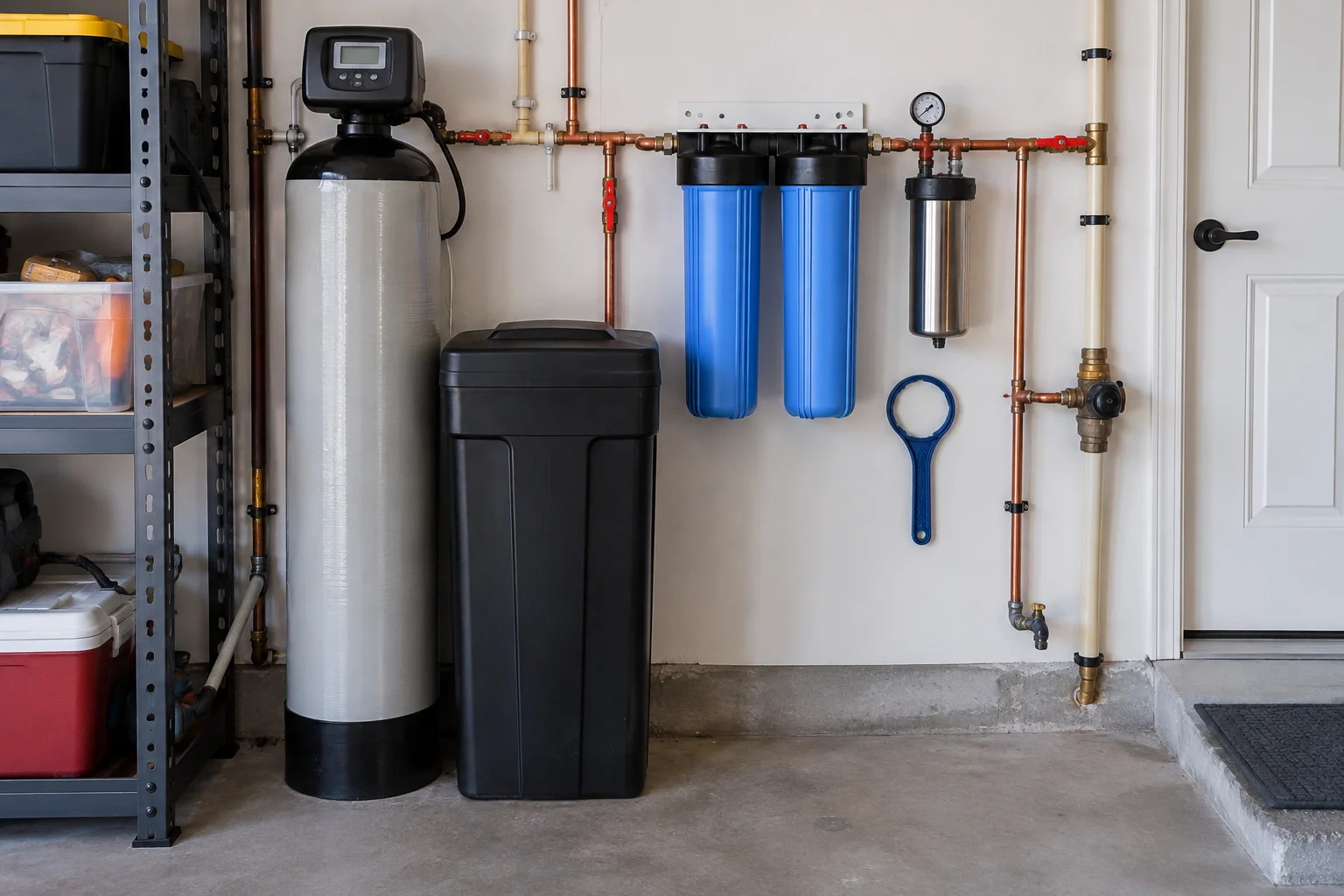
That is where hard water treatment and water softening can work together with RO. Some homeowners also choose whole home water filtration to reduce sediment and protect plumbing. When the “upstream” water entering the home is cleaner, the RO system often performs more consistently.
Signs your RO system needs attention, not just patience
Timing becomes obvious when the water starts showing symptoms. Here are common clues that reverse osmosis performance is slipping in a WaterColor home.
Drinking water taste and clarity issues
- Metallic, chlorinated, or unpleasant taste that returns even though the water looks clear
- Cloudy ice cubes, especially noticeable in clear drinks
- Poor tasting coffee and cooking water, where flavors do not come through the way they should
These issues often point to carbon filtration decline, membrane aging, or changes in the incoming water quality.
Soap and bathing complaints
RO improves drinking water, but household comfort often reflects what is happening across the rest of your plumbing. Hard water can cause dry skin or dull hair after bathing. It can also lead to soap that does not lather or rinse well. If your family notices that shampoo feels harsher or towels feel less fresh, it may be time to evaluate both RO and overall water treatment.
Scale buildup you can see and feel
- Scale around faucets and showerheads
- Build up on plumbing fixtures
- Hard water spots on glass and dishes
When scale is active, it is usually not just a cosmetic issue. Scale can reduce efficiency, clog small passages, and make appliances wear out faster.
Sediment, discoloration, and odor concerns
If you see visible sediment, discoloration, or odor concerns in household water, your RO system may be trying to compensate for upstream problems. Sediment and particulates can stress the RO system and reduce how long filters last. In those cases, homeowners often benefit from a whole home water filtration strategy in addition to RO.
RO timing and everyday WaterColor life: kitchen, laundry, and baths
It is easy to think of reverse osmosis as “just for the drinking water spigot,” but the difference shows up across the day. Picture a typical WaterColor morning: someone grabs a mug for coffee, the kids rinse bottles, and dinner plans include pasta or rice that depends on good cooking water. When RO timing is right, you get consistent taste and better results from everyday routines.
Drinking water and family kitchen scenes
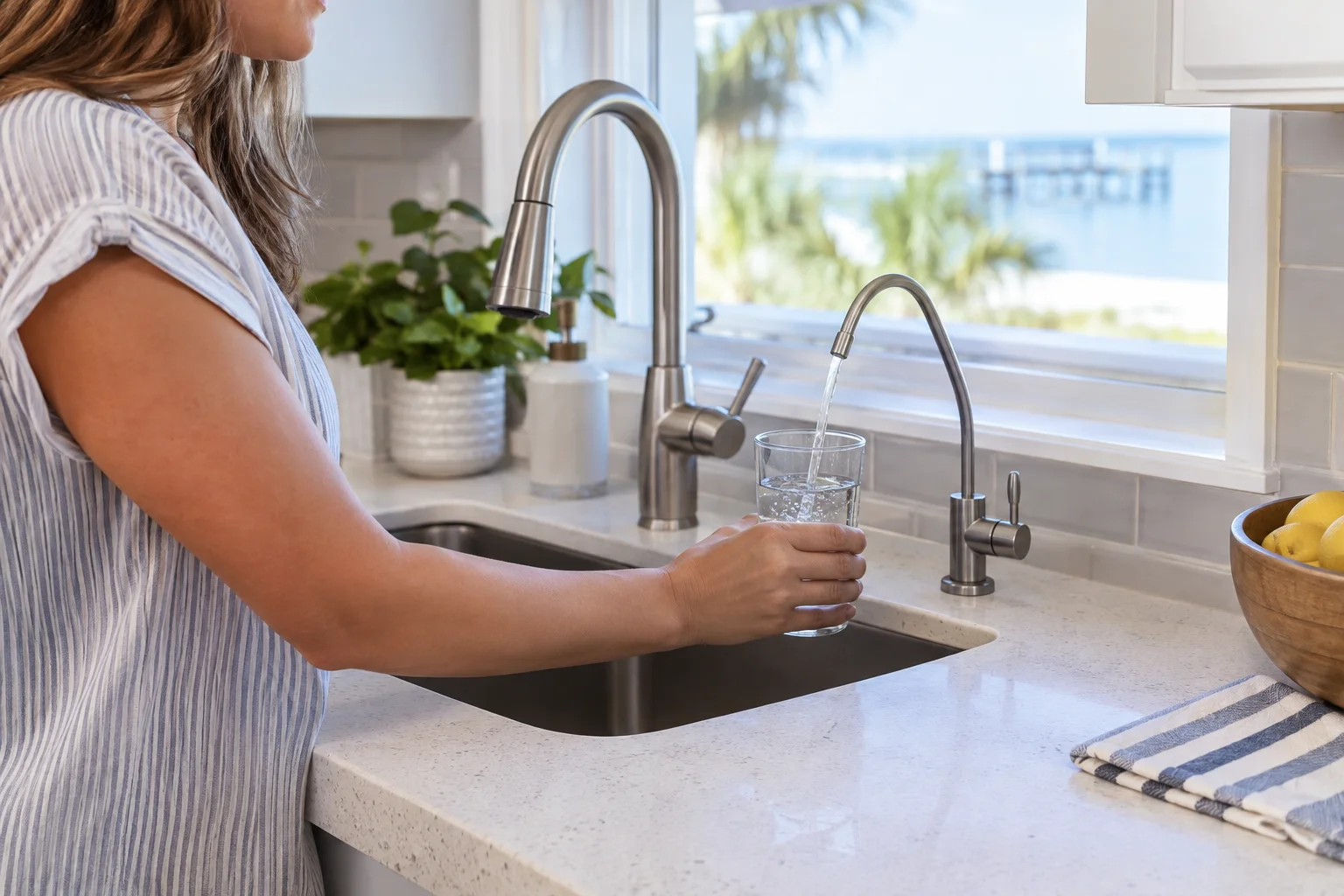
When your RO system is performing well, drinking water tastes clean and neutral. That makes it easier for everyone in the house to drink more water, especially during warm Florida days. It also helps with hydration for kids and guests during beach weekends.
When RO timing is off, you may notice the opposite. A metallic or chlorinated taste can make water less appealing. That is when people start buying bottled water again, even though the solution is usually maintenance and proper system setup.
Cooking water and coffee flavor
Cooking water affects the final taste of soups, rice, and vegetables. If your RO system has reduced performance, coffee and cooking water can taste off. You might also notice that cloudy ice cubes show up in drinks, which makes water feel less fresh.
Consistent RO output helps keep flavors clean, so you do not have to “guess” whether the next batch will taste right.
Bathing, skin, and hair
Hard water can contribute to dry skin or dull hair after bathing. While RO targets contaminants in drinking water, water softening and other hard water treatment can improve how soap works in the rest of the home. If your household has been battling dry skin, it is worth considering water softener service near you and evaluating whether whole home water filtration or a combined approach makes sense.
Laundry, fixtures, and appliances
Scale buildup around fixtures is not just an eyesore. It can affect how well appliances perform over time. When hard water is untreated, appliances can wear out faster due to mineral deposits. You may also see soap residue on laundry and notice that cleaning products do not rinse as well.
In WaterColor, where homes may see seasonal changes in occupancy, maintenance timing helps keep systems ready. That matters for both reverse osmosis and the broader water treatment plan.
How to prevent RO issues with smart maintenance
Homeowners can do a few practical things, but RO maintenance is safest and most effective when handled by a professional who understands your specific setup and local water conditions.
Use a maintenance schedule tied to your household, not a generic date
Some RO systems use filter change intervals like “every six months.” Those can be a starting point, but WaterColor homes differ. A vacation rental with intermittent use may need different timing than a home with steady daily use. Also, if you have sediment in household water or frequent changes in incoming water quality, pre-filters may load faster.
A Superior Mechanical can help you set a schedule that fits your usage and keeps your membrane protected.
Do not ignore upstream problems
If you have scale buildup around faucets and showerheads, or you see hard water spots on glass and dishes, your home likely needs hard water treatment. RO alone will not prevent mineral scale in fixtures and appliances because it is not treating the entire plumbing system.
For many homeowners, combining reverse osmosis with water softening and, in some cases, whole home water filtration creates a more complete clean water systems near me approach. That can reduce the stress on your RO system and improve comfort across the home.
Check for taste changes after long gaps in use
For rentals and second homes, a taste shift after a long absence can happen. Before you assume the system is “broken,” consider that the unit may need a proper flush and the filters may have aged during downtime. Still, if metallic or unpleasant taste persists, it is usually time for service.
Consider AO Smith water filtration as part of a coordinated plan
Many homeowners choose AO Smith water filtration for RO systems because of the focus on reliable, consistent drinking water quality. Whether you are installing a new system or upgrading, the best results come from pairing the RO setup with the right whole home water treatment strategy.
If you are comparing reverse osmosis system near me options, ask whether the plan includes appropriate pre-filtration, filter change timing, and protection for your plumbing and appliances.
When to call a professional in Walton County
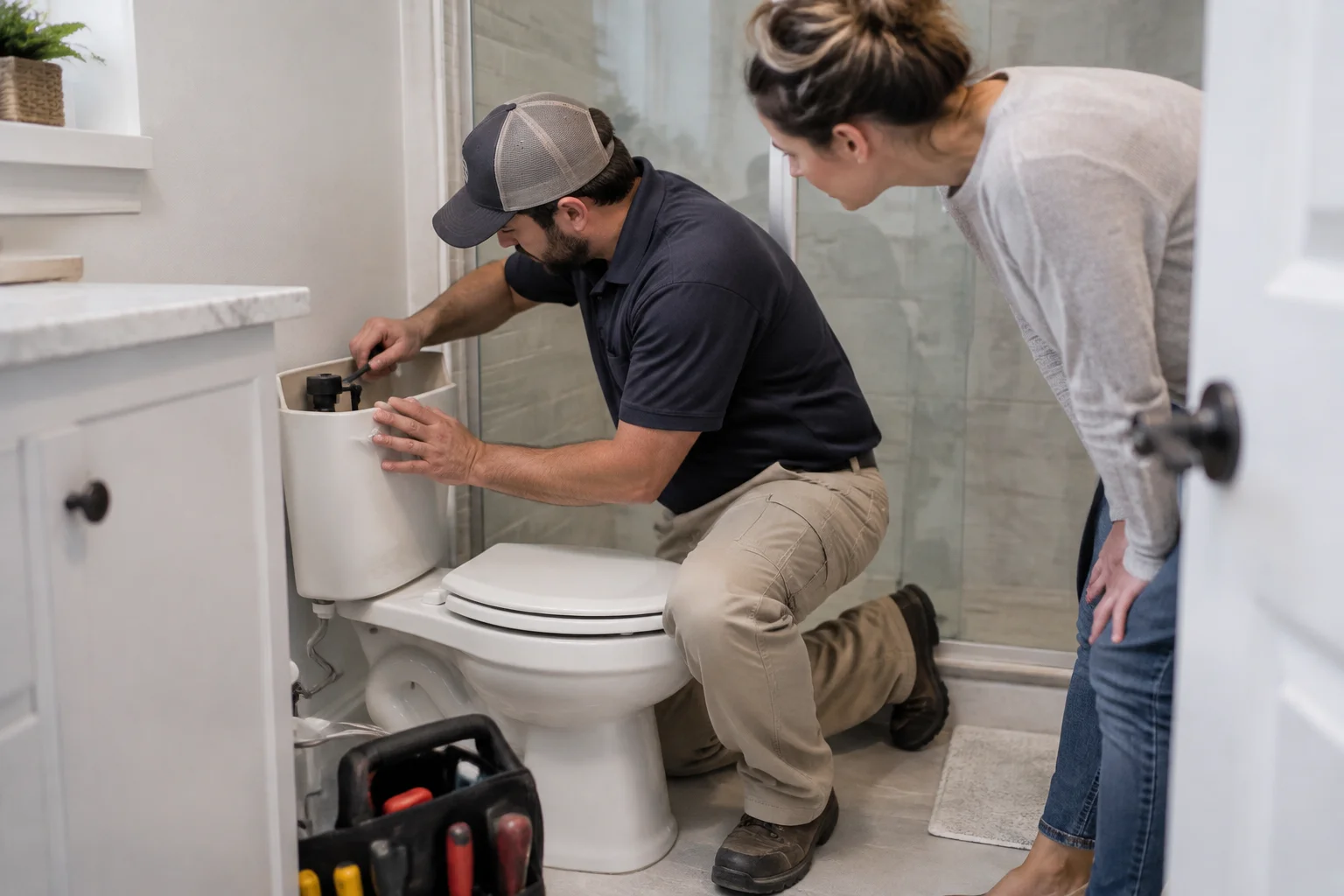
DIY troubleshooting can help you notice problems, but it cannot fully restore performance when filters, membranes, or system settings are off. Call a professional when you notice:
- Metallic, chlorinated, or unpleasant taste that does not improve after a short system flush
- Cloudy ice cubes or consistent clarity changes
- Poor tasting coffee and cooking water despite using the RO drinking line
- Visible sediment or odor concerns in household water
- Soap does not lather or rinse well, plus dry skin or dull hair after bathing
- Scale buildup around faucets, showerheads, and plumbing that keeps returning
- Appliances wearing out faster than expected
These are the moments when timing matters most. If you wait too long, the RO membrane can degrade further, and scale and sediment can continue to affect the rest of the home. For homeowners searching for water filtration near me in WaterColor, service that addresses both RO and overall water quality often provides the quickest payoff.
Choosing the right RO setup for your WaterColor home
A good reverse osmosis system is sized and configured for your household and your water conditions. That includes:
- Proper staging for sediment and taste control
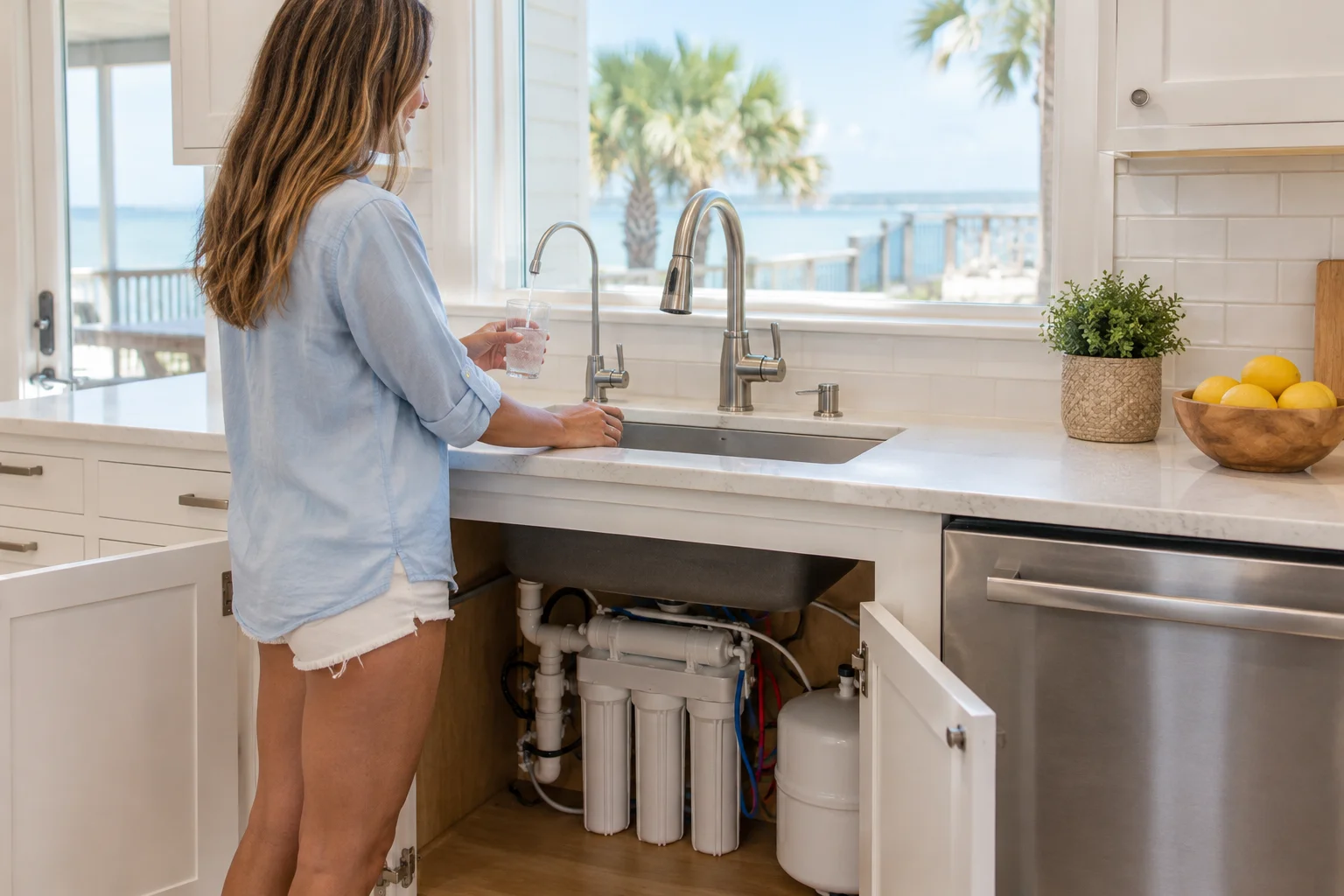
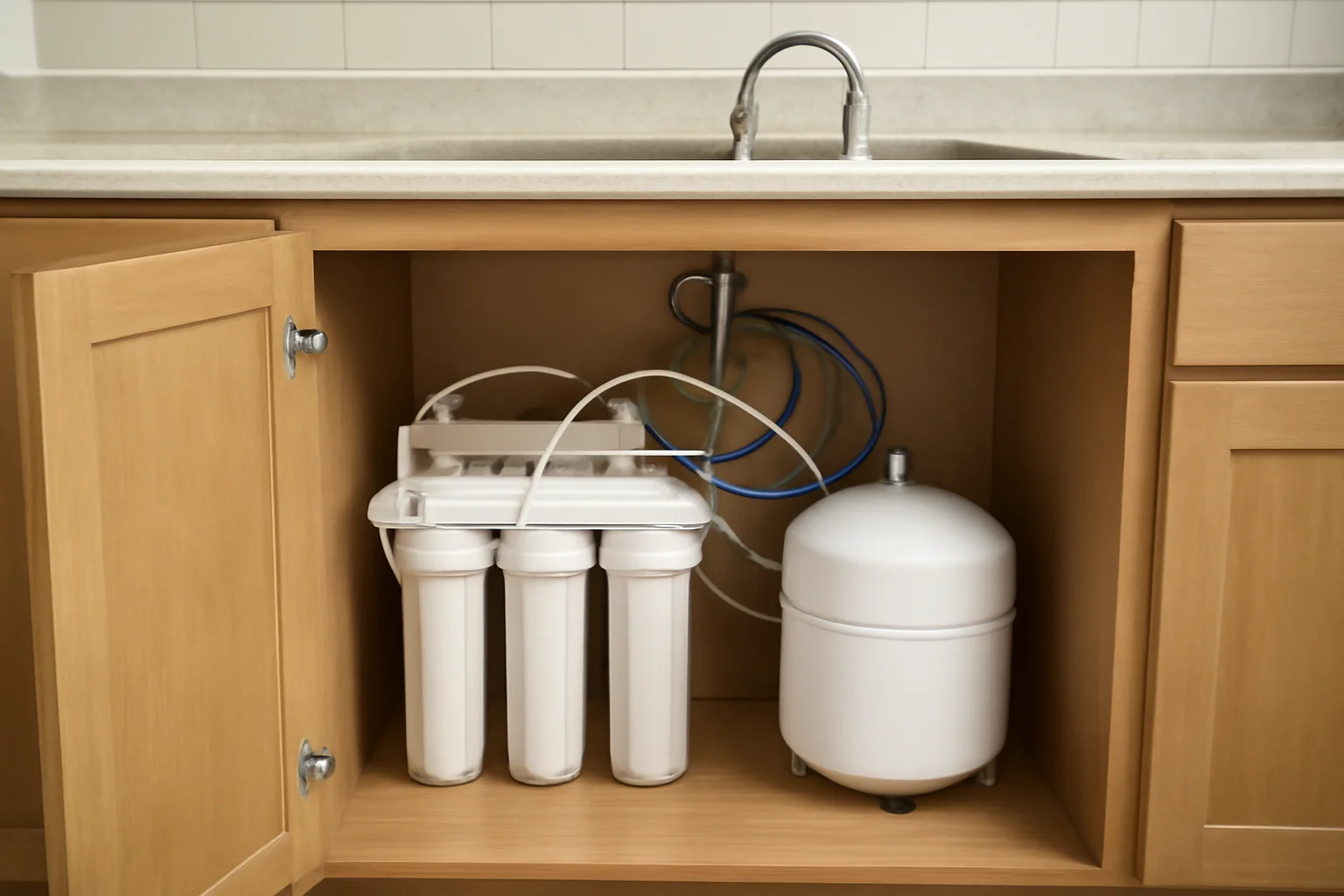
- Correct installation of the RO unit and storage tank components
- Serviceable access for filter changes
- Clear guidance on maintenance timing
Many homeowners also explore water softener installation near me because hard water treatment can reduce scale buildup around fixtures and help appliances last longer. Others choose whole home water filtration to protect plumbing and reduce sediment throughout the house.
If you want to understand how water treatment ties into the rest of your property, it can help to review related maintenance topics like camera inspections for hidden plumbing problems and smart plumbing habits for reverse osmosis systems. For rental properties, those habits can be especially important when occupancy changes seasonally.
To see how reverse osmosis fits into local home water goals, you may also find this guide helpful: cleaner drinking water and healthier plumbing in the 30A area. For broader Walton County service planning, start with WaterColor water treatment services and Walton County water treatment.
Reverse osmosis plus water softening: a practical pairing for hard water
Some WaterColor homeowners think RO will solve everything. It can improve drinking water quality, but hard water still shows up in the rest of the home. That is why many households benefit from a coordinated approach.
When hard water is treated with water softening, you often see:
- Less scale buildup around faucets and showerheads
- Fewer hard water spots on glass and dishes
- Soap that lathers and rinses more easily
- Less dry skin or dull hair after bathing
- Appliances that wear out more slowly
Then RO can focus on what it does best: delivering cleaner, better tasting drinking water for the kitchen. Together, they support both clean water systems and everyday comfort.
Homeowners searching for water filtration near me often discover that the best results come from asking, “What is happening in my whole home water first?” That question leads to better timing decisions for RO filter changes and service intervals.
What to ask during RO service for your WaterColor home
If you are planning RO installation, replacement, or maintenance, use these questions to guide the conversation. A professional team should be able to explain your system’s needs clearly and match service timing to your home.
- Which filters are installed before the RO membrane, and how often should they be changed for my usage?
- How do you evaluate whether the membrane needs replacement now or later?
- Do I need additional hard water treatment to reduce scale buildup around fixtures?
- Is an AO Smith water filtration setup the best fit for my household and water conditions?
- How should I handle system startup after low-use periods, like vacations?
- What whole home water filtration options can protect plumbing and appliances?
If you are ready to move forward, you can review the service details at reverse osmosis systems in WaterColor, FL or explore the broader options on RO water filtration and water softeners.
Find Reverse Osmosis Systems in WaterColor, FL
If you need Reverse Osmosis Systems in WaterColor, FL, visit our local service page or contact A Superior Mechanical today.
For a broader look at whole-home water filtration, reverse osmosis, and water softener options, visit our water filtration, RO, and water softener page.
Map of WaterColor, FL
Frequently Asked Questions
How often should reverse osmosis filters be changed in WaterColor, FL?
It depends on your household water use, the condition of incoming water, and your system’s pre-filtration. Many systems use standard intervals, but in WaterColor conditions like sediment and hard water can affect how quickly filters load. A professional service visit can set a realistic schedule for your home.
Why do my RO ice cubes look cloudy even when the water seems clear?
Cloudy ice cubes can point to changes in dissolved gases, filter performance, or inconsistent RO output. If the cloudiness is new or persistent, it is often time to check carbon filtration, the RO membrane, and system pressure settings.
Will a reverse osmosis system fix hard water spots on glass and scale on showerheads?
RO mainly improves drinking and cooking water. Hard water spots and scale buildup around faucets, showerheads, and plumbing are usually tied to minerals in the rest of your water lines. Water softening and whole home water filtration help address those issues across the home.
Is AO Smith water filtration a good choice for RO in Walton County?
AO Smith water filtration systems are widely used for RO and whole home water treatment goals. The best outcome comes from matching the system configuration and maintenance timing to your WaterColor water conditions and household usage.
How do I know if my RO membrane is failing?
Common clues include metallic, chlorinated, or unpleasant taste, changes in clarity, and poor tasting coffee or cooking water. If your RO performance has declined, a technician can test and inspect the system rather than guessing.
Related Articles
- How WaterColor Homeowners Can Stay Ahead of Hidden Plumbing Problems With Camera Inspections
- Practical Sewer Care for WaterColor Homes That Helps Avoid Bigger Plumbing Repairs
- Smart Plumbing Habits for Reverse Osmosis Systems in 30A Homes
- Cleaner Drinking Water and Healthier Plumbing: A Rosemary Beach Homeowner’s Guide to Reverse Osmosis Systems
Photo Gallery