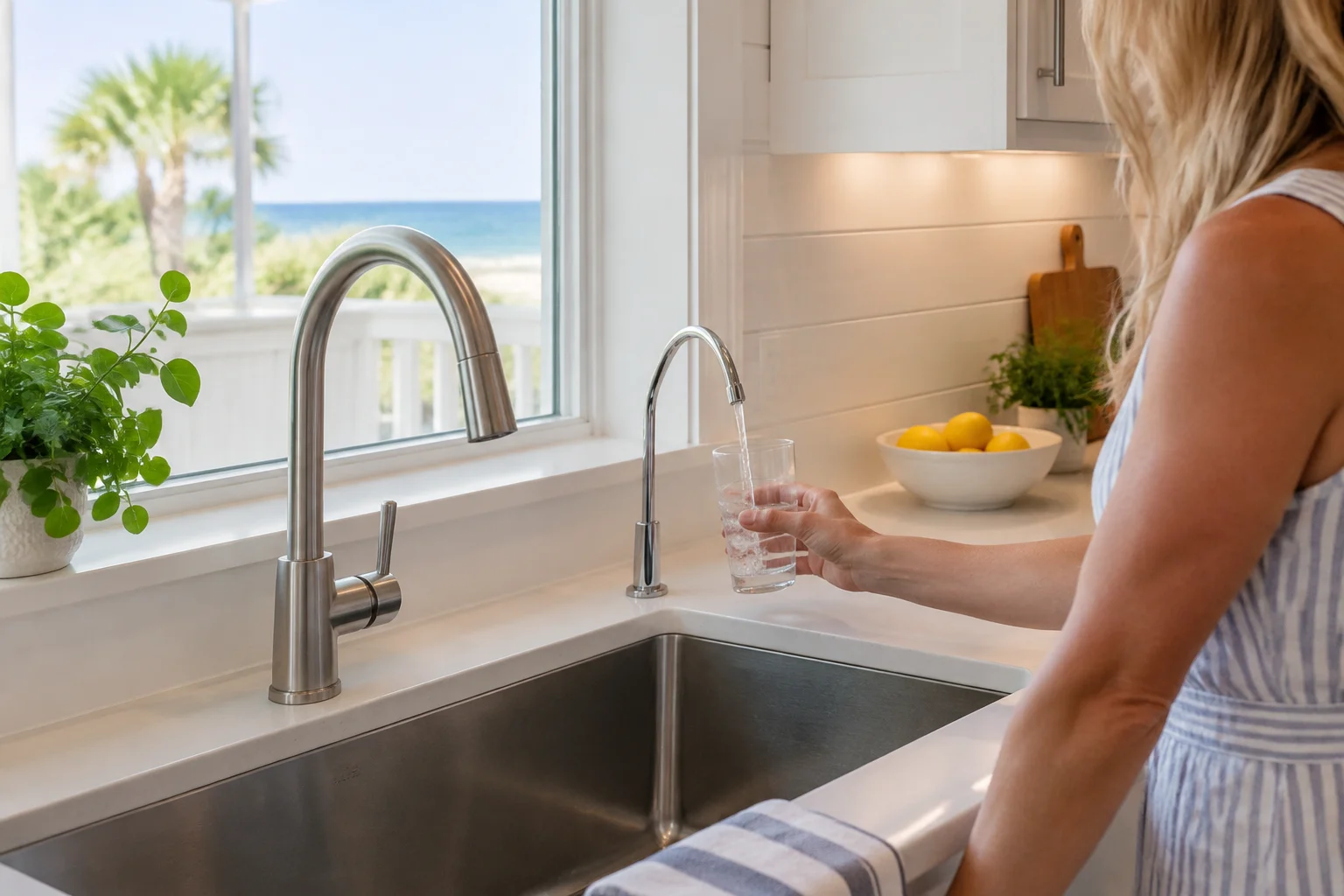
Families in Ocean City, FL often want the same thing from their water system: clean, great tasting drinking water, safer cooking water, and better results for bathing and laundry. Reverse osmosis (RO) can deliver that, but it is not “set it and forget it.” Local water conditions, maintenance gaps, and installation factors can create problems that show up quickly in everyday life.
If you have noticed hard water spots on glass, scale buildup around faucets, or cloudy ice cubes, it may feel like the whole system is failing. Sometimes the issue is hard water and mineral scale. Other times it is sediment in household water or odor and chlorine concerns that overwhelm the RO membranes or filters.
This guide breaks down the most common causes of reverse osmosis problems for Ocean City families and how to reduce sediment, odor, and chlorine-related issues. You will also see where water softening and whole home water filtration fit, including AO Smith water filtration options, so your kitchen and plumbing keep performing.
Why reverse osmosis can struggle in Ocean City homes
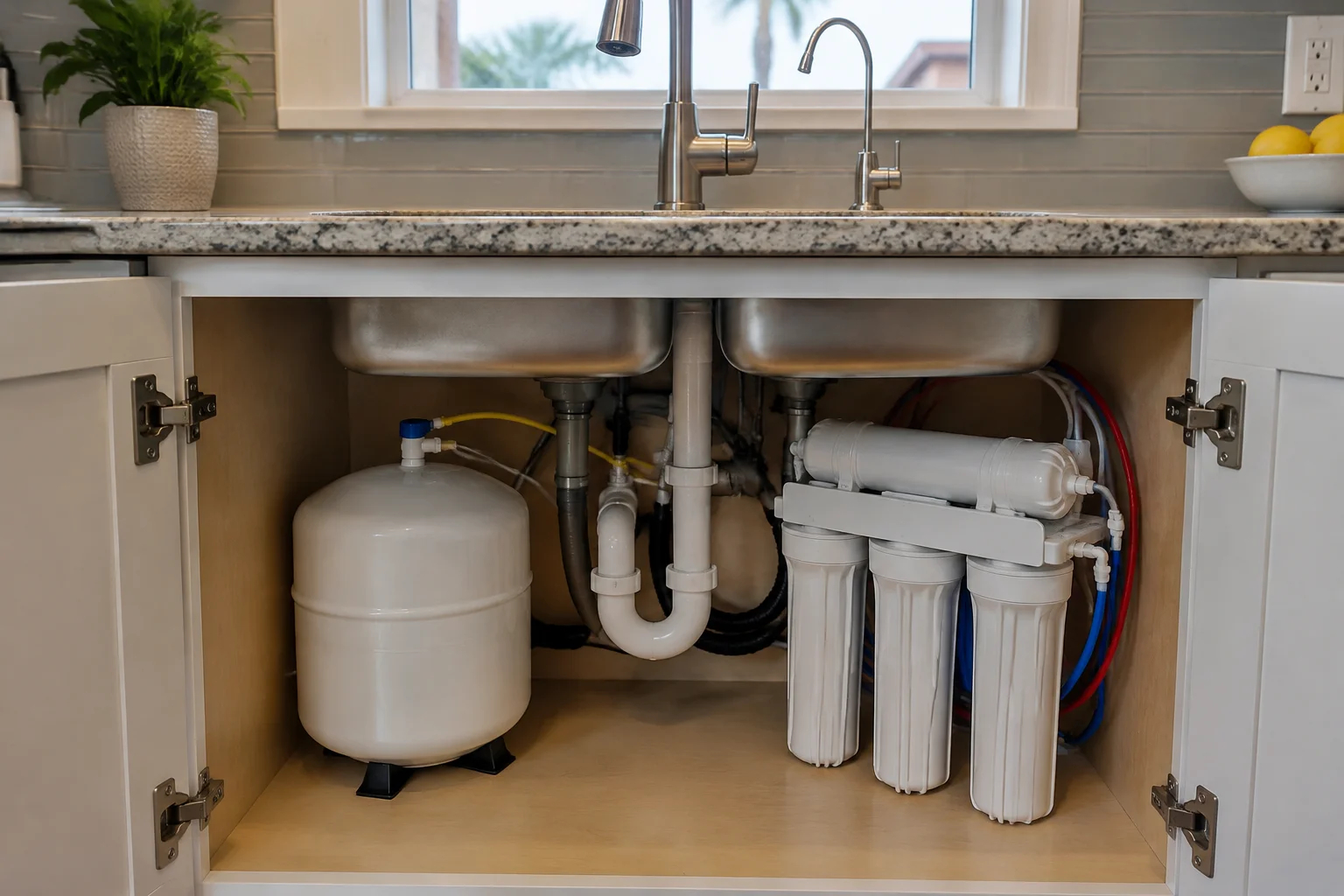
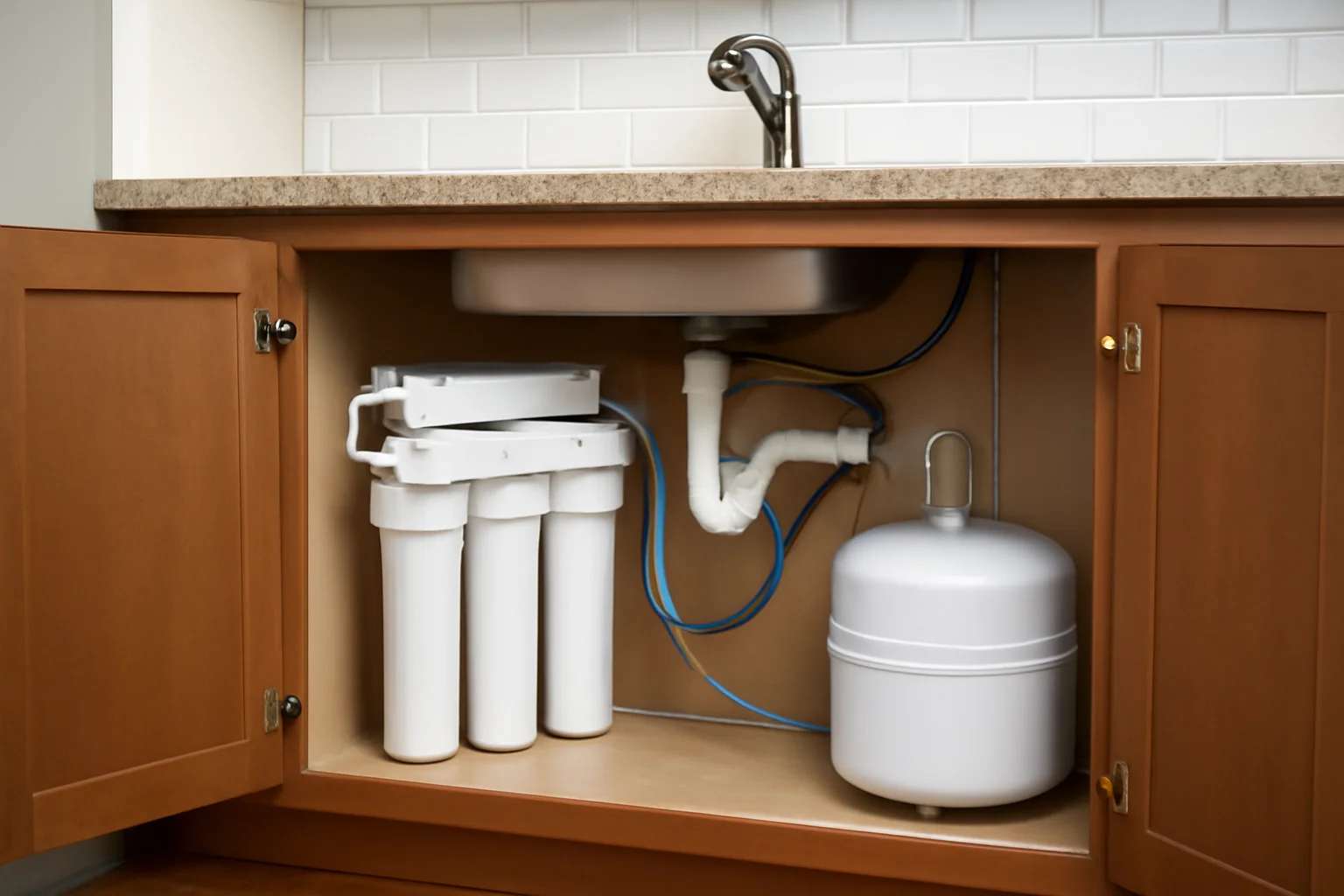
Reverse osmosis is designed to push water through a series of stages that remove contaminants. The system typically includes a sediment prefilter, carbon filtration, and a RO membrane, followed by a post-filter. When everything is balanced, you get better drinking water and fewer issues with taste and odor.
But Ocean City homes can experience water quality swings based on seasonal demand, infrastructure changes, and how water moves through pipes. Even when the incoming water is “okay,” RO systems can still be sensitive to:
- Sediment that clogs prefilters and accelerates membrane wear.
- Chlorine or chloramine that can damage RO membranes if the carbon stage is undersized or neglected.
- Hardness that creates scale buildup around faucets, showerheads, and internal plumbing, reducing RO performance.
- High flow demands in busy households, vacation rentals, or coastal homes where water usage changes quickly.
That is why homeowners searching for water filtration near me often need more than a single under-sink filter replacement. A properly designed approach can protect the RO membrane and improve everyday results.
Problem 1: Visible sediment, discoloration, and clogged filters
One of the first RO failures many families notice is a change in water appearance or flow. You might see visible sediment, slight discoloration, or a steady drop in production. Sometimes the water looks fine at first, then gets worse after heavy use or after the system sits unused.
What causes sediment-related RO issues
Common causes include:
- Undersized sediment prefiltration or a prefilter that is past its change schedule.
- High particulate load entering the home, especially after local water main work or pressure changes.
- Installation shortcuts that restrict flow or leave gaps in filter housing alignment.
- Low water pressure to the RO system, which can reduce how effectively the system flushes and processes water.
How sediment shows up in daily life
Beyond RO performance, sediment can contribute to:
- Soap does not lather as well, because minerals and fine particles build up.
- Appliances wearing out faster, especially equipment connected to water lines.
- Scale buildup around faucets and showerheads, which makes cleaning harder.
Families often notice the problem when they fill the kettle, run the dishwasher, or pull ice for drinks. If you are seeing cloudy ice cubes, it can be a sign of filtration disruption or mineral and carbon carryover.
Problem 2: Metallic, chlorinated, or unpleasant taste and odor
RO systems are often chosen specifically for better tasting drinking water. When taste and smell deteriorate, it is usually tied to the carbon stage, filter schedule, or membrane condition.
Chlorine and carbon stage problems
Chlorine can be removed through carbon filtration, but only if the carbon media is properly sized and maintained. If carbon is exhausted, you may notice:
- Metallic tasting water or a “pool-like” chlorine odor.
- Odor concerns that worsen after the system sits overnight or during periods of lower use.
- Poor tasting coffee and cooking water, even if you are using quality beans and ingredients.
Why chlorine can cause RO membrane issues
RO membranes are not meant to be exposed to high levels of chlorine for long periods. If the carbon stage is not doing its job, the membrane can degrade faster. That can lead to reduced rejection of contaminants, which can show up as taste changes, cloudy water, or inconsistent output quality.
Homeowners looking for reverse osmosis system near me usually want to know what to do about chlorine concerns. The best approach is to pair the RO system with correct prefiltration and carbon capacity, then keep up with scheduled replacements based on actual usage.
Problem 3: Hard water scale that keeps coming back
Many Ocean City households deal with hard water. Even when RO improves drinking water, hard water can still affect the rest of the plumbing and appliances. You may see:
- Hard water spots on glass after the dishwasher or a quick rinse.
- Scale buildup on faucets and showerheads.
- Dry skin or dull hair after bathing, which families often describe as feeling “coated” or hard to rinse.
- Soap that does not lather or rinses poorly.
How scale affects RO performance
Scale can also impact RO systems. When minerals concentrate in the system, they can foul membranes or reduce flow rates. Over time, this can lead to:
- Reduced RO production and longer refill times for the storage tank.
- Inconsistent output quality.
- More frequent filter changes than expected.
Where water softening and whole home filtration help
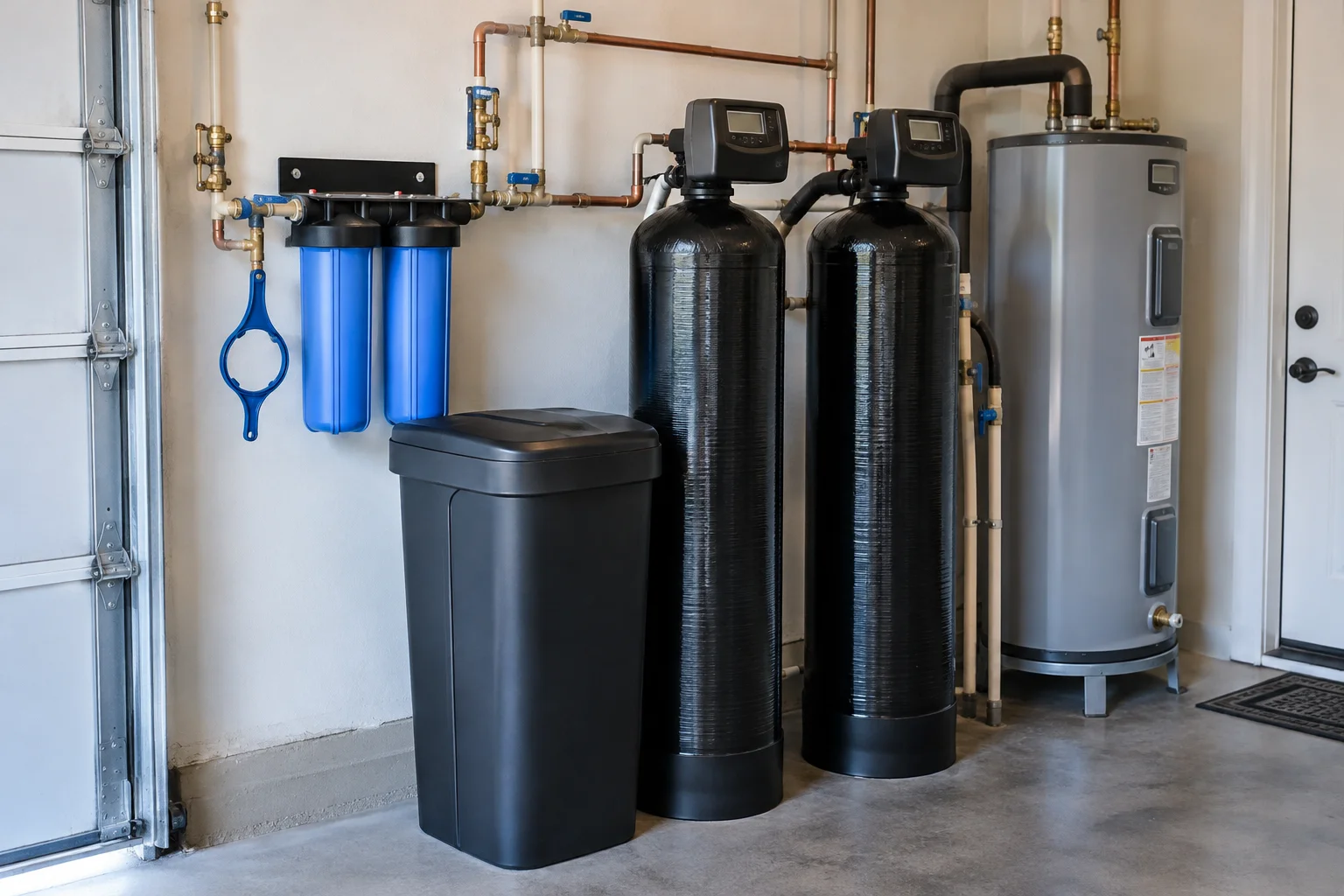
RO treats water at the point of use, typically for drinking and cooking. It does not automatically solve whole home hardness. That is where water softening and whole home water filtration can play a big role.
For families who want cleaner water throughout the house, pairing RO with a broader system can reduce sediment and mineral stress on plumbing and appliances. Many homeowners also choose AO Smith water filtration solutions because they provide options designed for residential water quality needs.
If you are dealing with scale buildup around fixtures and also want better drinking water, a professional water treatment plan can prevent the problem from shifting from the kitchen to the bathrooms and laundry room.
Problem 4: Slow production, low pressure, or frequent system cycling
Even if your taste and odor seem okay, RO systems can still develop performance issues. You might notice that the drinking water faucet runs but the tank refills slowly, or the system seems to cycle more often than usual.
Common causes
- Clogged sediment or carbon filters from delayed maintenance.
- Low incoming water pressure, which can reduce membrane output.
- Air in the system or a failing tank diaphragm, which can affect how water is stored and delivered.
- High demand, such as a growing household, frequent guests, or regular use for coffee and cooking water.
Family impact you can feel
This is not just a technical issue. When RO output slows, families notice it at the worst times: morning coffee, filling a pitcher for the kids, or making dinner with filtered water. Appliances connected to the same plumbing can also age faster when hardness and sediment are not controlled.
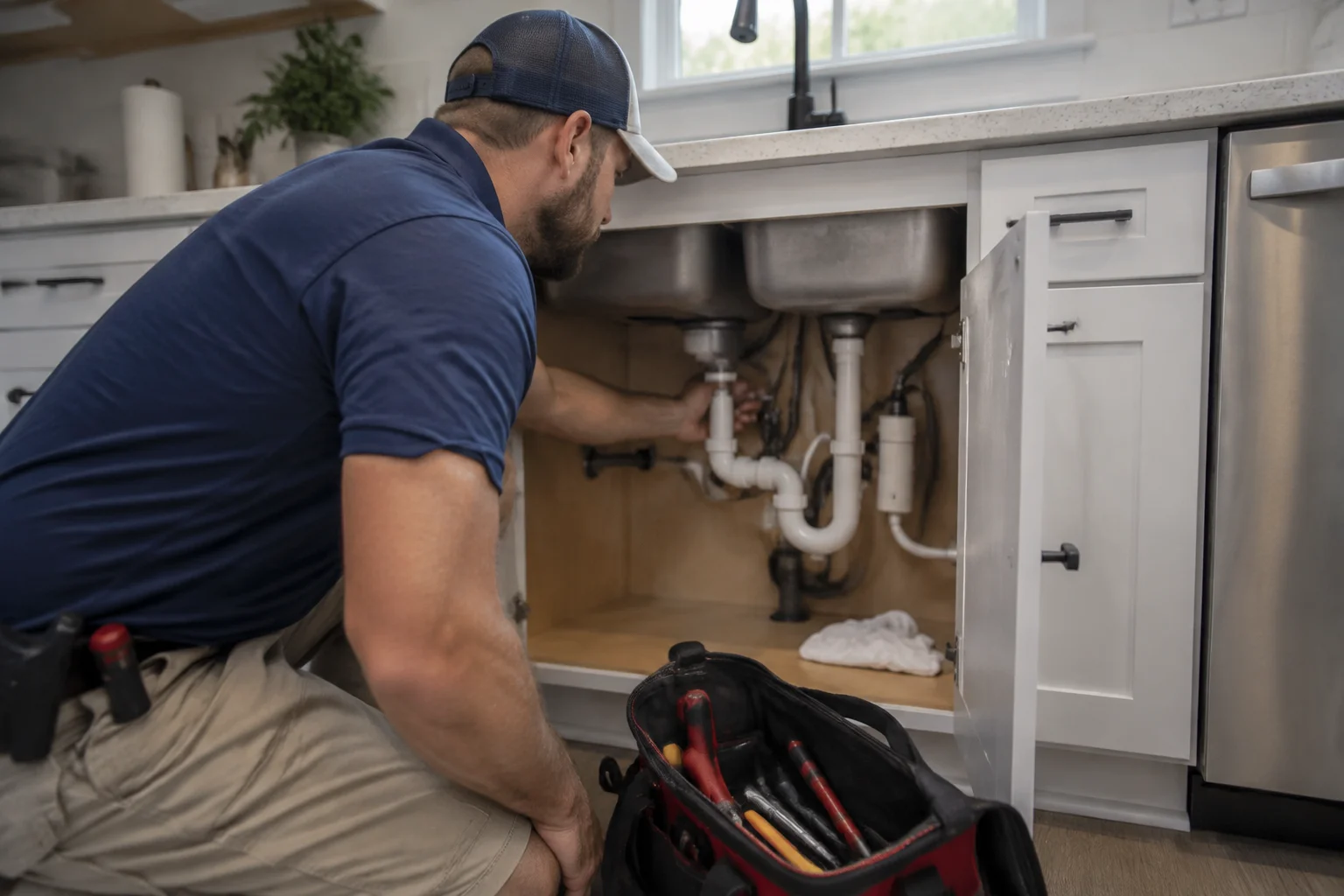
That is why routine service matters. A qualified technician can check filter differential pressure, verify tank performance, and inspect components that homeowners cannot easily evaluate under the sink.
Problem 5: Soap residue, cloudy glassware, and laundry that feels different
Some households assume RO is only for drinking water. But when water quality is poor, the symptoms travel across the home. You might see:
- Soap does not lather or rinse well.
- Shower walls and tubs that seem harder to clean.
- Dry skin from hard water and hair that feels dull after bathing.
- Dishware that looks spotty or cloudy even after using rinse aid.
How reverse osmosis and whole home treatment work together
If your kitchen water is filtered but your shower and laundry are not, you can still get hard water effects. Whole home water filtration and water softening can reduce minerals and sediment that interfere with soap and leave residue.
For families who want a consistent experience, it often helps to think in terms of “what the RO system covers” and “what the rest of the plumbing is exposed to.” That is where whole home filtration and water softeners become part of a complete clean water system.
How Ocean City climate and local conditions affect water treatment
Ocean City is a coastal community in Okaloosa County, and local conditions can influence how water behaves inside homes. Coastal humidity, seasonal usage swings, and the way water moves through pipes can all affect how quickly filters load and how often you notice taste or odor changes.
In some homes, vacation schedules or weekend spikes mean your RO system and other filtration stages experience periods of heavy demand. In those cases, sediment and chlorine effects can appear more noticeable because the system has less time to stabilize between uses.
That is why local service matters. A water treatment professional familiar with the area can help you choose the right filtration stages, correct sizing, and a maintenance schedule that matches real usage in Ocean City homes. For service guidance, you can review water treatment and home service options in Ocean City and explore service across Okaloosa County.
Practical steps to reduce sediment, odor, and chlorine concerns
You can take a few homeowner-friendly actions right away, but it helps to know what is safe to do and what should be handled by a professional.
1) Stay on schedule with RO filter and membrane maintenance
Most RO problems start with maintenance gaps. Even if the water looks “mostly fine,” carbon media can lose odor control capacity and sediment prefilters can become overloaded. Follow the recommended change intervals and consider adjusting based on household usage.
2) Check for signs of membrane aging
If you are getting metallic or chlorinated taste, cloudy output, or inconsistent water quality, the RO membrane may be aging. A professional can test performance and inspect the system so you do not keep replacing filters that are not solving the root cause.
3) Reduce sediment stress with proper prefiltration
If you are seeing sediment or discoloration, the first stage matters. Upgrading or properly configuring sediment prefiltration can reduce the load on the carbon stage and membrane.
4) Address hardness with water softening when the whole home is affected
If you are dealing with hard water spots on glass, scale buildup on faucets, and dry skin from hard water, you likely need more than RO at the sink. Water softening can protect fixtures and appliances, while RO focuses on drinking and cooking.
5) Use the right setup for drinking water and cooking water
Many families notice a difference when they switch to filtered water for coffee and cooking. If your coffee tastes off or your cooking water leaves residue, it can point to carbon exhaustion or membrane performance issues.
When a system is working well, filtered water for coffee and cooking can taste cleaner and produce more consistent results. That is why the goal is not just “water comes out.” The goal is reliable, great tasting water that fits daily kitchen routines.
What homeowners should do if the symptoms keep returning
Some issues can be temporary, but persistent problems usually mean a deeper cause. Consider getting a professional water treatment evaluation if you notice:
- Repeated sediment or discoloration after filter changes.
- Ongoing metallic or chlorinated taste and odor concerns.
- Scale buildup around faucets and showerheads that keeps accelerating.
- Dry skin or dull hair after bathing that does not improve.
- Appliances wearing out faster or spots on dishes that do not come clean.
A Superior Mechanical can help you diagnose whether the issue is sediment loading, carbon exhaustion, chlorine exposure, membrane wear, hardness scale, or a combination. If you want to focus specifically on RO performance in the area, you can find the dedicated service information here: reverse osmosis systems for Ocean City, FL.
If your goal is improved water quality across multiple rooms, it also helps to review water filtration and RO plus water softeners to understand how the components can work together.
How to choose the right system for your family
Families do not all have the same water priorities. Some want the clearest ice and best coffee water. Others want reduced scale buildup and easier cleaning in bathrooms and kitchens. Many want both.
When evaluating reverse osmosis and related water treatment, ask about:
- Prefiltration sized for sediment control.
- Carbon filtration designed to address chlorine and odor concerns.
- Membrane protection strategies to extend performance.
- Whole home water filtration or water softening if you have hard water spots on glass, scale buildup on fixtures, and skin or hair effects.
- Compatibility with AO Smith water filtration options where appropriate.
This is especially important in Ocean City where family schedules and seasonal usage can change. A system should match how you actually use water, not just how it performs on paper.
Maintenance routines that help families get better water longer
Homeowners often ask what they can do between service visits. The best routines are simple and consistent:
- Replace filters on time and do not wait for taste to get bad.
- Keep an eye on water appearance. Cloudy ice cubes, discoloration, or sediment are clues.
- Notice cleaning patterns. If scale buildup on faucets returns quickly, hardness and filtration may need attention.
- Pay attention to bathing results. Dry skin or dull hair after bathing can be a water quality signal.
- Track kitchen performance. If poor tasting coffee water starts showing up, check the RO stage performance.
For additional household water habits that support RO performance, you may also find this helpful: Smart Plumbing Habits for Reverse Osmosis Systems in 30A Homes. If you want to see how everyday plumbing issues can connect to water quality and system upkeep, this local read can help: Commercial Plumbing in Ocean City, FL: Small Issues That Turn Costly for Local Families and Property Owners.
And for a close look at how drinking water upgrades affect plumbing comfort and results, this guide is a good companion: Cleaner Drinking Water and Healthier Plumbing: A Rosemary Beach Homeowner’s Guide to Reverse Osmosis Systems.
When to call a professional in Ocean City
It is reasonable to troubleshoot basics, but some RO problems require testing equipment and service experience. Call a professional if you have:
- Persistent odor or taste issues after filter replacements.
- Frequent drops in production or repeated low pressure complaints.
- Cloudy water or sediment that keeps returning.
- Signs that hardness is affecting fixtures, appliances, and skin or hair.
A Superior Mechanical provides professional reverse osmosis system installation, replacement, and maintenance in Ocean City, FL. With the right combination of RO, water softening, and whole home water filtration where needed, you can reduce sediment, control odor and chlorine concerns, and protect your family’s fixtures and appliances.
For homeowners looking for water treatment near me in Ocean City, the fastest path is usually a system evaluation paired with a plan that fits your household and your plumbing. That way, your reverse osmosis system supports daily life, from the kitchen sink and coffee maker to bathing and laundry throughout the week.
If you are comparing options or planning upgrades, you can start with the local service page for RO here: reverse osmosis systems for Ocean City, FL, and then explore broader filtration and water softener combinations on the water filtration landing page.
Find Reverse Osmosis Systems in Ocean City, FL
If you need Reverse Osmosis Systems in Ocean City, FL, visit our local service page or contact A Superior Mechanical today.
For a broader look at whole-home water filtration, reverse osmosis, and water softener options, visit our water filtration, RO, and water softener page.
Map of Ocean City, FL
Frequently Asked Questions
Why does my reverse osmosis water taste chlorinated or metallic?
Chlorinated or metallic taste is often linked to exhausted carbon filtration, chlorine getting past the carbon stage, or membrane aging. A technician can check filter condition and RO performance so you do not keep swapping parts without fixing the cause.
Can hard water spots on glass mean my RO system is failing?
Not always. Hard water spots on glass, scale buildup on faucets, and dry skin after bathing usually point to hardness affecting your plumbing throughout the home. RO improves drinking water, but water softening or whole home filtration may be needed for fixture and skin-related symptoms.
What causes sediment or cloudy ice cubes with an RO system?
Sediment in household water can overload the RO sediment prefilter, and carbon or membrane performance issues can also affect clarity. If you see visible sediment or cloudy ice repeatedly, it is a strong sign the filtration stages need inspection and service.
How often should reverse osmosis filters be replaced in Ocean City homes?
Replacement timing depends on incoming water conditions and household usage. A local service visit can help confirm the right schedule. If odor, taste, or flow changes are happening sooner than expected, your system may require earlier service or upgraded prefiltration.
Do I need whole home water filtration if I already have reverse osmosis at the kitchen sink?
If you are seeing scale buildup around showerheads and faucets, soap not lathering well, or dry skin from hard water, whole home water filtration and/or water softening can address the rest of your plumbing. Many families use RO for drinking and cooking, then treat the whole home for bathing and laundry.
Related Articles
- Commercial Plumbing in Ocean City, FL: Small Issues That Turn Costly for Local Families and Property Owners
- Smart Plumbing Habits for Reverse Osmosis Systems in 30A Homes
- Cleaner Drinking Water and Healthier Plumbing: A Rosemary Beach Homeowner’s Guide to Reverse Osmosis Systems
- Why Commercial HVAC Service Matters in Ocean City Homes and Mixed-Use Properties
Photo Gallery