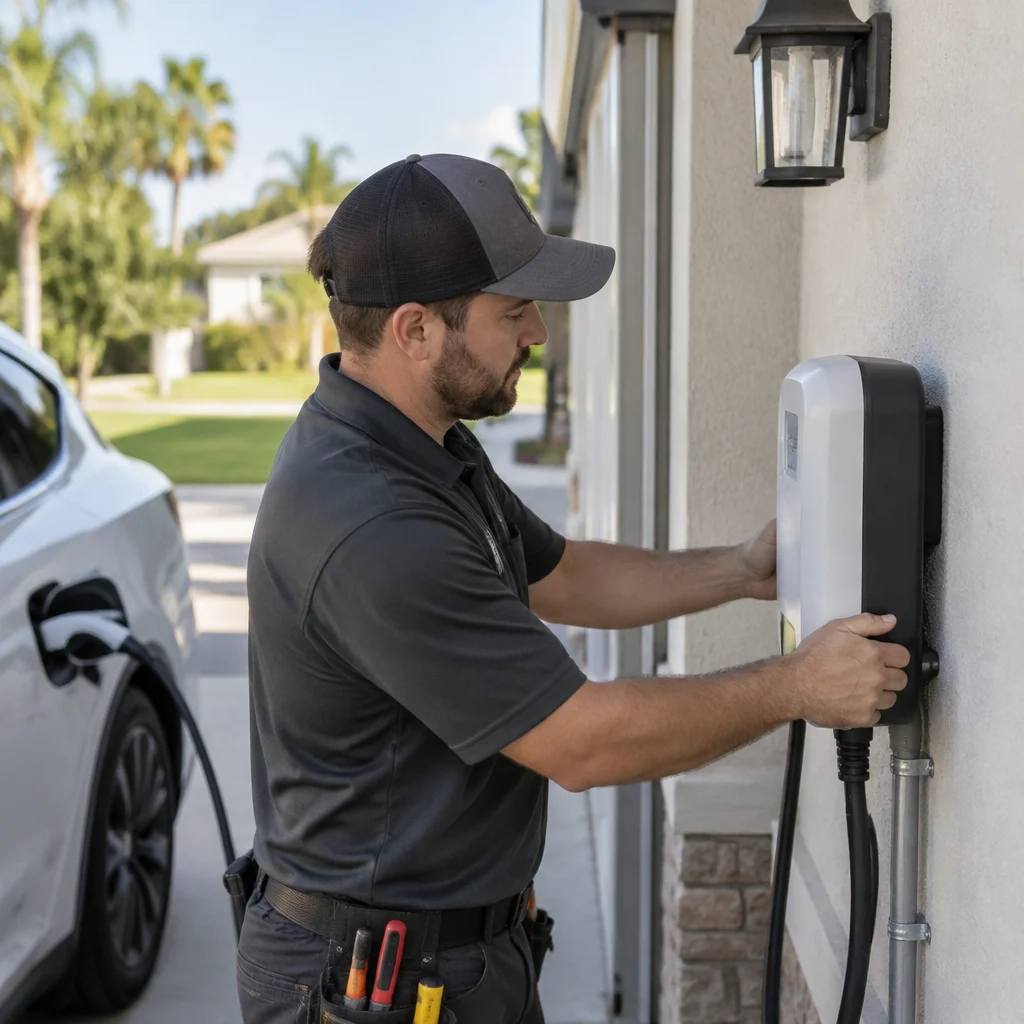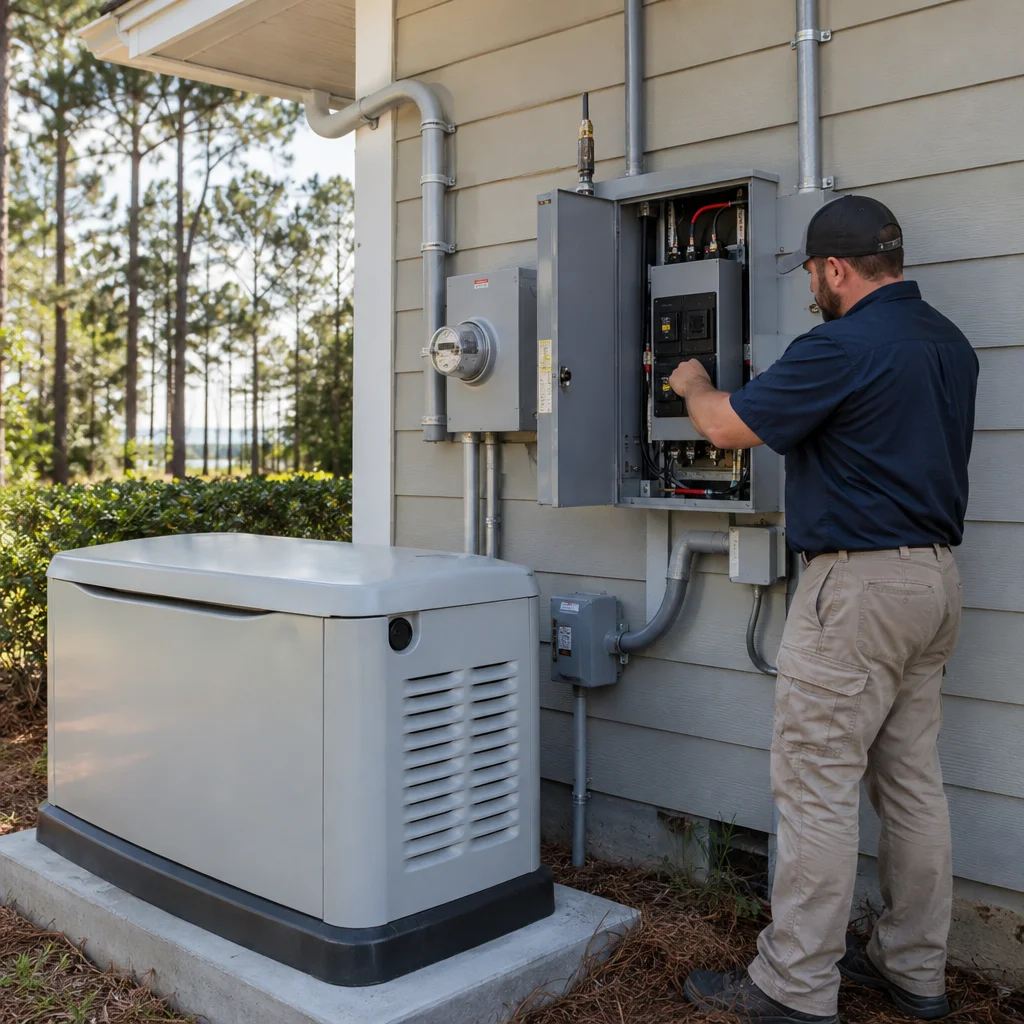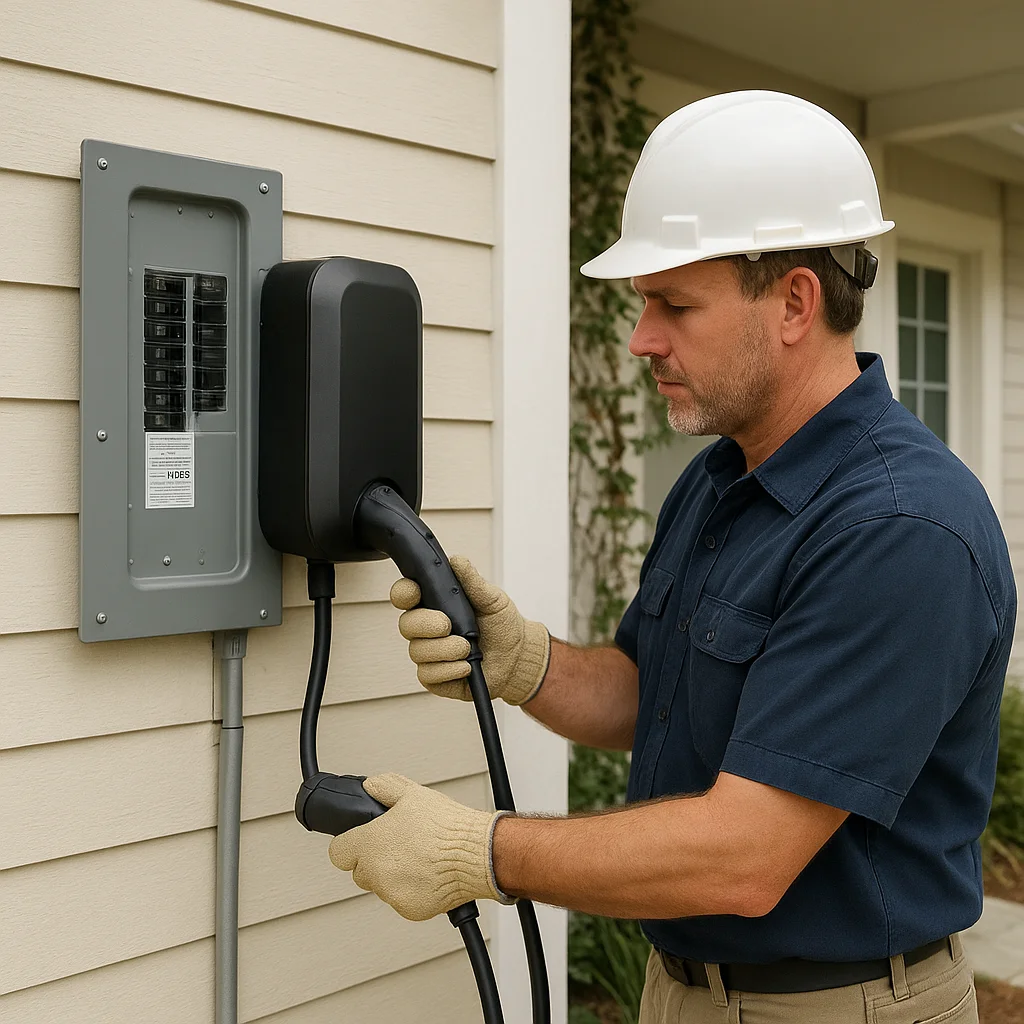
EV charger installation looks simple from the outside, but the electrical side matters a lot more than most homeowners expect. In Seaside, FL, where salt air, storm season, older homes, and remodels can all affect a property’s wiring, a charger needs more than a wall mount and a plug. It needs the right panel capacity, proper breaker sizing, safe grounding, and a dedicated circuit that can handle daily charging without stressing the rest of the home.
For homeowners, vacation rental owners, and small business properties in Walton County, smart electrical planning helps prevent nuisance trips, overheating, and damage to sensitive electronics. If you are considering EV charger installation in Seaside, FL, the safest approach is to look at the whole electrical system first, not just the charger itself.
Why EV charger planning matters in coastal Seaside homes
Seaside homes often face a mix of electrical conditions. Some are older properties with aging panels, mixed wiring updates, or limited spare capacity. Others are newer homes or remodeled spaces with more modern service, but even those can run into issues if the charger shares a circuit with high demand equipment. Add in the coastal climate, humidity, storm exposure, and the power swings that can happen during severe weather, and it becomes clear why local electrical service matters.
A Level 2 charger can draw a significant load for hours at a time. If the panel is already close to capacity, the charger may trip breakers, heat up weak connections, or reveal hidden wiring problems. That is why homeowners searching for an electrician near me often discover that EV charging is really a panel and circuit conversation first.
Start with the panel, not the charger
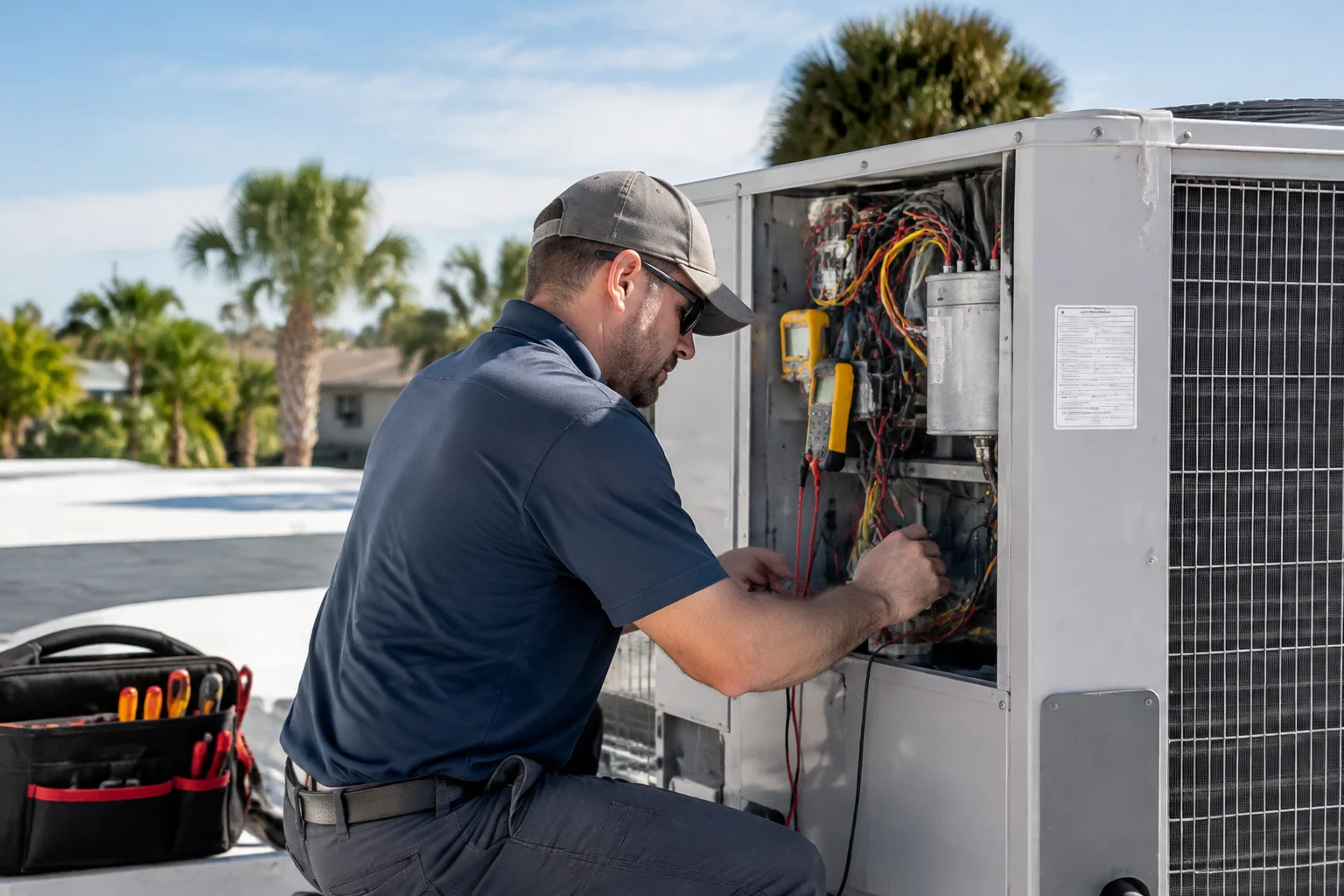
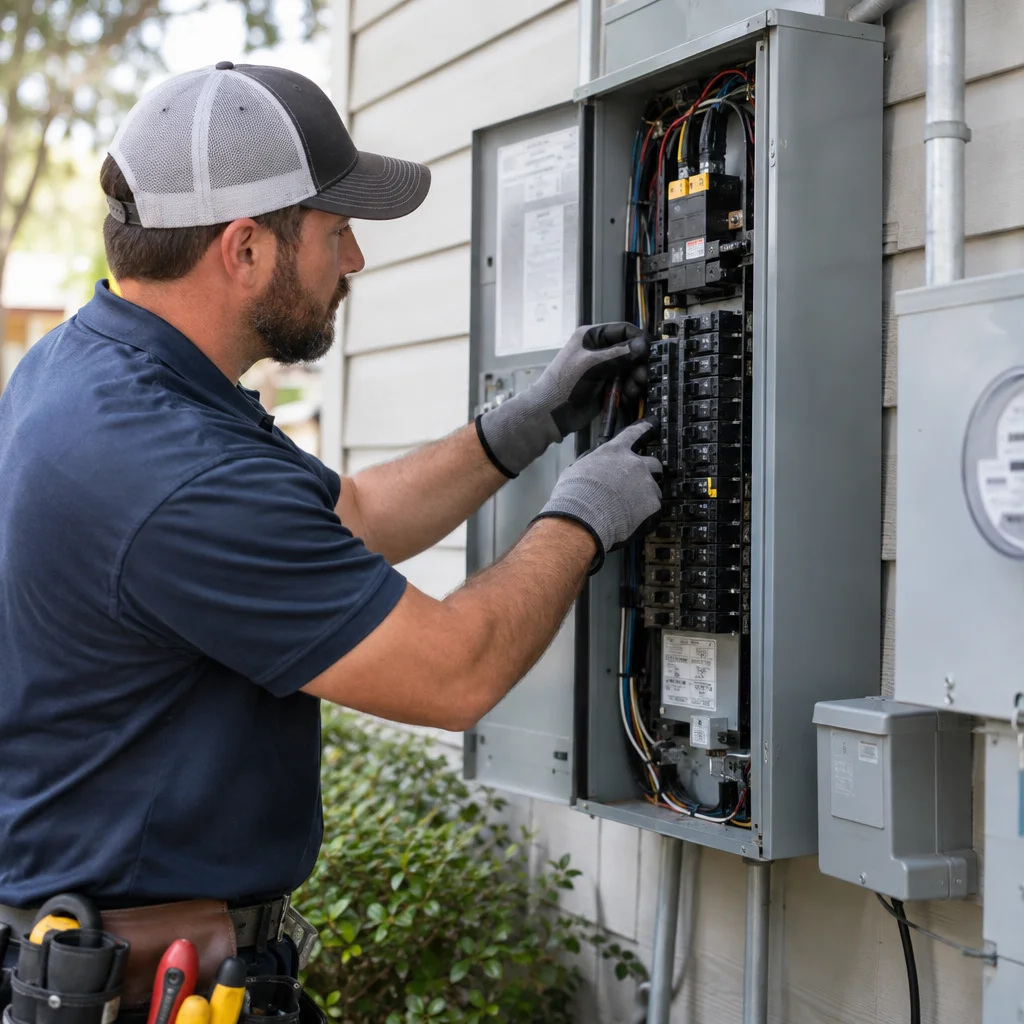
The electrical panel is the center of the home’s power system. Before installing an EV charger, a licensed electrician should check whether the panel has enough capacity for the added load. In some homes, a simple installation is possible. In others, a panel upgrade or breaker replacement may be needed before the charger can be safely added.
This is especially important in homes that already have high electrical demand from lighting, ceiling fans, appliances, hot tubs, or backup systems. If a homeowner has recently searched for electrical repair near me or noticed flickering lights, warm outlets, or breakers that trip often, those are clues that the panel should be inspected before any EV charger is added.
In some cases, homeowners searching for Whole Home Backup Solutions or generator installation near me are also dealing with panel space and load management issues. That is where a coordinated electrical plan helps prevent future problems.
What a proper load check can reveal
A load calculation can show whether the panel can support the charger along with the rest of the home’s electrical use. It can also reveal older service equipment, undersized breakers, weak bus connections, or signs that a fuse box replacement near me search may be more relevant than a charger install alone. In older Seaside homes, this step often uncovers outdated components that should be corrected before the charger goes in.
Dedicated circuits keep charging safer and more reliable
An EV charger should not share power with other large loads. A dedicated circuit helps the charger operate the way it was designed to, without competing with laundry equipment, kitchen appliances, or garage outlets. It also makes troubleshooting easier if a breaker trips later.
For homes with attached garages, converted spaces, or additions, dedicated circuit planning can get tricky. A charger may need new wiring, a longer conduit run, or a more suitable location near the panel. That is one reason homeowners looking for Specialty & Smart Services often need help coordinating multiple electrical upgrades at once.
Dedicated circuits also reduce the chance that a charging issue will interrupt other parts of the home. If the charger is installed on a shared circuit, a simple overload can affect outlets, lighting, or even smoke detector operation. That is not the kind of risk homeowners want in a coastal home that may already be dealing with storm-related stress on the system.
GFCI protection, grounding, and code compliance matter
EV chargers are installed in areas where moisture, humidity, and outdoor exposure are common. In Seaside, that means GFCI protection and grounding need careful attention. A charger installed near a garage entry, covered carport, or exterior wall should be evaluated for the right protective devices and wiring methods.
Grounding helps direct stray electrical current safely away from people and equipment. Good grounding is especially important in coastal areas where moisture and corrosion can create long term issues if the installation is not done correctly. If a homeowner has ever needed gfci outlet repair near me or gfci outlet installation near me, they already know how sensitive home protection devices can be when wiring is aging or exposed to weather.
Code compliance is not just paperwork. It affects wire sizing, breaker sizing, mounting height, disconnect requirements, and how the charger is tied into the home’s electrical system. A code correction electrician near me search often leads homeowners to discover that a previous DIY fix or older installation needs to be brought up to current standards before new equipment can be added safely.
Watch for warning signs before the charger is installed
Some homes are not ready for EV charging until smaller electrical problems are repaired first. Common warning signs include tripping breakers, buzzing panels, hot outlets, discolored receptacles, dimming lights, and switches that feel warm. If a garage outlet or nearby receptacle has already shown signs of wear, an outlet repair near me search may point to a bigger wiring issue that should be checked before charger installation.
Homeowners also notice problems during everyday use. For example, a ceiling fan that slows when the charger runs, kitchen lights that flicker when the dryer starts, or a bathroom outlet that trips with no clear reason can all suggest the system is under stress. Those issues may call for lighting planning, breaker repair, or even old wiring replacement near me if the home has older conductors that no longer perform well under modern demand.
If the home has storm damage, salt corrosion, or a history of electrical repairs, it is smart to schedule an inspection before adding the charger. A power outage electrician near me search is often the first clue that a home has had trouble with the local electrical system, but the underlying issue may be a weak connection, damaged breaker, or compromised panel that also affects charger safety.
Older homes, remodels, and additions need extra attention
Seaside has a mix of home styles, and that variety matters. Older homes may have limited panel space, outdated grounding, or wiring that was never designed for today’s electrical loads. Remodels and additions can also create mismatched systems if new rooms were added without a full service upgrade.
That is why EV charger installation should be reviewed alongside the rest of the home’s electrical layout. A garage addition, a converted guest space, or a new driveway charging location may require home rewiring near me services, new conduit, or a breaker box replacement near me level upgrade. In some homes, the best solution is to combine charger installation with other improvements such as Home Theater and AV Wiring, security lighting installation near me, or ceiling fan installation near me so the electrical work is planned as a whole instead of piecemeal.
That approach is especially helpful in homes that have been updated over time. One area may have modern wiring while another still relies on older circuits. A charger should never be the first device to expose an overloaded or poorly balanced system.
Storms, surge protection, and coastal wear
Seaside weather can be hard on electrical equipment. Thunderstorms, lightning, salt air, and high humidity all create conditions that can shorten the life of breakers, outlets, and charging hardware. Surge protection is a practical safeguard for EV chargers and the rest of the home’s electronics.
A whole home surge protector can help reduce the chance that a nearby storm or utility surge damages the charger, panel, appliances, or smart home devices. Homeowners who already rely on whole home backup solutions or generator installation near me should make sure the EV charger is integrated into that broader protection plan. The charger should not become the weak point in an otherwise solid electrical setup.
After a storm, if the panel shows signs of moisture, corrosion, or breaker damage, a storm electrical repair near me search may be appropriate. It is better to inspect and correct those issues before the next charging cycle begins.
How local electricians help homeowners avoid repeat problems
Local electrical service matters because Seaside conditions are not the same as inland conditions. A technician who works in Walton County understands how coastal air affects metal components, how older homes differ from newer construction, and how to plan for power demand without overloading the system.
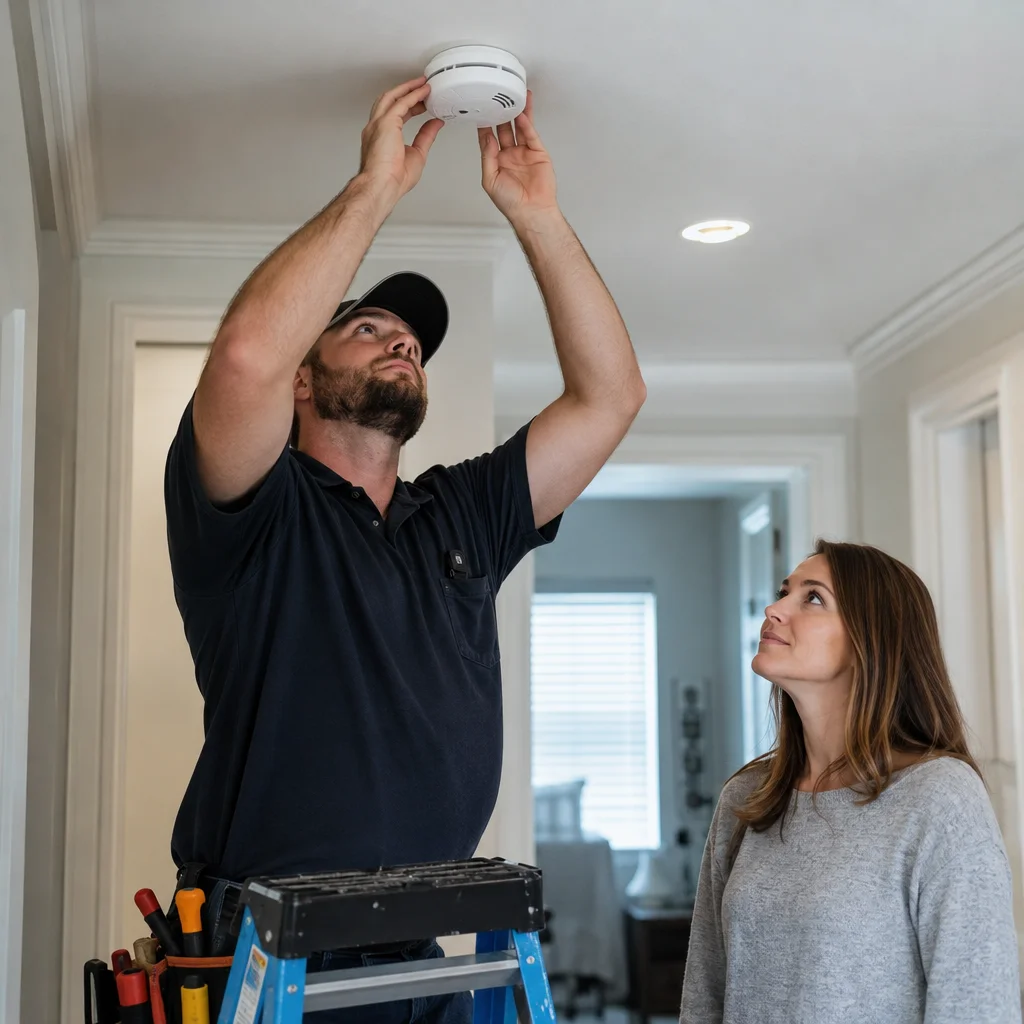
That local knowledge also helps with related electrical needs. If the home needs bathroom lighting installation near me, kitchen lighting installation near me, smoke detector installation near me, or lighting updates in a garage or entryway, those projects can often be reviewed at the same time as the charger. A homeowner may also need breaker box replacement near me, outlet repair, or wiring repair before the EV charger can be installed safely.
For businesses and rental properties, the stakes can be even higher. A charger in a vacation rental or guest parking area needs dependable operation, clear labeling, and code compliant protection. In those cases, a commercial electrician near me search may lead to a solution that includes load management, smart charging controls, and better coordination with the property’s existing electrical infrastructure.
Simple maintenance habits that help chargers last longer
Once the charger is installed, a few habits can help keep it working well. Keep the charging area dry and clear. Check for loose plugs, damaged cords, or signs of heat around the receptacle or wall unit. Have the panel and breaker inspected if the charger starts tripping unexpectedly. If the home has a garage or exterior outlet used for other devices, watch for wear there too.
Routine inspections are especially useful in Seaside because coastal weather can speed up corrosion and loosen connections over time. A homeowner who stays ahead of small issues is less likely to face emergency electrical concerns later. That is the same reason many people schedule local electrical maintenance after a remodel, after storm season, or before adding a new high demand device.
When the charger is part of a larger home upgrade, the electrical plan should account for the future, not just the present. If the household may add a second EV, a hot tub, more lighting, or smart home equipment later, the panel and wiring should be sized with that growth in mind.
For homeowners in Seaside and across Walton County, a safe EV charger installation starts with the right inspection, the right circuit, and the right protection. That is the best way to protect the home’s electrical system while making daily charging more reliable.
To learn more about local service options, visit the Walton County service area page or schedule a visit for EV charger installation with a licensed electrical team that understands Seaside homes.
Find EV Charger Installation in Seaside, FL
If you need EV Charger Installation in Seaside, FL, visit our local service page or contact A Superior Mechanical today.
Map of Seaside, FL
Frequently Asked Questions
Do I need a panel upgrade before installing an EV charger in Seaside?
Not always, but many homes do need a load check first. If the panel is full, outdated, or showing signs of wear, a panel upgrade or breaker correction may be needed before the charger is installed safely.
Can an EV charger be installed in an older Seaside home?
Yes, but older homes often need extra work such as grounding updates, dedicated circuit wiring, or code corrections. A pre-installation inspection helps identify what the system needs.
Why is surge protection important for EV chargers near the coast?
Coastal storms and utility surges can damage charging equipment, panels, and connected electronics. Whole home surge protection adds an important layer of defense for Seaside properties.
What electrical problems should be fixed before adding a charger?
Frequent breaker trips, flickering lights, warm outlets, corrosion, and damaged wiring should all be addressed first. Those issues can point to bigger system problems that affect charger safety.
Related Articles
Photo Gallery