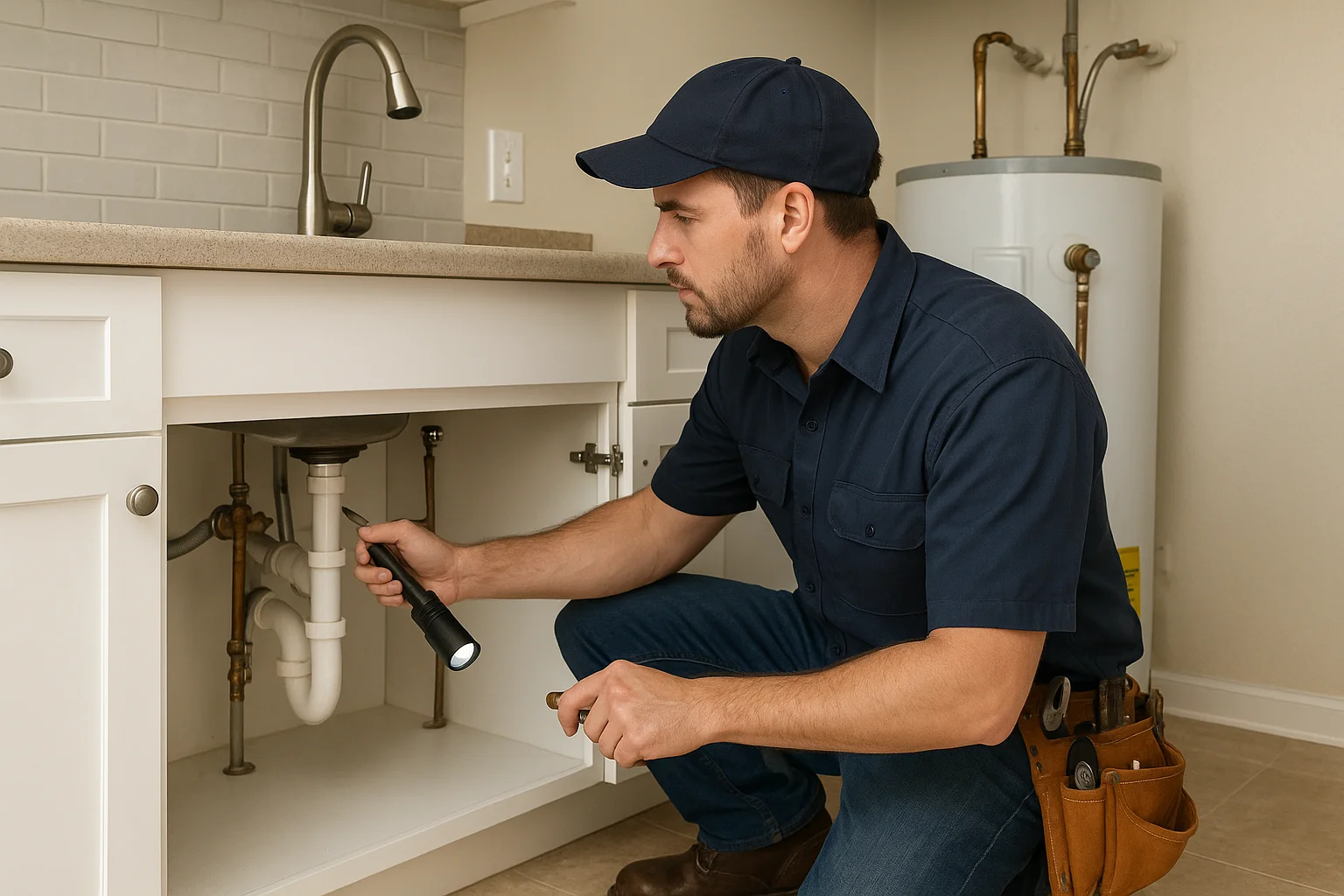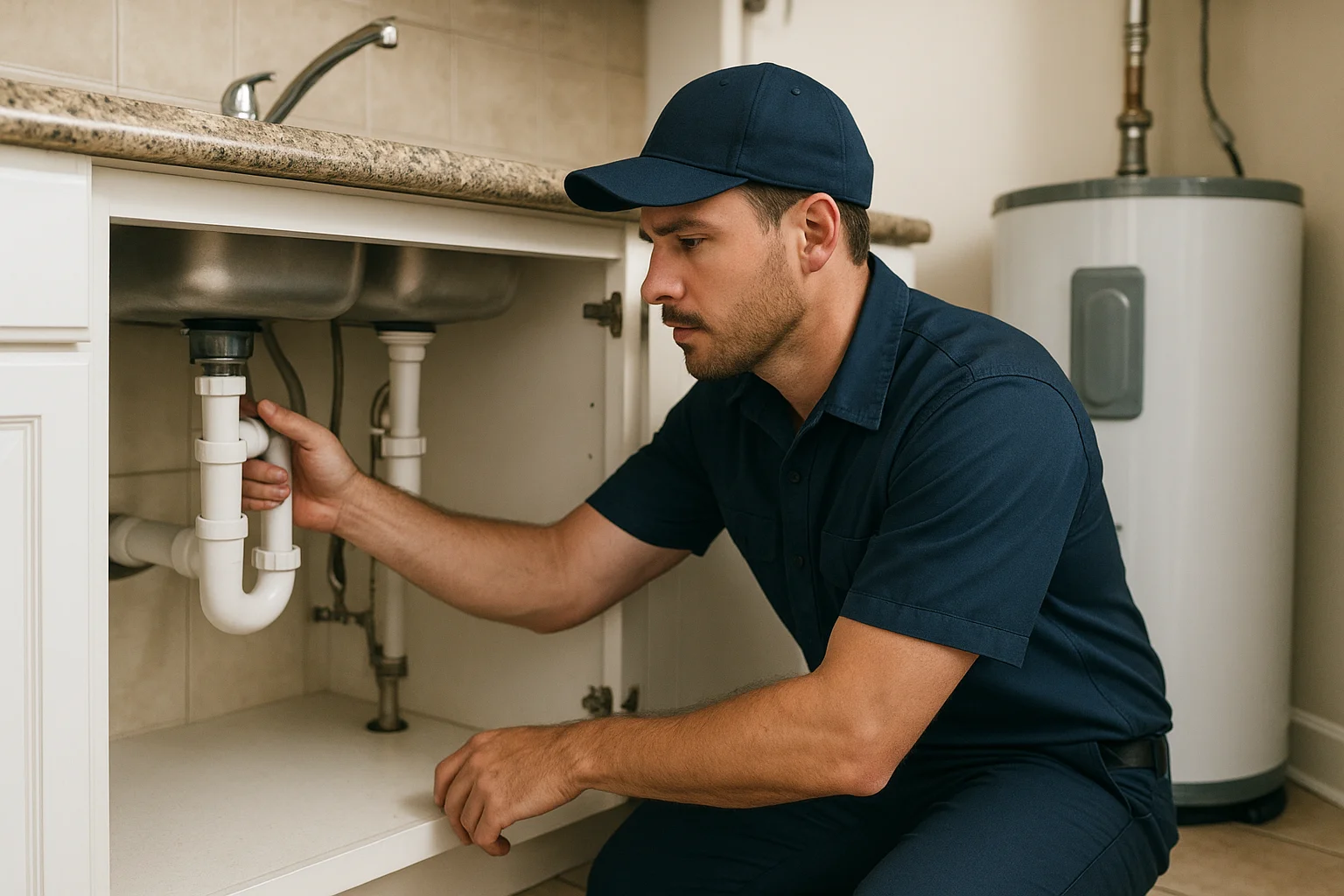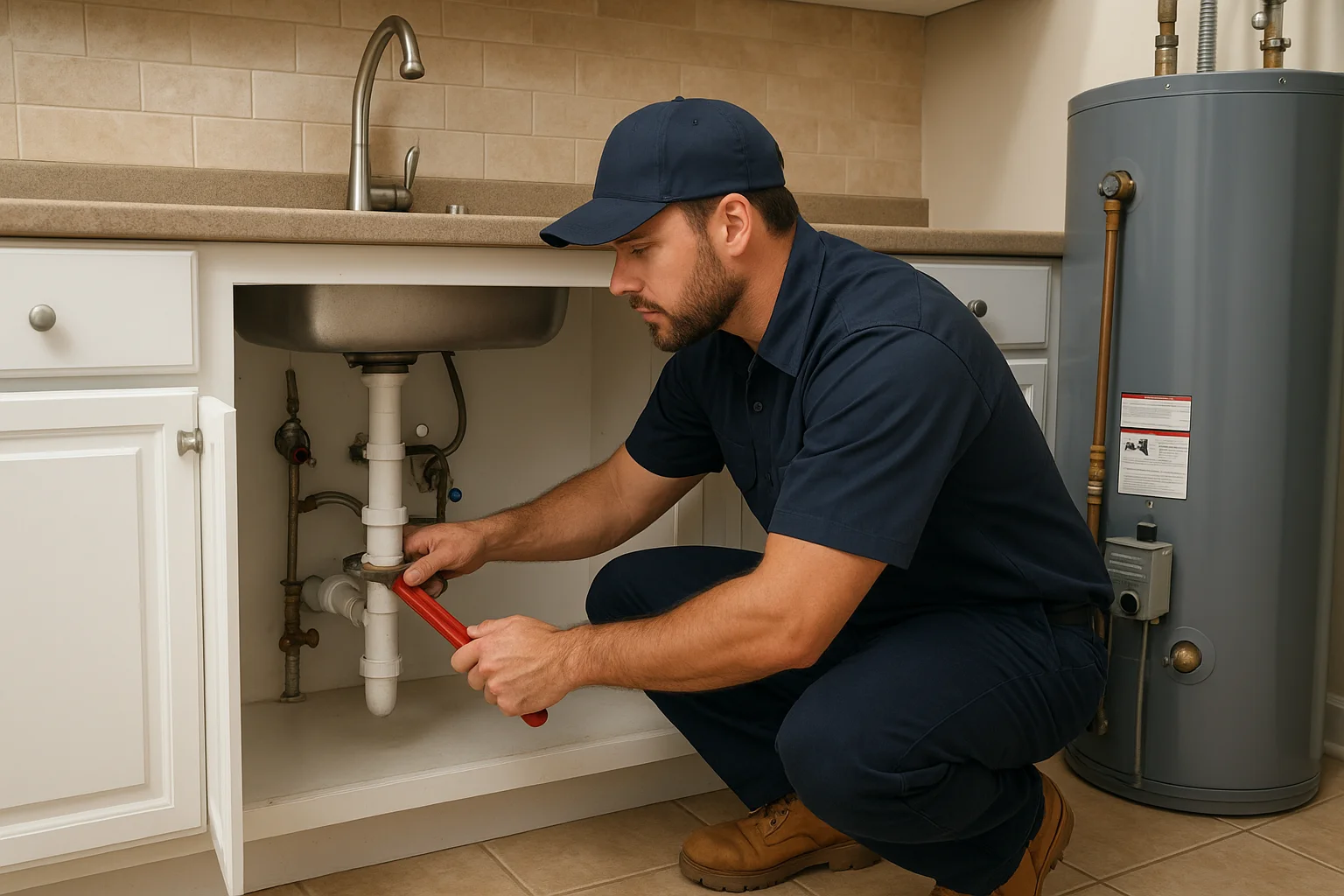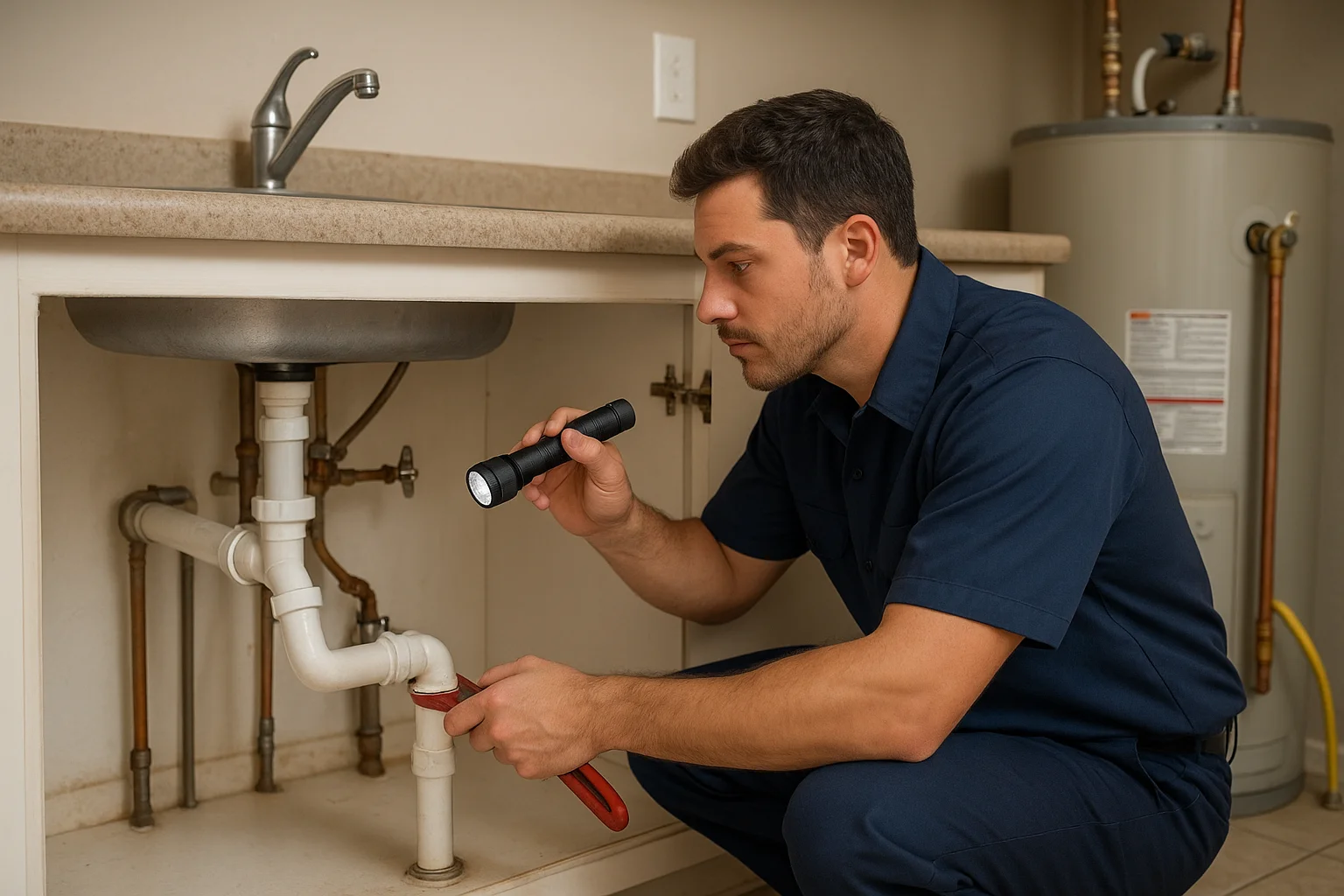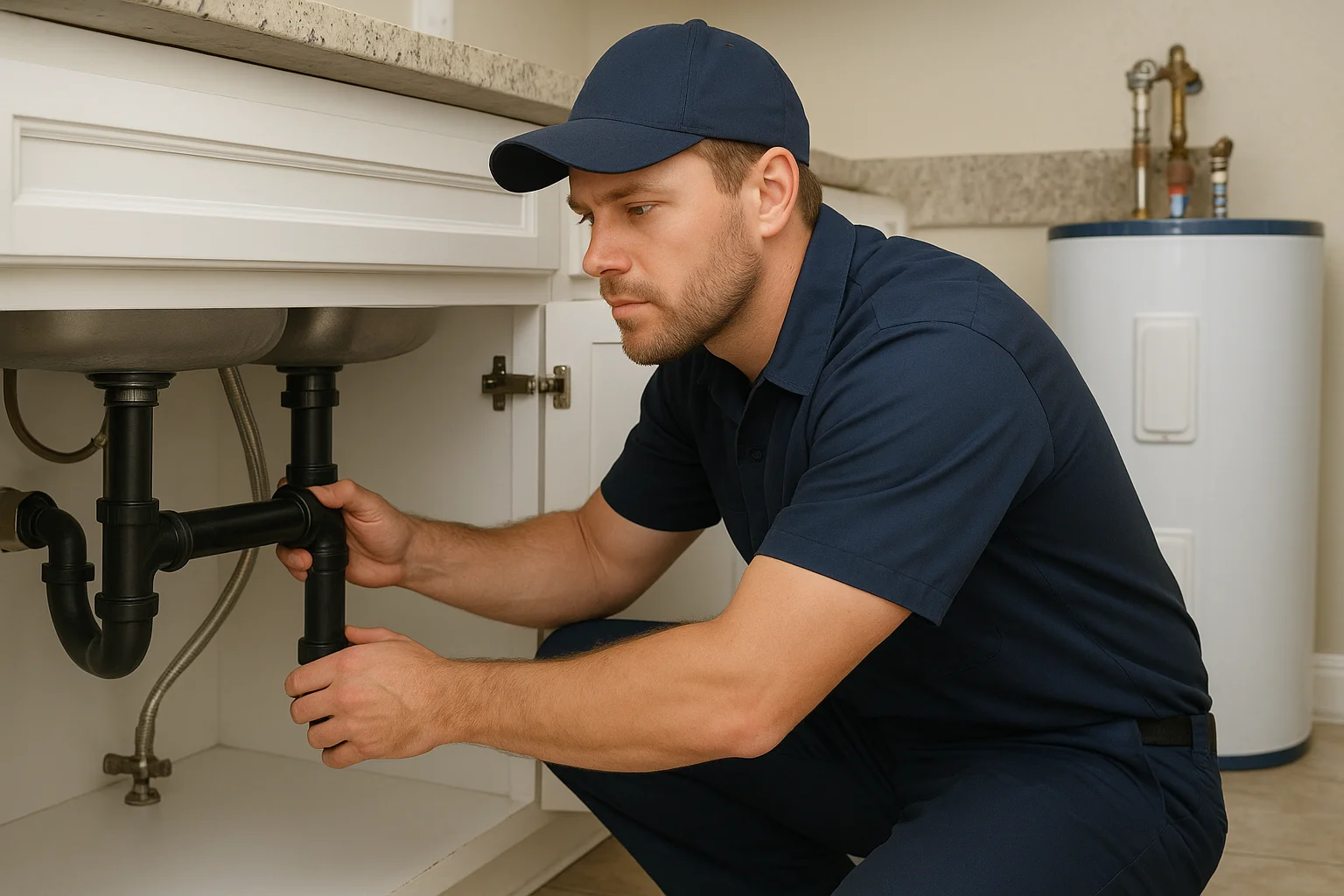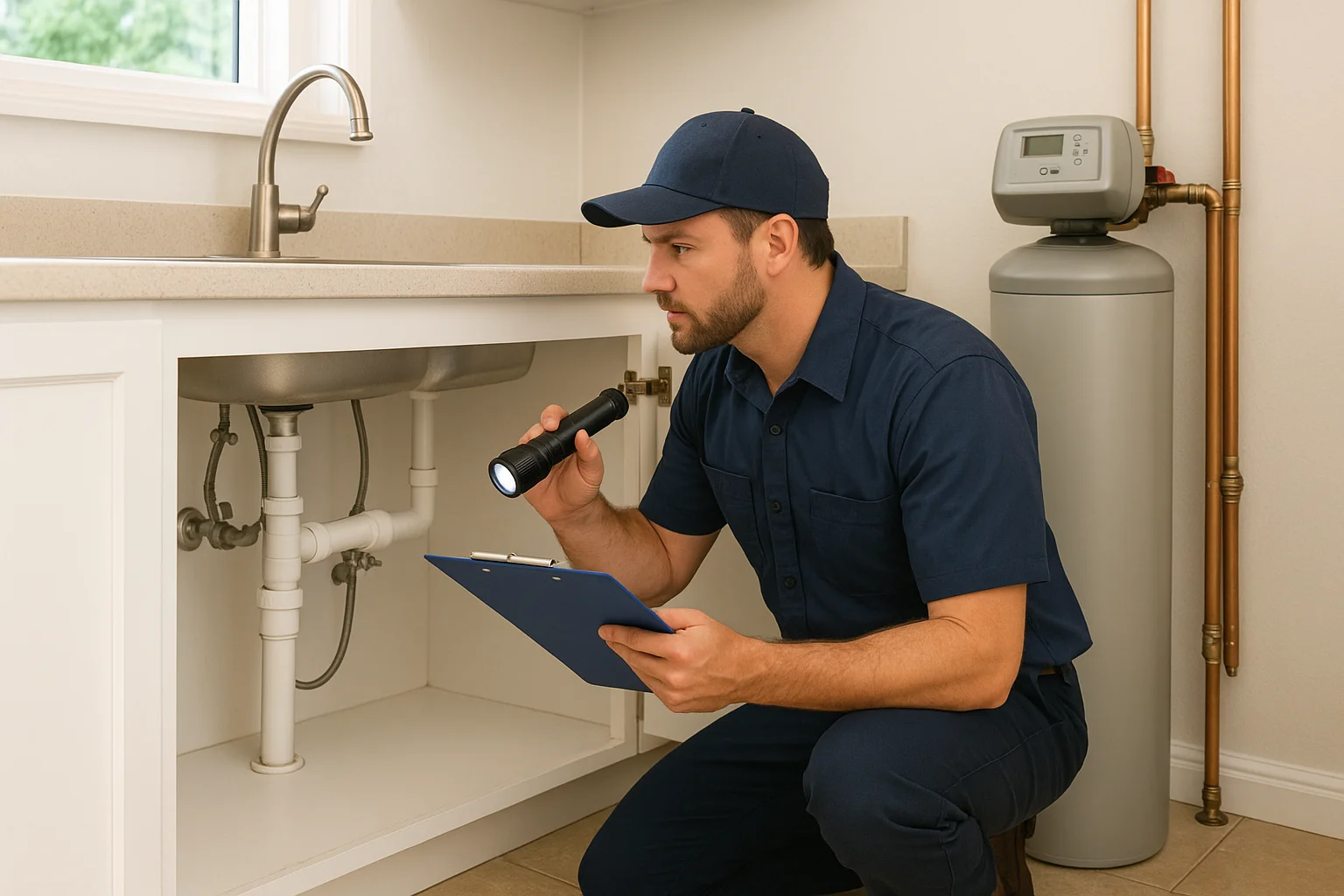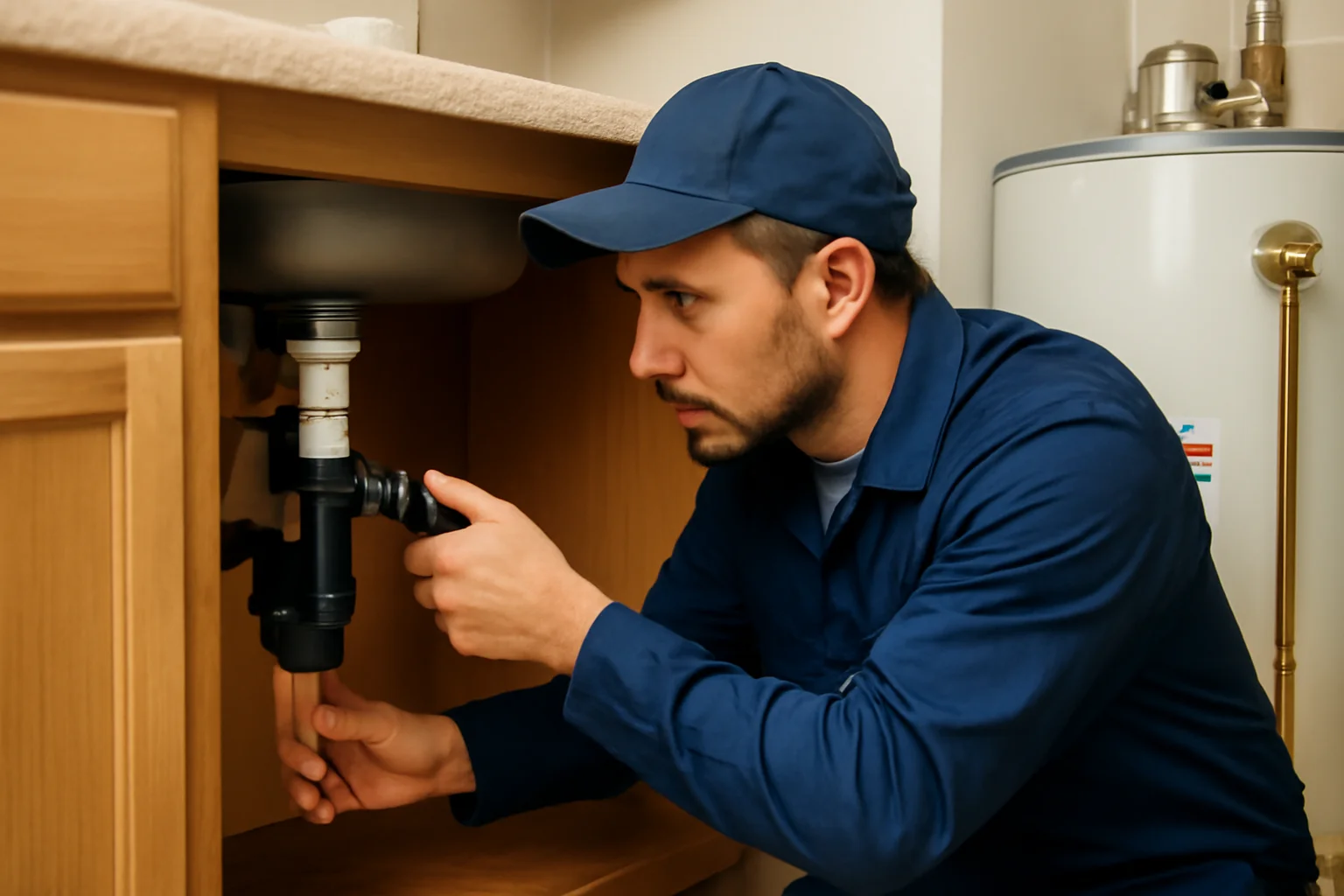
Springfield, FL homes rely on steady water use, reliable water pressure, and drains that keep up with everyday cooking, cleaning, laundry, and showers. When a clog starts forming in a pipe or drain, it rarely stays small for long. A minor slow drain can turn into a full backup, water backing up into fixtures, or even emergency plumbing concerns that disrupt your household.
This guide breaks down the most common plumbing warning signs connected to clogged pipes and drains, what usually causes them in local homes, and how to catch problems early with practical prevention. If you are searching for a clogged pipes and drain plumber in Springfield, FL, you will also find helpful troubleshooting steps to discuss with A Superior Mechanical.
Why clogs build up faster in Springfield homes
Clogs form when debris, grease, hair, soap scum, mineral buildup, and other materials collect inside drain lines and pipes. In Springfield and the surrounding Bay County area, hard water can contribute to mineral scale that narrows passages over time. That means the same amount of everyday grime can create a more stubborn restriction than it might in a softer-water region.
Local plumbing also has to handle real-life water use patterns. Many households run multiple fixtures in the same window, including dishwashers, washing machines, and showers. When several drains share a branch line, one restriction can affect multiple fixtures. Over time, the clog grows, water flow slows, and pressure shifts can show up as gurgling sounds or recurring backups.
Springfield properties also include older homes and slab-style construction in some neighborhoods. If a clog or leak affects plumbing under a slab, it can be harder to spot early because the signs may appear as moisture, persistent odors, or changes in water performance rather than visible pipe leaks.
Plumbing warning signs that point to clogged pipes and drains
Not every plumbing issue is a clog, but these signs commonly connect to drain and pipe blockages. If you notice more than one symptom at the same time, treat it as a stronger indicator that you may need professional drain cleaning or pipe repair.
1) Slow drains that keep coming back
A slow kitchen sink drain repair problem can start with a minor delay after washing dishes, but it can return after you “fix” it with store-bought products. That pattern usually suggests buildup in the line rather than a one-time obstruction. In a Springfield household, you may see slow drainage in the kitchen sink, laundry standpipe, or tub, sometimes all at once.
What it can mean: Grease and food waste accumulation, soap scum, hair and debris, or mineral scale narrowing the pipe.
2) Gurgling noises from drains and toilets
Gurgling is a classic clue that air is trapped behind water moving through a restricted line. You may hear it in the sink, tub, or even when flushing a toilet. The sound often appears when water is draining elsewhere, which points to a shared line or venting issue related to the clog.
What it can mean: A partial blockage in a drain line, restricted venting caused by buildup, or a clog that is compressing airflow.
3) Water backing up in sinks, tubs, or toilets
Backups are the most disruptive sign because they can escalate quickly. If water rises in a fixture when another drains, the blockage may be downstream where multiple fixtures connect. This is also when homeowners often search for an emergency plumber near me or an emergency pipe repair near me because the situation affects daily routines.
What it can mean: A clog large enough to stop normal flow, often requiring professional clearing methods.
4) Bad odors that linger even after cleaning
Odors can travel through plumbing when waste sits too long or when a clog prevents normal drainage. Some homeowners notice smells near drains, under sinks, or around bathrooms after heavy use. If the odor returns quickly, it can be tied to a blockage rather than just a dirty trap.
What it can mean: Waste buildup, grease residue, or blockage causing stagnant water.
5) Sudden changes in water pressure at fixtures
Clogs in supply lines are less common than drain clogs, but homeowners sometimes confuse the issue. If you notice changes in pressure at specific fixtures, or if water pressure seems inconsistent, it can point to a restriction in a pipe. That is different from a drain clog, but it can still require water pipe repair near me or leak detection near the water supply.
What it can mean: Sediment buildup, a partially blocked supply line, or potentially a leak affecting flow.
6) Toilet problems that do not resolve with basic plunging
Toilet repair issues that involve repeated slow flushing, weak flushes, or water that rises and drains slowly often connect to the toilet outlet, the main drain line, or a clog further down the sewer line. If plunging works only temporarily, the clog is likely deeper in the system.
What it can mean: A blockage in the main line or a restriction that keeps re-forming.
7) Wet spots, damp floors, or recurring moisture around plumbing
Wet areas near bathrooms, kitchens, or water heater zones can indicate leaks. Sometimes a clog causes overflow or backflow, but persistent moisture can also relate to slab leak repair near me concerns, especially in slab-style areas. A leak can weaken soil, damage flooring, and create conditions that worsen odors.
What it can mean: Leaking pipes, a failed connection, or in some cases backflow from sewer line restrictions.
Common causes of clogged pipes and drains in Springfield
Understanding the cause helps you prevent the next issue and helps a plumber near me diagnose the right problem faster.
Grease, food scraps, and cooking buildup in kitchen lines
Kitchen clogs often start with grease and starchy food particles. Even if you scrape plates, small amounts can coat the inside of pipes. Over time, hard water minerals and soap combine with that buildup, narrowing the pipe. A kitchen sink drain repair can become urgent when backups begin during dishwashing or after evening meal prep.
Hair, soap scum, and product buildup in bathrooms
Hair and soap scum are a frequent cause of tub and shower clogs. In Springfield homes, where families may shower multiple times daily, the volume of residue can add up quickly. If a tub drains slowly, the issue can often connect to the same line feeding the sink or toilet.
Tree roots and sewer line restrictions
In many Florida neighborhoods, invasive tree roots can infiltrate sewer lines through joints or small openings. When roots grow into a line, they can create partial blockages that worsen during heavy water use. This is one reason homeowners searching for sewer inspection near me often find camera inspections helpful.
Hard water scale and mineral deposits
Hard water can contribute to mineral scale inside pipes and drains. While scale build-up is gradual, it can make clogs more likely and reduce how well water clears waste. It can also increase the need for periodic drain cleaning as your plumbing ages.
Improper disposal habits
Clogs accelerate when homeowners flush items that do not break down well or when non-waste materials find their way into drains. Paper towels, wipes, cooking grease poured down the sink, and excessive food waste can all contribute to stubborn blockages.
Quick checks you can do before calling for plumbing repair
These steps are safe for many homeowners and can help you describe the problem clearly to a local plumbing professional. If you see signs of significant backup, flooding, or damage, skip the DIY steps and reach out for help.
Check whether the clog is isolated or affects multiple fixtures
If only one drain is slow, the issue may be localized. If multiple drains gurgle or back up when you run water in one area, the clog may be deeper in shared piping. That distinction matters for drain cleaning strategy and possible sewer line help.
Look for consistent patterns with water use
Does the problem happen after laundry, after dishwashing, or only during certain times of day? Patterns can indicate which line is involved. It can also help determine whether the issue is related to drain flow or a broader pipe restriction.
Inspect visible traps and strainers
For sinks and tubs, check hair catches and strainers. For sinks, remove and clean the trap area if you can do so safely. If the drain stays slow after clearing what is accessible, the clog may be further down the pipe.
Avoid repeated chemical treatments
Some drain cleaners can damage pipes or create additional residue. If you have already used a product and the problem returns, it is often time for mechanical clearing methods and, when appropriate, a camera inspection. For Springfield homeowners, this can be an important step toward preventing recurring backups.
Why “DIY fixes” often fail for clogged pipes and drain issues
Many clogs are not accessible from the fixture. Even if you can clear a partial blockage, the underlying cause may still be present. Grease buildup, mineral scale, and root intrusion often require thorough clearing inside the pipe to restore full flow.
Professional tools also help protect your plumbing. A plumber can choose the right approach based on pipe material and the location of the restriction. This matters for older homes where pipes may be more fragile, and for properties with complex drain layouts.
What professional drain cleaning and pipe clearing typically involves
A Superior Mechanical provides clogged pipes and drain cleaning designed to restore flow while reducing the chance of repeat issues. Depending on what the plumber finds, service may include:
- Inspection and diagnosis: Identifying which drain line is restricted and whether the issue is localized or connected to the sewer line.
- Mechanical drain cleaning: Clearing clogs using professional equipment rather than relying on harsh chemicals.
- Sewer camera inspections: Checking the inside condition of sewer lines when backups, recurring clogs, or odor issues suggest deeper blockage. This is especially relevant for root-related problems.
- Leak detection and pipe repair coordination: If the symptoms overlap with leaks, the team can help you plan next steps for leak repair or pipe repair.
If you want to prevent small plumbing problems from turning into major disruptions, these related reads can help: Keeping Springfield Drains Clear Before Small Plumbing Problems Spread and Why Springfield Families Benefit from Sewer Camera Inspections Before Small Plumbing Problems Grow.
Prevention steps that reduce clogged pipes and drain calls
Prevention is about managing debris, protecting flow, and catching changes early. These habits often make a noticeable difference in Springfield households.
Use strainers and clean them regularly
Kitchen and bathroom strainers catch the materials that start clogs. Empty them often, especially after heavy cooking or hair shedding seasons.
Manage grease and starchy waste
Do not pour grease down the drain. Scrape plates and wipe pans before washing. For stubborn residue, use proper disposal methods and consider periodic professional cleaning for kitchen lines if you see slow drain repair needs.
Run water wisely when using multiple fixtures
If you notice a drain struggles during busy water use, try spacing out heavy use events. This reduces peak demand on the shared lines and can help you avoid a partial clog from becoming a full backup.
Address water pressure changes promptly
If water pressure drops or fluctuates at certain fixtures, do not ignore it. A restriction can affect supply lines and may overlap with leak or pipe repair needs. For homeowners searching for leak detection near me, early evaluation can prevent water damage and reduce emergency plumbing concerns.
Plan maintenance for older plumbing and rental properties
Springfield includes owner-occupied homes and rentals. When multiple tenants use the same fixtures, clogs can happen faster. Scheduling local plumbing maintenance can reduce repeat emergencies and help you protect your investment. If you manage a property, consider pairing drain cleaning with sewer line help and camera inspections when recurring issues appear.
When to call for help from A Superior Mechanical
Some plumbing problems are urgent because they can affect sanitation, cause flooding, or damage floors and cabinets. Call for professional clogged pipes and drain service when you notice:
- Backups in sinks, tubs, or toilets
- Gurgling that intensifies or happens across multiple fixtures
- Slow drains that return after DIY clearing
- Bad sewer-like odors near drains or in bathrooms
- Wet spots, moisture, or signs of slab leak repair concerns
- Any emergency plumbing concerns where water is rising or spreading
For homeowners searching for same day plumber near me or emergency plumber near me, time matters. A fast response can help you avoid water damage and reduce the chance of a clog turning into a larger sewer line problem.
If your issue involves recurring sewer backups or you suspect root intrusion, a camera-based approach can be more effective than repeated plunging. You can also explore Sewer Repair and Maintenance to understand how sewer line help fits into long-term prevention.
How clogs connect to other plumbing repairs
Clogs and drain problems sometimes overlap with other repairs. Knowing the connections can help you choose the right service.
Toilet repair and clogged main lines
If toilet flushes slow or toilets gurgle, the issue may be in the main line rather than the toilet itself. That is why toilet repair near me searches should not automatically focus only on the fixture. A plumber can evaluate the connection and clear the line if needed.
Faucet repair and fixture performance
A faucet that drips is not the same as a clogged drain, but fixture problems can mask plumbing symptoms. For example, a slow drain might be accompanied by a leak under a sink. That is why it helps to have a professional evaluate the full area around the fixture. If you need fixture work, see Plumbing Fixture Replacement.
Water heater service and drain flow
When water heaters and drains share the same home zones, leaks or overflow risks can compound. A sudden issue with hot water, unusual noises, or water pooling near the water heater area can also be a plumbing repair concern. If you are troubleshooting multiple plumbing problems at once, a coordinated approach helps. For related guidance, review A Springfield Homeowner’s Guide to Smarter Water Heater Installation and Fewer Plumbing Surprises.
Pipe repair and supply line restrictions
Sometimes the problem is not the drain but the pipe feeding the fixture. If you suspect water pipe repair near me issues or you notice pressure changes, a professional can determine whether the restriction is in supply plumbing or drainage lines.
Choosing local plumbing service in Bay County matters
Local knowledge helps. Springfield homes have different pipe ages, water usage patterns, and layouts. A local plumbing team understands how common issues like hard water scale, aging fixtures, and sewer line restrictions can show up in Bay County.
If you need plumbing services near me, working with a company that serves Springfield can also speed up response times and improve scheduling. You can learn more about service coverage by visiting the Springfield service area page and Bay County service area.
When clogged pipes and drain problems are caught early, you often avoid the worst outcomes: full backups, damaged flooring, and emergency plumbing calls. The goal is simple: notice the warning signs, keep everyday habits from feeding the clog, and use professional drain cleaning and sewer inspection when symptoms do not improve.
If your kitchen sink drain is slow, your toilet drains oddly, or multiple fixtures are gurgling, A Superior Mechanical can help restore proper flow. Start with clogged pipes and drain service in Springfield, FL.
Find Clogged Pipes and Drain in Springfield, FL
If you need Clogged Pipes and Drain in Springfield, FL, visit our local service page or contact A Superior Mechanical today.
Map of Springfield, FL
Frequently Asked Questions
How can I tell if my problem is a clogged drain or a sewer line issue in Springfield, FL?
If multiple fixtures gurgle or back up, the blockage is often farther down the system. Recurring odors and repeated slow drainage after basic clearing can also suggest a sewer line restriction. A professional drain cleaning and, when needed, a sewer camera inspection helps confirm the location.
What should I do right away if my toilet backs up or water rises?
Stop using the toilet and avoid flushing. If water is spreading or rising, treat it as an emergency plumbing concern and contact a local plumber immediately. Continued flushing can push waste further into the line and make cleanup more difficult.
Are chemical drain cleaners safe for clogged pipes and drains?
Chemical cleaners can damage some pipe materials, create residue, and make professional clearing harder. If you already used a product and the problem returns, it is usually better to switch to mechanical drain cleaning and an inspection to find the real cause.
Can hard water contribute to clogged drains in Springfield?
Yes. Hard water can leave mineral scale that narrows pipes over time. When scale combines with grease, soap scum, and debris, clogs can form more quickly and become more stubborn.
How often should Springfield homeowners schedule drain cleaning or sewer inspections?
For many households, periodic maintenance helps, especially in older homes or rentals with heavy water use. If you notice recurring slow drains, gurgling, or backups, schedule service sooner. A camera inspection is often recommended when symptoms suggest deeper sewer line issues.
Related Articles
- Keeping Springfield Drains Clear Before Small Plumbing Problems Spread
- Why Springfield Families Benefit from Sewer Camera Inspections Before Small Plumbing Problems Grow
- What Springfield Homeowners Should Know About Commercial Plumbing Before a Small Issue Spreads
- A Springfield Homeowner’s Guide to Smarter Water Heater Installation and Fewer Plumbing Surprises
Photo Gallery