Bluewater Bay homes rely on steady water flow for showers, laundry, irrigation, and everyday cooking. When a leak starts, it can quietly steal pressure, waste treated water, and create the kind of moisture that leads to mold, swollen drywall, and expensive repairs. Smart water leak repairs are about more than stopping the drip. They focus on accurate diagnosis, safe planning, and protecting the rest of your plumbing system while repairs are underway.
This guide shares practical, homeowner friendly tips for water leak repair planning in Bluewater Bay, FL, with a focus on preventing water damage and restoring reliable water pressure, drains, pipes, fixtures, and water heater performance.
Why leaks in Bluewater Bay can escalate fast
Okaloosa County weather swings can make plumbing problems harder to ignore. Coastal humidity and sudden rain events increase the odds that small leaks turn into bigger issues. Add in the way many Bluewater Bay homes are built, including concrete slab areas and older plumbing runs, and you get a situation where leaks may spread before you notice them.
Common homeowner observations include:
- Water pressure drops when multiple fixtures run, or pressure feels inconsistent room to room.
- Unexpected damp spots near baseboards, under sinks, or around plumbing penetrations.
- Musty odors, foggy windows, or discoloration that appears after periods of heavy use.
- Higher water bills that don’t match your household habits.
- Slow drains or gurgling sounds that suggest leaks near supply lines or sewer line problems.
Even if you can “find the leak,” you still need to consider what the leak has already affected. Water can travel through wall cavities, crawl spaces, and slab edges. That is why accurate leak detection and repair planning matter as much as the repair itself.
Quick leak triage you can do before calling for water leak repair
If you suspect a leak, a few careful checks can help you describe the problem to a plumber and avoid accidental damage. These steps are not a replacement for professional plumbing services, but they can help you move faster.
1) Check your water meter for “silent” leaks
Turn off faucets and appliances that use water, then watch the meter. If it keeps moving, you likely have an active leak. This is useful for homeowners searching for water leak repair near me because it gives a clearer starting point for hidden water leak detection.
2) Look for patterns that match fixtures and water use
Note when the leak seems worse. For example:
- After showers or laundry, a bathroom or laundry line may be involved.
- Only during irrigation or outdoor use, a buried line or valve may be leaking.
- After hot water runs, the water heater or connected supply lines may be leaking.
3) Inspect visible supply lines and fixtures safely
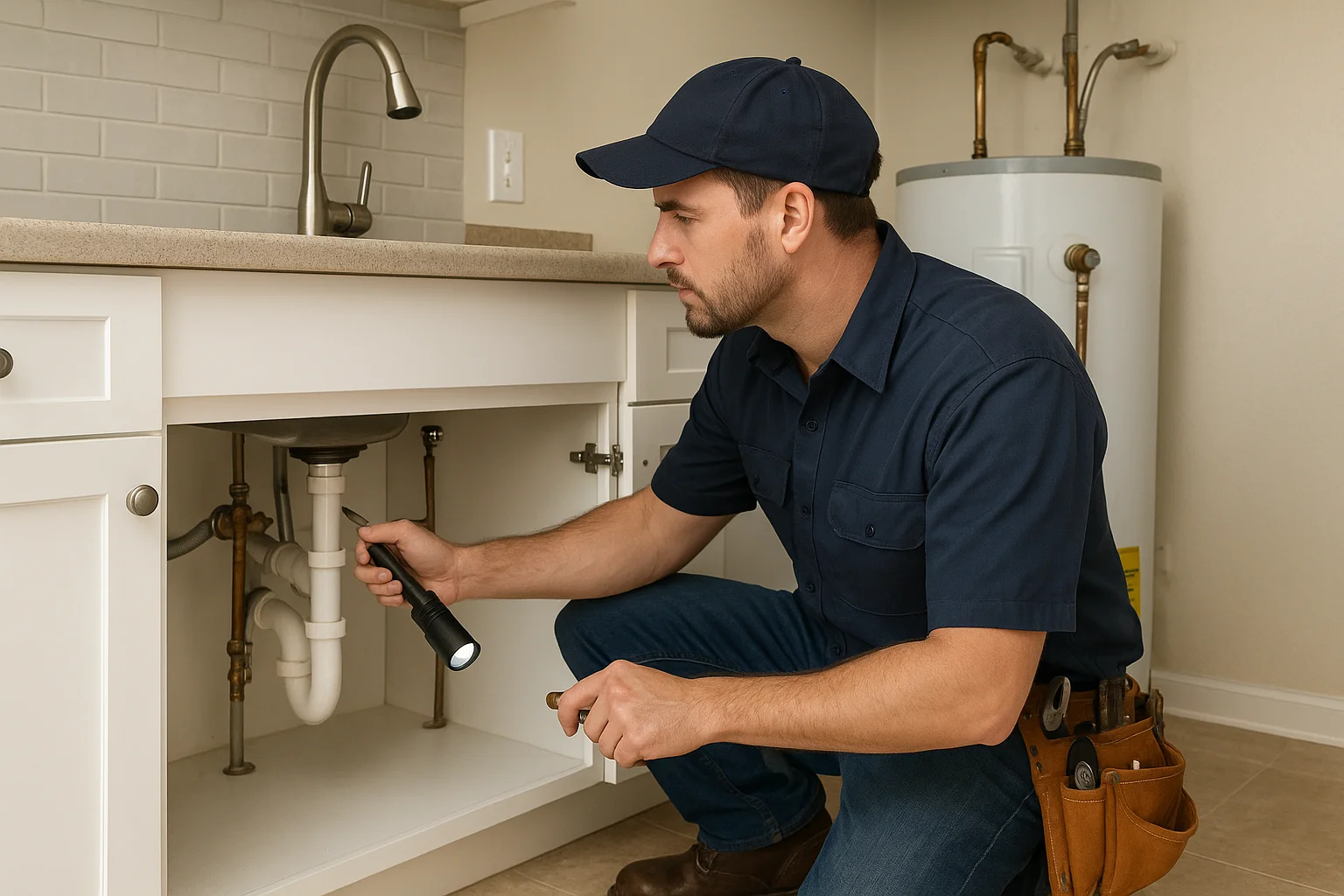
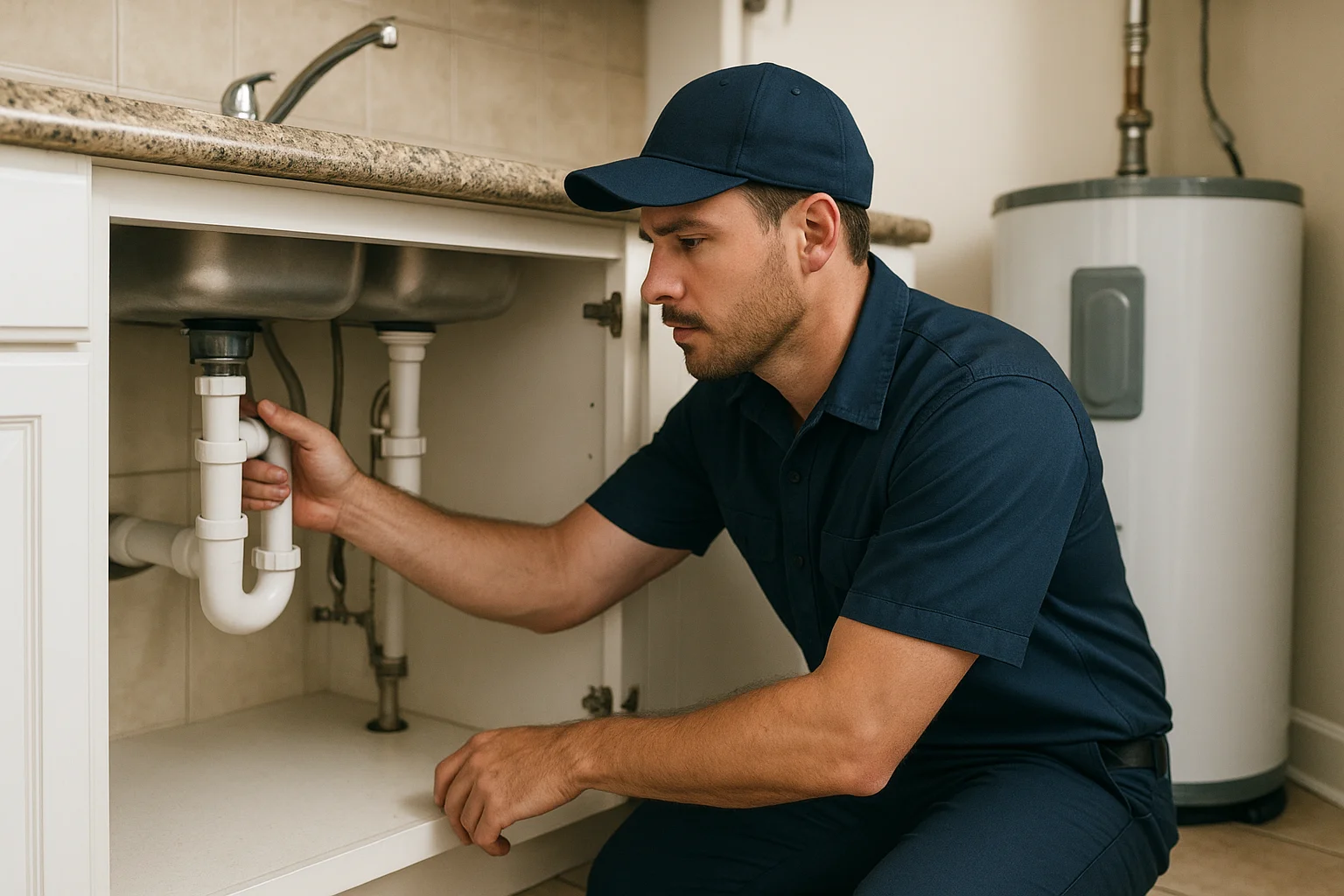
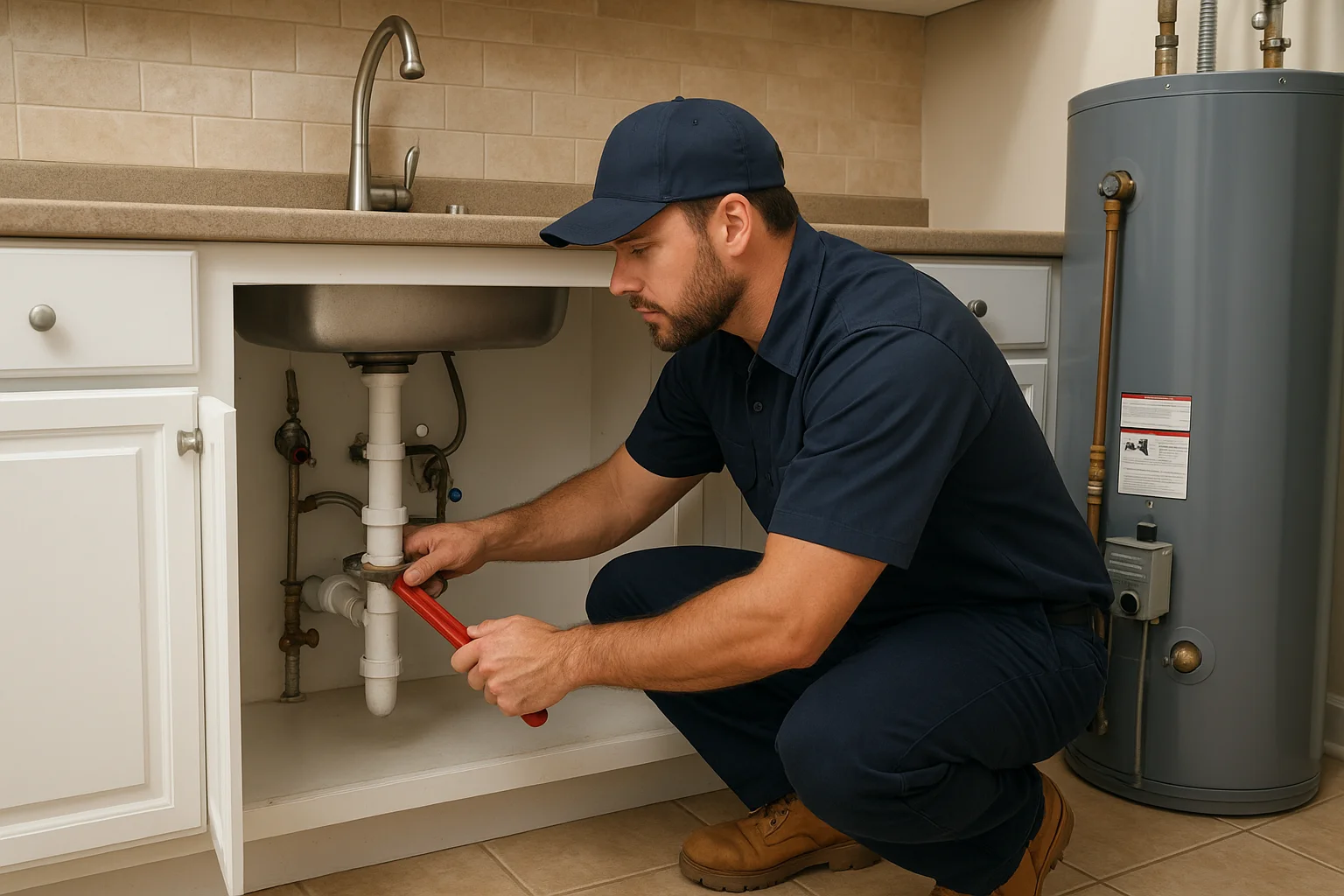
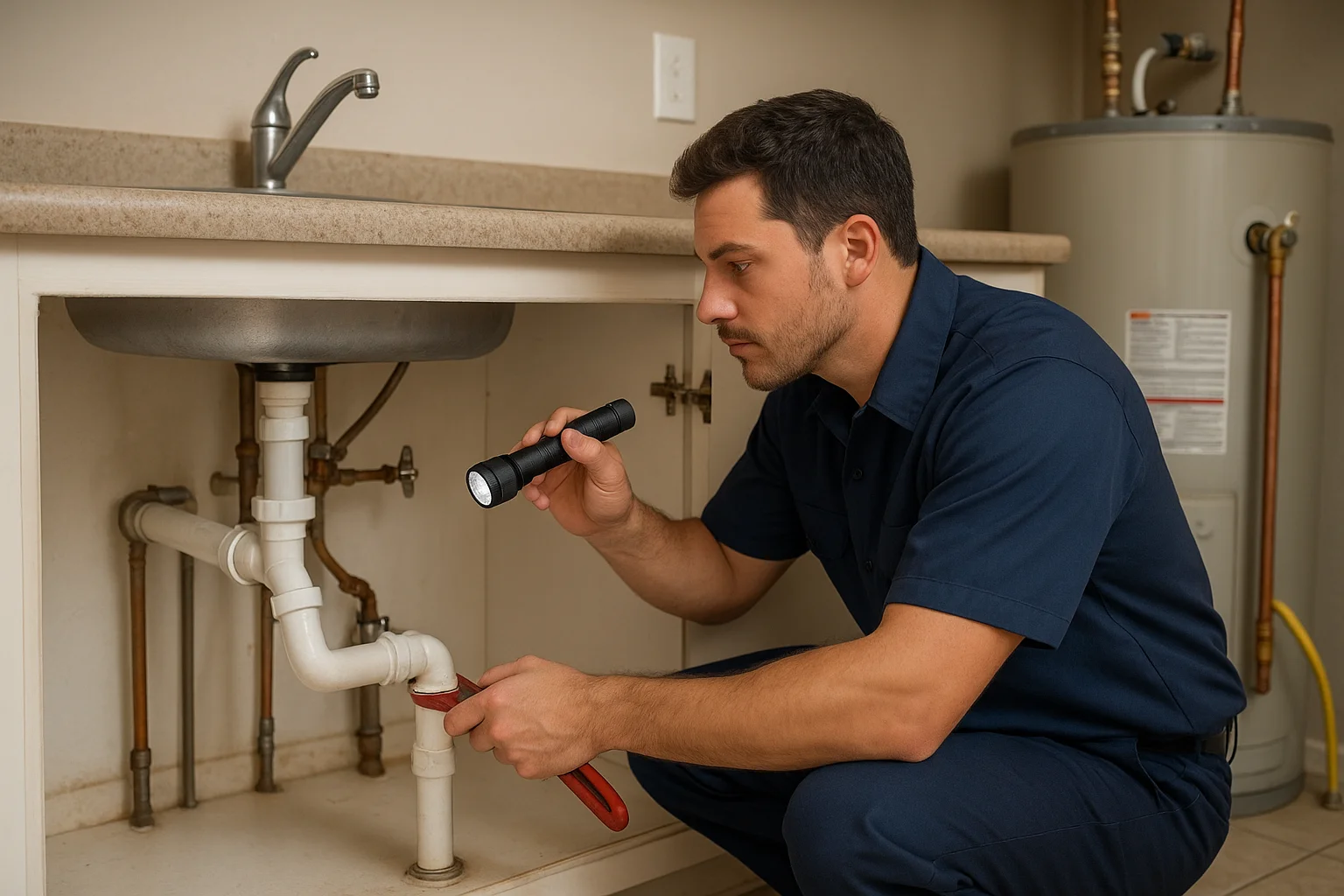
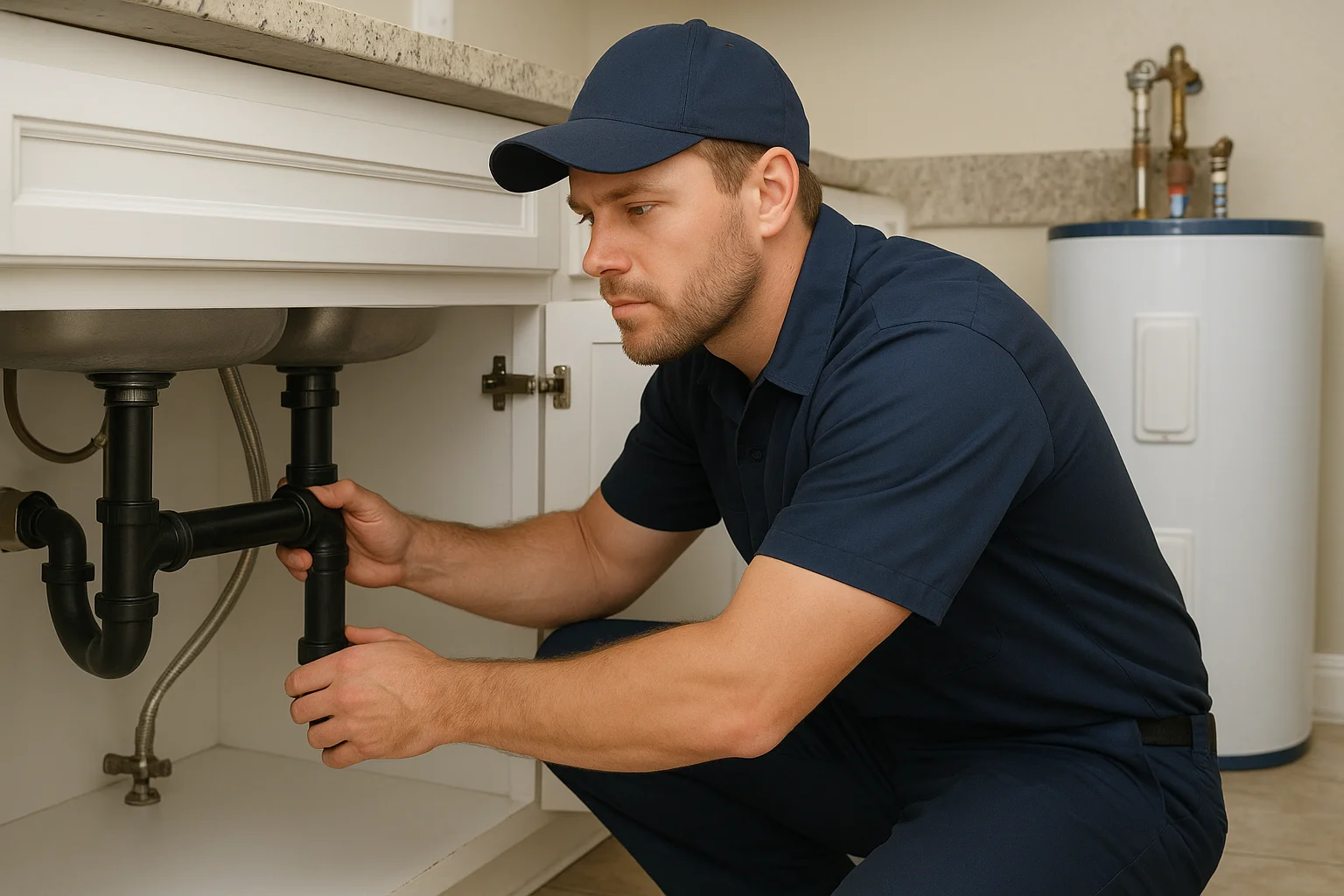
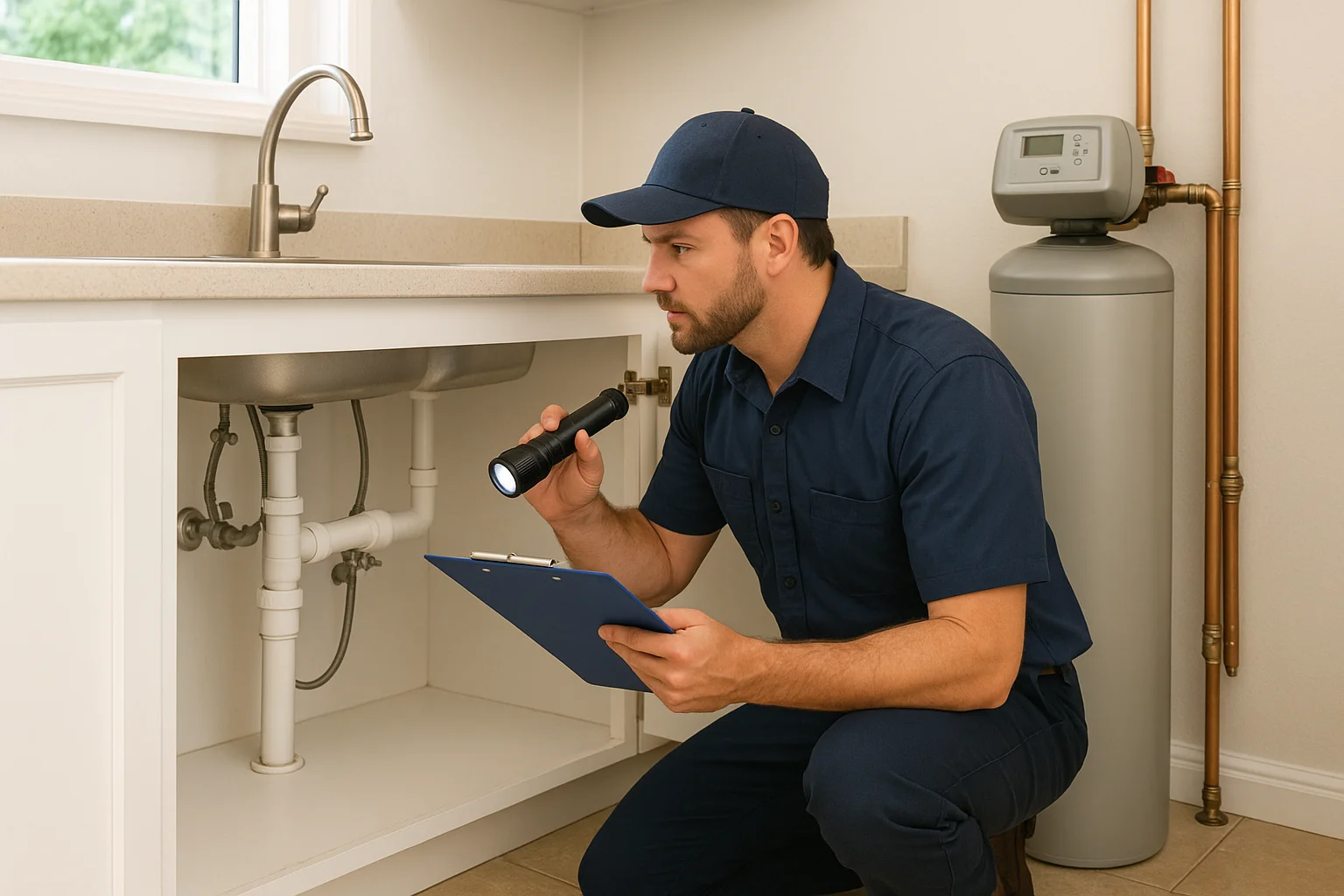
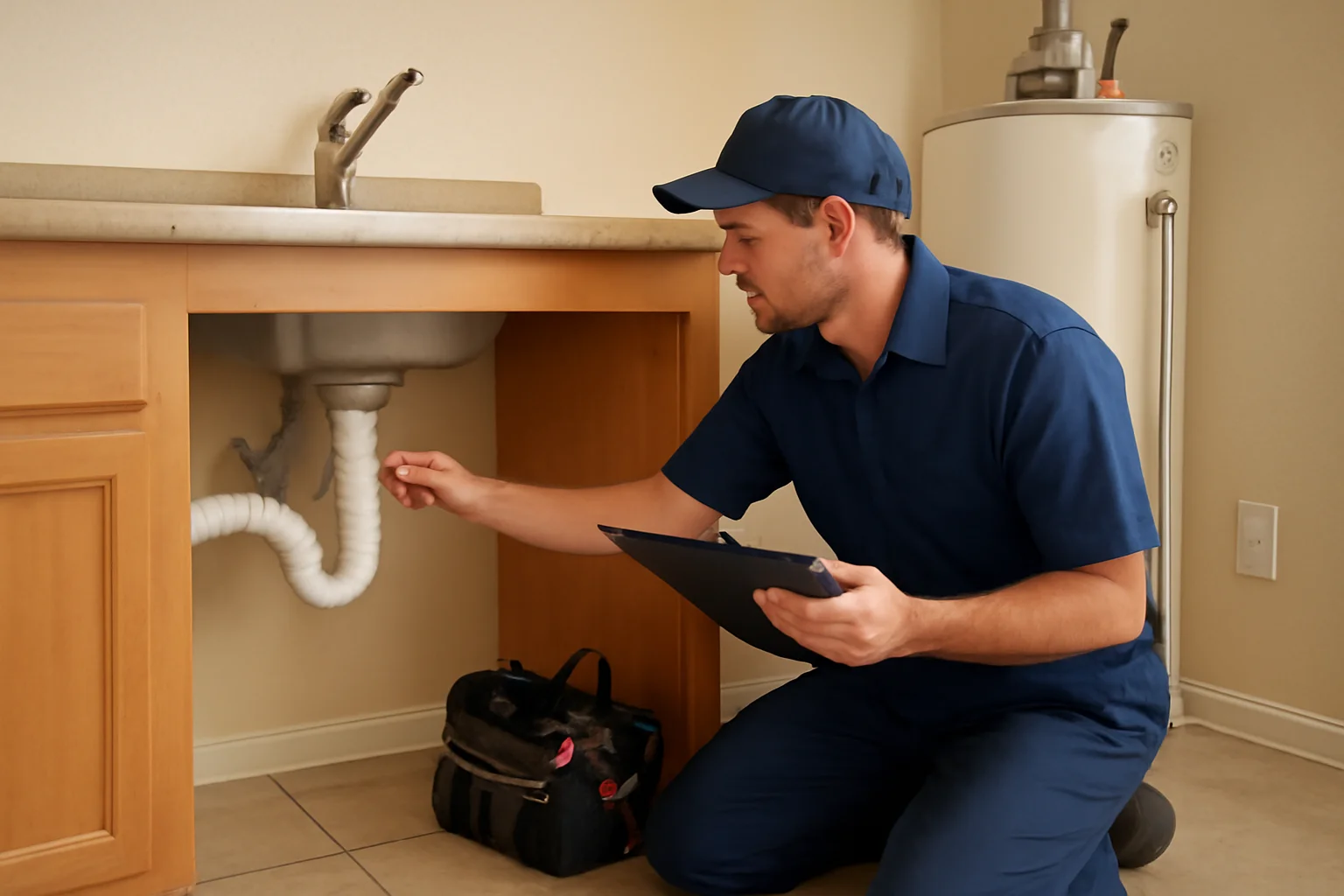
Under sinks, check supply hoses, shutoff valves, and drain connections. Around toilets, look for moisture at the base, around the supply line, or at the tank connections. If you see pooling water, stop using that fixture until it is repaired.
4) Don’t ignore “small” toilet leaks
A running toilet can waste a surprising amount of water. If you are searching for running toilet repair near me, start by checking the flapper, fill valve, and water level in the tank. If the toilet is constantly refilling or water keeps moving into the bowl, it could be a simple repair or a deeper plumbing issue that needs assessment.
Hidden leaks: what homeowners in Bluewater Bay often miss
Leaks are not always obvious. Some are hidden inside walls, beneath floors, or under slabs. Others mimic normal plumbing behavior until they worsen.
Moisture without a clear source
If you see damp drywall, peeling paint, or a soft spot in flooring with no visible plumbing line, you may be dealing with a concealed leak. This is especially common in areas where water lines run behind cabinetry or through exterior wall sections.
Hard water effects that can mask problems
Bluewater Bay homes often deal with hard water, which can contribute to mineral buildup in fixtures and water heater components. That buildup can make leak symptoms harder to spot because corrosion, staining, and scale can develop around connections over time. It can also lead to reduced flow, uneven pressure, and premature wear.
Slab leaks and the “temperature clue”
In homes with concrete slabs, a slab leak may show up as persistent moisture, a warm spot on the floor, or recurring dampness near baseboards. Sometimes the first sign is a sudden rise in water usage or water pressure changes. Slab leak repair near me searches often begin after homeowners notice these patterns and realize the leak is not accessible.
If you want a deeper look at what people miss during repairs, read What Bluewater Bay Homeowners Often Miss During Water Leak Repairs.
How smart planning protects water flow and reduces water damage
Water leak repairs go smoother when you plan for three goals: stop the leak, protect the surrounding materials, and restore full performance throughout your plumbing system.
Goal 1: Isolate the leak without disrupting the whole home
A professional plumber will identify which section to shut down. When repairs are planned correctly, you can minimize downtime for the rest of the home. This matters in Bluewater Bay households that rely on multiple bathrooms and laundry schedules, especially if you rent to tenants.
Goal 2: Prevent moisture from spreading during repair
Even before the final fix, the repair process should address water damage prevention. That can include drying procedures, protecting insulation, and removing materials that have absorbed moisture. This is where speed matters. The longer water sits, the more it damages drywall, subflooring, and nearby electrical components.
Goal 3: Restore flow, pressure, and fixture performance
After a leak repair, homeowners may notice that water flow feels different. That can happen if mineral buildup, debris, or partial blockages formed while the system was leaking. A good repair plan checks more than the affected spot. It verifies water pressure, checks faucets and shower heads for consistent flow, and confirms that drain systems are not being affected by additional plumbing issues.
Common leak repair scenarios in Bluewater Bay homes
Not all leaks are the same. Here are the situations plumbers see often in Bluewater Bay, along with the repair planning considerations that help protect your home.
Fixture leaks: faucets, shower valves, and supply connections
Drips from a faucet or persistent moisture around a shower handle may be a worn cartridge, a failing seal, or a loose connection. Fixture leak repair typically involves isolating the valve, replacing the damaged components, and checking nearby connections for additional seepage.
If you are dealing with a kitchen sink drain issue alongside a leak, it is worth having both evaluated. A kitchen sink drain can clog, overflow, or back up, and moisture from the drain side can look similar to supply leaks. That is why homeowners searching for kitchen sink drain repair near me should consider a full plumbing inspection rather than only focusing on one visible problem.
Toilet leaks: flappers, supply lines, and wax rings
Toilet leaks range from a simple running toilet repair to a failing wax ring at the base. Moisture around the toilet can also lead to floor damage. When a toilet is removed for service, the repair plan should include checking the surrounding floor condition and replacing the seal properly.
If you are hearing constant refilling or noticing water pooling, professionals can quickly determine whether it is a water level issue, a supply line leak, or a seal failure that needs repair.
Water heater leaks: small drips or serious failures
A leaking water heater can be a safety concern and a major cause of water waste. Homeowners searching for water heater repair near me often notice:
- Water pooling around the unit
- Rusty or stained connections
- Reduced hot water delivery
- Unusual noises during heating cycles
Leak repair planning may include inspecting inlet and outlet connections, checking the drain valve, verifying the pressure relief valve, and assessing whether the unit needs repair or replacement. For homeowners dealing with repeated failures, those searching for water heater replacement near me may need a full evaluation of the system size, condition, and performance.
For related service, explore Water Heater Services.
Pipe leaks: corrosion, fittings, and pressure stress
Pipe leaks can develop from corrosion, damaged fittings, or pressure changes. In homes with older plumbing, pinhole leaks may appear around joints, elbows, or sections that have endured years of use. Repair planning should include checking adjacent fittings because a single failed joint can be a sign of broader wear.
If you suspect a hidden leak, request a methodical assessment rather than guessing. Hidden water leak detection near me searches often reflect frustration with leaks that return after “temporary fixes.”
Drain and sewer related issues that look like leaks
Sometimes the problem is not a supply line leak at all. A failing sewer line can cause wet spots, slow drains, or backups that mimic water leakage. If you notice recurring clogs, gurgling, or multiple fixtures draining poorly at once, it may be time for drain cleaning and sewer line help.
For example, a clogged drain repair near me search may turn into a bigger issue if a blockage is tied to sewer line conditions. A professional can help determine whether the issue is localized to one drain or connected to the main line.
When sewer inspection is needed, Camera Inspection Services can help confirm what is happening inside the line.
Water pressure and flow restoration: what to check after repairs
Once the leak repair is complete, verify that your plumbing is performing the way it should. This step helps catch problems before they become another round of repairs.
- Check water pressure at multiple fixtures. Compare bathroom sinks, showers, and kitchen faucets. Consistent pressure usually indicates the repair did not create a restriction.
- Run hot and cold water. If hot water flow is weak or intermittent, the water heater or connected lines may need attention.
- Inspect for new moisture. Look around the repair area, nearby joints, and under fixtures for at least a few days after the job.
- Test toilet operation. Confirm the fill cycle stops correctly, and check for any dampness at the base.
- Verify drain performance. If you had a leak near a drain or you suspect a clog, check whether water drains normally without slowdowns.
This is also a good time to consider how water use patterns affect your system. Bluewater Bay households often run laundry and showers frequently, especially during humid summer months. If the repair involved the main line or pressure-sensitive components, confirming flow stability helps protect your home long term.
Emergency plumbing concerns: when to treat it as urgent
Some situations should be handled as emergency plumbing concerns. Waiting can lead to more damage, higher repair costs, and longer restoration time.
Call for emergency plumber near me type help if you notice:
- Water actively spraying or rapidly pooling
- Water near electrical outlets, panels, or appliances
- A slab leak indication such as expanding damp areas or recurring warm spots
- Major water heater leaks, especially if water is escaping from connections or valves
- Backed up drains or sewage odors that suggest sewer line problems
For fast response, search for same day plumber near me when the situation is actively worsening. The goal is to stop water flow to the affected area and reduce the amount of moisture that spreads.
Preventing future leaks with local plumbing maintenance habits
Smart maintenance is the best way to reduce the odds of repeat leaks and protect water flow. Bluewater Bay homeowners can use a few practical habits that fit real schedules.
Do seasonal checks after heavy rain periods
After storms and periods of high humidity, scan under sinks, around toilets, and along accessible pipe runs. Look for small signs that can become bigger problems, like dampness around shutoff valves.
Watch your water bill and usage trends
A sudden increase in water use without a corresponding change in household habits can be an early warning. This is particularly helpful for homeowners who suspect hidden leaks but cannot locate them.
Maintain drains to reduce system stress
Clogged drains can cause backups that create pressure changes throughout plumbing lines. Regular drain cleaning can help prevent recurring clogs and reduce the chance that a leak becomes harder to diagnose. If you are dealing with a bathroom drain cleaning near me search, remember that keeping drains clear supports overall plumbing health.
Plan water heater service before leaks start
Routine water heater service can catch wear on valves and connections before they fail. Consider Water Heater Services for inspections and maintenance.
Consider whole home purification if hard water is stressing fixtures
If mineral buildup is common, treating water can help protect fixtures and plumbing components. For homeowners looking at cleaner water strategies, see Cleaner Water, Fewer Plumbing Surprises: A Bluewater Bay Guide to Home Purification and related options like Reverse Osmosis Systems.
Use a maintenance plan that matches your home
Every home has different risks based on age, plumbing layout, and water use. A good local plumber can tailor a maintenance approach. Start with Plumbing Maintenance and build from there.
If you want more ideas for long range prevention, read Staying Ahead of Plumbing Problems in Bluewater Bay Homes.
Choosing the right plumber for water leak repairs in Bluewater Bay
When you are comparing plumbing services near me options, look for reliability, clear communication, and a methodical approach to diagnosis. Water leak repairs should not feel like guesswork.
A strong plumber will:
- Ask about water use, when the leak started, and what you have noticed.
- Confirm whether it is a fixture leak, pipe leak, slab leak, or sewer line issue.
- Use appropriate tools for hidden water leak detection rather than relying only on visible checks.
- Explain repair options and the steps needed to prevent water damage.
- Check water pressure and flow after repairs so your fixtures work correctly.
For Bluewater Bay homeowners, A Superior Mechanical offers water leak repairs in Bluewater Bay, FL designed to protect your home and restore performance. If you want a broader view of local service coverage, visit the Bluewater Bay service area page and Okaloosa County plumbing services.
Whether you need slab leak repair near me support, hidden leak detection, fixture leak repair, toilet repair, faucet repair, drain cleaning, or help planning around water heater concerns, the right repair plan keeps water flowing the way it should while limiting damage and disruption.
Smart next steps for homeowners planning leak repairs
When you are ready to move forward, use a simple checklist to keep the process organized. This helps you get accurate quotes, reduce delays, and protect your home during the repair.
- Document what you see: photos of damp areas, where water collects, and any stains.
- Note timing: when you first noticed the leak and what activities were happening.
- Check the water meter if possible and share your observations.
- List fixtures affected: shower, toilet, kitchen sink, laundry, or outdoor spigots.
- If you suspect sewer line problems, mention slow drains and gurgling sounds.
- Ask how the repair will protect materials and restore flow after leak repair.
For many homeowners, the best repairs are the ones that prevent the next problem. Smart leak repair planning in Bluewater Bay helps you stop wasting water, protect your home from moisture damage, and restore dependable water pressure and drainage for daily life.
Find Water Leak Repairs in Bluewater Bay, FL
If you need Water Leak Repairs in Bluewater Bay, FL, visit our local service page or contact A Superior Mechanical today.
Map of Bluewater Bay, FL
Frequently Asked Questions
How can I tell if I have a hidden water leak or a leak in a fixture?
Start with your water meter. If it moves when no water is running, you likely have a hidden leak. Then check visible areas like under sinks, toilet bases, and supply lines. Moisture that appears in walls or near slab areas, especially with no obvious source, often requires hidden water leak detection.
What is a slab leak and why does it need special leak repair planning?
A slab leak is a leak in plumbing lines beneath a concrete slab. Water can travel through the slab edge and spread moisture before you notice it. Repairs often require careful access, drying steps, and verification that water flow and pressure are restored after the fix.
Can a water leak affect water pressure and drain performance?
Yes. Leaks can reduce pressure, especially if they involve supply lines or the main feed. They can also create moisture conditions that worsen fixture performance. If you notice slow drains or gurgling along with damp areas, the cause could involve drain or sewer line issues rather than only supply plumbing.
Should I handle a running toilet before it becomes a bigger water leak repair?
A running toilet can waste water and may indicate a worn flapper, fill valve, or other internal parts. Fixing it quickly helps prevent unnecessary water use and reduces the chance of moisture damage at the toilet base if the leak is more than just a refill problem.
When should I treat plumbing leaks as an emergency in Bluewater Bay?
Call for emergency plumber near me style help if water is actively pooling, spraying, or near electrical outlets or appliances. Rapidly spreading moisture, suspected slab leaks, major water heater leaks, and sewage odors or backups are also urgent plumbing concerns.
Related Articles
Photo Gallery