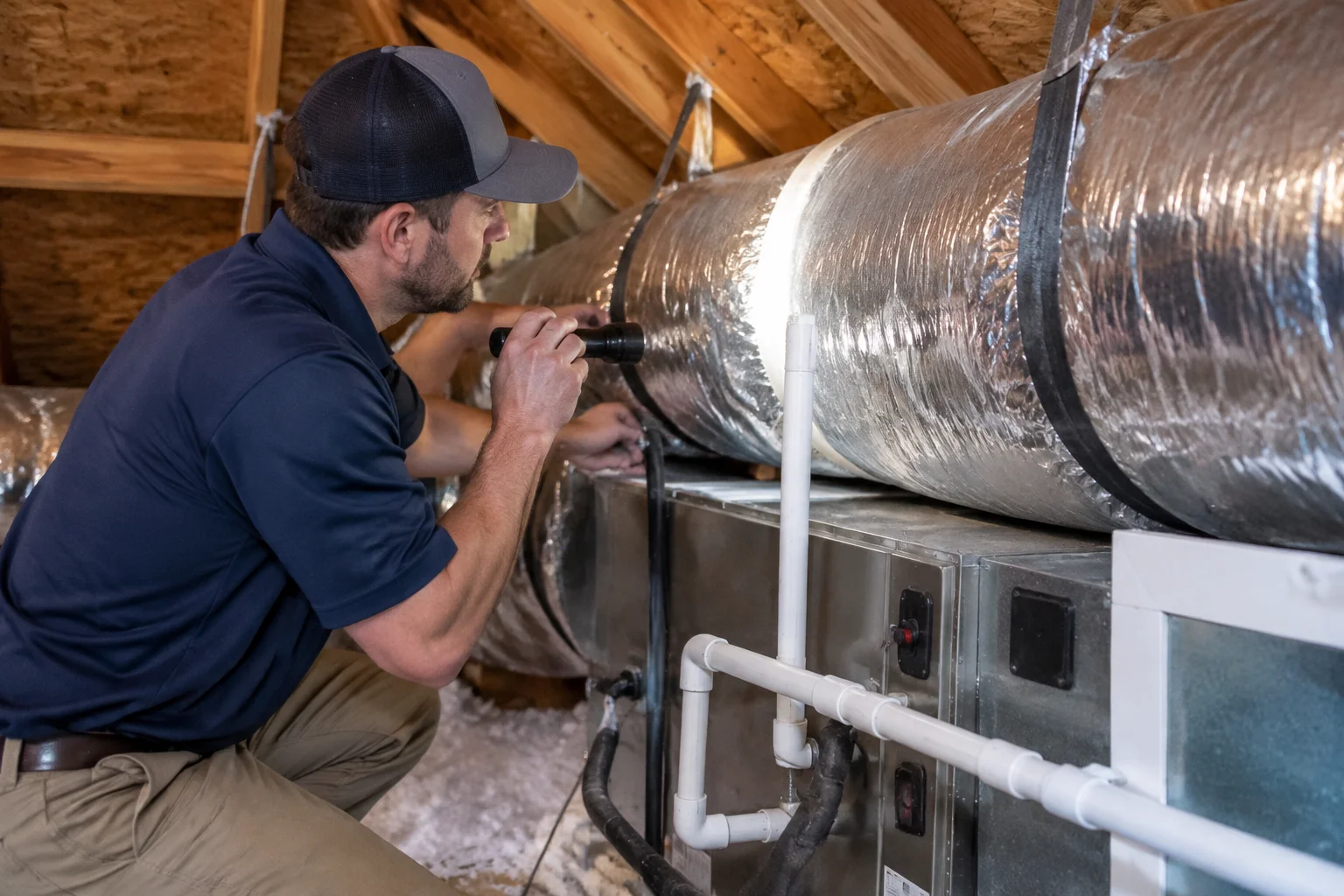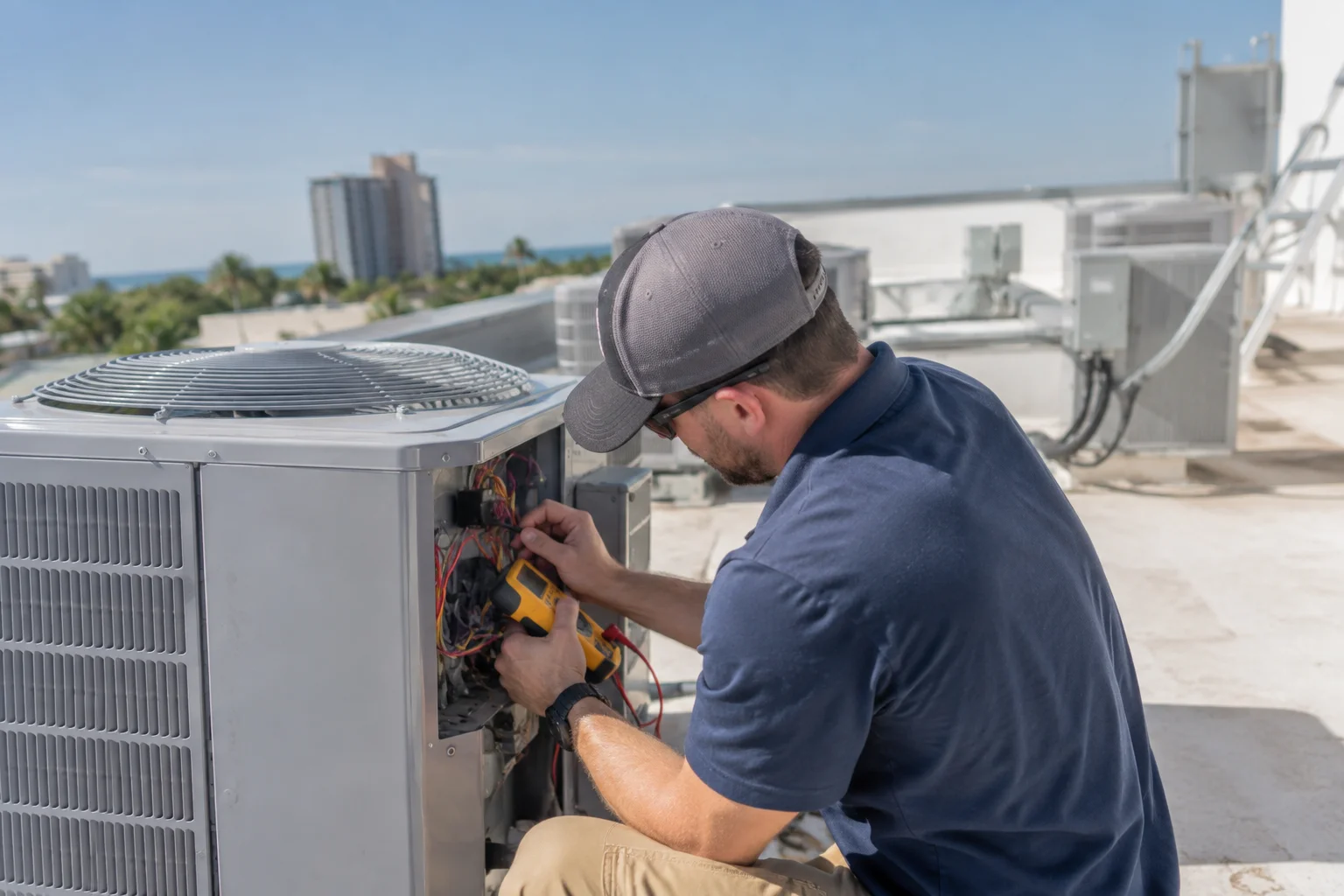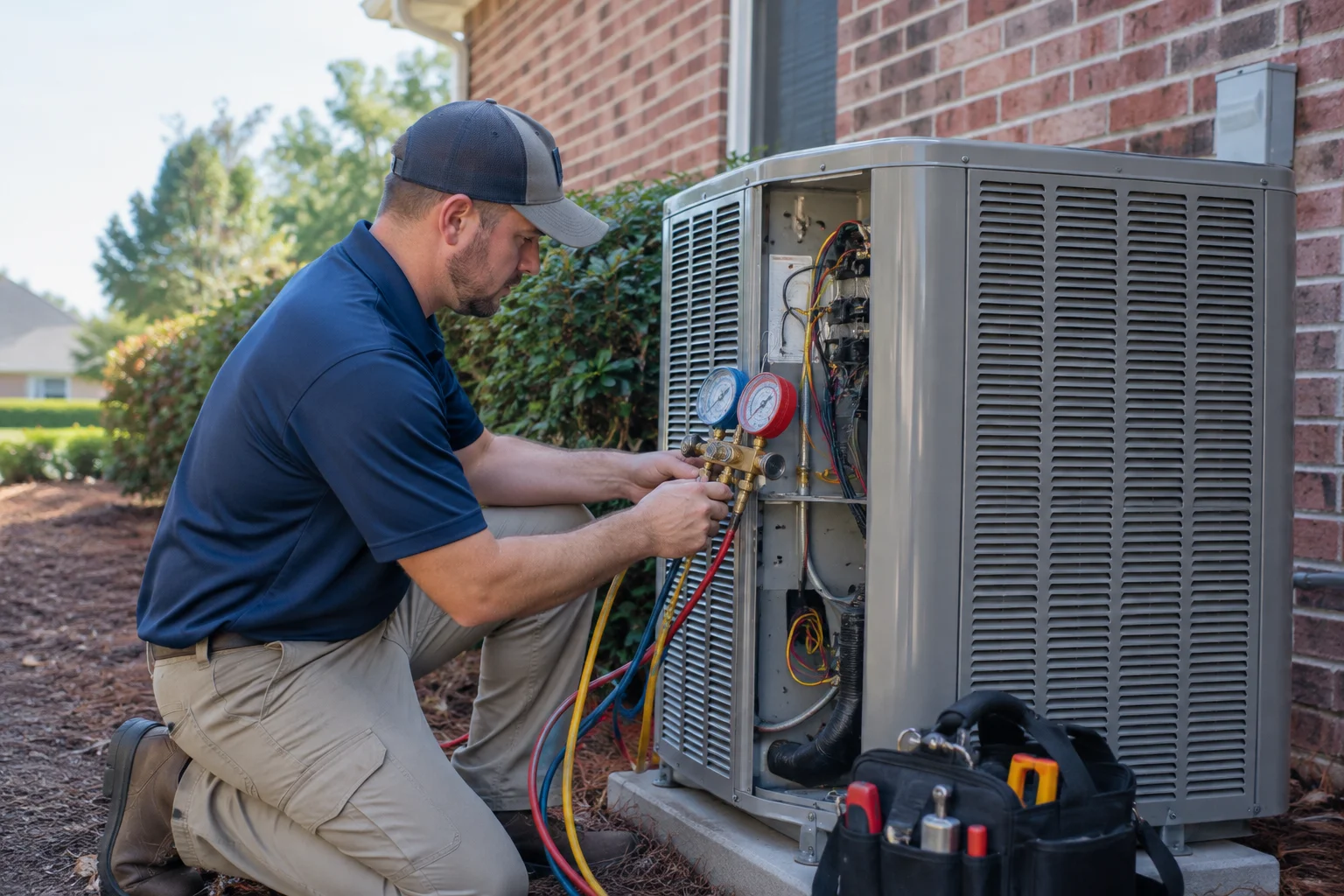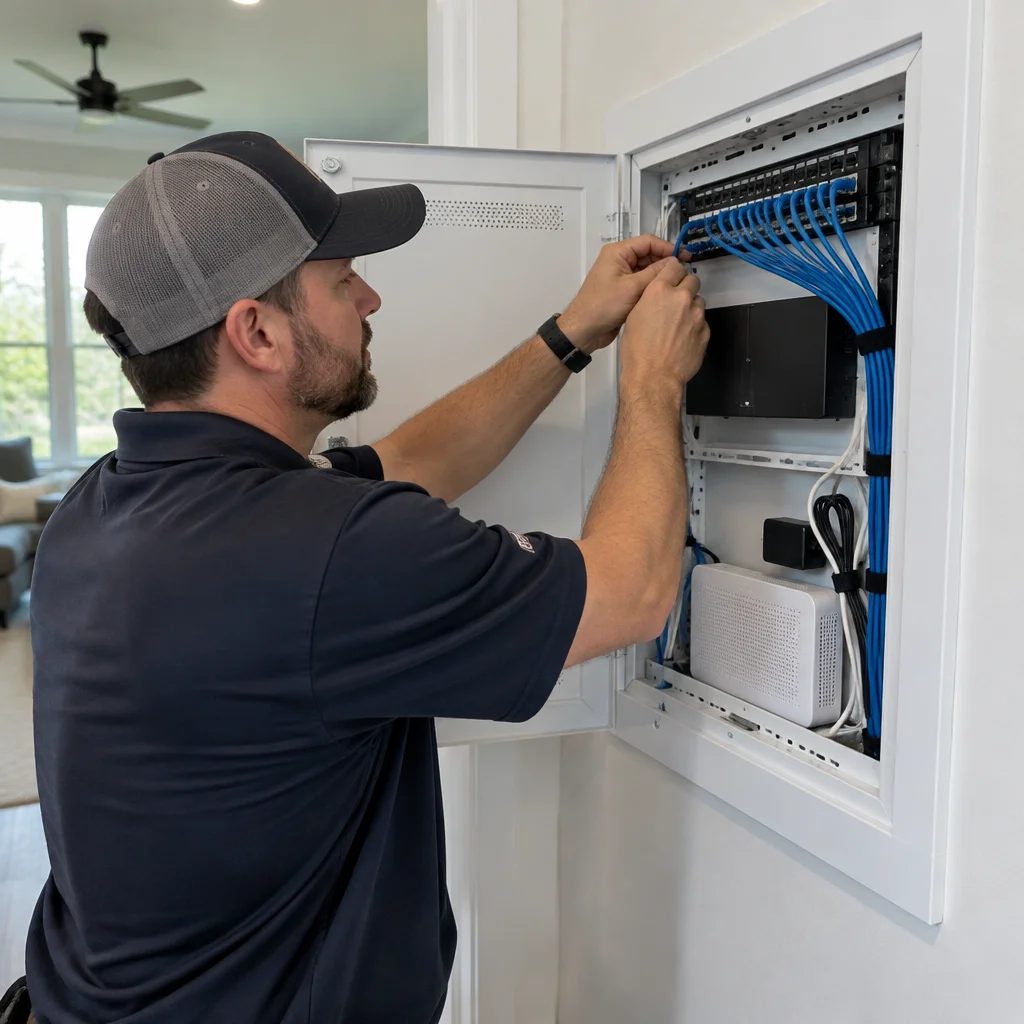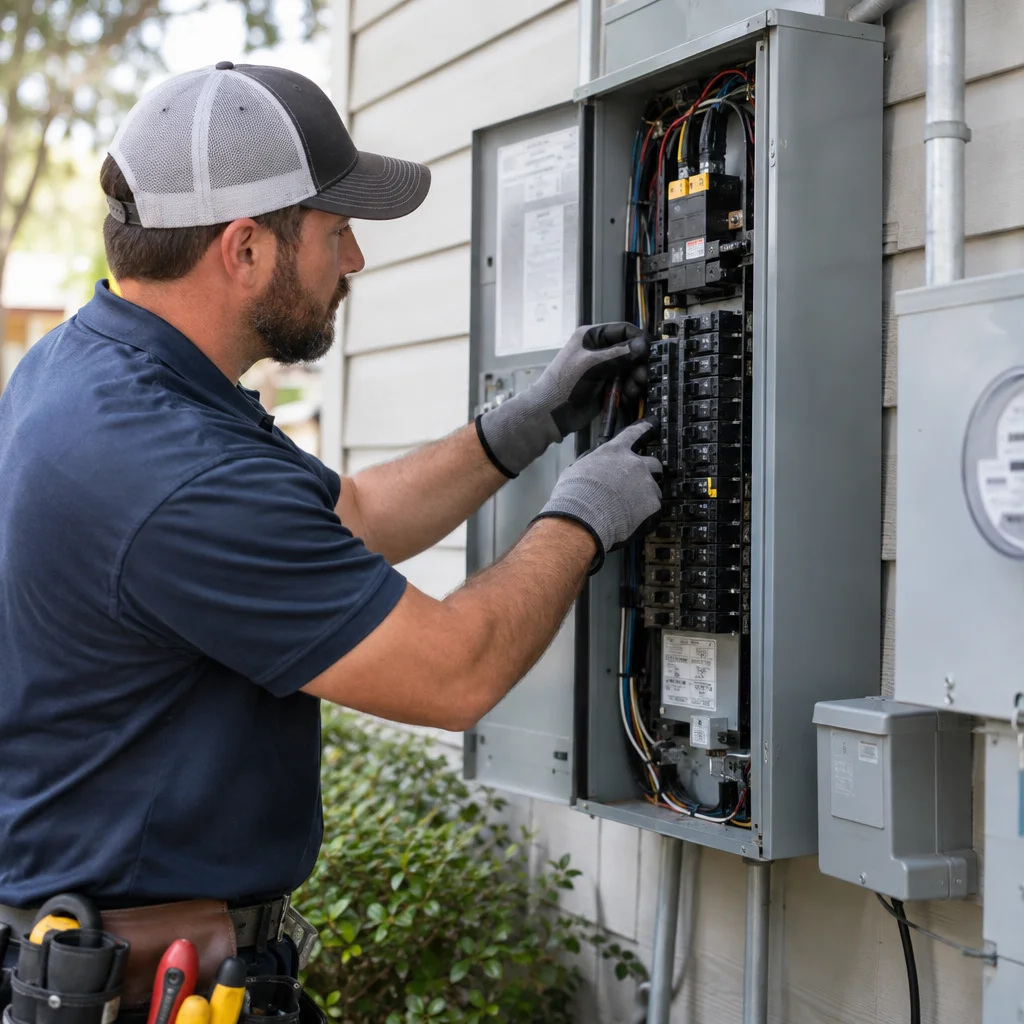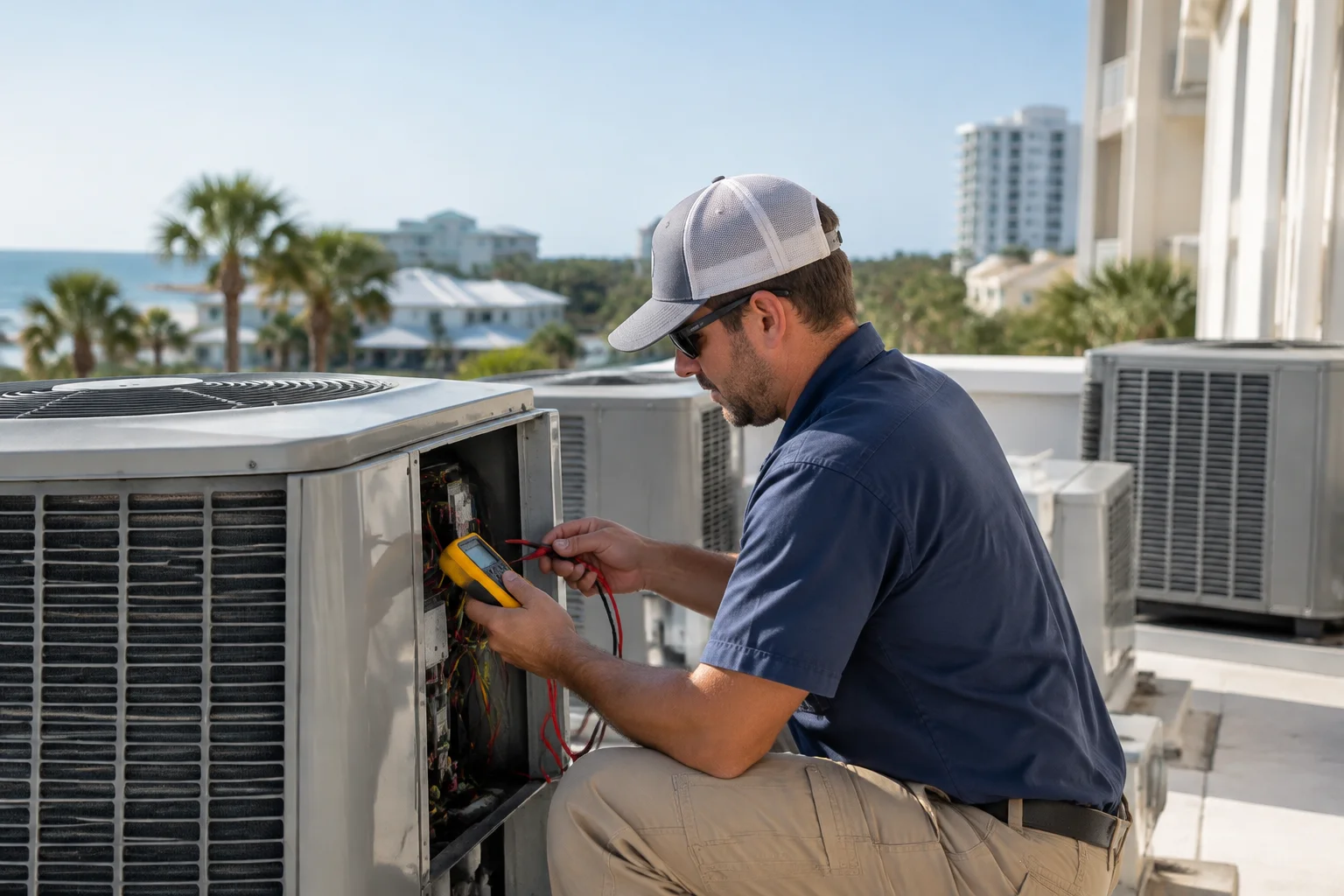
Lower Grand Lagoon, FL means long cooling seasons, heavy humidity, and plenty of days when you want the AC to work the moment you need it. Smart thermostats can help you stay ahead of problems by improving temperature control, supporting better humidity and airflow routines, and flagging issues before they become a full-blown emergency. The goal is simple: fewer surprise breakdowns and fewer nights spent worrying about indoor comfort.
If you are searching for smart thermostat installation in Lower Grand Lagoon, this guide will also help you use your system more effectively so you are not relying on luck when Florida heat and moisture are relentless.
Why smart thermostats can reduce HVAC emergencies in coastal Bay County humidity
Smart thermostats do more than let you change the temperature from your phone. When they are set up correctly and paired with HVAC maintenance, they can help you avoid the most common causes of “emergency cooling” situations, such as:
- Comfort swings caused by poor scheduling, incorrect modes, or unstable airflow
- Humidity buildup that makes the home feel warmer than the thermostat reading suggests
- Short cycling from airflow restrictions or dirty components
- Condensate drainage problems that can lead to water issues and performance drops
- System strain when the thermostat repeatedly demands cooling that the system cannot deliver efficiently
In Lower Grand Lagoon, your HVAC system also has to handle salt air exposure and coastal conditions that can accelerate wear on certain components. That is why smart HVAC controls work best when they are paired with preventive HVAC maintenance, not just remote access.
Start with the basics: correct thermostat setup for Lower Grand Lagoon homes
A smart thermostat can only make good decisions if it is configured to your system. Many homeowner issues start with small setup mismatches that lead to big comfort problems later.
Verify the system type and wiring match
Heat pumps, air conditioners, and some multi-stage systems require specific thermostat settings. If the thermostat is configured for the wrong equipment type, it may call for cooling in ways that do not match how your refrigerant system is designed to operate. That can increase wear and lead to inconsistent comfort.
If you are looking for air conditioning inspection or air conditioning services, ask the technician to confirm thermostat configuration during the visit. This is also where airflow and ductwork conditions can be assessed, since thermostat behavior can look “wrong” when airflow is the real issue.
Choose schedules that match real occupancy
Smart thermostats shine when schedules reflect how you actually live. In Florida, running the AC hard after the house has already overheated can create extra strain. A better approach is to:
- Use occupied setpoints that keep the home stable
- Allow modest setbacks when the home is empty, rather than aggressive temperature swings
- Use recovery features so the system reaches comfort before you arrive home
Homeowners often notice fewer emergencies when the system is not repeatedly pushed to extremes during the hottest hours.
Use the right temperature and humidity targets
In a humid coastal climate, temperature alone is not the whole story. Your air conditioner and airflow patterns influence indoor air quality and humidity control. If your thermostat settings focus only on temperature, the home may still feel sticky and uncomfortable.
Many smart thermostats support humidity readings or integration with whole home dehumidifiers. If humidity is a recurring issue, you may want to explore whole home dehumidifiers for steadier comfort and better HVAC performance. That can reduce the chance of the system working overtime to recover from moisture overload.
Monitor the signals your smart thermostat provides before things go sideways
One reason smart thermostats help reduce emergency HVAC calls is that they can provide useful data. You do not need to become an HVAC technician. You just need to watch for patterns that usually point to airflow, humidity, condensate drainage, or refrigerant system performance issues.
Watch for frequent “calls for cooling” without steady comfort
If the thermostat repeatedly calls for cooling but the rooms never feel right, it may be struggling with airflow restrictions. Common causes include:
- Dirty air filters
- Blocked returns or supply vents
- Leaky or poorly balanced ductwork
- Issues affecting blower performance
When homeowners search for HVAC repair near me after a period of poor performance, it is often because the system has been struggling for weeks. Smart thermostats can help you notice the pattern early.
Pay attention to short cycling and rapid on-off behavior
Short cycling is hard on equipment and can also worsen humidity control. If the thermostat shows cooling cycles that start and stop quickly, treat it as a warning. Airflow problems are a frequent contributor, and a technician may also check condensate drainage and system operation during an AC tune up near me style visit.
Look for alerts about system runtime and connectivity
Smart thermostats may generate alerts related to system runtime, sensor readings, or connectivity. Some alerts are simple reminders, like filter maintenance. Others can indicate the system is not responding as expected.
Connectivity issues can also create “false alarms” or delay changes. If your thermostat is not staying online, you may not notice comfort problems until they become urgent. If you rely on remote monitoring, confirm the thermostat is communicating reliably.
Protect airflow and ductwork performance so the thermostat can do its job
Smart thermostats can manage temperature calls, but they cannot fix restricted airflow. In Lower Grand Lagoon, where air conditioning needs are constant, airflow problems are one of the most common precursors to an emergency.
Keep filters aligned with real usage
In coastal Florida, dust, pollen, and humidity can make filters load faster. If you wait too long, airflow drops and the system has to work harder. That increases energy use and can lead to overheating or other performance issues.
Use the filter schedule recommended for your system and home. If you are not sure what you have, an air conditioning inspection can help confirm the right approach for your ductwork and equipment.
Do quick vent checks for blockages
Furniture, rugs, curtains, and even seasonal storage can reduce airflow. A simple weekly check can prevent a lot of comfort problems:
- Make sure supply vents are not blocked
- Confirm return vents are clear
- Listen for unusual air noise or weak airflow
When airflow is strong and consistent, smart thermostat control tends to feel smoother and more predictable.
Consider duct inspection if comfort is uneven
If some rooms run hotter or colder, it can be tempting to blame the thermostat. Often, the real issue is ductwork distribution, duct leaks, or balancing problems. Homeowners searching for duct inspection near me typically want answers for why certain areas never reach setpoint.
A professional evaluation can include checking airflow pathways, assessing ductwork performance, and reviewing how the system is delivering cooled air throughout your home.
Humidity control and condensate drainage: the quiet emergency triggers
In Florida heat and humidity, indoor moisture can become a hidden driver of HVAC emergencies. When humidity is not managed well, the air can feel uncomfortable even when the thermostat is “working.” Moisture also affects indoor air quality and can create conditions that lead to other issues.
Understand condensate drainage during cooling season
During air conditioning operation, condensate drainage is part of how the system removes moisture from the air. If condensate drainage is restricted, it can lead to water-related problems and reduce system performance.
Smart thermostats may not directly diagnose a drainage issue. However, they can reveal symptoms through repeated runtime, inconsistent comfort, or alerts tied to temperature stabilization. If you notice musty odors, visible moisture concerns, or cooling that seems to struggle, schedule professional help rather than waiting for a total failure.
Use indoor humidity readings to guide your settings
If your thermostat shows humidity, treat it like a comfort metric. When humidity stays high, the home will feel warmer, and the system may run longer. That increases energy use and can raise the likelihood of wear-related failures.
If humidity is a recurring problem in your home, talk to a technician about humidity-focused strategies, including whether whole home dehumidifiers or ductwork adjustments make sense for your setup. For homeowners looking for HVAC controls service near me, this is where the thermostat and the rest of the system should be discussed together.
Energy use habits that keep your system from overheating the workload
Smart thermostats can help you manage energy use, but only if you use them thoughtfully. In Lower Grand Lagoon, it is common for homes to be exposed to intense sun and humidity. That means the system may work harder when outdoor conditions spike.
Avoid extreme temperature jumps
When you set the thermostat to a much colder temperature than you need, the system can run longer and harder. Instead, aim for a comfortable setpoint and use recovery features so the home reaches it gradually.
Use fan settings intentionally
Some thermostats allow fan control modes. Continuous fan can improve circulation, but it can also change humidity behavior and energy use. If you are trying to improve comfort and indoor air quality, use fan settings that match your goals and your system’s capabilities.
Account for sun exposure and room heat gain
Rooms that receive strong afternoon sun can stay warmer even when the rest of the home is comfortable. If you have smart sensors, place them strategically and avoid putting them in direct sunlight or near heat sources. Poor sensor placement can make the thermostat “chase” the wrong reading.
Do preventive maintenance so the smart thermostat is not masking a problem
Smart thermostats are not a substitute for maintenance. In fact, the best results happen when maintenance keeps the system ready for the thermostat’s commands.
Plan AC tune ups before the hottest stretches
A yearly tune up helps address wear items before they become failures. It also supports consistent airflow and system operation. If you are searching for AC tune up near me in Lower Grand Lagoon, look for a visit that includes checking system performance, airflow conditions, and controls operation.
Because coastal air and humidity can affect components over time, preventive maintenance matters even if your system seems to run “fine.”
Keep an eye on refrigerant system performance symptoms
Smart thermostats cannot confirm refrigerant conditions, and no homeowner should attempt refrigerant diagnosis. Still, the thermostat can reveal symptoms that often show up when the refrigerant system is not operating as it should, such as:
- Long runtimes without reaching setpoint
- Comfort that improves slowly or only part of the home
- Frequent cycling
When those patterns appear, the right move is to schedule HVAC repair near me with a local professional who can evaluate the system in person.
When smart thermostats still cannot prevent an emergency, know what to do
Even with smart controls, emergencies can happen. The key is to reduce the chance that you discover the issue only when the temperature becomes unbearable.
Call for help if cooling is failing during peak heat
If your thermostat is demanding cooling and the AC or heat pump is not responding, do not keep repeatedly adjusting settings. Persistent failure during Florida heat can turn a repair into a bigger problem, especially if humidity rises quickly indoors.
Contact a local HVAC contractor for air conditioning repair near me or heat pump repair near me as soon as you notice a clear performance breakdown. A Superior Mechanical serves Lower Grand Lagoon and the surrounding Bay County area.
Do not ignore water or drainage concerns
If you notice water where it should not be, unusual moisture, or odors that suggest condensate drainage problems, treat it seriously. Stop relying on thermostat settings to “fix” the situation and schedule an evaluation.
Get professional help for thermostat installation and control updates
If your smart thermostat is new, or you are changing systems, it is worth confirming configuration and compatibility. For homeowners planning thermostat installation near me or smart thermostat setup, choosing local expertise helps ensure the thermostat communicates correctly with the HVAC controls, supports safe operation, and accounts for your home’s airflow and ductwork realities.
If you are exploring a smart upgrade, you can also review related guidance like Smart Thermostats in Panama City Beach: Small Problems That Can Turn Into Bigger HVAC Headaches and Smart Thermostats and Fewer HVAC Surprises in Panama City Homes. Those principles apply across Bay County’s coastal neighborhoods, including Lower Grand Lagoon.
How A Superior Mechanical helps keep smart thermostat comfort dependable
Smart thermostat comfort depends on the whole system working together: thermostat settings, airflow, ductwork performance, humidity control, condensate drainage, and refrigerant system operation. A Superior Mechanical focuses on smart thermostat installation and HVAC control in Lower Grand Lagoon, FL, so homeowners can use their controls confidently instead of guessing.
If you want fewer emergencies and smoother cooling throughout the humid season, start with a proper smart thermostat installation and a system check that considers airflow and indoor comfort. Learn more at smart thermostats for Lower Grand Lagoon and browse the broader service area at Lower Grand Lagoon HVAC services or Bay County HVAC services.
If you manage a rental property or commercial space in the area, comfort reliability matters just as much. For those needs, review Commercial HVAC Repair to see how consistent control and maintenance can help reduce disruptions.
Quick checklist: smart thermostat habits that prevent “emergency cooling” moments
- Confirm thermostat configuration matches your HVAC system type and controls.
- Use schedules that keep comfort stable during peak heat rather than swinging temperatures.
- Monitor humidity and adjust settings to avoid sticky indoor conditions.
- Check airflow by keeping filters fresh and vents unblocked.
- Notice patterns like long runtimes, short cycling, or uneven rooms.
- Schedule preventive maintenance so worn components do not fail during the hottest weeks.
- Call for professional HVAC repair if cooling performance clearly breaks down.
For Lower Grand Lagoon homeowners, these steps reduce the odds that your smart thermostat becomes a “notification tool” for problems you should have caught earlier. With the right setup and routine care, smart thermostat control can be a comfort upgrade that helps your system stay dependable through Florida heat, humidity, and coastal conditions.
Find Smart Thermostats in Lower Grand Lagoon, FL
If you need Smart Thermostats in Lower Grand Lagoon, FL, visit our local service page or contact A Superior Mechanical today.
Map of Lower Grand Lagoon, FL
Frequently Asked Questions
Can a smart thermostat stop my AC from breaking down?
A smart thermostat can help you catch problems earlier by improving temperature and humidity control and by giving you alerts or runtime patterns. It cannot prevent mechanical failures by itself. Preventive HVAC maintenance and addressing airflow, ductwork, and drainage issues are still essential.
Why does my smart thermostat say it is cooling, but the house still feels too warm in Lower Grand Lagoon?
That usually points to an HVAC performance issue such as restricted airflow, uneven ductwork distribution, humidity imbalance, or system operation problems. A technician should evaluate the system in person rather than relying only on thermostat readings.
What smart thermostat settings help with Florida humidity?
Look for humidity readings and set targets that support comfort, not just temperature. Use schedules that avoid extreme swings, and make sure sensors are placed away from direct sun or heat sources. If humidity remains high, consider whole home dehumidifiers and professional indoor air quality guidance.
Should I try to troubleshoot refrigerant issues based on thermostat alerts?
No. Refrigerant problems require an in-person professional evaluation. If your thermostat shows long runtimes without reaching setpoint or other clear performance symptoms, schedule HVAC repair so a technician can diagnose the system safely.
Where do I start if I want smart thermostat installation in Lower Grand Lagoon?
Start with a proper installation and configuration for your specific HVAC system type. You can review options at smart thermostats for Lower Grand Lagoon, and consider an inspection so airflow, ductwork, and comfort targets are addressed along with thermostat setup.
Related Articles
- A Local Homeowner’s Guide to HVAC Financing in Lower Grand Lagoon, FL: Comfort, Airflow, Humidity, and Prevention
- Smart Thermostats in Panama City Beach: Small Problems That Can Turn Into Bigger HVAC Headaches
- Smart Thermostats and Smoother Comfort in Destin Homes: Staying Ahead of HVAC Problems Before They Grow
- Smart Thermostats and Fewer HVAC Surprises in Panama City Homes
Photo Gallery