Florida summers in Valparaiso can feel relentless: hot afternoons, high humidity, and salt air that can add wear to HVAC components. A smart thermostat can help you manage comfort more precisely than a standard dial, but it only delivers the best results when it is matched to your system, your thermostat wiring, and your home’s ductwork and airflow.
This guide walks through how smart thermostats affect cooling, airflow, humidity, and system reliability in Valparaiso, FL. You will also find practical prevention steps for common HVAC problems, and guidance on when an A Superior Mechanical smart thermostat service is the right next step.
Why smart thermostats matter in Valparaiso’s hot, humid climate
In Valparaiso, the challenge is not only keeping indoor temperatures comfortable. It is also keeping humidity under control. When humidity stays high, air can feel warmer than the thermostat setpoint suggests. That can lead to longer run times, uneven cooling, musty odors, and more strain on your refrigerant system and condensate drainage.
Smart thermostats help by offering more control over schedules, fan operation, and zoning behaviors (when your system supports it). Many models also provide indoor humidity readings and alerts. However, the thermostat is only one piece of the comfort puzzle. Your AC or heat pump, refrigerant pressures, airflow through ductwork, filtration, and condensate drainage all play a role.
For homeowners, that means the most comfortable results come from pairing a smart thermostat with a properly tuned system and ductwork that can deliver air where it is needed.
Cooling comfort starts with airflow, not just temperature
Smart thermostats can run the fan continuously or intermittently depending on your settings. That matters because airflow influences how quickly your system removes heat and how evenly temperatures distribute across your home.
Here are common airflow-related issues smart thermostats may reveal or worsen if your system is not ready:
- Hot and cold rooms: If ducts are undersized, poorly sealed, or blocked by debris, airflow can be uneven. A thermostat can only control the system, not fix restricted airflow.
- Short cycling: If the system shuts off before the indoor coil and airflow can complete the cooling process, humidity removal can suffer.
- Condensate drainage problems: When airflow is weak or the evaporator coil is not performing correctly, condensate drainage can become less effective. That can contribute to water-related issues and indoor air quality concerns.
If you are searching for air conditioning repair near me or air conditioning inspection near me because rooms are not cooling evenly, a smart thermostat can help you track patterns. Still, an HVAC professional should evaluate the system and airflow path before you assume the thermostat is the cause.
Humidity control: what smart thermostats can (and cannot) do
Humidity is a major comfort driver in Valparaiso. When indoor humidity is too high, you can feel sticky even at a lower temperature setting. Smart thermostats can support humidity comfort in a few ways:
- Using indoor humidity sensors: Some smart thermostats display humidity and allow you to adjust settings accordingly.
- Fan control strategies: Running the fan after cooling can help manage moisture removal, depending on how your HVAC system is wired and configured.
- Better scheduling: Smart programming can reduce the time your system runs in ways that do not match your real routine.
What smart thermostats cannot do is fix a refrigerant system that is not operating correctly, a coil that is dirty, or ductwork that cannot move air. They also cannot substitute for a true evaluation of condensate drainage and overall indoor air quality.
In Florida, where humidity is persistent, homeowners often benefit from pairing thermostat upgrades with air filtration and purifiers and a careful look at how air moves through the home. That combination can support comfort and reduce allergens and airborne irritants.
Salt air, age, and why your system matters as much as your thermostat
Valparaiso sits in a region where salt air and coastal conditions can accelerate corrosion on outdoor units and can increase the need for consistent maintenance. Add in the age of many homes, and you may find:
- Thermostat wiring that is older, loose, or not ideal for modern controls
- Outdoor units with performance drift over time
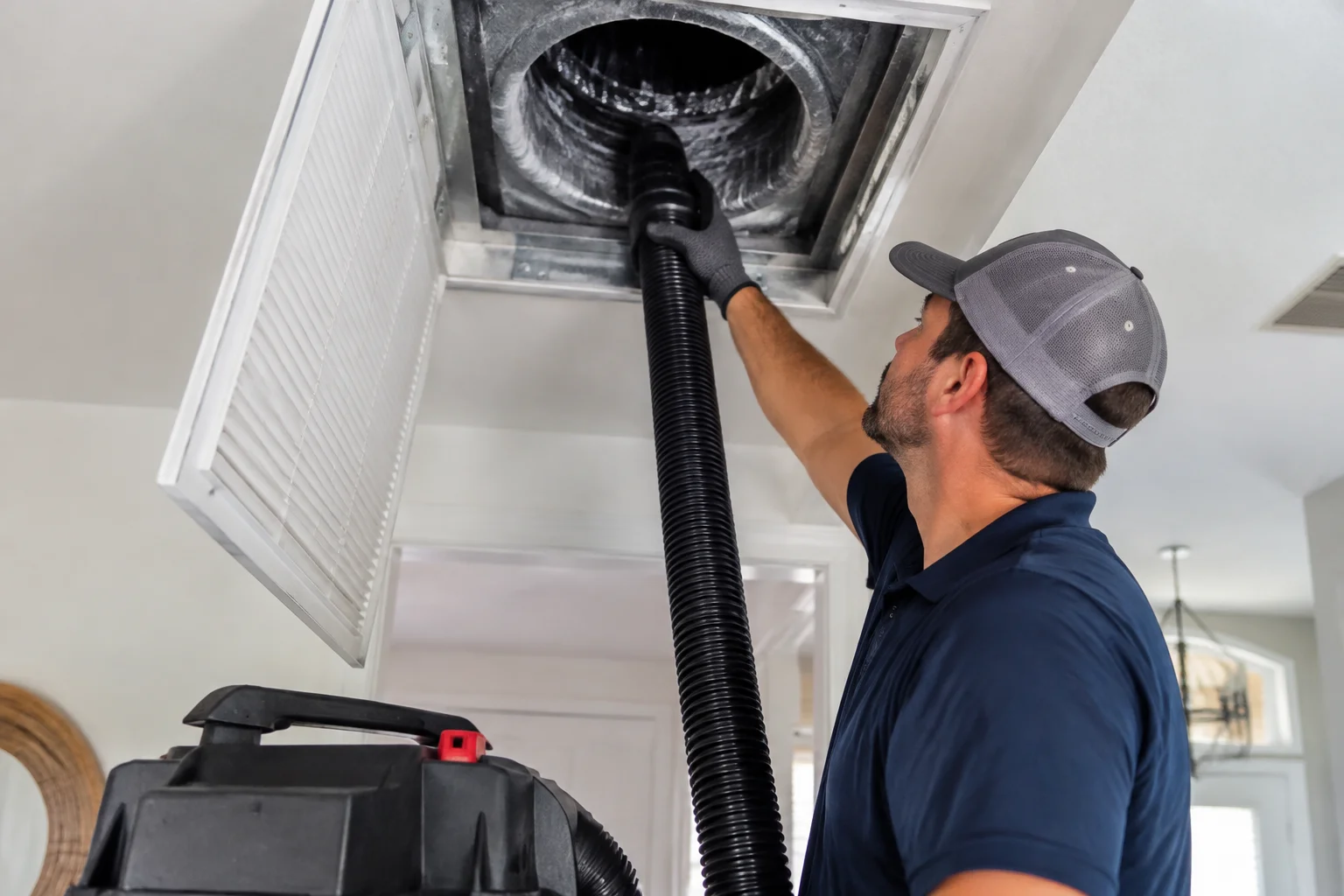
- Ductwork that has gaps, poor insulation, or airflow restrictions
Smart thermostats are sensitive to how your system is configured. If your thermostat is not compatible with your HVAC setup, you might experience comfort issues like delayed cooling response, fan behavior that does not match your expectations, or inconsistent temperature control.
That is why a smart thermostat installation should include verification of compatibility and system control sequences, not just mounting the device on the wall.
Refrigerant systems and control sequences: the thermostat is the command center
A smart thermostat controls when your system calls for cooling or heating by sending signals through thermostat wiring to your HVAC equipment. The refrigerant system inside your air conditioner or heat pump then performs the heat transfer process. If refrigerant performance is off, the thermostat can keep requesting cooling while the system struggles to deliver.
For homeowners, this matters because smart thermostats can sometimes make problems more noticeable. For example:
- If your AC runs longer than expected, you may see it immediately in runtime history.
- If humidity stays high, it can indicate that the air conditioner is not removing moisture effectively.
- If the system does not respond as expected to schedules or setpoints, the issue may be wiring, configuration, or equipment control logic.
Because refrigerant systems involve safety and performance variables, you should not attempt to diagnose refrigerant issues based on thermostat behavior alone. A licensed HVAC contractor can evaluate the equipment in person and confirm what is actually happening during cooling cycles.
Ductwork and indoor air quality: why smart controls still need good air distribution
Smart thermostat features like fan scheduling and temperature smoothing can improve comfort, but ductwork determines whether conditioned air reaches the rooms you care about. In many Valparaiso homes, ductwork issues show up as:
- Airflow imbalance across floors or hallways
- Hot spots near supply vents and cooler air near returns
- Air that feels dry in some areas and humid in others
When airflow is restricted, your system can work harder to reach the thermostat setpoint. That can increase energy use and contribute to more wear on components. It can also impact indoor air quality services needs by affecting how well filtration captures airborne particles and how evenly air is refreshed.
If you are considering a comfort upgrade, it is worth discussing duct sealing and airflow improvements. For example, you can ask about ductwork Aeroseal services when your home has persistent airflow problems.
Condensate drainage and moisture: a hidden comfort factor
During cooling, your indoor coil produces condensate. Condensate drainage helps remove that moisture safely. If drainage is slow, partially blocked, or not correctly routed, moisture can back up and create an environment that affects comfort and indoor air quality.
Smart thermostats will not fix drainage issues, but they can help you notice patterns. For instance, if you see reduced cooling effectiveness, musty odors, or inconsistent humidity control, it may point to an underlying problem in the cooling process, airflow, or condensate drainage.
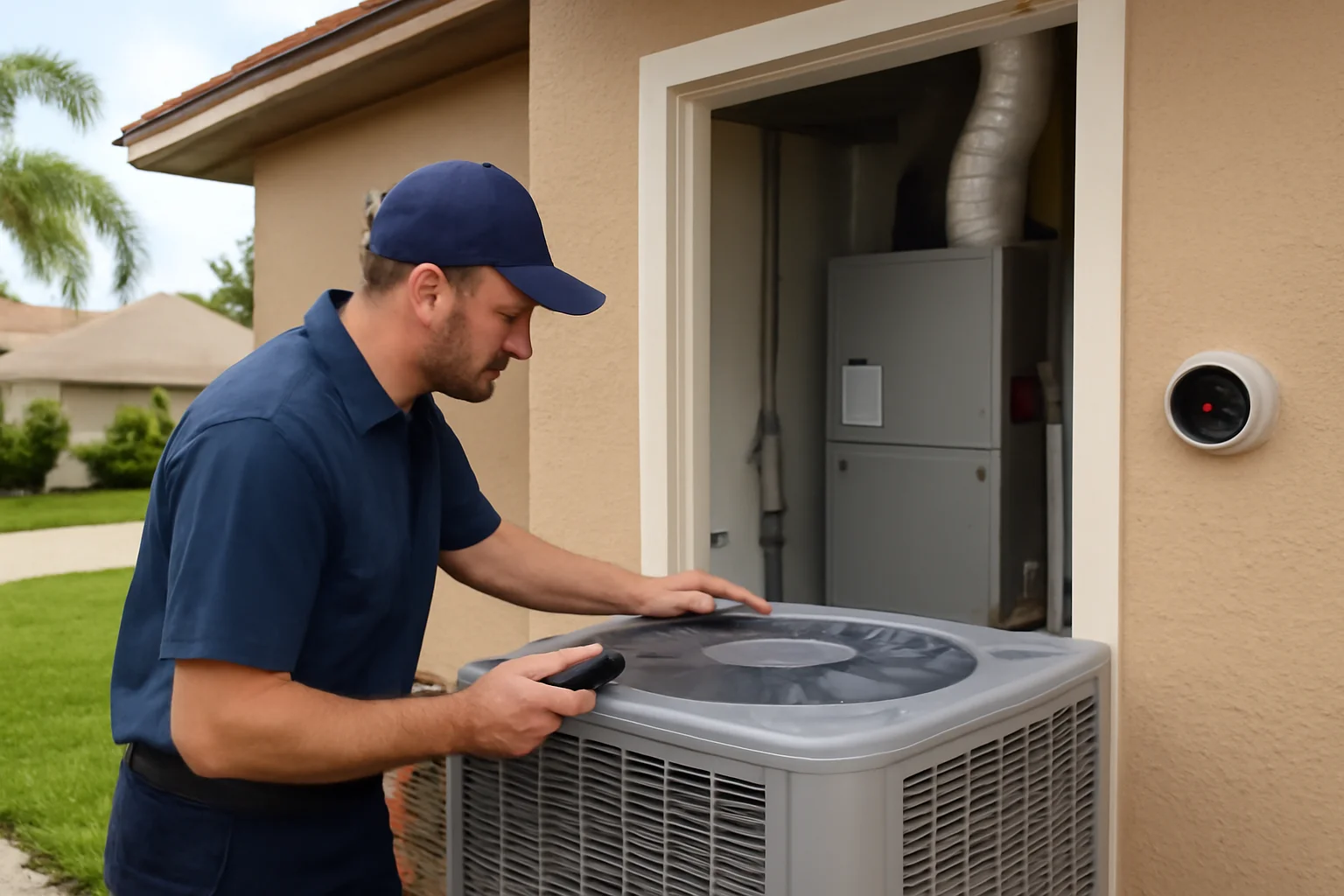
During an HVAC tune up or AC tune up near me visit, technicians can inspect cooling performance, airflow, and drainage-related components. That preventive approach is especially valuable in Florida when humidity is constant and cooling cycles are frequent.
Heat pumps and smart thermostats: compatibility and staging considerations
Many homes in the region use heat pumps for heating and cooling. Smart thermostats can work well with heat pumps, but compatibility is essential because heat pumps may use different control modes, and some systems use staging to manage performance.
If your home has a heat pump, a professional can confirm:
- Whether the smart thermostat supports your system type
- How the equipment responds to cooling and heating calls
- How fan settings should be configured for comfort and humidity control
If you are planning heat pump installation near me or upgrading an existing system, smart thermostat planning should be part of the conversation. The best comfort results come from coordinating the thermostat, the HVAC equipment, and airflow design.
Common smart thermostat problems homeowners notice in Valparaiso
Even when a smart thermostat is installed correctly, Florida conditions and older HVAC setups can lead to complaints. Here are issues homeowners commonly report and what they typically indicate:
1) The home stays humid even with cooling running
This can be caused by airflow restrictions, coil performance issues, short cycling, or condensate drainage concerns. A thermostat can show humidity trends, but the system still needs an in-person inspection.
2) Temperature changes feel delayed or inconsistent
Sometimes this is schedule configuration, but it can also be wiring or control compatibility. If the thermostat is not correctly communicating with your HVAC system, you may see uneven performance.
3) Fan behavior does not match expectations
Smart thermostats can control fan settings, but the HVAC equipment must be configured to respond correctly. Wrong settings can reduce humidity removal or cause unnecessary runtime.
4) The system short cycles
Short cycling can be tied to airflow, thermostat placement, or equipment issues. In humid climates, short cycling can also reduce moisture removal.
If you suspect an HVAC control problem, look for help from a licensed HVAC contractor near me. A local professional can evaluate the system and ensure the thermostat is configured for your specific setup.
How smart thermostat settings can support better comfort and efficiency
Smart thermostats give you more ways to fine tune comfort. The right settings depend on your home and HVAC system, but these are helpful starting points for Valparaiso homeowners:
- Use schedules that match occupancy: Avoid cooling empty rooms for long stretches. Smart scheduling can reduce unnecessary runtime.
- Choose fan settings intentionally: In humid climates, overly frequent fan operation can sometimes feel like it is helping, but it can also affect moisture removal depending on system behavior. Your HVAC technician can recommend a configuration that supports humidity control.
- Set realistic temperature targets: Dropping setpoints aggressively can increase runtime. A steadier approach often supports stable comfort.
- Pay attention to indoor humidity readings: If humidity does not fall when cooling runs, treat it as a comfort system signal, not just a thermostat setting issue.
These adjustments can influence energy use because runtime and airflow patterns change. However, if your system is not delivering the expected cooling output, settings alone will not solve the root cause.
Prevention: what to do before the next hot spell hits
Smart thermostats can be part of a preventive strategy, but they work best when maintenance is current. In Valparaiso, where air conditioning is used heavily, homeowners can reduce the chance of a mid-summer breakdown by staying proactive.
Here are practical steps that pair well with smart thermostat use:
- Keep filters clean and correctly sized: Dirty filters restrict airflow and can reduce humidity removal.
- Schedule HVAC maintenance near me before peak season: An HVAC maintenance visit can help catch airflow issues, refrigerant system concerns, and component wear early.
- Confirm ductwork condition: If you have persistent hot spots, ask about ductwork sealing options like Aeroseal.
- Review condensate drainage during service: Moisture management is part of comfort and indoor air quality.
- Use alerts carefully: Smart thermostats may alert you about temperature extremes. Use those alerts to trigger an inspection rather than ignoring them.
If you manage a rental property or a business, consistency matters even more. Smart scheduling can help, but maintenance must keep up. You can also explore how commercial systems benefit from planned upkeep in Keeping Valparaiso Comfortable Starts With Smarter Commercial HVAC Maintenance.
When to call a professional for smart thermostat installation or repair
Smart thermostats can be a smooth upgrade, but there are moments when professional help matters more than troubleshooting on your own. Consider contacting A Superior Mechanical if you notice any of the following:
- Your system does not respond correctly to cooling or heating calls after installation
- Humidity remains high despite cooling running
- Airflow feels weak or rooms stay unevenly comfortable
- You see repeated alerts for temperature swings or system faults
- You are unsure whether your thermostat is compatible with your AC, heat pump, or control setup
Homeowners searching for emergency AC repair near me often discover the same pattern after the fact: the system problem was developing before the hottest day of the year. A thermostat can help you monitor conditions, but the equipment still needs inspection and service.
For smart thermostat installation and configuration in Valparaiso, start with the service page: Smart Thermostats in Valparaiso. If you want context on the local service area, visit the Valparaiso page and the Okaloosa County service area.
Planning for a system upgrade: smart thermostats and HVAC replacement go together
If your AC or heat pump is nearing the end of its useful life, replacing equipment can be a better path to consistent comfort than repeatedly adjusting thermostat settings. When you are shopping for HVAC replacement near me, smart thermostat compatibility should be part of the planning.
Ask your contractor how the new system will work with a smart thermostat, including how cooling calls, fan operation, and humidity comfort goals will be handled. If you also manage indoor air quality concerns, coordinate the plan with filtration upgrades such as Air Filtration and Purifiers.
When you are ready to compare comfort strategies across nearby coastal communities, these reads can be helpful:
- Smart Thermostats in Panama City Beach: Small Problems That Can Turn Into Bigger HVAC Headaches
- Smart Thermostats and Smoother Comfort in Destin Homes: Staying Ahead of HVAC Problems Before They Grow
Comfort upgrades that pair well with smart thermostats
A smart thermostat can improve how you manage cooling, but it often performs best alongside a few targeted improvements. Depending on your home, you may get more comfort per dollar by addressing airflow and indoor air quality first.
Ductwork improvements
If your home has inconsistent room temperatures, ductwork sealing and airflow balancing can help conditioned air reach where it is needed. That supports more stable humidity control and can reduce the strain on your refrigerant system.
Filtration and purification
Improving filtration can support indoor air quality services and help reduce airborne particles. This can be especially helpful for households dealing with allergies or dust.
Flexible cooling options
If your home layout makes whole-home ducted airflow difficult, some homeowners explore ductless options. You can review Ductless Mini-Splits to see whether the approach fits your comfort goals.
And if budget planning is part of the decision, you can also look at HVAC Financing for qualifying situations.
Smart thermostat installation is not just a DIY wall swap
It is tempting to treat a smart thermostat upgrade like a simple home project. In reality, thermostat compatibility, wiring, and configuration determine how the system operates. In Valparaiso, where cooling demands are high and humidity control is essential, getting the setup right matters.
A professional installation typically includes verifying compatibility, confirming the correct control behavior for your HVAC system, and ensuring the thermostat is placed where it can measure indoor conditions accurately. That helps avoid comfort problems that can lead to extra calls for air conditioning repair and frustration during peak heat.
If you are planning a smart upgrade, choose an HVAC partner with local experience serving Valparaiso and Okaloosa County. A Superior Mechanical is set up to help homeowners and businesses evaluate comfort goals and connect them to the right HVAC settings, airflow considerations, and maintenance plan.
Find Smart Thermostats in Valparaiso, FL
If you need Smart Thermostats in Valparaiso, FL, visit our local service page or contact A Superior Mechanical today.
Map of Valparaiso, FL
Frequently Asked Questions
Will a smart thermostat automatically improve humidity control in my Valparaiso home?
A smart thermostat can display humidity and help you adjust settings, but it cannot fix airflow restrictions, coil performance, or condensate drainage problems. If humidity stays high, it usually means the cooling process needs an in-person inspection.
Can I use a smart thermostat with a heat pump?
Often yes, but compatibility depends on your heat pump type and control setup. A technician can confirm whether the smart thermostat supports your system and configure fan and mode behavior so cooling and heating respond correctly.
Why does my AC run longer after installing a smart thermostat?
Longer runtimes can happen if schedules are set differently, if fan settings change humidity removal behavior, or if the HVAC system is already struggling with airflow or performance. Check for configuration issues and consider an HVAC inspection if the change is sudden.
How do ductwork and airflow affect smart thermostat performance?
Smart thermostats control temperature and fan behavior, but ductwork determines how evenly conditioned air reaches rooms. If ducts are leaky or restricted, the thermostat may call for cooling repeatedly while some rooms still feel humid or warm.
When should I call A Superior Mechanical for smart thermostat help?
Call if the system does not respond correctly, if humidity remains high despite cooling, if airflow feels weak, or if you see repeated alerts and temperature swings. A local HVAC professional can evaluate wiring, configuration, and system performance in person.
Related Articles
- Keeping Valparaiso Comfortable Starts With Smarter Commercial HVAC Maintenance
- Why Better HVAC Maintenance Pays Off for Valparaiso Air Conditioning Systems
- Smart Thermostats in Panama City Beach: Small Problems That Can Turn Into Bigger HVAC Headaches
- Smart Thermostats and Smoother Comfort in Destin Homes: Staying Ahead of HVAC Problems Before They Grow
Photo Gallery