Smart thermostats can make it easier to keep your home comfortable, especially when you are juggling schedules, vacation rentals, or changing occupancy. In 30A, FL, though, the weather adds extra pressure: humid air, frequent heat swings, and salt air can all stress the HVAC system. When the thermostat settings or airflow path do not match what your refrigerant system and ductwork can actually deliver, comfort problems tend to show up fast.
This guide focuses on prevention. You will learn how local homeowners can set up smart thermostats for better airflow and indoor air quality, reduce unnecessary energy use, and avoid emergency cooling concerns during peak summer.
Why smart thermostats can feel “off” in 30A homes
Smart thermostats are only one part of the comfort equation. They sense temperature and humidity, then call for heating or cooling based on schedules, geofencing, and automation rules. But in a Florida coastal environment, comfort is not just temperature. Humidity control, airflow distribution, and condensate drainage matter just as much.
In 30A communities, many homes include a mix of older ductwork layouts, variable comfort zones, and systems that were installed for different airflow expectations. If a thermostat is configured for a home that is not delivering consistent airflow, the system may short cycle, run longer than needed, or struggle to remove moisture. That can lead to:
- Hot spots or cold spots in different rooms
- Uneven humidity, especially in bedrooms, hallways, or over garage spaces
- More frequent AC cycling and higher energy use
- Condensate drainage issues that can contribute to musty indoor air
- Comfort complaints that show up right when demand is highest
Airflow first: the thermostat cannot fix ductwork restrictions
Smart thermostats can reduce guesswork, but they cannot overcome blocked or poorly balanced ductwork. If supply vents do not deliver air where it is needed, the thermostat will keep trying. That is how homeowners end up searching for smart thermostat installation in 30A, FL or HVAC service in Walton County after comfort problems persist.
Common airflow-related causes include:
- Blocked returns or supply registers covered by furniture, rugs, or closed dampers
- Leaky ductwork that pulls conditioned air away from the living space
- Disconnected or partially crushed duct sections, often hidden in attics or crawl spaces
- Improper duct sizing for the home’s current load, especially after renovations
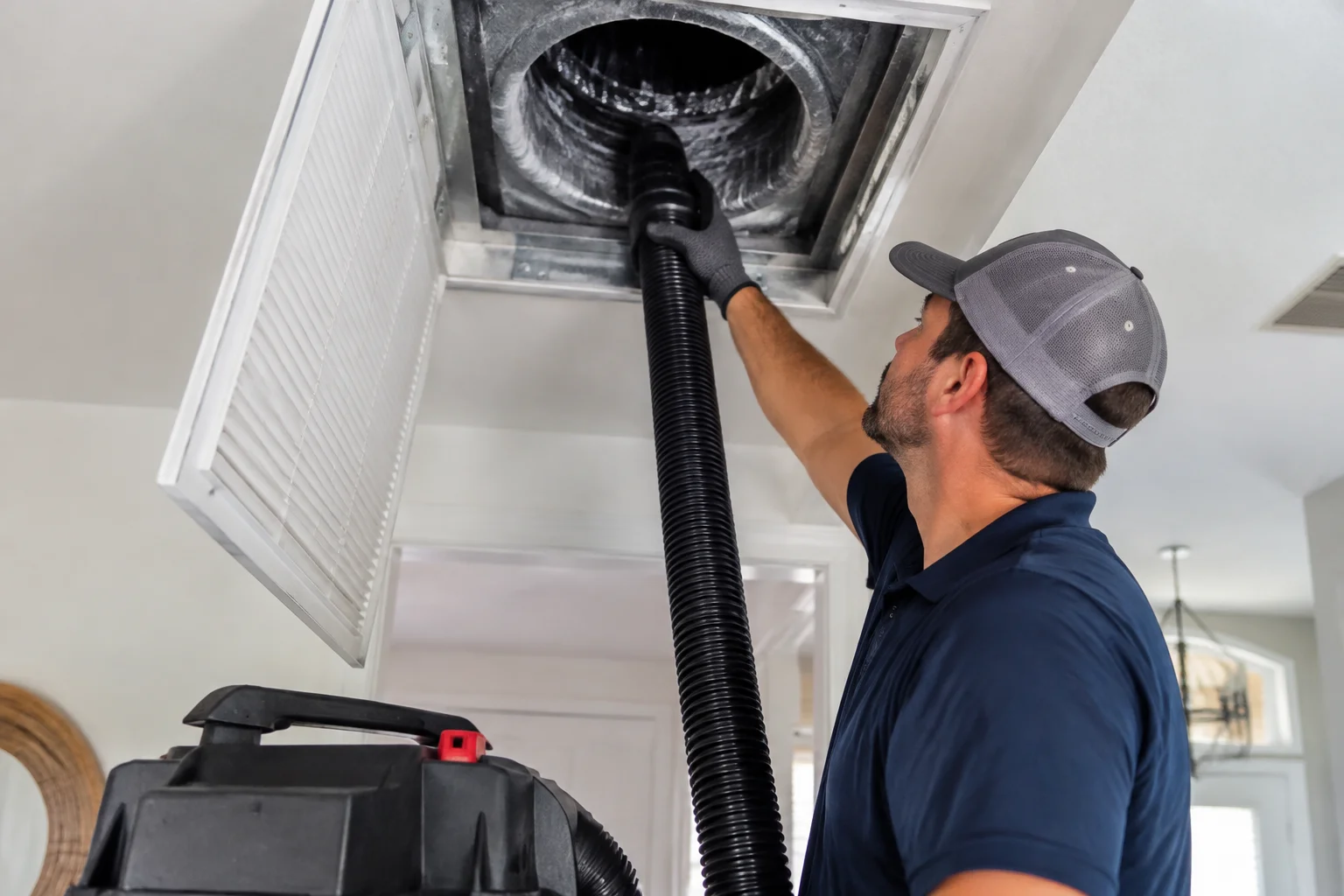
Prevention starts with duct inspection and airflow checks. If you are considering duct cleaning, duct inspection, or ductwork repairs, it is smart to pair those efforts with thermostat setup so the control system matches the air the home can actually move. Many homeowners searching for “duct inspection near me” or “duct repair near me” are really trying to resolve the same core issue: airflow that does not match the thermostat’s expectations.
If you suspect duct leakage or uneven distribution, ask about duct sealing and airflow-focused solutions. You can also explore Duct Sealing & Aeroseal Services for homes where air is escaping before it reaches the rooms you care about.
Humidity control: Florida comfort depends on moisture removal
In 30A, FL, the air is often humid. Even when the temperature feels “okay,” high humidity can make your home feel sticky, cause condensation on windows, and contribute to indoor air quality concerns. Smart thermostats that focus only on temperature can miss the bigger comfort goal.
Look for thermostat features that support humidity-aware operation and fan behavior that helps the system run in a way that removes moisture. But remember: humidity performance depends on the whole cooling process, including airflow, condensate drainage, and refrigerant system operation.
When cooling does not remove moisture effectively, you may notice:
- Wet or overflowing condensate drainage during heavy humidity periods
- Persistent musty odors
- Clammy air despite the set temperature
- Frequent cycling that prevents the system from completing a proper cooling cycle
Condensate drainage deserves attention because it is part of moisture control. If drainage is slow or blocked, moisture can back up and create problems for both comfort and air quality. A professional residential HVAC service can evaluate airflow and drainage pathways without guessing.
Salt air and coastal conditions: protect the system your thermostat is controlling
30A homes are often exposed to salt air, which can accelerate corrosion on outdoor components and affect how the system performs over time. Even if your thermostat is programmed correctly, a stressed outdoor unit can struggle to cool consistently. That stress shows up as longer run times, uneven comfort, and sometimes higher humidity indoors.
To prevent smart thermostat issues from turning into emergency cooling concerns, keep up with preventive HVAC maintenance. A properly maintained system supports stable cooling and more predictable thermostat behavior.
If you are searching for “AC tune up near me” during the spring, use that timing to confirm that the system can respond the way the thermostat expects. In many cases, homeowners who stay current with maintenance experience fewer “why is it running all day?” complaints when schedules and automation kick in.
Smart thermostat settings that commonly cause comfort problems
Smart thermostats can automate comfort, but a few setting mistakes are common in 30A homes. These issues do not always look like thermostat problems. They often look like AC repair needs, when the root cause is configuration mismatch.
1) Thermostat location and sensor placement
Thermostats should be installed away from direct sun, drafts, and heat sources like lamps, televisions, or kitchen heat. In coastal homes, sun exposure and wall temperatures can swing quickly through windows. If the sensor location is off, the thermostat may call for cooling too late or too early.
If your home has multiple zones or rooms that feel different, consider how the thermostat senses the space. Some smart thermostats support remote sensors. Still, sensor placement should be planned with your airflow and ductwork in mind.
2) Fan mode and airflow behavior
Fan settings influence comfort and humidity. A fan that runs constantly can distribute air, but it can also increase humidity reintroduction if the system is not removing moisture effectively. A fan that never runs may leave rooms stale, especially if ductwork distribution is uneven.
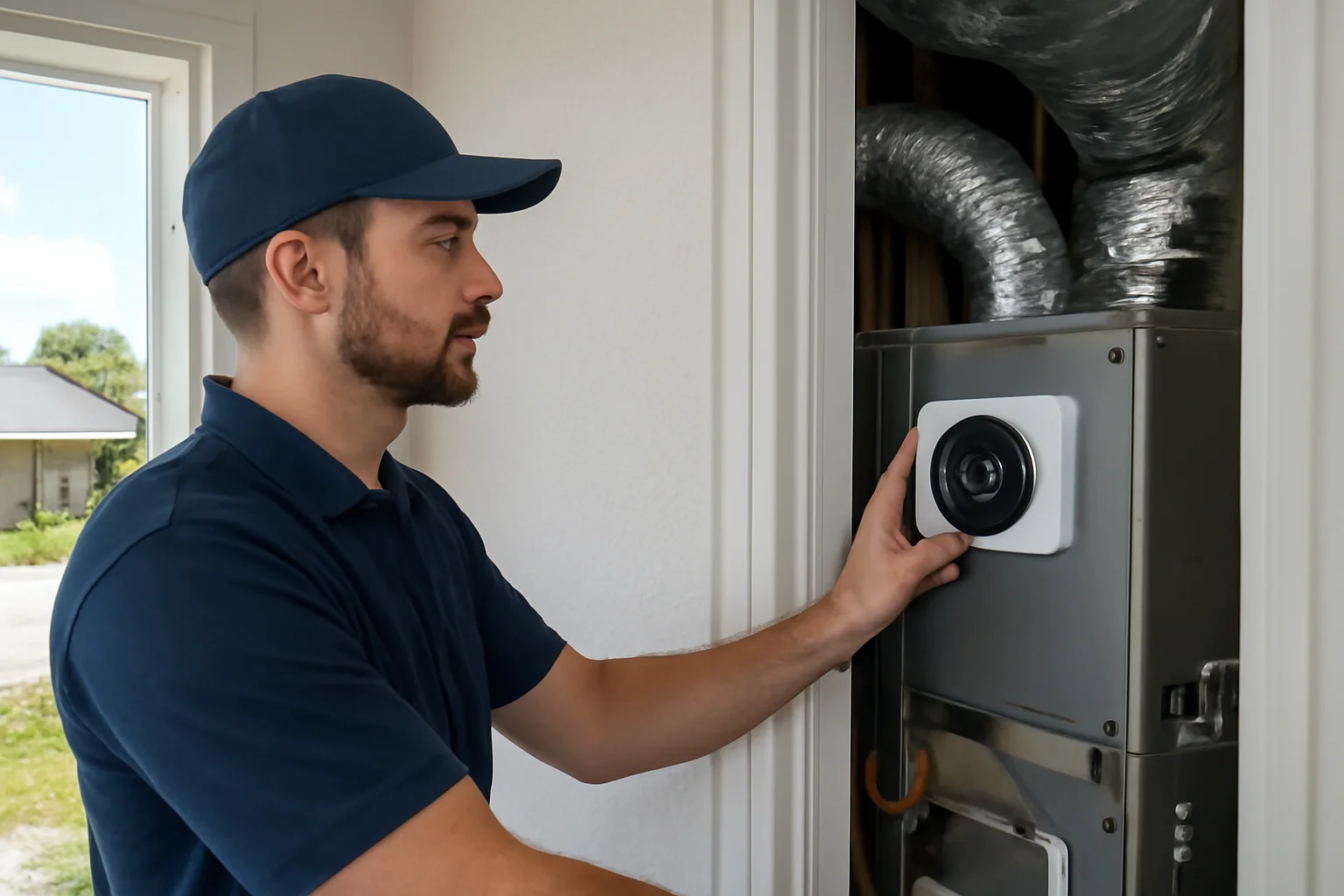
Work with a local HVAC technician to align fan behavior with how your system handles cooling and dehumidification. This is one reason professional thermostat installation and configuration matters in 30A, FL.
3) Short cycling from aggressive schedules
Vacation rentals and second homes often use rapid schedule changes. If the thermostat tries to “catch up” quickly after a period of setback, the AC may short cycle if the system cannot pull down humidity and temperature at the same pace.
Instead of rapid changes, use schedules that account for humidity. A smart thermostat can automate comfort, but it still needs a realistic recovery plan for Florida conditions.
4) Overlapping heating and cooling calls
Some smart thermostats can be configured to switch between heating and cooling based on thresholds. In Florida, most homes run primarily on cooling, but heat pump systems may still be involved for shoulder seasons. Improper thresholds can trigger unnecessary calls and add wear to the refrigerant system.
Do not rely on “it seems to work” when you are seeing comfort swings. Thermostat configuration should be set to match your actual HVAC equipment and operating behavior.
How smart thermostats interact with heat pumps and AC systems
Many 30A homes use split systems, central air conditioning, or heat pumps. Heat pumps handle cooling and heating through refrigerant flow, which means the system’s response depends on airflow, refrigerant system performance, and condensate drainage during cooling.
If your home has a heat pump, smart thermostat settings like temperature thresholds, emergency heat behavior, and fan options should be matched to the equipment. For homeowners considering Heat Pump Services, it is also a good time to confirm that thermostat automation will not create unwanted calls.
Also, if you have ductless mini splits, thermostat behavior can be different. Comfort can be excellent room to room, but airflow patterns and sensor readings still matter. For ductless homes, homeowners often benefit from professional setup tied to Ductless Mini-Splits guidance.
Indoor air quality: thermostat control should support filtration and airflow
In humid coastal climates, indoor air quality is part of comfort. Smart thermostats may include fan scheduling, filter reminders, or integration with air quality sensors. These features can help, but they only work when the HVAC system is moving air correctly and filtration is maintained.
Airflow problems can increase the risk of dust buildup and poor circulation. If you are noticing more dust, odors, or allergy flare-ups, consider whether your ductwork and filtration plan is keeping up. Some homeowners searching for “indoor air quality services near me” are really looking for a system-wide approach: airflow balance, filtration maintenance, and moisture control.
If you are considering duct cleaning, it helps to start with duct inspection. Cleaning without confirming airflow path issues can be less effective when the real concern is leaks, restrictions, or poor distribution. A technician can help you decide whether duct cleaning, duct sealing, or other preventive HVAC maintenance steps are the best first move.
Preventive maintenance that keeps smart thermostat automation working
Smart thermostat schedules are only as reliable as the HVAC system behind them. In 30A, FL, preventive HVAC maintenance helps keep the refrigerant system and airflow pathways stable so the thermostat can do its job without constant corrections.
Preventive steps homeowners can plan around include:
- Seasonal AC tune up and system inspection before peak summer
- Checking condensate drainage and confirming moisture is leaving the system properly
- Inspecting ductwork for leaks, disconnections, and airflow restrictions
- Reviewing thermostat placement and settings after any remodeling or ductwork changes
- Replacing filters on schedule so airflow is not reduced
If you are trying to avoid the stress of “emergency AC repair near me” during a heat wave, treat maintenance as a comfort investment. Local HVAC service also matters because coastal conditions and local housing styles can influence how systems perform over time.
When smart thermostats reveal bigger HVAC issues
Sometimes the thermostat is not the problem. It is the messenger. If smart thermostat alerts, runtime patterns, or temperature and humidity readings do not match what you feel in the home, it can point to HVAC issues like airflow restrictions, condensate drainage problems, or refrigerant system performance concerns.
Do not try to diagnose refrigerant or electrical problems based on thermostat data alone. Smart thermostats can indicate performance issues, but they cannot confirm causes. A professional technician should evaluate the system in person.
Call for HVAC repair or service when you notice:
- Temperature changes do not align with thermostat calls for cooling
- The system runs continuously without reaching comfort targets
- Humidity stays high even when cooling is active
- Condensate drainage issues like water around the indoor unit
- Repeated cycling, unusual noises, or sudden comfort drop-offs
If you are searching for “HVAC repair near me” because your thermostat seems to be “lying,” ask the technician to review the full comfort chain: thermostat placement, ductwork airflow, condensate drainage, and system operation.
Why local installation and configuration matters in Walton County
In 30A, FL, homeowners often have unique property needs. Many are primary residences, some are vacation rentals, and others are coastal second homes that sit for periods of time. Smart thermostats help with remote control and scheduling, but only when the system is configured correctly for that usage pattern.
A Superior Mechanical focuses on professional smart thermostat installation in 30A, FL, with remote access, energy-saving automation, and HVAC integration. That means the thermostat is installed and configured with your comfort goals and your actual HVAC setup in mind.
For homeowners who want a smooth experience, start by reviewing thermostat placement, how your ductwork distributes air, and how your system handles moisture removal. You can explore the service page here: smart thermostats in 30A. If you want broader service options across the area, visit Walton County HVAC service.
Smart thermostat prevention checklist for 30A homeowners
Use this practical checklist to reduce problems before they escalate during peak humidity and heat.
- Confirm thermostat location so sunlight and drafts do not skew temperature readings.
- Use schedules that respect Florida humidity and avoid aggressive setpoint jumps.
- Verify airflow by checking that supply vents and returns are unobstructed.
- Plan ductwork maintenance if you suspect leaks, restrictions, or uneven distribution.
- Keep condensate drainage clear to support moisture control.
- Update indoor air quality habits with consistent filter changes and airflow-focused service.
- Book an AC tune up near the start of the cooling season so the system can handle automation demands.
If you are not sure where the comfort breakdown is coming from, a local HVAC company can connect the dots. That is especially important when you are trying to prevent thermostat-driven comfort issues from turning into repeat calls or emergency cooling concerns.
Related service considerations for better comfort
Smart thermostat performance improves when the rest of the HVAC system is healthy and balanced. Depending on your home, you may also benefit from:
- Indoor Air Quality Services for moisture and comfort support
- Duct Sealing & Aeroseal Services to improve airflow delivery
- Ductless Mini-Splits for room-by-room comfort when ductwork distribution is challenging
- Why Preventive HVAC Service Pays Off for Air Conditioning Repair in 30A, FL for maintenance planning that reduces stress
- Smart Thermostats in 30A: A Practical Guide for Property Owners for scheduling and setup tips tailored to local living patterns
If your home is commercial or you manage multiple properties, you may also find help in Keeping 30A Commercial Spaces Comfortable Before HVAC Trouble Spreads.
When to call A Superior Mechanical
Call a local HVAC professional when smart thermostat automation does not deliver the comfort you expect, or when you see patterns like persistent humidity, uneven room temperatures, or repeated AC cycling. In-person evaluation is the right step for any concern involving refrigerant system performance, condensate drainage, ductwork airflow, or thermostat integration.
A Superior Mechanical can help you confirm that your thermostat setup matches your HVAC equipment and your home’s airflow realities. That is the foundation for steady comfort in 30A, FL, even when the weather brings heavy humidity, salt air, and long cooling days.
Keeping HVAC Financing on Track in 30A, FL Homes can also help if you are planning upgrades or repairs while managing a seasonal budget.
Find Smart Thermostats in 30A, FL
If you need Smart Thermostats in 30A, FL, visit our local service page or contact A Superior Mechanical today.
Map of 30A, FL
Frequently Asked Questions
Can a smart thermostat improve humidity control in a 30A, FL home?
It can help, but humidity comfort depends on more than temperature sensing. Airflow, condensate drainage, and how your refrigerant system removes moisture during cooling all matter. A professional smart thermostat installation can align settings and fan behavior with your system so humidity control is more consistent.
Why does my AC run longer after installing a smart thermostat?
Common causes include thermostat placement, schedules that are too aggressive for Florida humidity, reduced airflow from duct issues, or a system that is struggling to cool efficiently. An HVAC technician should evaluate airflow, ductwork, and system operation in person rather than assuming the thermostat is defective.
What thermostat settings should I avoid in coastal 30A homes?
Avoid placing the thermostat in direct sun or near heat sources, and avoid rapid setpoint changes that force repeated recovery cycles. Fan and switching thresholds should match your actual HVAC equipment. Getting configuration right helps prevent short cycling and uneven comfort.
Should I clean ducts before or after smart thermostat setup?
Start with duct inspection if you suspect airflow problems. Cleaning can be useful in some situations, but duct sealing or duct repair may be more important if leaks or restrictions are causing uneven airflow. Pair ductwork evaluation with thermostat configuration so automation reflects real airflow performance.
When is thermostat behavior a sign of a bigger HVAC issue?
If cooling calls do not match comfort, humidity stays high despite cooling, condensate drainage seems abnormal, or the system cycles unusually, it can indicate HVAC performance issues. Those concerns require an in-person evaluation for airflow, moisture removal, and refrigerant system operation.
Related Articles
Photo Gallery