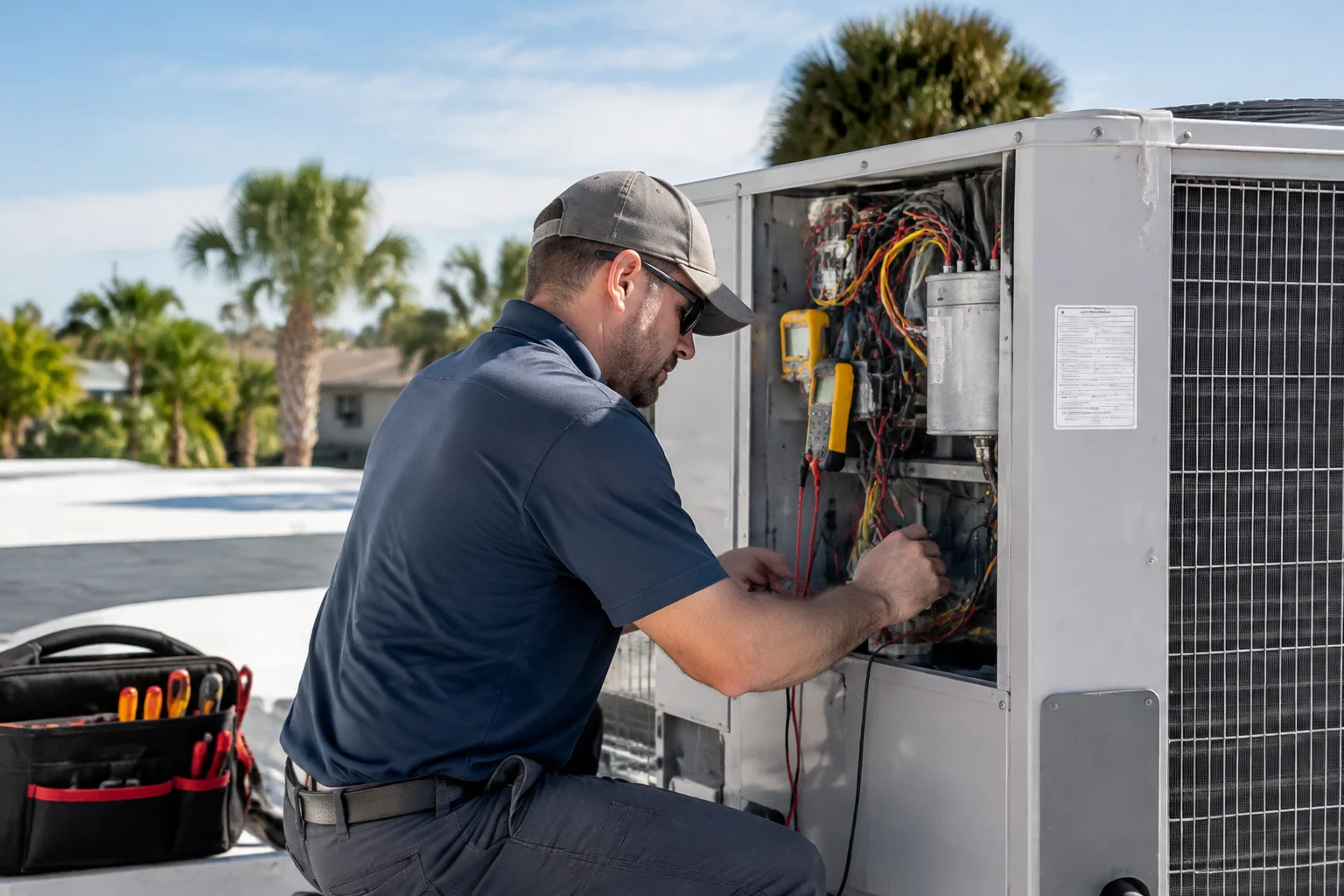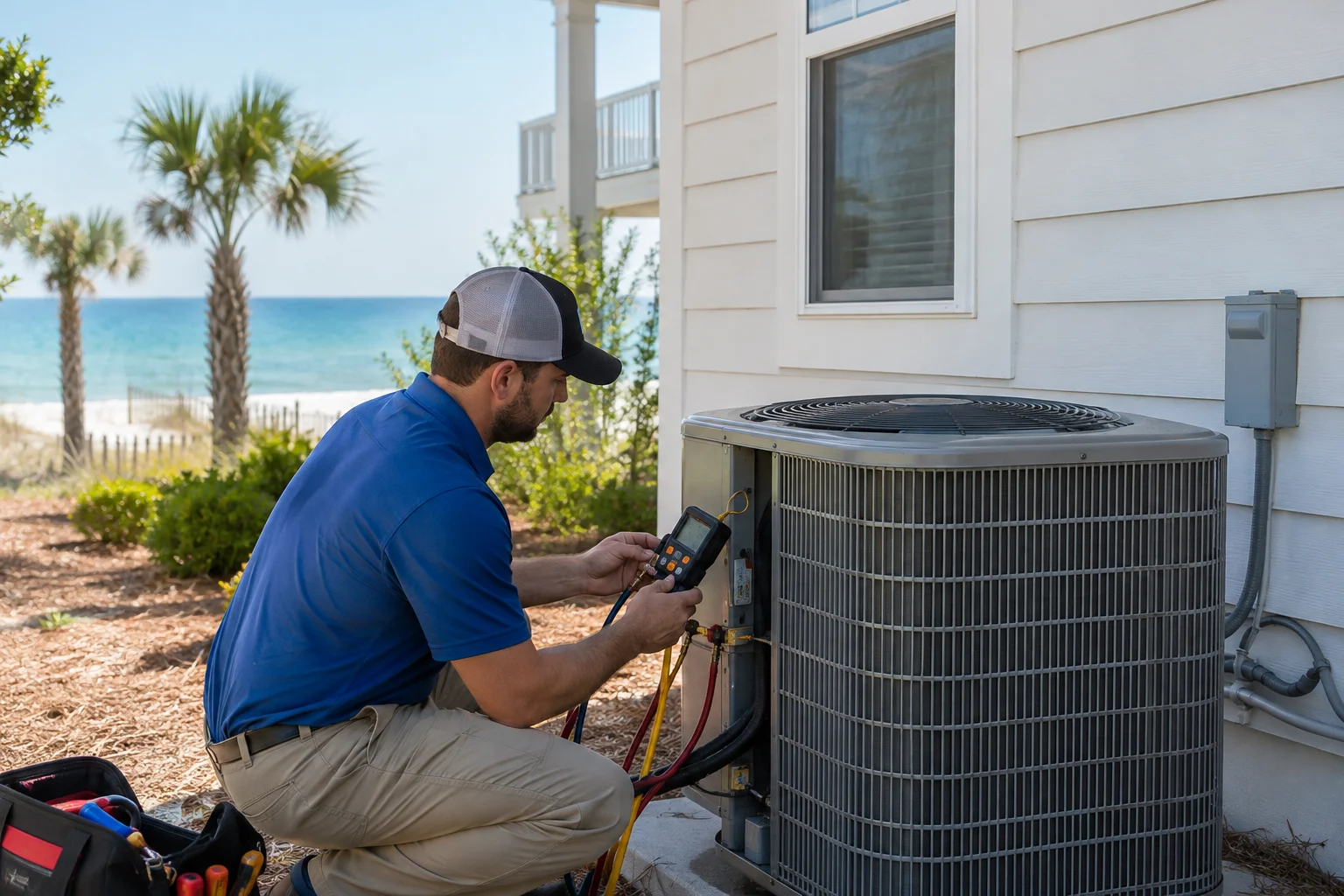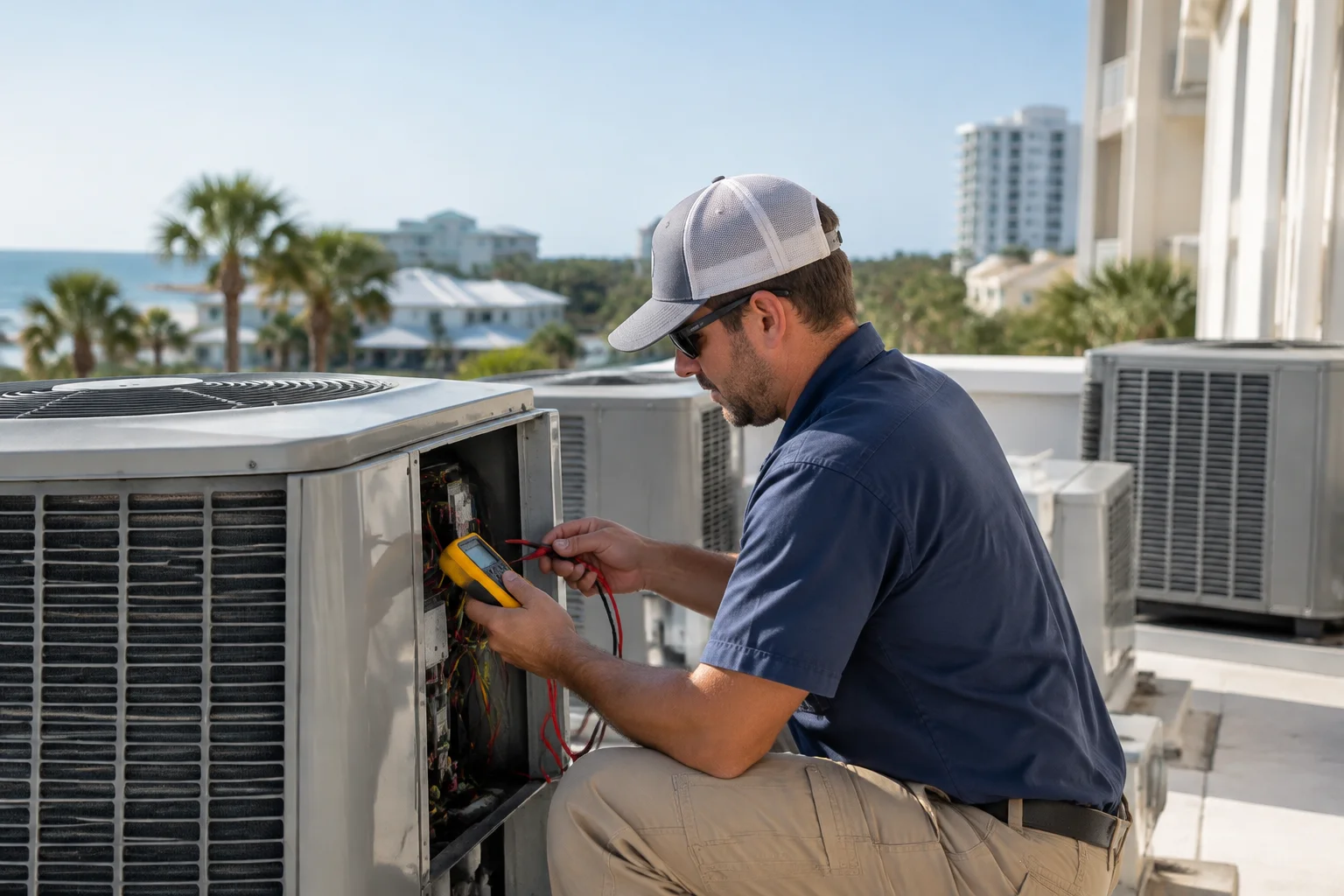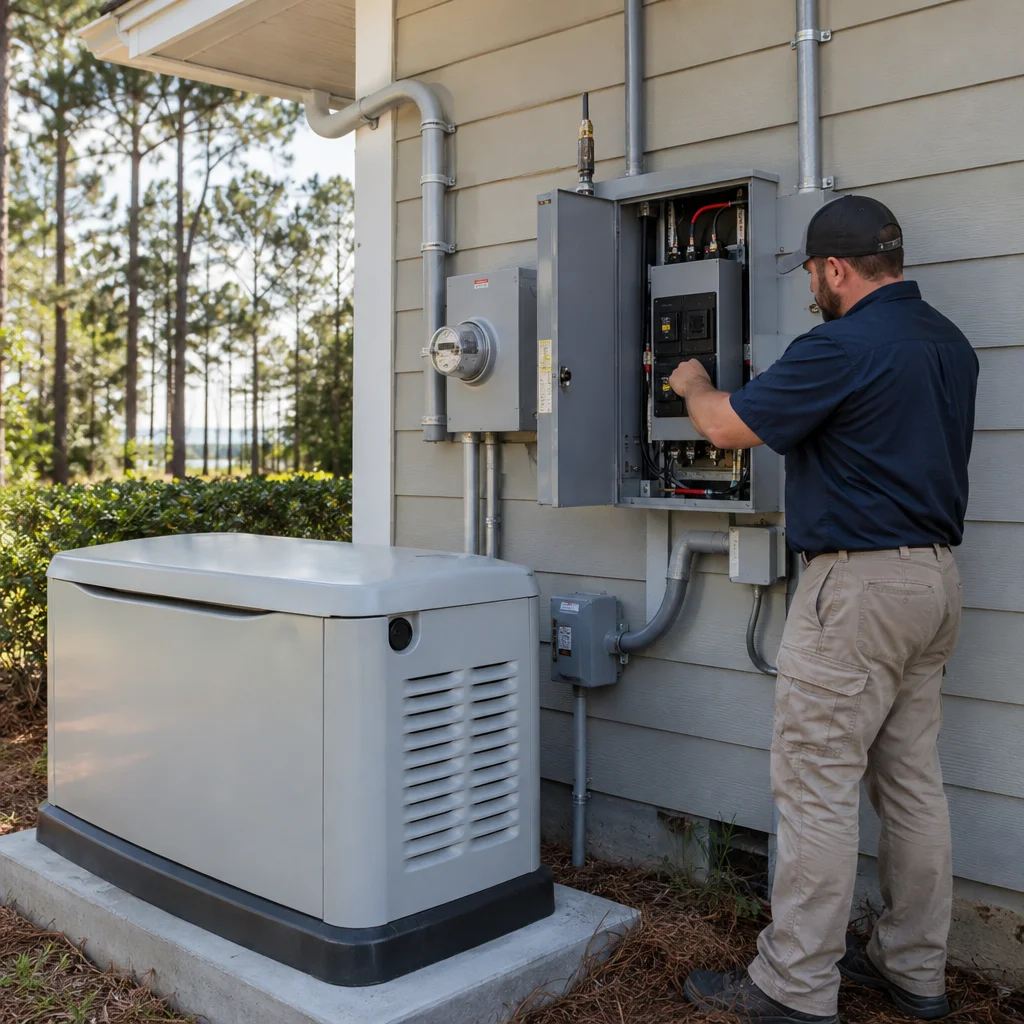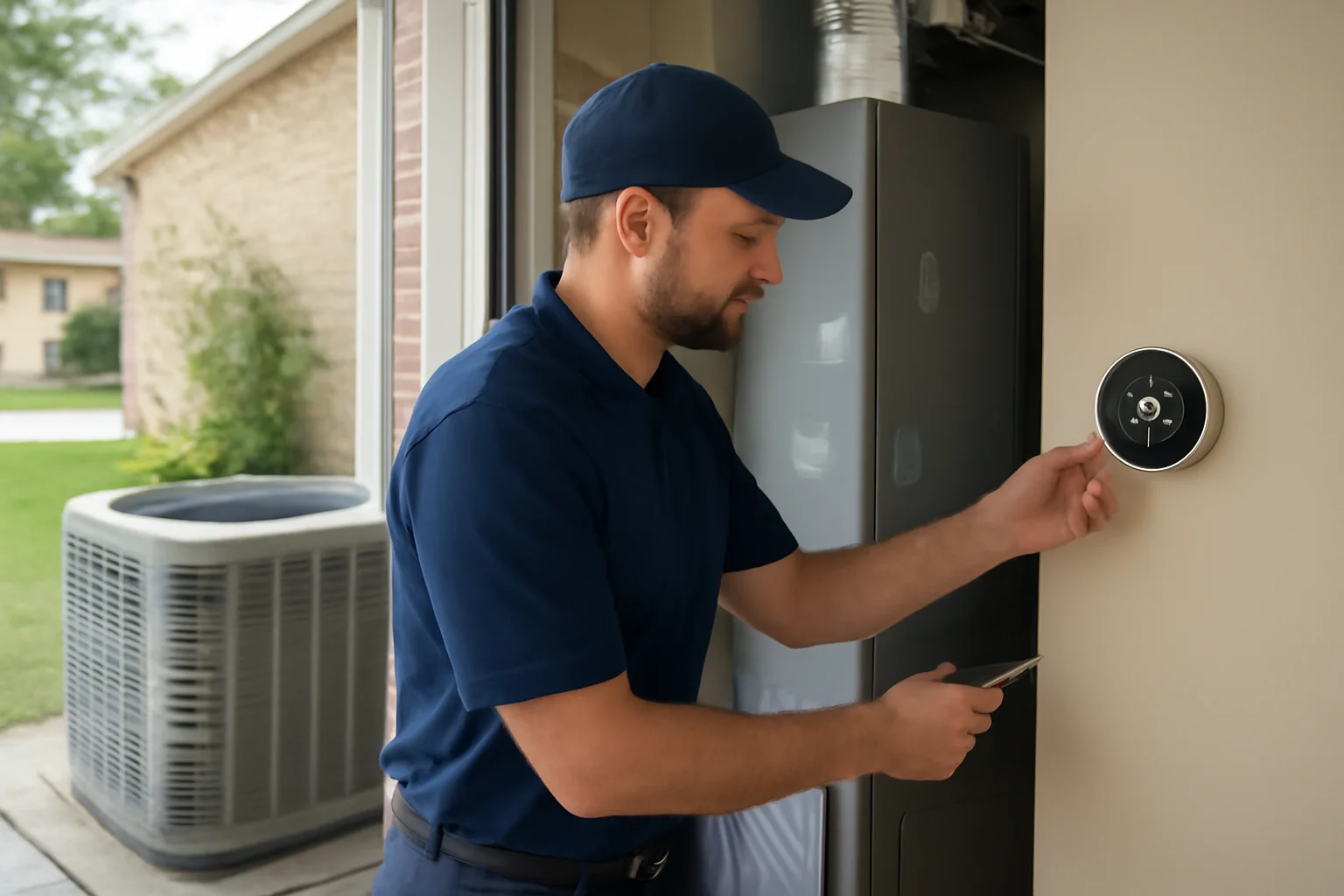
Niceville, FL is all about warm weather, high humidity, and long stretches of air conditioning. Smart thermostats can help you manage comfort and energy use, but the best results come from planning ahead, especially if your home is older or your HVAC system has never been tuned for today’s control options. This guide walks you through what to check before you buy, how to think about airflow and indoor air quality, and why a local HVAC professional matters when you want smart thermostat service that fits real life in Okaloosa County.
Why planning matters in Niceville’s humidity and salt air
Smart thermostats do more than schedule temperatures. They also coordinate with your HVAC system’s heating and cooling cycles, interpret indoor conditions, and sometimes use sensors to support comfort. In Niceville, outdoor conditions are rarely “mild.” Florida heat and humidity can push your system to run longer, and salt air near the coast can accelerate wear on some components over time.
Planning ahead helps you avoid common control problems such as short cycling, inconsistent temperatures from room to room, and comfort issues caused by airflow or ductwork limitations. It also reduces the chance of running into emergency cooling concerns when a thermostat update or setup doesn’t match your existing refrigerant system and condensate drainage behavior.
If you are searching for smart thermostat installation and service in Niceville, the best starting point is making sure your HVAC controls, wiring, and indoor comfort setup can support smart operation.
Start with your home and HVAC “fit,” not just the thermostat model
Before you choose a smart thermostat, take a quick inventory of your home and system. Older homes and newer builds often differ in wiring, zoning, and ductwork design. Those differences affect how well smart controls can regulate temperature and humidity.
1) Know your HVAC type and how it handles cooling
Smart thermostats can work with many systems, including central air conditioners and heat pumps. However, the thermostat must communicate correctly with the equipment. A heat pump, for example, may switch between modes based on temperature settings and run times. If your thermostat settings do not match how your heat pump repair needs are handled, you can see comfort swings.
Homeowners planning ahead in Niceville often benefit from an air conditioning inspection near me style evaluation, even if the system is “working.” This is where professionals can confirm compatibility with your HVAC controls and refrigerant system behavior.
2) Check whether you have zoning or multiple comfort zones
If your home uses zoning, dampers, or multiple thermostats, smart thermostat planning becomes more specific. Some systems are designed to coordinate zone control with a single thermostat, while others rely on separate control strategies. A smart thermostat that does not match your zoning setup can lead to uneven airflow, delayed responses, or a system that runs longer than expected.
3) Review ductwork and airflow before focusing on temperature settings
Smart thermostats can only control what your system can deliver. If ductwork is leaky, blocked, or poorly balanced, rooms may never reach the target temperature at the right pace. That can cause the thermostat to “keep calling,” which may increase wear and energy use.
If you suspect airflow issues, consider duct sealing in Niceville as part of your planning. For many homes, improving airflow is the difference between smooth smart comfort and ongoing frustration.
4) Think about indoor air quality and humidity control
Niceville’s humidity matters. A smart thermostat may include features that help manage comfort, but humidity removal still depends on proper airflow across the cooling coil, correct condensate drainage, and system performance. If condensate drainage is restricted, you can see moisture problems and reduced cooling effectiveness. If the system runs without enough airflow, humidity can remain high even when the temperature looks “okay.”
Planning for indoor air quality services near me can also help, especially if allergies or musty odors are part of your day-to-day experience. Smart controls pair best with good filtration and airflow performance.
Older homes: common planning issues and how to address them
Older Niceville homes can still cool comfortably, but smart thermostat upgrades may reveal hidden issues. The goal is not to blame the home. It is to make sure the thermostat can safely and accurately control the HVAC system.
Wiring that is outdated or inconsistent
Some older thermostats used control wiring that is no longer ideal for modern smart thermostats. In some cases, the wiring may be incomplete, mismatched, or not set up for the thermostat’s control requirements. This can lead to intermittent behavior, missing mode control, or confusion between heating and cooling signals.
A professional HVAC controls service can verify compatibility and ensure the thermostat is wired correctly for your system. If you are planning an upgrade, start with an HVAC service visit rather than relying on guesswork from a thermostat installation video.
System wear that affects comfort response
Smart thermostats can make comfort feel more precise, but they can also highlight problems that were previously “good enough.” If your system struggles to maintain steady temperatures, the thermostat may respond by increasing run time. That can expose issues related to refrigerant systems, airflow, or control timing.
It is important to avoid trying to “diagnose refrigerant” or troubleshoot electrical components from the thermostat alone. A technician can evaluate system performance in person, confirm whether the cooling process is healthy, and address issues before you rely on smart control.
Condensate drainage and moisture concerns
In humid Florida conditions, condensate drainage must work properly. If drainage is slow or partially blocked, moisture can affect comfort and potentially contribute to indoor air quality problems. Smart thermostat planning should include confirming that the system’s cooling and drainage behavior is stable, especially if you notice water around the indoor unit, musty smells, or persistent humidity.
Newer homes and newer HVAC: what to plan for
Even newer builds can run into smart thermostat issues. The difference is that the challenges may be more about configuration and setup than wiring age.
Compatibility with heat pump systems and control modes
Many newer homes use heat pumps. Smart thermostats can be very effective with heat pump control, but planning should include how your system switches between heating and cooling modes, and how it handles temperature changes during peak Florida heat.
If you are considering heat pump installation near me or you already have a heat pump and want smart control, ask about thermostat settings that align with your equipment’s operating behavior. A mismatch can lead to comfort problems or unnecessary energy use.
Airflow balance and “sensor reality”
Newer homes can still have ductwork that does not deliver consistent airflow. If your thermostat uses an internal sensor, it measures the air around the thermostat location. If that area receives different airflow than bedrooms or living spaces, you may see uneven comfort. Smart planning includes thinking about where the thermostat will be installed relative to supply vents, return paths, and direct sunlight.
For homes with airflow concerns, a professional air conditioning maintenance visit can also help verify that the system is moving air correctly before smart scheduling relies on it.
Set your thermostat placement and settings for real comfort
Many “smart thermostat” problems are really placement and configuration problems. Planning ahead in Niceville can prevent comfort complaints that happen after installation.
Where to mount the thermostat
Plan for a location that reflects typical home comfort. Avoid direct sun, heat sources, and drafty areas. Also consider airflow patterns. If the thermostat sits near a supply vent or in a hallway with unusual airflow, the temperature readings may not represent the rest of the home.
How to think about temperature targets and humidity
Smart thermostats can reduce frustration, but they still need realistic targets for Florida conditions. During the hottest and most humid parts of the year, your system may run longer to remove moisture. Planning includes choosing settings that do not demand rapid swings that your refrigerant system and airflow setup cannot support.
If you are adjusting settings and the home feels clammy even when the temperature is “on track,” that can point to airflow or condensate drainage issues. That is a reason to schedule an HVAC service visit, not a reason to keep changing thermostat schedules.
Preventive maintenance that supports smart control
Smart thermostats work best when your HVAC system is in good condition. Preventive HVAC maintenance in Niceville is not just about avoiding breakdowns. It is about making sure the system can reliably respond to thermostat calls.
What to include in a pre-install tune-up
When planning a smart thermostat upgrade, ask your HVAC technician to review system readiness. This commonly includes:
- Airflow evaluation so the system delivers cooling effectively across the coil
- Verification of proper condensate drainage during cooling operation
- Control and thermostat compatibility checks for safe operation
- Assessment of indoor air quality factors such as filtration and airflow paths
These steps help reduce the chance that you install a smart thermostat on top of a problem that will keep showing up as “smart comfort” issues.
AC tune up near me and system reliability
Many homeowners search for AC tune up near me before peak summer. If you are planning a smart thermostat, schedule your tune-up early enough to address any issues that come up. Florida heat can turn minor performance problems into major emergency cooling concerns when the system is already stressed.
Energy use and comfort: how smart controls interact with HVAC performance
Smart thermostats can influence energy use by coordinating schedules and adjusting set points. But the thermostat cannot fix problems caused by restricted airflow, failing components, or ductwork that leaks air. Planning ahead means treating the thermostat as part of a system.
If your HVAC service history shows frequent cycling, inconsistent airflow, or humidity complaints, smart scheduling may not deliver the comfort you expect until the underlying airflow and system performance are addressed.
Homeowners looking for air conditioning services often find that combining system tune-up with smart thermostat setup leads to smoother operation and fewer surprises during high-heat weeks.
When smart thermostats can expose problems (and what to do)
After installation, pay attention to how the system behaves. A smart thermostat may reveal issues that were previously masked by older control behavior or less precise scheduling.
Watch for short cycling and rapid temperature swings
If your system turns on and off too quickly, it can be a symptom of airflow restrictions, control timing issues, or other equipment performance concerns. Avoid repeatedly changing thermostat settings as a substitute for troubleshooting.
Notice humidity that stays high or “feels cooler but not comfortable”
In Niceville humidity, comfort is not only temperature. If the home feels damp, or if you notice persistent indoor moisture, plan for an HVAC inspection focused on cooling performance and condensate drainage.
Look for inconsistent room temperatures
If some rooms are always warmer or cooler, it may be due to ductwork imbalance, airflow leaks, or thermostat placement. Planning can include duct repair near me support such as targeted ductwork repairs or sealing, rather than relying solely on thermostat adjustments.
How to plan your upgrade timeline in Niceville
Smart thermostats are easiest to plan when your HVAC system is not already under peak stress. A practical approach:
- Plan early: Schedule your evaluation before the hottest weeks so you can address compatibility or airflow issues calmly.
- Do a readiness check: Request an air conditioning inspection near me style review of airflow, drainage, and controls compatibility.
- Install and test: After installation, verify cooling and heating response in real conditions, not just during mild weather.
- Adjust settings thoughtfully: Make changes gradually and pay attention to humidity and comfort, not only temperature.
This timeline helps you avoid last-minute installs that can turn into emergency cooling concerns if something is not compatible or if your system needs preventive HVAC maintenance first.
Where to get help: local HVAC service matters for smart thermostat success
Smart thermostat upgrades involve more than pairing an app. They depend on how your HVAC system communicates, how your ductwork moves air, and how your refrigerant system and condensate drainage behave in Florida humidity. A local HVAC team that understands Niceville homes, common performance issues, and seasonal demands can help you plan a smoother upgrade.
If you want a clear path forward, start with the smart thermostat service page for your area: Smart Thermostats in Niceville, FL. You can also browse the Niceville service area page to see how local HVAC support is organized across Okaloosa County.
For homeowners in nearby communities, these guides can be helpful when planning your own upgrade:
- Smart Thermostats in Panama City Beach: Small Problems That Can Turn Into Bigger HVAC Headaches
- Smart Thermostats and Smoother Comfort in Destin Homes: Staying Ahead of HVAC Problems Before They Grow
- Keeping Your Cool in Panama City Beach Without Letting Smart Thermostats Create Bigger HVAC Problems
Smart thermostat planning checklist for Niceville homeowners
Use this checklist to keep your upgrade grounded in real HVAC comfort needs:
- Confirm HVAC compatibility for your system type, including heat pump or central air controls
- Plan thermostat placement away from direct sun and unusual airflow
- Evaluate ductwork and airflow so the system can reach target comfort
- Confirm condensate drainage during cooling operation to support humidity control
- Plan preventive HVAC maintenance before peak summer for smoother thermostat response
- Set realistic temperature and comfort expectations for Florida heat and humidity
- Schedule professional support if you notice short cycling, persistent humidity, or uneven comfort
When to call a professional before things get urgent
If your system is already struggling, smart thermostat installation may not be the first step. Call an HVAC professional if you notice:
- Cooling that does not remove humidity well
- Frequent on and off cycling
- Water issues near the indoor unit or signs of drainage problems
- Rooms that never reach comfortable temperatures despite normal thermostat settings
- Unusual noises or repeated system shutdowns
In those cases, a technician can evaluate HVAC performance in person and recommend the right next step, whether that is air conditioning repair, ductwork service, heat pump repair near me support, or a maintenance plan to stabilize your comfort before you rely on smart control.
If you are dealing with an urgent cooling problem, it helps to know where to turn for emergency AC repair near me style support. Smart thermostats can help you monitor comfort remotely, but they cannot replace hands-on troubleshooting when equipment is failing.
Find Smart Thermostats in Niceville, FL
If you need Smart Thermostats in Niceville, FL, visit our local service page or contact A Superior Mechanical today.
Map of Niceville, FL
Frequently Asked Questions
Will a smart thermostat work with my heat pump in Niceville?
Often, yes, but compatibility depends on your thermostat wiring and your heat pump’s control behavior. A local HVAC technician can confirm your system type and make sure the thermostat setup matches how your heat pump runs in Florida heat and humidity.
Why does my home feel humid even after installing a smart thermostat?
Smart thermostats control temperature targets, but humidity removal depends on airflow across the cooling coil, correct condensate drainage, and overall HVAC performance. If humidity stays high, it can point to airflow or drainage issues that should be checked during an air conditioning inspection.
Can smart thermostats cause short cycling?
They can contribute if settings or compatibility do not align with your HVAC equipment. Short cycling can also be caused by airflow restrictions, control timing, or equipment wear. An in-person evaluation is the safest way to determine what is actually driving the problem.
Where should I place the thermostat in an older Niceville home?
Choose a location that represents normal living conditions and avoids direct sunlight, heat sources, and areas with unusual drafts. If your home has uneven airflow, placement and ductwork balance can affect how accurate temperature readings feel across rooms.
Should I schedule maintenance before switching to a smart thermostat?
Yes. Planning ahead with preventive HVAC maintenance helps ensure your system can respond reliably to thermostat calls. This reduces the chance of comfort complaints and helps avoid mid-summer breakdowns when the system is under the most stress.
Related Articles
- Smart Thermostats in Panama City Beach: Small Problems That Can Turn Into Bigger HVAC Headaches
- Smart Thermostats and Smoother Comfort in Destin Homes: Staying Ahead of HVAC Problems Before They Grow
- Smart Thermostats and Fewer HVAC Surprises in Panama City Homes
- Keeping Your Cool in Panama City Beach Without Letting Smart Thermostats Create Bigger HVAC Problems
Photo Gallery