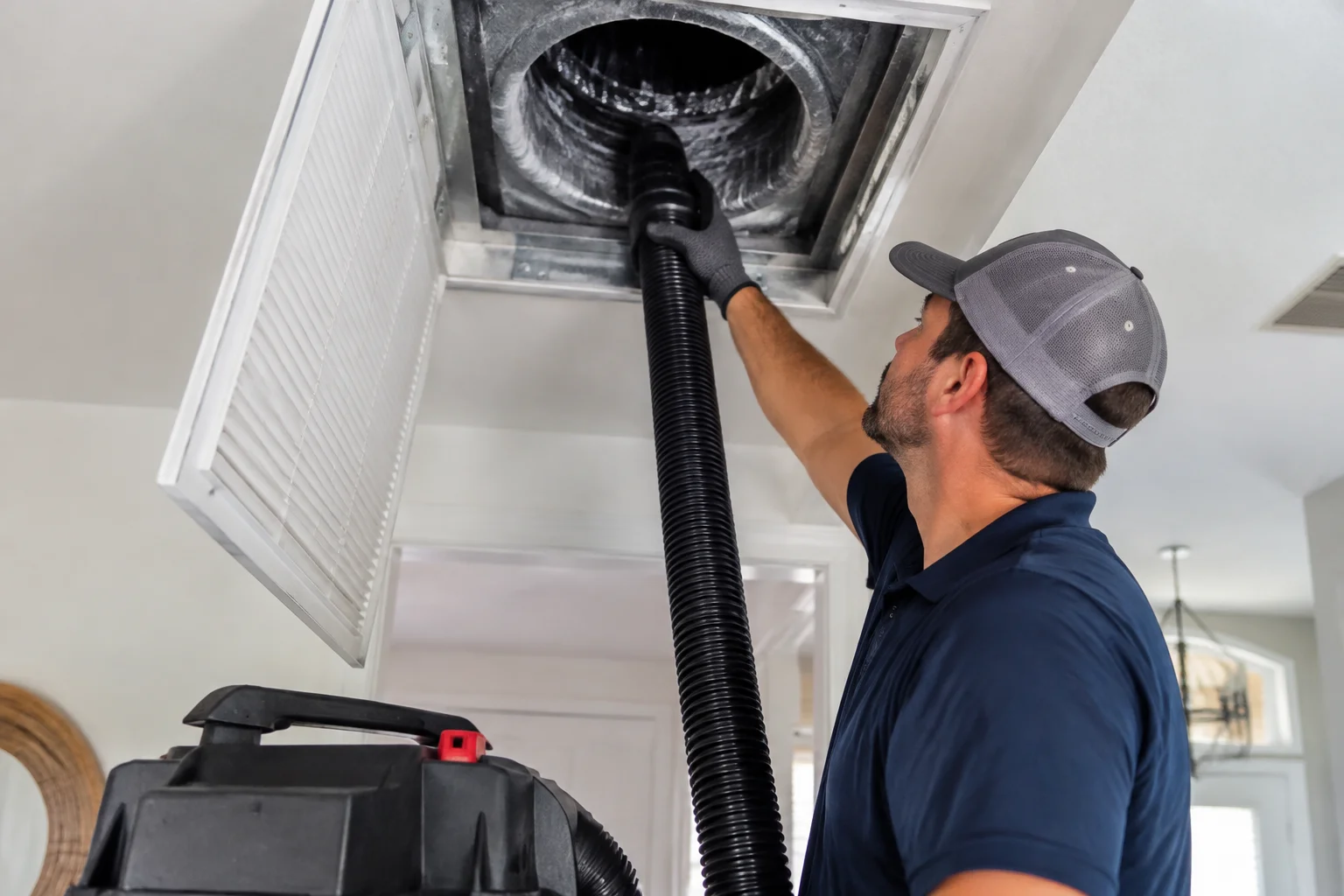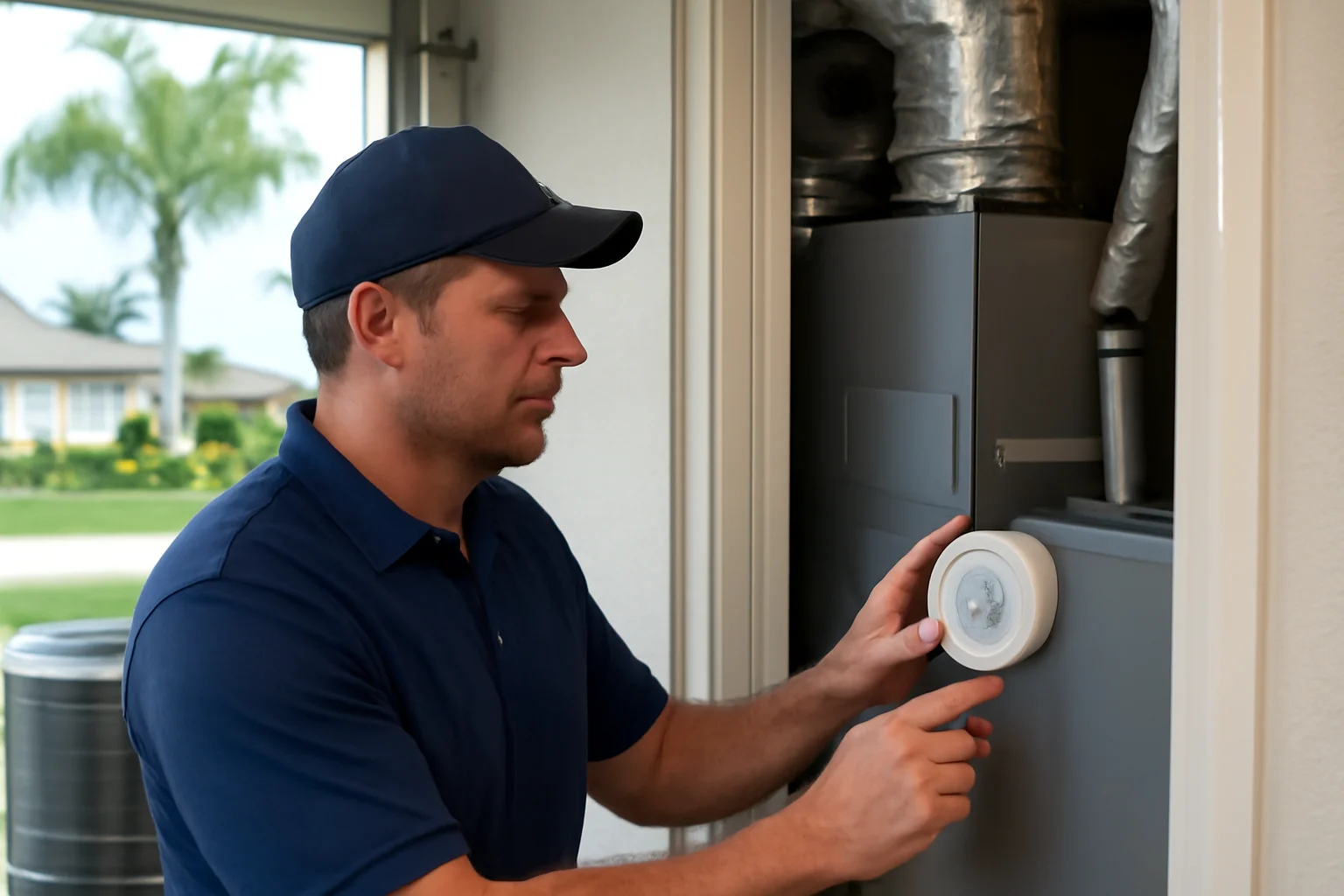
Ocean City, Florida homes live in a unique HVAC environment. Salt air, long cooling seasons, and humidity that can creep indoors make it harder for air conditioners and heat pumps to keep comfort steady. A smart thermostat can help you manage cooling schedules and temperature more precisely, but the real win is how it supports the whole system: airflow, condensate drainage, indoor air quality, and reliable refrigerant system operation.
This guide is for homeowners with older homes and newer builds in Ocean City. It covers what smart thermostats do well, where they can cause confusion, and how to prevent problems that lead to uncomfortable rooms or emergency cooling concerns. If you are searching for smart thermostats in Ocean City, FL, you are in the right place.
Why Ocean City’s climate makes thermostat control more than “set it and forget it”
Smart thermostats are often marketed as energy savers, but in Ocean City the bigger issue is comfort and system stability. During warm months, outdoor air is typically humid. When that humidity enters your home, your HVAC has to remove moisture while still cooling the space.
That moisture removal depends on several linked pieces:
- Cooling demand and temperature control so the system runs long enough to dehumidify.
- Airflow through ductwork and across indoor coil surfaces.
- Condensate drainage so the system can keep pulling moisture out without backing up.
- Refrigerant system performance, since low performance can lead to poor cooling and higher indoor humidity.
Older homes may also have ductwork and insulation patterns that do not match today’s airflow expectations. Newer homes can have tighter construction that changes how air moves and how humidity behaves indoors. A smart thermostat can help you coordinate comfort, but it cannot replace the fundamentals of HVAC maintenance and airflow design.
What a smart thermostat actually controls in an AC or heat pump system
At its core, a thermostat is an HVAC control device. Smart models add remote access, learning features, and more detailed scheduling. In most homes, the thermostat influences how the system cycles and how indoor comfort is maintained.
Cooling and heat pump operation
When you request cooling, the thermostat signals the equipment to run. The indoor air handler or fan moves air across the coil, and the outdoor unit handles heat transfer using the refrigerant system. Proper cycling matters because short, frequent run cycles can reduce moisture removal.
Fan settings and airflow balance
Smart thermostats often provide fan control options such as continuous fan versus auto. Continuous fan can help even out temperatures, but it can also increase indoor air movement through ductwork that may have leaks or poor balancing. If your home has hot or cold spots, airflow is often the real root issue, not the thermostat.
Humidity behavior and comfort modes
Some smart thermostats include humidity sensing or work with whole-home humidity settings. In Ocean City, this matters because humidity can make indoor temperatures feel higher than the thermostat display. A smart thermostat may improve comfort when it runs the system in a way that supports moisture removal. However, the system still needs to have correct airflow and drainage to perform.
Older homes versus newer builds: where smart thermostats can help and where they can expose problems
Homeowners often install smart thermostats expecting a smooth upgrade. Many installations go well, but Ocean City’s housing stock means you may encounter wiring differences, airflow limitations, and comfort issues that were already present.
Older homes: wiring, control compatibility, and airflow surprises
Older thermostat setups may use older control wiring or equipment configurations. Even if the HVAC powers on, a smart thermostat might not communicate correctly with the air handler, heat pump, or auxiliary equipment. In some cases, a homeowner may notice:
- Fan behavior that does not match expectations
- Cooling that starts and stops too quickly
- Rooms that stay humid even when temperature looks fine
- Condensate drainage issues that become more noticeable during longer cooling cycles
Smart thermostats can also highlight ductwork problems. If a home has leaky ducts or poor airflow distribution, the thermostat can “see” an average temperature while other rooms remain uncomfortable. That can feel like a thermostat problem when it is really an HVAC airflow and ductwork problem.
Newer builds: tighter envelopes and humidity management
Newer homes are often more airtight, which helps with energy use but can change how humidity moves through the house. When indoor moisture has fewer pathways to escape, the HVAC must handle the moisture load effectively. If airflow is restricted or condensate drainage is not performing well, indoor humidity can rise even during active cooling.
Smart thermostat controls can help you manage schedules and comfort preferences, but you still need a system that is sized and maintained properly for Ocean City conditions.
Cooling performance, airflow, and humidity: the comfort triangle
Think of cooling, airflow, and humidity as a triangle. When one side weakens, the other two often suffer.
Cooling that reaches the set temperature but feels clammy
This is a common homeowner complaint in humid climates. If the thermostat reads the temperature correctly but the home feels damp, the system may not be removing enough moisture. Causes can include:
- Airflow restrictions from dirty filters or blocked returns
- Issues with ductwork distribution
- Drainage problems that interfere with proper coil operation
- Performance limitations within the refrigerant system that require professional evaluation
A smart thermostat may have humidity-related settings, but it cannot correct restricted airflow or refrigerant system issues. If you are seeing persistent humidity discomfort, pair thermostat tuning with an air conditioning inspection to confirm the system is actually dehumidifying as it should.
Airflow that cycles too often or too aggressively
Some smart thermostat features change when the indoor fan runs or how quickly the system responds to setpoint changes. Too aggressive of cycling can reduce moisture removal, while too little airflow can make temperature uneven.
If your home has noticeable hot and cold spots, start with airflow fundamentals. Consider discussing ductwork condition and balancing with a licensed HVAC contractor. If ductwork is beyond repair, duct replacement may be part of restoring comfort.
Condensate drainage and the smart thermostat connection
In humid weather, condensate drainage becomes a major comfort and maintenance factor. If drainage is slow or clogged, you can see water issues, musty odors, and degraded cooling performance. Smart thermostats can extend run times based on schedules and comfort profiles, which can make drainage issues more obvious during peak demand periods.
Do not assume the thermostat caused the problem. A professional can inspect drainage and airflow so your system can remove moisture reliably.
Energy use and comfort: how to set up smart thermostat schedules for Ocean City
Smart thermostats can help reduce unnecessary HVAC runtime, but only when schedules match how your household actually lives. In Ocean City, a schedule that ignores humidity and airflow realities can lead to uncomfortable indoor conditions.
Use schedules that align with occupancy
If the home is empty during the day, you may want temperature setbacks. But consider humidity comfort. If setbacks are too aggressive, the system may need longer recovery cycles. Longer cycles can be fine when the system is healthy, but they can also stress equipment if airflow is poor or filters are neglected.
Choose fan settings carefully
Auto fan often supports better moisture removal because the fan runs when the system is cooling. Continuous fan can improve circulation, but it may also move air through ductwork that is not balanced. If you are trying to improve comfort in a multi room layout, ask an HVAC technician how your ductwork and air handler design should influence fan behavior.
Adjust setpoints gradually
Rapid changes can cause frequent cycling. Frequent cycling reduces comfort stability and can increase wear on parts of the system. Smart thermostats make it easy to change settings quickly, so it helps to use small adjustments and observe comfort over a few days.
Common smart thermostat issues homeowners report in Ocean City
Not every problem is a thermostat fault. Many are control compatibility, airflow, or system performance issues that become noticeable after a smart thermostat is installed.
Short cycling after installation
Short cycling can happen when the thermostat is configured with the wrong equipment type or when comfort settings do not match the HVAC system. Sometimes it is a wiring or configuration mismatch. In other cases, airflow restrictions or low system performance contribute.
If you suspect short cycling, check basic items like filter condition and ensure vents are not blocked. Then schedule a professional review. A AC repair visit may be needed if the system is not performing as expected.
Temperature feels right but humidity remains high
This often points to airflow, coil performance, or condensate drainage. A smart thermostat with humidity sensing can help you notice the pattern, but it cannot fix the underlying HVAC issue. If your home feels clammy, it is smart to request an inspection focused on dehumidification and system operation.
Wi-Fi and remote control confusion
Some homeowners experience connectivity issues or inconsistent remote readings. Before assuming HVAC performance is failing, confirm the thermostat is online, sensors are located correctly, and the system configuration matches your equipment. If the thermostat is installed in a spot influenced by direct sunlight or drafts, it can report misleading room conditions.
Prevention steps that protect both your comfort and your HVAC system
Smart thermostats can be a helpful control upgrade, but prevention still comes from HVAC maintenance and good system operation. In Ocean City’s heat and humidity, preventative habits matter.
Keep filters and airflow paths clean
Dirty filters restrict airflow and can reduce cooling and dehumidification performance. Replace filters on schedule and verify that return vents and supply vents are not blocked by furniture, curtains, or storage.
Plan HVAC maintenance before the peak season
When an HVAC company near me is booked during the hottest weeks, you may have less flexibility. A smart thermostat may make the home feel better day to day, but it cannot prevent the need for maintenance.
Routine HVAC maintenance near me searches are common for a reason. Preventive visits can help ensure refrigerant systems are operating properly, airflow is adequate, and condensate drainage is moving as it should.
Address ductwork and airflow imbalance
If some rooms are always hotter, colder, or more humid, ductwork and airflow distribution may be part of the problem. If ducts are damaged or undersized, comfort controls can only do so much. A technician can evaluate ductwork condition and recommend the right approach, including repairs or duct replacement.
Consider system type and layout, especially in homes with ductless zones
Some Ocean City homes use ductless mini-splits for additional comfort. Smart thermostat behavior with multi system setups can be more complex. If you have ductless zones, ask how thermostat control should work across systems so you avoid conflicts in temperature and humidity comfort.
For ductless considerations, see Ductless Mini-Splits and discuss how controls should be coordinated.
When smart thermostat upgrades are a good idea, and when they need professional guidance
Smart thermostats can be a smart upgrade for Ocean City homeowners, especially when you want better scheduling, remote control, and more consistent comfort. But installation and configuration should match your equipment and wiring.
Smart thermostat installation is a good fit when you want better HVAC control
If you are trying to manage cooling schedules around work hours, reduce unnecessary runtime, or improve comfort consistency room to room, a professional smart thermostat installation can help you set the system up correctly so airflow and humidity needs are considered.
Get guidance instead of guessing if your home has control quirks
Professional help is especially important if your home has:
- Multiple HVAC systems or zones
- Older wiring or an unusual thermostat setup
- Persistent humidity discomfort during cooling season
- Hot and cold spots that do not improve after basic changes
- Any history of refrigerant system performance concerns
Trying to self-diagnose refrigerant system performance or electrical control compatibility is not the right approach. An HVAC technician can evaluate the system in person and confirm what the thermostat should control and how it should be configured.
Emergency cooling concerns: how smart thermostats can help, and what they cannot do
In Ocean City, air conditioning is not a luxury during the warm months. If your system fails, you may face emergency cooling concerns quickly.
Smart thermostats can provide alerts and remote visibility, which can help you notice problems sooner. For example, if the system is not responding to cooling calls, you can catch it before the home becomes too uncomfortable. However, a smart thermostat cannot repair a failing compressor, a drainage issue, or a refrigerant system problem.
If you need emergency AC repair near me or you suspect your air conditioning service is required urgently, contact a licensed HVAC contractor who can evaluate the system and restore safe, reliable cooling.
Choosing local support in Okaloosa County matters for comfort and troubleshooting
Ocean City homeowners benefit from working with a local HVAC team that understands the area’s cooling demands, humidity patterns, and common installation realities. Salt air can contribute to corrosion concerns over time, and coastal homes often have unique maintenance needs. A technician who regularly services Ocean City systems is more likely to recognize how your specific equipment and ductwork respond under Florida heat.
If you are comparing options for smart thermostats in Ocean City, FL, also consider the support behind the installation. Look for a team that can address airflow, indoor air quality considerations, and system performance questions, not just thermostat mounting.
For homeowners also considering broader comfort upgrades, these reads may help:
- Smart Thermostats in Panama City Beach: Small Problems That Can Turn Into Bigger HVAC Headaches
- Smart Thermostats and Smoother Comfort in Destin Homes: Staying Ahead of HVAC Problems Before They Grow
- A Homeowner’s Guide to Better HVAC Financing in Ocean City, FL
How to prepare for a smart thermostat service visit
Before your appointment, it helps to gather a few details. This can make the visit more efficient and help the technician verify compatibility with your existing HVAC controls.
- Confirm your current thermostat model and whether your system is an AC, heat pump, or combination setup
- Note any comfort complaints such as humidity, hot and cold spots, or frequent cycling
- Check filter condition and whether any vents are blocked
- Let the technician know if you have ductless zones or multiple systems
- Be ready to discuss indoor air quality goals, especially if you are sensitive to dust or allergens
During the visit, a licensed HVAC contractor can review thermostat compatibility, evaluate airflow and ductwork concerns, and check condensate drainage performance. If system replacement is ever needed, it should be based on an in-person assessment of performance and condition, not guesses from a remote thermostat reading.
If you are also exploring HVAC controls service near me options, pairing smart thermostat installation with an air conditioning inspection is a practical way to start. It supports reliable cooling, better humidity control, and more predictable comfort across Okaloosa County.
For more Ocean City HVAC service guidance, visit this Ocean City service area page and learn how A Superior Mechanical supports homeowners across Okaloosa County.
Find Smart Thermostats in Ocean City, FL
If you need Smart Thermostats in Ocean City, FL, visit our local service page or contact A Superior Mechanical today.
Map of Ocean City, FL
Frequently Asked Questions
Will a smart thermostat fix humidity problems in my Ocean City home?
A smart thermostat can help you manage comfort and schedules, especially if it supports humidity-related settings. But if humidity is high, the cause is often airflow, condensate drainage, or refrigerant system performance. A professional inspection is the best way to address the root issue.
Can I install a smart thermostat myself if I already have a compatible thermostat?
Some installations are straightforward, but older Ocean City homes may have control wiring or equipment configurations that require correct setup. Getting a professional smart thermostat installation helps ensure the thermostat controls your AC or heat pump safely and correctly.
Why does my AC short cycle after installing a smart thermostat?
Short cycling can be caused by incorrect thermostat configuration, fan settings, or equipment control compatibility. Airflow restrictions and system performance issues can also contribute. An in-person evaluation is needed to determine the cause and make safe adjustments.
What should I check first if temperature is okay but rooms feel damp?
Start with basic airflow factors like filter condition and blocked vents. Then consider an HVAC inspection focused on dehumidification, condensate drainage, and ductwork distribution. A smart thermostat may reveal the pattern, but it cannot replace system troubleshooting.
How does coastal salt air affect thermostats and HVAC controls?
Salt air can contribute to corrosion-related wear over time in HVAC components. While the thermostat itself is usually not the main issue, it can become part of the bigger comfort picture if equipment performance declines. Regular HVAC maintenance helps keep cooling reliable through Florida’s humid season.
Related Articles
- Why Commercial HVAC Service Matters in Ocean City Homes and Mixed-Use Properties
- A Homeowner’s Guide to Better HVAC Financing in Ocean City, FL
- Smart Thermostats in Panama City Beach: Small Problems That Can Turn Into Bigger HVAC Headaches
- Smart Thermostats and Smoother Comfort in Destin Homes: Staying Ahead of HVAC Problems Before They Grow
Photo Gallery