WaterColor, FL is the kind of place where comfort can disappear fast when the air conditioning struggles. Coastal heat, high humidity, and salt air all add stress to HVAC systems, especially when you are installing new equipment or upgrading an older setup. The goal is simple: avoid emergency cooling calls by planning the installation correctly and maintaining the system the way it is meant to be used.
If you are searching for new AC installation near me or you are trying to stay ahead of the next AC repair near me moment, the best time to reduce risk is before the first hot afternoon arrives.
Why “emergency” cooling happens after a new AC installation
Emergency HVAC calls are rarely caused by one single problem. They usually show up when multiple installation and setup details are missed or when the system is not matched to the home’s real airflow, humidity load, ductwork condition, and thermostat behavior. In WaterColor, those variables matter even more because summer conditions are intense and the air carries moisture and coastal exposure.
Common pathways to emergency cooling concerns include:
- Airflow problems from undersized or leaky ductwork, blocked returns, or poor supply distribution. The system can run longer, feel weak, and trip safety protections.
- Humidity and comfort failures when indoor air quality goals are not supported. A home can feel “cool” but still be muggy, which strains the cooling cycle and can lead to complaints that turn urgent.
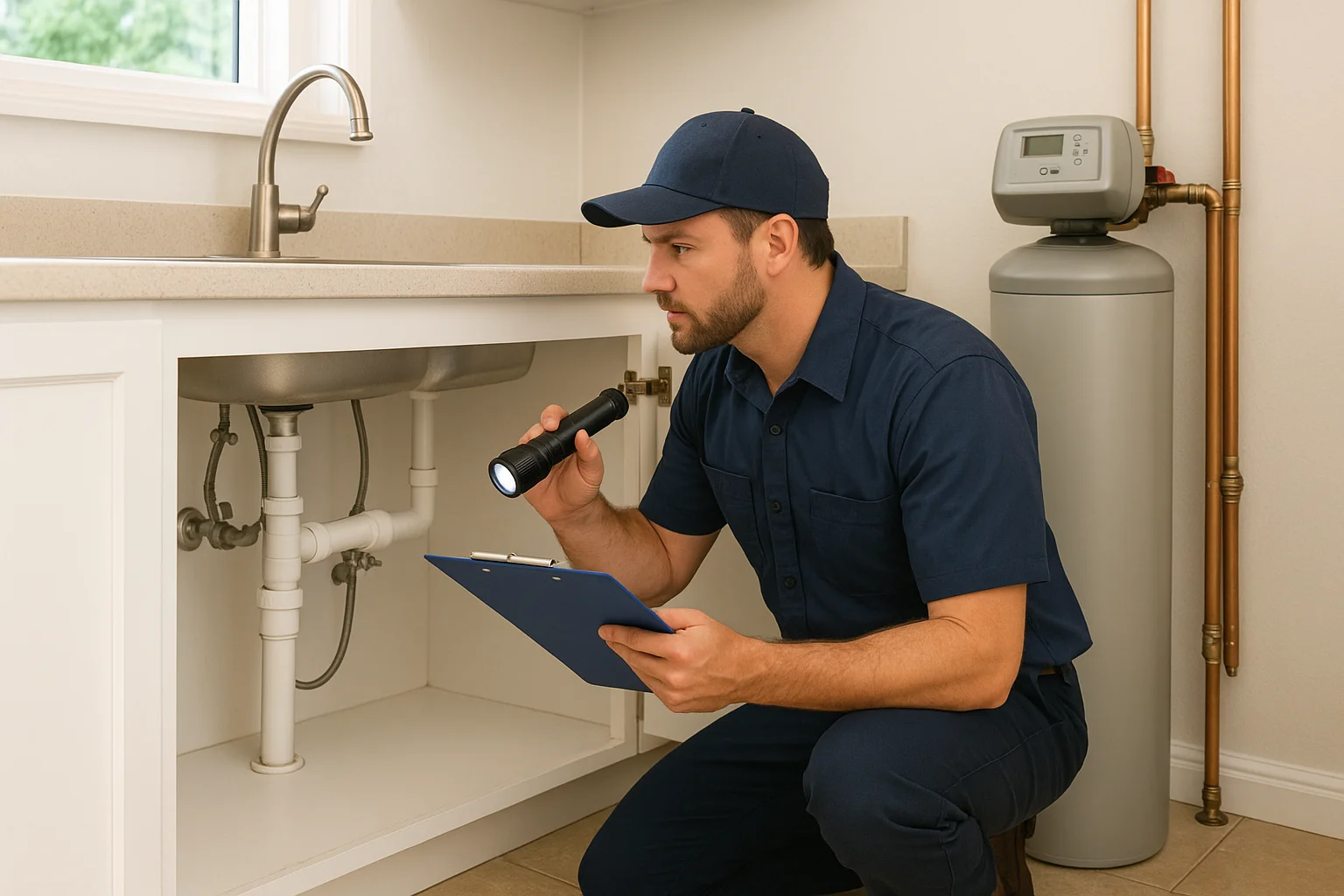
- Condensate drainage issues when condensate lines are incorrectly routed, pitched, or connected. Water can back up, create leaks, and trigger shutdown conditions.
- Thermostat and control mismatches that cause short cycling, incorrect setpoints, or schedules that do not align with how the home actually cools in Florida heat.
- Refrigerant system setup errors that can lead to unsafe operation or poor performance. Refrigerant handling requires in-person evaluation and proper measurement. It is not something homeowners should try to self-diagnose.
Start with the right sizing and airflow plan, not just the equipment
One of the biggest reasons homeowners end up with emergency cooling calls is a system that is not properly sized for the home. Oversized equipment can cool quickly but often does not remove enough moisture. Undersized equipment struggles to keep up, runs longer, and can overwork components during peak heat and humidity.
In WaterColor homes, ductwork and airflow matter as much as the outdoor unit. Many residences were built with duct runs and return paths that may not perform as well when filters, registers, or insulation have changed over time. Even if you are installing a brand-new air conditioning system, the ducts can still limit airflow.
Ask your installer how they will address:
- Supply and return airflow across the home, not just at one room.
- Register placement and obstruction such as furniture, curtains, or closed dampers that reduce airflow.
- Filter fit and filter condition because a poor seal can reduce airflow and increase system strain.
- Duct leakage and distribution, especially in homes where the ductwork has never been evaluated.
If you want to dig deeper into duct performance, you may find it useful to read Why WaterColor Homes Benefit from Better Duct Sealing and Aeroseal Care.
Humidity control is part of installation, not an afterthought
Florida humidity is not subtle. When air conditioning installation is treated like a simple “cooling only” project, homeowners often discover the comfort gap after the first humid stretch. The system may lower temperature but fail to manage moisture, leaving the home feeling sticky and causing occupants to push thermostats harder.
That extra demand can lead to longer run times, higher energy use, and more opportunities for issues to show up. Humidity management also ties directly into indoor air quality because moisture can contribute to dust circulation, musty odors, and discomfort for sensitive household members.
To reduce the risk of emergency cooling concerns later, make sure your installation plan includes:
- Proper indoor coil and airflow matching so the system can achieve the humidity removal needed in coastal Florida conditions.
- Air filtration choices that support indoor air quality without choking airflow.
- Dehumidification strategy when the home needs it. If you are considering options beyond the basic AC setup, explore Whole Home Dehumidifiers.
Condensate drainage: the hidden detail that can trigger shutdowns
During a Florida summer, condensate drainage is not a “set it and forget it” item. When a condensate line is incorrectly connected, poorly pitched, or routed in a way that traps water, the system can back up. Some homes then experience water leaks, water damage, or safety behavior that stops cooling when conditions are not right.
Professional installation should address condensate drainage with care, including:
- Correct line routing and slope so water drains freely.
- Reliable connection points at the air handler or indoor unit.
- Clear condensate path that accounts for the home’s layout and any nearby obstructions.
- Drain line protection where needed for Florida conditions.
If you have ever had a “why is water happening near the unit” moment, this is the area that tends to matter most.
Salt air and coastal exposure: protect the system from corrosion and performance loss
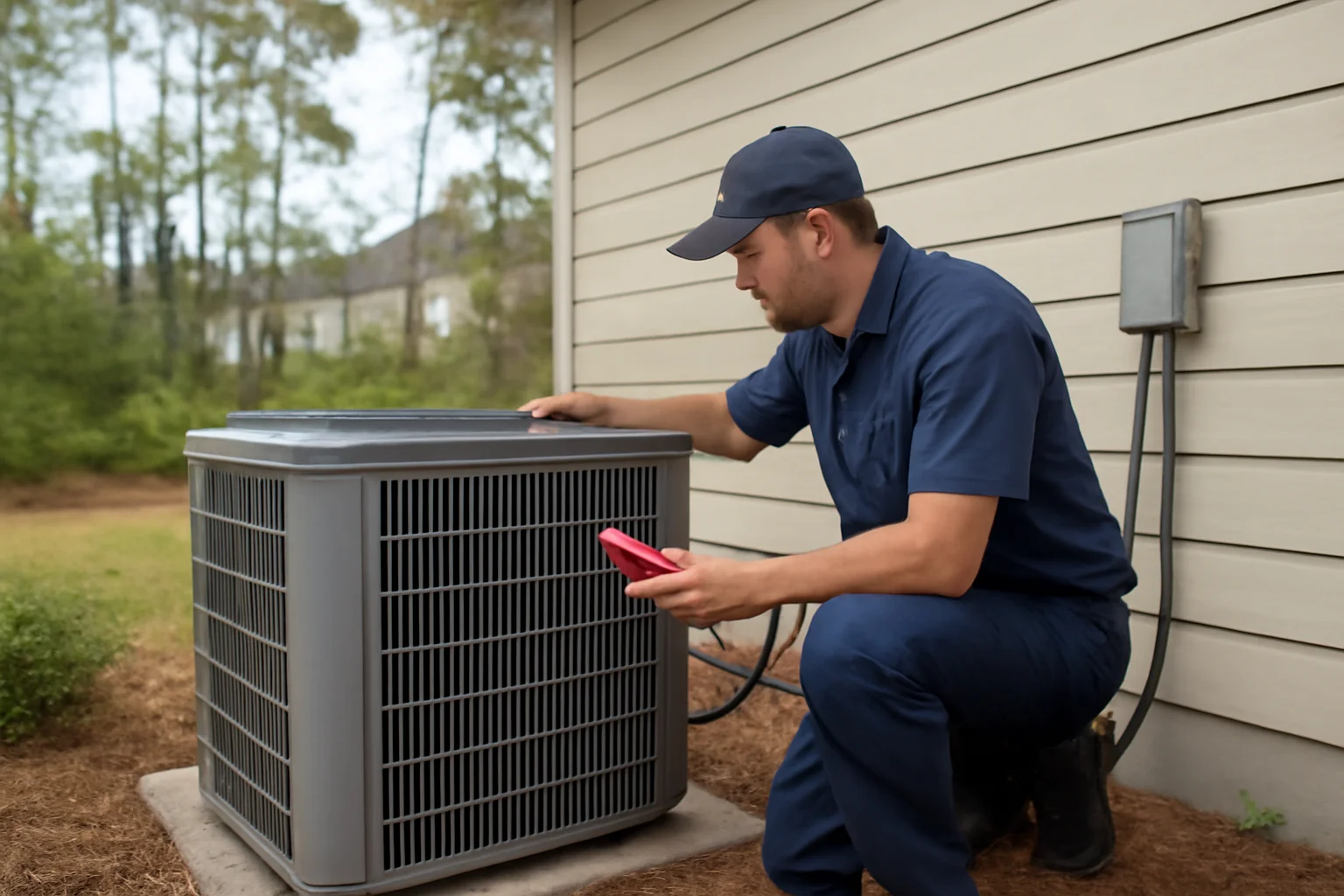
WaterColor is a coastal community. Salt air can accelerate corrosion on outdoor components and can contribute to grime buildup that reduces heat transfer. Over time, that means the system may not move heat the way it should, and the cooling cycle may run longer to reach the thermostat setpoint.
During installation, ask how the contractor will consider coastal exposure when planning outdoor unit placement and setup. That includes attention to:
- Outdoor unit location for airflow access and protection from the elements.
- Coastal-friendly maintenance practices that keep coils and components performing.
- Cleaning and inspection schedule so performance does not quietly decline until a major breakdown occurs.
Coastal environments do not forgive skipped maintenance. A system that is installed correctly can still need consistent care to avoid emergency cooling concerns later in the season.
Thermostats and controls: set expectations for Florida behavior
Even the best air conditioning installation can feel unreliable if the thermostat setup does not match how the home behaves in local summer conditions. In WaterColor, the sun and humidity load can cause the home to warm quickly, and the thermostat must respond in a way that supports stable comfort.
Thermostat-related problems that can lead to urgent calls include:
- Short cycling where the system turns on and off too frequently due to control settings or improper equipment matching.
- Schedule confusion where the home is not allowed to reach steady comfort before occupants expect it.
- Setpoint habits that push the system beyond what it can comfortably manage, especially during peak heat.
Many homeowners also search for thermostat installation near me or thermostat upgrades when they want better comfort control. A professional can help confirm the thermostat is compatible with the system and is configured appropriately for the home’s cooling needs.
Refrigerant systems: performance depends on measured, verified setup
Refrigerant systems are central to air conditioning performance, but they are also one of the most misunderstood parts of HVAC. Homeowners often notice symptoms such as weak cooling or unusual behavior and assume the refrigerant is the obvious fix. Refrigerant work requires proper tools, safe handling practices, and an in-person evaluation of airflow, temperature readings, and system operation.
What you can do as a homeowner is focus on prevention and clarity:
- Choose an installer who will verify system operation using appropriate methods and measurements.
- Do not accept vague answers if you are told something is “probably refrigerant.” Ask for a clear explanation of what was measured and what was observed.
- If there are performance complaints, let the professional evaluate the full system, including ductwork airflow and condensate drainage, before any refrigerant-related conclusions are made.
Trying to diagnose refrigerant issues without professional equipment can delay the real fix and increase the chance of emergency HVAC service during a hot stretch.
Ductwork and indoor air quality: comfort and health depend on distribution
When ductwork is leaky, poorly insulated, or mismatched to airflow, the system can struggle to deliver cooling consistently. That is when homeowners feel like the AC “works” but only in certain rooms. It is also when the house can trap humidity pockets, impacting indoor air quality.
Air conditioning installation should include attention to ductwork condition and airflow distribution. If you are considering ductwork improvements, you can also look into duct sealing and aeroseal care as a way to support better airflow.
For homeowners searching for duct inspection near me, consider asking whether the contractor will evaluate:
- Return pathways and pressure balance
- Supply register distribution
- Potential duct leakage
- Filter condition and air handler connections
Better distribution supports both comfort and energy efficiency because the system does not have to run as long to achieve the same indoor conditions.
Preventive HVAC maintenance after installation keeps small issues from becoming emergencies
Installation is the starting point. Preventive HVAC maintenance is what prevents the “it stopped cooling today” call. In WaterColor, a tune-up is not just a checklist. It is a chance to catch early warning signs related to airflow, condensate drainage, thermostat operation, and coil performance before Florida heat turns a minor problem into an emergency cooling concern.
Ask about an AC tune up that includes:
- Airflow checks across the system, including indoor and return performance
- Coil and drainage inspection so humidity removal and condensate drainage stay reliable
- Safety and control verification so the system behaves correctly under load
- Filter and ductwork guidance based on your home’s indoor air quality goals
If you are looking for AC tune up near me after a new installation, make sure the technician understands coastal humidity and airflow needs, not just basic maintenance.
Planning for replacements and upgrades without surprises
Sometimes homeowners do not start with a clean slate. They inherit duct issues, outdated thermostats, or systems that have been struggling for a while. If you are considering AC replacement estimate near me or you are planning an upgrade, it helps to treat the project as a full comfort system, not only equipment swap.
A smart approach includes:
- Reviewing how the current system performs during humid days
- Inspecting ductwork and returns, especially where airflow feels weak
- Confirming thermostat behavior and indoor comfort patterns
- Discussing whether dehumidification strategies are needed for your home’s comfort goals
For additional context on home comfort and HVAC behavior in this area, you may also like Keeping WaterColor Homes Comfortable Without the Emergency Call.
Special cases in WaterColor: rentals, coastal condos, and unique layouts
WaterColor includes a mix of primary homes, second homes, and rentals. When the building is not consistently occupied, HVAC demand changes. That can affect humidity levels and indoor air quality, which then influences how the system performs when it is turned back on.
If your home is a rental or a property that sits for stretches, ask your installer and maintenance team about comfort planning. That can include thermostat setup guidance, humidity expectations, and seasonal maintenance timing.
Some homeowners also explore other system types for zoning and comfort. If you are considering a different approach, you can review Ductless Mini-Splits or advanced multi-zone options like VRF Multi-Zone Systems depending on your home’s layout and comfort goals.
When you should call A Superior Mechanical before it becomes an emergency
Not every problem requires emergency service. But certain patterns deserve professional attention promptly, especially during the hottest parts of the year. If you notice any of the following after installation or during the first high-heat weeks, contact a local HVAC contractor for evaluation rather than waiting for things to worsen:
- The system runs continuously but does not reach comfortable temperatures
- Humidity feels excessive even when the thermostat shows cooling is active
- Unusual odors or signs of moisture near the indoor unit or condensate area
- Rooms stay warmer than others due to suspected airflow issues
- Thermostat behavior seems inconsistent, including frequent cycling
Homeowners searching for HVAC repair near me, heat pump repair near me, or residential HVAC service near me often find that early attention reduces the chance of a complete cooling failure. A Superior Mechanical provides local air conditioning installation support in WaterColor and can help ensure your system is set up for coastal Florida conditions.
To learn more about installation specifically, visit /service-areas/walton-county/watercolor/air-conditioning-installation-wcfl. You can also browse the broader service area at /service-areas/walton-county/watercolor or /service-areas/walton-county to see what options are available across Walton County County.
How to keep your system ready for Florida summers
Smart maintenance habits reduce emergency cooling risk. While professionals handle the deeper inspections, homeowners can support performance with a few practical steps:
- Keep registers open and avoid blocking returns so airflow stays stable.
- Replace filters on schedule and choose the right filter type for indoor air quality without restricting airflow.
- Pay attention to comfort patterns such as persistent humidity or uneven cooling.
- Use thermostat settings thoughtfully during heat waves so the system is not constantly forced to recover from extreme swings.
- Schedule an AC tune up before the peak summer stretch so early issues are addressed.
If you also rely on heating season performance, consider coordinating your HVAC care with Heating Services so the system is maintained year-round.
Local perspective matters
WaterColor homes face real HVAC stressors: high humidity, coastal salt air, and demanding summer airflow loads. Professional local HVAC service matters because it focuses on how the system performs in your specific environment, not just how it performs in an ideal lab scenario.
Choosing a contractor who considers airflow, ductwork, condensate drainage, thermostat setup, refrigerant system operation, and indoor air quality goals helps reduce the odds of emergency calls when you need reliable cooling most.
A note on system types beyond standard AC
Some homeowners in the area also explore heat pump service or heat pump installation for efficiency and comfort. If your home uses or may use a heat pump, the same installation principles apply: airflow, humidity management, and safe system setup. For homeowners searching for heat pump installation near me, it is still important to ensure ductwork and indoor comfort strategy align with Florida conditions.
Find Air Conditioning Installation in WaterColor, FL
If you need Air Conditioning Installation in WaterColor, FL, visit our local service page or contact A Superior Mechanical today.
Map of WaterColor, FL
Frequently Asked Questions
What should be checked during air conditioning installation in WaterColor to prevent emergency cooling issues?
Installation should include a real airflow plan across the home, attention to ductwork and return pathways, correct condensate drainage setup, thermostat compatibility and configuration, and verified refrigerant system operation based on in-person measurements.
Can ductwork problems cause an AC installation to feel like it is failing?
Yes. Leaky or poorly distributed ductwork can reduce airflow, create uneven cooling, and increase run time. That can show up as weak cooling or high humidity even after new equipment is installed.
How does Florida humidity affect new AC performance?
Humidity load drives comfort. If the system is not properly matched and airflow is not right, the home may feel muggy even when the thermostat is calling for cooling. That extra strain can increase energy use and lead to urgent complaints.
What are early warning signs of condensate drainage trouble?
Look for moisture near the indoor unit, musty odors, recurring water issues, or cooling behavior that seems inconsistent. If you notice any of these, contact a professional for an inspection.
Should homeowners try to troubleshoot refrigerant issues themselves?
No. Refrigerant system problems require safe, measured evaluation by a qualified HVAC technician. Homeowners should focus on comfort symptoms and schedule professional service rather than attempting DIY diagnosis.
Related Articles
Photo Gallery