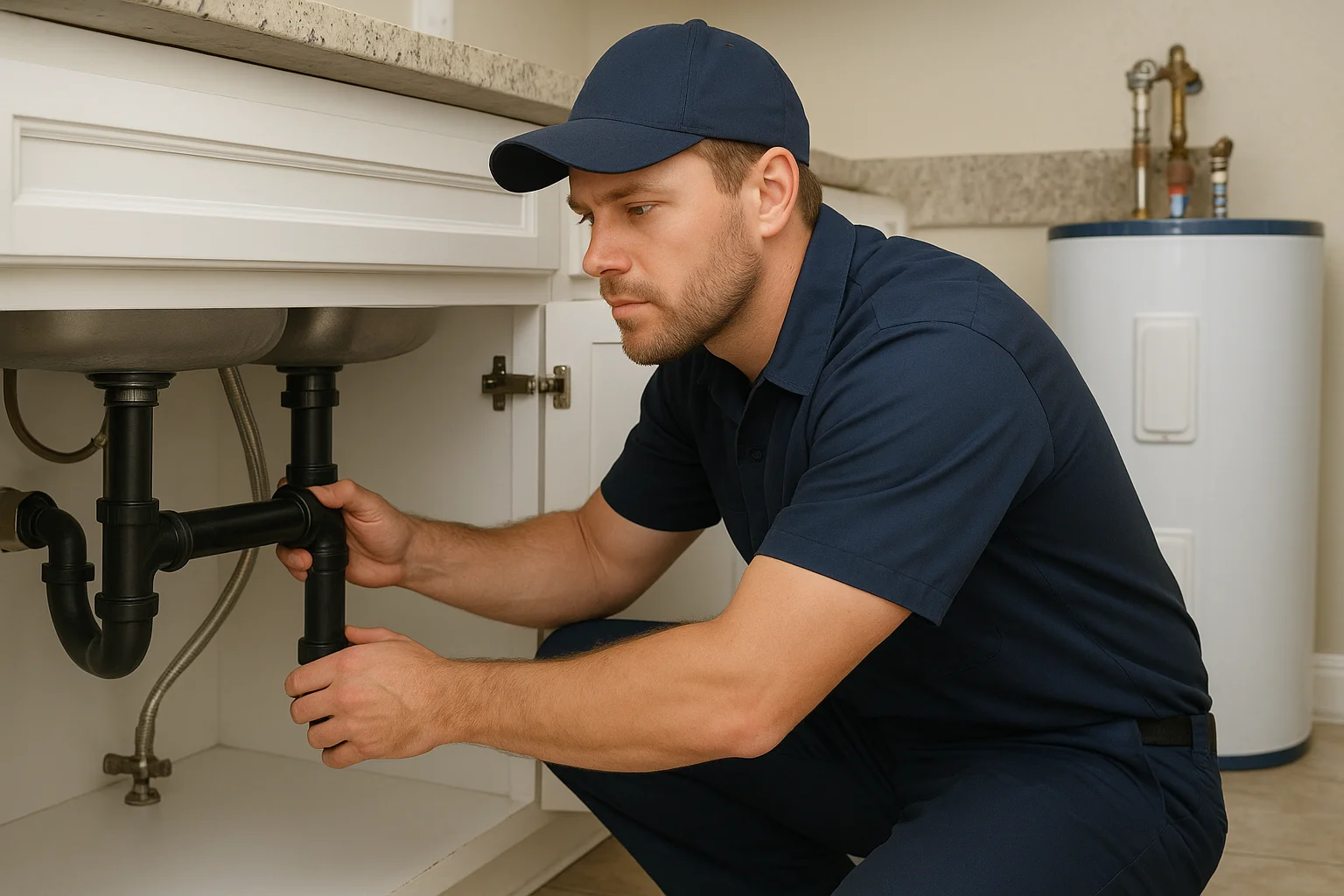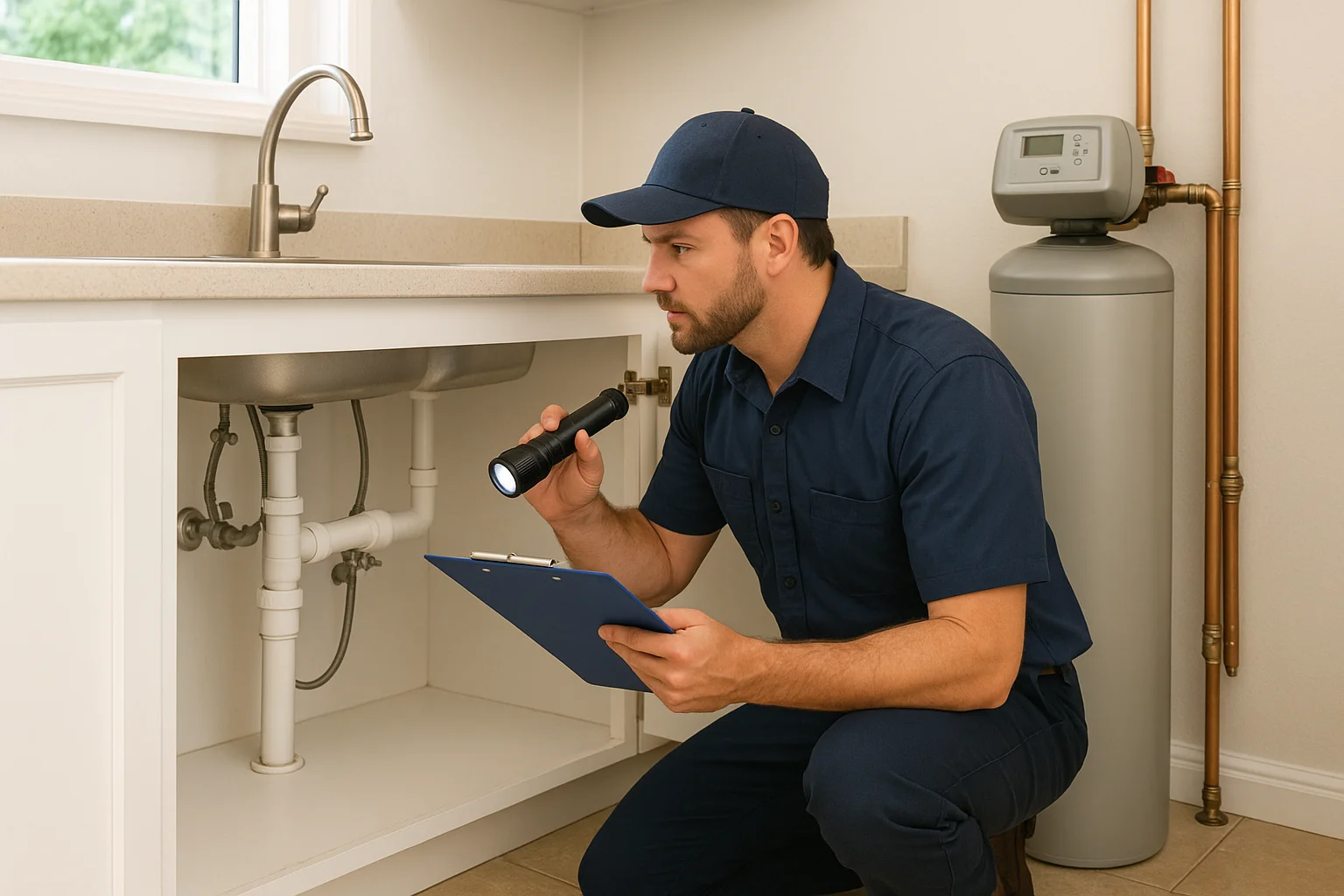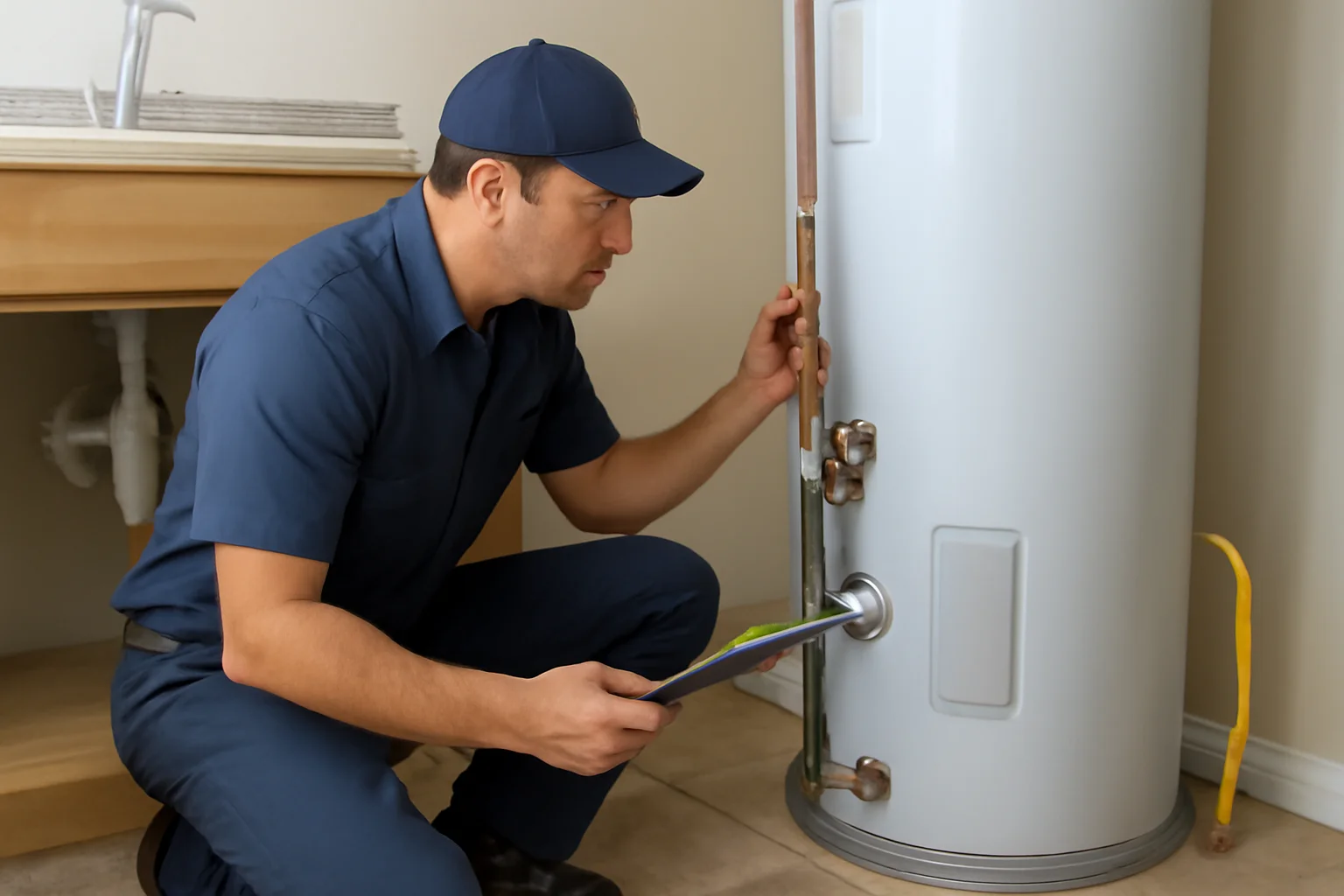
Hot water is one of those everyday comforts that most families in Bid-A-Wee, FL only notice when it disappears. With Florida’s humidity, frequent water use, and the way plumbing systems age under real life demand, water heaters can develop issues long before they fail completely. The good news is that many problems show up early, and catching them quickly can prevent water damage, slab leak concerns, and emergency plumbing calls.
This guide walks you through the practical homeowner checks that help you spot trouble early, understand what replacement really involves, and coordinate with a licensed plumber near me when it matters most. If you are searching for water heater replacement in Bid-A-Wee or simply want plumbing services near me that keep your system reliable, this will help you make smart decisions.
Why Bid-A-Wee water heater replacement needs early attention
Bid-A-Wee sits in Bay County, where many homes are built for Florida living but still depend on aging pipe materials, aging shutoff valves, and properly maintained drains and fixtures. Water heaters work hard in households with:
- Higher hot water demand from showers, dishwashing, and laundry
- Vacation rental turnover, where guests use hot water differently than residents
- Seasonal changes that can stress plumbing, especially when temperatures swing
- Hard water effects that can accelerate scale buildup inside tanks
When a water heater starts to struggle, it can affect more than hot water. Low or inconsistent water pressure, slow recovery, strange noises, and even small leaks can show up around supply lines, drain valves, and nearby fixtures. Over time, a minor issue can spread into the rest of the plumbing system, including drains and sewer lines, depending on how the home is plumbed.
Common early warning signs homeowners can spot
You do not need special tools to catch early trouble. A few careful observations can save you from the kind of emergency plumbing concerns that disrupt mornings and turn a planned repair into a rushed replacement.
1) Hot water runs out faster than it used to
If your tank seems to recover slower after normal use, or if showers are suddenly shorter, the heater may have sediment buildup or a failing heating element or burner assembly. Tankless systems can also show performance issues, especially when scale restricts flow.
2) Water looks cloudy, rusty, or smells off
Cloudy or discolored hot water often points to internal corrosion or sediment stirred up inside the tank. A “rotten egg” smell can indicate sulfur-related water chemistry or combustion issues. These are strong clues that the heater is no longer operating cleanly.
3) Strange sounds from the unit or nearby pipes
Banging, popping, or rumbling can be sediment heating and expanding at the bottom of a tank. If you hear banging when water starts or stops, it can also relate to pressure fluctuations. In some cases, those pressure changes can contribute to leaks at fittings and fixtures.
4) Temperature swings and inconsistent water pressure
Inconsistent temperature and pressure can happen when the thermostat is failing, when the dip tube is deteriorating, or when a tankless unit is struggling to maintain flow. If you notice the issue only at certain fixtures, it may also point to a localized plumbing problem upstream of the heater.
5) Moisture around the base, drain valve, or supply lines
Even a small damp spot can become a bigger problem. Check the area around:
- The drain pan and drain line
- Connection points on hot and cold supply pipes
- Relief valve discharge piping
- Any nearby slab or foundation penetrations
In Florida homes, moisture that stays hidden can lead to damage in walls and cabinets. It can also complicate later repairs, especially if you are dealing with slab leak repair concerns where water migrates under flooring.
6) Repeated tripping of breakers or unusual burner behavior
Although this can overlap with electrical or gas issues, it is still a water heater performance warning. If you have a gas unit and you notice irregular ignition, delayed heating, or soot around vents, treat it seriously. For electric units, frequent breaker trips are not something to ignore.
What causes water heater failures in Bid-A-Wee homes?
Knowing the most common causes helps you explain the problem to your plumber and decide whether repair is realistic or replacement is the safer route.
Hard water scale inside tanks and tankless units
Many Bay County homeowners experience hard water. Scale buildup reduces heat transfer efficiency, increases energy costs, and can shorten the life of a heater. Over time, sediment can fill the bottom of a tank, leading to overheating, noise, and faster wear.
Corrosion from age, water chemistry, and temperature cycling
Water heaters age from the inside out. Temperature changes, dissolved minerals, and corrosion can weaken internal components. This is why you may see leaks from fittings, valves, or the tank itself as the unit nears the end of its service life.
Pressure and expansion problems
If your home’s water pressure is too high, or if the system lacks proper pressure relief management, you can see accelerated wear at connections. Expansion and contraction also stress pipes and fixtures, contributing to small leaks that homeowners often notice first under sinks or around utility closets.
Drain line blockages and improper discharge routing
Some failures are linked to the drain line from the relief valve or to the heater’s drain valve. If discharge is blocked or improperly routed, it can cause water to collect where it should not.
Plumbing issues that mimic heater problems
Sometimes the heater is not the root cause. A failing mixing valve, a partially closed shutoff, a clogged aerator, or a problem with the home’s plumbing can create symptoms that look like water heater failure. That is why a plumber will often check:
- Hot and cold supply flow
- Shutoff valves and accessible piping
- Pressure and temperature settings
- Vent and discharge routing (as applicable)
How to plan a water heater replacement that prevents bigger plumbing bills
Replacing a water heater is not just swapping a unit. A quality replacement includes sizing, connections, safety checks, and a plan to protect surrounding pipes, drains, and fixtures. Homeowners in Bid-A-Wee often want to avoid the “small problem turns into a full repair” scenario, especially when the household is busy or a vacation rental is booked.
Start with the right replacement type for your hot water habits
Most homes choose between:
- Tank water heaters for steady hot water with predictable recovery
- Tankless water heaters for on-demand heating and space savings
A tankless unit can be a great fit, but it must be sized correctly for your simultaneous demand. If the home runs multiple showers or uses hot water heavily, undersizing can lead to comfort issues that feel like “heater failure,” even when the unit is operating.
If you are considering a tankless water heater replacement near me, ask about flow rate, inlet water conditions, and how hard water scale will be managed. Proper installation also includes correct venting and safe connections that do not stress nearby pipes.
Verify water pressure and check for hidden plumbing strain
Before installation, a plumber should evaluate water pressure and inspect supply lines and valves. High pressure can shorten the life of the replacement and increase the chance of leaks at fittings. Low pressure can affect hot water delivery and make you think the new unit is underperforming.
Inspect drains, relief valve discharge, and nearby pipe routing
Even when you are focused on hot water, replacement should account for how water exits the system. Relief valve discharge piping, condensate routing (if applicable), and the drain pan should be correct and unobstructed. This is especially important in Florida homes where humidity is high and leaks can be hard to spot until they cause damage.
Consider the condition of your existing plumbing connections
If your current heater is connected to older piping, the replacement may require pipe repair or fixture updates to ensure safe, leak-resistant connections. This is also where issues like corrosion at unions or failing shutoff valves show up. Replacing the heater without addressing worn connections can lead to repeat call-backs.
If you are also dealing with other plumbing concerns, it helps to coordinate the work. For example, if you have recurring drain backups, you may want to schedule drain cleaning before a replacement so the home’s plumbing stays reliable while you settle in.
How to catch plumbing problems early during the replacement process
Smart homeowners use replacement as an opportunity to find related plumbing issues that might otherwise stay hidden until they become expensive.
Watch for signs of a leak beyond the heater
During replacement, pay attention to:
- Moisture patterns around the heater location
- Soft spots, staining, or damp drywall nearby
- Any water that appears when the system is filled
If you suspect water has traveled under flooring, ask about slab leak repair near me possibilities. Not every leak is a slab leak, but early evaluation can prevent ongoing water loss and structural damage.
Confirm that hot and cold fixtures perform normally after installation
After the heater is installed, test a few fixtures:
- Kitchen faucet
- Bathroom sink or shower
- Toilet supply line and flush performance
If you notice issues like slow filling toilets, inconsistent flow, or persistent temperature swings, it may be related to valves, mixing components, or pipe restrictions. It is easier to address these while a plumber has access to the system.
Be alert to emergency plumbing concerns that should not wait
If you see active leaking, water pooling, or a sudden loss of hot water with unusual odors or noises, treat it as urgent. In Bid-A-Wee, rapid response matters because small leaks can spread quickly through walls and floors, especially in humid conditions.
If you need an emergency plumber near me for a burst pipe repair concern or a heater leak, keep shutoff access clear and call promptly. Many homeowners can reduce damage by turning off the appropriate valve while waiting for service.
Maintenance steps that extend heater life and reduce plumbing repairs
Replacement is sometimes unavoidable, but you can reduce how often you face it. Regular maintenance helps prevent sediment and scale buildup that shorten the life of both tank and tankless systems.
Schedule water heater maintenance
Ask about routine service such as:
- Flushing tanks to remove sediment
- Checking the temperature and pressure settings
- Inspecting the relief valve and drain pan
- Testing for leaks at connections
For homeowners who want a plan, review Water Heater Maintenance in Bid-A-Wee.
Watch water quality and adjust habits
If your home has hard water, consider strategies that reduce scale. Your plumber can also recommend whether a water treatment approach makes sense for your household. If you want to understand how plumbing conditions can affect water quality, see How Plumbing Conditions Change Water Purification in Bid-A-Wee Homes.
Keep drains and vents flowing
A water heater is only one part of your plumbing. If drains are slow or if you notice gurgling, it can be a sign of buildup that affects system performance. Routine drain attention can also reduce the risk of backups that lead to more repairs.
When a clogged drain repair near me search turns into an urgent problem, it is often because the issue was ignored. Staying ahead with drain cleaning helps protect what is connected to the sewer system.
When replacement is the better choice than repair
Some water heater issues can be repaired, but many homeowners in Bid-A-Wee find that replacement is the safer long-term decision when the unit is older or when leaks are involved. Consider replacement if:
- The tank is leaking or corrosion is visible
- Repairs are frequent and costs keep adding up
- Hot water performance is consistently poor despite adjustments
- There are signs of internal failure like repeated shutdowns or persistent odors
- You have upgraded plumbing needs due to new water use patterns
If your goal is to avoid a bigger plumbing bill, read Keeping a Water Heater Replacement from Turning Into a Bigger Plumbing Bill in Inlet Beach. Even though it is written for a nearby area, the plumbing realities are similar across Bay County.
Choosing a local plumber for water heater replacement in Bid-A-Wee
Homeowners searching for a plumber near me often want speed, but they also need accuracy. For water heater replacement, the best results come from a plumber who understands local plumbing conditions, can identify whether the heater is truly the problem, and installs the replacement with correct connections and safety checks.
When evaluating plumbing repair near me options, look for these qualities:
- Clear communication about sizing and replacement type
- Inspection of related plumbing like shutoffs, supply lines, and discharge routing
- Attention to water pressure and fixture performance
- Willingness to address connected issues such as leaks or drain problems
If your replacement is part of a larger plumbing plan for a property, it can help to coordinate with a team that understands the full system. For example, property management work often requires predictable hot water and fast response to issues. See Why Property Management Plumbing Keeps Bid-A-Wee Homes Comfortable and Repairs Under Control.
Service areas and helpful next steps
If you are ready to replace your water heater or you suspect a leak is starting, A Superior Mechanical can help with a properly sized solution for homes, vacation rentals, and commercial properties across the Bay County area.
Start with the service page for water heater replacement in Bid-A-Wee, then explore more about local service options on the Bid-A-Wee service area page. For broader Bay County coverage, visit the Bay County service area.
Depending on what you discover during the replacement, you may also want to review these related services in the same area:
- Water Heater Installation
- Water Heater Maintenance
- Sewer Repair and Maintenance
- Commercial Plumbing Services
Quick checklist for homeowners before and after replacement
- Take photos of the existing unit and nearby connections (helpful if you need to explain symptoms).
- Confirm where the shutoff valve is and keep it accessible.
- Note any symptoms like cloudy hot water, rumbling sounds, or pressure changes.
- After installation, test multiple fixtures and check for any moisture where pipes connect.
- Schedule maintenance to reduce sediment buildup and keep hot water steady.
When you catch water heater problems early, you protect more than comfort. You protect your pipes, your drains, your fixtures, and the rest of the plumbing system that makes daily life work in Bid-A-Wee.
Find Water Heater Replacement in Bid-A-Wee, FL
If you need Water Heater Replacement in Bid-A-Wee, FL, visit our local service page or contact A Superior Mechanical today.
Map of Bid-A-Wee, FL
Frequently Asked Questions
How long do water heaters typically last in Bid-A-Wee homes?
Many tank water heaters last roughly a decade, but hard water, high usage, and plumbing conditions can shorten the timeline. Tankless units can last longer, but scale and flow restrictions may require earlier service. A local plumber can estimate remaining life by checking sediment, performance, and connection condition.
What should I do if I notice a leak around the water heater?
Turn off the heater’s water supply if you can do so safely, keep the area dry to limit damage, and contact a plumber promptly. Leaks can involve fittings, valves, the drain pan, or the tank itself. If you suspect damage is spreading, ask about slab leak repair evaluation.
Can low water pressure be caused by the water heater?
Yes, sometimes. A failing heater can affect hot water delivery, and issues like partially closed shutoffs or pressure fluctuations can show up as inconsistent flow. A plumber should check both hot and cold supply performance and measure pressure before deciding on repair or replacement.
Is tankless water heater replacement always better than a tank?
Not always. Tankless units can be ideal for space and on-demand hot water, but they must be correctly sized for your household or rental demand. If your home uses hot water heavily at the same time, undersizing can lead to comfort issues that feel like heater failure.
How do I prevent sediment and hard water buildup from causing early failure?
Routine water heater maintenance, including tank flushing as recommended, helps remove sediment. For tankless systems, proper installation and maintenance can reduce scale-related restrictions. A Superior Mechanical can help you choose a service schedule based on your home’s water conditions.
Related Articles
- Why Property Management Plumbing Keeps Bid-A-Wee Homes Comfortable and Repairs Under Control
- How Plumbing Conditions Change Water Purification in Bid-A-Wee Homes
- Why plumbing problems in Bid-A-Wee deserve earlier attention
- Keeping a Water Heater Replacement from Turning Into a Bigger Plumbing Bill in Inlet Beach
Photo Gallery