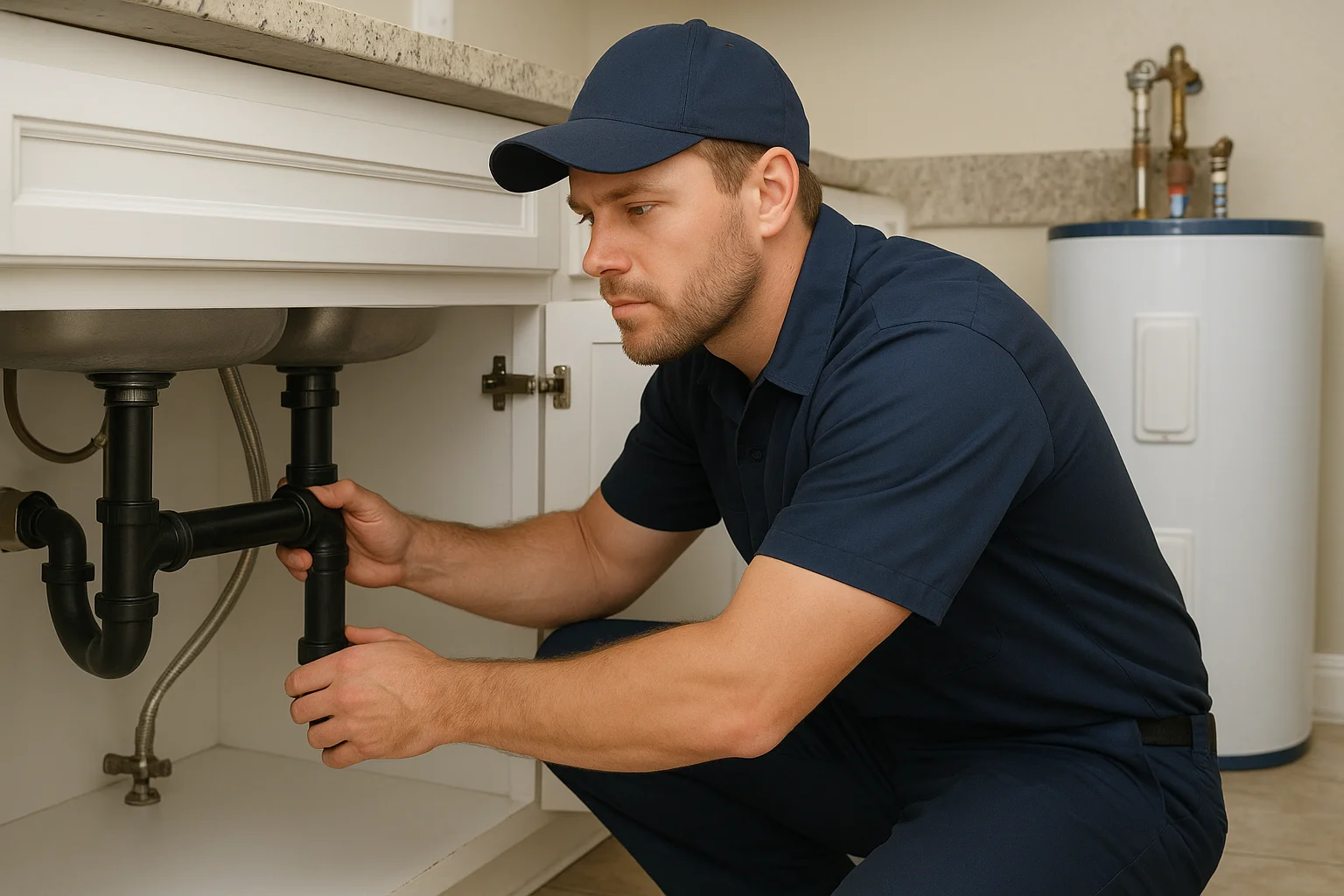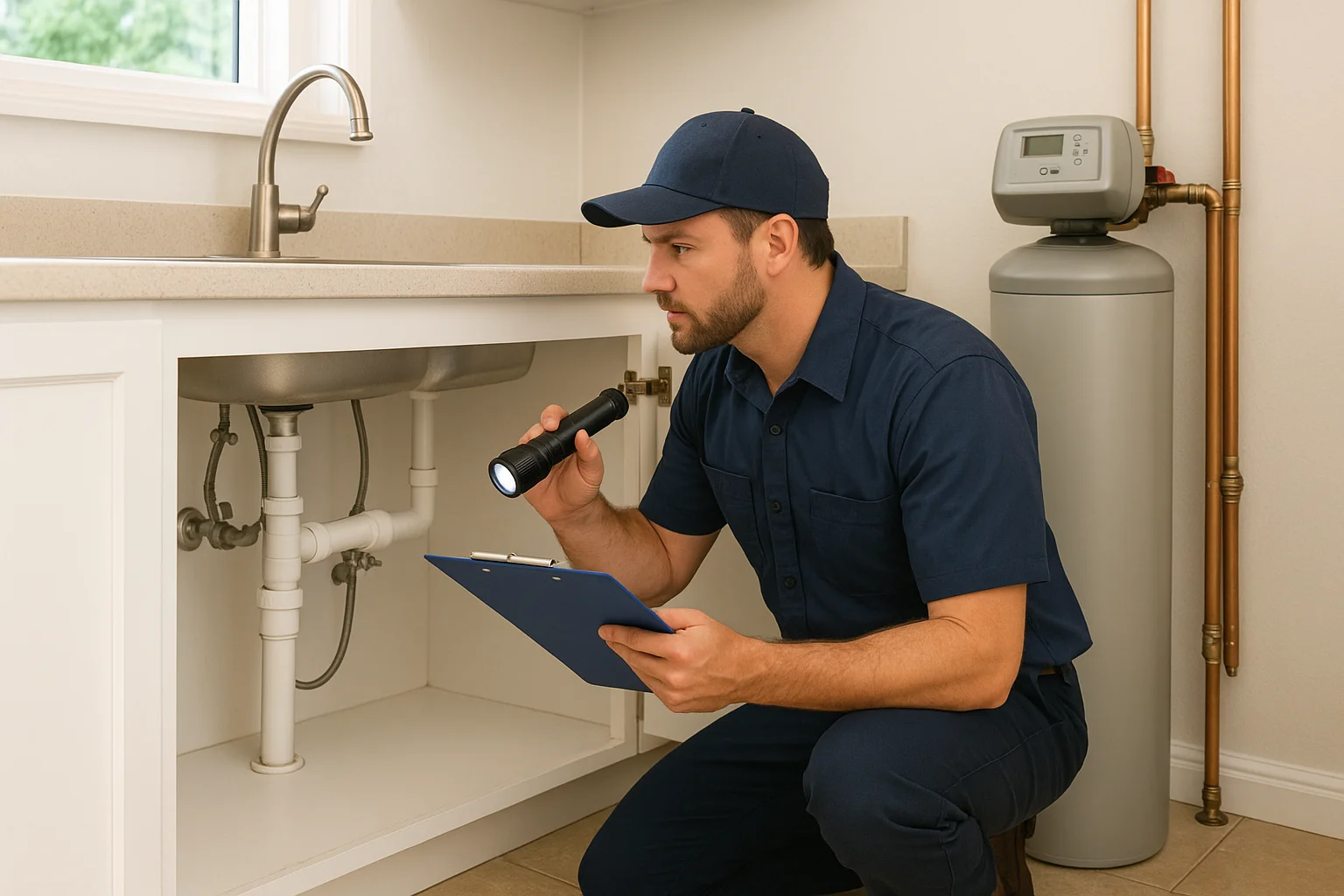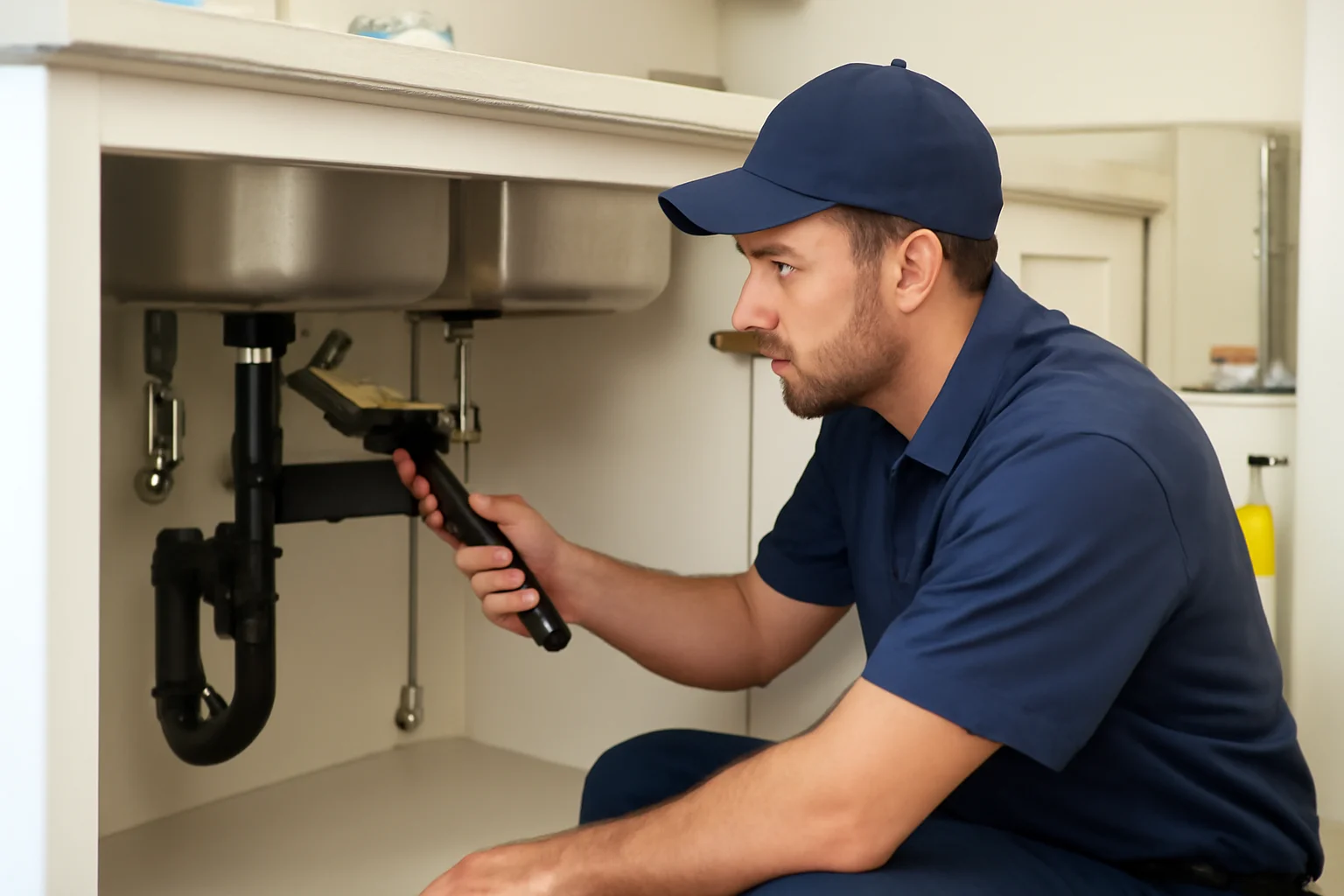
Lynn Haven homes sit close to the Gulf, with humid coastal weather and seasons that can stress plumbing systems. When a leak is small or buried, it can stay out of sight while it quietly affects drain flow, water pressure, and even the concrete slab beneath your feet. This guide connects common plumbing warning signs to leak detection and slab leak repair, with practical maintenance tips that can help you avoid expensive damage.
If you are searching for a plumber near me for leak detection near me or plumbing repair near me, the details below will help you describe the problem accurately and understand why fast diagnostics matter in Bay County.
Why hidden leaks are harder on Lynn Haven plumbing than you might think
Most homeowners notice a leak because of a puddle, a dripping faucet, or a toilet that runs. Slab leaks and underground line leaks are different. They can spread water into soil or under concrete where it is not visible right away. That makes them easy to miss until you see secondary effects like:
- Higher water use without a matching increase in showers, laundry, or irrigation
- Lower water pressure at fixtures
- Slower drains or recurring clogs
- Moisture under flooring, musty odors, or warm spots on tile
- Cracks in drywall or floors near plumbing routes
Lynn Haven’s mix of older homes, coastal humidity, and water that can be hard means pipes and fixtures may face mineral buildup and corrosion over time. Hard water can contribute to scale inside water lines and water heaters, while moisture from hidden leaks can worsen damage to surrounding materials.
Plumbing warning signs that connect to leak detection
When a homeowner calls for water leak repair near me, the goal is not just to stop the current symptom. A good leak detection process identifies where the water is leaving the system so repairs address the real cause.
1) Your water bill rises even though habits did not change
This is one of the most reliable clues. If the bill climbs and you cannot point to extra laundry, longer showers, or new landscaping water use, check for hidden leaks. A slab leak can leak continuously and still be small enough that you do not notice puddles.
Quick homeowner check: Turn off all faucets and avoid using water for a couple of hours. Then look at your water meter. If it keeps moving, you likely have an active leak somewhere in the plumbing system.
2) Water pressure drops at certain fixtures or after the system runs
Underground leaks can reduce pressure by letting water escape before it reaches your taps. You may notice weaker flow from one bathroom sink, a shower, or outdoor hose bibs, or pressure that changes when appliances run.
If you are also dealing with a failing water heater repair near me or inconsistent hot water, a leak can sometimes be part of the bigger picture. For example, water escaping on the supply side can mimic “performance issues” that look like heater problems.
3) Drains gurgle, back up, or clear up only temporarily
Clogged drains and sewer line issues can overlap with leaks. A leak can change how wastewater moves, and a damaged pipe can trap debris more easily. Homeowners often start with drain cleaning near me because the symptom looks like a blockage, but the root cause may be pipe damage.
Watch for patterns: slow drains that recur in the same area, gurgling sounds from floor drains, or toilets that take longer to empty. If you suspect the issue is recurring, it is worth pairing drain troubleshooting with leak detection diagnostics.
4) Damp spots, warm areas on floors, or persistent odors
Slab leaks can heat up the surrounding area as water flows under the concrete. Some homeowners notice a tile section that feels warmer, a slight rise in moisture, or musty smells that come and go.
Because Lynn Haven homes may have crawl spaces and concrete slabs in different areas, moisture can show up in surprising spots. If you see dampness near plumbing walls or under flooring, do not assume it is only condensation. It may be a plumbing leak.
5) Cracks in drywall, doors that stick, or gaps around baseboards
When water undermines soil below a slab, it can contribute to shifting. That can lead to cracks and misalignment. While foundation issues can have many causes, plumbing leaks are a common contributor to ongoing moisture and movement.
How leak detection works for Lynn Haven slab and underground plumbing
Leak detection is not guesswork. A professional approach uses specialized tools and a methodical plan to narrow down the problem. The process typically includes:
- Interview and inspection: Reviewing symptoms like water use changes, pressure behavior, and where you notice moisture or slow drainage.
- System testing: Checking supply and return behavior and identifying likely leak zones.
- Targeted diagnostics: Using listening devices, pressure testing, and other methods suited to the pipe material and layout.
- Locating the leak path: Determining whether the leak is in a wall line, under the slab, or related to a sewer or drain line.
- Repair planning: Selecting the least invasive approach that restores safe flow and long term performance.
If you are comparing options for plumbing repair near me, ask whether the company will explain how they locate the leak and how they confirm results before closing the work. Reliable diagnostics help reduce repeat repairs and unnecessary demolition.
For homeowners who want preventive context, these guides can also help: Why Lynn Haven Families Rely on Preventive Plumbing Care for Hidden Leaks and Slab Repairs and Cleaner Water, Smarter Plumbing: A Lynn Haven Homeowner's Guide to Preventing Problems.
Slab leak repair: what it means for drains, pipes, and long term performance
A slab leak is a leak in a water supply line or related plumbing line that runs beneath a concrete foundation. Because the leak is hidden, repair strategy matters. The goal is to stop water loss, prevent further soil erosion or slab movement, and restore proper pipe performance.
Common causes behind slab leaks in coastal Bay County homes
- Pipe corrosion from age and water chemistry
- Shifting soil and settlement that stresses joints and pipe runs
- Water hammer from sudden valve closures that stresses older lines
- Temperature changes that expand and contract pipes
- Installation wear that shows up years later as seals fail
Hard water can accelerate scale buildup and contribute to internal stress. Over time, that can affect water flow and increase the chance of leaks at joints or vulnerable sections.
Repair options and why minimally invasive approaches matter
Slab leak repair methods vary based on the leak location, pipe material, and severity. A good contractor will match the method to the specific diagnostics rather than using one-size-fits-all repairs.
In many cases, the best path includes:
- Confirming the leak location before opening concrete
- Repairing or replacing the affected section with materials that fit the system
- Testing the system afterward to verify the leak is actually resolved
- Addressing connected systems if the leak has affected surrounding lines, fixtures, or drain performance
Because slab leaks can impact water pressure and hot water delivery, homeowners sometimes notice that their shower flow changes after the leak worsens. Fixing the leak can restore normal pressure and improve fixture performance.
Maintenance tips that can save money before a leak turns into an emergency
You cannot prevent every pipe issue, but you can reduce the odds that small problems grow. These practices are especially useful for Lynn Haven households dealing with seasonal humidity, hard water, and older plumbing.
Track water use and listen for changes
Check your water bill patterns monthly. If you see a rise, investigate early. Also, pay attention to fixture behavior: new slow drains in one bathroom, a toilet that suddenly runs longer, or pressure swings during laundry cycles.
Use your fixtures like a diagnostic tool
When you suspect a leak, compare performance across fixtures. For example:
- If one sink has weak flow but others are normal, the issue may be localized to a branch line or fixture supply.
- If multiple fixtures show pressure drop at the same time, the leak could be closer to the main supply route.
- If hot water behaves differently than cold, the issue may involve the water heater piping, a mixing valve, or a leak affecting the hot supply line.
For related guidance, see How Everyday Plumbing Wear and Tear Shortens Water Heater Life in Lynn Haven Homes.
Keep drains flowing to reduce stress on sewer lines
Clogs can raise internal pressure in drain lines and contribute to backups. Regular maintenance helps protect pipes and fixtures. If you have recurring bathroom drain slowdowns, consider routine cleaning rather than waiting for a full backup.
For homeowners searching for bathroom drain cleaning near me or clogged pipes and drain services, it helps to choose a service that also evaluates how water is moving through the system, not just how to clear the symptom. Learn more about Clogged Pipes and Drain Services.
Reduce hard water impact where you can
Hard water can contribute to scale in water heaters and inside supply lines. Over time, scale can reduce flow and increase stress on components. If you have persistent performance problems, ask about Water Softening or filtration options like Reverse Osmosis Systems depending on your household needs.
Know the difference between a leak and a fixture problem
A leaking faucet or toilet can look like a slab leak at first, especially if you are watching water use. Toilets, in particular, can quietly run water into the bowl. If the water use is rising but you are not seeing dampness, check toilets for flapper and fill valve issues. If you need toilet repair near me or fixture replacement, professional diagnosis can prevent wasted water and repeated callbacks.
For fixture updates, you can also review Plumbing Fixture Replacement.
Be cautious with DIY when the leak seems underground
Common homeowner fixes like patching a visible pipe or using sealants may help for surface leaks, but they can hide bigger problems. If you suspect a slab leak because of pressure changes, moisture, or rising bills, DIY actions can delay proper leak detection and increase repair complexity.
Emergency plumbing concerns in Lynn Haven: what to do right away
Some plumbing problems deserve immediate attention because they can damage flooring, cabinets, electrical outlets near wet areas, and subfloor materials. Even though you are focused on plumbing, emergencies often affect more than just pipes.
Call for emergency plumbing help if you notice:
- Active water pooling near walls, baseboards, or under flooring
- Rapid water use increases or a water meter that keeps moving when the home is quiet
- Major pressure loss with multiple fixtures
- Backups that involve sewage or foul odors
- Cracks expanding quickly or doors suddenly misaligning
While waiting for service, shut off the water supply if you can do so safely. If the leak is near a water heater or hot water lines, be careful with hot water and scald risk. If you are also dealing with a failing hot water heater repair near me or you suspect the heater is not performing normally due to system issues, mention it to the technician so they can evaluate the broader plumbing setup.
How to choose a local plumber for leak detection and slab leak repair
When you want a local plumber near me for slab leak repair, the right questions can save time and money. Look for a company that:
- Uses diagnostics to locate the leak before opening concrete
- Explains how they confirm results and restore normal water flow
- Can handle related issues like sewer line help if the symptoms point that direction
- Offers fast scheduling for urgent plumbing repair concerns
- Understands how Lynn Haven water use patterns, humidity, and pipe age affect outcomes
If you need leak detection and slab leak repair in Lynn Haven, you can review the service details here: /service-areas/bay-county/lynn-haven/leak-detection-and-slab-leak-repair-lhfl. You can also browse the broader Lynn Haven service area coverage at /service-areas/bay-county/lynn-haven or learn about Bay County plumbing needs at /service-areas/bay-county.
For additional preventive ideas that connect water quality and pipe health, these posts are worth reading: Keeping Lynn Haven Homes Ahead of Water Problems With Cleaner, Smarter Plumbing and the preventive leak-focused guide above.
Connecting the dots: from warning signs to the right repair plan
When a homeowner sees rising water use, changing water pressure, and recurring drain problems, it can be tempting to treat symptoms one at a time. A better approach is to connect the dots:
- Water bill increases often point to a hidden leak that leak detection can locate.
- Pressure drops can reflect supply line leaks or flow restrictions.
- Slow drains and gurgling can overlap with damaged lines or sewer line help.
- Moisture or warm floor spots can signal slab leaks beneath your foundation.
With the right diagnostics and repair method, you protect the plumbing system’s performance, reduce wasted water, and help prevent secondary damage that costs more to fix later.
If your home in Lynn Haven is showing warning signs, start by documenting what you see. Note when the problem happens, which fixtures are affected, and whether your water meter changes when the home is idle. Then choose a plumber who can perform precise leak detection and slab leak repair so the solution matches the actual leak location and plumbing layout.
Find Leak Detection and Slab Leak Repair in Lynn Haven, FL
If you need Leak Detection and Slab Leak Repair in Lynn Haven, FL, visit our local service page or contact A Superior Mechanical today.
Map of Lynn Haven, FL
Frequently Asked Questions
Can a slab leak cause higher water bills without visible puddles?
Yes. Slab leaks can leak continuously under concrete, so you may not see water on the surface. The first clue is often rising water use when household habits did not change.
How do plumbers find the location of a hidden leak under a foundation?
Leak detection typically combines inspection, system testing, and specialized tools to narrow down the leak zone. A reliable provider confirms findings before making repairs.
What should I check before I call for leak detection in Lynn Haven?
Check your water meter movement during a quiet period, note any pressure changes at specific fixtures, and look for recurring slow drains or moisture near plumbing walls. These details help technicians target diagnostics faster.
Will slab leak repair restore normal water pressure and drain performance?
Often, yes. When the leak stops, the supply system can return to normal flow and pressure. If the leak affected nearby lines, the repair plan may also address those connected components.
Is it safe to keep using water if I suspect a slab leak?
It is safer to limit water use and arrange professional leak detection quickly. Continuous leaking can worsen soil movement and increase damage costs.
Related Articles
- How Everyday Plumbing Wear and Tear Shortens Water Heater Life in Lynn Haven Homes
- Why Lynn Haven Families Rely on Preventive Plumbing Care for Hidden Leaks and Slab Repairs
- Cleaner Water, Smarter Plumbing: A Lynn Haven Homeowner's Guide to Preventing Problems
- Keeping Lynn Haven Homes Ahead of Water Problems With Cleaner, Smarter Plumbing
Photo Gallery