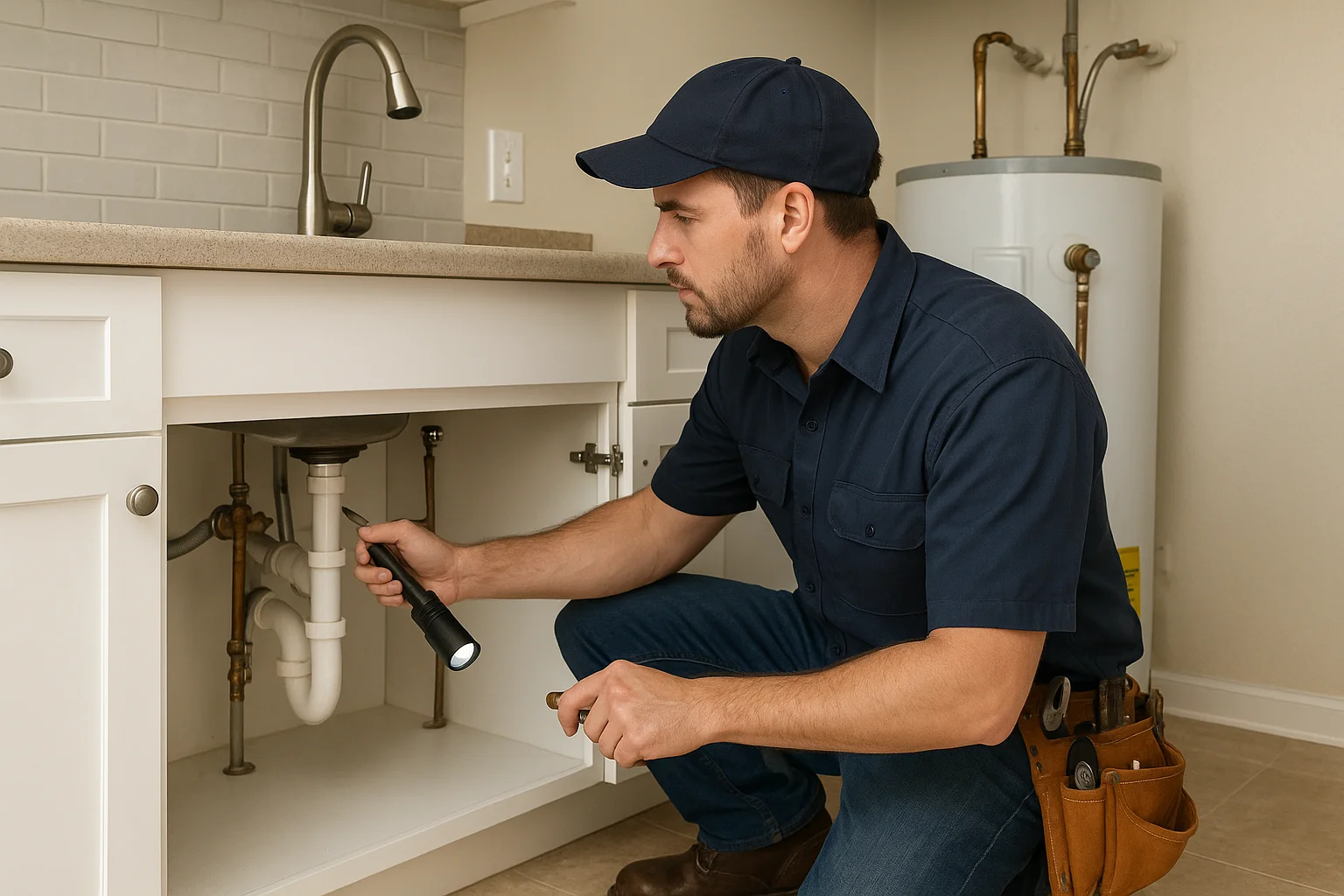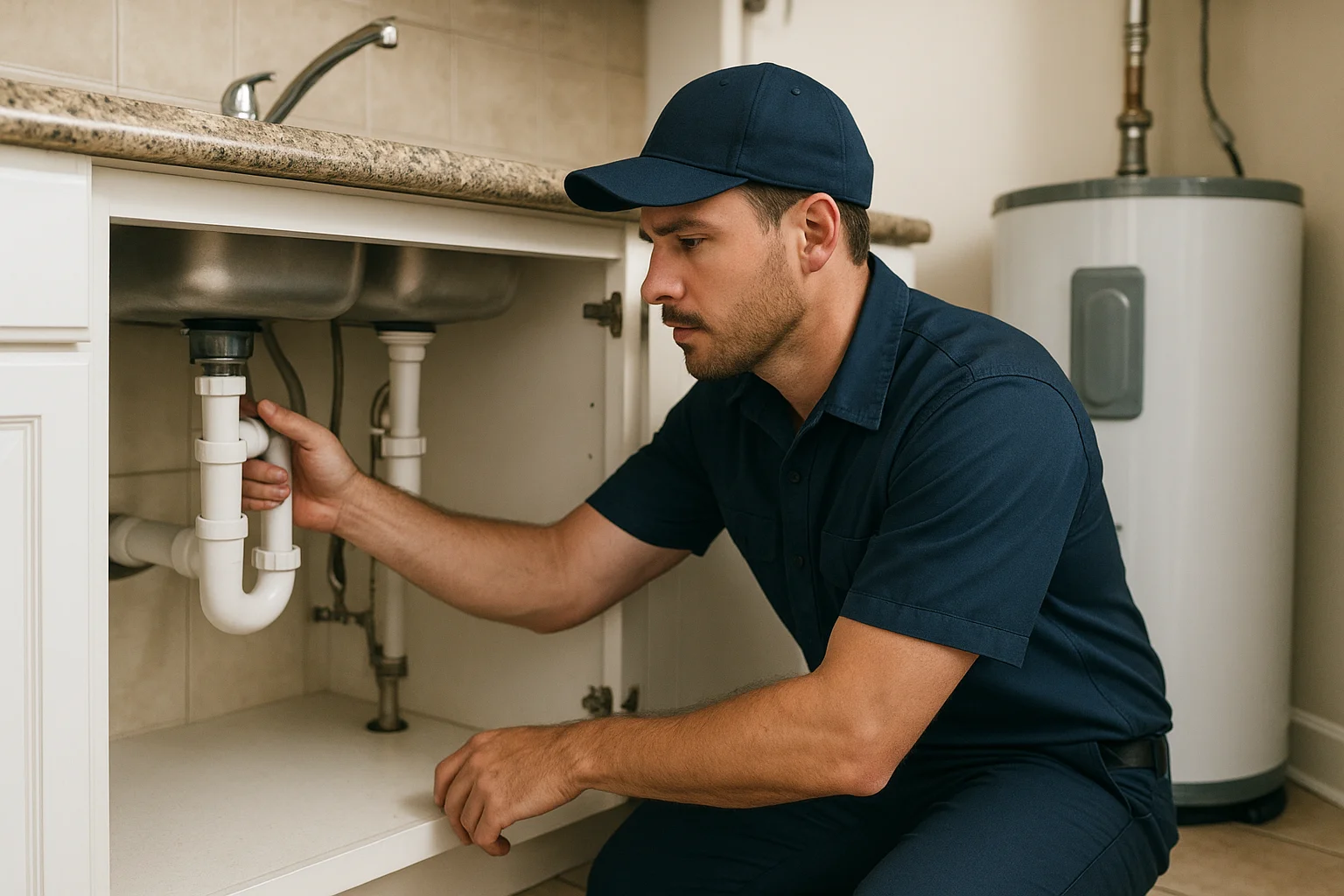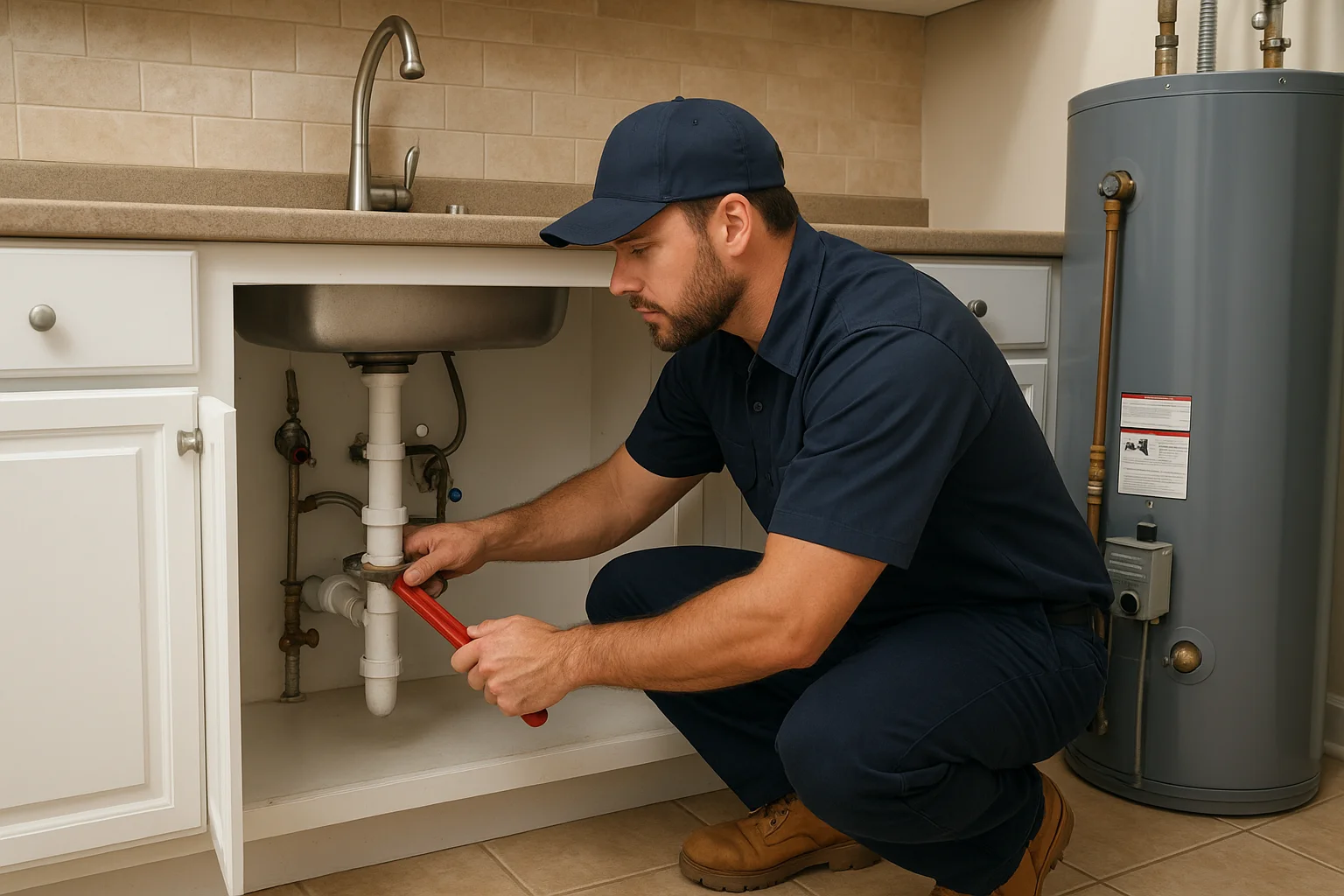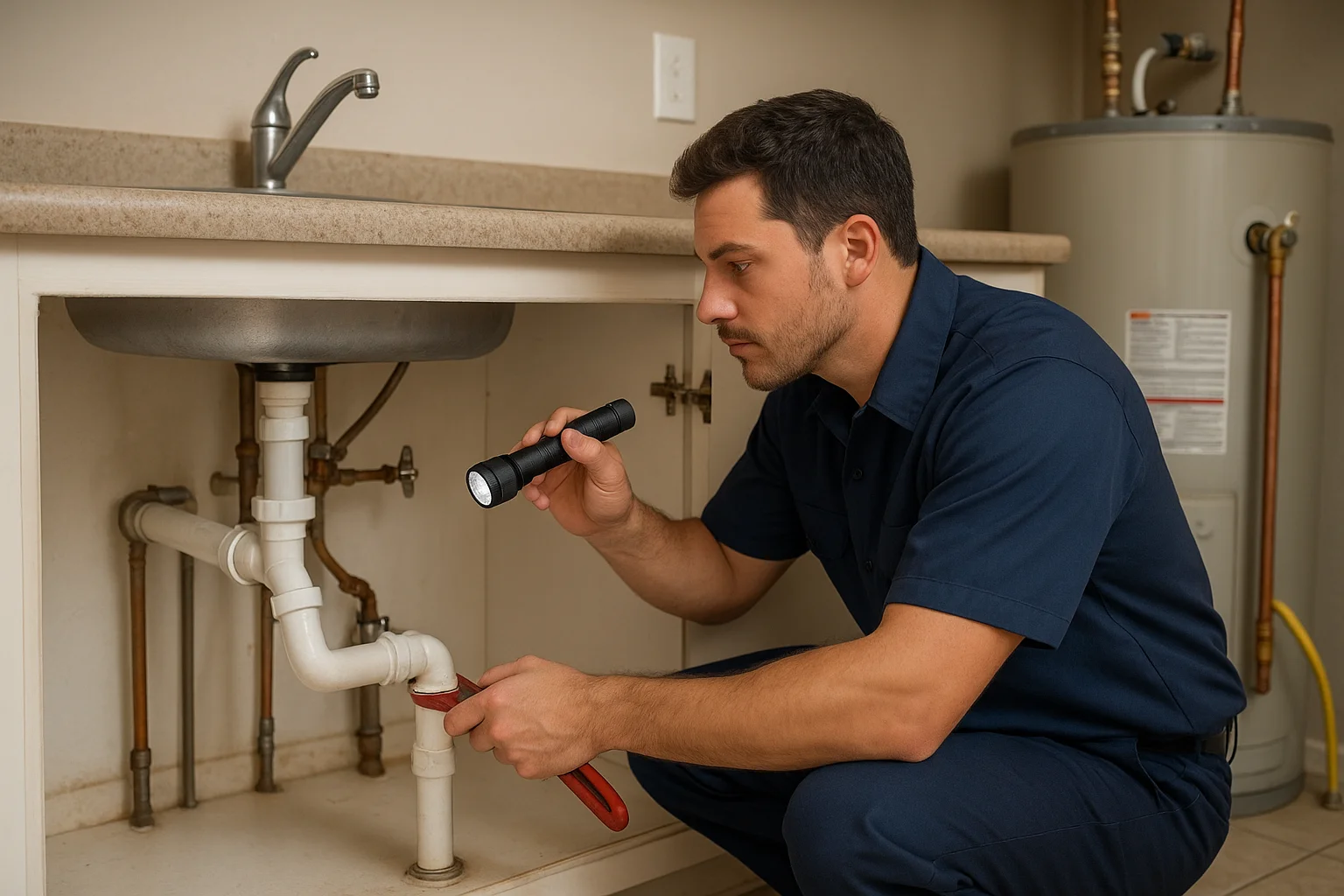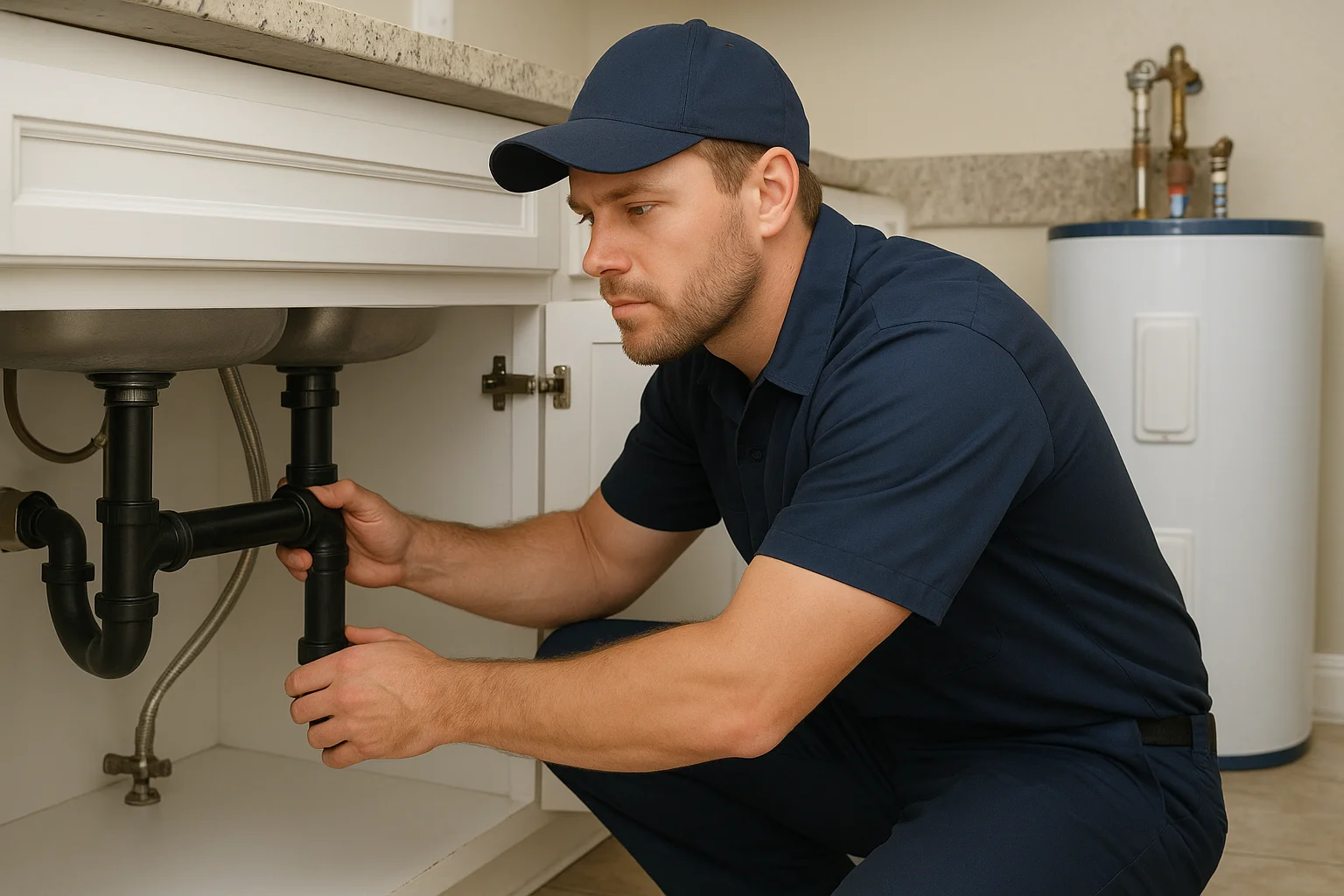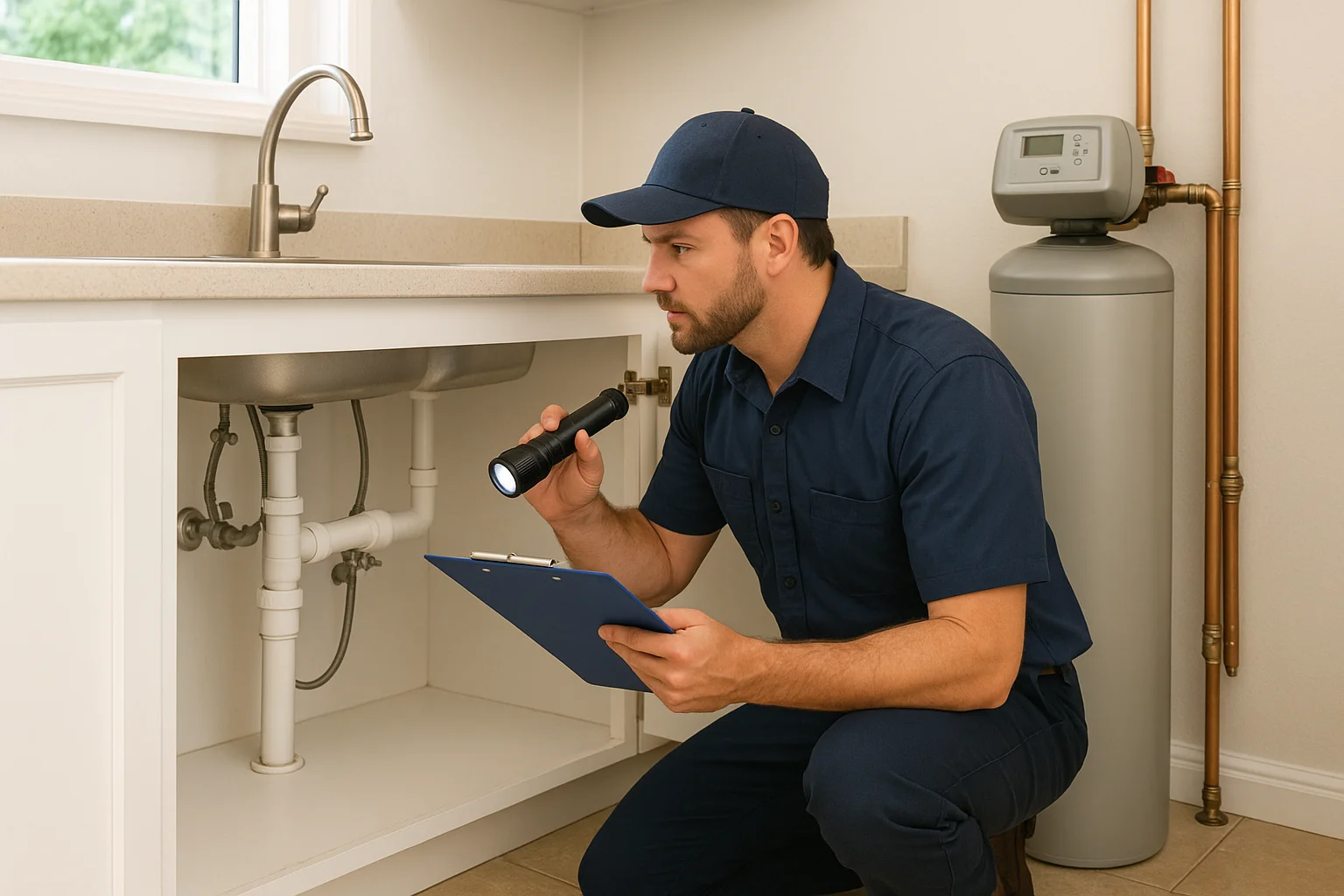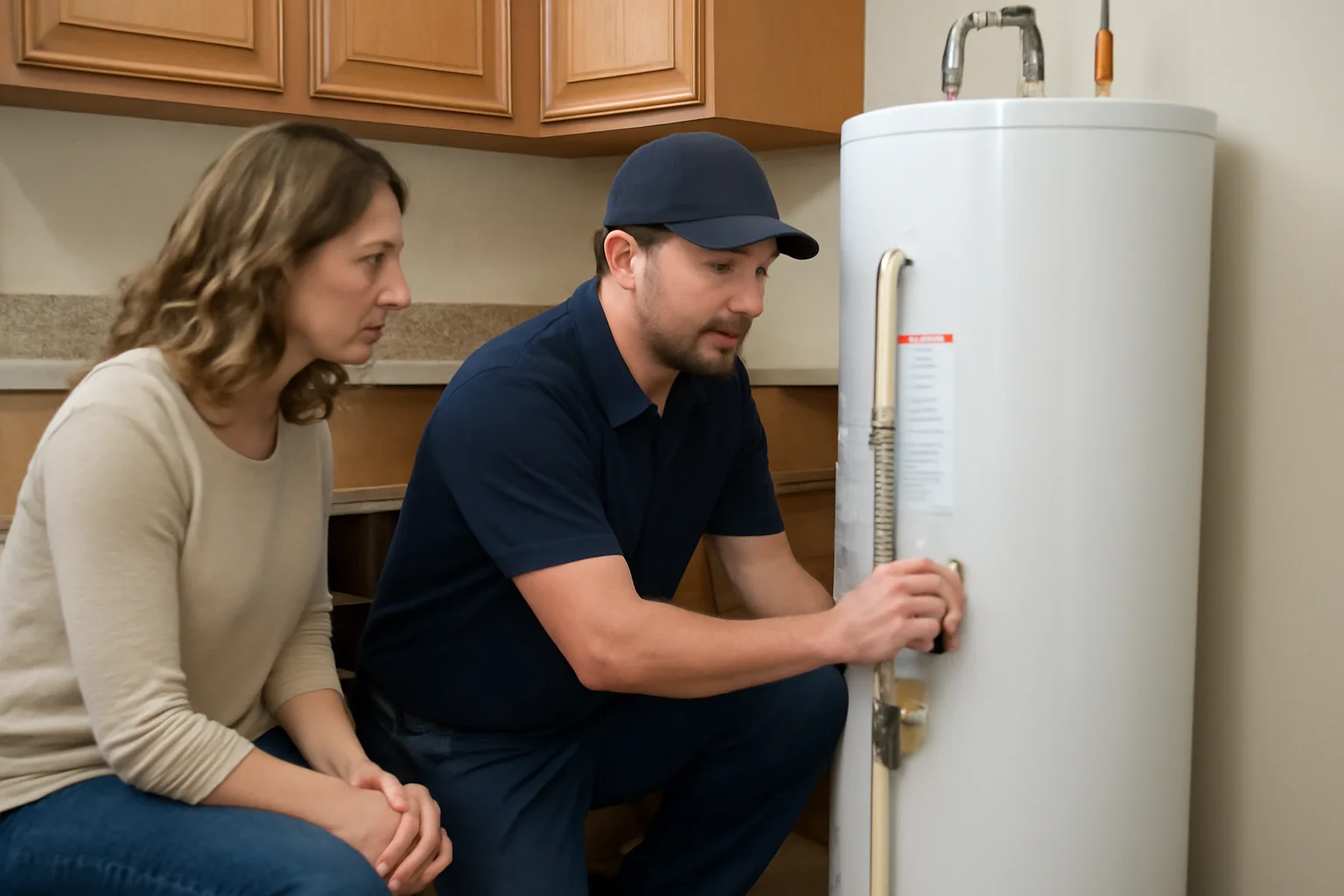
Water heater installation is one of those home projects that can look simple from the outside, but the plumbing details matter. In Wright, FL, where homes may rely on steady daily hot water for showers, laundry, and dishwashing, the wrong setup can lead to poor performance, recurring leaks, or even emergency plumbing concerns. This guide walks you through the key planning points, common issues we see around Okaloosa County, and how to protect your pipes, drains, and fixtures while getting a dependable new unit installed.
If you are searching for a water heater installation service in Wright, FL, this is also a helpful checklist to bring to your plumber near me call.
Start with the basics: what type of water heater fits a Wright home
Before installation begins, a good plumber will confirm your home’s needs and your existing plumbing layout. Wright area households often have different hot water demand depending on how many bathrooms are in use, how frequently laundry runs, and whether outdoor fixtures or irrigation share the same supply.
Common installation options include:
- Tank water heaters for many standard homes, especially when you want predictable hot water recovery without frequent maintenance complexity.
- Tankless water heaters when you want hot water on demand and potentially more efficient operation. Tankless installation still requires careful plumbing sizing and proper venting.
- Gas or electric water heaters, chosen based on availability, your utility setup, and the condition of nearby piping and vent routes.
If you are considering an upgrade, you can also explore tankless water heater services to understand how the installation requirements differ from a traditional tank system.
Sizing is not a guess. It affects water pressure, recovery, and comfort
One of the most common homeowner frustrations after a replacement is “Why is my shower not as hot?” or “Why does hot water run out too fast?” Those issues often come back to sizing and system capacity.
A professional installer will factor in:
- Household size and peak usage (morning showers plus dishwasher and laundry at the same time).
- Recovery rate for tank units, which impacts how quickly the heater refills after heavy use.
- Flow rate and temperature rise for tankless units, especially if multiple fixtures run simultaneously.
- Your current water pressure and pressure regulator condition. If pressure is off, it can stress fixtures and contribute to leaks at connections.
Wright homes can also see performance swings when older plumbing has mineral buildup or when hard water contributes to scale. Hard water can reduce heater efficiency over time and may require flushing and maintenance sooner than expected.
Check the plumbing path: pipes, valves, drains, and where leaks like to start
Water heater installation is not only about setting the tank in place. The plumber must connect the unit to the existing hot and cold supply lines, confirm shutoff valves are working, and verify that discharge and drain components are correct.
Look for these common plumbing realities in Okaloosa County homes:
- Corroded supply lines or aging fittings that can start leaking once the pressure is restored.
- Loose or worn connections near the inlet and outlet ports.
- Drain pan and discharge piping that may be missing, clogged, or improperly routed.
- Vent-related concerns for gas units, which require correct routing and safe clearances.
Even if your main goal is water heater replacement near me, a thorough install should include a quick review of surrounding plumbing. That helps catch issues that might otherwise show up later as water leak repair near me calls.
Hard water and scale: why installation should include a maintenance plan
Wright homeowners often deal with hard water, and it can affect more than your faucets and showerheads. Mineral scale can build up inside the tank and on heating surfaces, reducing efficiency and shortening service life. Over time, scale can also contribute to sediment that settles in low points of the system.
A smart installation plan includes:
- Confirming the correct anode rod type and replacement schedule for tank units.
- Flushing intervals based on water conditions and usage.
- Checking temperature and pressure controls so the system runs safely and consistently.
- Inspecting nearby fixtures for signs of wear that may be amplified by changes in pressure.
If you are already seeing mineral buildup, you might also want to consider water filtration services to help protect your water heater and plumbing fixtures.
Water pressure and temperature settings: small changes can prevent big headaches
After installation, the plumber should verify water pressure and set the temperature correctly for your household. Too high a temperature can increase the risk of scalding and can accelerate wear on internal components. Too low can leave you with lukewarm showers and complaints that lead to unnecessary “replacements” when the issue is actually a setting.
Pressure also matters for:
- Toilet fills and flush performance (weak pressure can affect refill times).
- Faucet repair needs (pressure changes can reveal worn cartridges and seals).
- Joint stress on older pipes and connections.
If you notice ongoing issues with fixtures after a new heater is installed, a plumber may need to perform a broader home plumbing inspection near me style check of the supply lines and pressure regulator.
Venting and safety: gas water heaters need careful attention
For gas water heaters, proper venting is critical. A safe installation requires correct vent pipe materials, proper slope and connections, and safe clearances. If venting is wrong, it can create performance problems and safety risks that are not worth guessing at.
Homeowners sometimes try to “save time” by reusing old vent components. In Wright homes, that can be a mistake if the existing venting no longer matches current best practices or if previous repairs were not completed correctly. A qualified plumbing team will inspect and correct what is needed rather than relying on what is already there.
When drains and sewer lines get involved
Water heater installation can indirectly impact drains and sewer lines. For example, the discharge line from the temperature and pressure relief valve must be handled correctly. If it is routed poorly, it can drain into areas that cause moisture problems or clogs.
Also, if your home has recurring drain issues, sediment and scale from the plumbing system can contribute to slow drains and buildup in drain lines. When a homeowner is searching for clogged pipes and drain services because multiple fixtures are backing up, the plumber should also consider whether hot water usage is stirring up sediment in older piping.
And if you are dealing with a sewer drain cleaning near me situation, remember that hot water plumbing and drain plumbing are connected through your home’s overall piping layout. A comprehensive approach helps prevent repeated problems.
Signs your water heater replacement may be urgent
Some homeowners wait until the unit fails completely. Others notice small problems that deserve attention before they turn into a water damage situation.
Call a plumber for evaluation if you see:
- Puddles around the base or dampness in the surrounding cabinet or utility closet.
- Rust-colored water coming from hot taps.
- Strange noises like popping or rumbling, often tied to sediment buildup.
- Inconsistent hot water or sudden drops in temperature.
- Frequent relief valve discharge or leaking from connections.
In Wright, emergency plumbing concerns can escalate quickly when humidity and storm activity increase. If you suspect a leak, do not wait for “it to stop.” Reach out for local plumbing help in Wright so the issue can be assessed before it damages floors, cabinets, or drywall.
Slab leaks and hidden water damage: what homeowners should watch for
Some water heater problems look like “just a leak,” but they can be connected to broader plumbing issues. Slab leak repair near me searches often rise when homeowners notice unexplained moisture, warm spots on the floor, or recurring dampness. If you live in a home with a slab foundation, water from a compromised pipe connection may travel before you notice it.
Because water heaters tie into supply lines that run through walls or under slabs, a new installation should include careful checks of nearby piping. If you are already seeing persistent moisture or water pressure changes, ask your plumber to consider the possibility of hidden leaks or related plumbing failures.
For homes where slab leaks are suspected, it helps to know how professional plumbing service helps Wright homes avoid costly water damage, especially when water is involved in more than one area.
Permits, code, and why DIY water heater installation can backfire
Water heater installation is regulated for a reason. A correct install depends on safe venting, correct vent termination, correct pipe sizing, pressure relief discharge requirements, and proper connections. Local code requirements in Okaloosa County can also affect what materials are acceptable and how discharge lines should be run.
DIY attempts can create problems that show up months later, such as:
- Small leaks at fittings that only appear when the unit cycles.
- Discharge lines that clog or drain in the wrong direction.
- Improper venting that causes poor performance and safety concerns.
- Wrong sizing that leaves you with inadequate hot water and repeated service calls.
When homeowners search for a plumber near me, they are usually trying to avoid exactly these issues. The safest route is to hire a team that installs water heaters regularly and understands how to protect your existing plumbing system.
How to prepare for installation day so the job stays efficient
When you schedule water heater service, a little preparation can help your plumber work faster and reduce the chance of surprises.
Consider doing these steps ahead of time:
- Clear access to the water heater area, including the floor space around it.
- Confirm shutoff locations so the technician can isolate the water supply safely.
- Note any symptoms you have seen, such as lukewarm water, rumbling, leaks, or pressure changes.
- Check for water around nearby fixtures that might be related to supply line leaks.
- Ask about water filtration if you suspect hard water is impacting performance.
If your home has other plumbing concerns, mention them. For instance, if you have a garbage disposal repair near me situation or a toilet that is acting up, it may indicate broader plumbing maintenance needs. A good plumber will prioritize safety and efficient repairs while staying focused on the installation.
Common “after installation” issues and how they are handled
Even with a quality install, a homeowner may notice new symptoms as the system settles. Here are a few items that often come up and what they typically mean:
Hot water is available but runs out quickly
This usually points to sizing or recovery rate issues. It can also happen when multiple fixtures run at once. A plumber can evaluate whether the unit is appropriate for your household demand.
New leaks appear around the connections
Leaks can show up when older pipes and fittings are disturbed. The fix is usually a targeted repair at the connection point, not another full replacement.
Pressure feels too high or too low
A pressure regulator or supply line issue can cause inconsistent pressure. Correcting it helps protect fixtures and reduces wear on plumbing joints.
Relief valve discharge keeps happening
That can indicate temperature and pressure control problems. This is a safety issue and should be addressed promptly by a professional.
Maintenance that keeps your water heater and plumbing system healthy
Once your water heater installation is complete, simple maintenance can extend the life of the unit and reduce the odds of emergency plumbing concerns. In Wright homes, where schedules can be busy and seasonal humidity can affect surrounding areas, routine checks matter.
Consider these maintenance steps:
- Inspect the area around the heater for any signs of moisture or corrosion.
- Test the temperature and pressure relief valve as recommended by the manufacturer.
- Schedule periodic flushing for tank units, especially in hard water conditions.
- Check sediment and water quality if hot water performance declines.
- Keep vents and discharge lines clear so the system can operate safely.
If you are also managing older fixtures, you may find it helpful to read A Smarter Way to Handle Plumbing Fixture Replacement in Wright, FL so fixture upgrades and water heater performance work together instead of fighting each other.
Why local plumbing service matters in Wright, FL
Wright is part of Okaloosa County, and local plumbing service matters because homes here share similar water conditions, common pipe age ranges, and weather patterns that can stress plumbing systems. Storms and seasonal humidity can reveal existing weaknesses. Hard water can speed up scale buildup. Older drain lines can become more sensitive when water heater performance changes sediment flow through supply and drain connections.
When you choose a local team that understands Wright plumbing habits and common issues, you get more than a swap. You get a practical install that protects your pipes, fixtures, drains, and sewer lines.
If you are trying to figure out whether you need a water heater replacement, or you are also dealing with a leak repair situation, start with a service call through our Wright water heater installation page. If you want an overview of services available across the area, visit the Wright service page and explore options across Okaloosa County.
Related service options homeowners often combine with water heater work
Water heater installation sometimes pairs with other plumbing maintenance tasks, especially in older homes.
- Drain cleaning and pipe repair if you are noticing slow drain repair near me symptoms that appear alongside hot water changes. A plumber can evaluate whether scale or sediment is contributing to backups.
- Water filtration to reduce hard water scale buildup. Consider reverse osmosis systems if your household wants additional water treatment.
- Tankless water heater services if you are upgrading for efficiency and space savings. See tankless water heater services.
- Emergency plumbing support if you suspect a leak or burst pipe repair near me situation. For urgent scenarios, it helps to review Why Wright Homes Need Faster Emergency Plumbing Support.
Find Water Heater Installation in Wright, FL
If you need Water Heater Installation in Wright, FL, visit our local service page or contact A Superior Mechanical today.
Map of Wright, FL
Frequently Asked Questions
How do I know what size water heater I need for my Wright, FL home?
A plumber should calculate your household hot water demand based on the number of bathrooms, typical usage times, and your current system performance. Tank units are sized by capacity and recovery rate, while tankless units are sized by flow rate and temperature rise.
Will a new water heater fix low hot water pressure?
Not always. If you have low pressure at showers or faucets, the cause may be a pressure regulator issue, older supply piping, or fixture problems. A professional installer can check water pressure and inspect connections during installation.
What should I do if I notice a leak after installation?
Shut off the water supply to the heater if you can do so safely and contact a plumber right away. Leaks can worsen quickly and may be caused by worn fittings, corrosion, or a discharge line issue.
Can hard water shorten the life of a water heater?
Yes. Hard water can cause mineral scale buildup inside the tank and on heating components. Regular flushing for tank heaters and water treatment options can help improve performance and extend service life.
Is DIY water heater installation safe in Wright, FL?
Water heater installation involves plumbing connections, safe venting for gas units, and correct pressure relief discharge routing. DIY work can lead to leaks, code issues, and unsafe operation. Hiring a licensed plumbing professional is the safer option.
Related Articles
Photo Gallery