Getting a new water heater installed feels straightforward, but the plumbing details matter. In 30A and across Walton County, homes often sit near salt air, use a lot of water through beach seasons, and rely on aging pipes and fixtures. A small mistake during installation can show up weeks later as a slow leak, a rusty smell, or a water heater that never seems to work quite right.
This guide walks through the most common causes of plumbing problems after water heater installation near 30A, FL. You will also learn what to watch for so you can catch issues early and avoid emergency plumbing concerns like water damage, sewer line stress, or a sudden loss of hot water.
Why water heater installation mistakes show up later in 30A homes
30A is a place where many homes are vacation rentals, second homes, and coastal properties that see heavy, uneven water use. When occupants arrive, showers start back-to-back, dishwashers run, and laundry piles up. That demand increases water pressure and flow through your pipes and fixtures. It also makes plumbing problems more noticeable if the installation was not done with proper sizing, venting, and connection details.
At the same time, local conditions like hard water and salt air can accelerate wear on valves, fittings, and internal tank components. Hard water can contribute to scale buildup, which affects heating efficiency and can increase internal stress. If the water heater is installed without the right safeguards, those stress points can turn into leaks, clogged drains, or pressure relief discharge issues.
1) Incorrect pipe fittings and connection problems
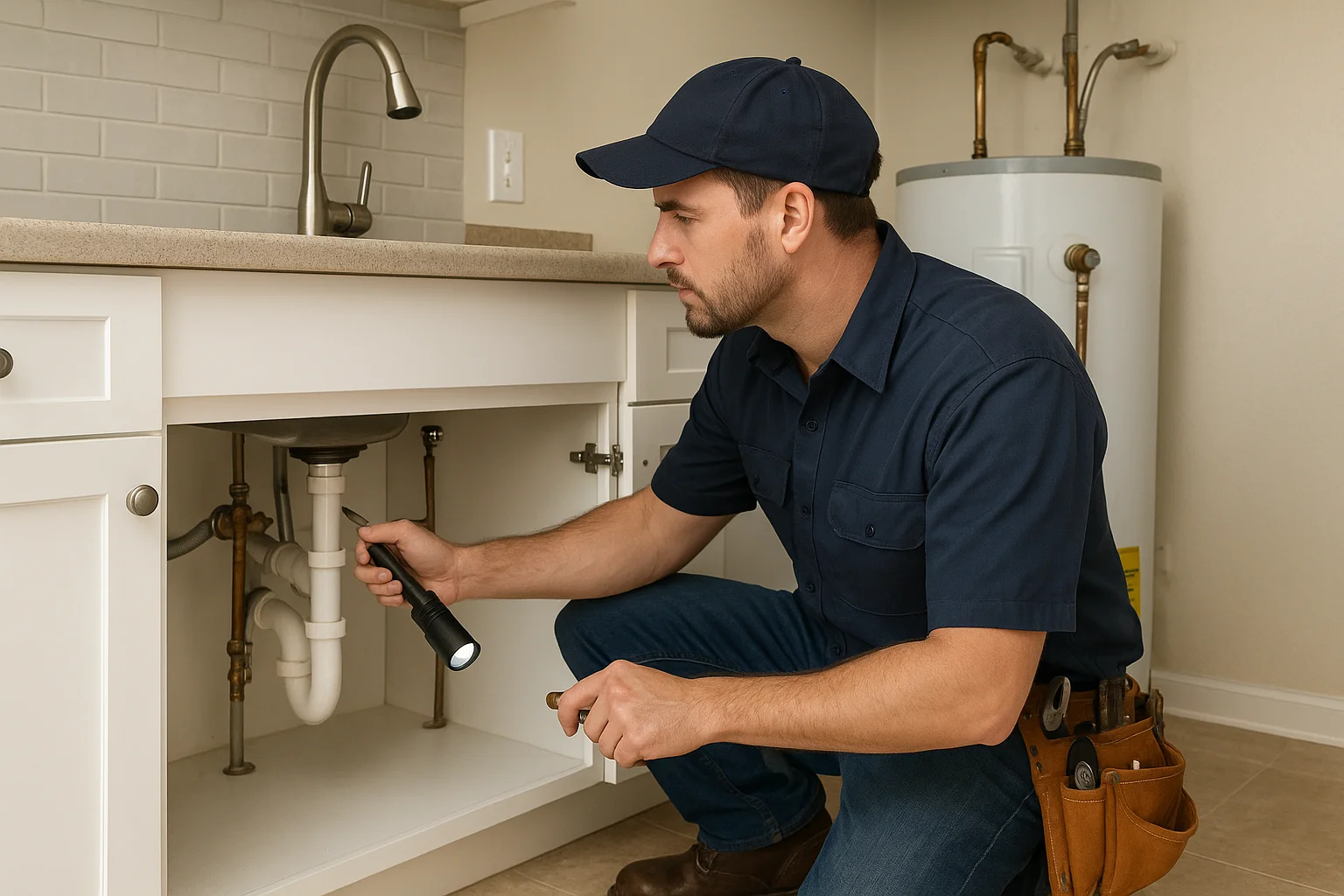
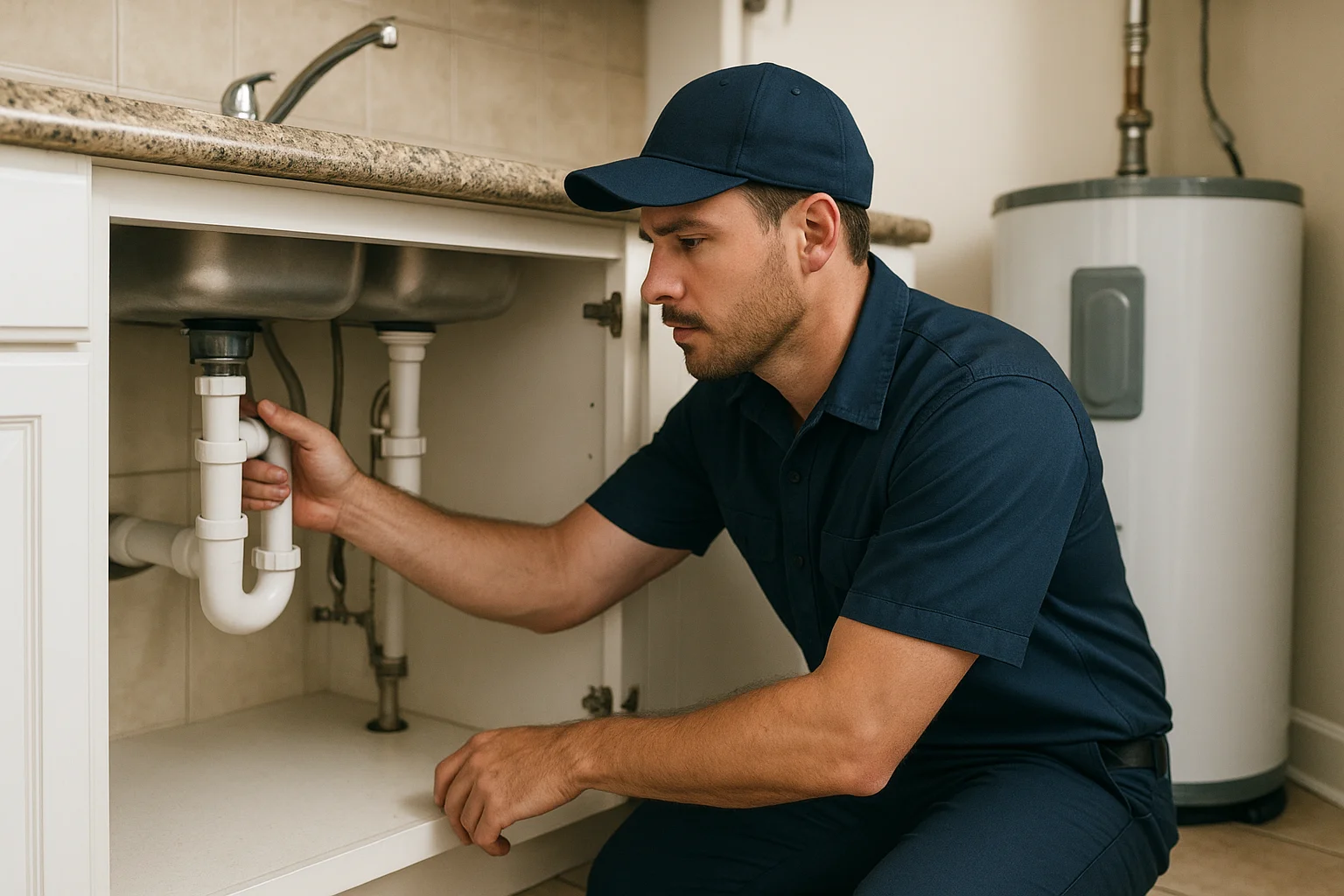
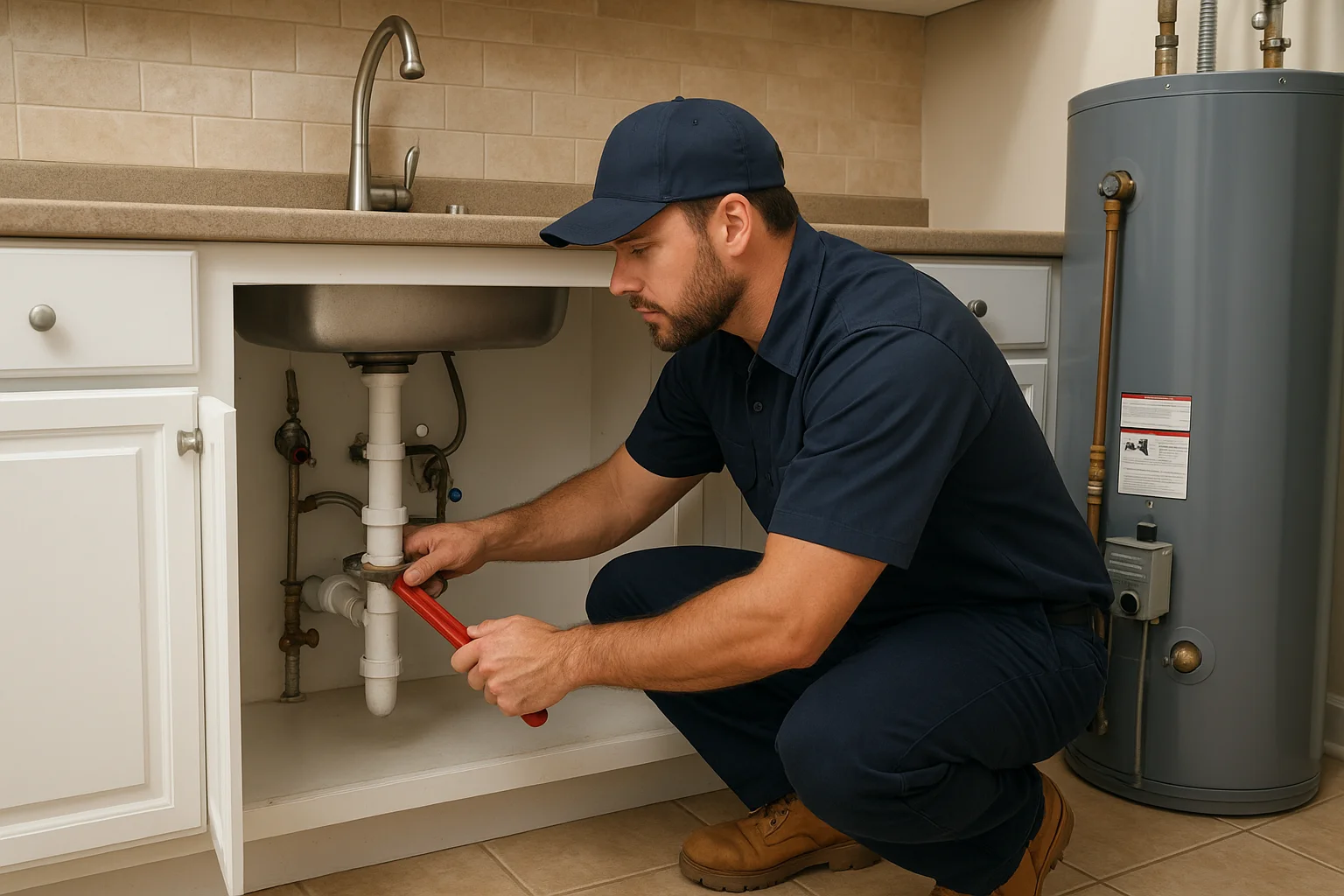
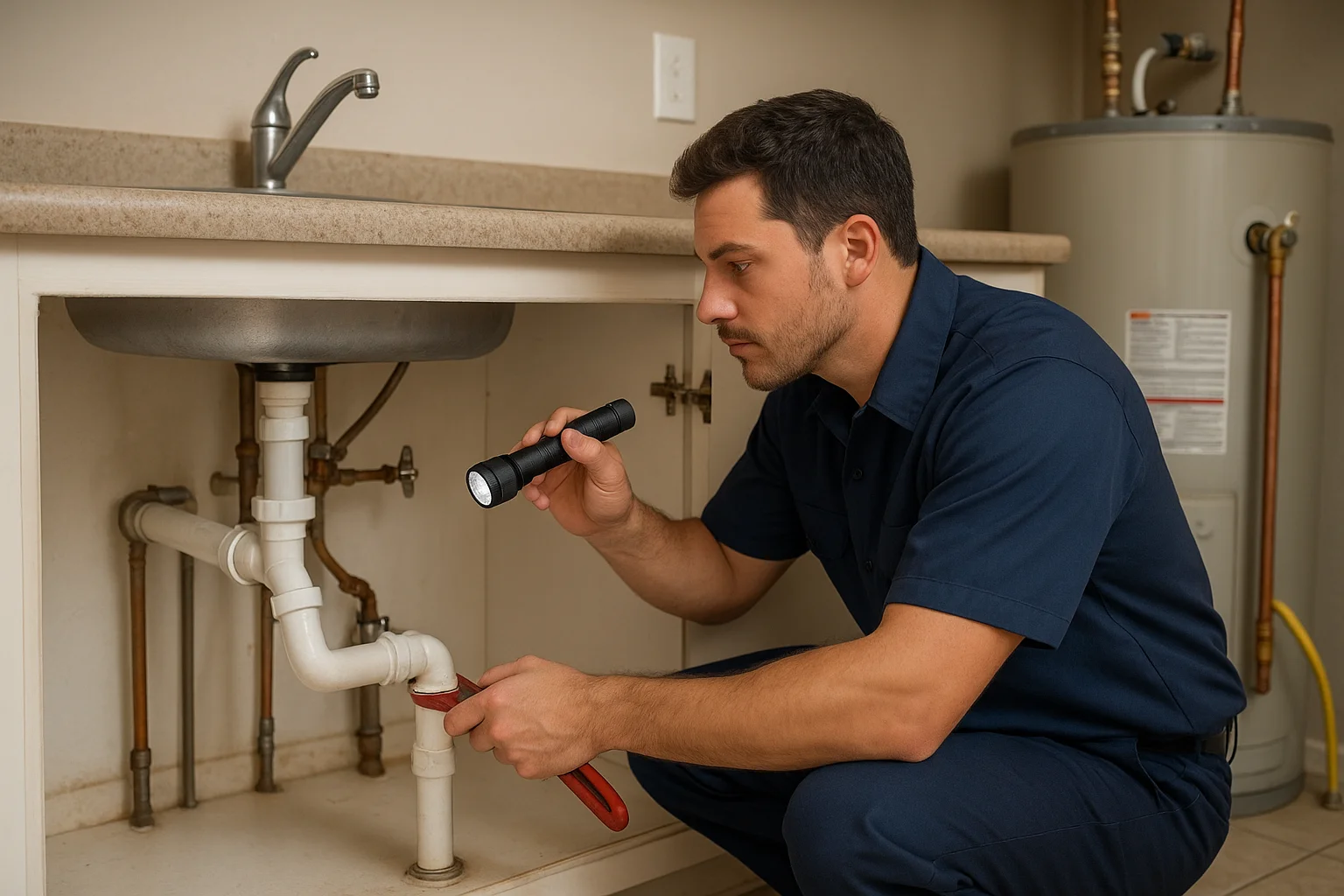
One of the most common causes of post-installation trouble is a connection that does not seal correctly. During water heater installation, plumbers typically connect the cold water inlet, hot water outlet, pressure relief valve discharge, and any drain line components. If threads are misaligned, gaskets are missing, or the wrong type of fitting is used for the pipe material, you may get a slow leak that is easy to miss at first.
Early signs homeowners notice
- Dampness around the base of the tank or at the hot and cold connections
- Corrosion or mineral deposits where water should not be
- Water pooling under insulation, drip pans, or in nearby cabinets
- Frequent “mystery” water spots after showers or laundry
Why it matters in coastal climates
Moisture can spread under flooring and into crawl spaces faster in humid coastal conditions. That is how a small leak becomes a larger repair plan, including floor replacement or slab leak evaluation. If you see dampness, do not wait for it to “go away.” Use leak detection near me or call a local plumber near me for a targeted inspection.
2) Water pressure issues that stress the new heater
Water pressure that is too high can shorten the life of a water heater and strain supply lines, valves, and the pressure relief valve. If the installation did not account for existing pressure, or if a pressure reducing valve was missing or malfunctioning, you may experience recurring problems.
On the other hand, low water pressure can cause poor performance, inconsistent hot water, and problems with fixtures. In either case, the plumbing system is not operating as intended.
What to watch for
- Water hammer noises when faucets shut off
- Pressure relief valve discharge that drips or runs
- Hot water that fluctuates when multiple fixtures run
- Higher utility bills because the heater works harder to keep up
Local plumbing reality
Many 30A neighborhoods have a mix of older plumbing and newer construction. If your home has been retrofitted over time, your water pressure setup might not match the current demand patterns. A licensed plumber near me can check pressure at the right points and confirm that the heater is connected to a properly functioning pressure system.
3) Drain and discharge line mistakes
Even when the tank connections are solid, the discharge and drain piping can cause big headaches. Most water heaters include a pressure relief valve that must discharge safely. Many also include drain components for maintenance or emergency relief. If these lines are installed incorrectly, you can see leaks, water pooling, or even blocked drainage paths.
Common installation issues
- Discharge piping that is not routed to an appropriate drain or safe termination point
- Drain lines installed with slopes that do not allow water to flow
- Valves or fittings that restrict flow
- Improper connection that creates backflow risk
Related plumbing concerns homeowners should not ignore
If you notice gurgling sounds, slow floor drains, or recurring moisture near a utility area, pairing water heater service with drain cleaning and leak repair may be necessary. When a clogged drain repair near me search turns into an urgent problem, it is often because multiple small issues were happening at once.
4) Venting problems, especially with tankless systems
Tankless water heaters are popular in coastal homes because they can supply hot water on demand. But tankless units rely on correct venting and proper combustion air. While venting is often discussed as a “safety” topic, it can also trigger plumbing-adjacent problems. Poor venting can lead to condensation, trapped moisture, or recurring shutdowns that push homeowners to keep resetting the unit.
Condensation management matters because it can affect nearby piping and fittings. Over time, moisture can contribute to corrosion and small leaks around joints and fixtures.
Early signs homeowners report
- Frequent error codes or shutdowns
- Water pooling around the unit or near vent penetrations
- Unusual odors near the heater closet or mechanical area
- Tankless performance that drops when multiple fixtures run
When tankless repairs become urgent
If you think you need tankless water heater repair near me, it is smart to ask for an inspection that includes the venting setup and the surrounding plumbing connections. A Superior Mechanical can help diagnose whether the issue is installation-related, scale buildup, or a related plumbing problem.
5) Hard water scale and sediment that show up quickly
Hard water is common in many parts of Walton County. Mineral buildup can accumulate inside the tank or on heating elements, reducing efficiency and increasing internal stress. After installation, homeowners sometimes assume the new unit will “fix” performance. If the supply water is hard, the heater still needs proper maintenance.
Scale can also clog small passages in valves and fixtures, causing uneven hot water or pressure drops. That can look like a plumbing repair issue even when the root cause is sediment management.
Signs of scale and sediment problems
- Rumbling sounds from the tank during heating cycles
- Hot water that takes longer to reach the desired temperature
- Reduced flow from showers or faucets
- Rusty water at fixtures
Maintenance that helps prevent early failures
Ask about flushing schedules, filter or anode rod checks, and whether your water heater setup includes the right maintenance ports and valves. If you are also dealing with fixture issues, you may find it helpful to review What 30A Homeowners Should Know Before Replacing Plumbing Fixtures to understand how water quality and plumbing design affect results.
6) Improper sizing for your household or rental demand
A water heater that is too small can lead to “constant recovery” where the unit runs longer than expected. That extra cycling can increase wear on internal components and connections. In homes along 30A, demand spikes during peak seasons. Vacation rentals can see back-to-back showers, spa tubs, and multiple laundry loads in a short window.
If the installation did not match the heater to the home’s needs, you might think the unit is defective when the real issue is capacity and plumbing flow.
What it looks like
- Hot water runs out quickly after a shower or two
- Temperature swings when someone turns on a faucet
- Water heater turns on and off frequently
- Pressure relief valve events after heavy use
How to avoid repeat repairs
When homeowners search for water heater replacement near me, they often need more than a swap. Sizing and plumbing configuration are part of the job. A local plumber near me should evaluate incoming water pressure, pipe routing, and fixture load so the new heater performs reliably for your actual water use patterns.
7) Gas line and safety issues that can impact installation outcomes
If you have a gas water heater, installation errors around gas piping can become safety hazards. While this is not the same as a plumbing leak, it is still a critical part of a safe installation and can cause shutdowns that lead to repeated service calls.
Homeowners should treat gas line repair near me as a priority for professionals only. Any smell of gas, hissing sounds, or repeated ignition failures should be handled as an emergency plumbing concern and safety issue.
8) Hidden leaks, slab leaks, and nearby pipe failures
Sometimes the “problem” is not the new water heater at all. During installation, plumbers move around pipes, check fittings, and may uncover existing weaknesses. In slab homes or areas where plumbing runs under concrete, a slab leak can be triggered by pressure changes or simply become noticeable once the new heater brings the system up to normal operating conditions.
Also, if your home has older supply lines, a new heater can reveal a slow leak that was previously masked by lower usage patterns.
Early warning signs of bigger plumbing problems
- Persistent dampness near walls, floors, or baseboards
- Hot water supply lines that feel unusually warm or wet
- Unexplained increases in water bills
- Moldy smells in utility closets or adjacent rooms
What to do
If you suspect slab leaks or need leak detection near me, ask for a diagnostic approach rather than guessing. Early detection can prevent water damage and reduce the scope of pipe repair.
9) Sewer line strain and drain backups during installation maintenance
Water heaters are not directly connected to sewer lines in the way toilets are, but installation and maintenance can involve drain pans, drain valves, and service procedures that send water to household drains. If your home has a slow drain, a partially blocked line, or a sewer line problem, that water can back up.
In coastal communities, roots, sand intrusion, and aging sewer pipes can contribute to recurring clogs. If you have had any toilet repair issues, slow drains, or “gurgle” sounds before, it is worth addressing sewer lines and drain performance as part of a broader plumbing maintenance plan.
Signs your sewer line needs attention
- Multiple fixtures draining slowly at once
- Backflow smells from drains
- Toilets that take longer to refill after flushing
- Recurring clogs that return quickly after drain cleaning
If you are seeing sewer backup repair near me searches in your household, it may be time to schedule sewer line repair near me with a professional team. For homeowners who want to stay ahead, you can also explore Sewer Repair and Maintenance.
How to catch problems early after a new water heater is installed
After installation, you can do a simple “first week” check that helps catch plumbing issues before they become water damage. This is especially useful for 30A homes where schedules are busy and vacation turnover is frequent.
Simple checks you can do at home
- Look for dampness around all supply connections and the base of the tank
- Check the area where discharge piping terminates
- Run hot water at a few fixtures and watch for leaks at joints
- Listen for unusual sounds like banging, hissing, or persistent rumbling
- Confirm that hot water reaches fixtures in a reasonable time
Track what changes
If you keep notes, you can tell your plumber near me exactly what changed after installation. For example, if the leak appears only after laundry, that points to pressure flow through specific branches. If it appears after a shower, it may be tied to hot water supply lines or fixtures.
Prevention tips that protect your pipes and fixtures
Good installation is the foundation, but ongoing plumbing maintenance helps your new water heater last longer and reduces the chance of emergency plumbing concerns.
Use water wisely during peak use
In 30A homes, water use spikes during summer weekends and holidays. Staggering laundry cycles, limiting simultaneous high-demand fixtures, and running dishwashers efficiently can reduce pressure swings through your system.
Maintain drains and fixtures
Clogged drains can create backpressure in household plumbing. That backpressure can affect how water moves through pipes and can cause overflow risks in utility areas. If you have noticed slow drains, consider scheduling Plumbing Maintenance and include drain checks in your routine.
If you are planning fixture updates, review What 30A Homeowners Should Know Before Replacing Plumbing Fixtures so you match new fixtures to your existing plumbing and water quality.
Plan for pipe aging and hard water
Hard water and time can wear down valves, fittings, and internal tank passages. If you are already dealing with frequent pipe repair, consider whether a broader upgrade makes sense. Homeowners who are tired of repeat issues often ask about Pipe Replacement to reduce the chance of leaks spreading after a new water heater is installed.
When to call a professional right away
Some situations should not wait. If you see active leaks, strong water damage signs, or safety concerns, call for help quickly. Emergency plumber services are especially important when the plumbing issue could affect surrounding finishes or create unsafe conditions.
Call an emergency plumber near me or schedule urgent water heater service if you notice:
- Water actively leaking from the tank, valves, or discharge line
- Water pooling near the heater or in nearby walls or floors
- Rusty or discolored water at multiple hot fixtures
- Pressure relief valve discharge that continues
- A sudden loss of hot water combined with unusual noises
- Gas odor or repeated ignition failures on a gas unit
Choosing the right water heater installation partner in Walton County
Water heater installation in 30A, FL is not a one-size-fits-all job. A good plumber accounts for local home layouts, water pressure realities, hard water effects, and the way your household or rental uses hot water. They also inspect related plumbing components that often get overlooked, like discharge routing, drain performance, and nearby pipe aging.
A Superior Mechanical provides professional water heater installation in 30A, FL for homes, vacation rentals, and commercial properties across Walton County. If you want to review the service specifics, visit /service-areas/walton-county/30a/water-heater-installation-30a-30A. You can also explore more service options by browsing /service-areas/walton-county/30a or learning about the broader coverage across /service-areas/walton-county.
Helpful reading for 30A homeowners planning upgrades
If you are thinking about more than a simple replacement, these articles connect water heater performance to the rest of your plumbing system:
- Plumbing Installation That Helps 30A Homes Stay Ahead of Water Damage
- Smart Plumbing Habits for Reverse Osmosis Systems in 30A Homes
- A Springfield Homeowner’s Guide to Smarter Water Heater Installation and Fewer Plumbing Surprises
For property managers handling multiple units, it also helps to build maintenance routines that catch leaks and drain issues early. Consider Property Management Plumbing Services if you manage vacation rentals or multi-unit properties.
Find Water Heater Installation in 30A, FL
If you need Water Heater Installation in 30A, FL, visit our local service page or contact A Superior Mechanical today.
Map of 30A, FL
Frequently Asked Questions
What are the first signs of a water heater installation leak in a 30A home?
Look for dampness around the base, wet spots at the hot and cold connections, corrosion on fittings, and water pooling near the discharge area. If you notice these after showers or laundry, schedule leak detection near me or water heater service.
Why does my new water heater pop the pressure relief valve in Walton County?
Frequent pressure relief valve discharge is often caused by water pressure that is too high, a faulty valve, or an installation issue with the discharge routing. A plumber near me can test pressure and confirm the valve and piping are set up correctly.
Can hard water cause problems soon after installation?
Yes. Hard water can lead to scale and sediment buildup that affects heating efficiency and can contribute to noisy operation, rusty water, and reduced flow. Regular maintenance and flushing help prevent early performance issues.
If my drains back up, could it be related to the water heater install?
It can be. During maintenance or discharge events, water may route to household drains. If your drains are slow or your sewer line has a partial blockage, it can contribute to backups. Sewer repair and maintenance may be needed if multiple fixtures drain poorly.
Should I worry about venting with a tankless water heater?
Absolutely. Tankless units depend on proper venting and combustion air. Venting problems can lead to condensation, errors, and moisture near plumbing connections. If you suspect an issue, ask for tankless water heater repair near me that includes venting and piping inspection.
Related Articles
Photo Gallery