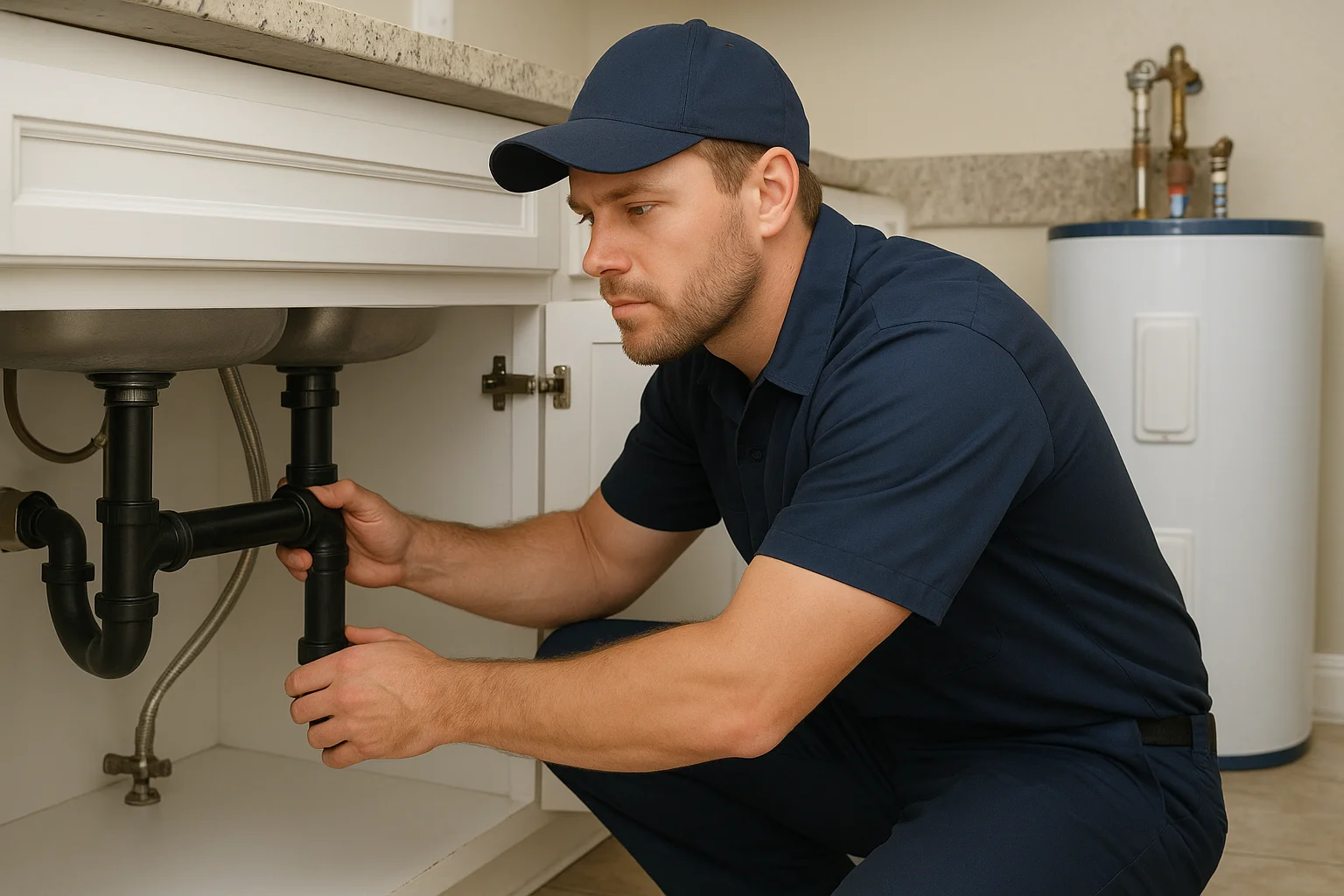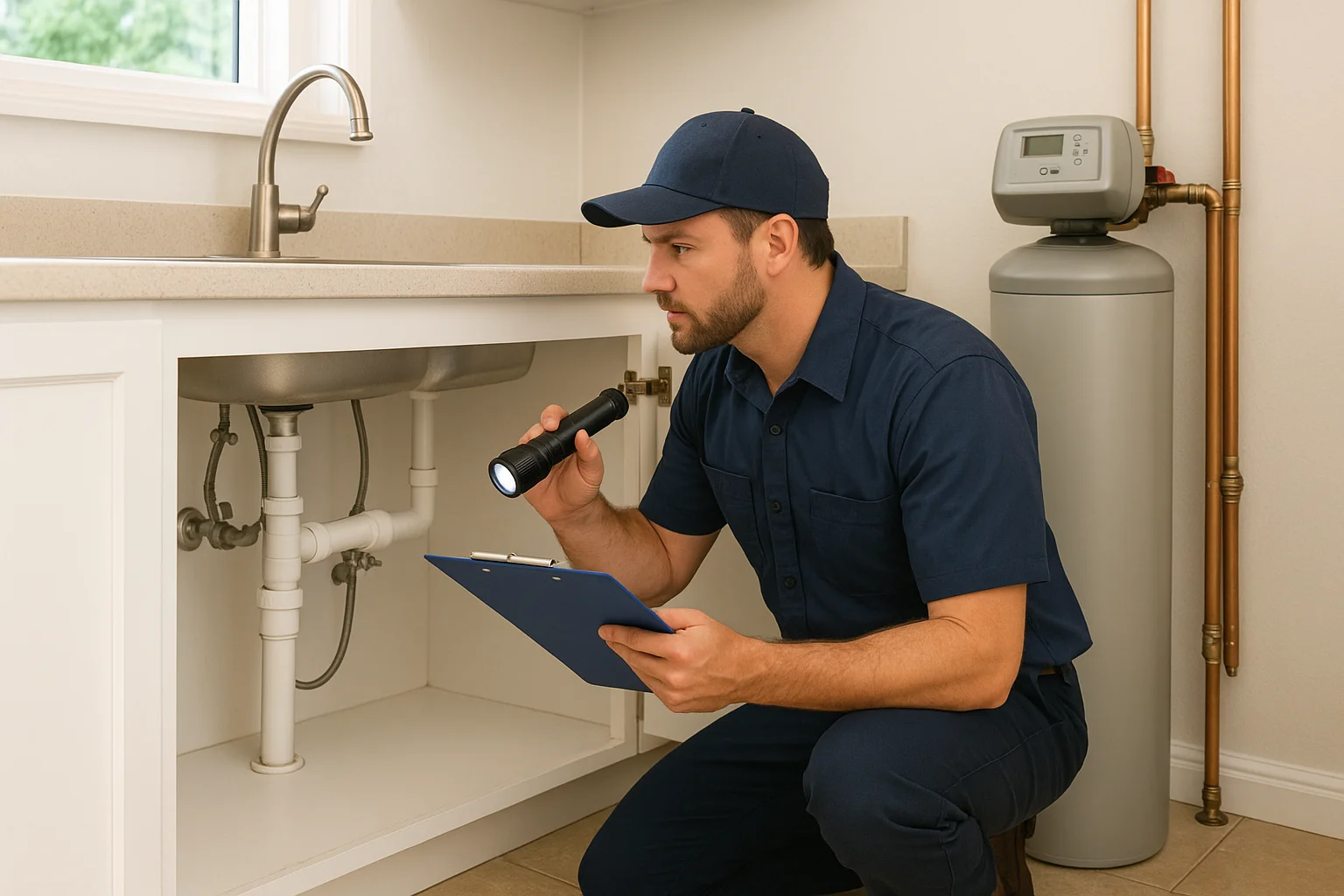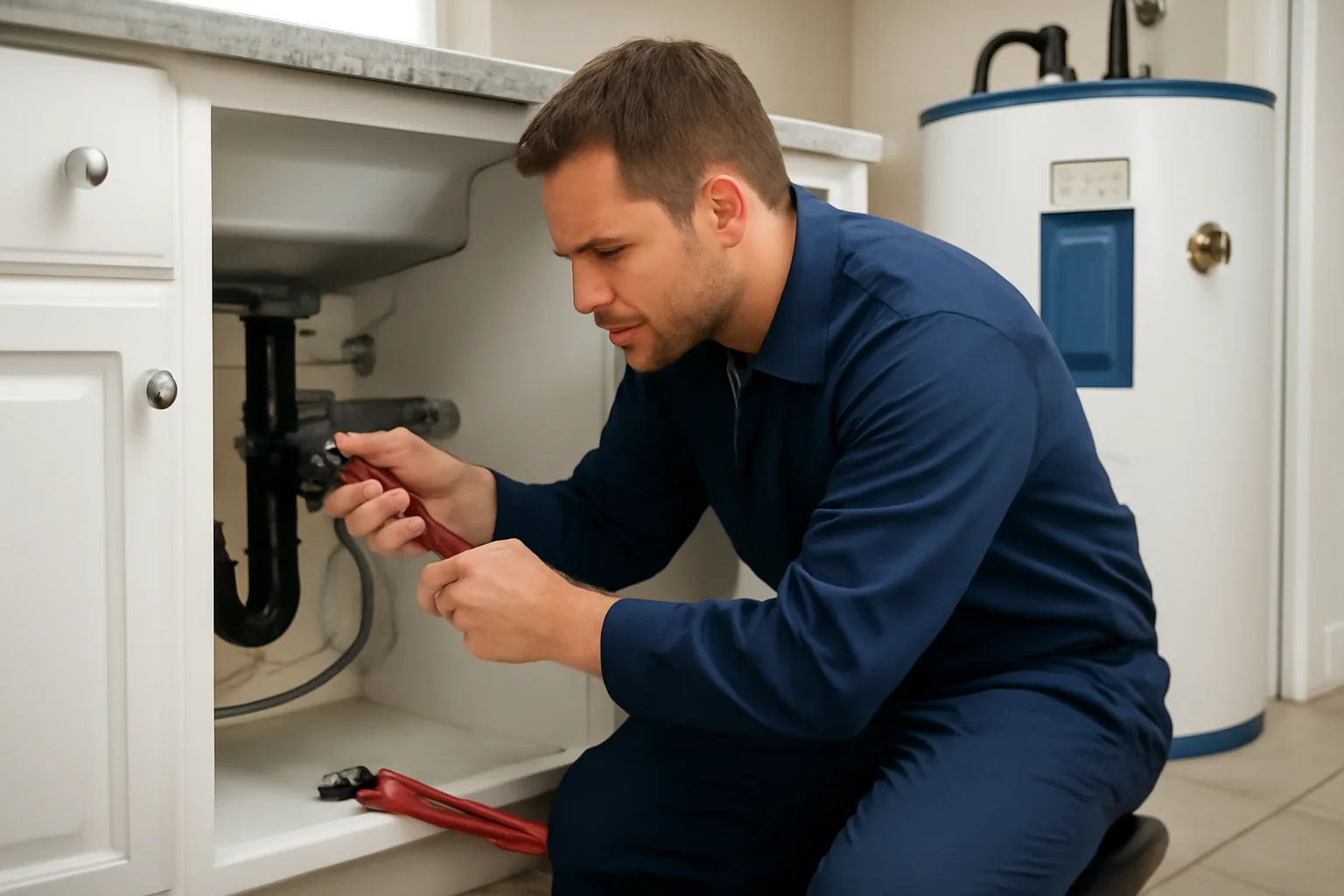
Fort Walton Beach homes live in a unique plumbing reality. Warm coastal weather, seasonal humidity, and frequent water use can take a toll on water heaters, the pipes feeding them, and the drainage systems that protect your floors and foundations. Whether your home is older with dated materials or newer with modern plumbing layouts, replacement is not just about swapping a tank. It is about the surrounding plumbing, water pressure, and leak prevention that can keep a small issue from turning into a bigger emergency plumbing concern.
If you are searching for hot water heater replacement near me, this guide explains what local homeowners should know about replacing older and newer water heaters in Fort Walton Beach, FL. We will cover leaks, drains, pipes, water use patterns, hard water, and the practical steps that help prevent repeat failures.
Why Fort Walton Beach water heater replacements are different
Water heaters in the Fort Walton Beach area are affected by more than age. Many homes see higher hot water demand from larger households, frequent showers, laundry, and kitchen use. That increased usage can stress heating elements, burner systems, and internal plumbing connections over time.
Local water conditions also matter. Hard water can cause mineral buildup inside tanks and on heat exchanger surfaces in tankless systems. Over time, that buildup reduces efficiency, increases operating temperatures, and can contribute to premature failure. It can also make valve operation harder and contribute to scale that narrows passages, which impacts flow rate and pressure.
Finally, the area’s humidity and coastal conditions can accelerate corrosion on exposed fittings, especially in utility closets, crawl spaces, and garages where pipes and valves may be partially exposed.
Older homes: common water heater and plumbing complications
Older Fort Walton Beach homes often have plumbing layouts that were built for different standards, different water heater sizes, and different expectations for pressure and flow. Replacement can still be straightforward, but the “supporting cast” matters.
1) Leaks at connections, valves, and venting
With age, gaskets harden, threads can corrode, and shutoff valves may not fully close. During a replacement, a licensed plumber may find that the previous unit’s connections are worn or that the shutoff valve is partially seized. Even if the heater itself is failing, small leaks can be hiding around:
- Supply and drain lines
- Temperature and pressure relief valve (T&P valve)
- Gas or vent connections on gas models
- Flexible connectors that have stiffened
If you see water around the base of the heater, rust staining near fittings, or damp drywall, treat it like an active plumbing repair situation. A slow drip can become a flood if a valve fails or the unit is over-pressurized.
2) Drain problems and overflow risk
Every water heater needs a safe path for discharge, especially through the T&P valve and any drain connection used for service. Older homes sometimes have drain lines that were never properly routed, are undersized, or terminate in a way that can splash onto flooring. In coastal humidity, standing water also encourages corrosion and odor.
If you have ever searched for clogged drain repair near me because a drain backs up, know that the same principle applies to water heater drainage. A blocked drain can turn a valve discharge into an indoor leak.
3) Water pressure that is too high or too inconsistent
Older systems may have pressure regulators that are missing or failing. High pressure can stress tanks and fittings, while fluctuating pressure can cause temperature swings and repeated cycling. Those cycles accelerate wear on thermostats, burners, and internal components.
When you are planning water heater replacement in Fort Walton Beach, FL, ask the technician to check water pressure and confirm the relief system is functioning correctly. That step can prevent repeat failures and reduce the chance of emergency pipe repair.
Newer homes: what changes and what still goes wrong
Newer construction often includes better venting practices, updated plumbing materials, and more efficient heaters. That said, replacements still need careful attention because modern homes still depend on the same fundamentals: correct sizing, proper connections, and drainage protection.
1) Tankless units and flow rate limits
Tankless water heaters can be excellent for Fort Walton Beach homes, especially when hot water demand is efficient and consistent. But tankless systems are sensitive to flow rate and sediment. If your home has hard water, you may need a maintenance schedule that includes flushing to reduce scaling.
When tankless systems struggle, homeowners sometimes assume the unit is “bad” and replace it. A more complete plumbing check can reveal issues like:
- Restricted supply lines or clogged strainers
- Scaling that reduces heat transfer
- Incorrect pipe sizing that limits flow
That is why pairing replacement with plumbing inspection is often the most cost-effective approach.
2) Condensate and venting considerations
Even when the water heater itself is new, venting and condensate management can affect performance. If you notice corrosion near vent joints, moisture where it should not be, or repeated error codes, the issue may be vent-related or connected to plumbing drainage paths.
Gas line and vent components should always be handled by qualified professionals. If you suspect a gas-related problem and smell gas, treat it as an emergency plumbing concern and leave the area while you contact a licensed team.
3) Hidden leaks and foundation-adjacent risks
Some homeowners assume a water heater leak is always obvious. But water can travel along pipes and under finishes before it shows up as staining. In homes with slab foundations, leaks can appear as moisture patches, musty odors, or unexpected increases in water bills.
That brings up a broader plumbing concern: slab leak repair near me searches often begin with “water heater” symptoms. If you are seeing consistent dampness, recurring wet spots, or water usage spikes that do not match your household routine, the problem may be in the distribution piping rather than the heater alone.
Leaking water heaters: what to look for
Leaks are one of the most common reasons homeowners call for water heater service. In Fort Walton Beach, the pattern of leaks can help identify where the failure is starting.
Base leaks and tank corrosion
Water pooling around the bottom can indicate internal corrosion or a failed drain valve. Rust trails along the tank usually appear before a full leak. If you see water collecting near the unit, do not place buckets and wait. Contact a plumber for assessment because continued leakage can damage flooring, insulation, and nearby plumbing connections.
T&P valve discharge
Occasional discharge can be normal during heat expansion, but continuous dripping or discharge during normal operation is a red flag. That can mean:
- The pressure is too high
- The thermostat is malfunctioning
- The relief valve is stuck or failing
A T&P valve that keeps opening is not something to ignore. It can also signal that the heater is operating outside safe parameters.
Supply line leaks and pipe sweating
Sometimes the heater is fine, but the problem is the hot and cold supply connections. Look for dampness at joints, wet insulation, or corrosion around fittings. In humid conditions, you might notice “sweating” on pipes, but true leaks typically leave water trails and recurring moisture.
If you suspect a pipe leak repair near me situation, a professional can test the system and locate the exact source, which helps avoid unnecessary demolition.
Drains, relief discharge, and why clogs matter
Water heater drainage is part of the safety system. When drains clog, discharge can back up into the surrounding area. That is why plumbers often check drain lines during replacement, especially in older homes.
Homeowners sometimes confuse water heater drainage with general drain problems. But the logic is the same: a blocked path causes overflow. If your household has dealt with sewer backup repair near me searches or recurring sink backups, it is worth recognizing that clogged lines and poor drainage can worsen the impact of a water heater’s relief discharge.
Common drain-related issues that can show up during replacement include:
- Drain line kinks or incorrect slope
- Mineral buildup narrowing the passage
- Debris that blocks a termination point
- Improper routing that allows splashback
If you have had recent plumbing repair for a fixture, such as plumbing warning signs Fort Walton Beach homeowners should not ignore, it can be smart to include drainage checks as part of your water heater replacement planning.
Pipes and fittings: what a good replacement includes
Water heater replacement is not only a “swap.” Fort Walton Beach plumbers typically consider the condition of:
- Shutoff valves and their ability to fully close
- Dielectric unions and corrosion resistance
- Pipe material compatibility and connection method
- Supports and straps that prevent strain
- Vent and gas components for gas units
Even small issues can affect performance. For example, a partially blocked line can reduce hot water output. A loose fitting can create a leak that grows over time. A missing or undersized drain connection can increase the likelihood of water damage.
When homeowners search for plumbing maintenance services, they are often trying to reduce exactly these hidden risks.
How hard water affects replacement timing
Hard water is a major factor for both tank and tankless systems. Mineral scale builds up inside tanks, reducing heat transfer and increasing energy use. Over time, that can lead to:
- Lower hot water output
- Longer recovery times
- Higher operating costs
- More frequent temperature swings
For tankless systems, scaling can restrict flow through heat exchanger components. That can make the unit work harder and fail sooner. If you have lived in Fort Walton Beach long enough to notice that your hot water “does not feel as strong” as it used to, hard water scale may be a contributor.
A Superior Mechanical can help with replacement planning that considers your home’s water usage and the likely scale buildup patterns. If the unit is still serviceable, maintenance may extend its life. If replacement is the best move, proper installation and recommended maintenance can help you avoid repeating the same problems.
Water use and water pressure: the homeowner clues
You do not need a lab test to notice when your water heater and plumbing are under stress. Pay attention to patterns in your daily routine:
- Do you run the dishwasher and laundry back to back and notice weaker hot water?
- Does hot water pressure drop when someone flushes or uses the kitchen sink?
- Are you seeing temperature changes when fixtures run at the same time?
- Has your water bill increased without a clear reason?
These clues can point to a failing heater, a restriction in pipes, or a leak. If you also have slow drains, gurgling noises, or recurring backups, the issue might involve more than the water heater. In that case, it can help to address related plumbing concerns like clogged pipes and drains to prevent compounding problems.
Preventing leaks and repeat failures
Prevention is where homeowners in Fort Walton Beach often get the most value. A reliable replacement is backed by smart maintenance and correct system setup.
1) Use the right size for your household
A too-small heater can run constantly and wear out faster. A too-large unit can cycle inefficiently. Sizing depends on your number of bathrooms, typical shower patterns, laundry frequency, and whether you use high-demand fixtures.
2) Keep drains and discharge paths clear
Make sure the area around the heater stays dry and that discharge lines are routed safely. If you ever notice moisture where it should not be, treat it as a plumbing repair priority.
3) Check pressure regulation and expansion control
Homeowners with inconsistent pressure can benefit from a pressure check. If pressure is high, it can accelerate tank wear and increase leak risk. A pressure regulator, expansion control, and correct settings help keep the system within safe limits.
4) Schedule water heater maintenance
Even if you are not having problems now, maintenance reduces the chance of sudden failure. For tank units, sediment can build up. For tankless units, flushing helps manage mineral scale. If you want a local starting point, see Water Heater Maintenance.
5) Do not ignore early plumbing warning signs
Small symptoms can be early indicators of a larger issue, such as:
- Rust streaks near the tank seams
- Frequent cycling or lack of recovery
- Moisture around fittings
- New gurgling sounds when fixtures run
For more local context, review Plumbing warning signs Fort Walton Beach homeowners should not ignore.
When to call a professional for emergency plumbing concerns
Some issues are urgent. If you are dealing with active leaks, flooding risk, or signs the system is not operating safely, it is time to call a local team. Searches like hot water heater repair near me and emergency plumber near me often happen after water damage begins.
Call immediately if you notice:
- Water actively leaking from the tank, fittings, or drain valve
- Continuous discharge from the T&P valve
- Burning smell, gas odor, or signs of venting problems
- Water pooling near electrical outlets or in finished spaces
- Sudden loss of hot water with other plumbing symptoms
If your home has slab foundation concerns, persistent moisture or unexplained water use can also indicate a deeper leak in the distribution piping. In that situation, slab leak repair may be part of the solution, not just a heater swap.
Choosing the right replacement for your Fort Walton Beach home
Homeowners are often balancing performance, energy efficiency, and the realities of existing plumbing. A tank, tankless, gas, electric, or commercial water heater each has installation considerations.
A professional water heater replacement should include:
- Assessing current plumbing connections and pipe condition
- Checking water pressure and confirming safe operation
- Reviewing drainage and relief discharge routing
- Confirming venting and gas line components are correct for the system type
- Installing the unit with code-compliant connections and secure supports
For Fort Walton Beach homeowners and businesses, it is also smart to consider the broader plumbing network. If your home has recurring drain issues or you have had sewer line problems, addressing those first can reduce stress on the plumbing system overall. When sewer backup repair becomes a pattern, it can affect fixture performance and create additional cleanup after plumbing incidents.
If you want a broader look at local service planning, read A Smarter Way to Handle Plumbing Services in Fort Walton Beach Homes.
Related maintenance steps that protect your whole system
Replacing a water heater can be a great time to improve other plumbing weak points. Many homes benefit from a quick review of:
- Fixture supply lines and shutoff valves
- Kitchen sink drain performance if hot water routines coincide with dishwashing
- Whole-home drain health to reduce the chance of backups
- Waterline connections if you have recurring pressure or leak concerns
If your household has dealt with clogs, consider clogged pipes and drains as part of your plumbing plan. If you suspect a connection or supply line issue, waterline repair may be relevant. For homeowners who prefer a proactive approach, Plumbing Maintenance helps keep small problems from growing.
Planning your water heater replacement around Fort Walton Beach life
Water heater replacement can interrupt hot water service, and that matters when you are balancing work schedules, school routines, and daily showers. A good local plumber will help you plan the scope and minimize downtime. They will also explain what they are checking, why it matters, and how the installation will be protected from leaks.
If you are replacing a unit that has already shown leaks, treat the project as a whole-plumbing repair effort. That includes drains, pipes, and the surrounding components that can be quietly failing. For homeowners who want to prevent a replacement from turning into a larger plumbing bill, this guide is helpful: Keeping a Water Heater Replacement from Turning Into a Bigger Plumbing Bill in Inlet Beach.
And if you want an example of how plumbing conditions can shorten system life over time, read A Practical Guide to Water Heater Replacement in Camp Creek, FL and the Plumbing Problems That Shorten System Life.
Serving Fort Walton Beach and Okaloosa County
A Superior Mechanical provides professional water heater replacement for homes and businesses across Fort Walton Beach and throughout Okaloosa County. If you are comparing options or scheduling installation, start with the service page for water heater replacement in Fort Walton Beach, FL. You can also explore more local plumbing support on the Fort Walton Beach service area page and the Okaloosa County service area overview.
Find Water Heater Replacement in Fort Walton Beach, FL
If you need Water Heater Replacement in Fort Walton Beach, FL, visit our local service page or contact A Superior Mechanical today.
Map of Fort Walton Beach, FL
Frequently Asked Questions
How do I tell if my water heater leak is serious?
If you see active dripping, rust staining that is spreading, or moisture around the T&P valve, treat it as serious. A slow leak can damage floors and fittings quickly, especially in humid coastal conditions.
Should I worry about my drains when replacing a water heater?
Yes. The T&P valve discharge and any drain connections need a clear, properly routed path. If a drain is clogged or incorrectly directed, discharge can back up and cause indoor water damage.
Can hard water reduce the lifespan of a water heater in Fort Walton Beach?
Hard water commonly increases mineral buildup, which reduces heating efficiency and can shorten the life of both tank and tankless systems. Flushing and maintenance can help manage scale.
What should a plumber check during water heater replacement beyond the unit itself?
A good replacement includes checking shutoff valves, supply connections, water pressure, relief valve discharge routing, pipe condition, and venting and gas line components for gas models.
When should I call an emergency plumber instead of scheduling a normal appointment?
Call right away if the heater is leaking actively, the T&P valve is discharging continuously, you smell gas, or water is pooling near electrical outlets or finished areas.
Related Articles
- A Smarter Way to Handle Plumbing Services in Fort Walton Beach Homes
- Plumbing warning signs Fort Walton Beach homeowners should not ignore
- Keeping a Water Heater Replacement from Turning Into a Bigger Plumbing Bill in Inlet Beach
- A Practical Guide to Water Heater Replacement in Camp Creek, FL and the Plumbing Problems That Shorten System Life
Photo Gallery