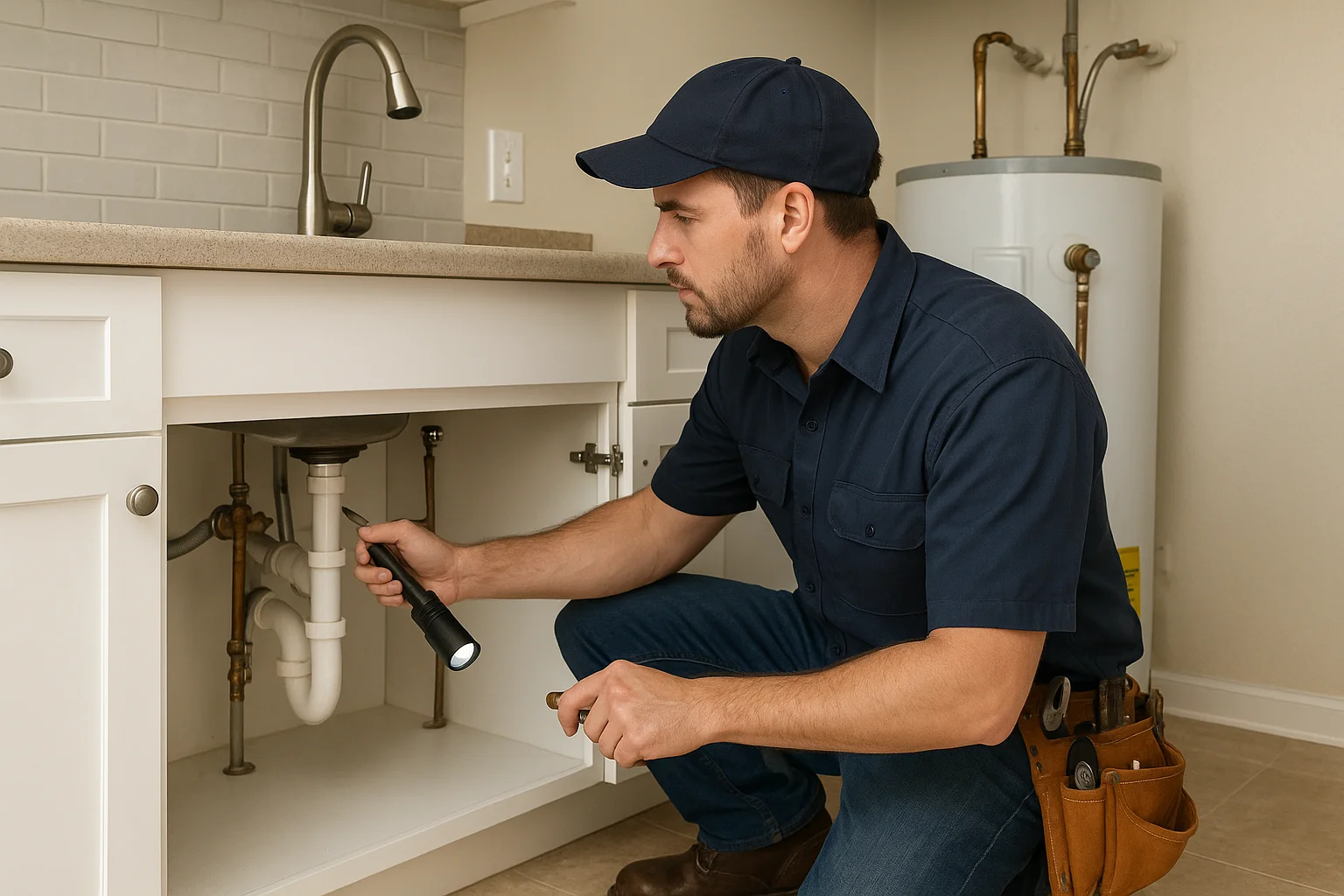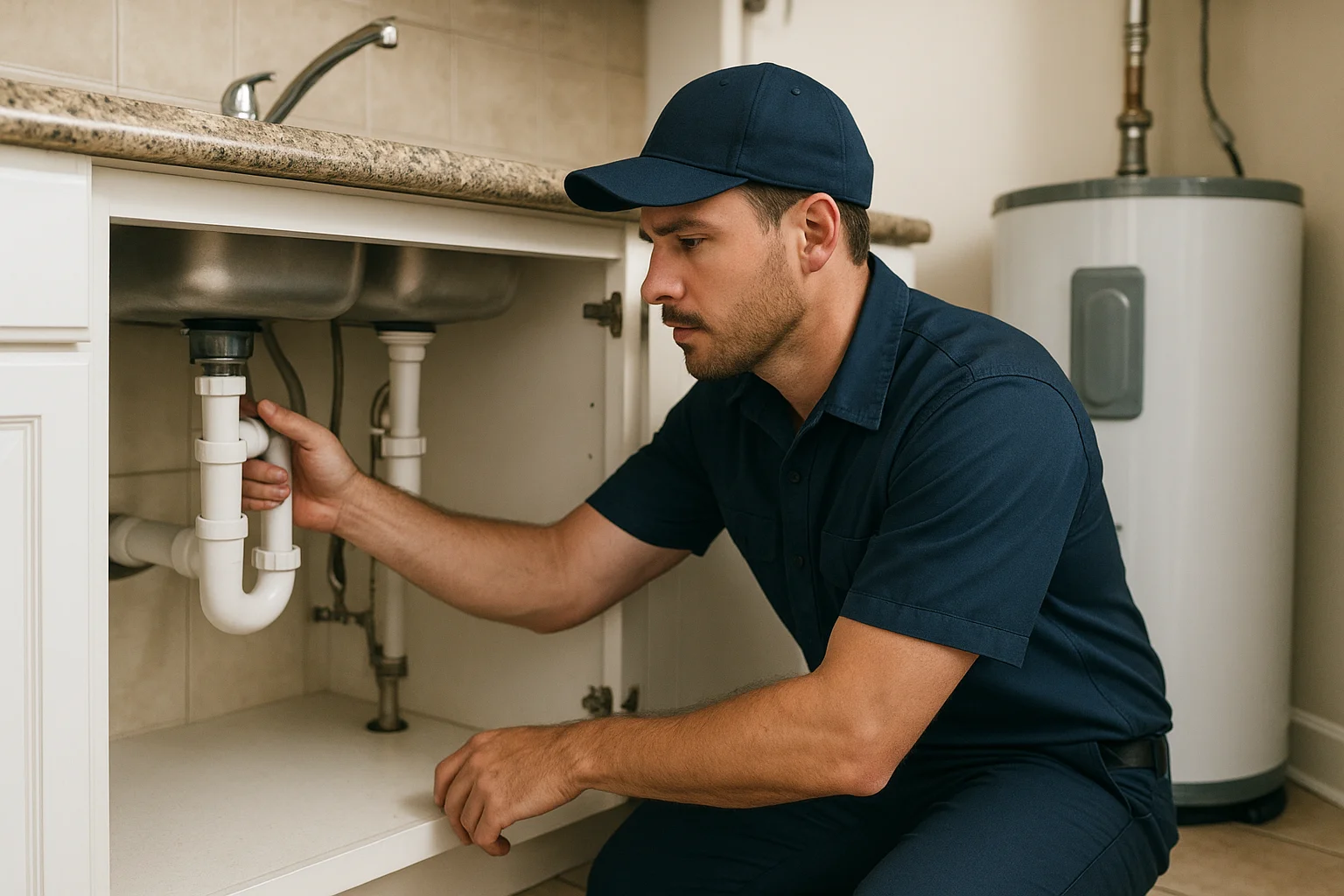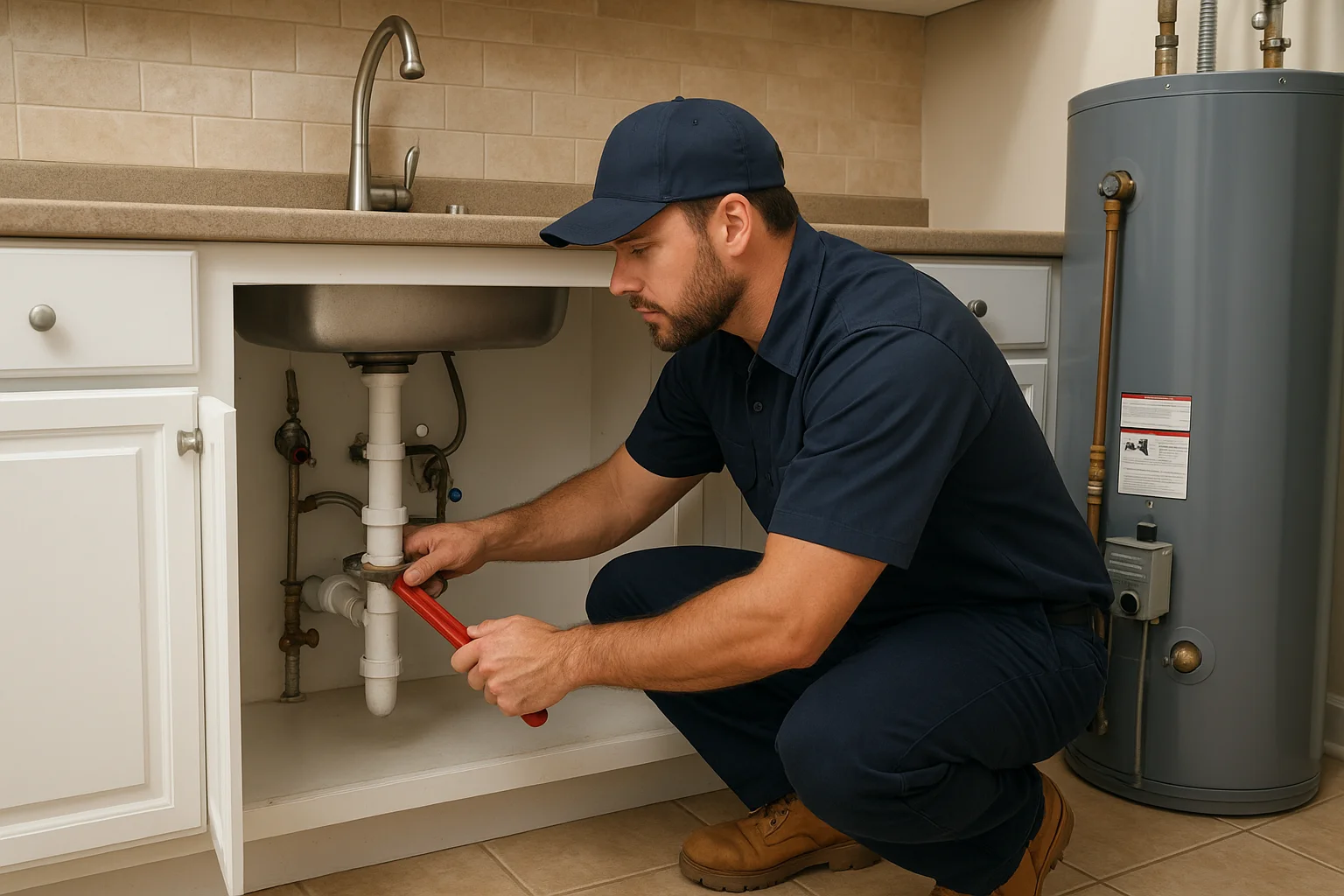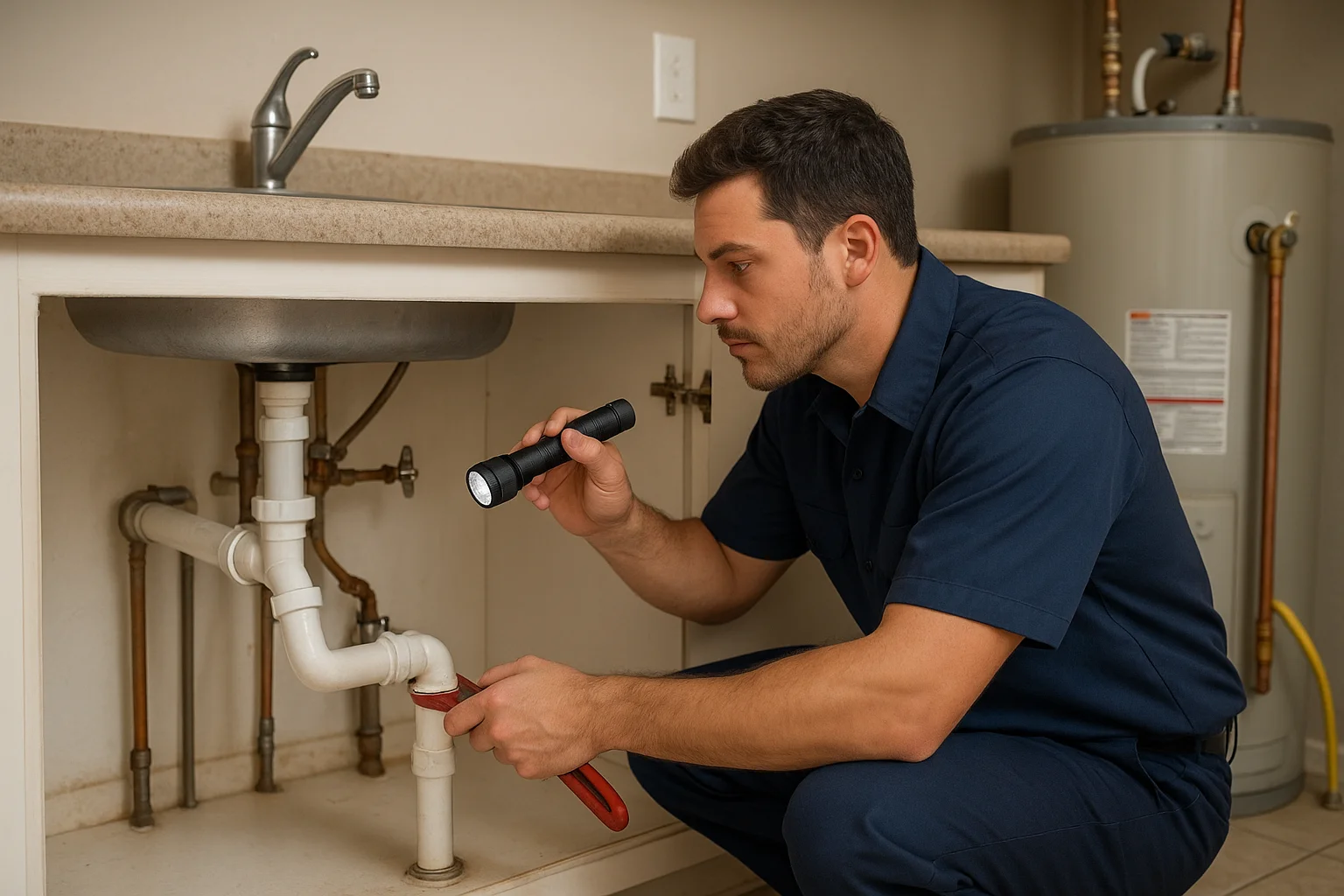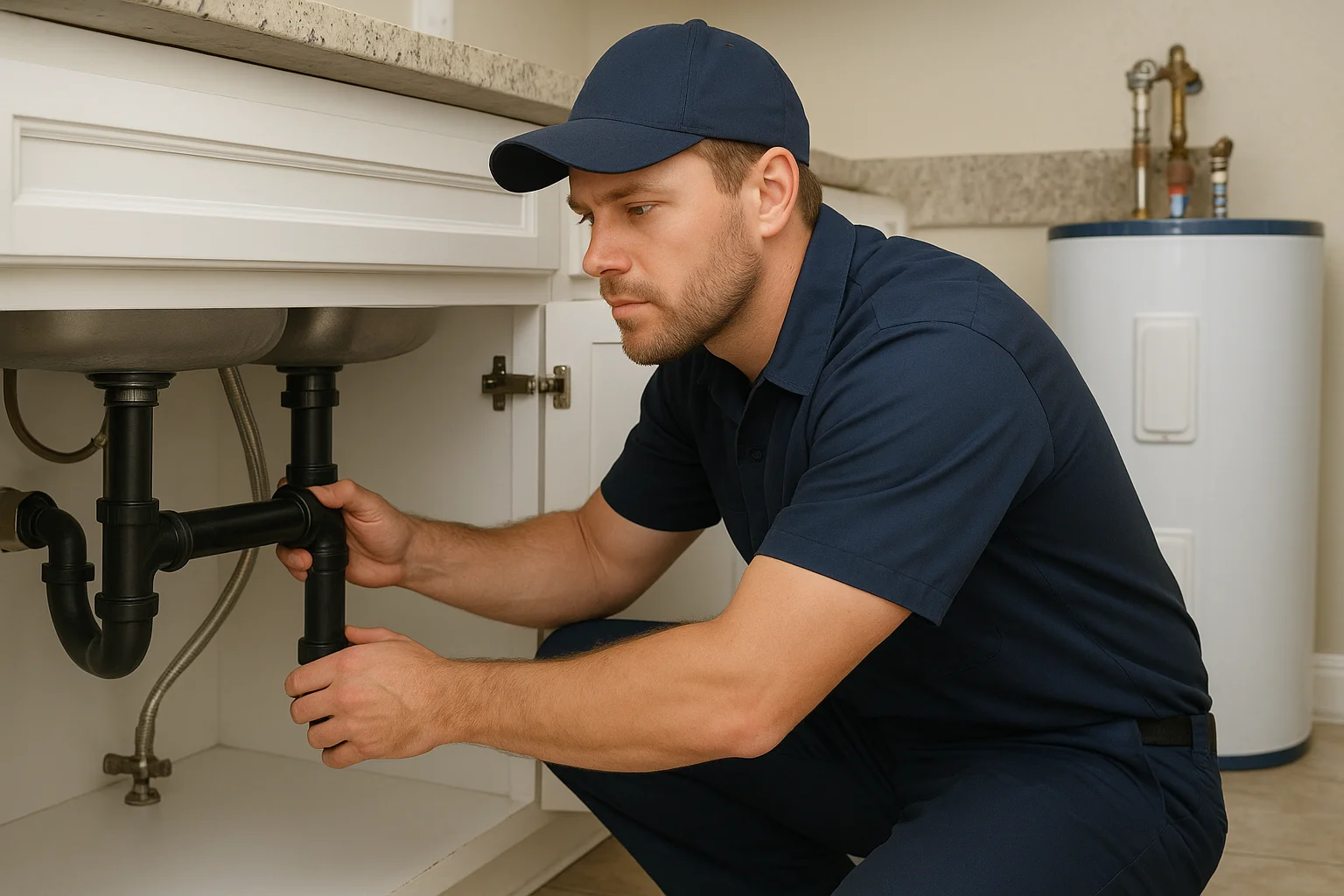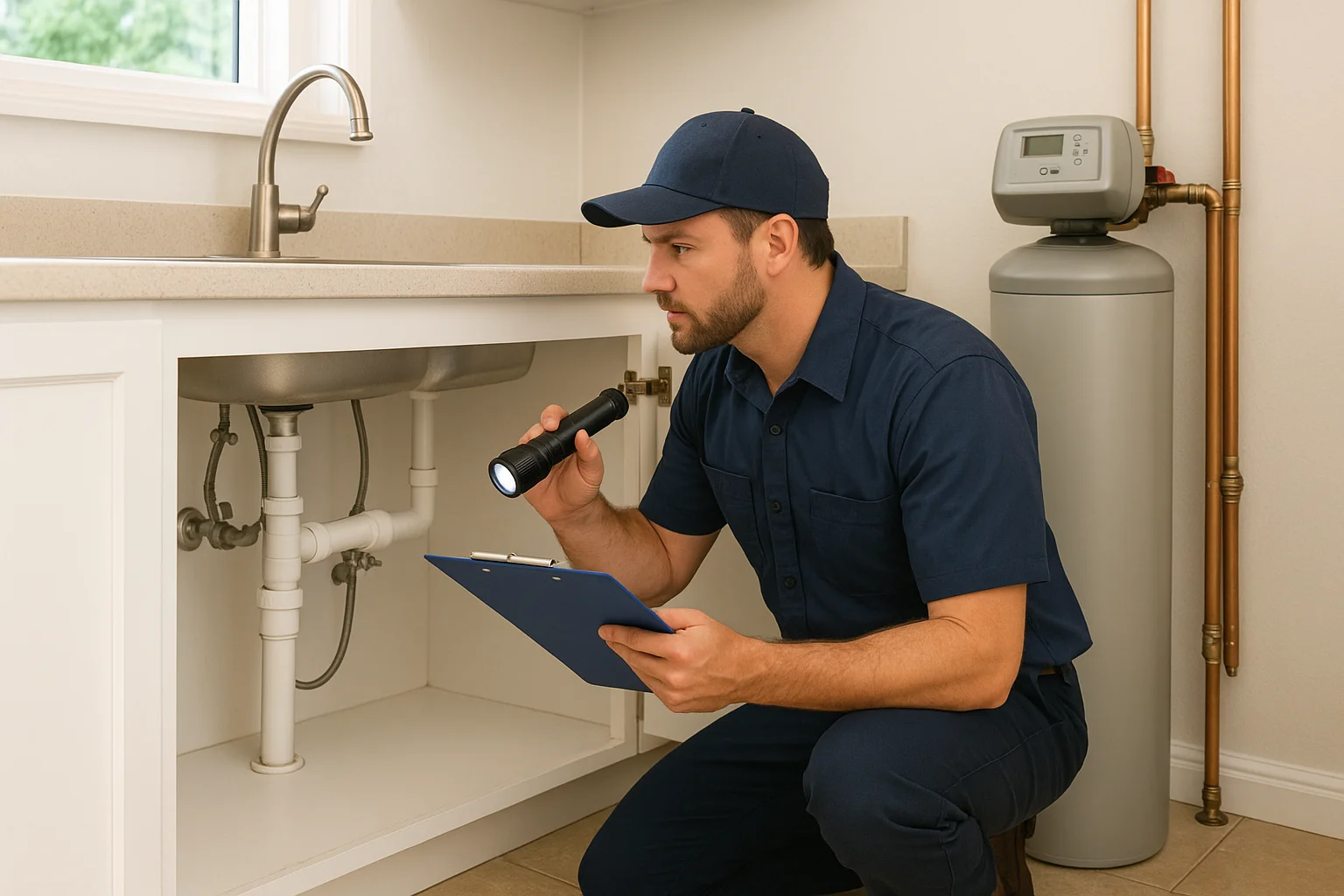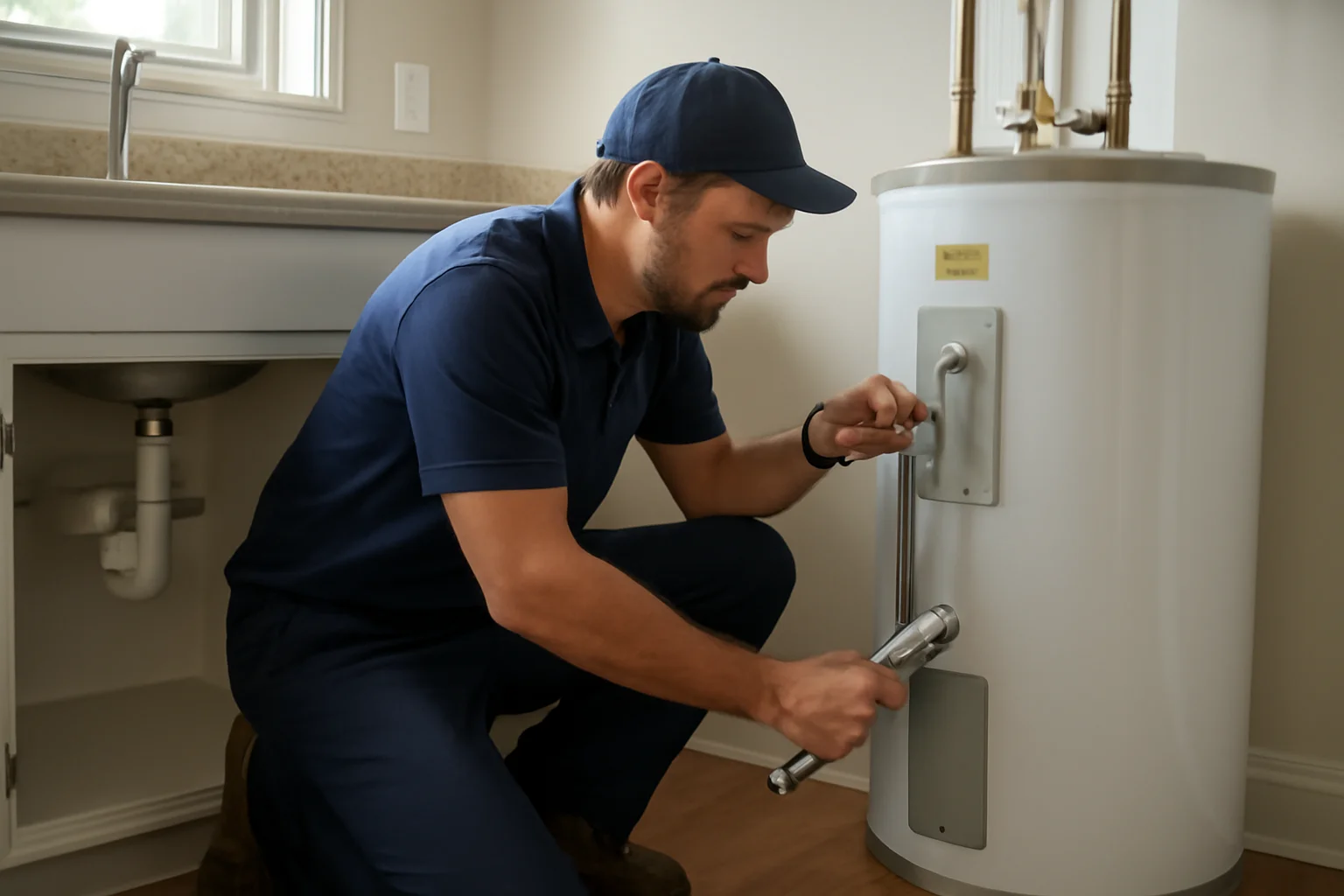
If you live in Seaside, you already know coastal weather and everyday water use can take a toll on plumbing systems. A failing water heater can trigger bigger issues like leaks, damaged pipes, and even water damage that spreads into floors and cabinets. The good news is that a well-planned water heater replacement can be a smart part of local plumbing maintenance, helping you avoid emergency plumbing concerns and reduce the chances of repeat repairs.
Below are practical, homeowner-friendly steps to protect your home before, during, and after a water heater swap in Seaside, Walton County. If you are searching for a plumber near me for water heater service, these tips will also help you ask the right questions and plan for safer, longer-lasting results.
Why water heaters fail faster in Seaside and nearby coastal neighborhoods
Seaside homes and rentals often rely on water heaters that run year-round. Even when you are not thinking about it, daily showers, laundry cycles, and kitchen use keep the system working. Over time, several local factors can shorten the life of tank and tankless units and increase the risk of leaks:
Hard water and mineral buildup
Hard water can leave sediment inside tank water heaters and scale on components. That buildup reduces heating efficiency and increases wear. For homeowners, the result is often a shorter heater lifespan, higher energy use, and more frequent plumbing repair calls.
Corrosion and water quality changes
Coastal humidity and salt in the air can contribute to corrosion on metal parts. When corrosion starts, it can show up as pinhole leaks around fittings, tank seams, or the connections to hot and cold lines.
Water pressure fluctuations
Water pressure that runs high or changes suddenly can stress valves, supply lines, and the water heater itself. If you notice banging pipes, inconsistent hot water, or frequent cycling, pressure may be part of the problem. These issues can also contribute to pipe leak repair needs later.
Drain and venting strain during replacement
Water heater installation depends on proper venting, safe drainage for condensate (for some tankless systems), and correct piping. If your home has older drains, slow venting, or recurring clogged drain repair near me issues, the installation process can expose weaknesses you did not know were there.
For many Seaside homeowners, the most expensive problems start after the heater fails. Protecting your home means addressing the plumbing around the water heater, not just replacing the tank or unit.
Common plumbing problems that show up around a failing water heater
Some warning signs are obvious. Others look like separate plumbing issues but connect back to the water heater and its connections. Watch for these patterns in your home.
Leaks at the tank, valves, or nearby piping
A small drip can become a bigger leak if it sits unnoticed. Leaks can come from the drain valve, temperature and pressure relief valve discharge, supply line connections, or the tank itself. If you see moisture near the unit, water stains on the floor, or rust-colored residue, treat it as a plumbing repair priority.
Rusty or discolored water
When sediment builds up, hot water can appear brown, cloudy, or rusty. That is not only unpleasant. Sediment can also contribute to clogged valves and reduced flow, and it can increase strain on fixtures.
Slow hot water recovery and inconsistent temperatures
If showers run cold mid-cycle or recovery time is much slower than before, the heater may be struggling. For tankless systems, this can also be tied to scale buildup, flow sensor problems, or incorrect sizing for your household demand.
Water pooling near drains or the wrong spots
Sometimes the heater is not leaking at all. Water may be collecting because of a drain issue, an improper condensate line, or an incorrect connection. If you have recurring kitchen sink drain repair or bathroom drainage problems, ask whether the water heater setup could be contributing to water backing up or poor drainage.
Toilet or fixture issues caused by pressure changes
Toilets that run constantly or struggle to refill can be affected by water pressure and supply line condition. If you are searching for running toilet repair near me, it is worth noting whether the issue started after water heater service, a pressure change, or plumbing work elsewhere.
Slab leak concerns and hidden water damage
In some Walton County homes, hot water lines run under floors. A failing heater can increase pressure and cycling, which may worsen a weak spot in a pipe. If you notice warm spots on the floor, unexplained humidity, or repeated ceiling stains, leak detection and slab leak repair may be necessary. For more on this, consider visiting Leak Detection and Slab Leak Repair.
How water heater replacement protects your plumbing system
A replacement done correctly can prevent several downstream plumbing issues. It is not just about having hot water. It is about keeping the surrounding plumbing stable and reducing the chance of leaks and pressure-driven failures.
New components reduce leak points
Older tanks and fittings develop weak seals. Replacing the heater with properly matched supply and drain connections reduces the number of aging leak points.
Correct sizing supports stable water pressure and flow
When a heater is undersized, it may run longer and cycle more often. That adds stress to valves and piping. When it is oversized or mismatched, it can also create issues like temperature swings and higher pressure demand. Professional sizing helps keep water use more predictable across showers, laundry, and dishwashing.
Upgrading to a better setup can reduce sediment problems
Many homeowners benefit from sediment management strategies such as appropriate flushing schedules, drain access planning, and in some cases water treatment options. If you are dealing with hard water, ask about local recommendations and whether Water Purification Services could help reduce scale buildup.
Safer relief valve and drain routing
Temperature and pressure relief valves protect the tank from dangerous pressure. The discharge line must be routed correctly so it drains safely instead of soaking nearby materials. This is a key part of water heater service that many homeowners do not think about until there is a problem.
Maintenance tips that help your replacement last longer
After a water heater replacement, maintenance is what keeps the new system from becoming another repair ticket. These steps are realistic for homeowners and can be done alongside a professional plumbing maintenance plan.
Set expectations for water use in a coastal home
In Seaside, many households have higher water demand during warm months and for visiting guests. If your home is a vacation rental, water use patterns can change week to week. Track how often the heater runs, how quickly it recovers, and whether multiple showers happen at the same time. Sudden changes can signal a flow or pressure issue, not just “normal use.”
Check water pressure and watch for hammering
If you hear banging pipes when faucets turn on, it can indicate pressure issues. A pressure regulator, a failing valve, or a supply line restriction can be involved. Ask your plumber to check pressure and confirm the heater is connected to the correct fittings and valves. This can prevent future pipe leak repair near me situations caused by stressed connections.
Inspect for early leaks during routine home checks
Once a month, take a few minutes to look around the heater area. Look for damp spots, corrosion at joints, dripping at the drain valve, or water around the base. If you have a tank, check the area where connections meet the hot and cold lines. Early detection often prevents hidden damage.
Flush the system when recommended
Tank water heaters typically benefit from periodic flushing to remove sediment. The right schedule depends on water hardness and heater condition. Tankless systems also require maintenance to address scale. If you are considering plumbing maintenance near me, ask whether your maintenance plan includes flushing and inspection of valves, vents, and drains.
Keep drains and nearby piping clear
Some water heater setups depend on a drain line that must remain functional. If you have slow drains or recurring backups, address them before they interfere with heater drainage. Homeowners searching for drain cleaning near me often find that clearing a drain earlier prevents messes and emergency calls later.
If you are already dealing with a stubborn clog, consider professional help for emergency drain cleaning near me if water is backing up near the heater area.
Maintain fixtures so they do not stress the system
Worn faucet cartridges, leaking shower valves, and failing toilet fill valves can waste hot water and strain the heater. Fixing small issues helps the heater run less and reduces heat cycling. If you have a persistent drip, it can also lead to pressure changes that affect other fixtures.
For example, if you are tracking down faucet repair issues and noticing the water heater runs more than usual afterward, it may be tied to increased demand or a supply restriction. A plumber can check both.
Choosing the right water heater replacement plan in Seaside
Not every replacement is the same. The best plan considers your home type, plumbing layout, and water conditions.
Tank vs. tankless based on your household demand
Tankless systems can be efficient, but they still require proper installation and maintenance. If you have high simultaneous demand, you may need careful sizing. Tank systems can be a good fit for steady hot water needs, especially in larger homes.
If you are searching for tankless water heater repair near me because your current unit struggles, ask about the root cause. Sometimes the issue is not the heater itself but water pressure, venting, or scale buildup.
Plan for access and safe drainage
Some Seaside homes have tight utility closets or older pipe runs. Replacement should include safe access for future maintenance and correct drain routing. If your heater sits near a floor drain or in a space where leaks could spread, discuss protective steps with your plumber.
Consider water purification if hard water is a recurring issue
If you regularly see mineral buildup on fixtures, notice reduced heater performance, or get frequent sediment-related symptoms, water treatment may help. A plumber can connect your observations to heater performance and recommend options. For more context, see Water Purification Services.
Account for sewer line condition when planning plumbing work
While water heaters do not usually connect directly to sewer lines, plumbing drain issues can show up during replacement. If your home has recurring slow drains, gurgling, or backups, you may need to address sewer line repair near me concerns. If you suspect sewer problems, review Sewer Repair and Maintenance so your plumber can check the right areas during installation.
Step-by-step: what homeowners should do before and during replacement
You do not need to be a plumber to prepare. A little organization can prevent surprises and help your project run smoothly.
Before the appointment
Start by gathering basic information: your heater type (tank or tankless), approximate age, and any recent symptoms such as leaking, noise, or inconsistent hot water. If you have a history of plumbing repair like broken pipe repair near me or repeated valve replacements, mention it.
If you are in a rental property, note the schedule of guest stays. Water heater replacement may require temporary downtime for hot water.
Ask about pressure regulation and shutoff valves
A professional water heater installation should include checking that shutoff valves work correctly and that the pressure is appropriate for your home. That helps prevent future leak points at the supply connections.
Confirm drain and venting details
For tankless systems, condensate drainage and venting must be correct. For tank systems, the discharge line from the relief valve must be routed safely. If you are seeing persistent drainage issues or you have older venting, ask whether your plumber will inspect those areas during the replacement.
Protect nearby plumbing and finishes
Seaside homes can have finishes that do not handle moisture well, especially in laundry areas and utility closets. Good installers protect flooring, keep the work area clean, and verify connections before leaving. This is one reason local, experienced plumbing service matters. It is also why homeowners often prefer working with a company that does both installation and repair, like A Superior Mechanical.
When replacement needs to be treated like an urgent plumbing situation
Most replacements are planned. Some are not. If you notice any of the following, treat it as an emergency plumbing concern and contact a local plumber as soon as possible:
- Active leaks near the water heater, relief valve discharge, or supply connections
- Water pooling around the unit, especially if it is spreading
- No hot water plus signs of overheating, unusual odors, or repeated shutdowns
- Visible corrosion on the tank or fittings
- Signs of hidden leaks like damp drywall, ceiling stains, or unexplained warm spots on floors
If your home has older plumbing or you suspect a slab leak, do not wait. Leak detection can prevent water damage that is far more expensive than the original water heater problem. For local guidance, visit Leak Detection and Slab Leak Repair.
How to keep costs predictable after your water heater replacement
A replacement can still become expensive if the underlying plumbing problems are ignored. The best way to protect your budget is to plan for the plumbing around the heater and keep maintenance consistent.
If you are worried about the project turning into a bigger bill, read Keeping a Water Heater Replacement from Turning Into a Bigger Plumbing Bill in Inlet Beach for practical lessons that apply across Walton County.
For more detailed planning, you may also find helpful this guide: A Practical Guide to Water Heater Replacement in Camp Creek, FL and the Plumbing Problems That Shorten System Life.
And because water damage is a major concern during any installation, especially in humid coastal conditions, consider How Better Plumbing Maintenance Lowers the Risk of Water Damage During Water Heater Replacement in Latitude Margaritaville Watersound.
Local service matters: protecting Seaside plumbing from the next repair cycle
When homeowners search for a local plumber near me, they usually want speed, fair pricing, and dependable work. Seaside plumbing service also needs to account for the realities of coastal homes: hard water, corrosion risk, shifting water pressure, and the way leaks can travel through older pipe systems.
Choosing a company that handles both installation and ongoing repair can reduce the odds of repeat issues. If you want a focused, plumbing-first approach to your home’s hot water system, you can review our service details here: water heater replacement in Seaside, FL. You can also explore more plumbing services for the area on our Seaside page and learn how we support the county on our Walton County coverage.
If you are dealing with a heater that is failing, planning a replacement for an older rental, or trying to prevent the next leak, A Superior Mechanical can help you protect your home with smarter plumbing maintenance and professional installation.
For additional guidance that fits coastal living, see Practical Plumbing Advice for Seaside Homeowners Living Near the Coast.
Find Water Heater Replacement in Seaside, FL
If you need Water Heater Replacement in Seaside, FL, visit our local service page or contact A Superior Mechanical today.
Map of Seaside, FL
Frequently Asked Questions
How do I know if I need water heater replacement instead of plumbing repair?
Replacement is often the better option if the tank is leaking, the unit is beyond its typical lifespan, you see heavy corrosion, or you have repeated failures of valves and connections. If you are getting rusty water, inconsistent hot water, or frequent pressure-related issues, a plumber can assess whether repair will be reliable or if replacement will reduce future plumbing repair costs.
Can hard water cause plumbing problems beyond the water heater?
Yes. Hard water can lead to mineral buildup in hot water lines, reduce fixture flow, and contribute to sediment-related clogs. It can also shorten the life of water heater components and make leaks more likely at fittings. If you suspect scale is a factor, ask about maintenance and whether water purification is a good fit for your home.
What should I check for after a water heater replacement in Seaside?
Check for dampness or drips around the base and connections, confirm the temperature and pressure relief discharge line is properly routed, and monitor hot water performance over the first days of use. If you notice pressure changes, banging pipes, slow drains near the utility area, or any water pooling, call for plumbing inspection right away.
Do tankless systems need maintenance in coastal areas?
They do. Tankless units can develop scale buildup from hard water, which affects performance and flow. Regular maintenance helps keep the system efficient and reduces the likelihood you will need repairs like tankless water heater repair near me due to preventable mineral buildup.
When is it urgent to call an emergency plumber for a water heater issue?
Call urgently if you see an active leak, water spreading near the heater, signs of overheating or unusual odors, or signs of hidden water damage such as ceiling stains, damp drywall, or warm spots on floors. These can be emergency plumbing concerns that require prompt leak detection and repair.
Related Articles
- Practical Plumbing Advice for Seaside Homeowners Living Near the Coast
- Keeping a Water Heater Replacement from Turning Into a Bigger Plumbing Bill in Inlet Beach
- A Practical Guide to Water Heater Replacement in Camp Creek, FL and the Plumbing Problems That Shorten System Life
- How Better Plumbing Maintenance Lowers the Risk of Water Damage During Water Heater Replacement in Latitude Margaritaville Watersound
Photo Gallery