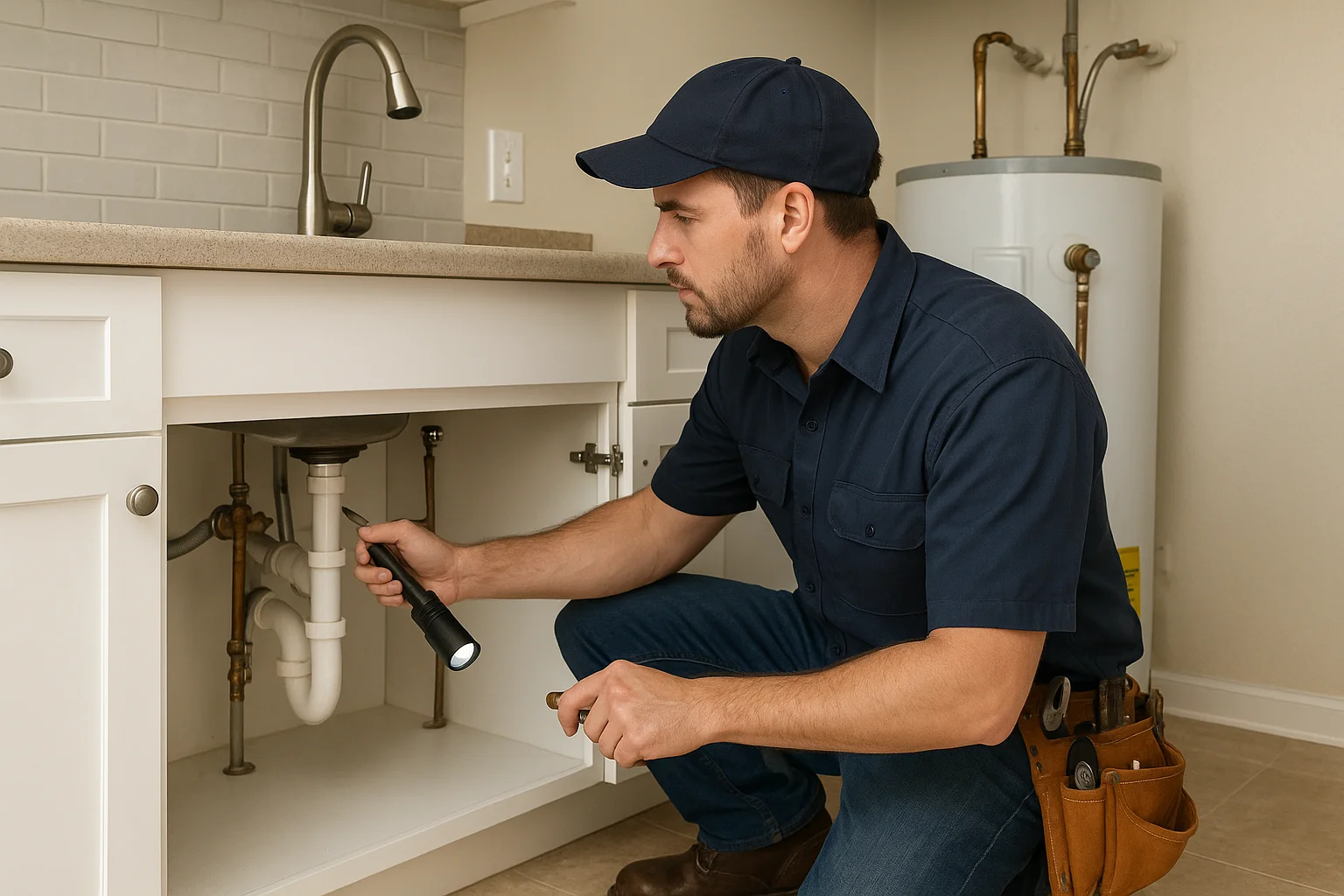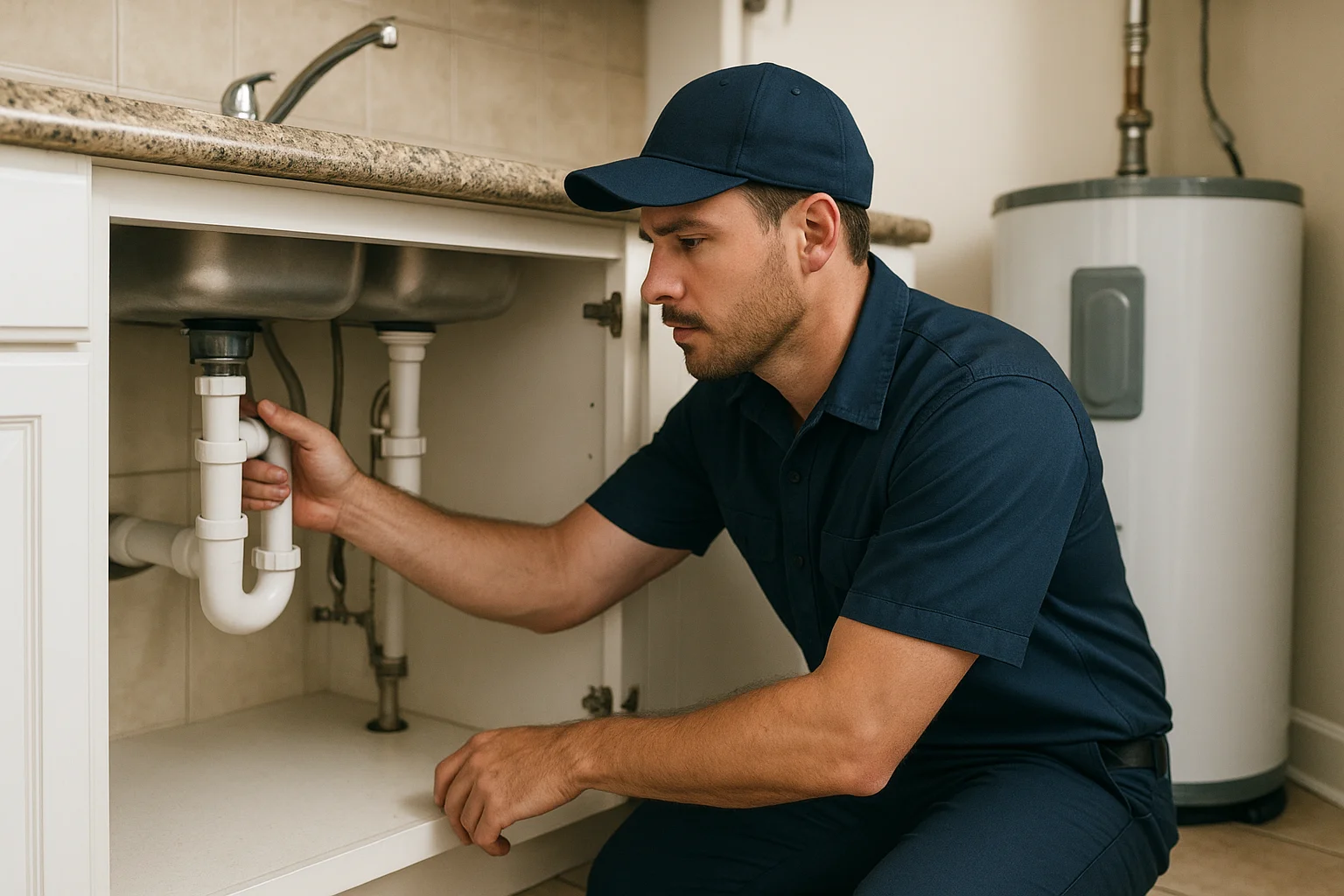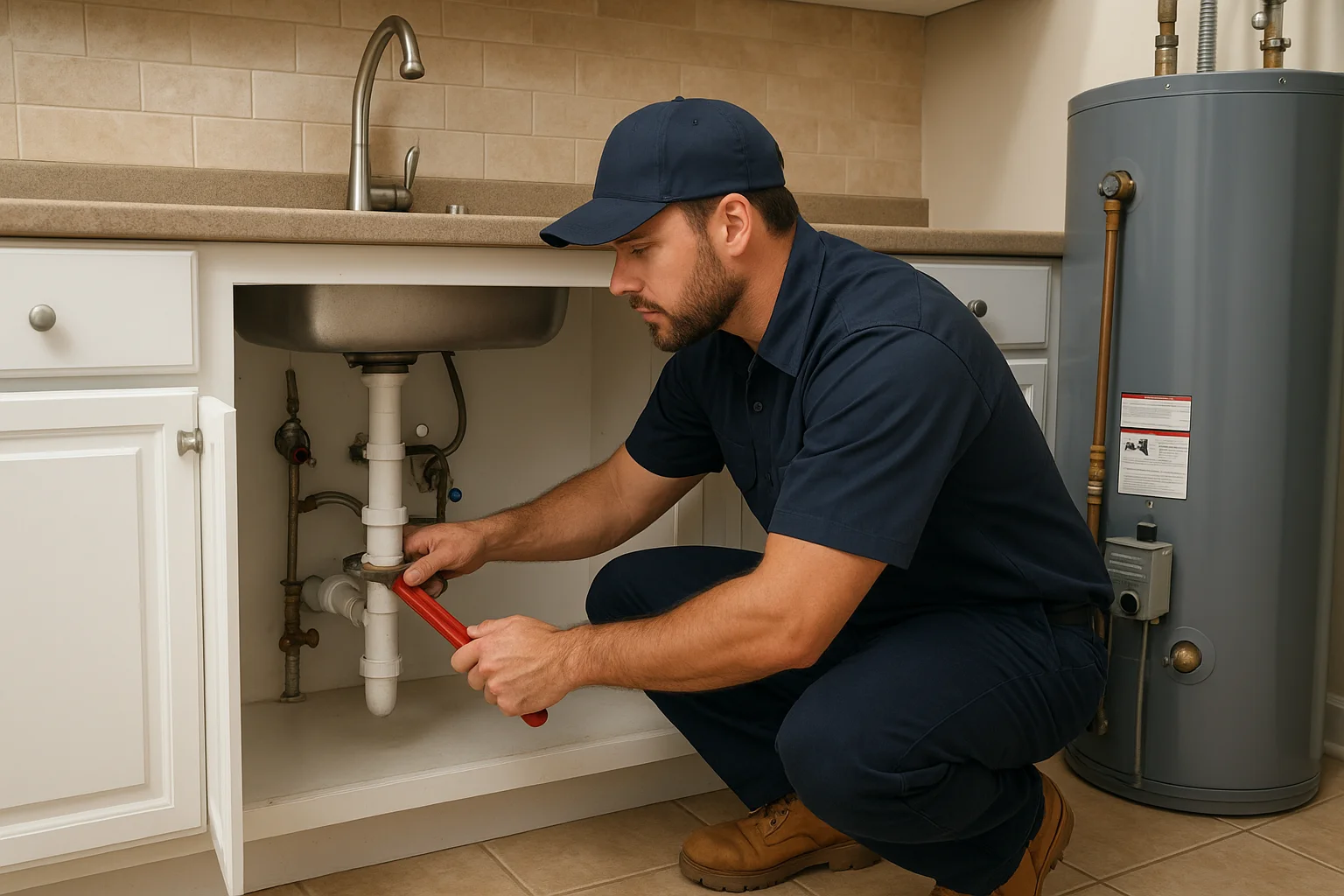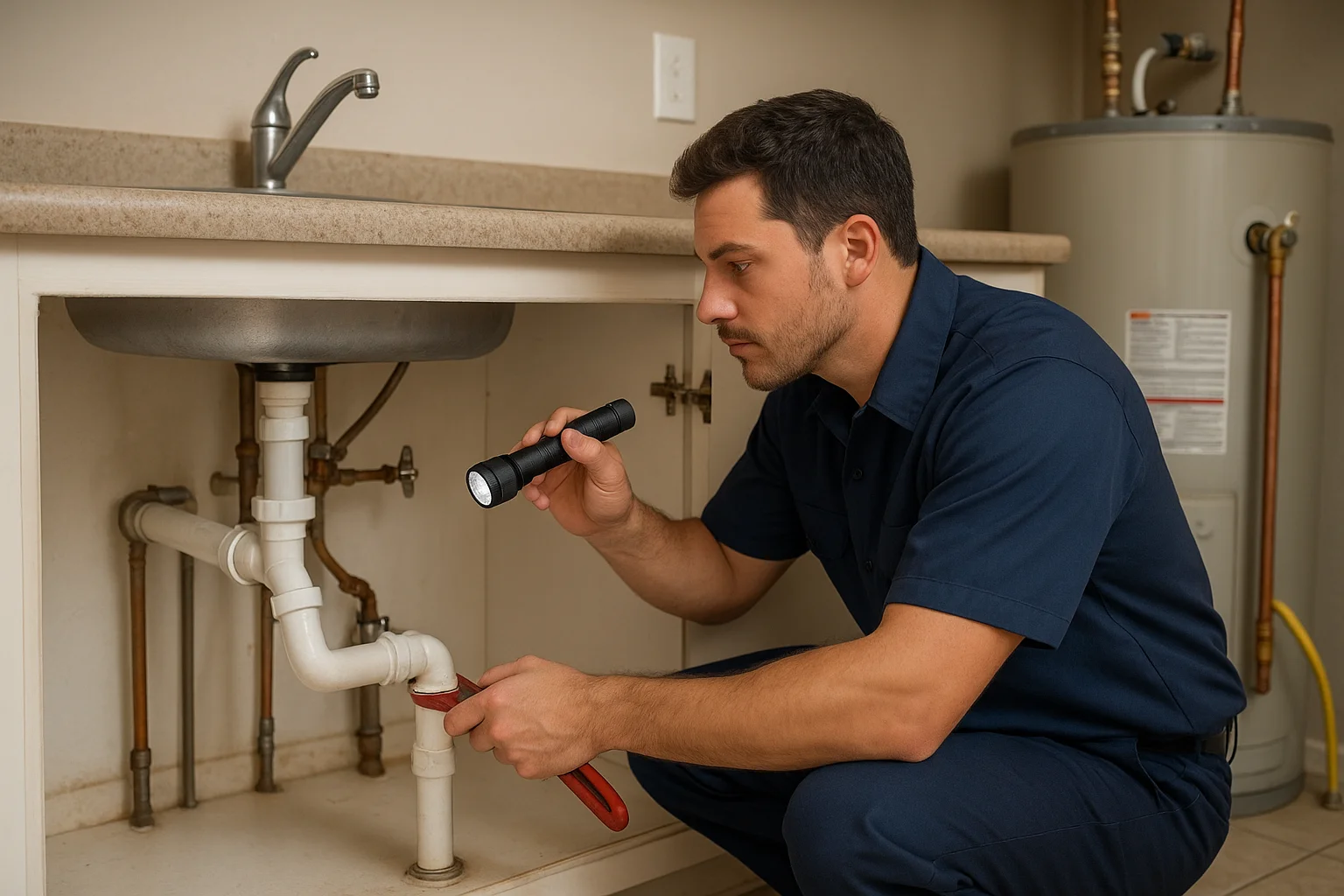
Hot water is one of those everyday comforts you do not notice until it suddenly disappears. In DeFuniak Springs, FL, where homes may rely on older plumbing systems, seasonal water use changes, and sometimes hard water, small water heater problems can turn into bigger plumbing repairs.
This guide covers practical plumbing warning signs connected to water heater services, what typically causes them, and the maintenance habits that can save money. If you are searching for water heater services in DeFuniak Springs, you will find a clear checklist here, plus guidance on when to call a local plumber.
Why DeFuniak Springs water heaters can develop plumbing-linked problems
Local plumbing reliability depends on the whole system, not just the tank or unit. Water heaters connect to supply lines, hot water pipes, pressure controls, drain piping, and sometimes the area around the unit where leaks can go unnoticed. In Walton County, homes often see shifts in household water use, and many properties deal with hard water, which can contribute to scale buildup inside tanks and on fittings.
When scale and corrosion build up, homeowners may notice changes in water pressure, inconsistent hot water, and odd sounds. Those issues can also increase the chance of leaks, clogged drain lines, and even damage that shows up later as pipe repair needs or slab leak concerns.
Top water heater warning signs homeowners should not ignore
Below are common warning signs that connect directly to water heater service and can affect everyday plumbing reliability. Some are safety-related, and others are cost-saving maintenance opportunities.
1) Rusty, discolored, or cloudy hot water
Rust in hot water often points to internal tank corrosion or sediment stirred up by normal heating cycles. If you notice reddish or brown water coming from showers, faucets, or laundry, it is a sign your water heater needs attention. Sediment can also reduce efficiency and contribute to premature failure.
For homeowners searching for water heater repair, this symptom is especially important because it can lead to clogged fittings and reduced flow at fixtures.
2) Popping, rumbling, or knocking sounds
Those noises usually come from water boiling over sediment. As hard water minerals accumulate, they settle at the bottom of the tank. When the burner or heating element cycles, the sediment heats and traps water, creating the cracking and rumbling sounds you may hear through pipes.
Over time, heavy sediment can shorten the lifespan of the unit and make plumbing repairs more likely because pressure and temperature cycles become harder on components.
3) Low hot water or inconsistent temperature
If your shower water turns lukewarm after a short time, or the temperature swings during normal use, the water heater may be struggling to recover. Common causes include thermostat issues, failing heating elements, or overheating and safety control trips. Sediment buildup can also interfere with heat transfer.
Low hot water can also show up as people using more water to compensate, which can strain drains and increase the chance of clogged drain repair problems during high usage weeks.
4) Leaks around the tank, fittings, or drain pan
A small drip can become a bigger plumbing issue quickly, especially in areas where water can travel along pipes. Look for damp spots near the unit, rust trails, pooling water, or water stains on nearby walls or flooring.
If you see water around the base, check supply and drain connections. Leaks can also connect to pressure relief valves and discharge lines. When leaks are ignored, they can lead to water damage and, in some homes, contribute to emergency plumbing concerns such as water leak repair needs.
5) Water pressure changes that seem to match water heater operation
Some homeowners notice that water pressure feels weaker only when hot water is running, or hot water pressure drops after the unit cycles. That pattern can indicate a failing pressure regulator, a partially blocked valve, or sediment affecting flow.
Because water pressure affects fixtures and drains, pressure problems can also contribute to toilet repair issues, faucet performance problems, and slow draining sinks when the plumbing system is under strain.
6) Water heater discharge smells, wet spots, or unusual drainage
A properly installed water heater should not continuously discharge hot water. If you smell hot water discharge, notice wetness near the discharge pipe, or see repeated drainage, it may be a sign the temperature and pressure relief valve is opening frequently. That can happen when the unit overheats or when internal components fail.
Repeated discharge can waste water and may affect nearby plumbing. If the drain line is not clear, you can also see drainage-related symptoms that feel like a clogged drain repair problem even when the root cause is the water heater.
7) Hot water that smells like sulfur or rotten eggs
Odors can come from bacteria in the tank, water quality issues, or sediment that traps organic material. While it is sometimes treatable, persistent odor usually means the unit needs professional evaluation. Do not rely on temporary fixes.
If you are also experiencing drain odor from sinks or tubs, it can be unrelated, but plumbers often find that multiple plumbing problems are happening at once in older DeFuniak Springs homes.
Common causes behind these warning signs
Understanding the cause helps you choose the right repair and avoid paying twice.
Sediment and hard water scale
Hard water is common in many areas and can accelerate mineral buildup. Over time, sediment reduces heating efficiency, increases noise, and can lead to overheating. The result is more frequent cycling, higher operating costs, and a higher chance of failure.
Regular maintenance, including flushing based on manufacturer guidance, can reduce sediment-related issues. If you are planning local plumbing maintenance, this is one of the most practical steps to protect both the water heater and the connected hot water pipes.
Corrosion and aging tanks
Even well-maintained tanks eventually wear out. Corrosion can show up as rust in water, pinhole leaks, or weakened internal components. When corrosion is advanced, repairs may not last, and homeowners often end up needing water heater replacement.
If you are searching for tankless water heater replacement near me or tank replacement options, it helps to have a plumber evaluate whether repair or replacement is the better value based on age and condition.
Pressure and temperature control problems
Faulty thermostats, failing heating elements, and pressure relief valve issues can cause inconsistent hot water and discharge problems. These issues can also create safety concerns, so they should not be handled with DIY guessing.
Improper installation or aging connections
Loose fittings, worn supply lines, and corroded discharge piping can cause leaks. In some homes, especially where plumbing has been updated over the years, transitions between old and new pipe materials can create weak points.
When water leaks develop behind walls or under floors, the problem can be harder to locate. That is where experienced leak repair matters.
How to reduce risk with everyday maintenance habits
You do not need complicated tools to protect your system. A few homeowner-friendly habits can reduce wear on your water heater and connected plumbing.
Check for small leaks monthly
Walk the area around the water heater and look for moisture, rust trails, and damp odors. If you have a drain pan, check it. Catching a water leak early can prevent water damage and reduce the likelihood of slab leak repair needs later.
Watch how your hot water behaves
Pay attention to temperature stability during showers and dishwashing. If you notice changes after a vacation rental is reoccupied or after guests use more hot water than usual, it can reveal recovery issues or sediment problems.
For homeowners managing vacation rentals, consistent hot water is part of guest experience. Maintenance helps avoid last-minute emergency plumber calls.
Use the right water settings for efficiency
Lowering the thermostat slightly can reduce overheating and help limit scale. Follow manufacturer recommendations. If you are not sure how your unit is set, ask a plumber to verify settings during a service visit.
Keep drain lines clear and understand the water heater discharge path
Your water heater discharge and nearby drains should have proper flow. If a discharge line is blocked, the valve may open more often. That can look like a plumbing drainage issue even though the cause is the water heater.
When homeowners search for drain cleaning near me because a sink drains slowly, it can sometimes be related to overall plumbing flow or venting. A plumber can confirm whether the water heater area is contributing.
Flush the tank when recommended
Many tank-style water heaters benefit from periodic flushing to remove sediment. The frequency depends on water hardness, usage, and the unit design. A professional can advise a schedule for your home in DeFuniak Springs and help avoid damaging the tank.
If you have a history of cloudy water or loud popping, flushing may be part of a maintenance plan, but it should be done carefully and based on the unit condition.
Inspect nearby fixtures for linked symptoms
Hot water issues often show up at fixtures first. If you notice toilet tanks filling slowly, faucet repair needs, or shower temperature problems, the water heater may be part of the cause.
For example, some toilet repair problems are actually linked to supply pressure changes. If hot water pressure drops during specific cycles, a plumber can evaluate the water heater and the connected plumbing.
When water heater issues start affecting drains and sewer lines
Water heaters can connect to the plumbing system in ways that make other problems seem unrelated. Here are a few ways homeowners in DeFuniak Springs can see cross-system effects.
Overflow, discharge, or venting problems can create drainage trouble
If a water heater discharge line is improperly routed, blocked, or leaking, water may collect or flow where it should not. That can lead to damp areas, odors, and recurring moisture around fittings and nearby pipes.
In some cases, homeowners may notice that drains behave differently when hot water is running, especially if venting is compromised. This is also why drain cleaning and plumbing repair sometimes go hand in hand.
Sediment can contribute to clogs in supply and fixture lines
As sediment builds inside the tank, it can move into hot water lines. That can affect faucet aerators, shower heads, and other fixtures. While this might look like a simple clogged fixture, it may actually be a water heater problem that requires service.
Older homes may need sewer line help after repeated plumbing stress
DeFuniak Springs homes with older sewer systems can develop slow drains and backups. When hot water is used heavily, and when plumbing flow is already restricted, blockages can worsen. If you are dealing with repeated issues like sewer drain cleaning near me searches, it is smart to evaluate the entire system, not just the last clog.
A professional can coordinate water heater service with sewer camera inspection when needed, especially if there are signs of recurring backups.
Emergency plumbing concerns that should be handled right away
Some water heater related problems are urgent. If you notice any of the following, treat it as an emergency plumbing concern and contact a local professional immediately.
- Active water pooling around the unit, especially if it is spreading to floors or walls
- No hot water plus signs of overheating, frequent valve discharge, or strong burning smells
- Repeated discharge from the temperature and pressure relief valve
- Large leaks from supply lines, connections, or the unit body
- Water backing up in nearby drains while hot water is running
For homeowners searching for emergency drain cleaning near me or water leak repair near me, the key is to identify whether the water heater is the source. A qualified plumber can check the unit, the connected pipes, and the drainage path so the fix is complete.
Water heater maintenance that saves money long term
Maintenance is not just about comfort. It is about avoiding expensive plumbing repairs, reducing wasted water, and protecting the rest of your pipes and fixtures.
Lower operating costs by improving efficiency
Sediment buildup forces the unit to work harder to heat water. That can raise energy costs and shorten the lifespan of the tank. Regular service helps keep heating performance steady.
Reduce water waste from discharge and small leaks
A leaking valve, a failing connection, or a discharge line issue can waste water every day. Over time, that adds up, and it can also increase the risk of damage that leads to bigger repairs.
Protect fixtures and reduce repeat calls
If the water heater is sending sediment or inconsistent water pressure through your system, you can end up paying for multiple fixture repairs. Fixing the source reduces the chances you will repeatedly deal with faucet repair near me type issues, clogged fixtures, and recurring toilet fill problems.
If you want more ideas for keeping your plumbing system in good shape, these local guides can help: A Smarter Way to Handle Plumbing Maintenance in DeFuniak Springs and Staying Ahead of Plumbing Problems in DeFuniak Springs Homes.
Choosing the right water heater service in DeFuniak Springs
When you contact a local plumbing team, you want service that addresses the full plumbing connection, not just the symptoms. A good water heater service visit typically includes inspection of the unit, checks of pressure and temperature controls, review of discharge piping, and evaluation of connected hot water lines.
Depending on what is found, the solution may include repair, a tank flush or replacement, or upgrades like tankless water heater installation. If your home uses a lot of hot water for showers, laundry, and dishwashing, the right setup can improve reliability and reduce strain on drains and pipes.
For homeowners comparing options, you can also review Cleaner Water Starts With Better Plumbing Care in DeFuniak Springs if hard water or water quality is part of the problem. If you are considering updates to the plumbing system around the heater, Making Smarter Choices About Plumbing Fixture Replacement in DeFuniak Springs, FL can help you plan upgrades that work with your water heater.
Related plumbing services that often pair well with water heater work
Water heater problems sometimes overlap with other plumbing needs. A reliable team can coordinate the right service so you do not have to manage multiple contractors.
- Plumbing replacement: If the water heater is failing and connected pipes are also aging, consider Plumbing Replacement for a longer-term fix.
- Sewer camera inspection: If backups or slow drains show up alongside water heater issues, a Sewer Camera Inspection can identify the real source.
- Water purification: If hard water is driving sediment and corrosion, Water Purification may help protect the system.
- Commercial plumbing services: For businesses with higher hot water demand, Commercial Plumbing Services can support consistent operations.
Schedule service when the warning signs start, not after the failure
In DeFuniak Springs, the best time to handle water heater issues is when you first notice changes in hot water, unusual sounds, or signs of leaks. Waiting until the unit fails can lead to urgent repairs and more disruption, especially for families, vacation rentals, and businesses that need reliable hot water every day.
For professional help, start with A Superior Mechanical water heater services in DeFuniak Springs. A qualified plumber can evaluate the system, recommend the right repair or replacement, and help you protect your pipes, drains, and fixtures from avoidable damage.
If you are still comparing options for a plumber near me, it helps to choose a local provider familiar with Walton County homes and the plumbing challenges that come with them. You can also explore service coverage on the DeFuniak Springs city page and Walton County service areas.
Find Water Heater Services in DeFuniak Springs, FL
If you need Water Heater Services in DeFuniak Springs, FL, visit our local service page or contact A Superior Mechanical today.
Map of DeFuniak Springs, FL
Frequently Asked Questions
How can I tell if my water heater problem is actually a plumbing leak?
Look for water pooling near the base, rust trails on fittings, damp spots that grow over time, or moisture around the discharge pipe. If hot water performance changes at the same time, the heater may be leaking internally or failing controls. A plumber can trace the source to the unit, supply lines, or nearby pipes.
What does popping or rumbling from a water heater mean?
Most often, it indicates sediment buildup inside the tank. As the burner or heating element runs, the sediment heats and creates cracking or rumbling sounds. Flushing and inspection can help, but heavy buildup or corrosion may require repair or replacement.
Is rusty hot water always a sign the water heater needs replacement?
Not always, but it often signals tank corrosion or heavy sediment. A service technician should inspect the unit and connected hot water lines to determine whether flushing and repairs are enough or whether replacement is the safer, longer-lasting option.
Why does my water heater discharge valve open more than it should?
Frequent discharge can be caused by overheating, a failing temperature and pressure relief valve, or issues with the unit’s controls. Because this can waste water and create safety concerns, it is best handled by a professional.
Can a water heater issue affect drains or sewer line problems?
Yes. If the discharge line or nearby venting is blocked, leaking, or improperly routed, it can create drainage or odor issues. Sediment can also travel into hot water lines and affect fixtures. If you are dealing with repeated backups, combining water heater service with sewer evaluation can prevent repeat clogs.
Related Articles
Photo Gallery