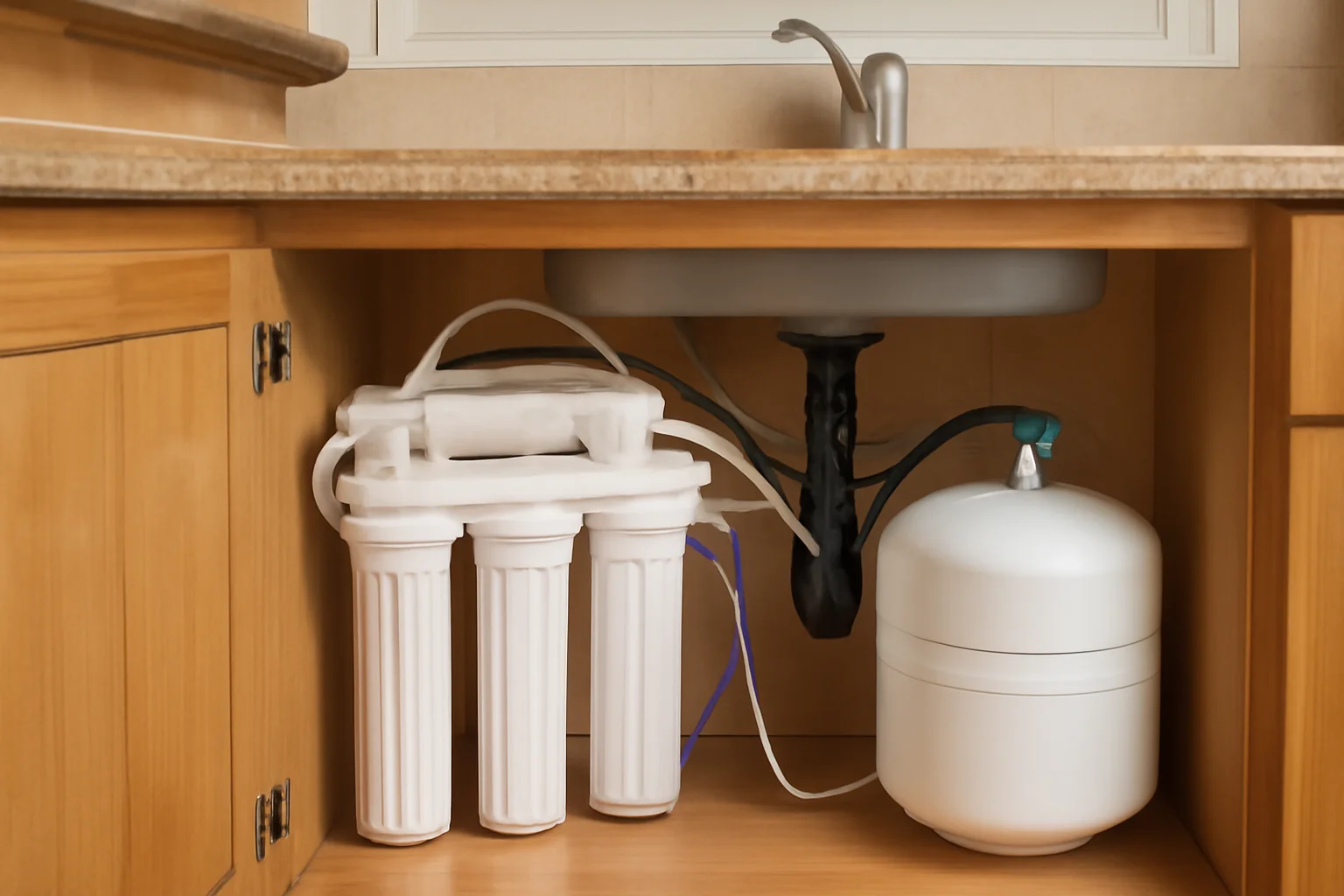
Mary Esther, FL is a beautiful place to live, and it also means your home’s water has to work hard every day. From drinking water and cooking water to bathing, laundry, and the way fixtures look after a shower, water quality shows up fast. When a reverse osmosis (RO) system is installed, it can help families enjoy cleaner, better tasting drinking water. But when the system is struggling, homeowners often notice the same handful of clues: sediment, odor, chlorine concerns, and the kind of scale buildup that makes glass and fixtures look tired.
This guide walks through common water quality warning signs connected to reverse osmosis systems in Mary Esther. You will also learn what causes them, how to reduce sediment, odor, and chlorine issues, and how professional water treatment service helps protect daily life for your family.
Why reverse osmosis performance matters for families in Mary Esther
Reverse osmosis systems use a semi-permeable membrane to reduce contaminants. Many homes in Okaloosa County also deal with hard water conditions that can leave scale. When the RO system is working as designed, it can improve the taste and clarity of water for drinking and cooking, and it can help reduce the “extra” minerals that show up in everyday use.
Mary Esther homes often see seasonal changes from coastal weather, humidity, and water chemistry shifts. Even if your water source stays consistent, system wear and changing incoming water can make RO performance drift over time. That is why families searching for water filtration near me often end up focusing on RO maintenance and water testing, not just the installation date.
Warning sign: cloudy ice cubes and dull-looking drinking water
Cloudy ice is one of the earliest signs homeowners notice. Ice forms from water that is already in your storage tank or RO line. If you see persistent cloudiness or a milky look in ice cubes, it can point to a few common problems in RO systems.
Common causes
- Membrane aging or fouling, which can reduce filtration effectiveness.
- Carbon filter issues, which can affect taste and odor and may allow more dissolved compounds to pass through.
- Residual sediment from pre-filtration not catching particles before they reach the membrane.
If your ice looks cloudy, you might also notice water that does not taste as clean as it used to. Cloudy ice can also show up when there is a balance problem between the RO line, storage, and your faucet aerator.
Warning sign: metallic, chlorinated, or unpleasant taste
Many families connect chlorine concerns with swimming pools, but chlorine and related disinfectants can show up in drinking water. RO drinking water systems typically reduce many taste and odor compounds, especially when paired with appropriate pre-treatment and carbon filtration.
Common causes
- Carbon media exhaustion, especially if the system uses a carbon filter stage.
- Low RO rejection due to membrane wear.
- Improper filter sizing for your household’s water use, which can lead to faster breakthrough.
A metallic taste can also be tied to sediment in household water. If your family’s water tastes off, it often affects everything from “just a glass” to filtered water for coffee and cooking.
Warning sign: visible sediment, discoloration, and odor concerns
Visible sediment in household water is hard to ignore. It may show up in a clear glass, in the bottom of a kettle, or as particles that collect in a sink. Discoloration can be subtle, like a faint tint, or more obvious.
In RO systems, sediment issues usually begin upstream. Many RO setups include sediment pre-filters that protect the membrane. If those filters are clogged or overdue, more particles can reach the membrane and reduce performance.
Where sediment shows up in a Mary Esther home
- Kettle and coffee pot: sediment can settle and make coffee taste stale.
- Drinking water: particles can cling to glassware.
- Faucet flow: you may notice slower output or irregular flow.
- Whole kitchen cleanup: more residue in the sink and around drains.
When odor concerns come with sediment, it often indicates a filtration stage that is not keeping up. That is why homeowners looking for water treatment near me often benefit from both system inspection and water testing.
Warning sign: soap that does not lather or rinse well
Soap performance tells you a lot about water chemistry. If soap does not lather well, feels “slippery” without cleaning, or leaves a film that rinses slowly, your household may be dealing with hard water or changing water hardness. RO systems can help improve drinking water quality, but hard water treatment often needs to be addressed as part of a broader home water purification plan.
It is also common for families to notice that towels feel rougher or that shower rinsing takes longer. Even if your RO faucet water tastes better, whole-home water conditions still affect bathing and laundry.
Warning sign: hard water spots on glass, dishes, and fixtures
Hard water spots are one of the most recognizable clues. You might see stubborn marks on glassware, a chalky film on dishes, or spots around faucets and showerheads. Scale buildup around faucets, showerheads, and plumbing can also show up as reduced water flow over time.
RO systems focus on drinking water lines, but scale issues can still be part of the larger water picture. If your family is cleaning more often, using more chemicals, or scrubbing to remove spots, it is a sign that hard water treatment may be needed alongside RO.
Why this matters for your home
- Appliances wear out faster, especially water heaters, dishwashers, and coffee makers that rely on clean water flow.
- Water heaters and pipes lose efficiency as scale builds up.
- Fixtures look older than they should, even with regular cleaning.
Warning sign: dry skin or dull hair after bathing
Bathing can reveal water quality problems quickly. Dry skin, tightness after showering, and dull hair can be linked to mineral buildup and water chemistry. While RO can improve drinking and some point-of-use water, whole-home water quality still affects how water feels on skin and hair.
For many families, better water for drinking and cooking is a priority, but bathing comfort is what makes them notice a difference. When water is too hard or contains compounds that react with soap, you may end up with residue on skin and hair.
Warning sign: poor tasting coffee and cooking water
Filtered water for coffee and cooking is where RO systems shine when they are functioning properly. If your coffee tastes flat, bitter, or “off,” or if cooking water leaves a residue taste, the RO system may be losing effectiveness.
Common household clues include:
- Coffee that does not taste consistent from pot to pot
- Tea that tastes stronger or harsher than usual
- Rice or pasta that seems to cook differently
- Broth or sauces that taste metallic or chlorinated
When the system is under-filtering due to sediment in household water or membrane issues, the water you use for cooking can carry those changes right into the meal.
Warning sign: appliances wearing out faster and maintenance increases
Families often notice appliance wear after a while. If you are replacing or descaling appliances more frequently, it can point to mineral scale and sediment. Even if the RO system provides better drinking water, the rest of the home still uses incoming water for laundry, showers, and many appliances.
In Mary Esther, where homeowners may run dishwashers, washing machines, and water heaters year-round through humid seasons, scale buildup around faucets, showerheads, and plumbing can accelerate wear.
How reverse osmosis problems connect to sediment, odor, and chlorine concerns
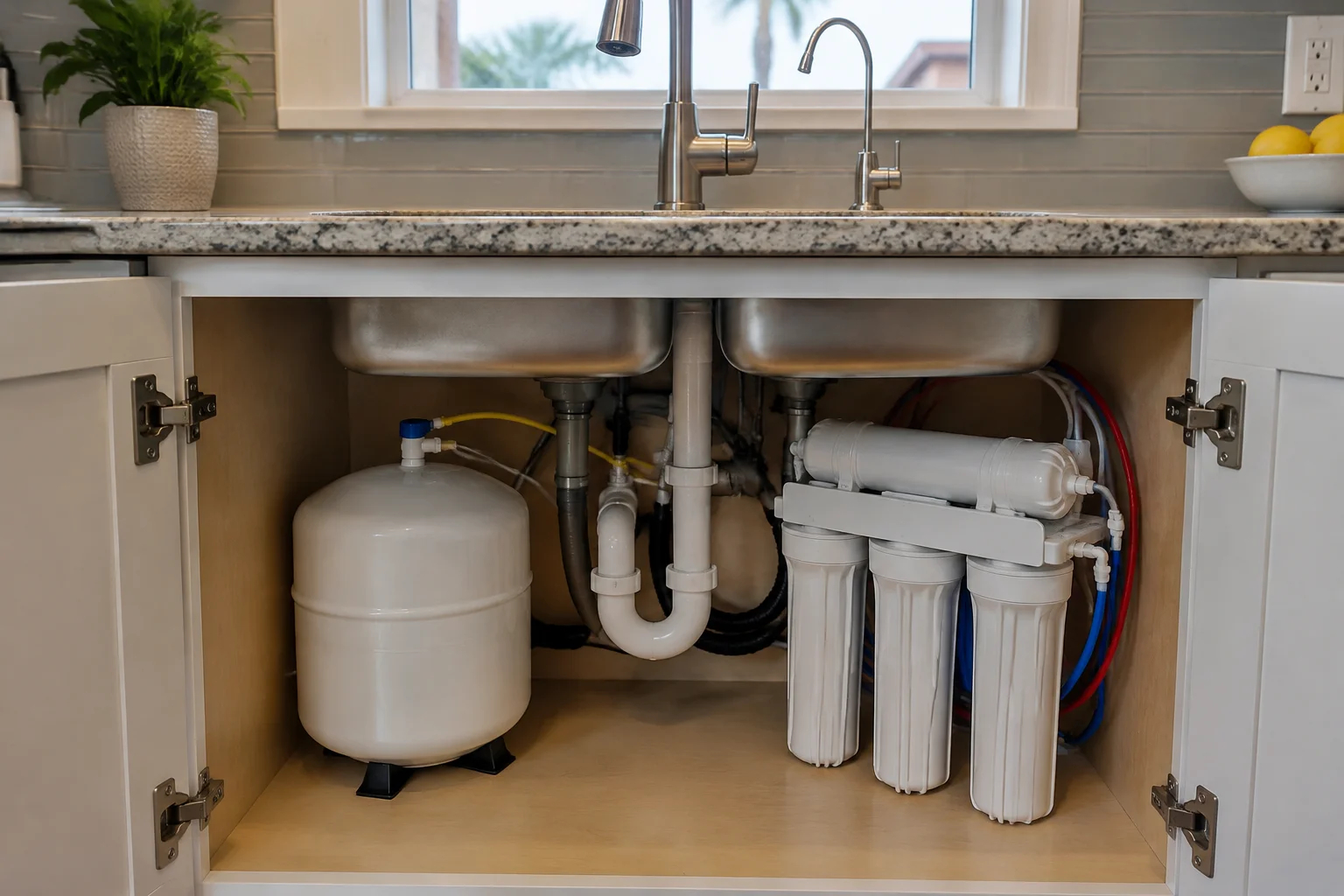
To reduce sediment, odor, and chlorine concerns, it helps to understand what RO systems are doing at each stage. Most RO systems include:
- Sediment pre-filtration to capture particles before they reach the membrane
- Carbon filtration to address taste and odor
- RO membrane to reduce dissolved contaminants
- Post-filtration for final polishing
When one stage is out of balance, the symptoms show up at the kitchen sink and in daily routines. That is why families searching for reverse osmosis system near me often want more than a quick fix. They want a system check that matches the problem to the right stage.
What you can do between professional visits
Homeowners can take a few practical steps to reduce issues while scheduling service.
1) Check the RO faucet and storage tank performance
If your RO faucet output slows, or you notice changes in flow, that can indicate clogged pre-filters, a failing membrane, or pressure problems. Pay attention to whether the tank seems to refill properly.
2) Inspect for sediment in clear containers
Fill a clear glass and observe. A small amount of trapped air can cloud water temporarily, but persistent sediment or discoloration should be treated as a sign to test and service the unit.
3) Keep a simple maintenance log
Write down filter change dates, any cleaning performed, and when taste or odor changes began. This helps your technician match the timeline to the likely failing stage.
4) Avoid “flushing” as a substitute for replacement
Some homeowners try to flush the system longer. Flushing can help in certain situations, but it does not replace worn membranes or exhausted carbon.
Why water testing and proper maintenance matter in Okaloosa County
Mary Esther homes can experience different water conditions depending on the season and the specific source feeding your area. A reverse osmosis system may also be sized for a certain daily water demand. If your family grows, you add a new appliance that uses RO water, or you start using more drinking and cooking water, the system may need adjustments.
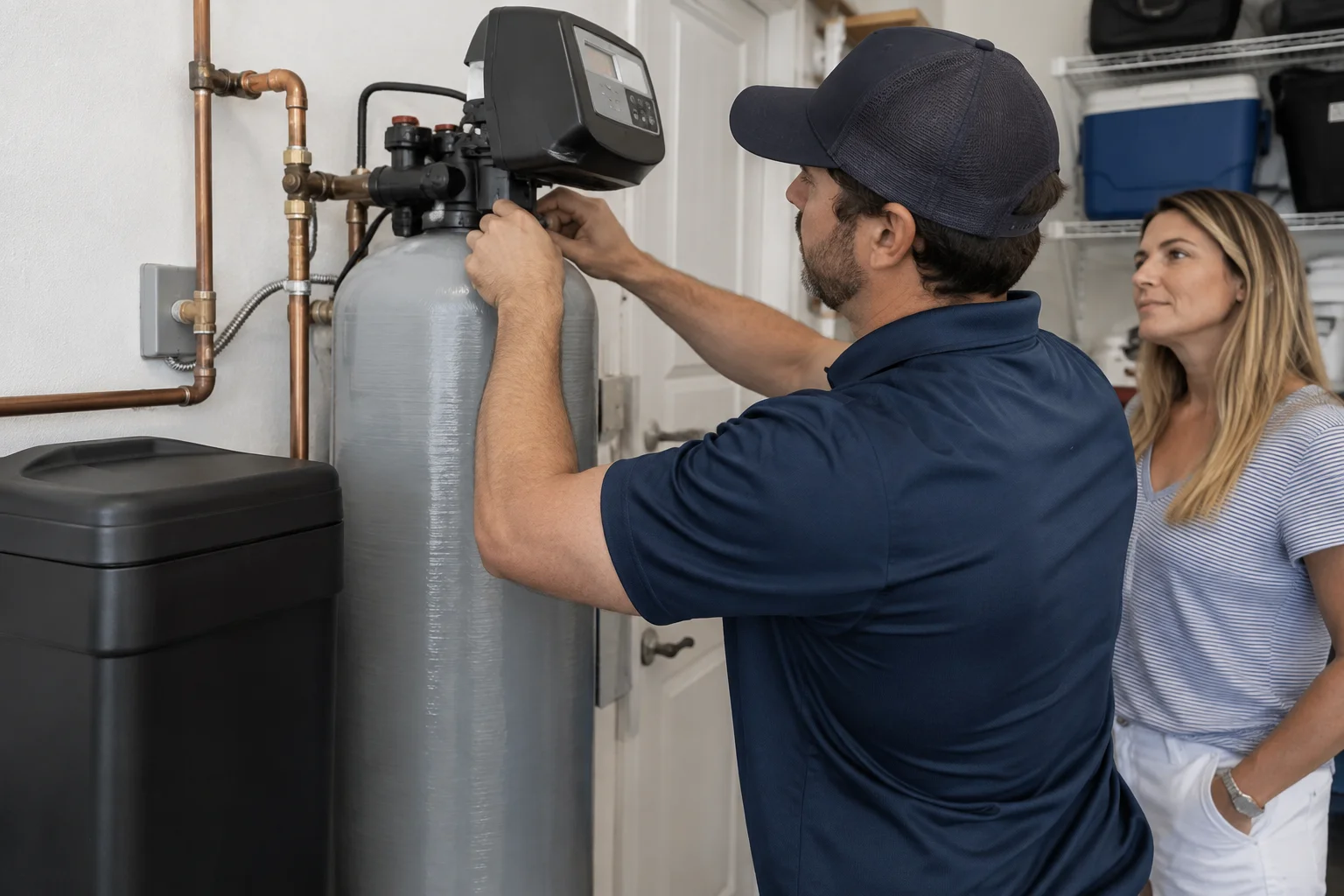
Professional water treatment service includes:
- Inspection of pre-filters, carbon stages, and the RO membrane
- Verification of pressure and flow
- Filter selection that fits your household
- Water quality testing to confirm what is actually in the water
This approach is especially important when you are trying to improve whole-home water quality, not just the drinking water line.
When RO alone is not enough: pairing with water softening and whole home filtration
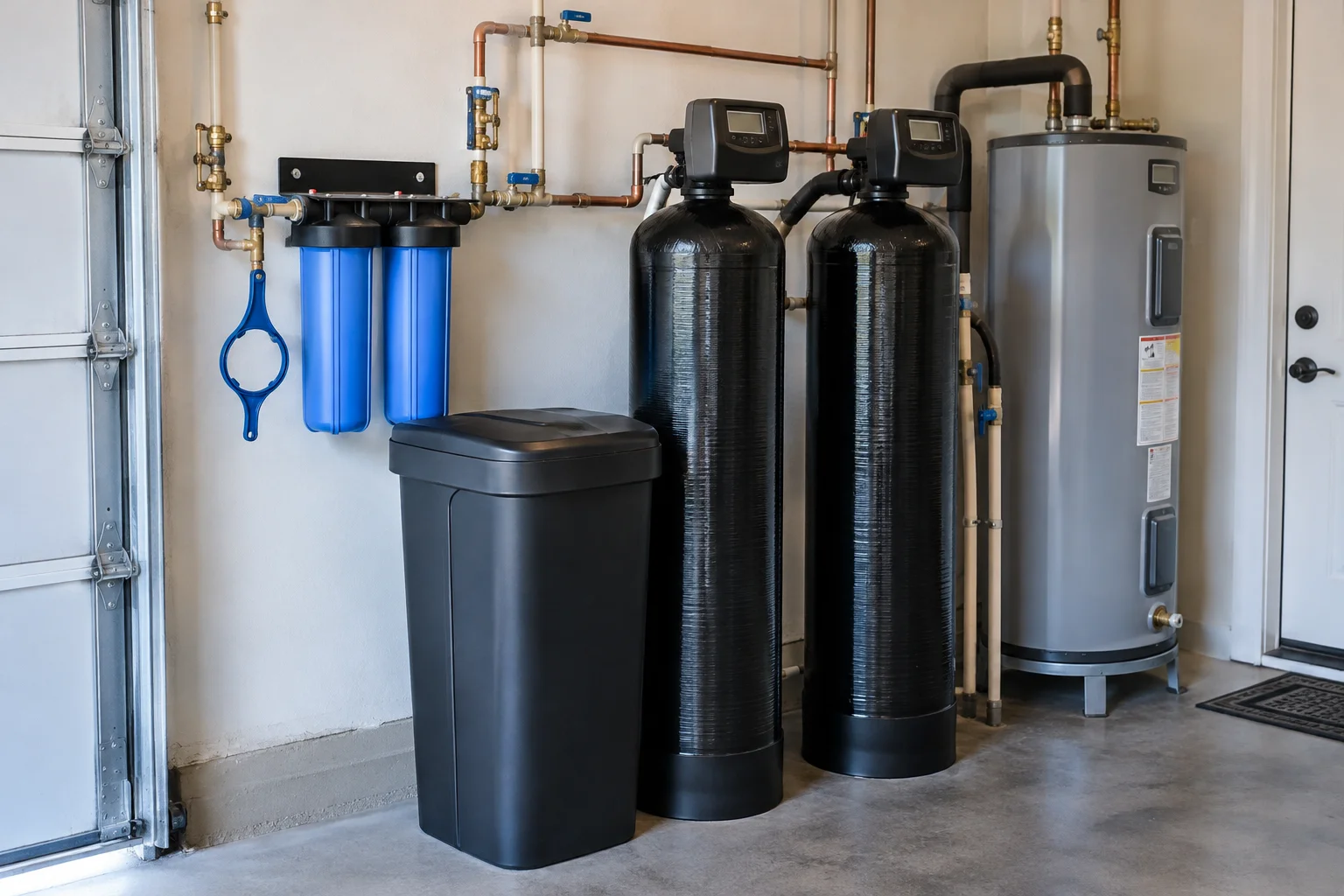
Many families want better drinking water and also want to solve hard water spots on glass, dishes, and fixtures. That is where water softening and whole home water filtration become part of the plan.
RO is excellent for point-of-use drinking and cooking water, but hard water treatment helps reduce scale buildup around faucets, showerheads, and plumbing throughout the home. This can improve how soap lathers and rinses, support softer skin and hair, and help appliances last longer.
For homeowners exploring options like water softener service near me or whole home water filtration near me, a combined strategy often makes the biggest difference. It can also reduce the “double work” of cleaning glassware and scrubbing fixtures.
AO Smith water filtration options for cleaner water routines
Homeowners often ask about reputable brands when they are comparing water filtration near me. AO Smith water filtration is a common option in the water treatment conversation because it is built for residential water quality goals.
In a Mary Esther home, a typical strategy might include AO Smith water filtration components for whole home needs and reverse osmosis for drinking water. That combination can support:
- Better tasting drinking water at the kitchen faucet
- Filtered water for coffee and cooking with more consistent flavor
- Less scale and spotting across fixtures and appliances
- Comfortable bathing water with improved soap performance
A Superior Mechanical can help evaluate how RO and whole home solutions fit together for your household’s water use and the specific issues you are seeing.
How to spot the right time to schedule reverse osmosis system repair
Some RO problems are easy to catch early. Others build slowly until they affect taste, ice, and daily routines. Consider scheduling service if you notice:
- Cloudy ice cubes or persistent water cloudiness
- Metallic, chlorinated, or unpleasant taste returning
- Visible sediment or discoloration
- Reduced RO flow or inconsistent water output
- Hard water spots getting worse alongside RO changes
- Appliances requiring more frequent descaling
If you are trying to decide between RO system installation, repair, or upgrading your setup, it helps to start with a system inspection and water testing. That is the fastest way to reduce sediment in household water and confirm what needs replacement, not guessing.
Service areas and local support for Mary Esther homeowners
If you are dealing with sediment, odor, and chlorine concerns connected to your reverse osmosis system, A Superior Mechanical serves Mary Esther and the surrounding Okaloosa County area. You can review reverse osmosis installation and service details on our reverse osmosis systems service page.
For homeowners who are also thinking about upgrading the broader water system, start with water filtration and RO water softeners. And if you want to understand local coverage and how service scheduling works across the region, visit the Mary Esther service area page and Okaloosa County service information.
Practical household examples of what “better water” looks like
Picture a typical Mary Esther evening. Kids rinse off after sports, dinner starts with filtered water for cooking, and someone pours a glass of water for a quick drink. When the RO system is performing well, the kitchen water tastes clean, coffee tastes more balanced, and ice looks clear. When it is not, the same routines become harder: ice looks cloudy, coffee tastes off, and you notice spots on glassware and fixtures that take extra scrubbing.
Better water quality can also show up in laundry and bathing. Soap lathers more easily, rinses better, and towels do not feel coated. Hair looks less dull, and skin feels less tight after showers. When hard water treatment becomes part of protecting fixtures and appliances, you may also see fewer scale-related maintenance headaches.
Related reading for homeowners managing hard water and RO together
If you are balancing reverse osmosis with other water quality goals, these resources can help you connect the dots between everyday symptoms and long-term home protection:
- How Better Plumbing Maintenance Protects Mary Esther Property Management Systems
- Hard Water, Busy Pipes, and Mary Esther Homes: A Practical Look at Commercial Plumbing Repairs That Prevent Bigger Problems
- Protecting Mary Esther Homes From Costly Property Management Plumbing Problems
- Smart Plumbing Habits for Reverse Osmosis Systems in 30A Homes
These posts focus on the plumbing side of the story, but the symptoms overlap. Sediment and scale affect both water quality and how long your appliances last.
Choosing the right next step: RO repair, replacement, or whole home filtration
When you have warning signs connected to your RO system, the best next step is usually a professional inspection paired with water testing. That helps determine whether you need reverse osmosis system repair, replacement parts, or a more complete water filtration plan.
For families trying to improve better drinking water and reduce sediment in household water, the goal is simple: clean, reliable water for everyday life. When RO is paired with the right whole home approach, you can reduce chlorine concerns, cut down on odor issues, and protect glassware, fixtures, and appliances from hard water buildup.
If you are searching for water treatment near me in Mary Esther, FL, A Superior Mechanical can help you move from guessing to a clear plan based on what your water is doing and what your RO system is capable of today.
Find Reverse Osmosis Systems in Mary Esther, FL
If you need Reverse Osmosis Systems in Mary Esther, FL, visit our local service page or contact A Superior Mechanical today.
For a broader look at whole-home water filtration, reverse osmosis, and water softener options, visit our water filtration, RO, and water softener page.
Map of Mary Esther, FL
Frequently Asked Questions
Why does my RO water taste chlorinated even though I have a reverse osmosis system?
Chlorinated or unpleasant taste is often tied to an exhausted carbon stage, a failing membrane, or pre-filter problems that allow more compounds through. A technician can inspect the system and confirm which stage needs replacement.
Can sediment in household water come from the RO system itself?
Yes. Sediment usually enters through the pre-filtration stage. If sediment filters are overdue or clogged, particles can reach the membrane and show up as visible sediment or cloudiness in drinking water and ice.
Is cloudy ice always a sign the RO system needs service?
Not always. Small cloudiness can happen from air or temperature changes. Persistent cloudiness, discoloration, or particles are strong indicators that RO performance is slipping and the system should be checked.
Do I need water softening if I already have reverse osmosis for drinking water?
Many homeowners do. RO typically targets drinking water at the kitchen faucet, while water softening helps reduce scale buildup around faucets, showerheads, and plumbing throughout the home. If you have hard water spots and dry skin, a combined approach often works best.
How often should RO filters be replaced in Mary Esther, FL?
Filter timelines vary based on household water use and local water conditions. Your system’s pressure, flow, and taste or odor changes are practical indicators. A professional inspection can confirm the right schedule for your specific RO setup.
Related Articles
- How Better Plumbing Maintenance Protects Mary Esther Property Management Systems
- Hard Water, Busy Pipes, and Mary Esther Homes: A Practical Look at Commercial Plumbing Repairs That Prevent Bigger Problems
- Protecting Mary Esther Homes From Costly Property Management Plumbing Problems
- Smart Plumbing Habits for Reverse Osmosis Systems in 30A Homes
Photo Gallery