Parker, FL homes deal with real water challenges. Hard water spots on glass and fixtures, scale buildup around faucets and showerheads, and sediment or odor concerns are familiar to many families. What homeowners sometimes miss is that these same water quality problems can also shorten the life of a reverse osmosis (RO) system. When RO filters and membranes get stressed, you may notice changes in drinking water, cooking water, and even how long your plumbing fixtures and appliances last.
This guide walks through water quality warning signs connected to RO systems, with a focus on local hard water conditions in Parker and why timely service matters for protecting plumbing fixtures and everyday household routines.
Why hard water in Parker can shorten RO system life
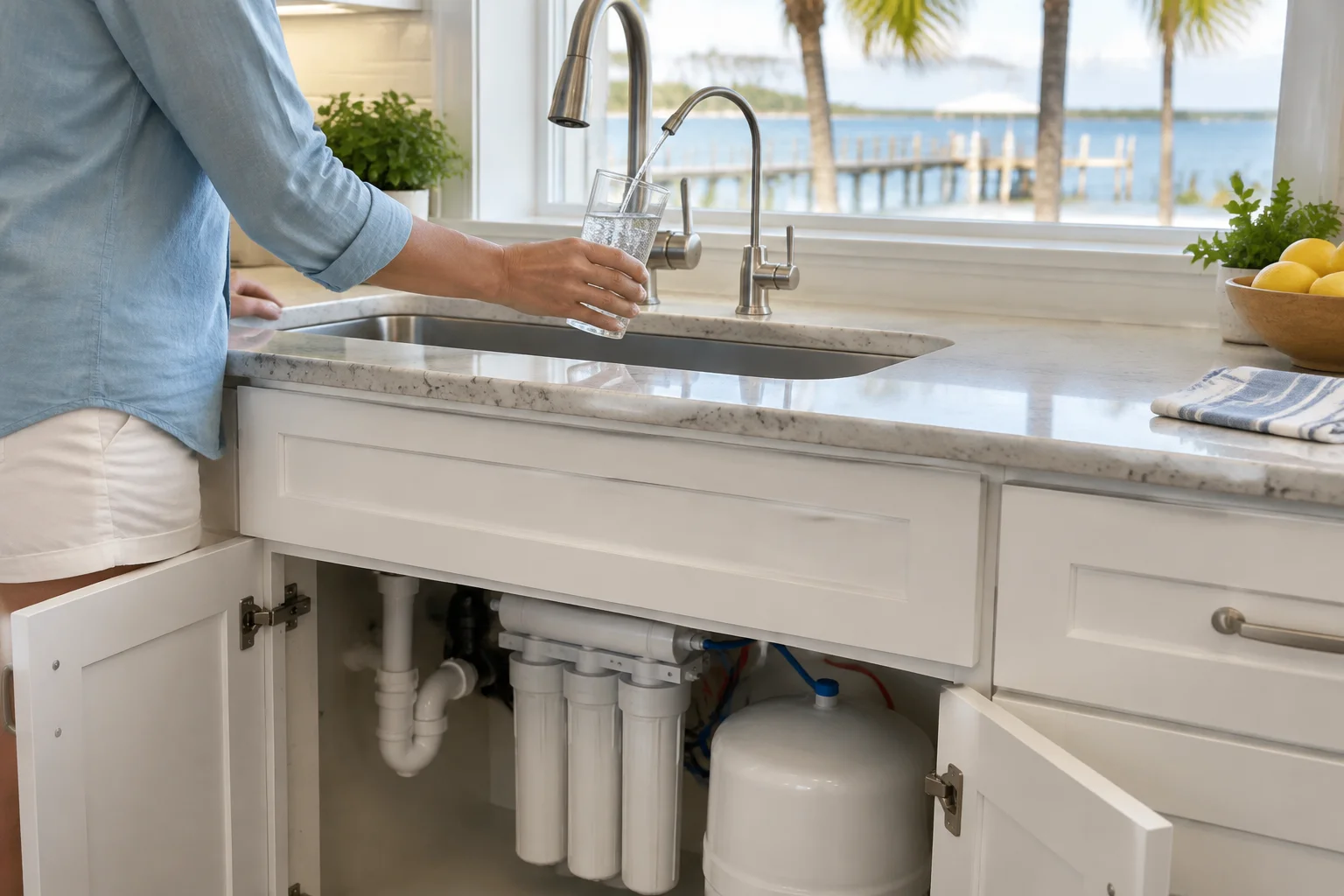
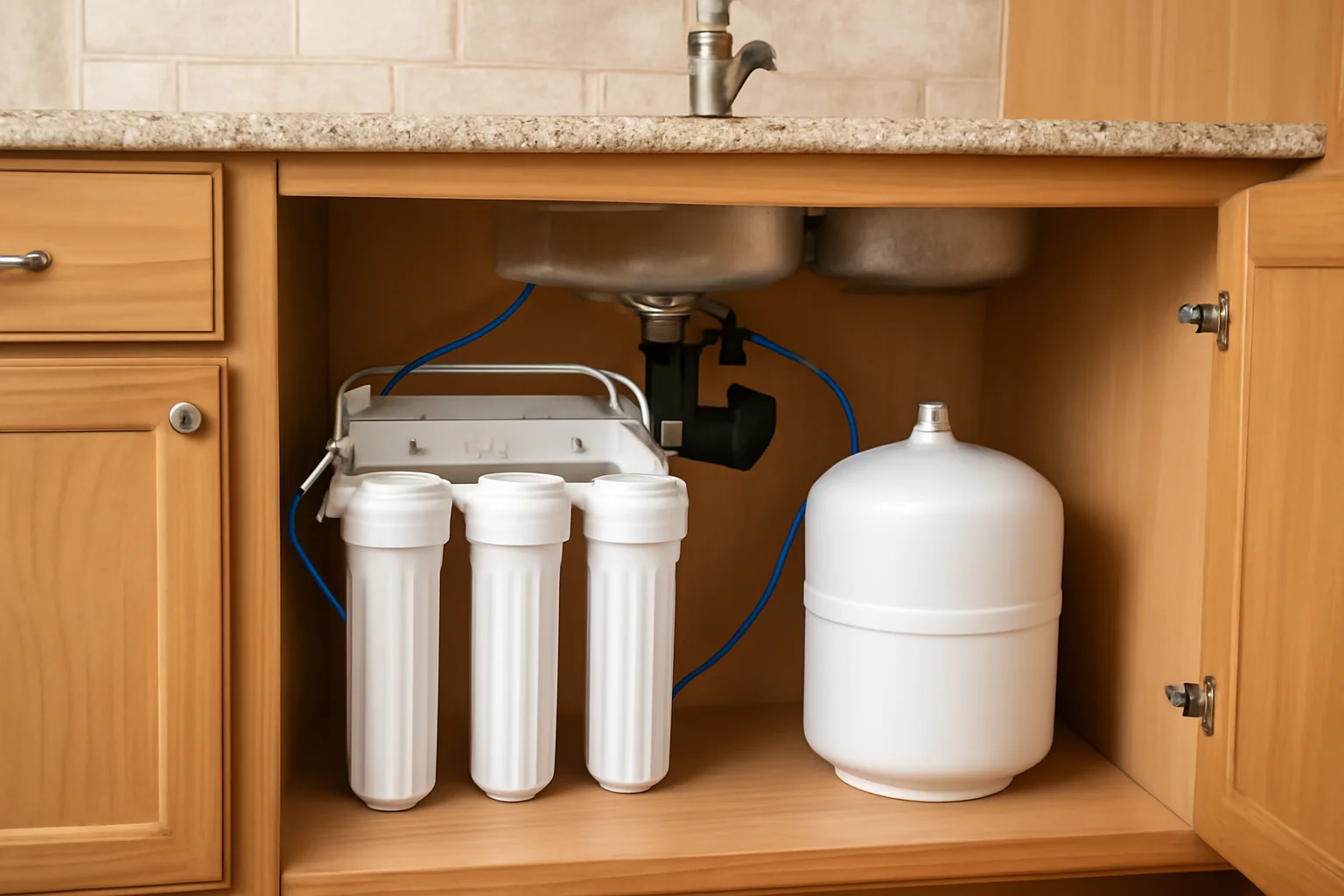
Reverse osmosis systems are built to produce clean, better-tasting water by pushing water through a semi-permeable membrane. That membrane is sensitive to what is already dissolved in your water. In Parker, homeowners often see effects of hard water, including scale on surfaces and mineral buildup in plumbing. When the water entering an RO system is high in hardness or carries sediment, it can reduce membrane performance and increase wear on pre-filters.
It is not just about taste. When hard water treatment is delayed or incomplete, minerals can accumulate where they should not. That can lead to:
- Premature filter clogging
- Reduced water flow to the RO drinking water system
- More frequent RO cartridge changes
- Membrane stress that can shorten service life
- More waste water during production
These issues show up in the kitchen first. Families notice poor tasting coffee and cooking water, RO drinking water that tastes metallic or chlorinated, or ice cubes that look cloudy instead of clear. Over time, the same water quality problems can also wear out appliances faster, from coffee makers to dishwashers.
Warning signs in drinking water that point back to the RO system
RO systems often fail gradually. The first clues are usually in the water you drink and cook with. If you have a reverse osmosis system installed, pay attention to the following changes. They can indicate membrane fouling, clogged pre-filtration, or issues with system maintenance.
1) Metallic, chlorinated, or unpleasant taste returns
Many homeowners choose RO for better water for drinking and cooking. If the taste shifts to something metallic or overly chlorinated, it can mean carbon filtration is exhausted or the RO membrane is not rejecting contaminants the way it should. Even if the smell is subtle, taste changes are a strong sign that the system needs inspection.
2) Cloudy ice cubes or “off” looking drinking water
Cloudy ice cubes can happen for a few reasons, but when it pairs with RO system performance changes, it is worth investigating. Sediment or reduced filtration can cause visible cloudiness. When you are used to clear ice and then suddenly notice cloudy cubes, that is often a sign that the RO system is not filtering as intended.
3) Poor tasting coffee and cooking water
Hard water minerals can interfere with flavor and how coffee extracts. When RO water quality slips, homeowners often notice:
- coffee tastes flat or harsh
- cooking water leaves residue
- broth or pasta water tastes “minerally”
If your coffee and cooking water used to taste better than tap water and now do not, this can align with RO membrane aging, clogged filters, or a system that is not producing water at the expected quality.
4) Water flow slows down from the RO faucet
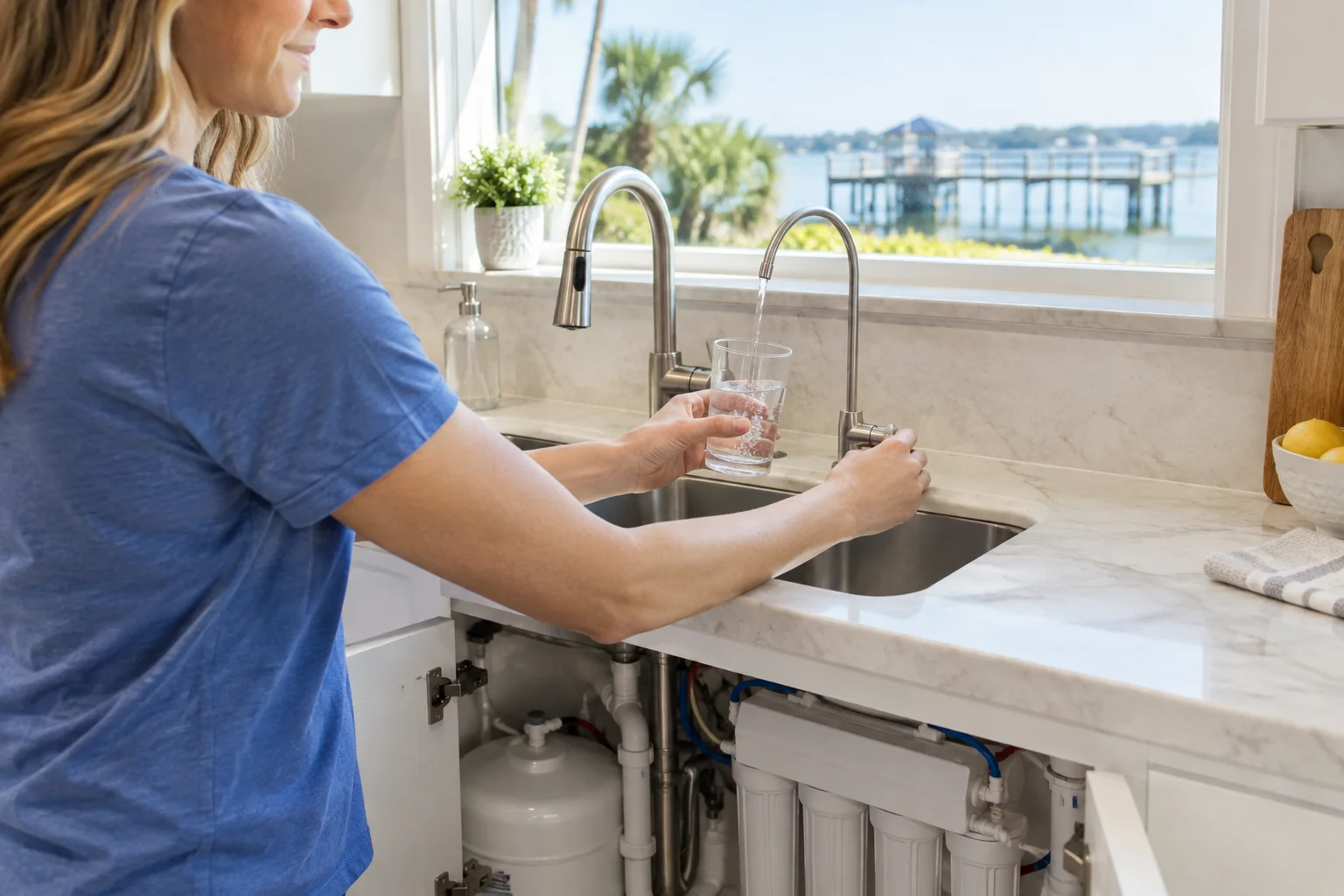
One of the most practical warning signs is reduced production. If you notice the RO drinking water system takes longer to fill a glass or the faucet flow seems weak, pre-filters may be clogged with sediment or hardness-related buildup. That increased restriction can stress the membrane and shorten RO system life.
Warning signs around the home that connect to RO performance and hard water
RO systems treat water for drinking and cooking, but hard water affects the rest of your plumbing and appliances too. When you see these signs, it is a clue that the water entering your home may be stressing both your fixtures and your filtration equipment.
1) Scale buildup around faucets, showerheads, and plumbing
Scale is one of the clearest indicators of hard water. Homeowners often spot it on:
- faucets and aerators
- showerheads
- under-sink plumbing connections
- the edges of tubs and tile grout
If you are seeing scale buildup while also noticing RO taste or flow issues, you may be dealing with hardness levels that are overwhelming the RO system’s protection. In that case, hard water treatment becomes part of protecting fixtures and appliances, not only improving drinking water.
2) Hard water spots on glass and dishes
That cloudy film on drinking glasses, spotty dishware, or residue that will not wipe clean can be a sign that minerals are still making their way through the system. Even if RO is installed at the kitchen sink, the rest of the home still receives the untreated water. When dishwashers and faucets are dealing with mineral buildup, appliances can wear out faster and require more frequent maintenance.
3) Soap that does not lather or rinse well
Many families in hard water areas notice that soap does not lather and rinses poorly. This often shows up as:
- bath and hand soap feeling slippery
- clothing that feels stiff after washing
- residue that builds on fixtures
Hard water can also contribute to dry skin and dull hair after bathing. When the water quality is off, everyone feels it, not just the people drinking RO water.
4) Dry skin or dull hair after bathing
If bath time leaves you feeling dry or hair looks less vibrant, hard water may be a contributing factor. Mineral buildup can leave skin and hair feeling coated. While RO is typically for drinking and cooking, improving overall water quality with appropriate filtration or water softening can make bathing feel better and help reduce that “dry skin from hard water” experience.
5) Visible sediment, discoloration, and odor concerns
RO systems can struggle with incoming sediment. If you see sediment, discoloration, or odor concerns in household water, those issues can show up in multiple ways. For RO, sediment can clog pre-filters quickly and reduce membrane life. For the rest of the home, it can affect laundry, fixtures, and appliance performance.
6) Appliances wearing out faster
Hard water scale is not just cosmetic. It can shorten the life of water heaters, coffee makers, dishwashers, and other devices that rely on clean flow and efficient heating. Homeowners may notice:
- coffee makers clogging or scaling sooner
- dishwashers leaving spots or needing more detergent
- water heater recovery slowing over time
When you see these appliance issues alongside RO performance changes, it is a strong sign that the overall water chemistry needs attention.
How RO systems get damaged: common causes homeowners can prevent
Most RO problems are not mysterious. They come from predictable causes that are easy to address with regular service and the right water treatment setup for Parker’s conditions.
Clogged pre-filters from hardness and sediment
RO systems typically use pre-filters to protect the membrane. If those filters are not replaced on schedule, they can become overloaded. That leads to reduced flow, changes in taste, and increased membrane stress. When filters clog, you may see slower production and more frequent issues with water quality.
Membrane fouling from unaddressed hard water
Hard water minerals can contribute to scaling on the membrane surface. Over time, that can reduce rejection and affect the taste and clarity of your drinking water. If you notice cloudy ice cubes, metallic or chlorinated taste, or off flavor returning, membrane fouling is a possibility.
Carbon filter exhaustion and odor or taste problems
If your RO system includes carbon filtration and it is nearing the end of its service life, you may notice unpleasant taste or odor. This is especially noticeable in drinking water and cooking water because those flavors are concentrated in smaller servings.
Skipping maintenance intervals
RO systems are not “set and forget.” Filter schedules depend on incoming water conditions. In Parker, where homeowners report hard water spots and scale buildup, maintenance may need to be more frequent than a generic schedule. A local water treatment professional can match the service plan to your household’s usage and water quality.
What a good reverse osmosis service plan looks like in Parker
A Superior Mechanical provides professional reverse osmosis system installation and service in Parker, FL for cleaner, better-tasting drinking water in homes and businesses across Bay County. If you are comparing water filtration near me options or searching for reverse osmosis installation near me, look for a service approach that focuses on both the RO unit and the water feeding it.
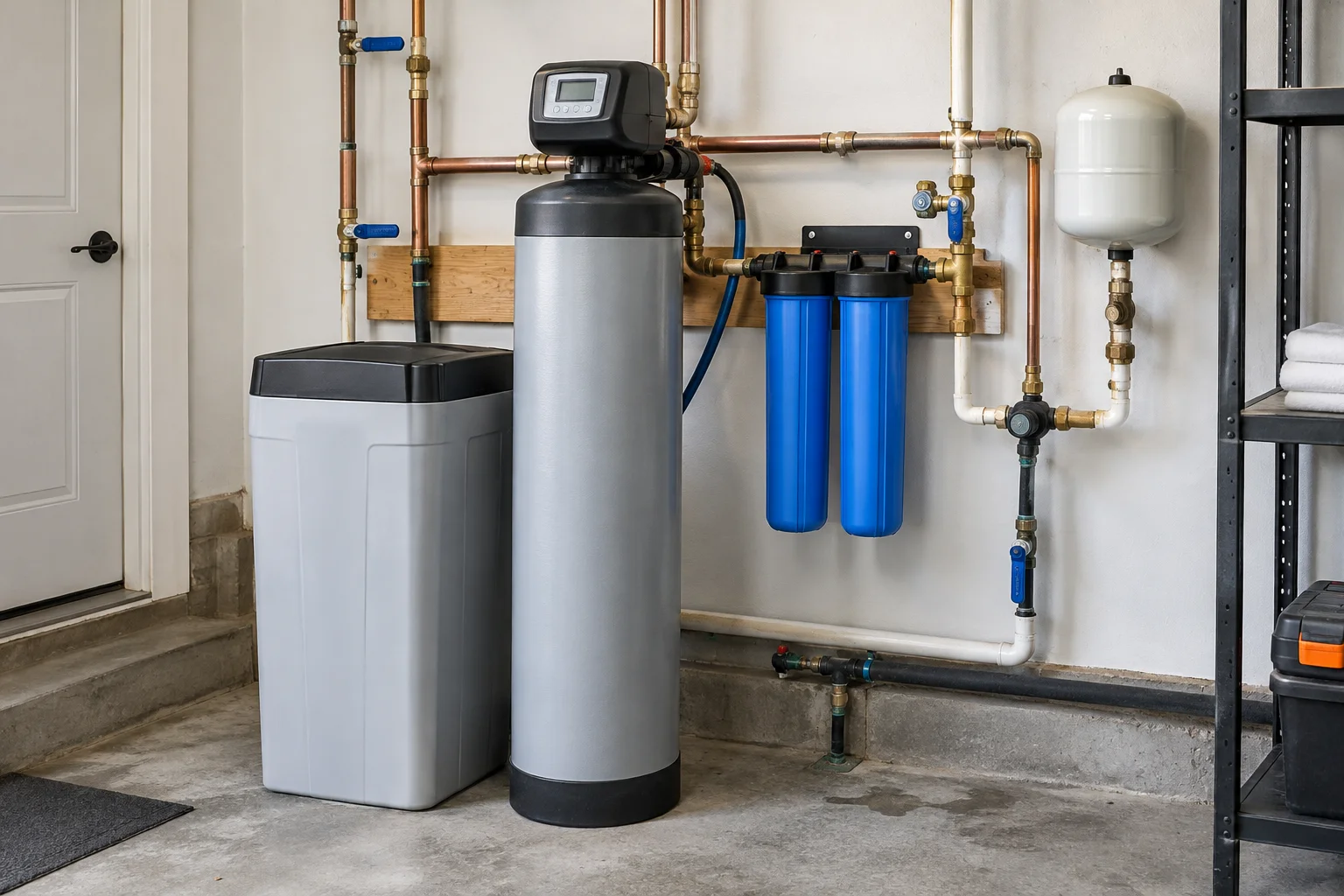
For many Parker homes, the most effective setup is not only RO. It is RO paired with appropriate hard water treatment or whole home water filtration to reduce the mineral and sediment load that stresses the system.
Step 1: Inspect filters, membrane performance, and system pressure
A technician should check the condition of the RO cartridges, review production and flow performance, and inspect for signs of wear. If you have visible scale around plumbing connections or you have noticed changes in taste and clarity, those observations help guide the inspection.
Step 2: Confirm water quality and incoming hardness
Local water conditions vary. A service visit typically includes evaluating incoming water factors that can impact RO life. If hardness is high enough to create scale buildup around faucets, showerheads, and plumbing, you may need additional hard water treatment beyond RO.
Step 3: Recommend the right combination for your home
Depending on your needs, solutions may include:
- Water softening to reduce hardness-related scale in plumbing and appliances
- Whole home water filtration to address sediment and improve overall water quality
- AO Smith water filtration options designed for reliable performance in residential settings
- RO system service with scheduled filter changes and membrane assessment
For homeowners focused on clean water systems near me, this combined approach often delivers the best results because it reduces stress across the home, not only at the kitchen sink.
How better water improves everyday Parker life
It is easy to think of RO water quality as a kitchen-only issue, but families experience the benefits across the day.
Kitchen scenes: drinking water, cooking water, and coffee
Picture a family in Parker filling a glass for the kids, filling a kettle for coffee, or rinsing produce. When RO is working properly, drinking water tastes cleaner, coffee tastes more balanced, and cooking water helps recipes taste consistent. Cloudy ice cubes and metallic or chlorinated taste disrupt that routine fast.
Bathing: comfort and reduced dry skin from hard water
When hard water is addressed through appropriate treatment, bathing often feels different. Dry skin from hard water can be reduced when mineral buildup is controlled. Pairing RO for drinking with broader water treatment can improve both the water you consume and the water you live with.
Laundry and fixtures: fewer mineral surprises
Soap that does not lather or rinse well can turn laundry into a chore and leave fixtures looking dull. Better water quality can help soap work as intended and reduce the buildup that leads to frequent cleaning. If you are already seeing scale buildup around faucets and showerheads, it is worth addressing water chemistry before it escalates into bigger repairs.
AO Smith RO and water filtration options for Parker homes
A Superior Mechanical can help homeowners choose high-performance drinking water filtration systems, including AO Smith reverse osmosis solutions. AO Smith water filtration is often selected for its focus on dependable filtration performance and practical serviceability.
If you are researching reverse osmosis system near me or planning reverse osmosis installation near me, consider asking about how your system will be protected from hard water effects. RO performance depends on what happens before the membrane, including pre-filtration and any upstream water softening or filtration strategy.
You can explore options and service details here: /service-areas/bay-county/parker/reverse-osmosis-systems-pbc.
Preventive steps homeowners can take between service visits
While professional service matters, homeowners can reduce the chance of early RO wear by paying attention to small changes and keeping the system supported.
Watch for taste and clarity changes
If you notice metallic, chlorinated, or unpleasant taste, or you see cloudy ice cubes, treat it as a maintenance cue. Do not ignore it while you wait for a full failure. Early issues often point to filter exhaustion or membrane stress that can be corrected.
Stay consistent with filter replacements
RO systems rely on scheduled maintenance. A local service plan helps match filter change intervals to Parker water conditions. That is especially important when hard water spots, scale buildup, and sediment concerns show up elsewhere in the home.
Keep an eye on RO faucet flow
Slower flow can indicate clogged pre-filters or other problems. If flow drops, it is a good time to request inspection instead of continuing to use the system without checking its condition.
Pair RO with whole home water filtration or water softening when needed
If you are seeing scale buildup around faucets, showerheads, and plumbing, RO alone may not be enough. Consider whole home water filtration or water softening to reduce hardness and sediment load. You can start with the broader approach here: /water-filtration-ro-water-softeners.
When to call A Superior Mechanical for RO service in Parker
Reach out to a professional when you notice persistent water quality problems connected to your RO system or when hard water signs are escalating. Call sooner if you have:
- metallic, chlorinated, or unpleasant taste returning in RO drinking water
- cloudy ice cubes or visible sediment
- poor tasting coffee and cooking water
- slower RO faucet flow or reduced production
- scale buildup around faucets, showerheads, and plumbing
- soap does not lather or rinse well, along with dry skin or dull hair after bathing
- appliances wearing out faster than expected
For local service options across Parker and the surrounding area, you can also browse: /service-areas/bay-county/parker and /service-areas/bay-county.
If you want more context on protecting Parker homes from water-related wear, these reads can help:
- Cleaner Water, Fewer Plumbing Surprises in Parker Homes
- Why Earlier Plumbing Replacement Can Save Parker Homes from Bigger Repairs
- How Everyday Plumbing Wear Creates Bigger Water Leak Repairs in Parker Homes
- Plumbing Maintenance in Parker, FL and the Small Problems That Turn Into Water Damage
Find Reverse Osmosis Systems in Parker, FL
If you need Reverse Osmosis Systems in Parker, FL, visit our local service page or contact A Superior Mechanical today.
For a broader look at whole-home water filtration, reverse osmosis, and water softener options, visit our water filtration, RO, and water softener page.
Map of Parker, FL
Frequently Asked Questions
Can hard water damage a reverse osmosis system?
Yes. Hard water can contribute to mineral scaling that clogs pre-filters and can foul the RO membrane. That often shows up as reduced flow, cloudy ice cubes, or changes in taste.
Why does my RO water taste metallic or chlorinated again?
Metallic or chlorinated taste can be a sign that carbon filtration is exhausted or the RO membrane is no longer rejecting contaminants effectively. A service inspection can confirm which component needs replacement.
How do I know if my RO system needs new filters or membrane service?
Look for warning signs like slower RO faucet flow, sediment or discoloration concerns, cloudy ice cubes, and poor tasting coffee and cooking water. Those changes often indicate filter clogging or membrane wear.
Should I use water softening with an RO system?
Often, yes for Parker homes with visible scale buildup. Water softening or whole home water filtration can reduce hardness and sediment entering the RO system, which helps extend membrane life and improves overall water quality.
Related Articles
Photo Gallery