Efficient comfort is the big reason Camp Creek homeowners choose ductless mini-splits. With multiple zones, flexible placement, and a system that does not rely on traditional ductwork, mini-splits can be a great fit for many local homes. Still, ductless equipment is not maintenance-free. In Walton County’s Florida climate, a few everyday issues can quietly shorten system life, increase energy use, and create emergency cooling concerns when the hottest weather hits.
This practical guide explains what commonly reduces ductless mini-split lifespan in Camp Creek, FL, why it happens, and what you can do to prevent it. If you are dealing with AC repair needs, indoor air quality problems, or you are planning system replacement, the steps below will help you know what to ask for and when to call a licensed HVAC contractor like A Superior Mechanical.
Camp Creek conditions that stress ductless mini-splits
In Camp Creek, summers can bring intense heat and humidity, and coastal influences in Walton County can mean salt air exposure. Mini-splits are designed for this environment, but they still have limits. Over time, the system can wear faster when it is forced to work harder than it should, when airflow is restricted, or when moisture is not managed correctly.
Heat and humidity make the system work longer
Ductless mini-splits cool by moving heat and controlling moisture through refrigerant systems. When humidity is high, the indoor unit often needs to run longer to dehumidify. If airflow is blocked by furniture, curtains, or dirty filters, the unit cannot exchange air efficiently. That can lead to higher strain on components and more frequent cycling.
Salt air and coastal dust can build up
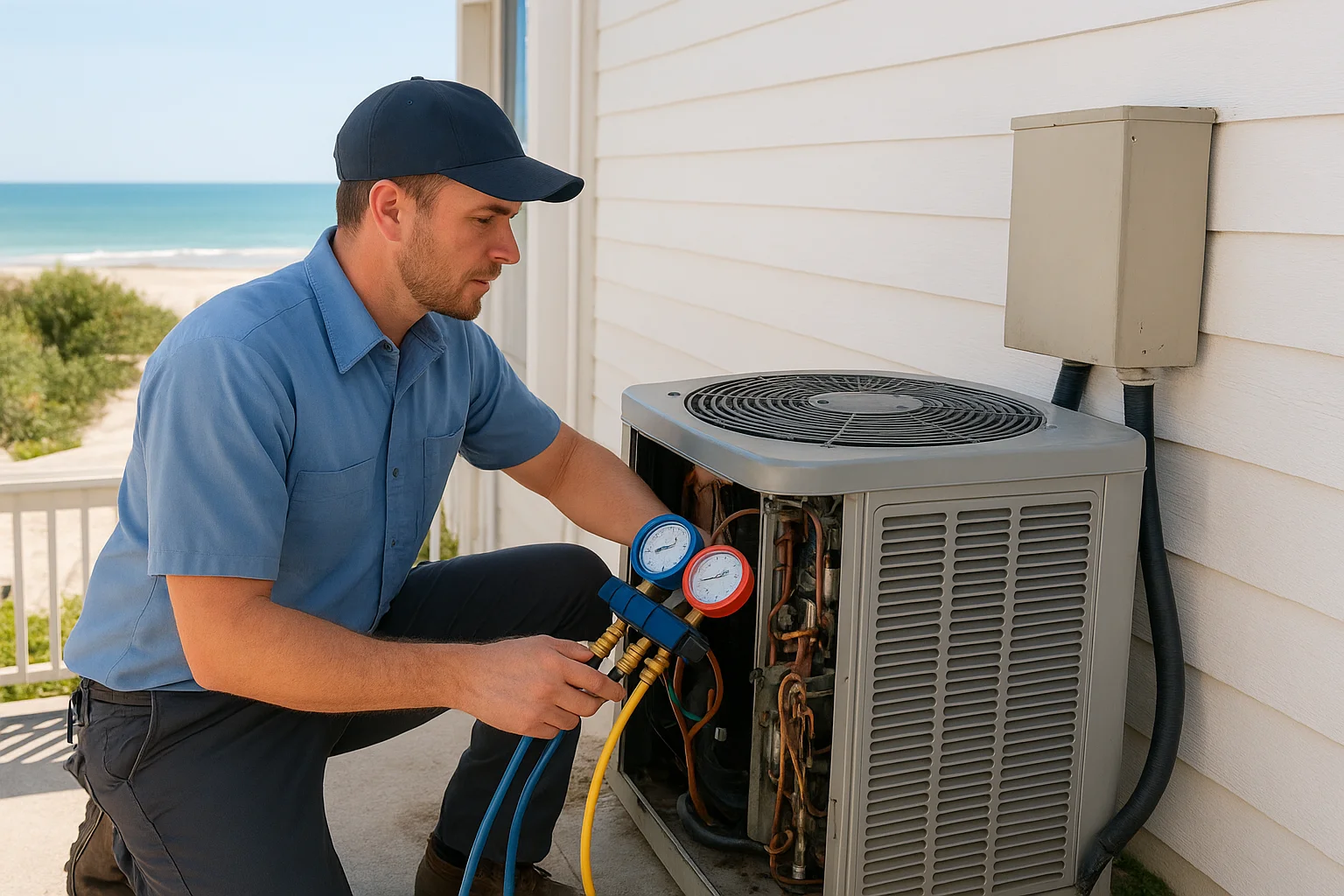
Camp Creek homes near the coast can see more corrosive exposure than inland areas. Salt air and wind-driven debris can affect outdoor units, especially coil surfaces. When coils get coated, heat transfer becomes less efficient. The system may respond by running more, which can shorten service life.
Condensate drainage matters in Florida weather
Mini-splits remove moisture from indoor air as they cool. That moisture collects and drains through condensate drainage pathways. If drainage is restricted or improperly routed, condensate can back up, contribute to algae or microbial growth, and increase indoor air quality issues.
Common causes that shorten mini-split life
Homeowners often notice problems when the system struggles to cool a room or when energy use rises. By then, wear may already be happening. Here are the most frequent causes that reduce ductless mini-split longevity in Camp Creek.
Restricted airflow from dirty filters or blocked vents
One of the simplest and most common causes is restricted airflow. Dirty filters reduce airflow, which can lower cooling performance and increase strain. Blocked intakes or outlets can also disrupt airflow patterns and cause uneven temperatures across the room.
Mini-splits are designed for specific airflow. When you reduce that airflow with neglect, you can end up with faster component wear. If you are searching for an AC tune up near me or air conditioning service, ask whether your indoor unit airflow and filtration are being checked each visit.
Improper thermostat settings and comfort strategies
Thermostats and mini-split controls influence how often the system cycles and how hard it works. In humid Florida weather, setting a thermostat to chase a very low temperature quickly can lead to longer run times, more frequent cycling, and higher humidity swings if the system is not allowed to dehumidify properly.
Also, using modes incorrectly can create issues. For example, running the system in a way that prioritizes temperature without adequate dehumidification can leave occupants feeling sticky even when the room feels “cool.” That often leads to adjustments that keep the system working longer.
Leaning on the system for ductwork problems it cannot fix
Ductless systems do not use traditional ductwork, but the rest of the home still affects airflow and comfort. Poor insulation, air leaks, and room pressure imbalances can force the mini-split to run harder to maintain comfort. If one room is consistently hotter or more humid, the mini-split may be fighting the building rather than only cooling it.
If you are evaluating ductless mini-splits for uneven rooms, focus on both equipment placement and the home’s heat and moisture behavior.
Condensate drainage issues and moisture buildup
Condensate drainage is a major life factor in humid climates. If the line is kinked, pitched incorrectly, or partially blocked, moisture can pool. Over time, that can contribute to odor problems and indoor air quality concerns, and it can stress components that should not be exposed to excess moisture.
Homeowners sometimes notice a musty smell, water collecting where it should not, or dampness around the indoor unit. Those are not issues to ignore, especially in Florida humidity.
Refrigerant system stress from airflow problems
Ductless mini-splits rely on refrigerant systems to move heat. Refrigerant-related problems should be evaluated in person by a licensed professional. However, it is worth understanding the relationship between airflow and refrigerant performance.
When airflow is restricted or coils are dirty, the system can operate outside its intended heat transfer conditions. That can increase stress on the refrigerant system. While you should not attempt a refrigerant diagnosis yourself, you can reduce the likelihood of system strain by keeping filters clean, ensuring unobstructed airflow, and scheduling preventive HVAC maintenance.
Outdoor unit exposure and coil contamination
The outdoor unit needs airflow to reject heat outdoors. If the unit is surrounded by shrubs, blocked by fencing, or coated with debris, heat transfer efficiency drops. In Camp Creek, pollen, dust, and coastal exposure can add to buildup on coils.
Rinsing coils without proper procedure can sometimes damage fins or push debris deeper. A professional inspection and cleaning is safer and more reliable.
Installation shortcuts that show up years later
Mini-splits can perform well when installed correctly. Problems that shorten lifespan can start at installation, especially when sizing, airflow planning, and line routing are not right for the home. Long-term issues can include excessive vibration, poor condensate drainage routing, and inefficient airflow performance.
If you are considering a new AC installation near me or mini split replacement near me, look for a contractor who evaluates your home’s heat load, humidity needs, and placement. You can also review planning tips in Smart HVAC Planning for Camp Creek Homes.
Signs your mini-split is aging faster than it should
Some warning signs are obvious, while others are easy to overlook. If you notice these in Camp Creek, it is smart to schedule an inspection rather than waiting for a full breakdown.
Cooling performance drops in one room or zone
If one zone struggles while others feel normal, the issue may relate to airflow, filter condition, coil cleanliness, or thermostat settings. It could also indicate a component problem. Treat it as an early warning because reduced performance often leads to longer run times.
Excessive humidity or “cool but sticky” comfort
In Florida humidity, a system that cools without dehumidifying can cause discomfort and increase indoor air quality concerns. If the home feels damp after cooling cycles, the system may not be controlling moisture effectively.
Unusual noises during operation
Rattling, grinding, or persistent abnormal sounds can indicate wear, loose components, or airflow turbulence caused by obstructions or coil contamination. Noise can also be a sign that the system is working harder than intended.
Water pooling, dripping, or musty odors
Any sign of condensate drainage problems should be addressed promptly. Moisture-related issues can worsen quickly in humid climates.
Rising energy use without a clear reason
When energy use rises, the system may be operating less efficiently. Common reasons include blocked airflow, dirty coils, restricted drainage, or problems with how the thermostat and indoor unit are managing the cycle.
Preventive maintenance that helps ductless mini-splits last longer
Preventive HVAC maintenance is the most practical way to slow wear. In Camp Creek, it also helps you protect indoor air quality and avoid mid-summer problems.
Replace or clean filters on schedule
Start with the basics. Check filters regularly and clean or replace them as recommended by the manufacturer. If you have pets, dust, or high pollen seasons, you may need to adjust your schedule. Clean filters support proper airflow, which supports stable refrigerant system performance.
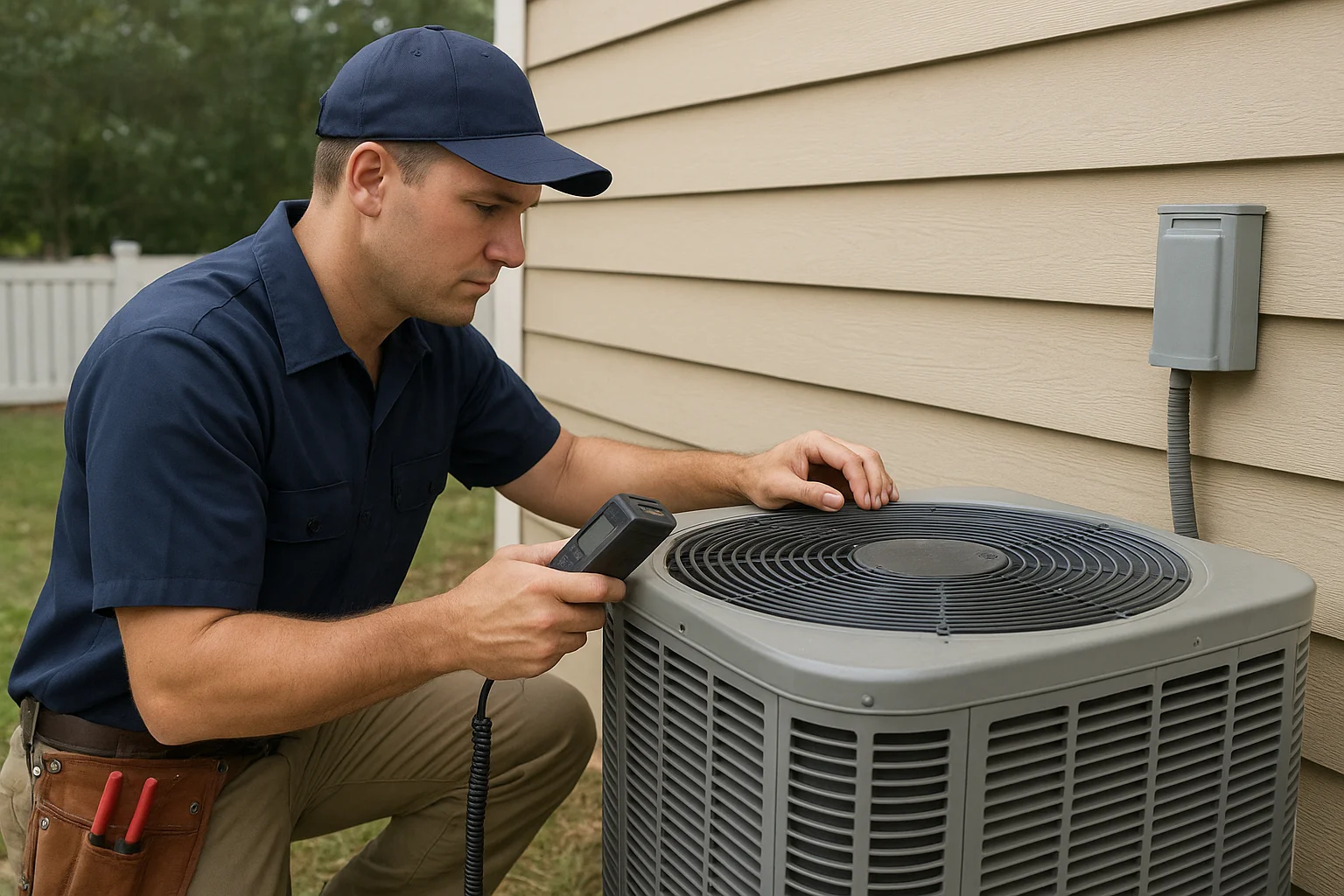
Have indoor and outdoor coils inspected
Ask for a coil inspection and cleaning when needed. Coil contamination reduces heat transfer. In humid Florida conditions, better heat exchange can improve moisture control and reduce strain on the system.
Check condensate drainage and the drain line route
Professional service should include checking condensate drainage pathways. A technician can verify proper slope, confirm there are no restrictions, and assess whether the drain line is routed correctly to avoid backup and moisture buildup.
Verify airflow and clearances around the indoor unit
Airflow is not just about filters. It includes the space around the unit and the direction of air discharge. In real homes, furniture placement, curtains, and storage can block airflow. A technician can help you confirm airflow patterns and identify practical changes.
Review thermostat and mode settings for humidity control
Mini-split thermostats and settings affect comfort. Consider how you use cooling on humid days, how you handle setbacks, and how you switch between modes. A local HVAC contractor can help you understand what your controls are doing without guessing.
Plan maintenance before peak summer
Many homeowners search for HVAC maintenance near me once the heat is already intense. A preventive approach is more effective. Scheduling before peak season helps ensure the system is clean, draining correctly, and ready to manage humidity when Camp Creek’s weather turns demanding.
Why professional service matters in Walton County
Mini-splits are not one-size-fits-all. A proper inspection should consider refrigerant systems, airflow, condensate drainage, indoor air quality, and how the system matches your home’s layout. Florida heat, humidity, and salt air exposure add complexity, and small installation or maintenance issues can compound over time.
A licensed HVAC contractor can also help you spot problems that are not visible to homeowners. For example, a system may be losing efficiency due to coil contamination or airflow restrictions even before it fails. That is why homeowners looking for an AC repair near me or an emergency AC repair near me should choose a team that performs thorough diagnostics on-site.
How to decide between repair and system replacement
Wear and tear is normal, but the decision to repair or replace a mini-split should be based on the full picture. If you are searching for mini split replacement near me, start with an in-person evaluation.
Repair may be appropriate when the problem is isolated
If the system has a specific component issue or a maintenance-related problem like airflow restriction or condensate drainage failure, repair may restore comfort efficiently. A qualified technician can assess what is failing and whether it is likely to be an isolated event.
Replacement may be worth considering when performance keeps slipping
If cooling performance keeps declining, energy use keeps rising, or comfort problems persist across multiple visits, a replacement plan may be more practical. This is especially true if indoor air quality concerns or moisture problems keep returning.
For homes with multiple zones, you may also want to evaluate whether upgrading one part of the system or redesigning zoning is better than repeated repairs. Your HVAC contractor can help you compare options based on your actual setup.
Do not attempt refrigerant or electrical work yourself
Refrigerant system issues require proper tools and professional handling. Similarly, electrical components and controls should be left to trained technicians. If you suspect refrigerant issues, drainage failures, or control problems, schedule an inspection rather than trying to diagnose or repair it yourself.
Emergency cooling concerns: when to act fast
In Camp Creek, cooling failures are more than an inconvenience. During extreme heat and humidity, a broken mini-split can become an urgent safety and comfort issue.
Call for emergency HVAC service when you have no cooling, the system will not turn on, you notice water pooling that suggests a drainage problem, or you see signs of active malfunction. If the situation is time-sensitive, use Emergency HVAC Services to get help as quickly as possible.
If you are managing a rental or property where cooling reliability matters, you can also explore Property Management HVAC Services for maintenance planning and faster response coordination.
Airflow and indoor air quality: a mini-split lifespan factor
Mini-splits can help with indoor air quality when they are maintained properly. Dirty filters, contaminated coils, and moisture issues can contribute to dust buildup and musty odors. That does not just affect comfort. It can also make the system run less efficiently because airflow and humidity control are compromised.
If you want to improve cleaner air in your home while also protecting your equipment, review Smart HVAC Planning for Cleaner Indoor Air in Camp Creek. Pairing good filtration and airflow management with preventive HVAC maintenance helps your system last longer and perform better.
Practical homeowner checklist for ductless mini-split care
You can take several steps between professional visits to reduce wear and prevent avoidable failures.
- Keep indoor vents clear. Avoid blocking intake and discharge areas with furniture, curtains, or storage.
- Check and clean filters on the schedule your unit requires, especially during pollen and dust-heavy weeks.
- Watch condensate drainage. If you see water where it should not be, stop using the unit and schedule service.
- Use thermostat settings thoughtfully to manage humidity, not just temperature.
- Inspect the outdoor unit area for debris and ensure adequate clearance for airflow.
- Schedule AC tune up and ductless servicing before peak summer so airflow and moisture control are verified.
If you are unsure what to do first, start with an HVAC contractor inspection. Homeowners searching for residential HVAC service near me often find that a single thorough visit clarifies whether the issue is maintenance-related, comfort-related, or equipment-related.
For Camp Creek homeowners who want a ductless mini-split that handles Florida humidity while staying efficient, professional service and preventive maintenance are the difference between short-term fixes and long-term comfort. Learn more about local support at ductless mini-splits for Camp Creek, and explore the full service area at Camp Creek and Walton County.
For additional mini-split care guidance in nearby areas with similar heat and humidity demands, you may also find this helpful: Keeping Freeport Ductless Mini-Splits Running Smoothly in Walton County Heat.
Find Ductless Mini-Splits in Camp Creek, FL
If you need Ductless Mini-Splits in Camp Creek, FL, visit our local service page or contact A Superior Mechanical today.
Map of Camp Creek, FL
Frequently Asked Questions
How often should ductless mini-splits be serviced in Camp Creek, FL?
In humid Florida conditions, many homeowners benefit from preventive maintenance before peak summer. A qualified HVAC contractor can inspect airflow, filtration, coil condition, and condensate drainage so you do not wait for an AC repair situation.
Why does my ductless mini-split cool, but my room still feels humid?
Humidity control depends on proper airflow, clean coils, and correct operation of thermostat settings and modes. Dirty filters, airflow restrictions, or condensate drainage issues can reduce dehumidification performance, especially during Walton County heat.
What are the early signs of a condensate drainage problem?
Look for water pooling near the indoor unit, dripping, musty odors, or persistent dampness. Because moisture issues can affect indoor air quality and system performance, schedule an inspection promptly.
Can I recharge refrigerant or diagnose a refrigerant issue myself?
No. Refrigerant system problems require professional tools and safe handling. If you suspect refrigerant-related performance issues, schedule an in-person inspection so a licensed technician can evaluate the system.
When should I consider ductless mini-split replacement instead of repair?
If cooling performance keeps slipping, energy use keeps climbing, or indoor air quality and moisture problems keep returning, replacement may be worth discussing. An on-site evaluation is the best way to compare repair options versus a long-term solution.
Related Articles
- Camp Creek Homes and the Case for Ductless Mini-Splits That Handle Heat, Humidity, and Uneven Rooms
- Smart HVAC Planning for Cleaner Indoor Air in Camp Creek
- Smart HVAC Planning for Camp Creek Homes: Comfort, Humidity, and Better AC Installations
- Keeping Freeport Ductless Mini-Splits Running Smoothly in Walton County Heat
Photo Gallery