Electric vehicle ownership is growing quickly in Niceville, and many homeowners are discovering that charging at home is only convenient when the electrical system is ready for it. A charger that seems simple on the surface can put real stress on a panel, breaker, circuit, or outlet if the installation is not planned correctly. For families searching for an electrician near me, the safest move is to treat EV charger installation as a home electrical project, not just a device hookup.
In a coastal area like Niceville, electrical systems already deal with humidity, storms, salt air, and power fluctuations. Add the higher load of a Level 2 charger, and older homes, remodeled homes, and additions can reveal hidden issues fast. That is why professional EV charger installation matters for homes, vacation rentals, and small businesses across Okaloosa County.
Why EV charging puts different demands on a home
Most EV chargers are not like a lamp, TV, or small appliance. A Level 2 charger often runs on a dedicated 240 volt circuit and can draw enough current to expose weaknesses in the panel, grounding, wiring, or breaker sizing. If the electrical system is already near capacity, charging can cause nuisance trips, overheating, or repeated service calls.
That is especially important in Niceville homes with older electrical equipment, limited panel space, or past remodel work. A house that has been expanded over time may have added outlets, lighting, ceiling fans, or appliances without a full review of the load calculation. When a homeowner starts looking for electrical services near me because the charger keeps tripping, the issue is often bigger than the charger itself.
What a safe installation should include
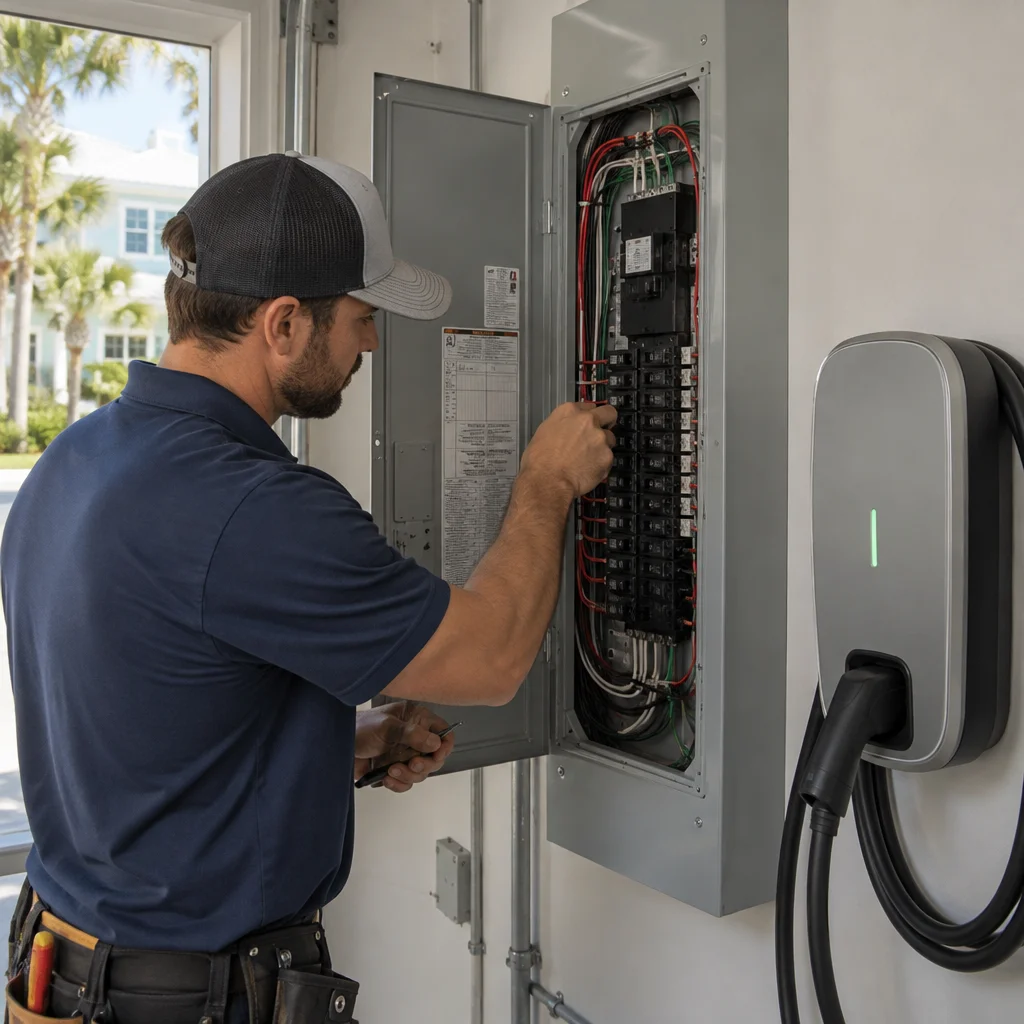
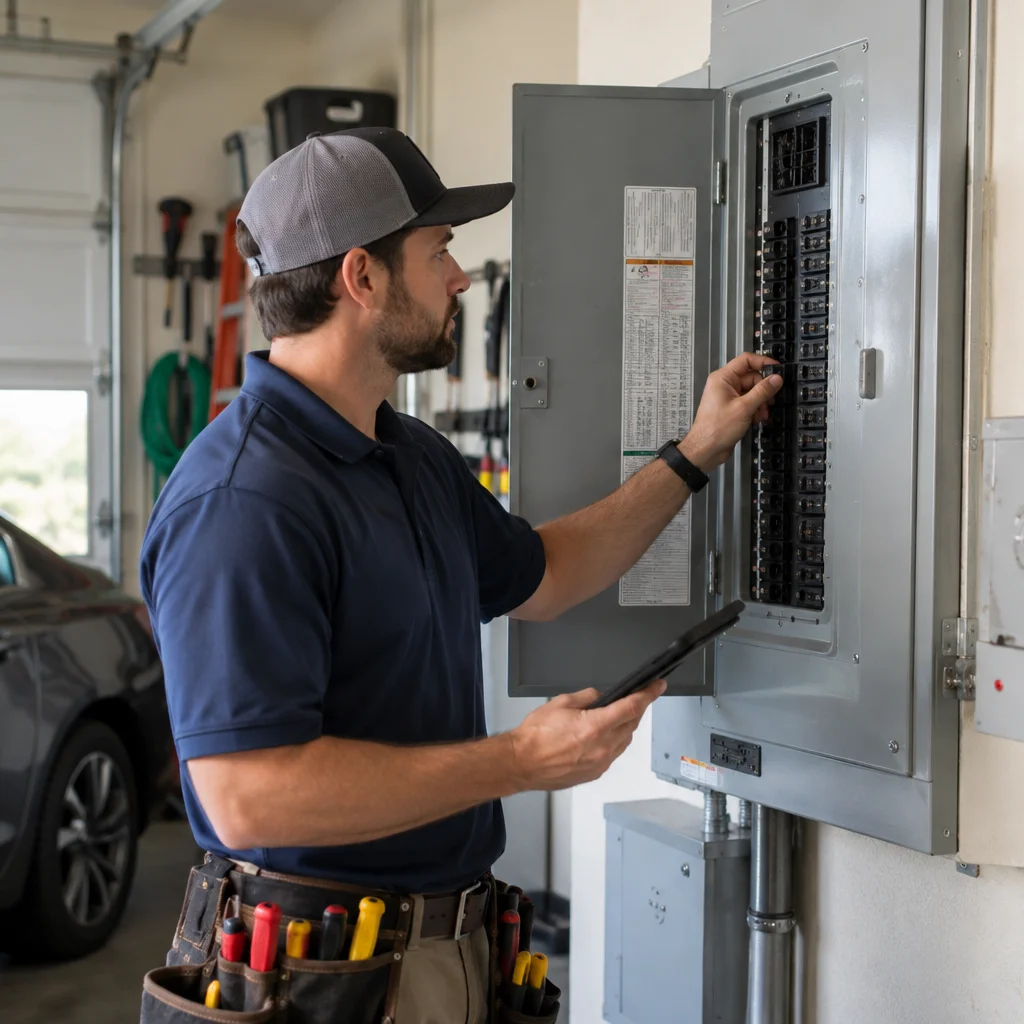
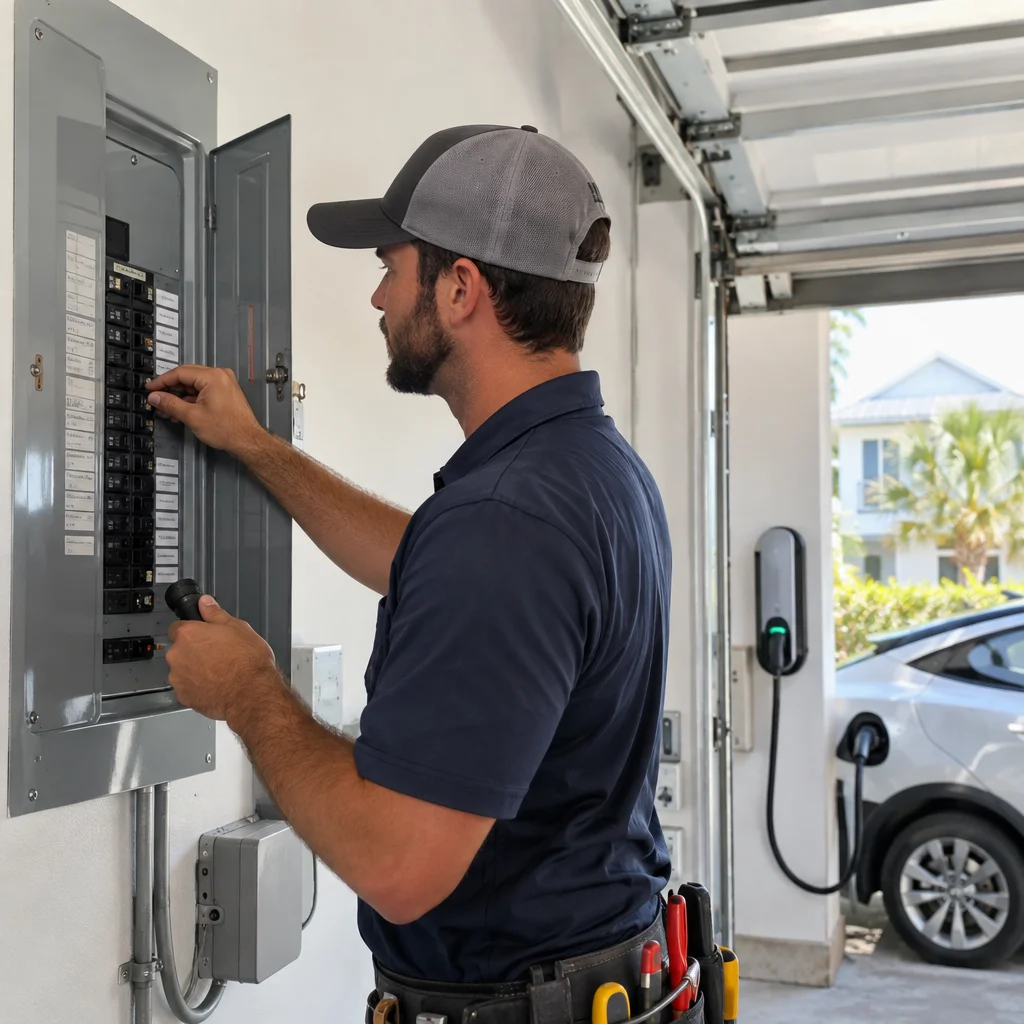
A proper EV charger setup usually starts with a review of the electrical panel, available capacity, breaker condition, and the path from the panel to the charging location. The electrician should confirm whether the home needs a dedicated circuit, a sub panel installation, or a panel upgrade before the charger is installed. In some cases, a homeowner searching for electrical panel upgrade near me or breaker box replacement near me is already dealing with signs that the panel is not right for the added load.
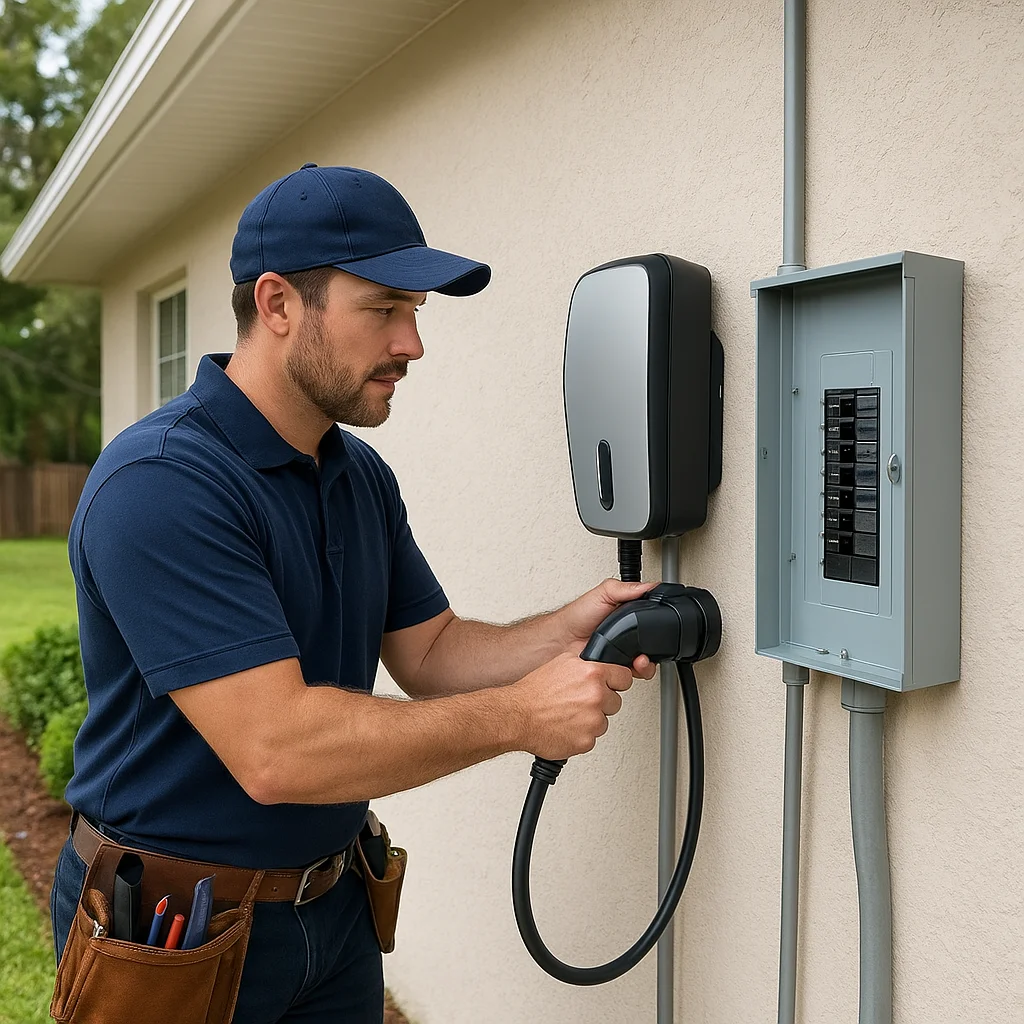
The charger should also be matched to the home’s wiring and the manufacturer’s requirements. That includes conductor sizing, grounding, surge protection, and the correct breaker type. If the charger will be installed in a garage, on an exterior wall, or near a driveway exposed to weather, the equipment needs to be rated for the environment and mounted with care.
What Niceville homes often need before installation
Many homes in Niceville were built before today’s electric demand became so high. Even newer homes can run into issues if the original panel was sized tightly or if the home has added a hot tub, workshop tools, a pool pump, or a detached structure. A homeowner searching for garage ev charger wiring near me may also need help with outlet installation, switch repair, or a lighting update in the same area.
Common pre-installation needs include:
Panel capacity review and load calculation
Breaker replacement or breaker repair
Dedicated circuit installation
Grounding and bonding corrections
GFCI protection where required
Outdoor-rated wiring and weatherproof enclosures
Code corrections before the charger goes live
If the system has older wiring, visible wear, or unprofessional splices, the electrician may recommend electrical wiring installation near me type work before moving ahead. In some houses, a home safety inspection electrician near me search leads to the discovery of deeper concerns such as overheated conductors, loose neutral connections, or outdated equipment that should be corrected first.
How coastal weather affects charging systems
Niceville weather can be hard on electrical components. Humidity, summer storms, and occasional power surges can shorten the life of outdoor-rated equipment if it is not installed correctly. A charger mounted outside needs proper sealing, secure conduit, and protection against water intrusion. Even in a garage, moisture and corrosion can become problems over time if the installation is rushed.
Storm season also raises the stakes. A nearby lightning strike or utility surge can damage charging equipment, control boards, and other sensitive electronics. That is one reason surge protection is worth discussing during EV charger installation, especially for homes that already rely on smart appliances, smoke detector systems, and newer electronics. If a storm has already caused damage, an emergency electrician may be needed before the charger can be safely used again. For urgent issues, see Emergency Electrical Services.
When the panel is the real issue
One of the biggest mistakes homeowners make is assuming the charger is the only part that matters. In reality, the panel often decides whether the project is safe and reliable. If the home still has a crowded breaker box, outdated breakers, or not enough capacity for the charger plus the rest of the house, the right solution may be a Whole Home Backup Solutions review, a Power Backup Generators setup, or a panel upgrade before charging begins.
That also matters for families who already have high demand from HVAC, laundry, kitchen appliances, and outdoor equipment. If the home has a pool, spa, workshop, or detached garage, the electrical load can climb quickly. A homeowner searching for pool electrical repair near me or hot tub wiring near me may already be dealing with a system that is near its limit. Adding an EV charger without a review can make breaker trips and heat buildup more likely.
Older homes, remodels, and additions need extra attention
Niceville has a mix of older homes, updated homes, and properties that have been expanded over time. That variety makes local electrical service especially important. A charger installed in a remodeled garage or addition may be tied into wiring that was never intended for a sustained 240 volt load. In some cases, a homeowner who once searched for knob and tube wiring replacement near me or house rewiring near me may still have parts of the system that need attention before EV charging is added.
Even smaller issues can matter. A loose outlet, worn switch, or dimmer that was already acting up can point to broader wiring concerns. If the home has recurring outlet issues, a search for outlet installation near me or light switch installation near me may uncover the need for deeper repairs. The same is true when a breaker keeps tripping on a circuit that serves a garage, laundry room, or exterior outlet.
Why code compliance protects the whole household
EV charger installation should meet local code requirements, manufacturer instructions, and best practices for safe electrical work. That includes correct breaker sizing, proper wire gauge, grounding, working clearances, and any required GFCI protection. It also means using equipment approved for the location and making sure the circuit is dedicated to charging only.
This is not just about passing inspection. Code compliance reduces the chance of overheating, nuisance trips, and long term wear on the electrical system. It also helps protect the family, the vehicle, and the home itself. For homeowners searching for an electrical contractor near me, code aware work is one of the clearest signs that the installation will hold up over time.
How local electrical service helps Niceville homeowners
Local electricians understand the mix of home styles, weather conditions, utility issues, and permitting expectations in Niceville and across Okaloosa County. That matters when the project involves more than a basic charger mount. A local technician can evaluate whether the home needs dedicated circuits for appliances, breaker repair, lighting installation, or even a larger service upgrade as part of the EV plan. For broader service coverage, visit the city page at Niceville electrical services and the county page at Okaloosa County electrical services.
That local knowledge also helps when a homeowner needs practical guidance on whether the charger belongs in the garage, on an exterior wall, or near a parking pad. The right location can reduce cable strain, avoid water exposure, and make daily charging easier. It can also simplify future maintenance if the home later adds solar, backup power, or another high demand appliance.
Maintenance that keeps charging dependable
Once the charger is installed, a little maintenance goes a long way. Homeowners should keep the area clear, watch for heat around the plug or hardwired connection, and pay attention if the breaker trips more than once. If the charger is outdoors, inspect the enclosure after major storms and check for corrosion, loose covers, or cracked conduit.
It is also smart to schedule regular electrical inspections if the home has recently added new loads. A charger, a generator, new lighting, or a renovation can change how the system performs. Preventive care can catch problems before they become expensive repairs. That same approach helps with other home systems too, which is why many homeowners who read about preventive electrical service or AC maintenance start thinking more carefully about overall electrical reliability.
When to bring in a professional right away
Some EV charging problems should not wait. Stop using the charger and call a licensed electrician if you notice burning smells, warm outlets, scorch marks, repeated breaker trips, buzzing at the panel, or flickering lights when charging starts. Those are signs the system may be overloaded or damaged.
If the home also has aging smoke detectors, worn outlets, or storm-related damage, it is a good time to address those issues together. A charger install can be the right moment to correct old wiring problems, improve surge protection, and make the entire home safer. If other upgrades are already on the list, such as smoke detector installation near me or dimmer switch installation near me, combining the work can save time and reduce disruption.
For homeowners planning ahead, EV charging should be part of the larger electrical picture. That includes the panel, circuits, grounding, outlets, and the way the home handles power during storms and peak demand. A thoughtful installation gives Niceville families a safer way to charge at home and helps the electrical system stay ready for everyday use.
If you are comparing options for EV charger installation in Niceville, A Superior Mechanical provides professional service for homes, vacation rentals, and commercial properties throughout the area. Start with the dedicated service page at EV Charger Installation to learn more about safe, code compliant charging solutions.
Related electrical projects that often come up during EV planning
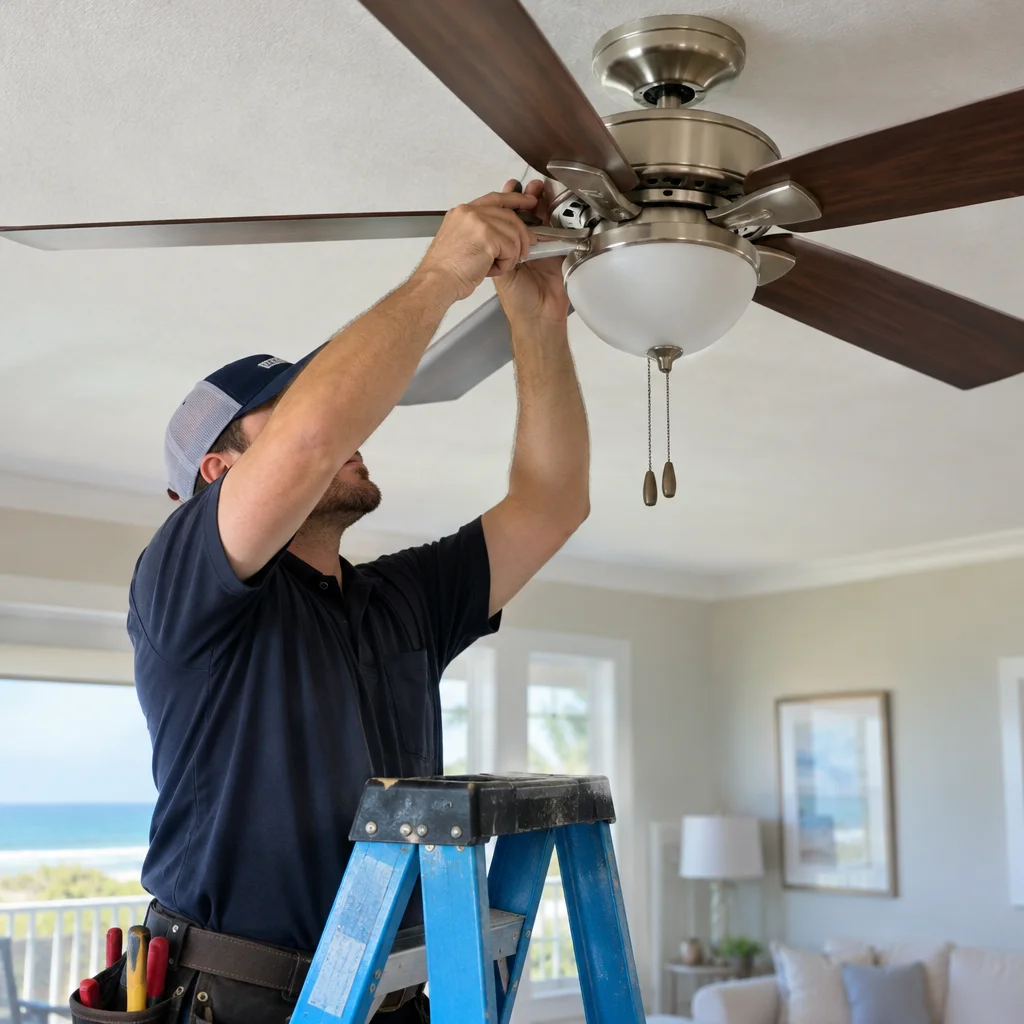
Some homeowners choose to address other electrical needs at the same time, especially if the home is already due for maintenance. That can include electrical repair, lighting installation, outlet repair, ceiling fan wiring, or a panel review before the charger is energized. In homes with detached garages or additions, a dedicated circuit or sub panel can make future upgrades easier. If the property includes backup power needs, it may also be a good time to look at generator installation or other resilience improvements.
For families who have been searching for affordable electrician near me or storm electrical repair near me, the best long term value often comes from fixing the cause, not just the symptom. EV charger installation is no different. A safe, well planned setup protects the vehicle, the home, and the people using it every day.
Find EV Charger Installation in Niceville, FL
If you need EV Charger Installation in Niceville, FL, visit our local service page or contact A Superior Mechanical today.
Map of Niceville, FL
Frequently Asked Questions
Do I need a dedicated circuit for an EV charger in Niceville?
In most cases, yes. A Level 2 EV charger should be installed on a dedicated circuit sized for the charger and the home’s electrical capacity. That helps prevent overloads, nuisance trips, and overheating.
Can an older Niceville home handle EV charger installation?
Sometimes, but older homes often need a panel review first. The electrician may recommend a panel upgrade, breaker replacement, grounding corrections, or new wiring before the charger is added.
Why is professional EV charger installation better than using a regular outlet?
Standard outlets are not built for the same long, heavy load as a Level 2 charger. Professional installation helps ensure the circuit, breaker, wiring, and grounding are all sized correctly for safer daily charging.
What if my breaker trips when the charger runs?
That usually means the system needs attention. The issue could be the charger, the breaker, the wiring, or the panel capacity. Stop using the charger and have a licensed electrician inspect the setup.
Related Articles
Photo Gallery