WaterColor homeowners know the feeling: even when the temperature is comfortable, the air can still feel heavy. In this coastal part of Walton County, Florida, humidity is not just a comfort issue. It affects indoor air quality, how your home “breathes,” and how hard your HVAC system has to work to keep things stable. That is why whole home dehumidifiers are such a big deal here. But they do not operate in isolation. HVAC wear and tear can quietly change airflow, refrigerant system performance, condensate drainage, and thermostat control. When those pieces drift out of balance, your whole home dehumidifier may struggle to keep humidity where it should be.
Whole home dehumidifiers depend on the HVAC system they share
A whole home dehumidifier is built to manage moisture across the living space, not just in one room. In many homes, it works alongside the air handler, ductwork, and the cooling or heat pump cycle. That means the dehumidifier’s effectiveness is tied to the same factors that affect AC repair, air conditioning service, and everyday comfort.
In WaterColor, that connection matters because your HVAC system has to handle a unique combination of Florida heat, salt air, and frequent humidity swings. Coastal moisture can contribute to corrosion and buildup. Warm outdoor air and indoor moisture load can push your equipment beyond what it can do comfortably if airflow or drainage is compromised.
How HVAC wear and tear shows up as humidity problems
When homeowners call about whole home dehumidifiers, the complaint is often about comfort. The air feels damp. Laundry takes longer to dry. Bathrooms stay humid. Basements or crawlspaces can feel musty. Those symptoms can point to the dehumidifier, but HVAC wear and tear is frequently the underlying cause.
1) Reduced airflow from aging air handlers and dirty components
Dehumidification relies on moving air consistently through the right path. Over time, filters clog, blower components collect dust, and air handlers can lose efficiency. In a humid Florida environment, that airflow restriction can be worse because the system is running more often.
When airflow drops, the HVAC system may not cool and circulate air the way it should. The result can be uneven humidity control, higher indoor humidity, and a cycle that runs longer than normal. If you are searching for AC tune up near me or duct inspection near me, it is often because airflow issues are easier to spot than the root cause of dampness.
2) Ductwork leaks and poor distribution
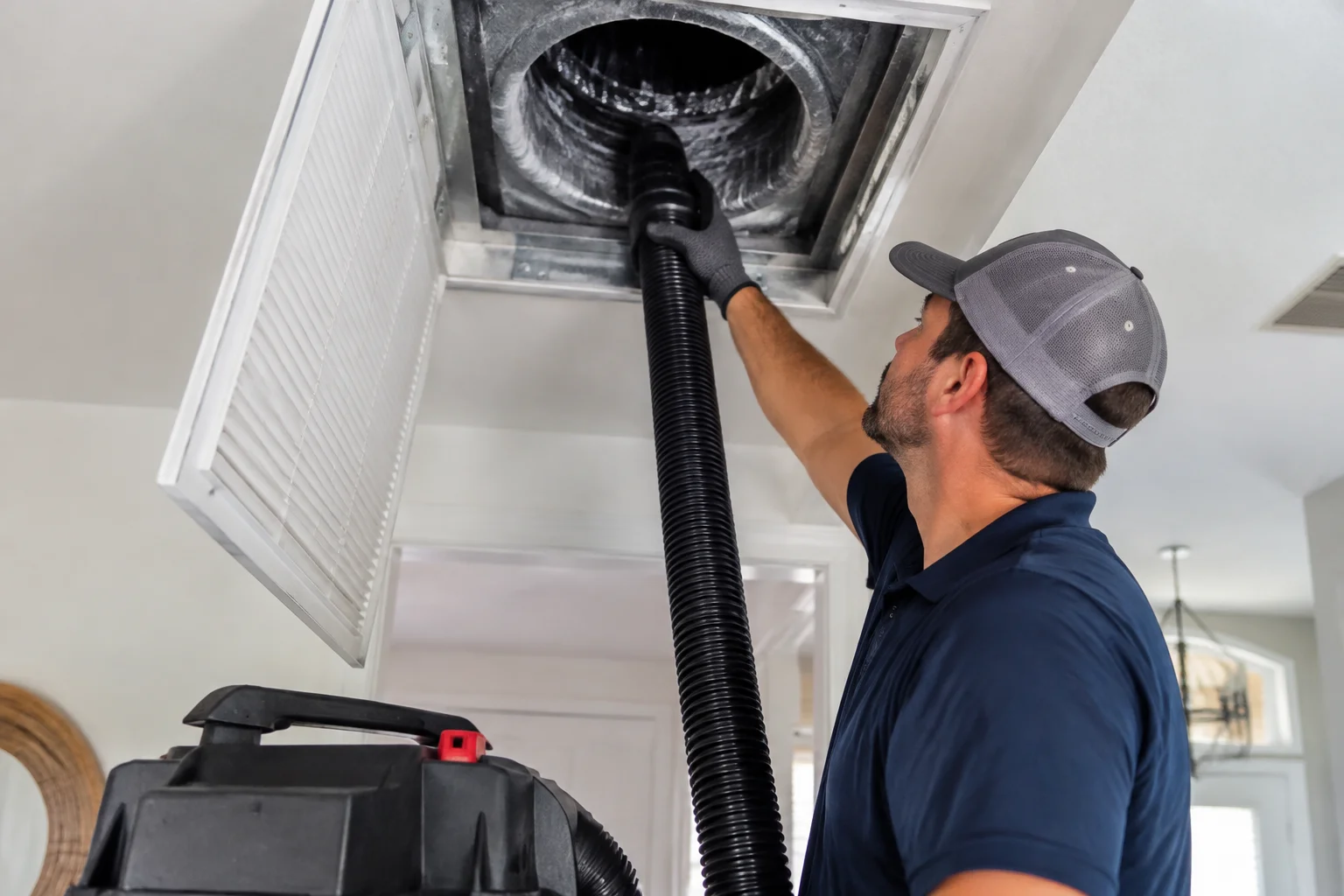
Ductwork in coastal homes can experience wear from vibration, temperature swings, and construction settling. Leaky ducts can pull in humid air from attics or crawlspaces, or they can fail to deliver conditioned air where it is needed most. That affects the dehumidifier’s ability to control moisture across the home.
If you notice humidity hotspots near certain rooms, or if some areas feel clammy while other areas feel fine, ductwork performance may be involved. WaterColor homes often benefit from focused ductwork work such as duct sealing and Aeroseal services. Better duct sealing supports more consistent airflow, which helps both comfort and indoor air quality.
3) Condensate drainage problems
During cooling and dehumidification, moisture must be carried away through condensate drainage. If the drain line is partially blocked, improperly pitched, or affected by algae and debris, condensate can back up or evaporate back into the air. That can create a “damp cycle” where the system removes moisture but then contributes to humidity again.
Wear and tear can also impact drain pan condition and trap performance. In Florida’s humid climate, small drainage issues can become noticeable faster than in drier regions. This is one reason homeowners may see symptoms return after a short period of relief.
4) Refrigerant system inefficiency from age and coastal exposure
Whole home dehumidifiers and HVAC cooling cycles depend on refrigerant system performance. As systems age, components can become less efficient due to wear, contamination, or corrosion. Salt air can accelerate corrosion on outdoor units and exposed metal components.
When refrigerant systems do not operate within proper conditions, the cooling process can become less effective at removing moisture. It is not safe for homeowners to try to diagnose refrigerant issues themselves. If you suspect cooling performance is tied to humidity problems, schedule an in-person evaluation by a qualified licensed HVAC contractor near me. A professional can assess system operation and identify what is actually impacting dehumidification.
5) Thermostat and control drift
Thermostat settings and control behavior influence how often the system runs and how it transitions between modes. Over time, thermostats can be miscalibrated, and settings can be changed unintentionally. Some homes also experience sensor placement issues, where the thermostat reads temperature but not the humidity load correctly.
If your HVAC runs but humidity stays high, it could be a control issue. That is also where whole home dehumidifiers can get “blamed” when the system is not responding the way it should. A local technician can review thermostat settings, operating sequences, and how your dehumidifier is integrated with your HVAC system.
Florida heat and salt air make wear and tear more noticeable
WaterColor is a coastal community, and coastal conditions can be hard on HVAC systems. Salt air contributes to corrosion, and the combination of high humidity and frequent warm days increases runtime. More runtime means more opportunities for filters to clog, drain lines to collect debris, coils to foul, and airflow paths to become restricted.
Florida humidity also changes indoor air behavior. When the air is already moisture-laden, it takes more energy to manage comfort. If your HVAC system is struggling, a whole home dehumidifier may run longer, cycle more frequently, or fail to achieve stable humidity levels. That increased strain can show up as higher energy use, less consistent comfort, and more wear on components.
Common warning signs your dehumidifier is fighting HVAC wear
Humidity control problems can be subtle at first. Look for patterns that suggest the dehumidifier is not keeping up because the HVAC system is not performing as expected.
Visible or persistent condensation
Condensation on windows, damp walls, or moisture pooling near vents can indicate that moisture is not being managed properly. If condensate drainage is partially blocked or if cooling performance is reduced, the home can feel clammy even when the temperature seems okay.
Musty odors and “damp basement” feelings
Musty smells often correlate with moisture in hidden spaces. In coastal homes, crawlspaces and attics can become moisture reservoirs if airflow and duct performance are off. That moisture then works its way into the living space, making dehumidification harder.
Short cycling or unusually long run times
If the dehumidifier or cooling system seems to run constantly during humid spells, or if it repeatedly starts and stops without reaching comfort, HVAC wear may be involved. Airflow restrictions, control issues, or coil fouling can all contribute.
Uneven comfort across rooms
One area feels sticky while another feels fine. That pattern can point to ductwork distribution issues, thermostat placement, or airflow imbalance. Even a well-functioning dehumidifier may struggle if conditioned air is not reaching the spaces where moisture is building.
Indoor air quality complaints
High humidity can worsen dust, odors, and allergy triggers. If you are noticing increased allergy symptoms, persistent odors, or a general “stale air” feeling, indoor air quality services should be part of the conversation. Moisture management is one of the most direct ways to support healthier indoor air quality in WaterColor homes. For homeowners looking for a more complete approach, you can explore whole home dehumidifiers in WaterColor to see how humidity control fits into overall HVAC performance.
Why preventive maintenance helps dehumidifiers work the way they were designed
Wear and tear is inevitable, but it does not have to become a humidity crisis. Preventive HVAC maintenance can catch the small issues that reduce dehumidification performance before they turn into repeated dampness complaints or emergency cooling concerns.
What a maintenance visit typically addresses
During an AC tune up or similar service visit, a technician can check airflow, inspect components that impact cooling and dehumidification, and evaluate condensate drainage conditions. They can also review thermostat and system operation to confirm the equipment is behaving the way it should.
In WaterColor, maintenance is especially important because your HVAC system is working in a high-humidity, salt air environment. Catching airflow or drainage issues early can help protect both comfort and indoor air quality.
Maintenance also supports energy use
When HVAC systems are not operating efficiently, they often run longer and use more energy. That can happen when airflow is restricted, when coils are fouled, or when control settings are not aligned with the home’s needs. Whole home dehumidifiers may also run more than necessary if the HVAC cycle is not performing well.
If you are trying to reduce the “always running” feeling during Florida summer, preventive maintenance is a practical starting point. It is also a good time to talk through ductwork and indoor air quality priorities.
For homeowners comparing maintenance approaches across nearby communities, this may be useful: Why Better HVAC Maintenance Matters for Whole Home Dehumidifiers in Sandestin.
Ductwork and airflow: the hidden link between dehumidification and comfort
Many humidity complaints trace back to airflow. Dehumidification depends on airflow paths that deliver air across the system and distribute it through the home. If ducts leak or if airflow is imbalanced, moisture can spread to areas that are difficult to control.
WaterColor homes can benefit from duct sealing and performance-focused work. If you suspect distribution issues, consider Duct Sealing & Aeroseal Services. Better duct sealing can support more consistent comfort and can improve how effectively your whole home dehumidifier manages humidity across the house.
You can also read: Why WaterColor Homes Benefit from Better Duct Sealing and Aeroseal Care.
When HVAC problems turn into emergency cooling concerns
Humid weather does not pause for repairs. When your cooling system is struggling, humidity can rise quickly and comfort can deteriorate fast. That is why it helps to treat moisture and cooling performance as connected.
If you experience a sudden loss of cooling performance during a hot, humid stretch, the priority is restoring safe and reliable operation. Homeowners often search for emergency AC repair near me when they cannot maintain comfortable indoor conditions. A professional HVAC team can help evaluate what is happening and address the immediate cooling concern while also considering the dehumidification impact.
It is also wise to avoid DIY troubleshooting that could affect refrigerant systems or condensate drainage. Refrigerant diagnosis and electrical diagnosis are not safe tasks for homeowners. A qualified technician can determine what needs repair or adjustment after an in-person inspection.
Should you replace a whole home dehumidifier or the HVAC system?
Replacement decisions can be complicated. Sometimes the dehumidifier is the limiting factor. Other times, HVAC wear and tear is the real driver, such as airflow restrictions, drainage issues, or reduced cooling performance. That is why an in-person evaluation matters.
A Superior Mechanical can help homeowners in WaterColor understand what is actually contributing to humidity problems. If your system is old or repeatedly underperforming, discussing HVAC replacement near me may be appropriate, but it should follow a thorough assessment of HVAC operation, ductwork, and how the dehumidifier is integrated.
If you are planning ahead and want to manage costs, you can also explore HVAC Financing as part of the planning conversation.
Practical steps homeowners can take before calling
Homeowners can help technicians by tracking a few details. These steps do not replace professional HVAC evaluation, but they make service calls more efficient.
Note when humidity feels worst. Is it only after rainstorms, during peak afternoon heat, or overnight?
Check air filter condition and replace if it is dirty. A clogged filter can reduce airflow and reduce effective dehumidification.
Look for condensate drainage signs. Is there standing water near the unit, or does the drain line area look unusually damp?
Observe comfort by room. Humidity hotspots can point toward ductwork distribution issues.
Verify thermostat settings and mode. Confirm the system is set up to manage humidity as intended.
If you want a structured starting point, an Air Conditioning Inspection is often a good way to connect comfort complaints to system performance.
How A Superior Mechanical helps WaterColor homeowners protect indoor air quality
Whole home dehumidifiers are designed to support healthier indoor air and better comfort, especially in humid climates like WaterColor. But HVAC wear and tear can undermine moisture control by affecting airflow, refrigerant system performance, condensate drainage, and how your thermostat and system controls operate together.
A Superior Mechanical provides professional support for homeowners who want reliable moisture control without guessing. If you are dealing with persistent humidity, damp odors, or inconsistent comfort, consider reviewing your whole home dehumidifier setup and HVAC performance through whole home dehumidifiers in WaterColor, FL. For homeowners across Walton County, you can also explore whole home dehumidifiers and HVAC services in Walton County.
If your home uses ductless, airflow and humidity control still matter
Some WaterColor homes use ductless mini split systems for comfort. Even then, humidity management depends on how air is distributed and how the system cycles. If you are evaluating ductless comfort alongside humidity concerns, it can help to plan the whole system approach. Homeowners searching for ductless mini split installation near me should also consider indoor air quality and moisture control so comfort does not drift in humid weather.
If ductless is part of your setup, you can learn more about ductless mini splits in WaterColor.
Find Whole Home Dehumidifiers in WaterColor, FL
If you need Whole Home Dehumidifiers in WaterColor, FL, visit our local service page or contact A Superior Mechanical today.
Map of WaterColor, FL
Frequently Asked Questions
Can HVAC wear and tear make my whole home dehumidifier less effective?
Yes. Reduced airflow, duct leaks, condensate drainage issues, and less efficient cooling performance from refrigerant system wear can all reduce how well a whole home dehumidifier controls humidity.
What are the most common signs the problem is related to airflow or ductwork?
Look for uneven comfort by room, humidity hotspots, and persistent dampness even when the dehumidifier appears to be running. A duct inspection and airflow assessment can help confirm whether distribution is the limiting factor.
Should I try to diagnose refrigerant issues myself if humidity is high?
No. Refrigerant diagnosis is not safe for homeowners. High humidity can be related to cooling performance, but it requires an in-person professional evaluation to identify the real cause.
How do condensate drainage problems affect humidity?
If condensate drainage is partially blocked or not draining correctly, moisture can back up or evaporate, which can raise indoor humidity and create damp odors. This is one reason moisture issues often improve after drainage service.
How often should I schedule preventive HVAC maintenance for humidity control?
Maintenance frequency depends on your system and how hard it works in Florida humidity. A professional HVAC contractor can recommend a schedule after inspecting your equipment and airflow setup.
Related Articles
Photo Gallery