Smart thermostats are supposed to make home comfort easier. In Latitude Margaritaville Watersound, FL, though, the weather is anything but simple. Hot afternoons, sticky humidity, and salt air can turn small thermostat or setup problems into bigger HVAC headaches, including unexpected cooling failures when you need comfort most.
This guide covers the local, HVAC-focused causes of smart thermostat trouble that homeowners often overlook, plus practical steps to reduce the odds of emergency cooling concerns. If you are searching for smart thermostat installation and optimization in Latitude Margaritaville Watersound, FL, the details below will help you know what to look for and what to ask during an HVAC service visit.
Watersound conditions that stress smart thermostat performance
Smart thermostats rely on accurate sensing and consistent communication with your HVAC system. In coastal Bay County, that can be harder than people expect. Latitude Margaritaville Watersound homes are often designed for comfort, but they still face:
- High humidity and frequent heat swings: Moisture affects airflow, indoor air quality, and how quickly your system can reach target temperatures.
- Salt air exposure: Corrosion can influence HVAC components over time, and it can also contribute to inconsistent system behavior that a thermostat interprets as “not heating” or “not cooling.”
- Airflow and ductwork sensitivity: Smart thermostats can request cooling based on temperature, but if airflow is restricted, the system may not deliver the comfort level the thermostat expects.
- Refrigerant system cycling patterns: When a system is slightly off, it may run longer, short-cycle, or struggle to remove humidity, all of which can create “comfort mismatch” complaints.
When the thermostat’s assumptions do not match what the HVAC system can actually do, the home can feel uncomfortable even though the thermostat says it is “working.”
The most overlooked cause: thermostat settings that do not match your HVAC setup
Many smart thermostats include features like schedule learning, humidity control, occupancy sensing, and multi-stage control. Those options are helpful, but only when they are configured for your specific system.
1) Fan and airflow settings that fight the system
In humid Florida weather, airflow and run time matter. If the thermostat is set to run the fan in a way that does not support proper coil drying, the indoor space can stay damp. That can lead to:
- Less effective air conditioning service comfort
- Higher indoor humidity that makes temperatures feel hotter
- Condensate drainage issues that can worsen if the system does not run long enough to remove moisture
A common homeowner mistake is switching between “Auto” and “On” fan modes without considering humidity. A local HVAC controls service can help confirm the best operating approach for your home’s airflow and ductwork.
2) Heating and cooling mode confusion
Smart thermostats can be programmed for heat pumps, conventional systems, or systems with different staging. If the thermostat is set up for the wrong equipment type, it may:
- Request cooling when the system is not configured to respond correctly
- Use the wrong stage timing
- Trigger repeated start attempts that look like “it is not cooling”
That mismatch can be subtle at first. Over time, it can increase wear on the system and raise the likelihood of emergency AC repair needs during peak heat.
3) Smart schedules that ignore real humidity and occupancy patterns
Latitude Margaritaville Watersound schedules often change with lifestyle: guests, second-home use, and time spent indoors. If the thermostat learns a schedule that does not match how your home is actually used, it can overwork the HVAC controls service request. In humid weather, that can mean the system runs harder but still struggles to feel comfortable because humidity removal has not kept pace.
Sensors and placement: why the thermostat can “think” the house is different than it really is
Smart thermostats measure temperature at the thermostat location, not everywhere in your home. In many Watersound homes, airflow and solar exposure vary by room.
1) Thermostat location near heat sources
Direct sunlight, lamps, kitchens, or exterior doors can cause false readings. The thermostat may then call for cooling longer than necessary, or it may stop cooling too early because the sensor believes the room is cooler than the rest of the house.
2) Averaging sensors that do not account for duct airflow problems
Some systems use remote sensors. If ducts supplying that area have issues, the sensor can report comfort while the HVAC system is not delivering consistent airflow. That can lead homeowners to chase thermostat settings when the real problem is duct inspection or ductwork services.
3) Humidity control that does not match the home’s dehumidification needs
In Florida, comfort is not just temperature. If the thermostat’s humidity target is set without considering how your system removes moisture, you can see a cycle where the system runs but does not dry the air well. That is when indoor air quality can suffer and occupants feel clammy, even when the thermostat looks “on track.”
Airflow and ductwork: the thermostat can only control what the system can deliver
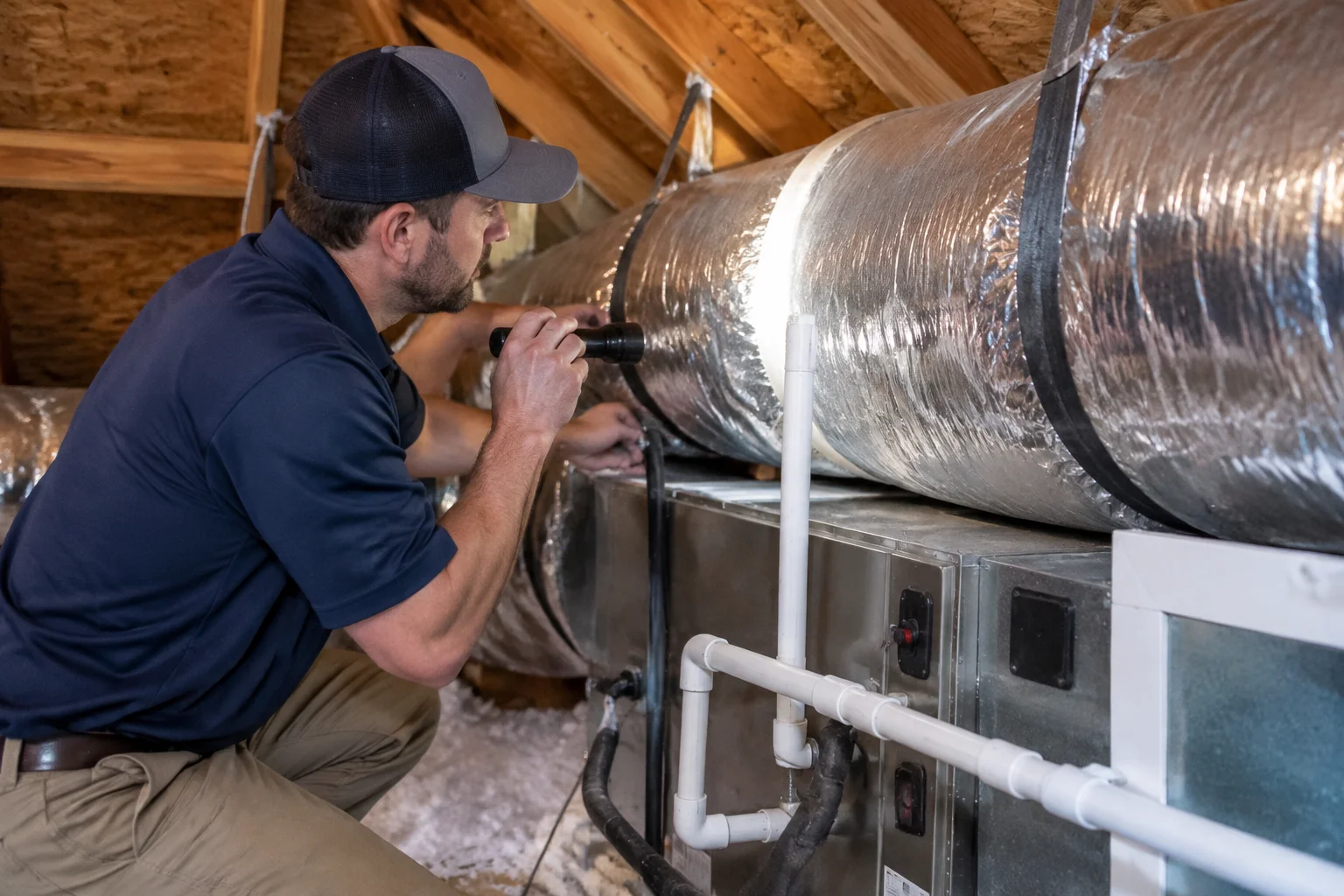
Smart thermostats are command centers, not comfort magicians. If airflow is restricted, cooling and dehumidification performance will drop. That is especially important in coastal Florida homes where dust, humidity, and air leakage can build up over time.
1) Dirty filters and blocked returns
Clogged filters reduce airflow across the refrigerant systems coil. When airflow is low, the system can struggle with temperature and humidity removal. The thermostat may respond by increasing runtime or requesting additional stages, which can lead to more cycling and higher stress on the equipment.
2) Duct leaks and poor distribution
Leaky ductwork can push conditioned air into crawl spaces, attics, or wall cavities. That reduces comfort where you need it and can increase energy use. Homeowners often interpret this as “the thermostat is not working,” but the real issue may be ductwork performance.
If you are noticing hot spots, uneven cooling, or rooms that never feel right, consider duct inspection and airflow evaluation. You can also explore ductwork services to address leaks or restrictions.
3) Condensate drainage problems that show up as “cooling issues”
During AC operation, condensate drainage removes moisture. If condensate drainage is slow or partially blocked, moisture can back up. That can lead to water-related problems and can interfere with cooling performance. A thermostat might keep calling for cooling while the system’s ability to manage moisture is compromised.
Because condensate drainage is tied to indoor humidity and system operation, it often overlaps with indoor air quality concerns. If you are dealing with musty smells, recurring humidity, or inconsistent comfort, professional evaluation helps connect the dots.
Refrigerant system behavior: why the thermostat may be “right” but the coil is not
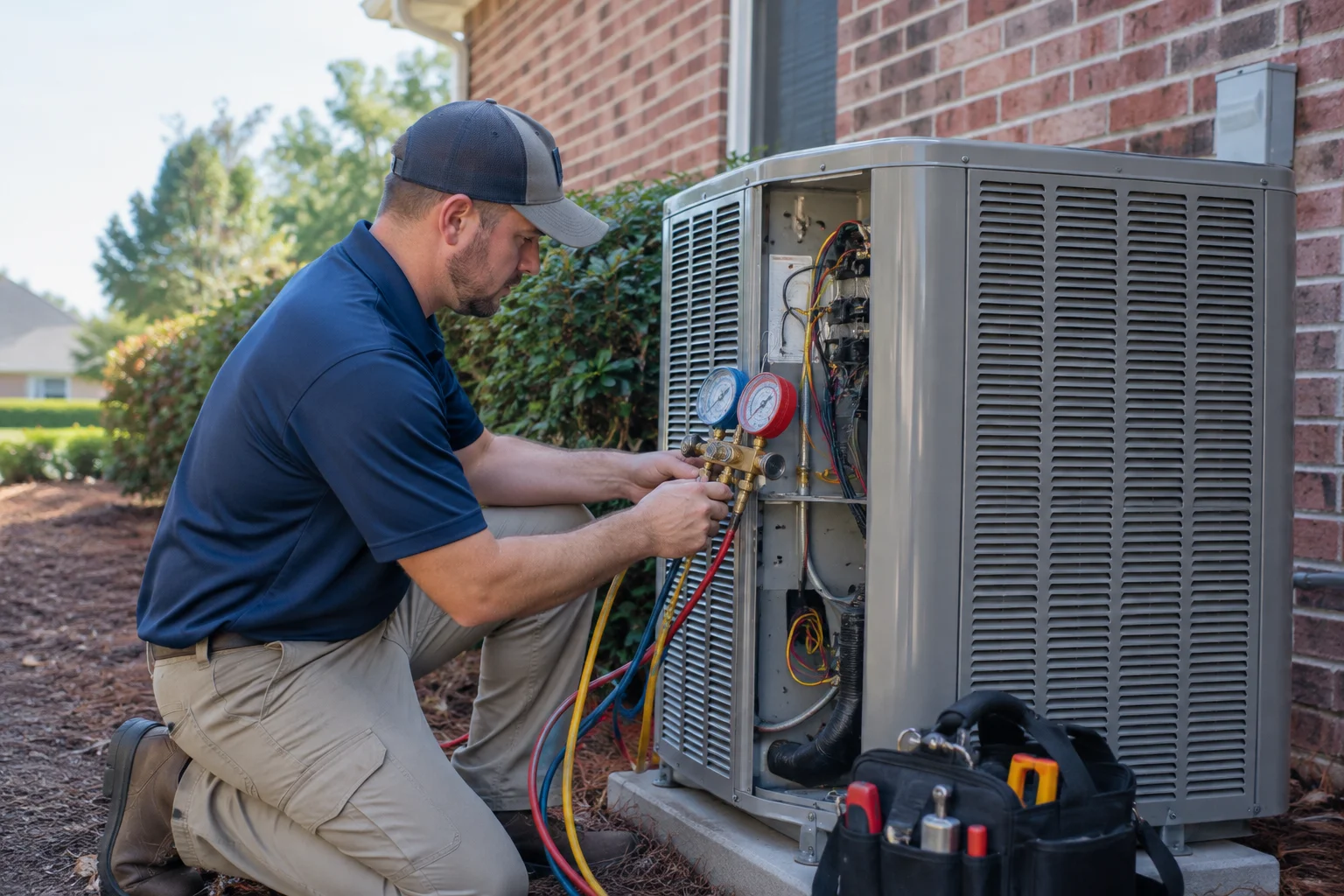
Smart thermostats can request cooling or heating precisely. If the refrigerant system is not operating as intended, the system may not deliver the expected performance. Homeowners should understand that thermostat problems and refrigerant system problems can look similar.
1) Short cycling and rapid temperature swings
When systems short-cycle, the thermostat may repeatedly call for cooling because the temperature does not stabilize. Short cycling can be caused by several HVAC issues, including airflow restrictions, control problems, or other factors that require on-site diagnosis.
Trying to fix this by changing thermostat settings alone often delays the real solution and increases the chance of emergency cooling concerns during a heat wave.
2) Dehumidification struggles in high humidity
In humid Florida conditions, the air conditioner needs enough time and correct airflow across the coil to remove moisture. If the refrigerant system is not performing properly, occupants may feel humid air even when the thermostat reaches the set temperature.
That mismatch often leads to thermostat tweaks that do not address the root cause. Professional HVAC service can evaluate the system performance and help you avoid repeated thermostat adjustments that never fully solve the comfort problem.
Communication and power issues: Wi-Fi, firmware, and thermostat hardware can matter
Smart thermostats depend on reliable communication. When that communication is unstable, the thermostat may not respond as expected or may revert to fallback behavior.
1) Wi-Fi instability and app delays
If remote commands are delayed, homeowners may repeatedly adjust settings, which can create confusing results. For example, you might think the system “ignored” a command, but in reality it acted later. That can look like inconsistent cooling and can lead to unnecessary emergency AC repair near me searches.
2) Firmware updates and configuration changes
Updates can improve features, but they can also change how the thermostat handles staging, humidity control, or scheduling. After an update, it is smart to verify that the thermostat still matches your HVAC equipment type and comfort goals.
3) Low-voltage power quirks
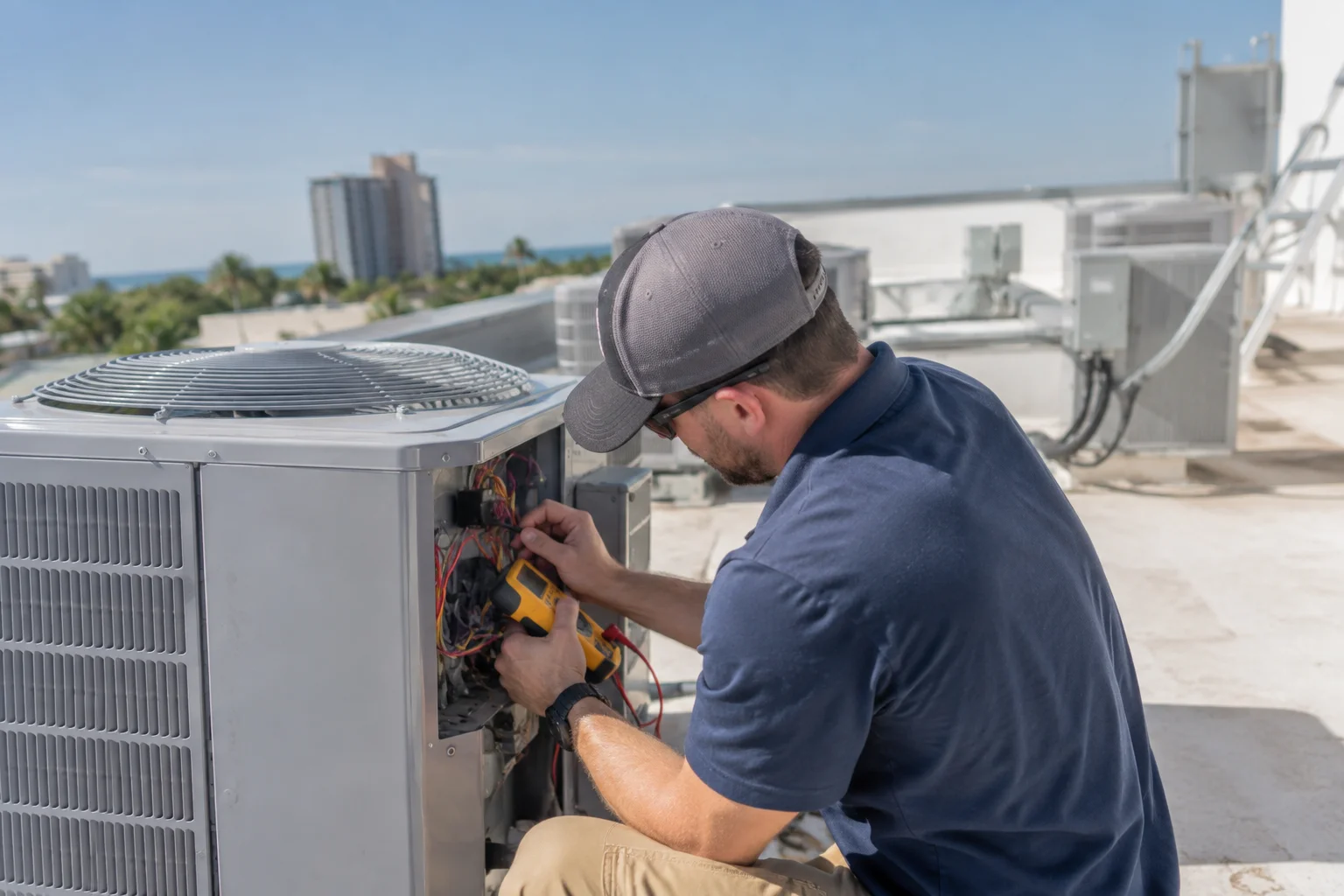
Some smart thermostats require consistent power at the control terminals. If power delivery is marginal, the thermostat may behave erratically. A professional can confirm wiring compatibility and control behavior during an HVAC controls service visit.
Where ductless mini-splits fit in (and where they do not)
Some Watersound homes use ductless mini-splits. Smart thermostats can work differently with ductless systems than with whole-home ducted HVAC. If your home has ductless mini-splits, placement and air distribution still matter, but the comfort pattern may be more localized.
If you are comparing smart thermostat behavior across zones or rooms, it helps to have a technician evaluate the system layout. You can also review ductless mini-splits for guidance on how controls and comfort interact.
Preventive maintenance that keeps smart thermostats from becoming “emergency switches”
A smart thermostat cannot prevent HVAC emergencies by itself. Preventive HVAC maintenance reduces the chances that the system will respond poorly when the thermostat calls for cooling.
AC tune up basics that affect thermostat comfort calls
- Airflow checks: Verify filter condition, return airflow, and supply airflow to support proper cooling and dehumidification.
- System control verification: Confirm the HVAC system responds correctly to thermostat calls and staging.
- Condensate drainage inspection: Make sure moisture removal is working so indoor humidity does not spiral.
- Coil and component condition: Coastal humidity and salt air can increase the need for careful maintenance over time.
If you are searching for AC tune up near me during a busy season, try to schedule before the hottest stretch. That timing matters because smart thermostats often reveal comfort issues quickly when performance is already slipping.
Indoor air quality improvements that pair with better control
Smart thermostats can manage comfort setpoints, but indoor air quality is influenced by system operation, filtration, humidity, and airflow. If you are noticing lingering odors, higher dust, or allergy symptoms, consider pairing thermostat optimization with indoor air quality testing.
That is especially relevant in Florida humidity, where moisture can affect how air feels and how clean it stays.
What homeowners can do right now to reduce emergency cooling concerns
You do not need to be an HVAC expert to spot patterns that suggest a smart thermostat setup or HVAC performance issue. Try these practical steps:
- Track what happens during comfort failures: Does the system run but air feels weak? Does it short-cycle? Is humidity staying high? Notes help an HVAC technician diagnose without guessing.
- Verify fan mode behavior: If your home feels damp or sticky, revisit fan settings and confirm they match your system and humidity needs.
- Check air filter condition: A dirty filter can create airflow problems that the thermostat cannot compensate for.
- Confirm thermostat equipment settings: If you have a heat pump, conventional system, or multi-stage equipment, make sure the thermostat matches it.
- Compare thermostat temperature to a second reading: Use a simple room thermometer to see if the thermostat sensor location is misleading.
If the thermostat is set up correctly and comfort still fails, that is a sign to call a professional HVAC service rather than continuing to adjust settings.
When smart thermostat issues should be treated like a real HVAC problem
Some thermostat frustrations are normal, but others point to a system performance issue that can become unsafe or unreliable during a heat emergency.
Call for help if you see these patterns
- The system repeatedly fails to reach set temperature during peak heat
- Cooling runs but humidity remains high for hours
- You notice musty smells, water near the indoor unit, or signs of condensate drainage problems
- Rooms have extreme hot spots even when the thermostat shows cooling is active
- The thermostat shows frequent cycling behavior or unusual stage changes
In those cases, homeowners often search for air conditioning repair near me or emergency AC repair near me. The goal is to avoid reaching that stage by addressing airflow, ductwork, and system performance issues early.
Why local HVAC service matters in Bay County, FL
Local HVAC technicians understand how coastal humidity, salt air, and frequent cooling demand affect HVAC systems. That matters for thermostat optimization because it influences:
- How airflow and ductwork behave in real homes with real distribution issues
- How condensate drainage needs to be maintained to prevent moisture buildup
- How refrigerant system cycling patterns can change when components age or performance drifts
- How smart thermostats should be configured for your equipment type and comfort goals
If you are ready to upgrade, optimize, or troubleshoot smart thermostat performance, start with the specific service page for your area: Smart Thermostats in Latitude Margaritaville Watersound. You can also browse all HVAC services in Latitude Margaritaville Watersound to see how indoor air quality, duct inspections, and HVAC maintenance connect.
For broader Bay County coverage, visit the Bay County service area.
Helpful reading for homeowners upgrading smart controls
If you want more context on thermostat setup and the types of problems that grow over time, these local-focused reads can help:
- Smart Thermostats in Panama City Beach: Small Problems That Can Turn Into Bigger HVAC Headaches
- Smart Thermostats and Smoother Comfort in Destin Homes: Staying Ahead of HVAC Problems Before They Grow
- Smart Thermostats and Fewer HVAC Surprises in Panama City Homes
- Keeping Your Cool in Panama City Beach Without Letting Smart Thermostats Create Bigger HVAC Problems
Smart thermostat comfort should feel steady, not stressful
The best smart thermostat experience in Latitude Margaritaville Watersound, FL is steady comfort. When temperature and humidity control align with your HVAC system’s real performance, you reduce energy waste and avoid the kind of last-minute emergency cooling concerns that happen when problems are left to grow.
If your smart thermostat is new or recently updated, treat the first hot stretch as a test period. If you see repeated comfort mismatch, airflow complaints, or signs that moisture is not being managed, scheduling professional HVAC maintenance and controls service is the most reliable way to protect comfort for the whole season.
For homeowners looking for thermostat repair near me or HVAC controls service near me, A Superior Mechanical can help you connect thermostat behavior to the actual performance of your AC, heat pump, ductwork, and indoor air quality needs.
Find Smart Thermostats in Latitude Margaritaville Watersound, FL
If you need Smart Thermostats in Latitude Margaritaville Watersound, FL, visit our local service page or contact A Superior Mechanical today.
Map of Latitude Margaritaville Watersound, FL
Frequently Asked Questions
Why does my smart thermostat say it is cooling, but my home still feels humid in Watersound?
Humidity comfort depends on airflow, condensate drainage, and how the system removes moisture. If ductwork distribution is uneven, airflow is restricted, or the indoor unit is not managing condensate properly, the thermostat can still reach its temperature target while humidity stays high. A professional HVAC evaluation can help identify the real cause.
Can smart thermostat settings cause my AC to short-cycle?
Yes. Incorrect equipment settings, staging behavior, or fan settings can cause repeated calls for cooling that do not match how the HVAC system is operating. Since short-cycling can also be caused by other HVAC issues, it is best to have a technician verify both thermostat configuration and system performance.
How do I know if the problem is the thermostat or the ductwork?
If only certain rooms feel off, or you have hot spots and uneven airflow, ductwork and airflow issues are often involved. If the thermostat location is affected by sunlight or drafts, sensor placement can also be a factor. Comparing comfort behavior across areas and verifying airflow patterns helps narrow it down.
What preventive maintenance helps smart thermostats work better in Florida humidity?
Regular AC tune ups that support airflow, verify system control response, and inspect condensate drainage can improve how the system performs when the thermostat calls for cooling. Pairing this with indoor air quality testing when comfort feels “stuffy” can also help.
Should I try to diagnose refrigerant or electrical control problems myself?
No. Smart thermostat behavior can look similar across different problems. Refrigerant system and control issues should be evaluated in person by a licensed HVAC professional to avoid incorrect conclusions and to protect your equipment.
Related Articles
- Smart Thermostats in Panama City Beach: Small Problems That Can Turn Into Bigger HVAC Headaches
- Smart Thermostats and Smoother Comfort in Destin Homes: Staying Ahead of HVAC Problems Before They Grow
- Smart Thermostats and Fewer HVAC Surprises in Panama City Homes
- Keeping Your Cool in Panama City Beach Without Letting Smart Thermostats Create Bigger HVAC Problems
Photo Gallery