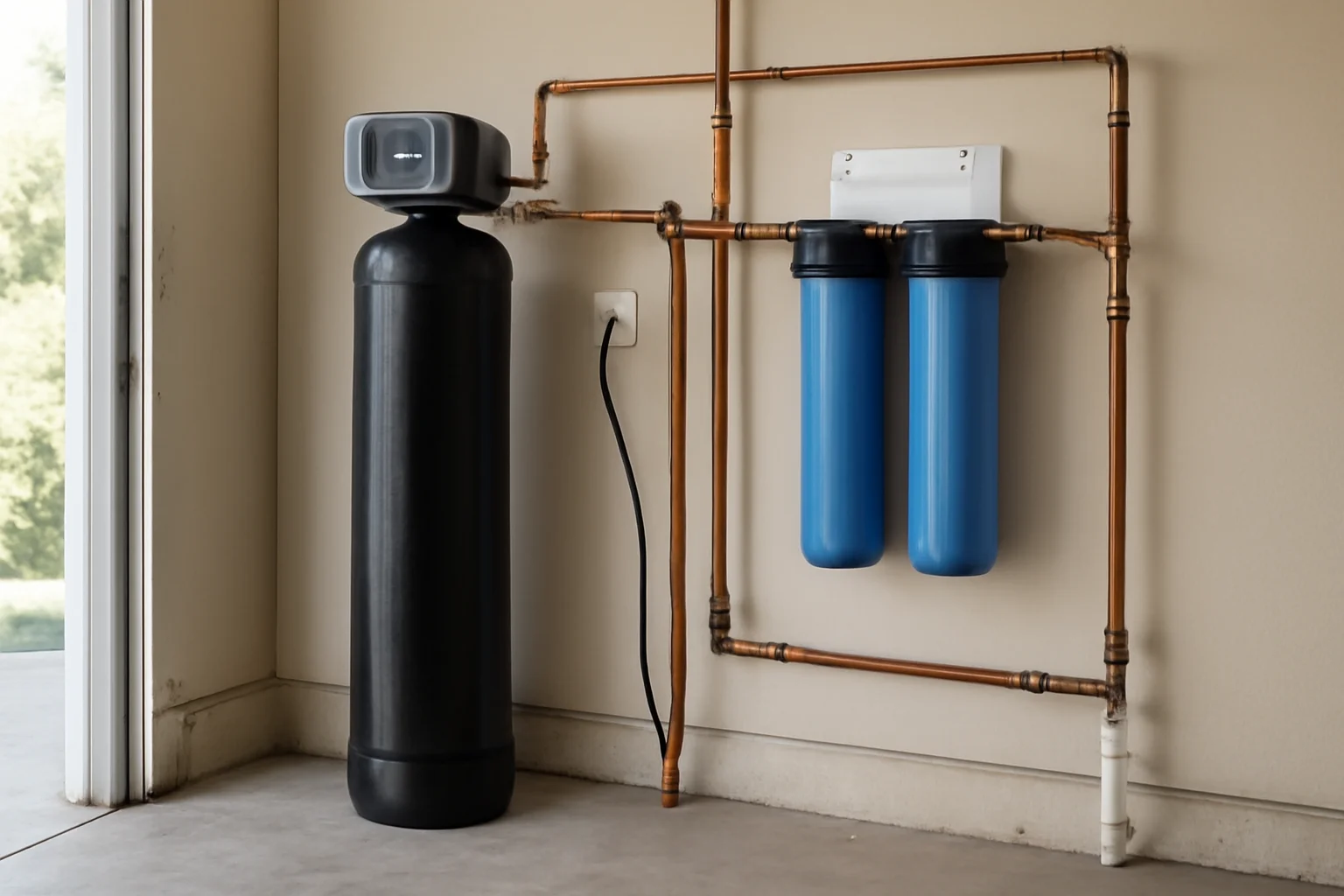
Upper Grand Lagoon homeowners often notice the same everyday clues: hard water spots on glass, scale buildup around faucets and showerheads, and that dull feeling on skin after a long bath. Then there is the kitchen side of it, where poor tasting water, metallic or chlorinated notes, and cloudy ice cubes can make drinking and cooking feel less inviting.
Water softening is designed to reduce hardness minerals, help protect plumbing, and make soap work better. But when softeners and related water treatment systems are not set up correctly or are pushed beyond their capacity, problems can show up anyway. Let’s break down the most common causes of water softening issues in Upper Grand Lagoon, FL, and how homeowners can reduce sediment, odor, and chlorine concerns while improving overall water quality.
What “softening problems” really look like around Upper Grand Lagoon homes
When water treatment is not performing as expected, the effects show up in multiple rooms. You might see:
- Hard water spots on glass, dishes, and fixtures, even after running the dishwasher or wiping down surfaces.
- Scale buildup on faucets, showerheads, and plumbing, often appearing as rough white crust or chalky residue.
- Dry skin or dull hair after bathing, plus soap that does not lather or rinses poorly.
- Visible sediment, discoloration, and odor concerns in sinks, tubs, or at certain fixtures.
- Metallic, chlorinated, or unpleasant taste in drinking water or cooking water.
- Cloudy ice cubes that look milky or smoky in the freezer tray.
- Poor tasting coffee and cooking water, even when using the same coffee brand and recipe.
- Appliances wearing out faster, especially water-using units like water heaters, dishwashers, and washing machines.
It is tempting to assume the issue is “just hard water.” Sometimes it is. Other times, hardness is only part of the story, and sediment, odor, or chlorine related water quality concerns are coming from additional sources or from how the system is operating.
Common causes of water softening trouble in Upper Grand Lagoon
1) The softener is undersized for your household and water hardness
Softening systems are sized around your water hardness and your typical water use. Upper Grand Lagoon homes may see changes over time due to seasonal demand, household changes, or moving from one rental tenant to another. If the unit is too small, it may regenerate too late, leaving hardness minerals to slip through. That is when you see stubborn hard water spots on glass and scale buildup on faucets return.
If your dishwasher leaves a film, or your shower glass never stays clear, undersizing is a frequent culprit. A technician can review the unit’s capacity and regeneration settings and compare them to actual hardness data.
2) Incorrect regeneration settings or a missed regeneration cycle
Modern water softeners regenerate based on time, water usage, or a combination of both. If the system is set to regenerate too infrequently, hardness can build up in the resin bed. If it regenerates too often, you may notice taste and odor issues tied to brine handling and rinse performance. Either way, the result can be inconsistent cleaning and protection.
Homeowners sometimes notice the problem more after a vacation or during periods of low use, when the system may not behave the way it should for your pattern of consumption.
3) Salt issues: wrong type, low salt level, or bridging in the brine tank
Softening uses salt (or another approved regenerant) to recharge the resin. If the brine tank is low, the system cannot regenerate effectively. If the salt forms a hard crust or “bridge,” water may not dissolve the salt properly, leading to incomplete regeneration.
Salt problems can also contribute to odd water quality symptoms. While softeners are not typically the main source of chlorine taste, poor rinse cycles and inconsistent performance can make water feel off, and homeowners may notice odor concerns or residue that looks like fine sediment.
4) Sediment or rust entering the system before softening
Many Upper Grand Lagoon homes experience some level of sediment in household water. When sediment is present, it can clog or foul parts of the water treatment train. Even if your softener is working, sediment can still show up as:
- Visible sediment in a glass or at certain taps
- Discoloration that comes and goes
- Cloudy ice cubes that look milky
If you are seeing sediment along with scale, your system may need filtration upstream. That is where whole home water filtration near me searches often point homeowners for a reason. A properly designed filtration step can reduce the grit that interferes with softening and that can affect drinking water quality.
5) Chlorine and taste concerns that softening alone cannot fix
Softening targets hardness minerals like calcium and magnesium. It does not remove chlorine by itself. If you notice chlorine taste in water, metallic tasting water, or unpleasant notes in drinking water, you likely need additional treatment such as carbon filtration or a dedicated drinking water system.
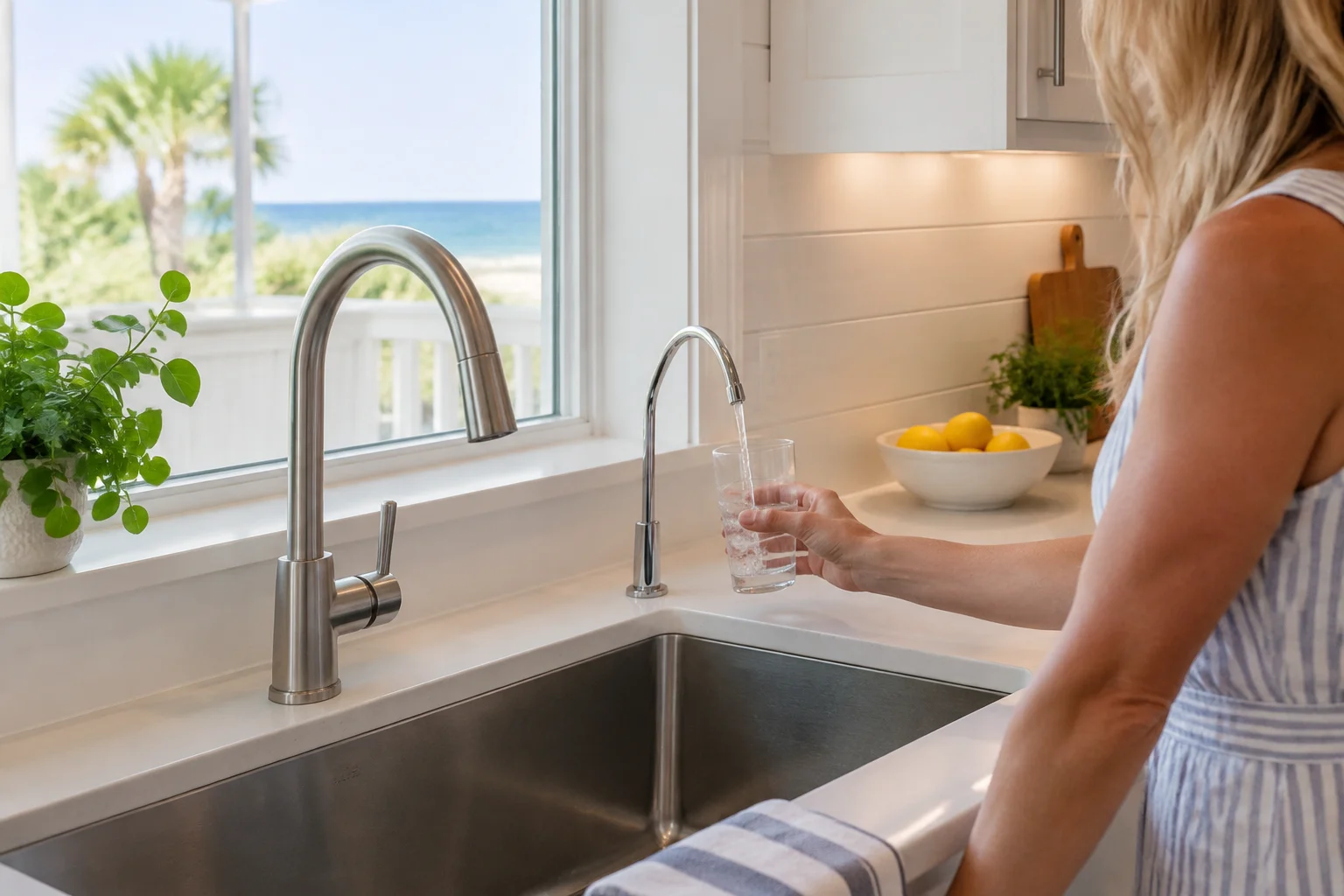
This is common for families who want better water for everyday kitchen scenes. Think of filling a glass for the kids, brewing coffee, or using water for cooking. If the water tastes off, it changes habits fast.
A good approach is to separate goals: use water softening to protect plumbing and improve soap performance, then add filtration for taste, odor, and sediment control where it matters most.
6) Plumbing conditions and bypass issues
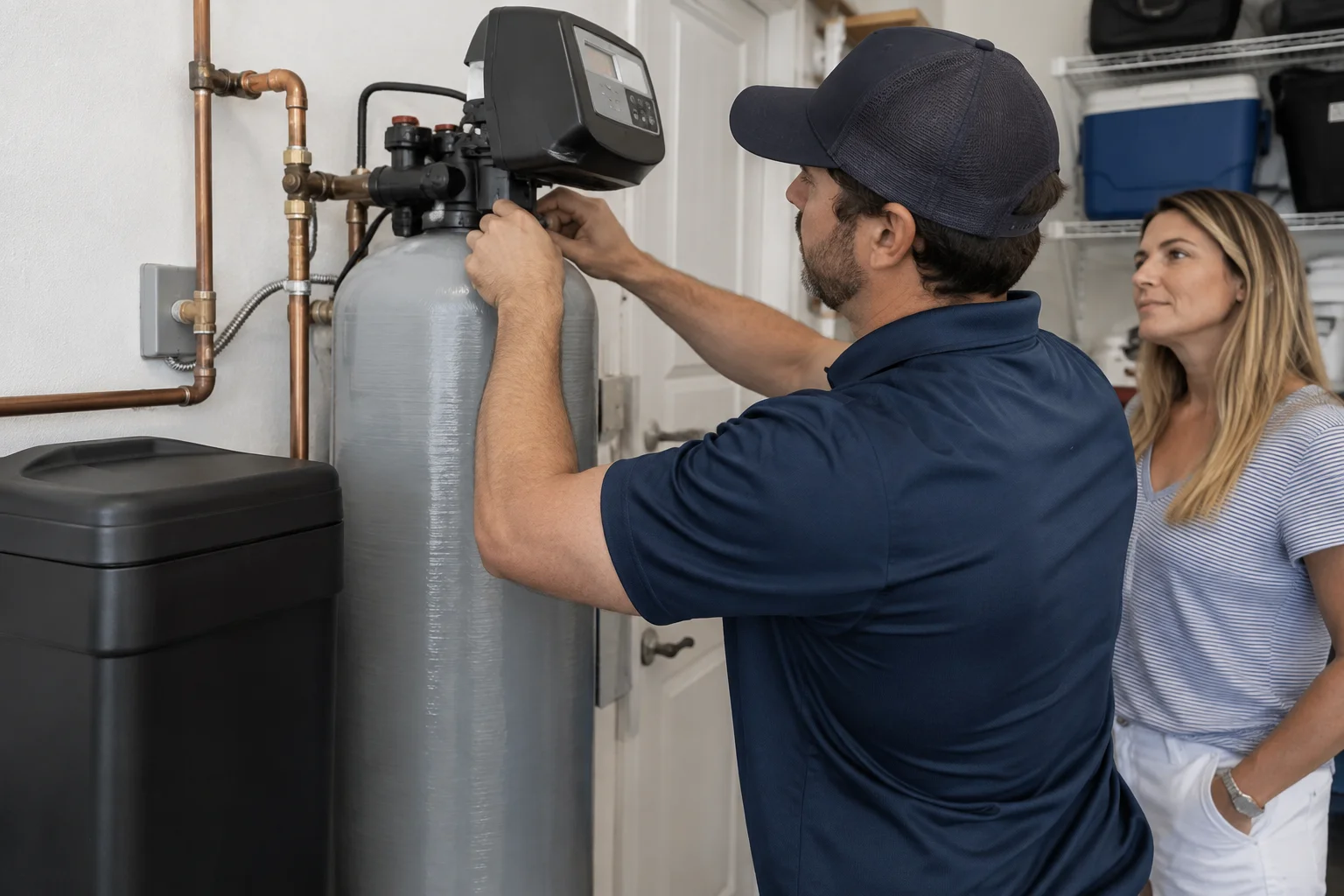
Sometimes the softener is installed correctly, but the system is not fully in service. A bypass valve, a partially closed valve, or a recent plumbing repair can allow untreated water to reach fixtures. That can explain why you see softening benefits in one area but not another.
Upper Grand Lagoon homes with older plumbing or recent renovations may also have internal scale and deposits. Even after you install a new system, those deposits can take time to clear, especially if flow paths were disturbed.
7) Resin bed fouling from water quality swings
Over time, the resin can become less effective if it is exposed to sediment, iron, or other contaminants. That can reduce softening performance and increase the chance of cloudy or inconsistent water quality. It can also make regeneration less effective, which leads back to the “hard spots and scale reappearing” cycle.
How to reduce sediment, odor, and chlorine concerns while protecting plumbing
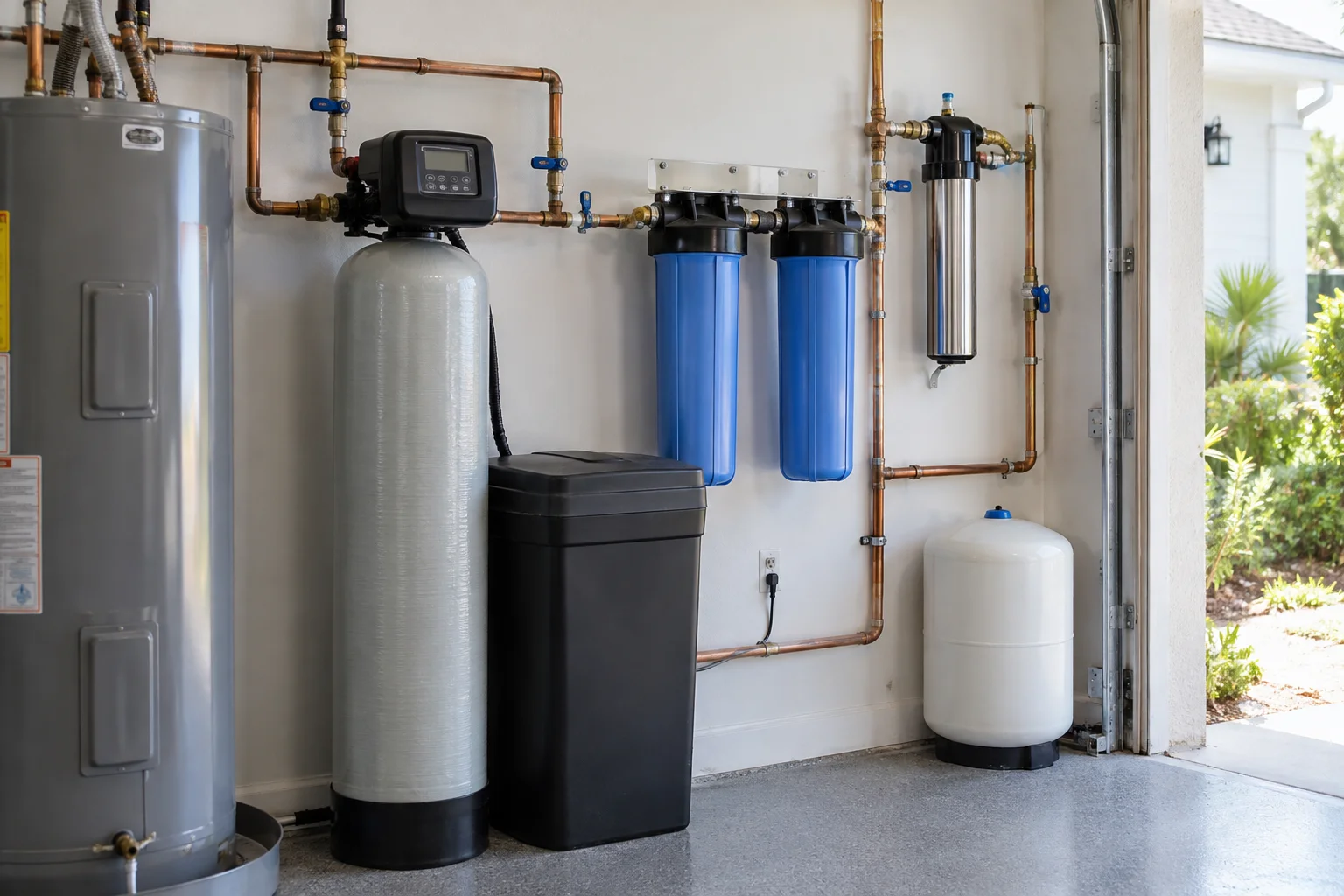
Homeowners get the best results when they treat water quality like a system, not a single product. For Upper Grand Lagoon, the most effective setups usually combine water softening with targeted filtration and, in some cases, reverse osmosis for drinking water.
Start with whole home water filtration to protect the softener and fixtures
When sediment is part of the problem, a whole home filtration step can help keep grit and fine particles from traveling through the plumbing. This can reduce:
- Visible sediment in the sink
- Clogging of showerheads and faucet aerators
- Premature wear on appliances
- Resin fouling that undermines softening performance
If you are searching for water filtration near me, look for solutions that match local conditions and are designed to work with your softener instead of fighting it. For many homes, pairing filtration with softening is what finally stops both the scale and the “cloudy ice” complaints.
Add drinking water filtration for taste, odor, and better coffee
For the kitchen, you want water that tastes clean and predictable. If you have metallic tasting water, chlorine taste in water, or unpleasant odors, a dedicated drinking water filter can make a noticeable difference.
Many families notice improvements fast when water tastes better:
- Kids will drink more water from the fridge or dispenser
- Coffee tastes more consistent, especially brewed with filtered water
- Cooking water affects flavor in soups, rice, and pasta
For homeowners exploring AO Smith water filtration, discuss options that fit your goals, whether that is whole home filtration, a system designed for sediment and taste reduction, or a point of use solution.
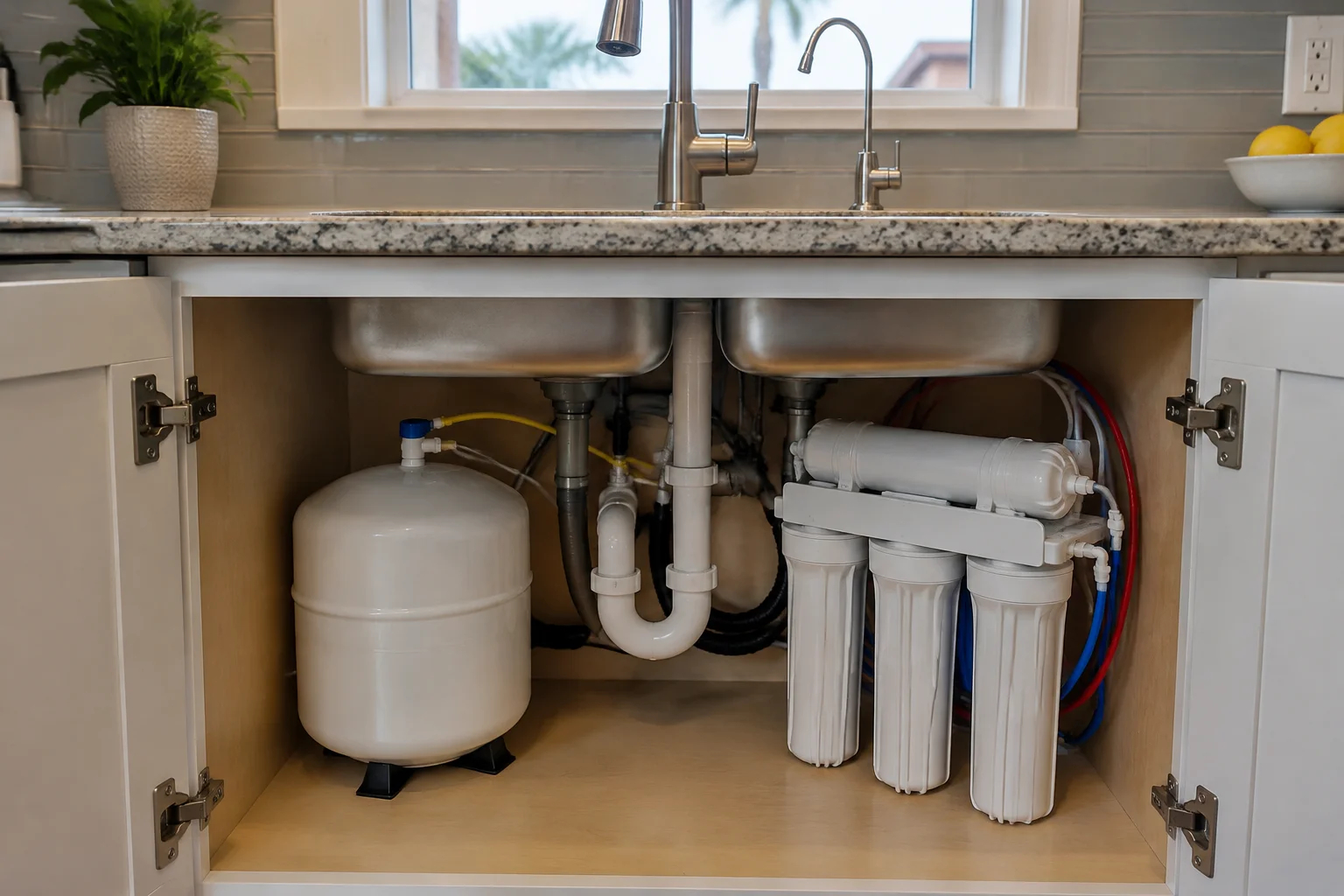
Consider reverse osmosis for the cleanest drinking and cooking water
When sediment, taste, or odor concerns show up in drinking water, reverse osmosis can be a strong choice. A reverse osmosis system near me search is common for people who want better water for drinking and cooking water without relying on bottled water.
For Upper Grand Lagoon households, reverse osmosis is often most practical for:
- Drinking water and ice
- Cooking water where taste consistency matters
- Homes dealing with cloudy ice cubes or persistent taste complaints
If you are weighing reverse osmosis installation near me or upgrading an existing system, a professional should confirm that your softener and filtration are supporting the RO unit. RO systems perform best when upstream sediment and scale are controlled.
Homeowners can also explore how RO fits with whole home water filtration near me plans, so the entire system works together.
Keep your softener tuned so it actually prevents scale buildup
A properly operating water softener should help reduce the minerals that cause scale. That is what keeps shower glass clearer, reduces chalky buildup around fixtures, and helps soap rinse more easily.
To reduce problems, pay attention to routine maintenance:
- Monitor salt levels and use the correct salt type for your unit
- Check for salt bridging or crusting in the brine tank
- Keep the system’s settings aligned with your household needs
- Replace filters on schedule if your system uses them
- Watch for changes in water feel, taste, and appearance
For homeowners who want to understand why these maintenance steps matter, this guide pairs well with your planning: Why Water Softening Matters for Upper Grand Lagoon Homes.
How local conditions in Upper Grand Lagoon influence water treatment decisions
Upper Grand Lagoon is part of Bay County, and local water conditions can vary across neighborhoods and over time. Homes may experience different levels of hardness, sediment, and taste issues based on plumbing age, service line condition, and household water demand.
That is why water treatment service matters locally. A one-size-fits-all recommendation can miss the real cause behind your symptoms. For example:
- If you have scale buildup around faucets and dry skin, hardness is likely a major factor, and water softening should be part of the solution.
- If you have cloudy ice cubes and discoloration, sediment or filtration gaps may be affecting water quality before it reaches your fixtures.
- If you have a chlorine taste in water or metallic notes, you may need dedicated drinking water filtration in addition to softening.
When homeowners in Bay County compare options, they benefit from service that considers how the system will handle both everyday water use and the specific problems they see at home. If you are exploring broader options across the region, you can review service information here: /service-areas/bay-county and the local overview on /service-areas/bay-county/upper-grand-lagoon.
Where water softening and water filtration work best together
Many Upper Grand Lagoon households notice improvement only after they address two separate issues: hardness minerals and the water quality concerns that affect taste and appearance.
Here is a practical way to think about it:
- Water softening supports bathing, laundry, and fixture cleanliness by reducing scale-forming minerals.
- Whole home water filtration reduces sediment and protects the softener and appliances.
- Drinking water filtration targets chlorine taste, odor, and consistent flavor for drinking and cooking.
- Reverse osmosis provides extra purification for drinking water and ice when taste and appearance concerns are strong.
For homeowners searching for water softener service near me and water filtration near me, the best results often come from a coordinated plan that matches your symptoms to the right equipment.
Smarter next steps for Upper Grand Lagoon homeowners
If you are dealing with sediment, odor, or chlorine concerns along with classic hard water signs, start by documenting what you see. Take note of:
- When the problem appears, such as after heavy water use or after the system regenerates
- Which fixtures are affected most, like kitchen sink vs. shower
- Whether ice appears cloudy and whether coffee tastes different
- How quickly scale returns after cleaning
Then have a professional evaluate your current setup, including your softener settings, salt performance, and whether you need filtration or a drinking water upgrade. If you want to focus on the softening side, you can review service details here: /service-areas/bay-county/upper-grand-lagoon/water-softening-uglfl.
If your goal is overall clean water systems, including whole home filtration and softener integration, visit: /water-filtration-ro-water-softeners.
For additional context on protecting plumbing and reducing long term wear, these reads can help homeowners plan upgrades thoughtfully: How Water Softening Protects Rosemary Beach Plumbing from Costly Water Damage and Why Water Softening Matters for Upper Grand Lagoon Homes.
Maintenance habits that reduce sediment and keep water quality steady
You do not need to guess every day, but a few simple habits can prevent the most common issues:
- Check salt level regularly and keep the brine tank from running low.
- Look for salt bridging if you notice performance dropping.
- Inspect faucet aerators and showerheads for buildup, which can signal scale or sediment.
- Pay attention to ice. Cloudy ice is often a clue that filtration is not doing enough for drinking water clarity.
- Notice soap behavior. If soap stops lathering, hardness reduction may be off.
- Track appliance performance. Faster wear and shorter lifespans can indicate scale buildup.
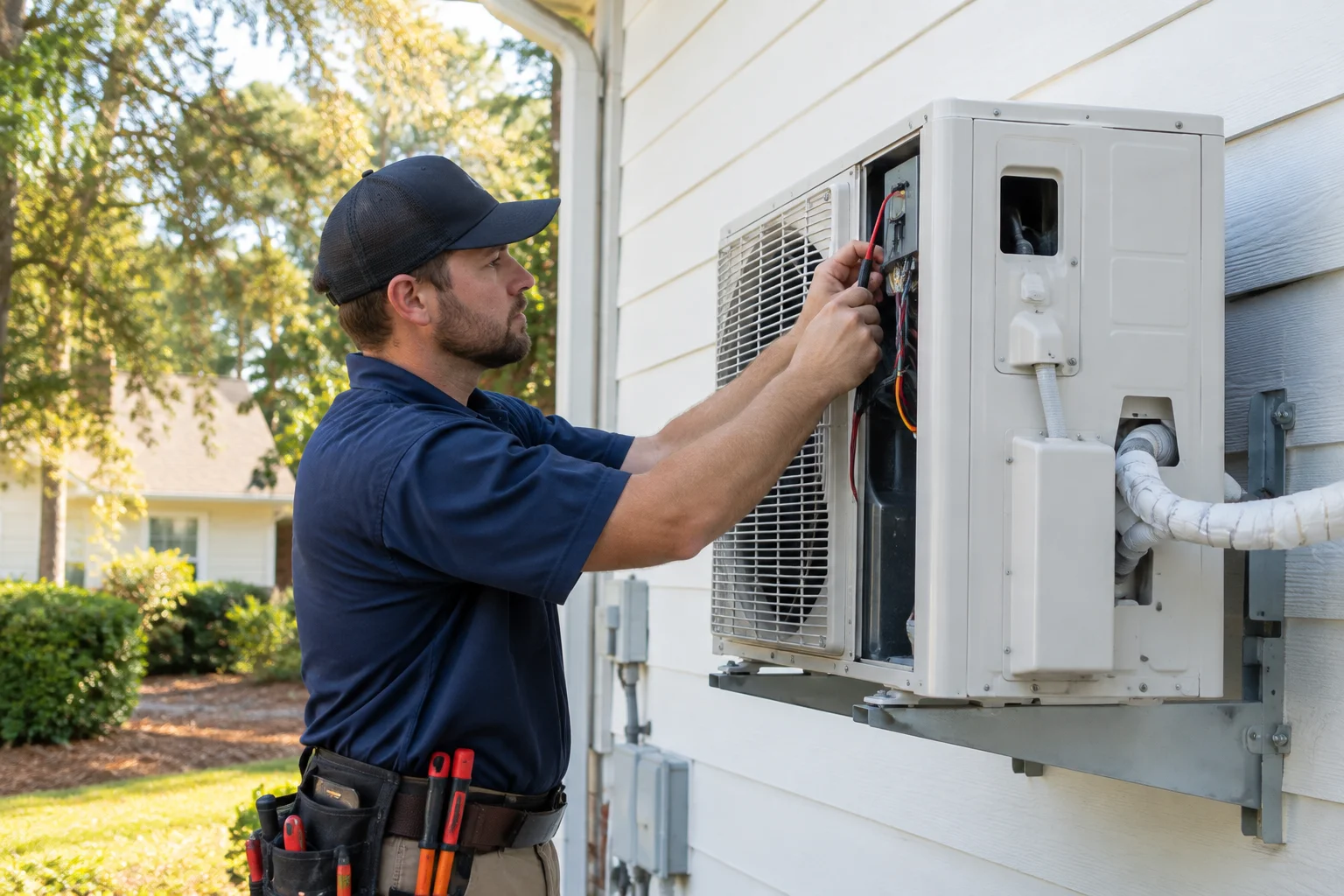
If your system is already installed and you suspect it is not working properly, do not rely on quick fixes alone. A professional can verify system operation, confirm whether sediment and taste concerns require additional filtration, and help you adjust settings for your household.
When to call a professional for water softening and filtration
Call for water treatment service if you notice any of the following:
- Your hard water spots on glass and scale buildup on faucets return quickly after cleaning.
- You see visible sediment or discoloration in water.
- You have cloudy ice cubes or consistent taste complaints.
- Soap no longer lathers well or rinses poorly.
- You suspect your softener is not regenerating effectively.
- Appliances are wearing out faster than expected.
In Upper Grand Lagoon, a local water treatment evaluation is the fastest way to move from guesswork to clear decisions. If you are comparing options like AO Smith water softener solutions, whole home water filtration, or a plan that includes reverse osmosis, you want equipment sized and configured for your specific needs. That is how you get cleaner water for bathing, better water for drinking and cooking, and the long term protection that homeowners expect from a properly working system.
Find Water Softening in Upper Grand Lagoon, FL
If you need Water Softening in Upper Grand Lagoon, FL, visit our local service page or contact A Superior Mechanical today.
For a broader look at whole-home water filtration, reverse osmosis, and water softener options, visit our water filtration, RO, and water softener page.
Map of Upper Grand Lagoon, FL
Frequently Asked Questions
Can a water softener fix chlorine taste in water?
Usually, no. Water softeners focus on hardness minerals. For chlorine taste in water or unpleasant odors, you typically need carbon filtration or a dedicated drinking water system such as reverse osmosis.
Why do I still see hard water spots even though my home has a water softener?
Common causes include an undersized unit, incorrect regeneration settings, low or bridged salt, sediment interfering with the system, or a bypass valve issue. A water treatment professional can verify performance and adjust the system.
What does cloudy ice mean in a home with a softener?
Cloudy ice can indicate sediment, taste and odor issues, or incomplete filtration affecting the drinking water line. It is often a sign you need additional filtration for drinking water and ice, and sometimes a reverse osmosis system.
Is whole home water filtration worth it if I already have softening?
Often, yes. Whole home filtration can reduce sediment that would otherwise foul components, contribute to discoloration, and interfere with softener performance. It also supports cleaner water throughout the home.
How often should water softeners and filters be serviced in Upper Grand Lagoon?
Service schedules depend on your equipment and water conditions. Many systems benefit from periodic checks of salt performance, settings, and filtration changes. A local technician can recommend a plan based on your household and observed symptoms.
Related Articles
Photo Gallery