Springfield, FL can be demanding on commercial HVAC systems. Long stretches of warm weather, heavy humidity, and coastal salt air exposure create conditions where small installation problems can turn into big failures. The good news is that many HVAC emergencies are preventable when commercial HVAC installation is planned and executed with the right focus on airflow, ductwork, condensate drainage, refrigerant system performance, and controls.
If you are a homeowner managing a multi-unit property, a landlord, or a decision-maker for an office or retail space, this guide walks through practical ways to protect your building from HVAC problems and reduce the odds of needing emergency cooling when it matters most.
Why Springfield’s climate makes installation details matter
HVAC equipment is only as reliable as the system design behind it. In Springfield, Bay County, the air can stay humid for much of the year, and summer heat pushes comfort demands higher. When airflow is restricted, humidity control suffers, and indoor air quality can decline. When condensate drainage is handled poorly, moisture can collect where you cannot see it. When ductwork is undersized or poorly sealed, the system works harder to move air, increasing wear on components.
Coastal influences, including salt air, can also accelerate corrosion on exposed parts. That does not mean HVAC has to fail early, but it does mean installation quality and ongoing HVAC maintenance near me matter more than ever.
If you are researching commercial HVAC installation in Springfield, FL, look for a process that treats installation as a system, not just equipment placement.
Start with the right system design, not a one-size-fits-all swap
One of the most common causes of recurring AC repair near me calls is mismatched capacity and airflow. A system that is too small may run constantly, struggling to maintain temperature during Florida heat. A system that is too large can cool quickly but short cycle, which often reduces humidity removal and increases stress on the compressor and refrigerant systems.
Professional commercial HVAC installation should begin with a building-specific assessment. That includes:
- Space-by-space load considerations for offices, retail areas, restaurants, and multi-unit layouts
- Airflow planning based on ductwork design and expected airflow paths
- Consideration of how indoor use patterns affect heat gain and humidity
- Review of existing ductwork condition when applicable
For homeowners searching for heat pump services or other HVAC installation options, the same principle applies. The equipment must match the building, and the installation must support stable operation across the full cooling season.
Airflow and ductwork: the hidden drivers of comfort and emergency cooling
Even when the outdoor unit and indoor components are high quality, poor airflow can cause problems that look like equipment failure. Restrictive ductwork, leaky connections, or imbalanced supply and return air can lead to:
- Hot spots that trigger callbacks and complaints
- Higher energy use because the system runs longer to reach setpoints
- Reduced humidity removal, which can worsen indoor air quality
- Coil icing or pressure issues that can lead to breakdowns
Florida humidity makes airflow problems more noticeable. If air cannot circulate properly, moisture can linger indoors. That is when you may see musty odors, higher indoor relative humidity, and tenant discomfort. In some cases, moisture can also affect condensate drainage performance.
Ask your HVAC contractor about duct inspection near me and how they verify airflow during installation. A careful airflow check helps ensure the system can deliver the comfort you expect without pushing components beyond their intended operating balance.
If you are dealing with older ductwork or suspect airflow issues, duct repair near me can be part of the solution. But it should be guided by an inspection, not guesswork.
Condensate drainage: preventing moisture problems before they lead to breakdowns
In cooling mode, HVAC systems produce condensate that must drain correctly. Condensate drainage problems can become a chain reaction. A clogged drain pan, improper slope, missing traps, or poor installation of drain lines can cause overflow, water damage, and microbial growth. Over time, moisture can also affect nearby components and create conditions that shorten equipment life.
During commercial HVAC installation, condensate drainage should be planned and verified. That includes checking:
- Drain line routing and slope
- Proper connections and secure fittings
- Whether condensate removal works as intended under realistic cooling conditions
- How the system will handle seasonal humidity swings
When condensate drainage is correct, you reduce the chance of water-related failures that can turn into emergency cooling concerns on the hottest days.
Refrigerant systems and controls: stability depends on correct installation practices
Refrigerant systems are designed to move heat efficiently. If refrigerant piping is installed incorrectly, if airflow across the coil is off, or if controls are configured without understanding the building, the system can operate less efficiently and become more prone to failure.
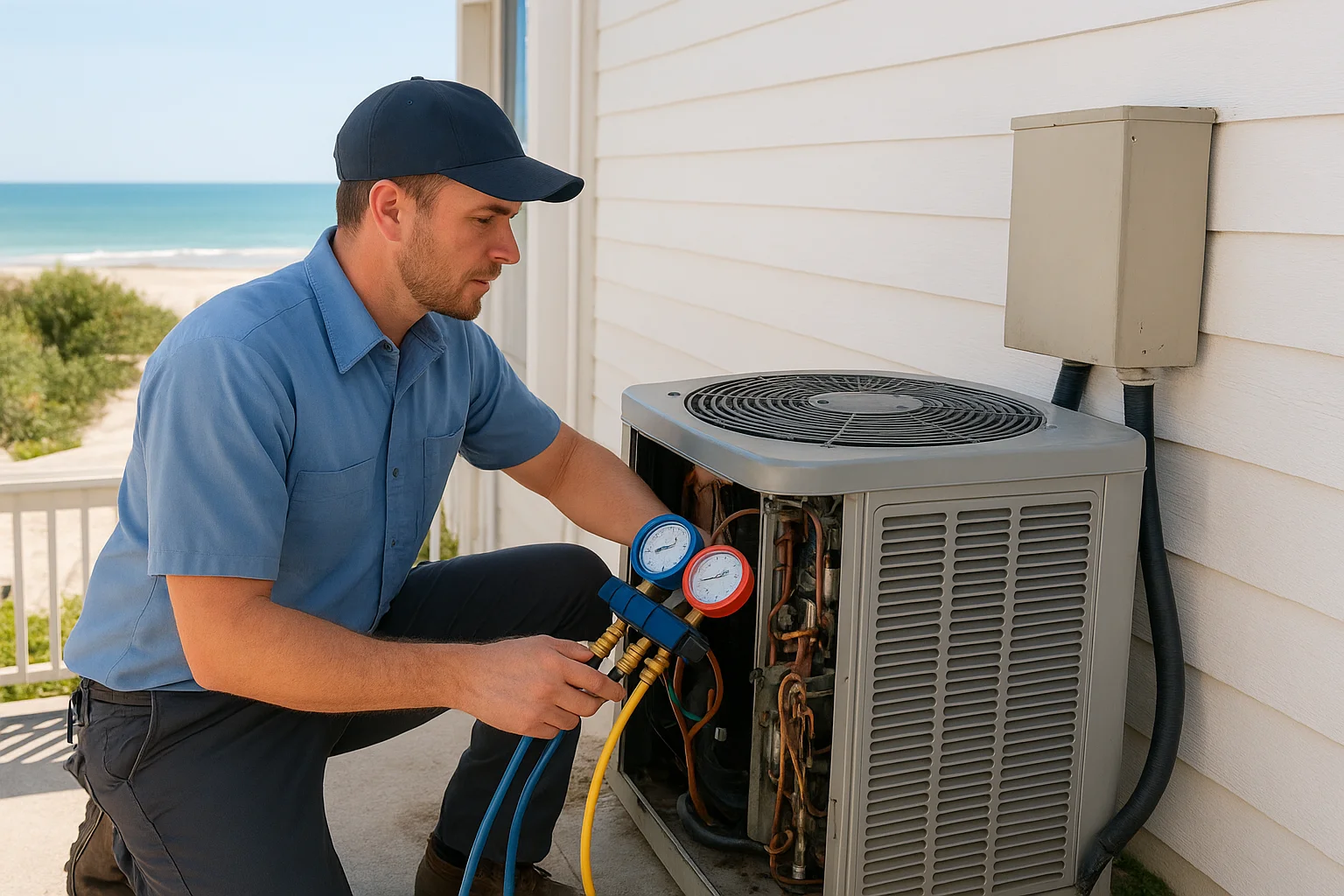
It is important to note that homeowners should not attempt refrigerant troubleshooting or diagnosis themselves. Refrigerant systems require proper tools, training, and safe procedures. Any evaluation of refrigerant performance should be done in person by a qualified professional.
That said, you can protect your building by asking what the installer will do to support refrigerant system stability, including:
- Ensuring coil airflow meets design needs
- Confirming refrigerant line routing and installation practices are appropriate for the application
- Verifying thermostat installation and control settings support stable cycling
Thermostats are not just user interfaces. In commercial settings, thermostat placement and configuration can influence how often equipment cycles and how evenly temperature is maintained. If you are searching for HVAC services in Springfield that include thermostat installation near me, choose a contractor who understands commercial zoning and comfort requirements.
Humidity control and indoor air quality: protect comfort while preventing wear
Florida humidity is one of the biggest reasons HVAC systems feel “fine” until they do not. When humidity control is weak, indoor air quality can suffer. That can lead to complaints, higher occupant discomfort, and more frequent service calls.
Commercial HVAC installation should consider indoor air quality goals alongside comfort. Depending on your building, that can include:
- Proper equipment selection for moisture removal capacity
- Air filtration strategy that matches the facility’s needs
- Air distribution that supports even comfort and reduces stagnant zones
- Ventilation planning where applicable
If you care about energy use and occupant health, indoor air quality planning is not optional. It is part of preventing future problems and reducing the likelihood of HVAC repair emergencies.
Energy use and long run performance: how installation choices affect operating costs
Many homeowners think about energy efficiency only after problems begin. In reality, installation details influence system performance from day one. When airflow is balanced, ductwork is sealed correctly, and controls are set up properly, the system can maintain comfort with less strain.
Energy use is also affected by:
- How well the system matches the building load
- Whether the duct system supports intended airflow
- How reliably the system cycles under Florida heat
- How humidity is managed across the cooling season
For businesses, those factors matter because higher runtime and inefficient operation can increase component wear. That is one reason a strong commercial HVAC service near me approach often includes commissioning and verification steps.
Common installation and setup issues that lead to costly HVAC repairs
Below are frequent causes of repeat service calls and emergency cooling situations in humid climates like Springfield. These are not always obvious during installation, which is why professional verification matters.
1) Ductwork that restricts airflow
Leaky ducts, poor insulation on duct runs, or undersized ductwork can reduce delivered air. The system compensates by running longer, which increases wear and can contribute to coil and pressure problems.
2) Imbalanced supply and return air
When rooms receive uneven airflow, some areas overheat while others overcool. That drives thermostat adjustments, occupant complaints, and additional strain on the system.
3) Condensate drainage that is not properly routed
If condensate drainage is not set up correctly, moisture can accumulate and lead to water damage or microbial growth. It can also create conditions that trigger shutdowns and emergency calls.
4) Thermostat placement or configuration that causes short cycling
In commercial buildings with multiple zones or varying sunlight exposure, thermostat location and settings can affect how the system cycles. Short cycling can increase compressor stress.
5) Refrigerant system instability caused by airflow mismatch
Refrigerant systems depend on proper heat exchange. If airflow over the coil does not match design intent, the system may not perform as expected. Any refrigerant evaluation should be handled by a professional after an in-person assessment.
Preventive HVAC maintenance that keeps commercial systems steadier
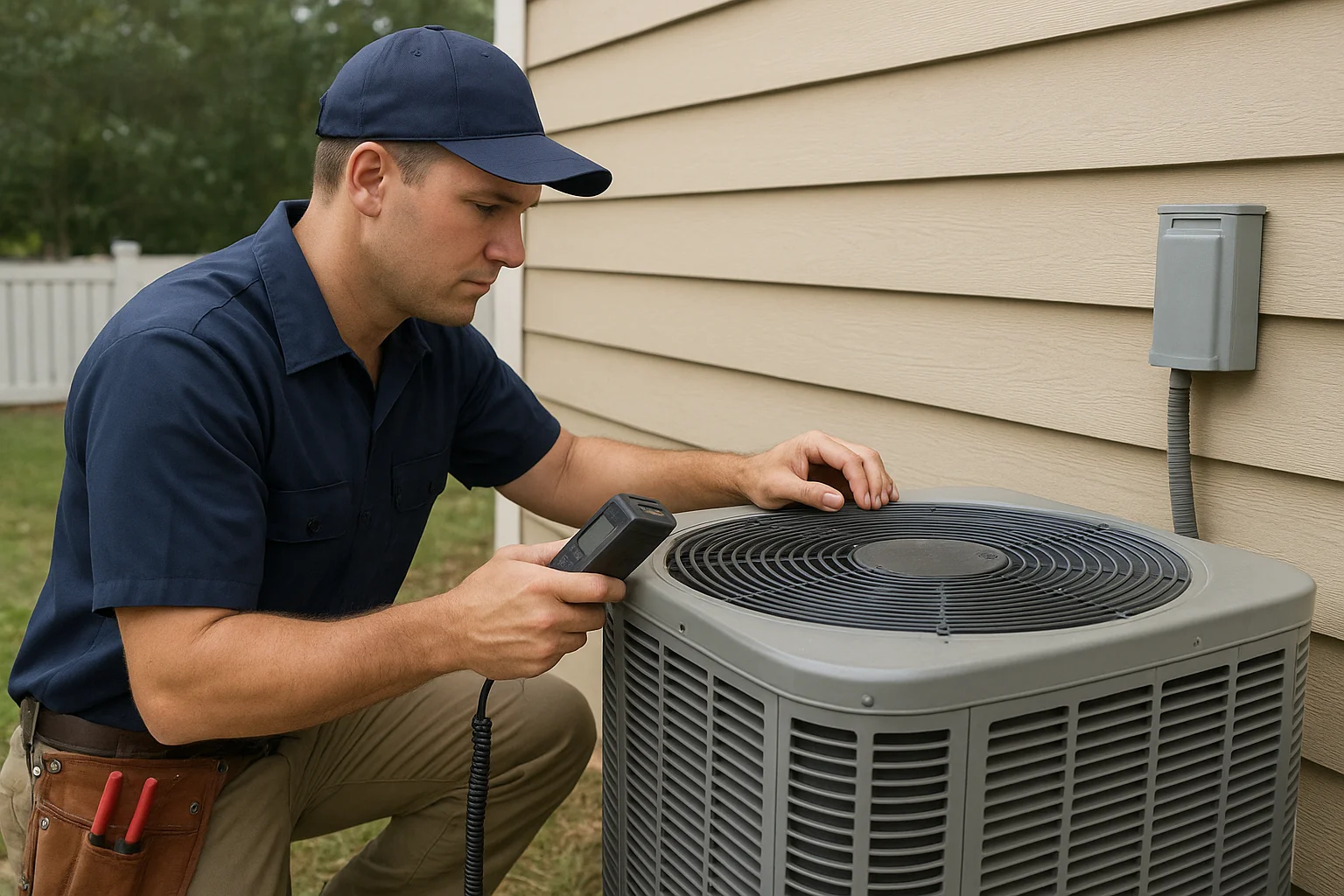
Even the best commercial HVAC installation in Springfield, FL is supported by preventive HVAC maintenance. Maintenance reduces the chance that small issues grow into failures during peak heat.
A practical maintenance plan for humid Florida conditions often includes:
- Filter checks and airflow verification
- Inspection of duct connections and airflow distribution
- Condensate drainage inspection to confirm proper removal
- Coil inspection for cleanliness and airflow performance
- Thermostat and control checks for stable operation
Homeowners searching for HVAC maintenance near me often want a schedule that aligns with seasonal demands. In Springfield, that typically means preparing before the hottest months and staying on top of humidity-related comfort concerns.
How to spot HVAC trouble early, before it turns into an emergency
Waiting until the system fails usually leads to higher stress, rushed decisions, and higher emergency service costs. Look for early indicators that your commercial HVAC system needs attention:
- Uneven temperatures across rooms or units
- Air that feels weaker than usual from vents
- Increased humidity indoors or persistent musty odors
- Unusual noises during startup or cycling
- Frequent cycling or the system running longer than normal
- Visible condensate drainage issues or water staining around equipment
If you are searching for emergency HVAC services, it helps to have a maintenance and repair history. That continuity can make troubleshooting faster when something unexpected happens.
Choosing the right local HVAC contractor in Bay County matters
Commercial HVAC installation is not only about equipment. It is about matching the system to your building, verifying performance, and supporting long-term reliability in a climate that can be hard on HVAC. A local HVAC contractor near me should understand Springfield’s conditions, including humidity load, airflow challenges in older duct systems, and how salt air exposure can affect components over time.
When you are comparing options, ask how the contractor approaches:
- System design for your building type
- Duct inspection and ductwork planning
- Condensate drainage verification
- Thermostat installation and control configuration
- Indoor air quality considerations
- Preventive HVAC maintenance planning
You can also review how installation issues show up in other areas. These reads explain details property owners often miss during commercial HVAC installation:
- The Details That Get Missed in Commercial HVAC Installation in Freeport, FL
- Commercial HVAC Installation in Laguna Beach, FL: The Issues Local Property Owners Should Not Overlook
- Keeping Sandestin Buildings Comfortable Starts With Smarter Commercial HVAC Installation
- What Panama City Beach Property Owners Should Know Before a Commercial HVAC Installation
Special considerations for Springfield buildings and HVAC upgrades
Some Springfield properties may benefit from alternative approaches depending on layout and long-term goals. For example, geothermal energy systems can be a fit for certain building types and site conditions. If you are evaluating options beyond conventional comfort cooling and heating, explore Geothermal Energy Systems.
In commercial buildings designed for zoning and varied comfort needs, you may also consider multi-zone solutions. If your property includes multiple areas with different usage patterns, VRF Multi-Zone Systems can be part of the conversation with a qualified installer. For buildings seeking efficient heating and cooling using a single approach, Heat Pump Services may be relevant.
No matter which direction you choose, the installation must still address airflow, ductwork, condensate drainage, thermostat controls, and indoor air quality. Equipment type does not remove the need for careful verification.
When you need air conditioning service or HVAC repair, use the installation history
If you have recurring issues, do not treat every call as a fresh mystery. Use the installation record to guide troubleshooting. For example, if airflow complaints began soon after a retrofit, ductwork sealing, airflow balance, and supply and return configuration should be reviewed. If humidity complaints started after cooling performance changed, condensate drainage and airflow-to-coil performance should be evaluated.
Homeowners searching for AC repair near me and HVAC repair near me often benefit from a contractor that can connect the dots between installation details and current symptoms. A Superior Mechanical can help you approach repair with the full context of what was installed and how it is performing in Springfield’s conditions.
Plan your commercial HVAC installation for fewer emergencies
Fewer HVAC emergencies start with a commercial HVAC installation process built around reliability. In Springfield, that means designing for humid-season performance, confirming airflow through ductwork, verifying condensate drainage, and setting thermostats and controls up for stable operation. It also means committing to preventive HVAC maintenance so issues are found early, before they become emergency cooling concerns.
If you are ready to protect your property, explore custom commercial HVAC installation in Springfield, FL and learn how A Superior Mechanical supports businesses across Bay County with system design and dependable performance.
Find Commercial HVAC Installation in Springfield, FL
If you need Commercial HVAC Installation in Springfield, FL, visit our local service page or contact A Superior Mechanical today.
Map of Springfield, FL
Frequently Asked Questions
How does commercial HVAC installation reduce the chance of emergency cooling in Springfield, FL?
Reliable installation supports correct airflow, proper ductwork setup, and verified condensate drainage. When the system can move air and remove moisture as designed, it is less likely to overwork and fail during peak heat.
What HVAC issues are most common in humid Florida commercial buildings?
Uneven airflow, poor humidity control, condensate drainage problems, and control or thermostat setup that causes unstable cycling are frequent contributors. These can lead to comfort complaints and costly HVAC repairs if not addressed early.
Should I try to troubleshoot refrigerant or electrical problems myself?
No. Refrigerant systems and electrical components need safe, in-person evaluation by a qualified professional. If you suspect a refrigerant or electrical issue, contact a local HVAC contractor for diagnostics on site.
How often should commercial HVAC maintenance be scheduled in Bay County?
A preventive schedule is best set based on your building use, equipment type, and seasonal load. Many properties benefit from maintenance before the hottest months and periodic checks that include airflow, condensate drainage, and thermostat/control verification.
What should I ask my contractor about ductwork during installation?
Ask about duct inspection, sealing and insulation needs, airflow balance, and whether any duct repair is recommended based on the building layout. Proper ductwork helps the system deliver comfort without excessive runtime.
Related Articles
- The Details That Get Missed in Commercial HVAC Installation in Freeport, FL
- Commercial HVAC Installation in Laguna Beach, FL: The Issues Local Property Owners Should Not Overlook
- Keeping Sandestin Buildings Comfortable Starts With Smarter Commercial HVAC Installation
- What Panama City Beach Property Owners Should Know Before a Commercial HVAC Installation
Photo Gallery